Guided Kathmandu to Pokhara Backcountry Bike Tour
This Nepal cycling tour takes cyclists from Kathmandu to Pokhara, covering over 250 km in a north-westerly direction. While Kathmandu is the administrative and cultural capital of Nepal, Pokhara is called its tourism capital as it serves as the base camp for mountaineering expeditions to some of the highest mountains on earth, all of which are located in its vicinity. This tour offers a unique experience, connecting these two major cities through an array of mountains and backcountry routes - truly an offbeat one.
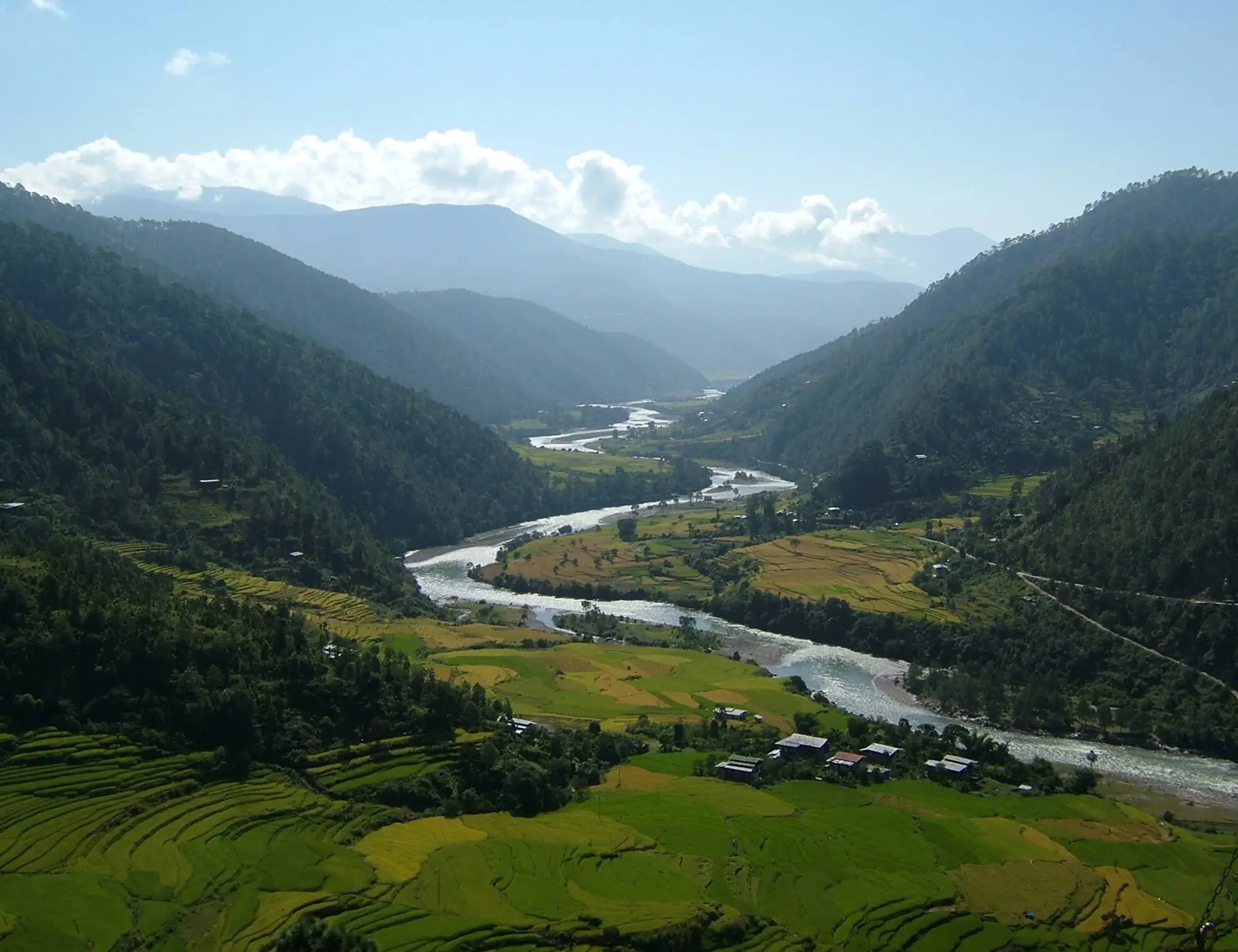
Ride along pristine villages, forests, lake valleys, unique terraces, and paddies through trails ranging from easy to challenging. The route, once a postal service network in times without roads or internet, connects us to historical places like Nuwakot, Gorkha, and Bandipur. Additionally, it introduces us to serene lakes, rivers, and various ethnic cultural villages. Each night, we stay in local guesthouses, sharing experiences and immersing ourselves in the local way of life. The trail from Kathmandu to Pokhara for mountain biking is less frequented by tourists, providing a unique opportunity to explore the cultural richness of the Himalayan foothills and relish the cross-country ride in Nepal. The entire route unfolds along an elevated plateau at an average altitude of 1200m above sea level.
Guided
casual hotels
Kathmandu | 13:00hrs
Kathmandu
moderate to challenging
41 km / 26 mi
11
Tribhuvan International Airport (KTM)
Tribhuvan International Airport (KTM)
Highlights

Bike the Ceiling of the World
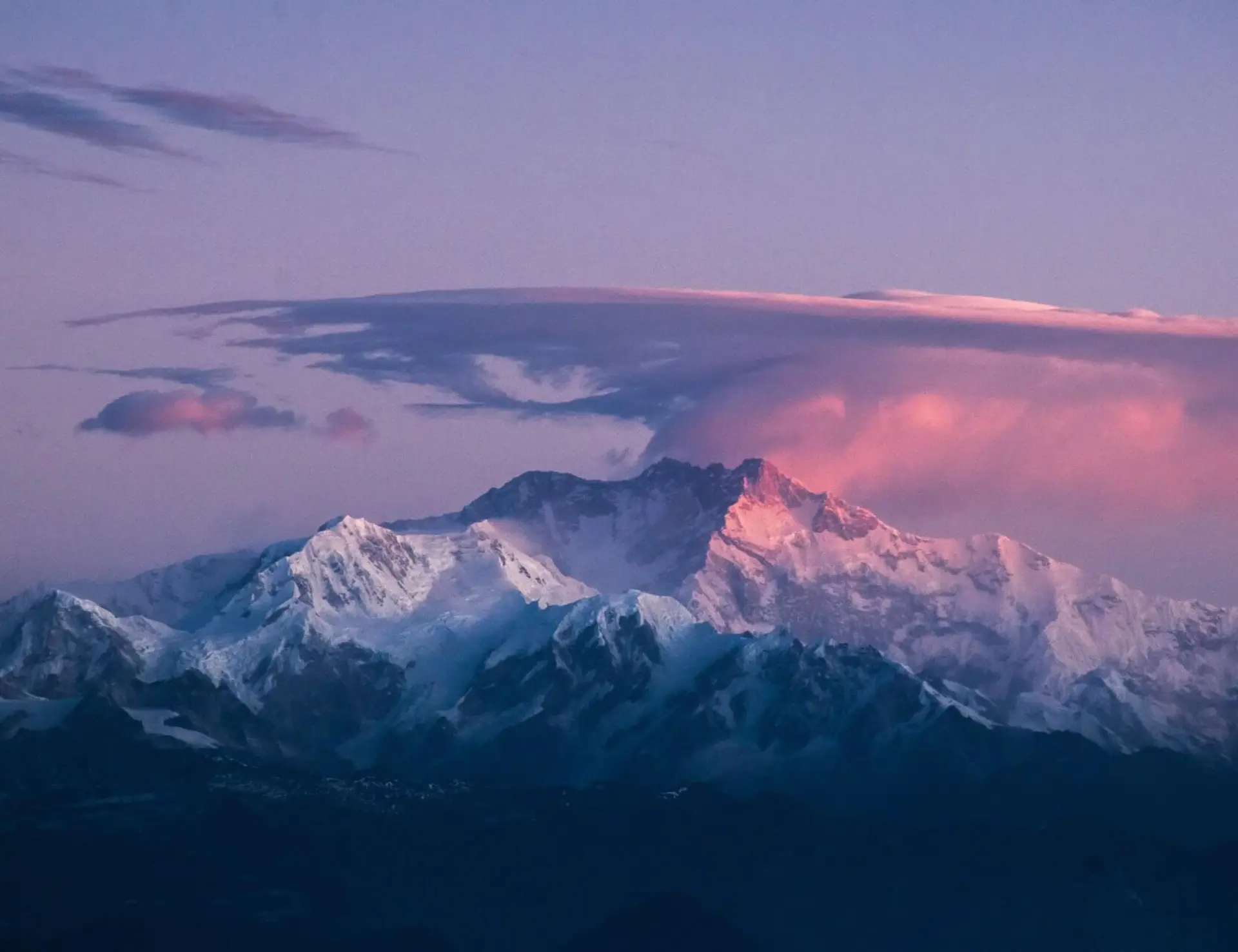
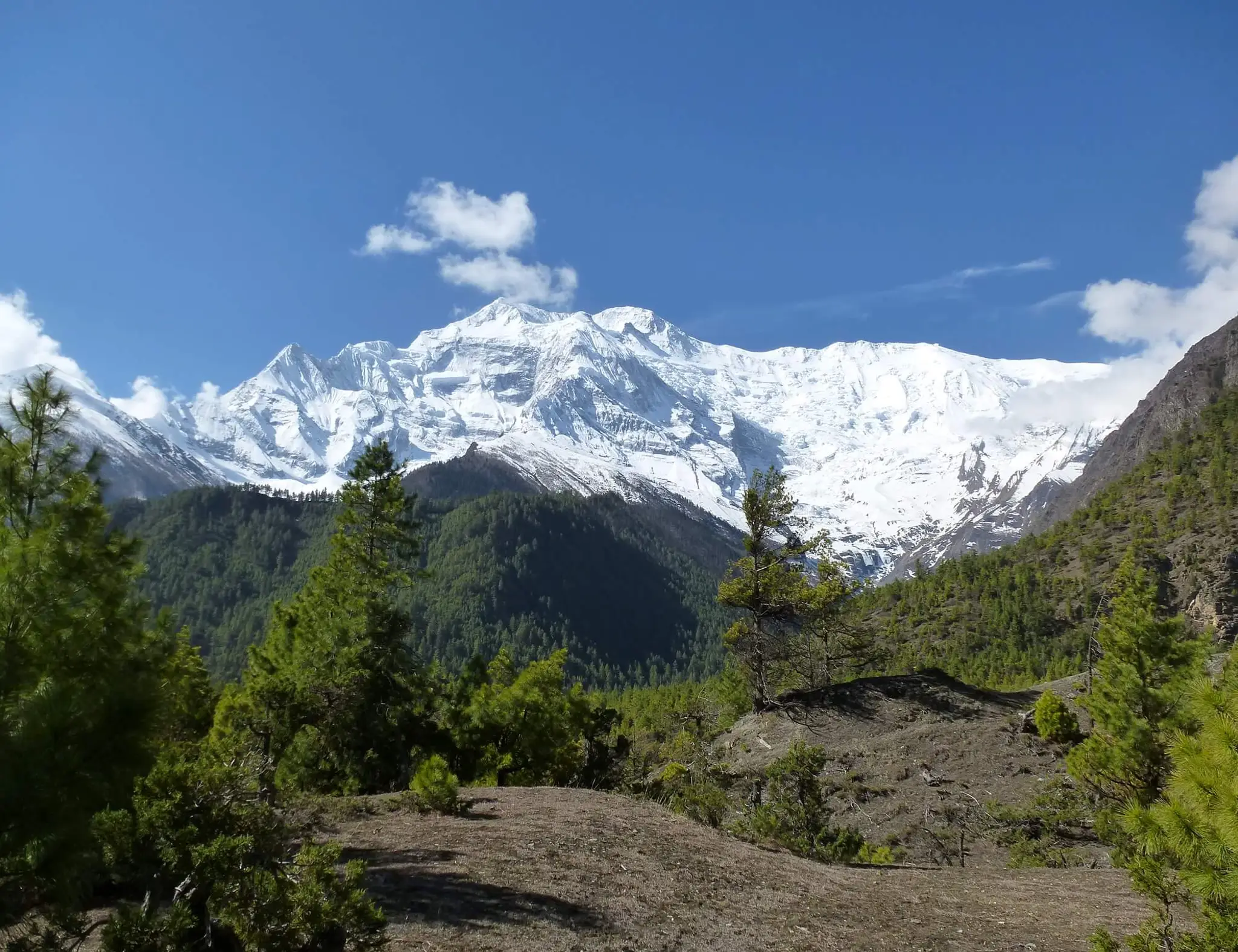
8 of the world’s 10 highest mountains are in Nepal, including Mt Everest, the highest mountain on earth. On a Nepal bike tour, you are most likely to spot 3 out of the top 10 highest mountains on earth — Dhaulagiri (8167m/26,795ft), Annapurna (8091m/24245 ft), and Manaslu (8163/26,781 ft). Imagine biking charming countryside roads with these massive, snow-clad giants quietly watching over you from the skies high above.

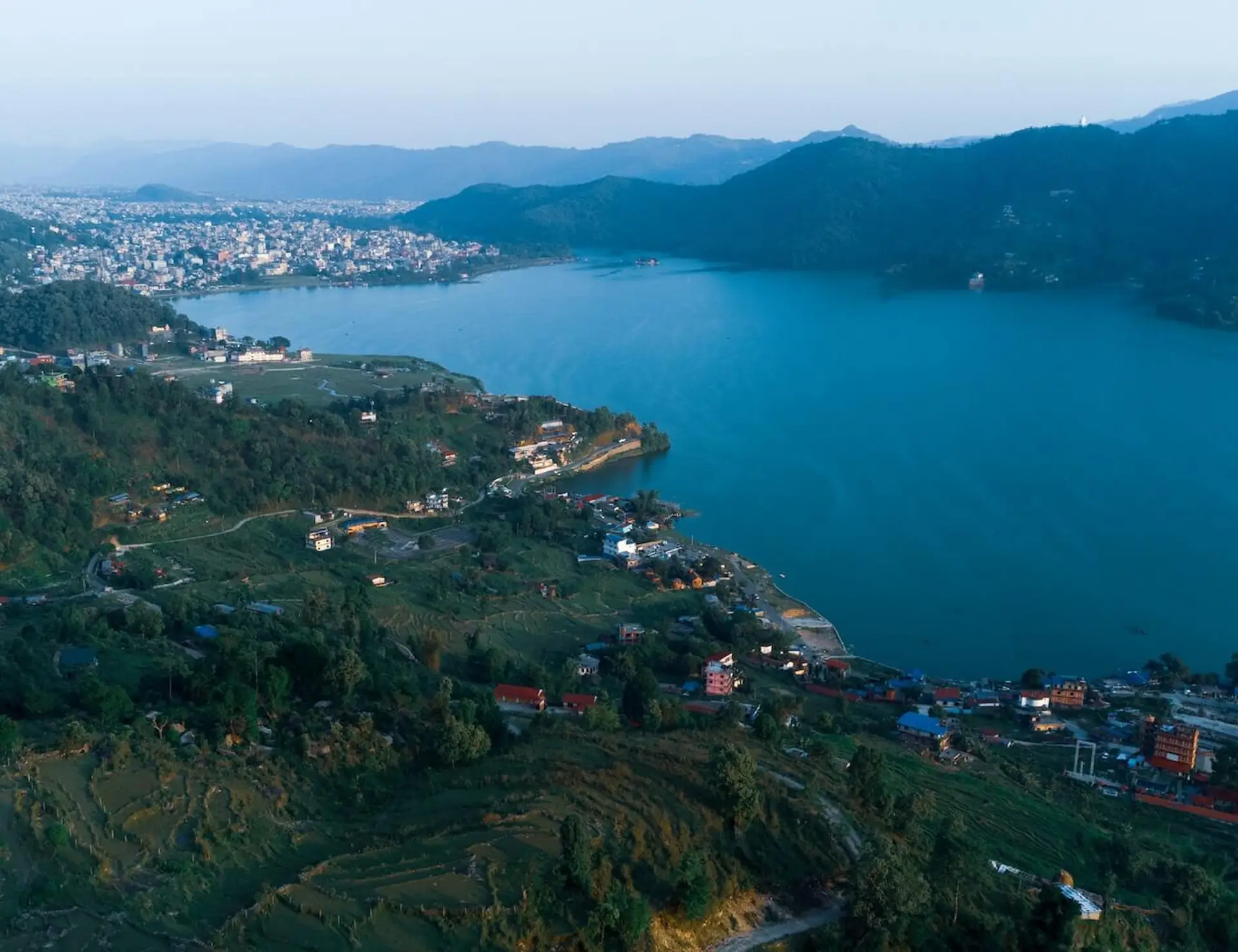
Quite Backroads of Nepal
Explore the little-known interiors of rural Nepal on quiet backroads
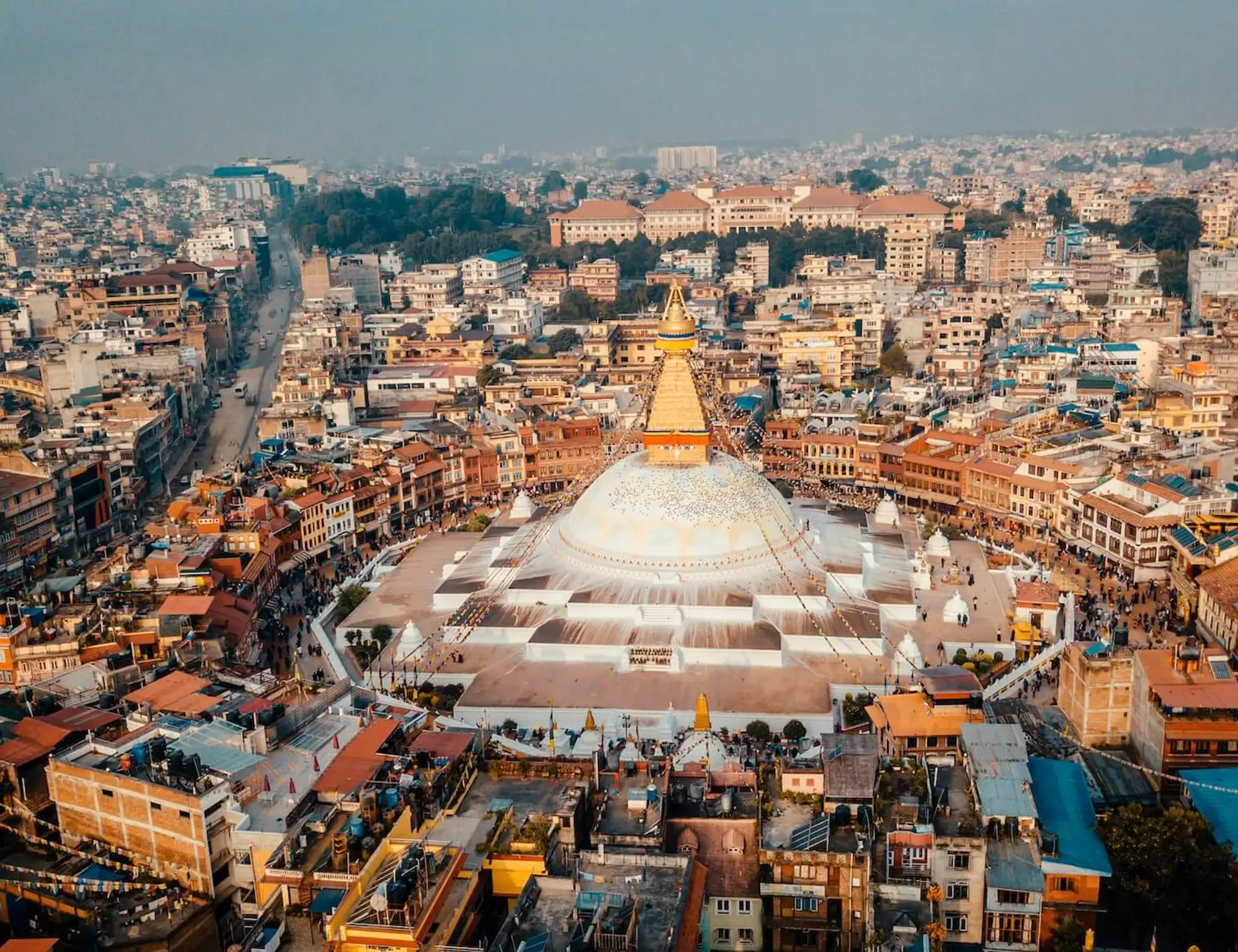
Explore the Culture, Cuisine & History
Explore the culture, cuisine and history of the famed cities of Kathmandu and Pokhara — among the oldest continually inhabited cities on earth. Nepal is home to more than 135 ethnic groups, including Gurkhas, Tibetans, Brahmins, Bhutanese among others. Each ethnic group has its own unique culture, cuisine, and costumes, and a Nepal bike tour allows you to absorb this diversity at close quarters.
Itinerary
Brief Itinerary
Meals are indicated as B = Breakfast, L = Lunch, D = Dinner.
Listed hotels are subject to availability and may be replaced with similar alternatives of equal standard.
| Day | Place | casual Inns | Meals | Distance | Activity |
|---|---|---|---|---|---|
| DAY 1 | Kathmandu | Taleju Boutique | D | ||
| DAY 2 | Trishuli | Siddhartha Hotel Water Tower | B,L,D | 55 km / 34 mi | cycling |
| DAY 3 | Dhading | Hotel Janajibika | B,L,D | 40 km / 25 mi | cycling |
| DAY 4 | Aarughat | Bamboo Cottage Hotel | B,L,D | 40 km / 25 mi | cycling |
| DAY 5 | Gorkha | Hotel Gorkha Bisauni | B,L,D | 40 km / 25 mi | cycling |
| DAY 6 | Sundari Bazar | Malika Hotel | B,L,D | 50 km / 31 mi | cycling |
| DAY 7 | Begnas Lake | Hotel Macau | B,L,D | 55 km / 34 mi | cycling |
| DAY 8 | Begnas Loop | Hotel Macau | B,L,D | 30 km / 19 mi | cycling |
| DAY 9 | Astam | Annapurna Eco Resort | B,L,D | 45 km / 28 mi | cycling |
| DAY 10 | Bhumdi Village | Pumdikot Mountain Lodge | B,L,D | 30 km / 19 mi | cycling |
| DAY 11 | Pokhara | Bar Peepal Resort | B,L | 30 km / 19 mi | cycling |
| DAY 12 | Pokhara | Bar Peepal Resort | B,L,D | 38 km / 24 mi | cycling |
| DAY 13 | Fly to Kathmandu | Taleju Boutique | B | ||
| DAY 14 | Departure | B |
Detailed Itinerary

Day 1: Kathmandu
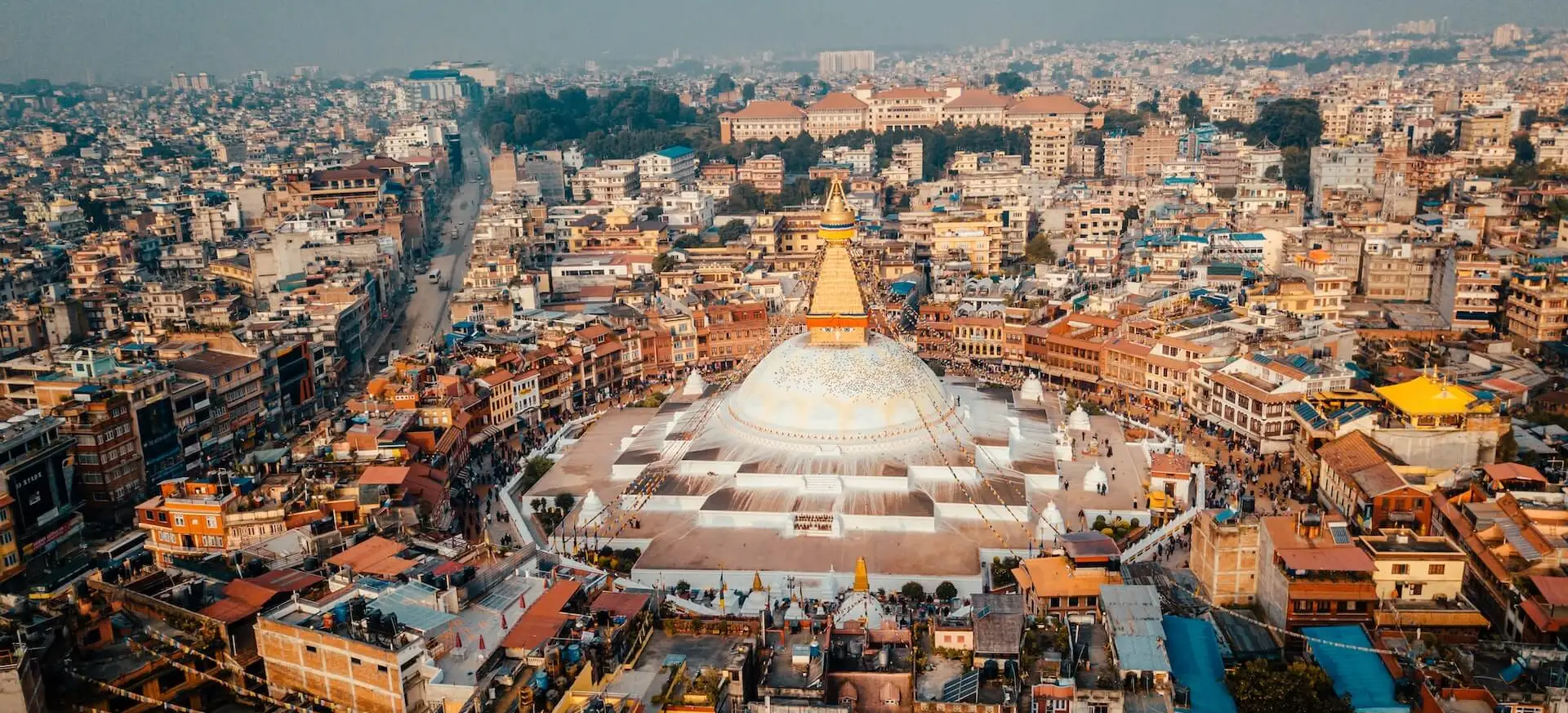
Arrive at Kathmandu and be welcomed by our tour guide. Kathmandu is the capital of Nepal and has direct air connectivity to most major cities in the world. It is a bustling city of close to 3 million people located in a valley in the central Himalayas at about 1400m above sea level. Considered among the oldest continually inhabited cities in the world, Kathmandu is a charming mix of the ancient and the modern. In the 60s and 70s, it was the terminal point of the famous hippie trail. From the 1990s onwards, it became a hub for mountaineers heading to Everest. It isn’t for nothing that legendary musicians such as Cat Stevens and Bob Seger have penned odes to Kathmandu.
We meet for a bike fit in the afternoon followed by a walking tour exploring the sights and sounds of the famous Durbar Square and several of its famous temples.
We convene tonight over dinner to celebrate the commencement of a spectacular adventure through the highest mountain range on earth.

Day 2: Trishuli
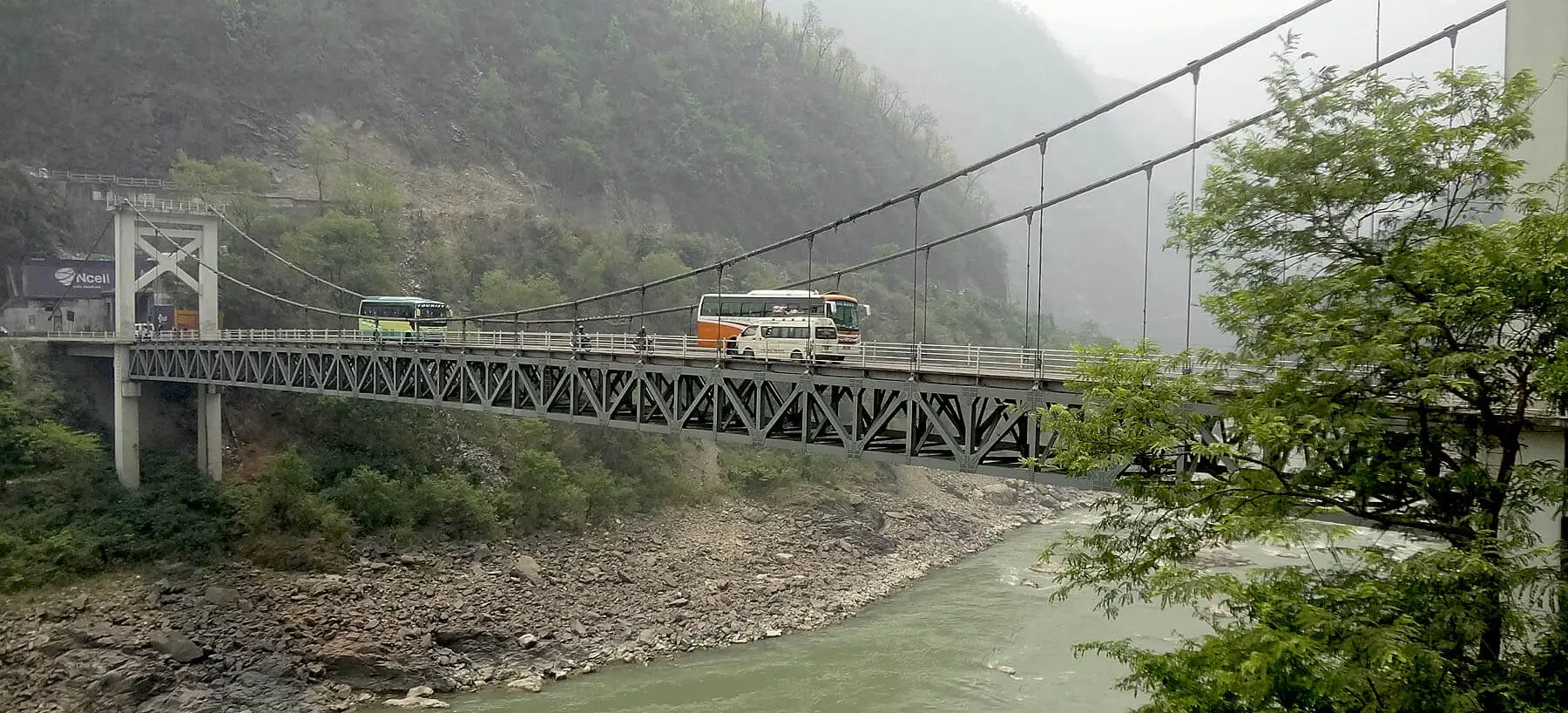
We begin the day with a quick shuttle transfer to leave the bustle of Kathmandu behind and head out into the countryside to begin our cycling adventure. We strike a north-westerly route along little-used backroads and cycle through undulating hills until we reach the town of Nuwakot. Once an important center on ancient trading routes between India, Nepal, Tibet, and China, the town is home to the ruins of a 300-year-old hilltop palace which is under consideration by UNESCO to be declared a World Heritage Site. We ride under its watchful shadow to head further to the northwest, riding over undulating hills and crossing pretty mountain streams to reach our stop for the night — Trishuli. Trishuli is a zesty, fast-flowing mountain river that originates from the perennially snow-bound glaciers of Tibet and forces its way through the mountain gorges of Nepal. For this reason, it is considered the best destination for water sports in Nepal. We spend the night at a campsite close to the banks of the Trishuli river, and under the Himalayan sky.
Elevation gain: 924m, Elevation loss: 1709m


Day 3: Dhading
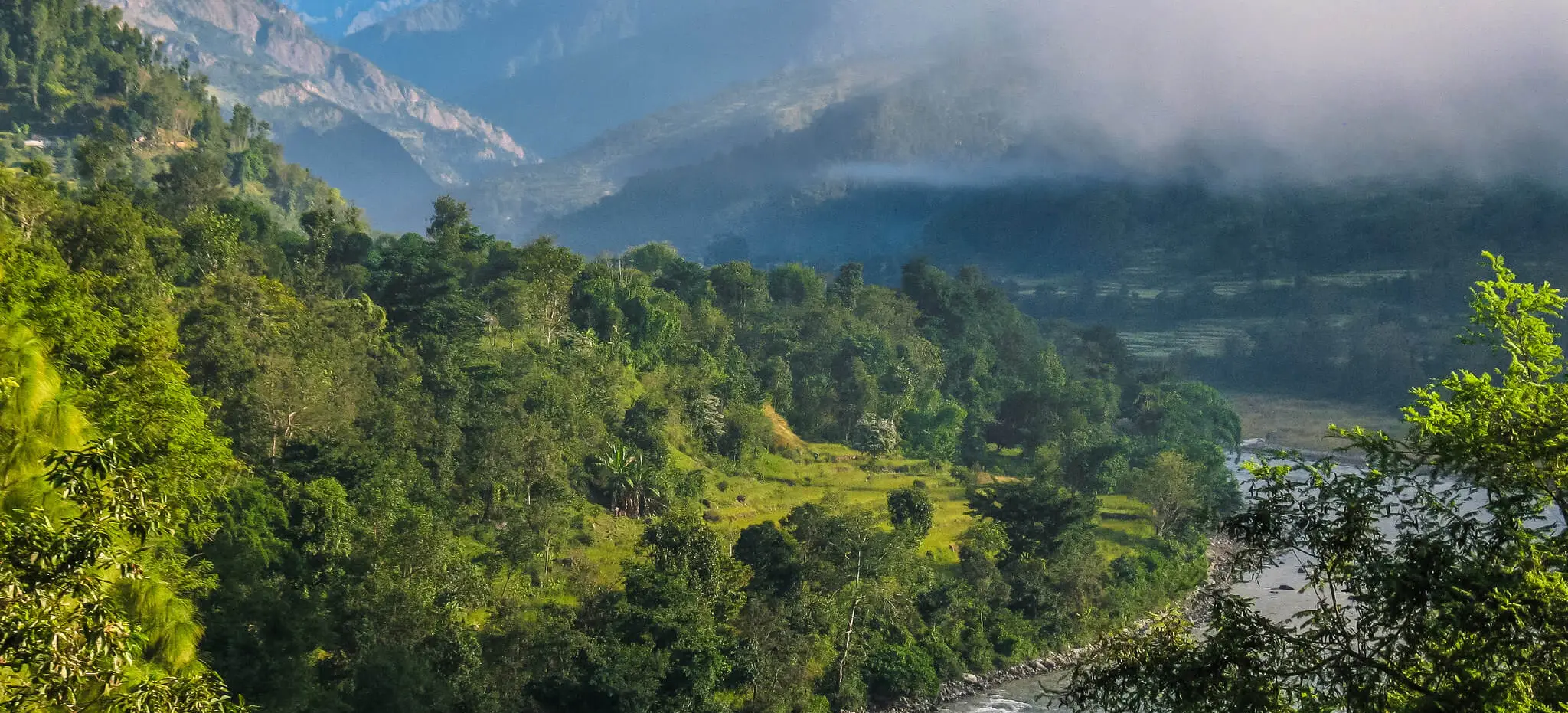
We begin this day’s cycling with the perky Trishuli river as our constant companion as we follow its meandering path through hills, ravines and plains, eventually heading in a westward direction to a small town called Dhading. Known as Nepal’s Ruby Valley because of the rubies that were once abundant in this region, Dhading presents a picture postcard view of a mountain hamlet framed under towering snow-clad mountains. The day’s cycling is idyllic and picturesque, passing through villages, forests of rhododendron and pine, and beautiful valleys.
Elevation gain: 1647m, Elevation loss: 1603m

Day 4: Aarughat
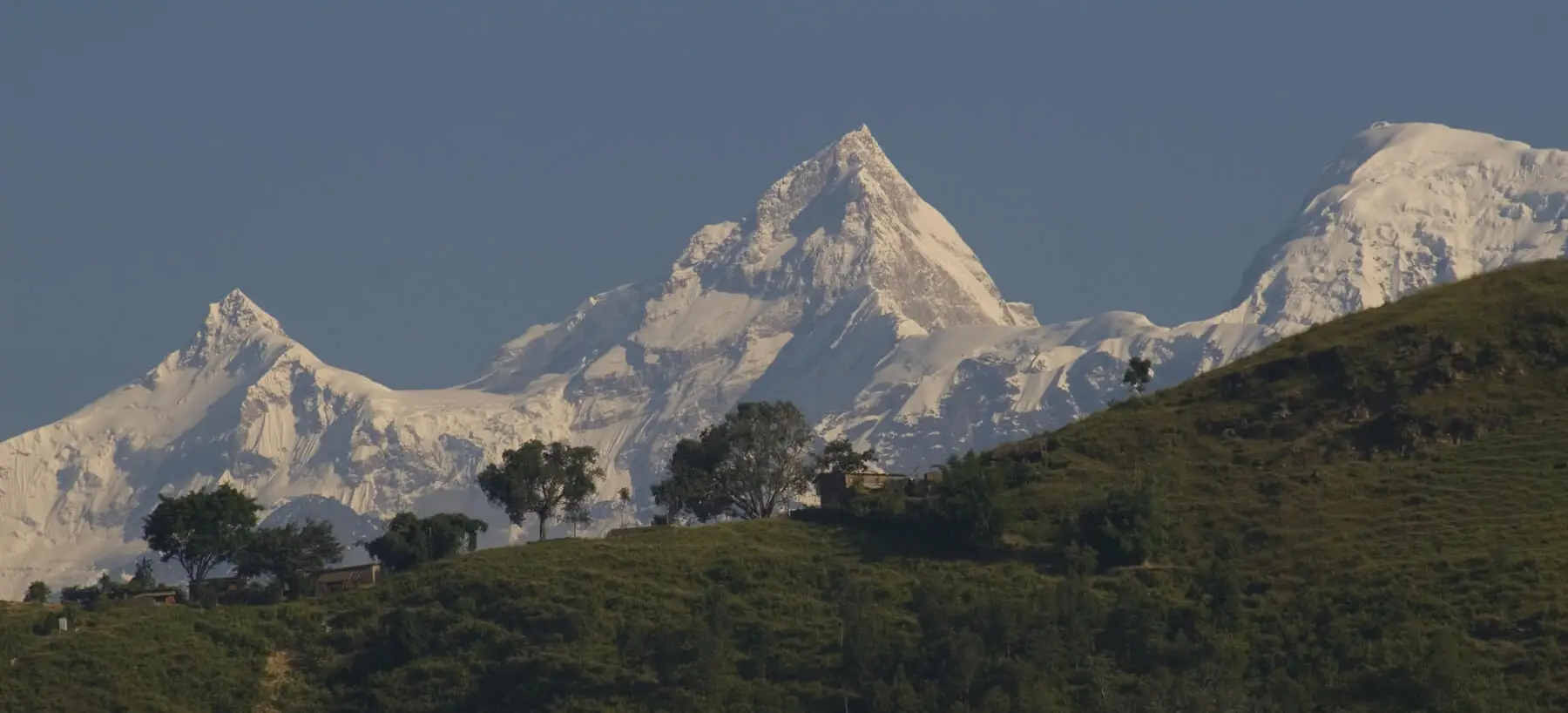
We begin cycling in the morning from Dhading itself. As the sun comes out from the mountain mist, we are welcomed by spectacular views of Manaslu, the eighth-highest mountain on earth at 8,148m above sea level. Manaslu, in fact, remains a constant companion as we ride towards our destination for the day, Aarughat. Aarughat is another small mountain hamlet that is popular for being the starting point of trekking expeditions to and around Manaslu. The day’s riding begins with a challenging uphill, before petering out into a gentle downhill.
Elevation gain: 994m, Elevation loss: 1072m

Day 5: Gorkha
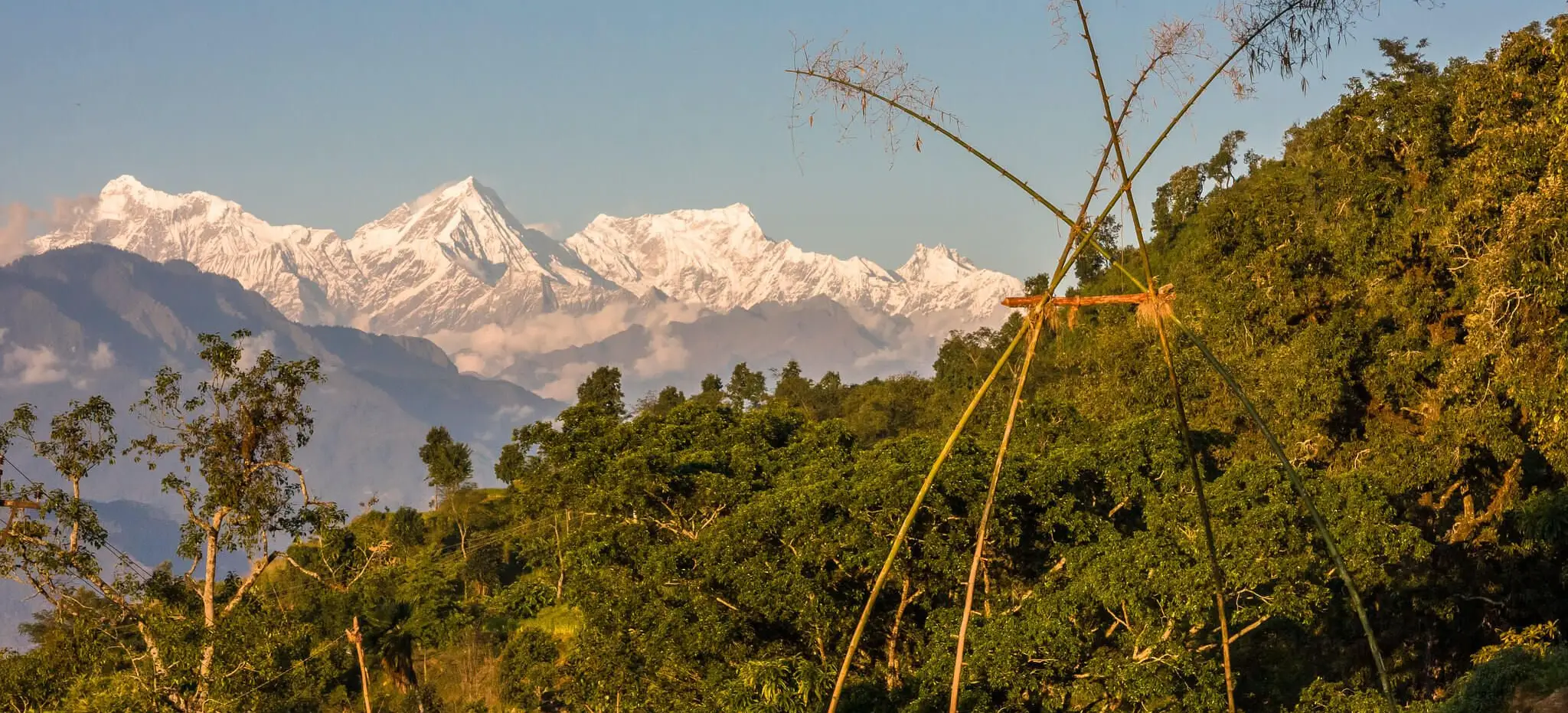
We begin cycling today from Aarughat itself, taking a northerly course to the town of Gorkha, located close to the border with Tibet/China. Gorkha is a town intimately connected to the formative history of Nepal and its ruling dynasties, remnants of its eventful past still lying scattered across the town in the form of various monuments and ruins. Aarughat is surrounded by more than 14 peaks over 7000m in altitude that rises up all around it like sheer walls of stone and snow, giving it the appearance of a Tolkien-esque citadel.
Elevation gain: 1314 m, Elevation loss: 741 m

Day 6: Sundari Bazar
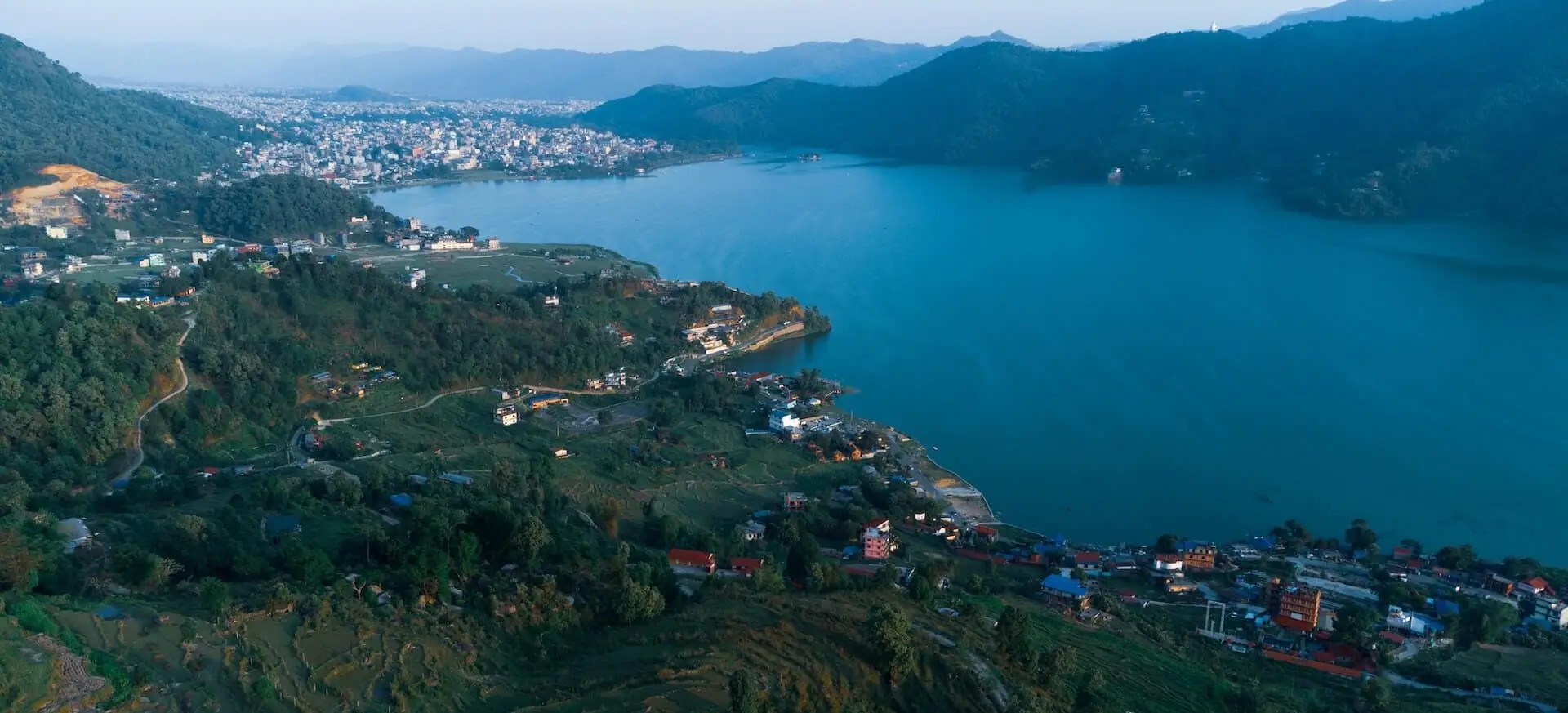
Today is a long and fun day of cycling. We strike a western path through some gorgeous scenery consisting of rice paddies, small villages, quiet village roads, and clean mountain air. Our companion for much of the ride will be the Marshyangdi river, a swift-flowing mountain stream famous as a destination for white-water rafting. Today’s ride brings us close to Pokhara, as we stop for the night at Sundari Bazar, a quaint mountain town on the outskirts of Pokhara.
Malika Hotel is a basic accommodation with simple amenities. Expect clean but no-frills rooms, minimal services, and a functional stay.
Elevation gain: 875m, Elevation loss: 1320m

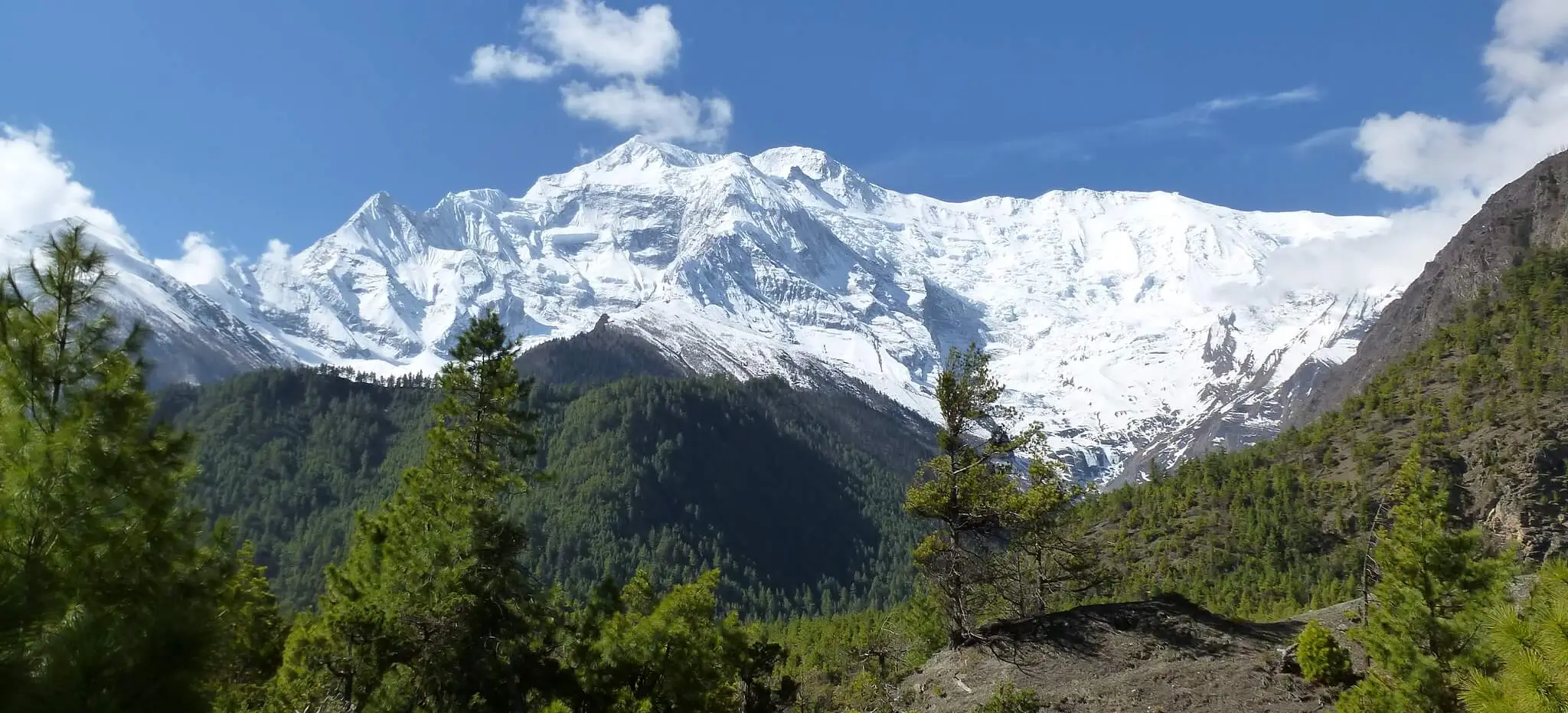
Day 7: Begnas Lake
This is one of the longest days of biking on the tour. We head out towards Begnas Lake, a high-altitude, freshwater lake situated on the outskirts of Pokhara. The waters of the lake change colors depending on the season of the year. On clear days, visitors can see the imposing white massif of the Annapurna mountain — the tenth highest mountain in the world at 8091 m above sea level — reflected in its blue waters. Along the way, we pass by small mountain rivulets and numerous small villages, stopping to chat with the ever-friendly farmers and villages about life, lemons, philosophy, and everything else under the sun.
Elevation gain: 1524 m, Elevation loss: 1458 m

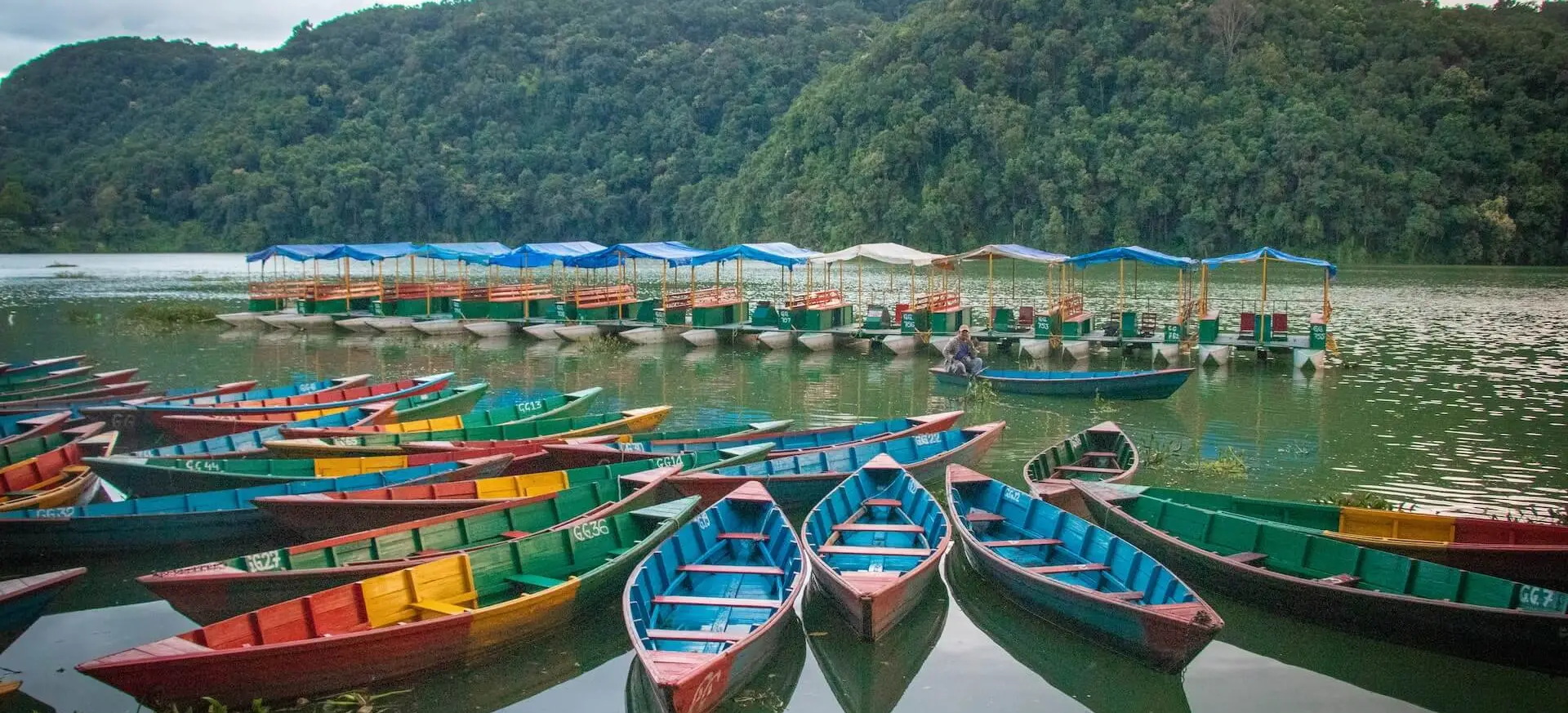
Day 8: Begnas Loop
After yesterday’s long hours spent in the saddle, we take this day as a rest day or go cycling; leisurely around more lakes. Beginning from the Begnas, we head over to another, an even bigger lake called Lake Phewa. Phewa is the second-largest lake in Nepal and is famous for adventure sports. The lake is also known for offering mesmerizing reflections on its clear waters of the Machapuchare or the Fish-tail mountain — one of the few mountains in Nepal that have never been climbed.
Elevation gain: 317 m, Elevation loss: 204 m

Day 9: Astam
We bike today towards Astam, a small village known as a trekking destination for novice trekkers. The village offers spectacular views of the Annapurna mountain range. Visitors especially come here for the sunrise and sunset over the magnificent Annapurna. Astam is known for its many eco-tourism resorts. We spend the night at one such comfortable eco-resort.
Elevation gain: 280 m, Elevation loss: 204 m

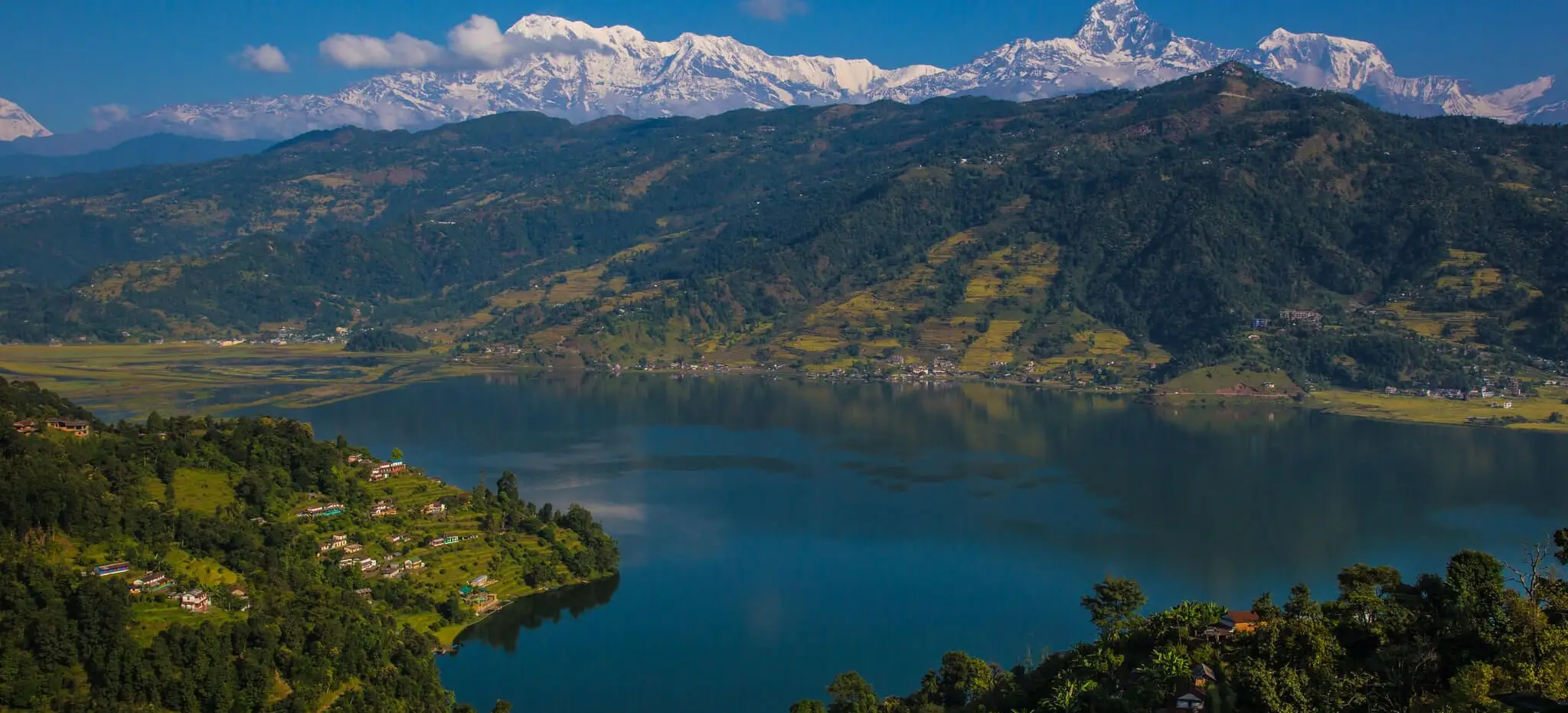
Day 10: Bhumdi Village
This is another relaxed day of biking in which we ride from Astam to Bhumdi, another idyllic village set in the valleys around Pokhara. We take many stops along the way to admire the natural beauty of the Pokhara valley, click pictures of the snow-clad mountains and chat with the farmers.
Elevation gain: 550 m, Elevation loss: 432 m

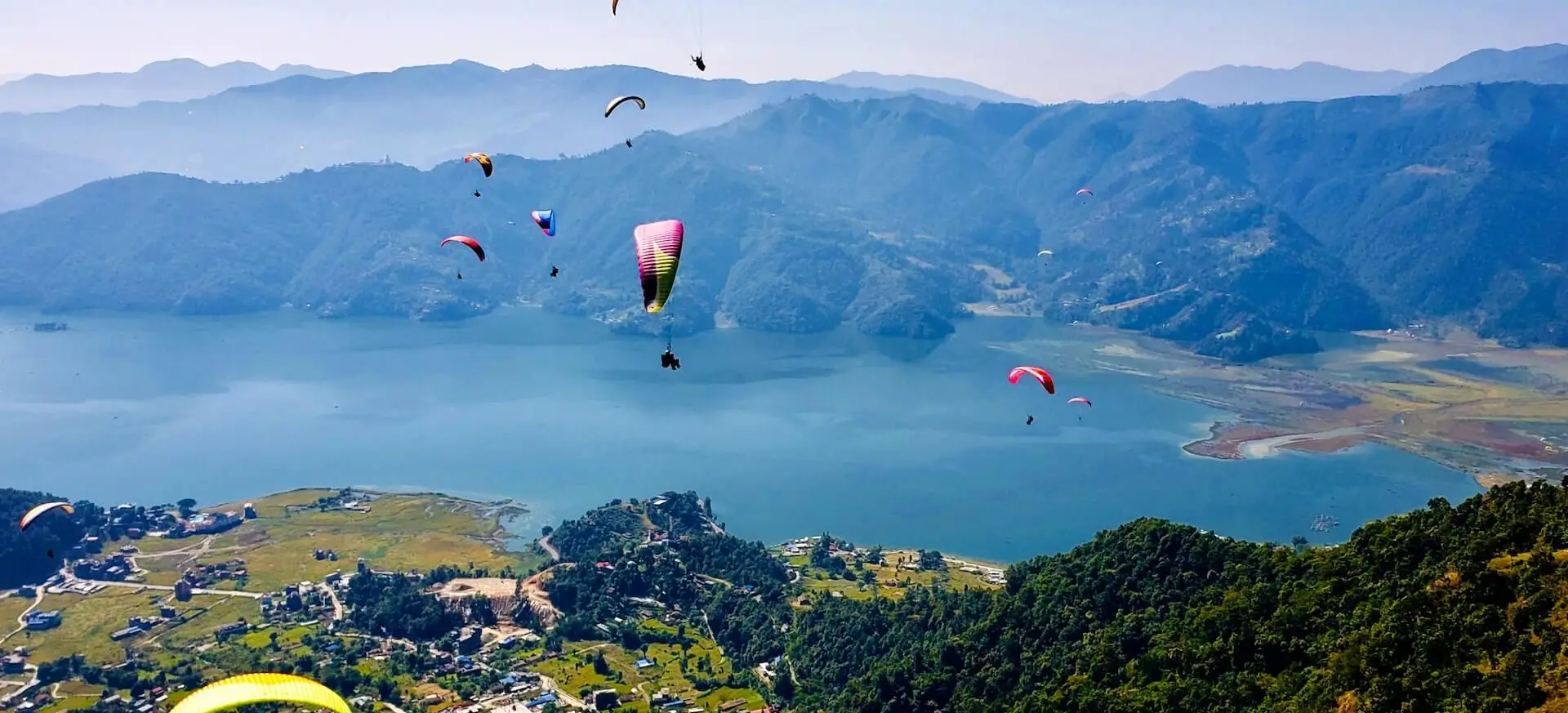
Day 11: Pokhara
After 10 days of riding through a mesmerizing Himalayan landscape, we finally arrive at our destination — the famed town of Pokhara. Today’s ride begins with a short uphill and then descends into a knuckle-gripping downhill into Pokhara. A metropolitan town of over half a million inhabitants, Pokhara is marked by two striking geographical features — the Annapurna mountain and the Phewa Lake.
Elevation gain: 550 m, Elevation loss: 432 m

Day 12: Pokhara
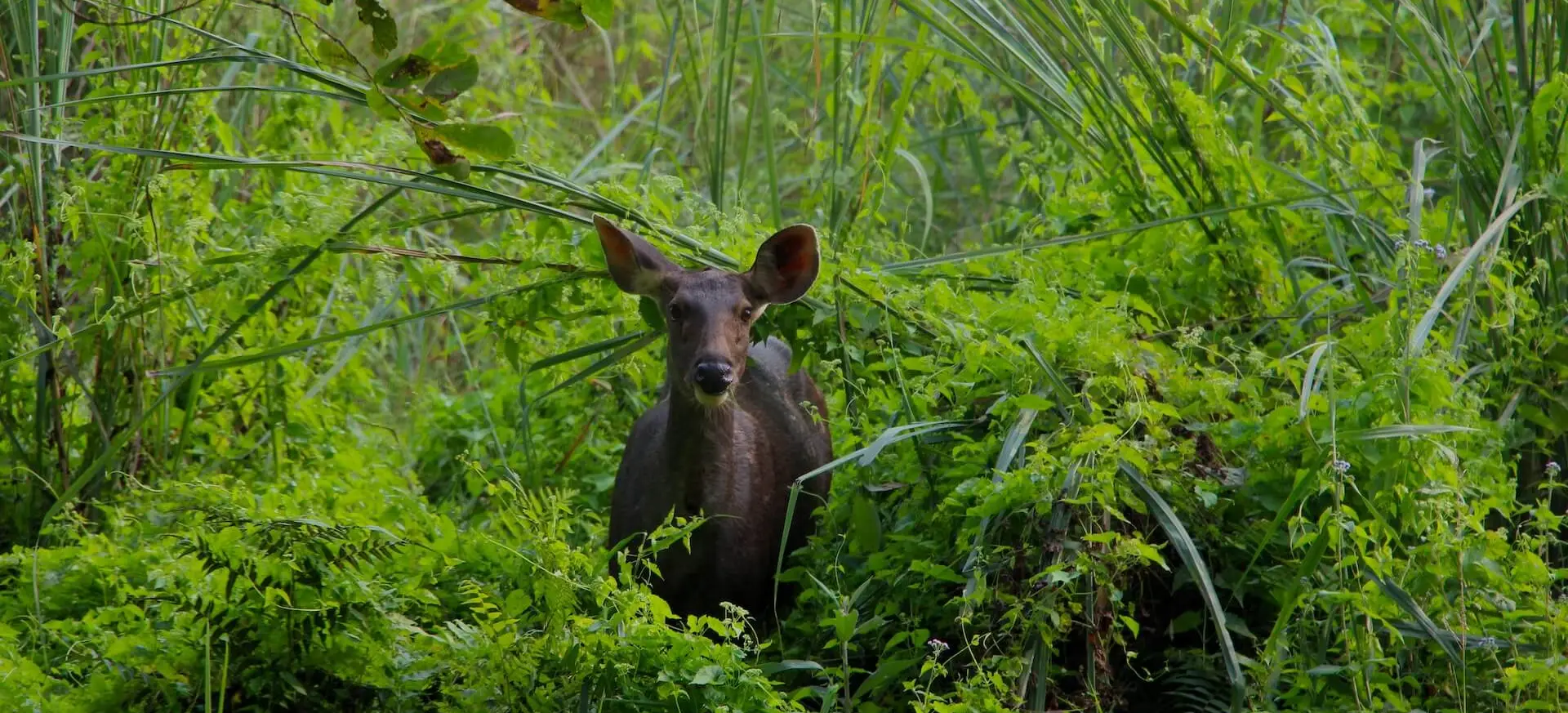
Exploring Kristi village on a mountain bike is a must for any biking enthusiast visiting the Pokhara Valley. Today's ride leads you through charming villages and the renowned orange orchards of Pokhara, where abundant orange harvests occur annually.
While navigating the skyline trail, be treated to mesmerizing views of Annapurna I (8091m), Dhaulagiri (8167m), Manaslu (8164m), and other mountain ranges.
Day 13: Fly to Kathmandu
Fly from Pokhara to Kathmandu that offers a quick 25-30 minute journey with spectacular views of the Himalayas. The flight showcases picturesque valleys and mountain peaks, making it a memorable experience. Keep an eye on weather conditions for potential schedule changes. Upon landing in Kathmandu, transition from the serene mountain landscapes to the bustling city life.
Day 14: Departure
Please make arrangements as per your onward travel plans.
Ready to plan your adventure? Download a print-ready detailed itinerary.
Map
Dates and Prices
Book with Confidence: For scheduled group departures, your 20% deposit is fully refundable until 60 days before departure. Solo travellers booking 120+ days in advance can avoid a mandatory Single Supplement. See terms & conditions.
Couldn't find a trip with convenient dates?
Open your date as a join-in tour or customize further as a private one.
Essential Info
Inclusions
LODGING
All hotels as mentioned in the tour details or similar (subject to availability).
trip leader
Expert Trip Leader(s) who look after your every need and add meaning to your vacation.
bike
Immaculately maintained bike with helmet, suited to a terrain.
shuttle
A Van support follows the group of riders and carries all belongings.
Airport drop
Enjoy a hassle-free group airport drop to finish your journey. Available only on the tour end date.
meals
Meals as per itinerary. Guests are given the opportunity to dine on their own so that they discover a location independently.
refreshments
Refreshments and mineral water during activity.
entrance
Entrance fees to most of the monuments and temples.
Exclusions
Beverages
Beverages such as alcohol, tea, coffee, juice at a hotel or restaurant.
Gratuity
Gratuities for your guide team are not included in the trip price.
Bikes
A great ride begins with a great bike. Our tours typically include the models listed below, though in some cases—due to height or availability constraints—we may provide an equivalent alternative.

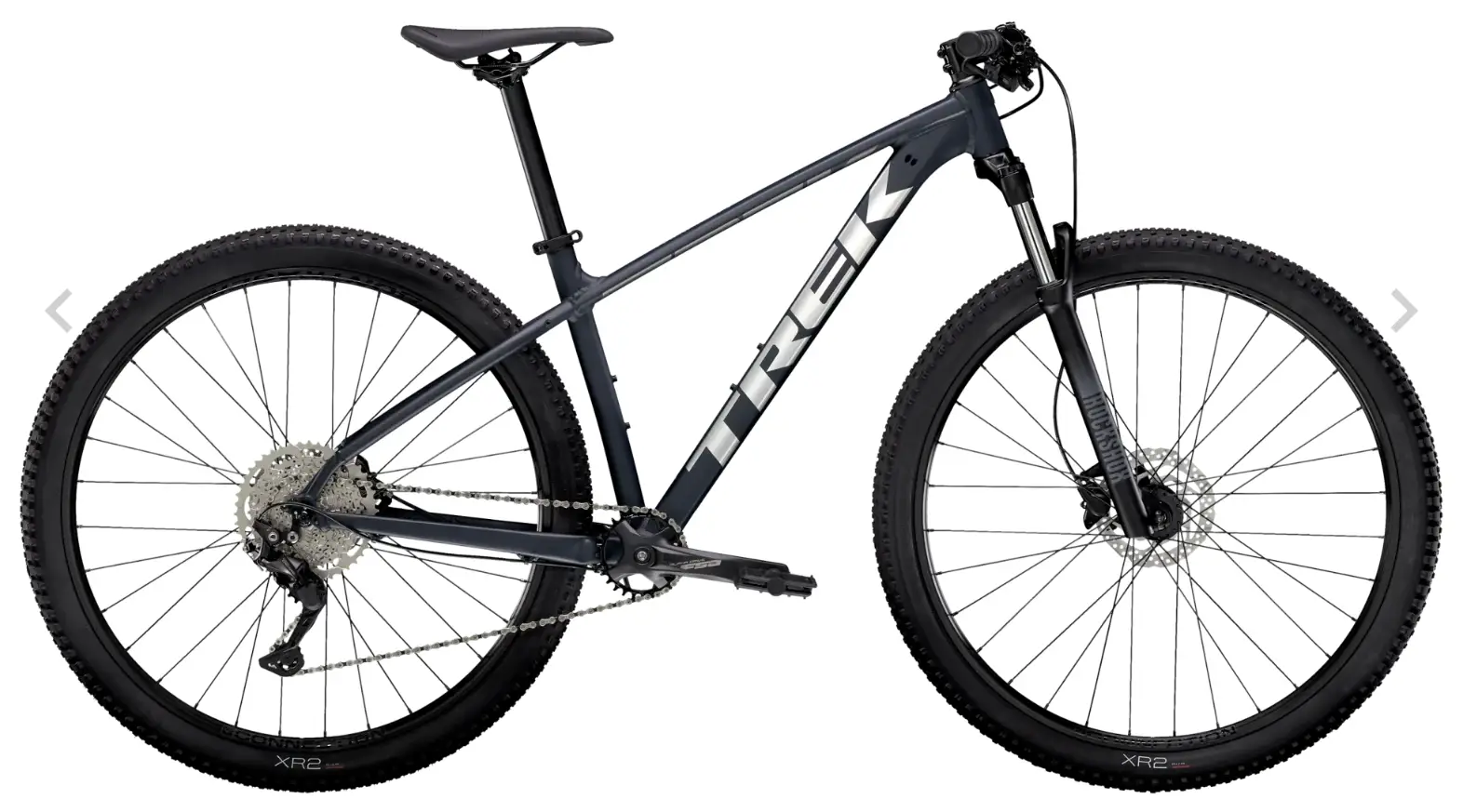
Trek Marlin 7 or similar
Included in your trip price

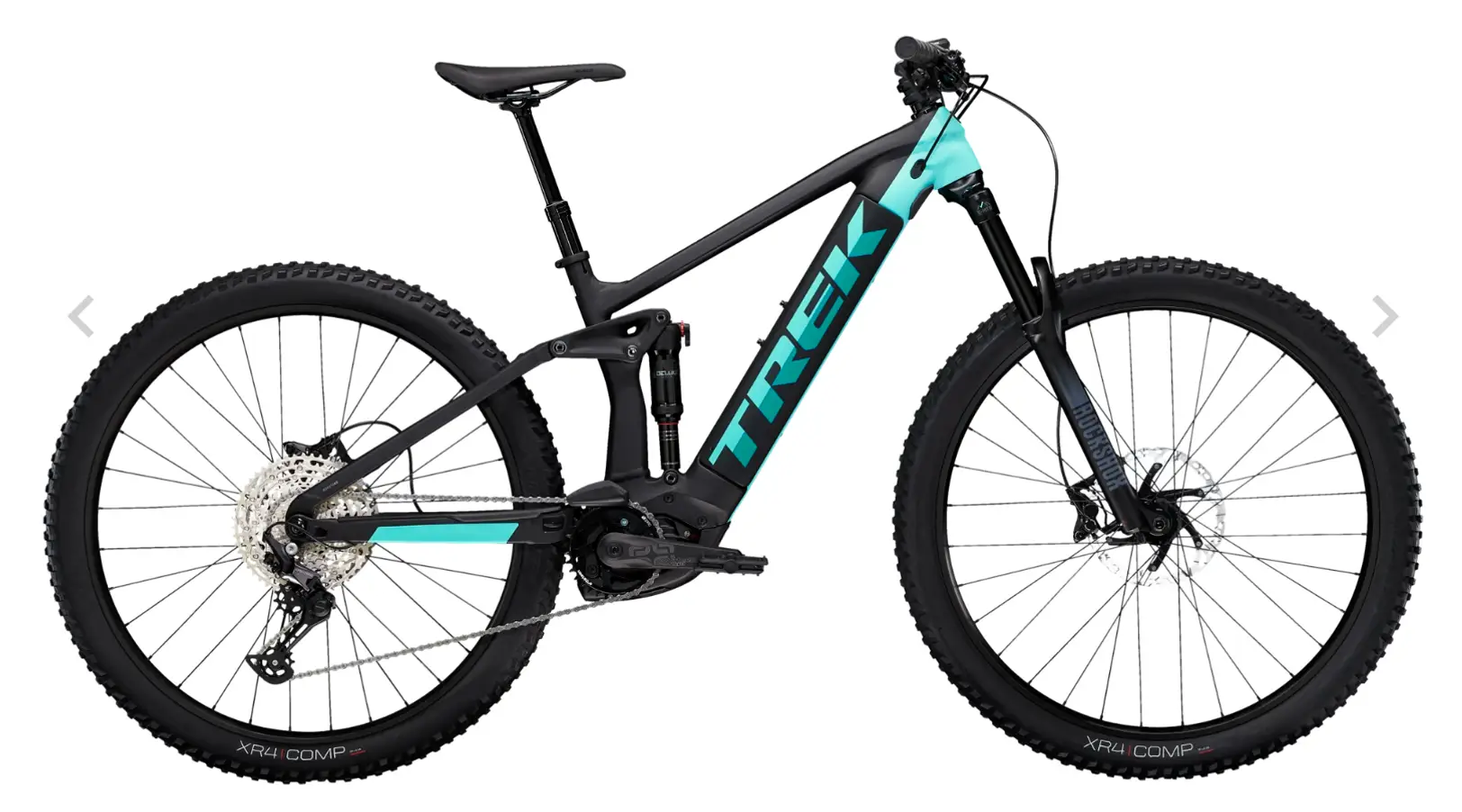
Trek Rail 5 Gen 2 or similar
Available at a surcharge

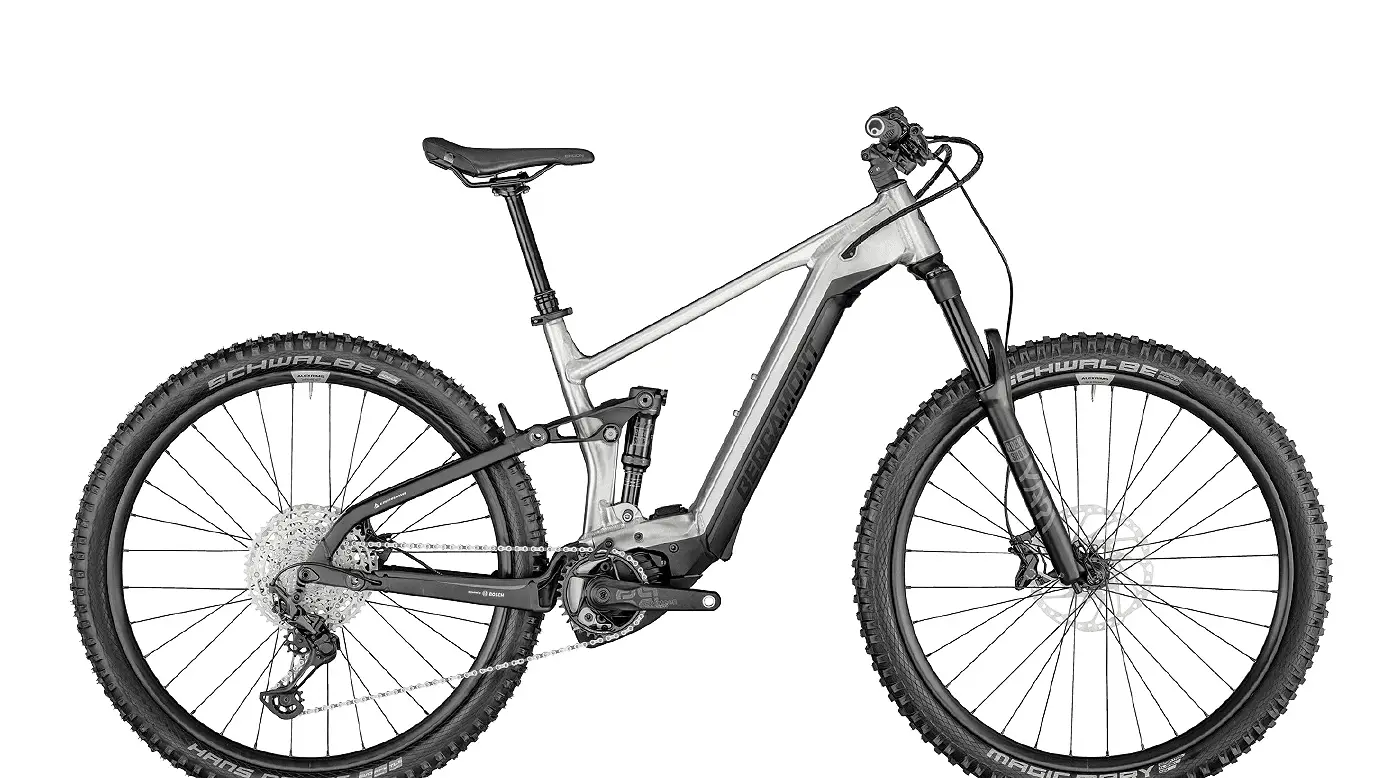
Bergamont E-trailster or similar
Available at a surcharge
What to Expect
We want you to have a fantastic experience on your tour, so we aim to be upfront about what to expect along the way. Here are key details to keep in mind:
Kindly note that the Malika Hotel in Sundar Bazar on Day 6 is a basic yet comfortable inn. Sundar Bazar is a very small town, and the Malika Hotel is the only option there. This hotel may also have limited availability of large double beds. In such a case, twin beds will be provided.
Although this entire cycling route unfolds in the quiet backroads between Kathmandu and Pokhara, we may occasionally pass through some towns with a little traffic. You can expect some traffic while riding through the town of Dhading on Day 3 and Gorkha on Day 5.
Arrival & Departure Details
Arrival
Arrive at Kathmandu International Airport. A group transfer from the Kathmandu airport to your hotel is included in your tour price. Our team will meet you at the airport and transfer you to your hotel on Day 1.
Alternatively, you can also make your own arrangements. Taxis can be easily booked outside the Kathmandu airport to reach your hotel.
Departure
A group transfer to the Kathmandu airport is included in your tour price.
Weather
The best time to visit Nepal for stunning mountain views is between late October and mid-January, when the skies are typically clear, the air is crisp, and visibility is excellent. This post-monsoon and early winter period offers the most breathtaking views of the Himalayas, especially in regions like Everest, Annapurna, and Langtang.
September, though still part of the tail-end of the monsoon, can also be a rewarding time to visit—early in the month, rain may linger, but as it progresses, the weather begins to clear, offering vibrant landscapes, fewer crowds, and increasingly good mountain visibility.
Another great window for mountain views is from February to April. February and March bring cool, dry weather with gradually improving visibility, while March and April are warmer and marked by the bloom of rhododendrons across the hillsides. Although some haze may start to build in the lower elevations by late spring, the higher mountain regions often still offer striking views.
January
Best
February
Good
March
Good
April
Good
May
Mixed
June
Offseason
July
Offseason
August
Offseason
September
Mixed
October
Best
November
Best
December
Best
Best
Good
Mixed
Offseason
What to Pack
Packing smart is essential for a safe and enjoyable cycling adventure. From essential biking gear to clothing and travel necessities, this guide ensures you're prepared for any terrain or climate.
Recommended Bicycling Clothes & Gear
- Bicycling shoes or stiff-soled sneakers.
- Padded cycling shorts.
- Short-fingered cycling gloves (personal gloves are ideal).
- Brightly colored cycling jerseys or synthetic T-shirts for visibility.
- Synthetic cycling socks.
- Sunglasses with UV protection.
- Personal helmet (recommended even though provided).
- Personal saddle (optional for added comfort).
- Rain jacket or windbreaker.
- Cycling water bottle (to reduce plastic waste).
Note: Helmets, gloves, and water bottles are personal items, so bringing your own is recommended for maximum comfort and hygiene.
Clothing
- Light, breathable fabrics like cotton or linen.
- Full-sleeved clothing for sun protection.
- Warm layers for chilly mornings and evenings (if traveling in winter).
- Comfortable footwear for non-cycling time.
- Bring a compact rain jacket in case of sudden weather changes.
- Ethnic or modest clothing for exploring towns and temples.
Other Necessities
- Toiletries: Basic hygiene essentials, including insect/mosquito repellent and sunscreen.
- Hand sanitizer and wet wipes.
- Plug socket adaptor.
- Binoculars for wildlife spotting or desert landscapes.
Pro Tips
- Pack light but plan for the varying temperatures: warm days, chilly evenings, and desert winds.
- Use brightly colored clothing for visibility on roads.
- Pack light to leave room for shopping.
Luggage
Please limit your luggage to one medium-sized suitcase and one carry-on bag. Mark your luggage with your name, address, and phone number.
Visa Information
Before venturing on your adventure, make sure you're equipped with essential travel advice, including security updates, local laws, and crucial passport and visa information. Start by visiting the official government website of your home country for accurate and reliable guidance:
- UK Residents: Stay informed by reviewing the Foreign, Commonwealth & Development Office (FCDO) Travel Advice.
- US Residents: Access vital travel tips and updates through the US Department of State Travel Advice.
- Australian Residents: Plan ahead with the latest updates on the Smart Traveller website.
- Canadian Residents: Find comprehensive travel and visa guidance on the Government of Canada's Travel Advice and Advisories.
- New Zealand Residents: Get practical travel advice on the New Zealand SafeTravel website
- Residents of Other Countries: Check with your government or local consulate for tailored travel advice and requirements.
Note: Passport and visa regulations can change at any time. Stay proactive by checking for the latest updates to ensure a smooth and stress-free journey.
Insurance
Medical insurance that covers medical costs in case of an accident during the trip is mandatory to participate in our tours.
We recommend to purchase adequate travel insurance in order to participate in our tours and protect yourself from unforeseen events. Our experience shows that guests who purchase travel insurance—including coverage for all activities on the itinerary, trip cancellation, interruption, delay, baggage damage, loss or theft, personal accident, death and repatriation costs, medical and emergency expenses (including Covid-19), and personal liability—travel with greater peace of mind.
Is proof of medical insurance required?
Yes. You must provide your insurer's name, policy number, and emergency contact via our reservation form. This is mandatory. If you cannot provide proof, you’ll need to purchase insurance before traveling with us.
Can I use my credit card insurance?
Yes, as long as it meets our requirements and provides adequate coverage. Ensure you have an emergency contact number and policy number available.
When should I buy travel insurance?
Purchase travel insurance as soon as you've paid in full or booked your flights.
Does Art of Bicycle Trips sell travel insurance?
We do not sell travel insurance directly, as we believe our customers should have the freedom to choose a policy that best suits their needs. However, we recommend Insured Nomads as a great starting point.
Frequently Asked Questions
On our guided tours, we ensure you begin your ride feeling comfortable and well-supported. Your guide and local team play an active role in getting your bike properly set up.
Before Your Tour
When you book, we ask for your height. This allows our local partners to select the correct frame size and prepare the bike in advance so it’s close to your ideal fit when you arrive.
At the Start of the Tour
You’ll receive a full in-person bike fitting with your guide or local representative. This typically includes:
- Adjusting saddle height
- Moving the saddle fore–aft (small adjustments to move the saddle forward or back for better balance and comfort)
- Fine-tuning handlebar height and reach (where adjustable)
- Confirming pedal preference — flat pedals are provided by default. If you bring your own clip-in pedals, our guide will help install and adjust them
- A short test ride to check comfort
Your guide will ensure everything feels right before the tour begins.
During the Tour
Throughout the trip, your guide will make additional adjustments whenever needed. This is especially helpful if you discover new comfort preferences after a few hours of riding.
What to Expect
Our guided tour bike fitting is hands-on, comfort-focused, and practical, ensuring you ride safely and enjoyably each day. It’s not a detailed workshop-level fit, but it covers all essential adjustments for multi-day touring.
We've classified our Kathmandu to Pokhara Backcountry Bike Tour as 'Moderate to Challenging'. This means it is best suited for people who love the occasional challenging uphill climbs and relatively longer cycling distances.
Even though Nepal is a mountainous country, most of this trip unfolds on an elevated plateau or ridge above the plains.
A couple of days on this tour have average elevation gains of more than 1,500m (4,920 ft) over 40-50 kms (25-31 mi). The last 5 days of the tour are on gently rolling to flat terrain.
Yes, your trip leader will carry bottled water or RO water in a camper in the support van for guests' use.
For guests in good physical shape, altitude sickness is rare. Although surrounded by high peaks of the Himalayas, we rarely visit any places located higher than 1600m ( 5250ft) above the sea level.
However, if you're unsure or coming from sea level, we recommend starting Diamox (Acetazolamide) about three days before arrival to help with acclimatization. If symptoms persist, the best solution is to descend to a lower altitude using our support vehicle.
Yes, we have e-bikes available for this trip. Our e-bikes are Trek, Bergamont or of an equivalent brand, and are of high-quality.
Yes, e-bike batteries can be charged at most of the hotels you're staying in.
Once fully charged, the e-bike batteries can last one full day.
No, but we'll charge the batteries over lunch to ensure glitch-free riding.
Yes, please communicate your dietary preferences to your trip leader and they'll ensure that the food you eat is spiced as per your requirements.
Yes — we do our best to accommodate all dietary requirements. Nepal is generally very welcoming to vegetarian travelers, with vegetarian versions of dal bhat, vegetable curries, and noodle dishes widely available. However, vegan and gluten-free options can be limited, especially in rural areas and along trekking routes, where meals tend to be simple and ingredients are sourced locally.
If you follow a strict vegan or gluten-free diet, we recommend carrying a few essential staples to ensure consistency throughout the trip, particularly in remote regions.
Please inform your tour guide at the start of the tour, and we will make every effort to arrange suitable meals and assist you in sourcing appropriate items from local markets or shops whenever possible.
We are happy to pass on your room preference for a twin or double setup, and our hotel partners do their best to accommodate these requests. However, room configurations are always subject to availability at each property.
On some of our trips—especially those that travel through remote regions or small boutique inns—room types may be limited. In such cases, despite our best efforts, you may need to stay in a double room instead of a twin, or twin instead of a double, depending on what is available.
Given the nature of our journeys and the unique places we visit, we kindly ask for your understanding and support if such adjustments are required.
We will always inform you in advance wherever possible and work closely with our partners to ensure the most comfortable arrangement for your stay.
Yes, airport transfers are included in the price for this tour.
We are not medical advisors, and as such are not qualified to dispense medical advice. However, we recommend consulting the resources below for advice on vaccines and medications:
- CDC portal for travelers from the US
- NHS' Fit For Travel portal for travelers from the UK
- Smart Traveller portal or travelers from Australia.
In addition to the above, you may also refer to the travel advice issued from time to time by your government.
Tips are not included in your tour price.
As a general rule, you may tip US$ 15-25 per person per day.
This figure is for the entire crew including the trip leader, the driver, and other support staff.
However, you are not obligated to tip, and you can always tip less or more than the above amount depending on the level of service you received on tour.
It is usually the norm to tip the tour guide, who then distributes the amount among the entire crew. However, you can also tip each individual member of the crew if you so desire.
In case you want to tip the staff at a hotel such as porters, you may pay them US $2-3 per day.
Nepal is a small country with limited infrastructure. It is best if you exchange currency upon your arrival in Kathmandu, the capital of Nepal and the location of its main international airport. ATMs are available in Kathmandu that accept major international credit cards that have either Visa or Mastercard enabled. Pokhara is a major international tourist destination and has several ATMs as well.
Yes, you may wear riding shorts while riding your bike. When not cycling, it would be advisable to wear comfortable full-length pants. We recommend keeping a pair of comfortable pants handy in you support van.
When visiting temples and monuments, visitors should wear full-length, loose-fitting pants. Holy places of certain religions may also require covering your head. Your guide will inform of the dress etiquette required for visiting specific religious places.
The meeting time on Day 1 is mentioned in your travel planner shared with you. You can arrive either on the morning of Day 1 depending on the meeting time, or book a pre-tour night to arrive a day earlier.
We don't have anything planned for the last day, so you are free to depart at your discretion. If you want, you can avail of a group transfer to the airport that is included in your tour price.