
Self-Guided Ypres to Bruges Battlefields and Belfries of Belgium Bike Tour
This toour traces a moving and beautifully varied route through the heart of Flanders, beginning in Ypres, a city forever marked by the First World War. Cycling along quiet country roads, canals, and former front-line landscapes, the journey passes cemeteries, memorials, rebuilt towns, and flooded polders that tell the story of the Western Front, while also revealing the region’s peaceful present. The contrast between serene countryside and powerful history is one of the tour’s defining qualities.
Beyond the battlefields, the route celebrates the cultural richness of medieval Flanders, linking historic cities known for their belfries, canals, and civic pride. You ride through Kortrijk and Ghent, touch the North Sea coast, and finish in the fairy-tale setting of Bruges, one of Europe’s best-preserved medieval cities. Balancing remembrance with beauty, and gentle cycling with iconic landscapes, this tour offers a deeply reflective yet uplifting journey through one of Europe’s most storied regions.
The tour is fairly easy, with short to moderate daily distances on mostly paved roads, making it ideal for leisure cyclists.
Self-Guided
Casual+ hotels
Ypres
Ypres
easy
48 km / 30 mi
6
Min. 2, Max. 12
Brussels Airport (BRU)
Brussels Airport (BRU)
Highlights

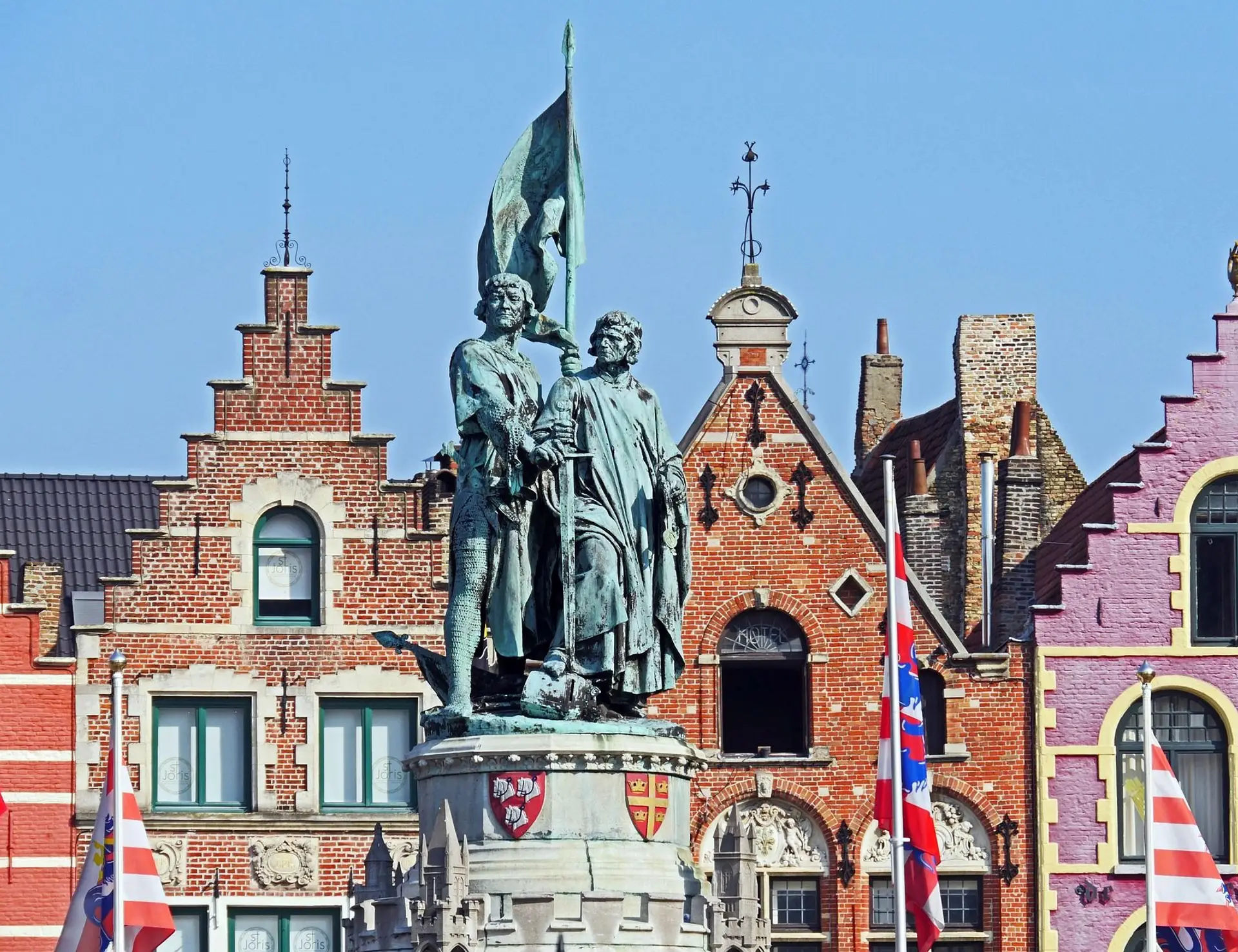
Historic Flemish Cities
Cycle through some of Belgium’s most beautiful historic towns, including Ypres, Ghent, and Bruges. Discover medieval squares, canals, belfries, and vibrant local culture, cafés, and museums along the way.
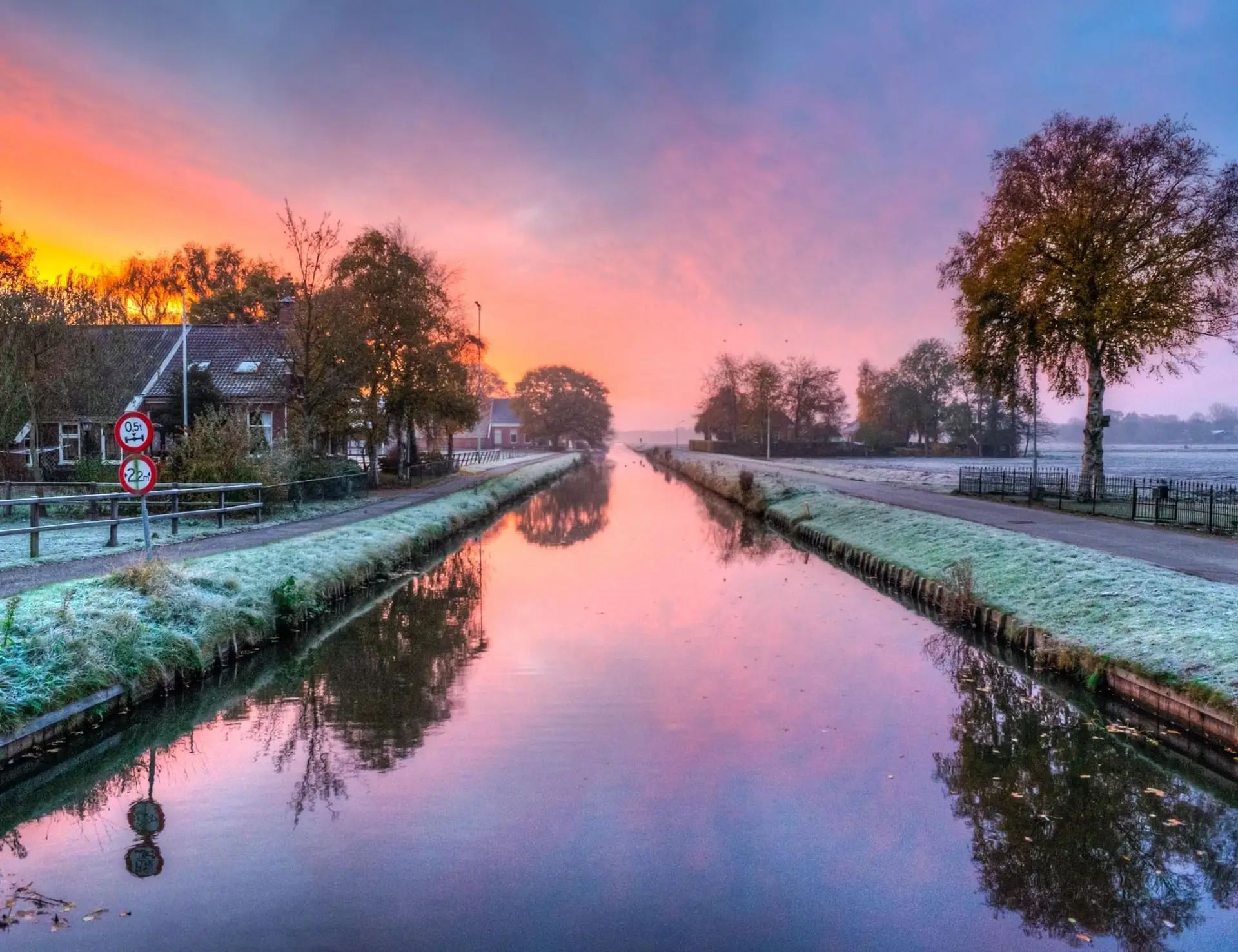
Scenic Countryside and Canals
Enjoy peaceful cycling along canals, rivers, and flat countryside roads, passing windmills, farmland, and charming villages. The mostly paved, traffic-light routes make for relaxed riding in a classic Flemish landscape.
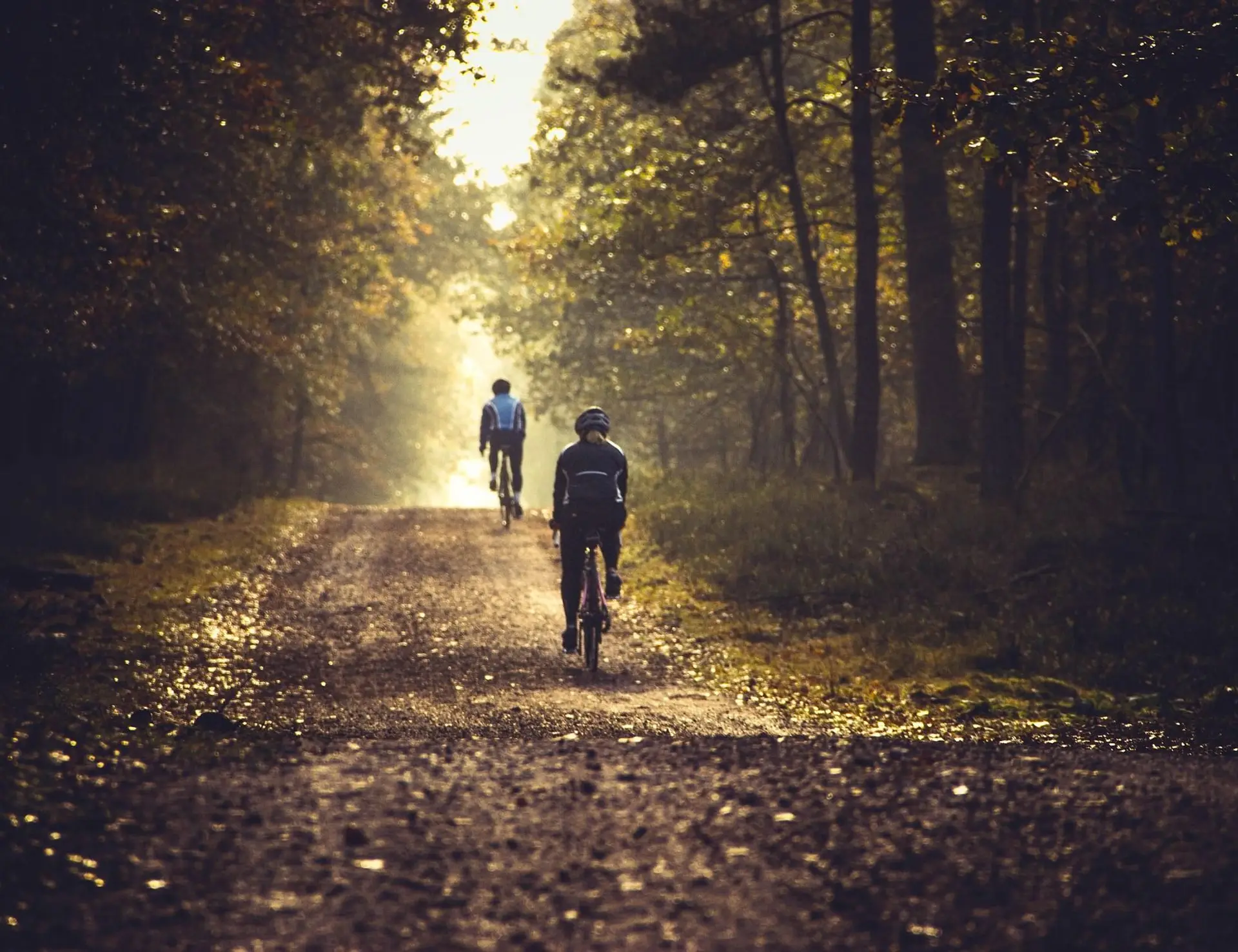
Traffic-Free Paths and Bucolic Landscapes
Pedal largely on quiet back roads and old towpaths along canals, making for a pleasant riding experience through bucolic Flemish countryside. The route’s gentle terrain and traffic-free greenways showcase why Flanders is known as a cyclist’s paradise.
Itinerary
Brief Itinerary
Meals are indicated as B = Breakfast, L = Lunch, D = Dinner.
Listed hotels are subject to availability and may be replaced with similar alternatives of equal standard.
| Day | Place | Casual+ Inns | Meals | Distance | Activity |
|---|---|---|---|---|---|
| DAY 1 | Ypres | Main Street Hotel (4-Star) | B | ||
| DAY 2 | Courtrai | Hotel Damier (4-Star) | B | 37 km / 23 mi | cycling, cycling |
| DAY 3 | Ghent | Hotel Harmony (4-Star) | B | 68 km / 42 mi | cycling, cycling |
| DAY 4 | Bruges | Flanders Hotel (4-Star) | B | 53 km / 33 mi | cycling, cycling |
| DAY 5 | Bruges | Flanders Hotel (4-Star) | breakfast | 59 km / 37 mi | cycling, cycling |
| DAY 6 | Ypres | Main Street Hotel (4-Star) | breakfast | 68 km / 42 mi | cycling, cycling |
| DAY 7 | Ypres | B | cycling |
Detailed Itinerary

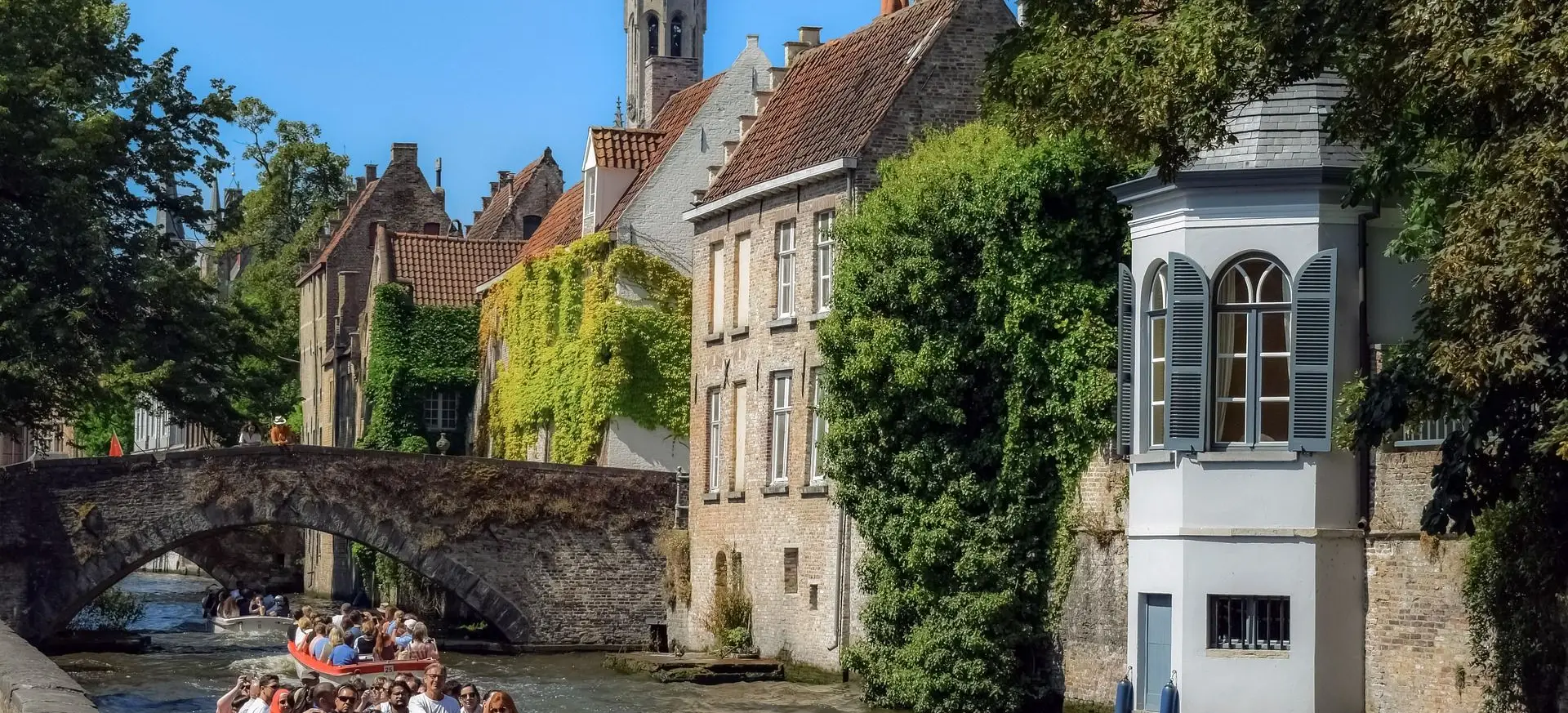
Day 1: Ypres
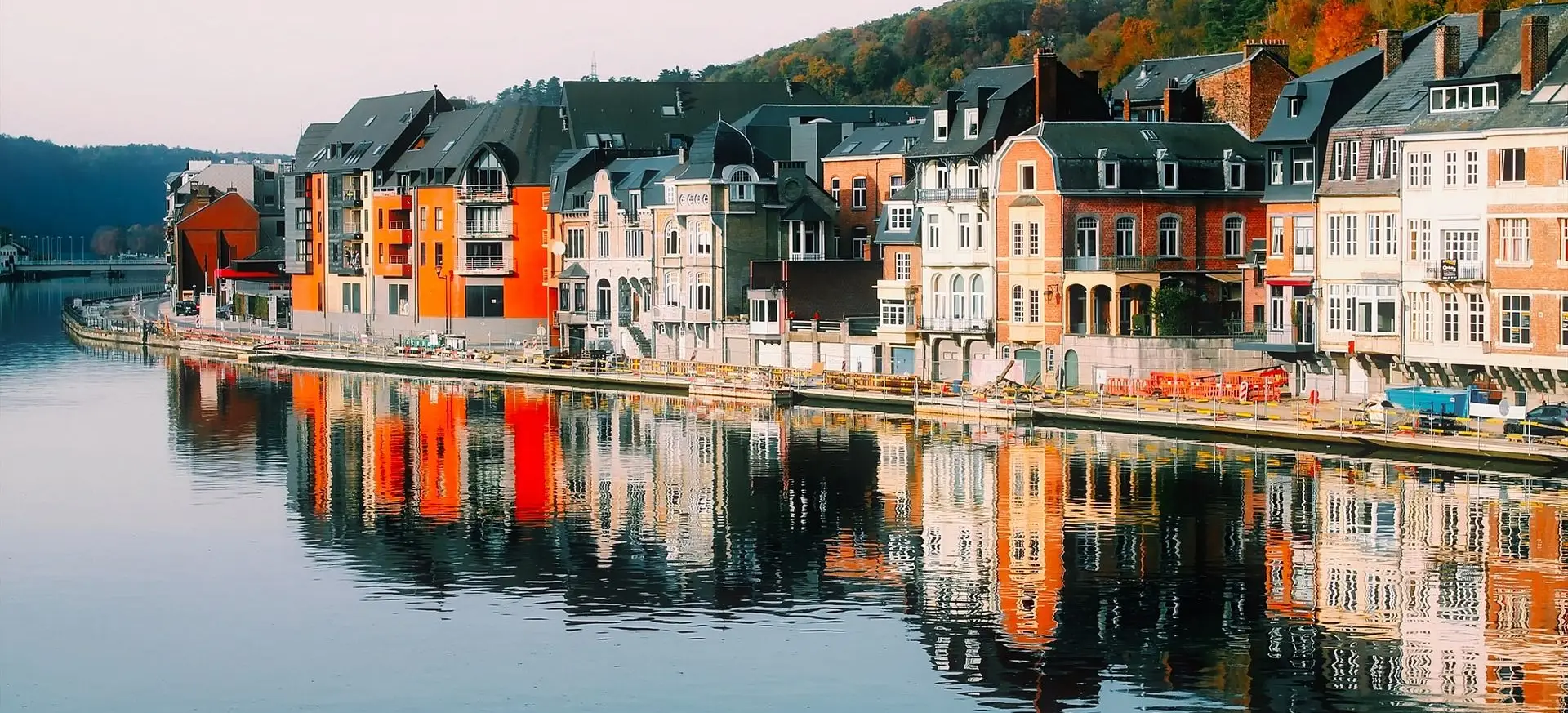
Arrive independently in Ypres (Ieper), a striking medieval city rebuilt after being almost completely destroyed during the First World War. Despite its devastation just over a century ago, the city today stands beautifully restored, with its historic architecture carefully reconstructed.
You may visit the renowned In Flanders Fields Museum, which brings the history of the Great War vividly to life. In the evening, the daily Last Post ceremony under the Menin Gate offers a solemn tribute to fallen soldiers — a moving and memorable way to begin your journey.
Day 2: Courtrai
Your Flemish cycling adventure begins through gently rolling countryside along quiet country roads with minimal traffic. Though peaceful today, this region witnessed some of the fiercest battles of the First World War. Military cemeteries, memorials, and even a large shell crater now transformed into a pond remain as reminders of that history.
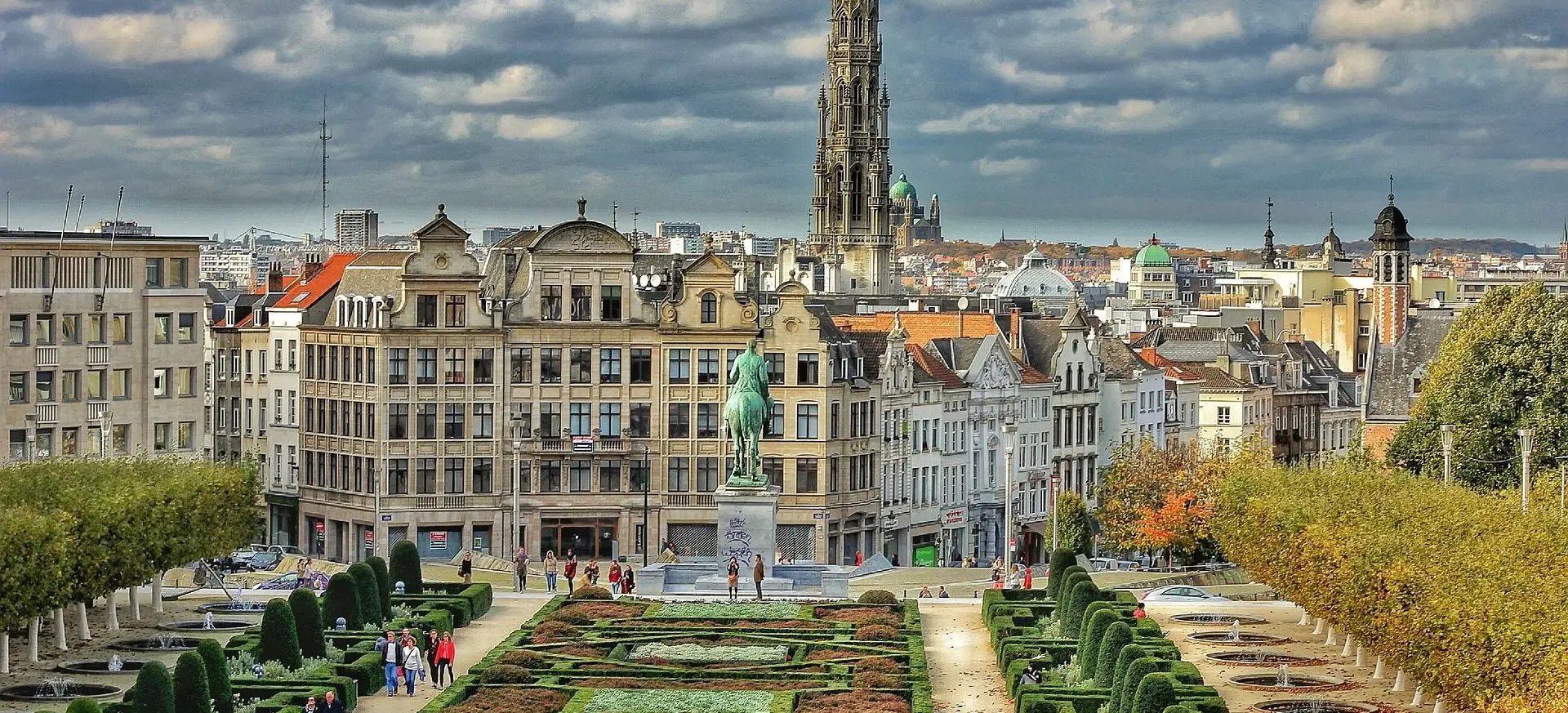
You arrive in Kortrijk, once an important medieval cloth-making center. The city retains landmarks from this prosperous period, including its Belfry, the famous Broel Towers, and a charming beguinage. Today, Kortrijk is a modern and dynamic city, strengthened by its university and its role within the Lille–Tournai–Kortrijk Eurometropolis.
Sporty variant: A 51 km option (+180 m) adds extra rolling hills for those seeking a longer ride.
Day 3: Ghent
You leave Kortrijk via one of Flanders’ “cycle highways,” purpose-built routes designed to facilitate commuting by bike. Gradually, you enter the Flemish Ardennes, an area internationally known for hosting the legendary Tour of Flanders.
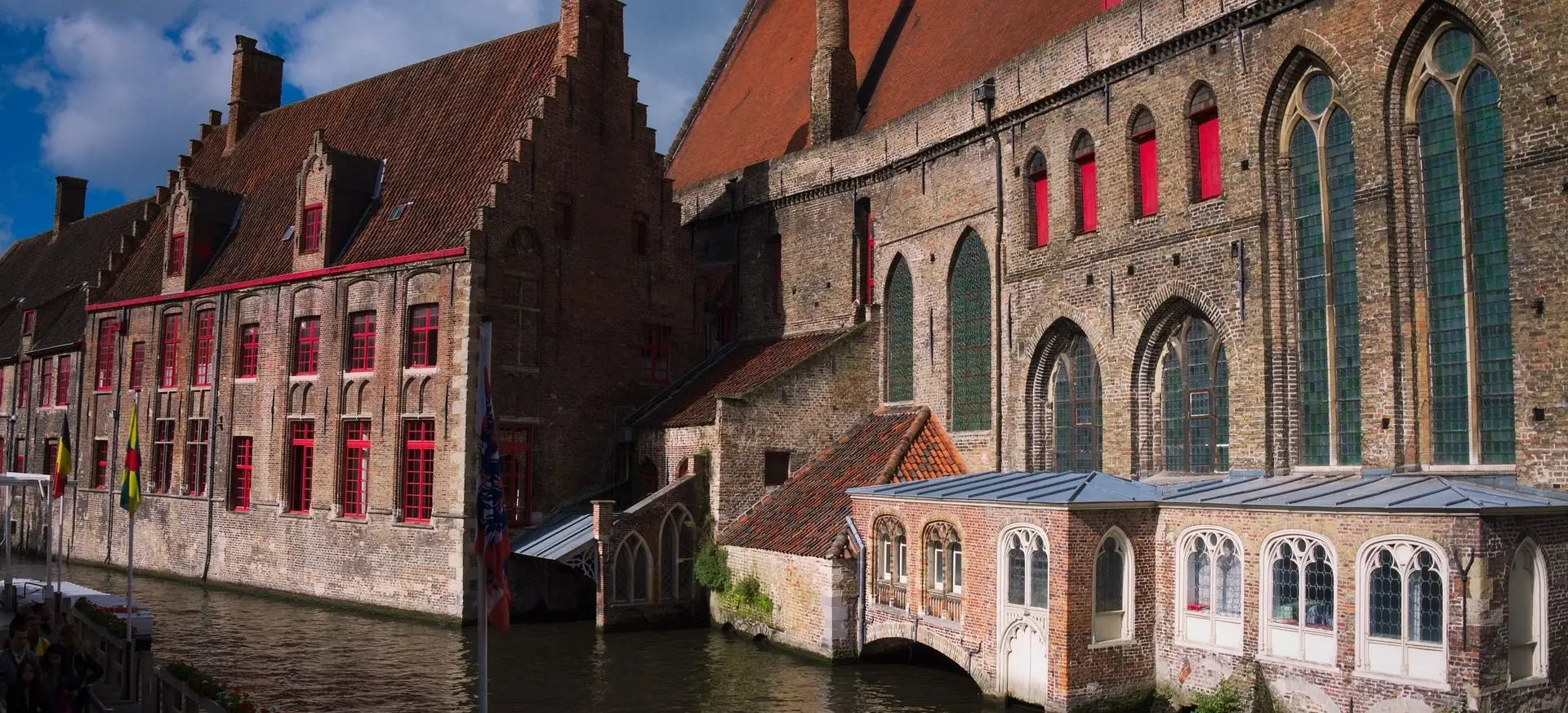
The route passes through Oudenaarde, famous for its tapestries and home to the Tour of Flanders Museum. Continuing onward, you reach Ghent, a major medieval cloth city often compared to Bruges. Highlights include the Castle of the Counts of Flanders, St. Bavo’s Cathedral (home to the Ghent Altarpiece), the Belfry, and the picturesque Graslei and Korenlei quays lining its canals.
Sporty variant: A 73 km option (+260 m) tackles the iconic cobbled climbs of the Kwaremont, Paterberg, and Koppenberg, with gradients reaching up to 20%.
Day 4: Bruges
Leaving Ghent, you cycle through alternating rural landscapes, forest sections, and canal towpaths. Along the way, you can admire Ryckevelde Castle before reaching Bruges.
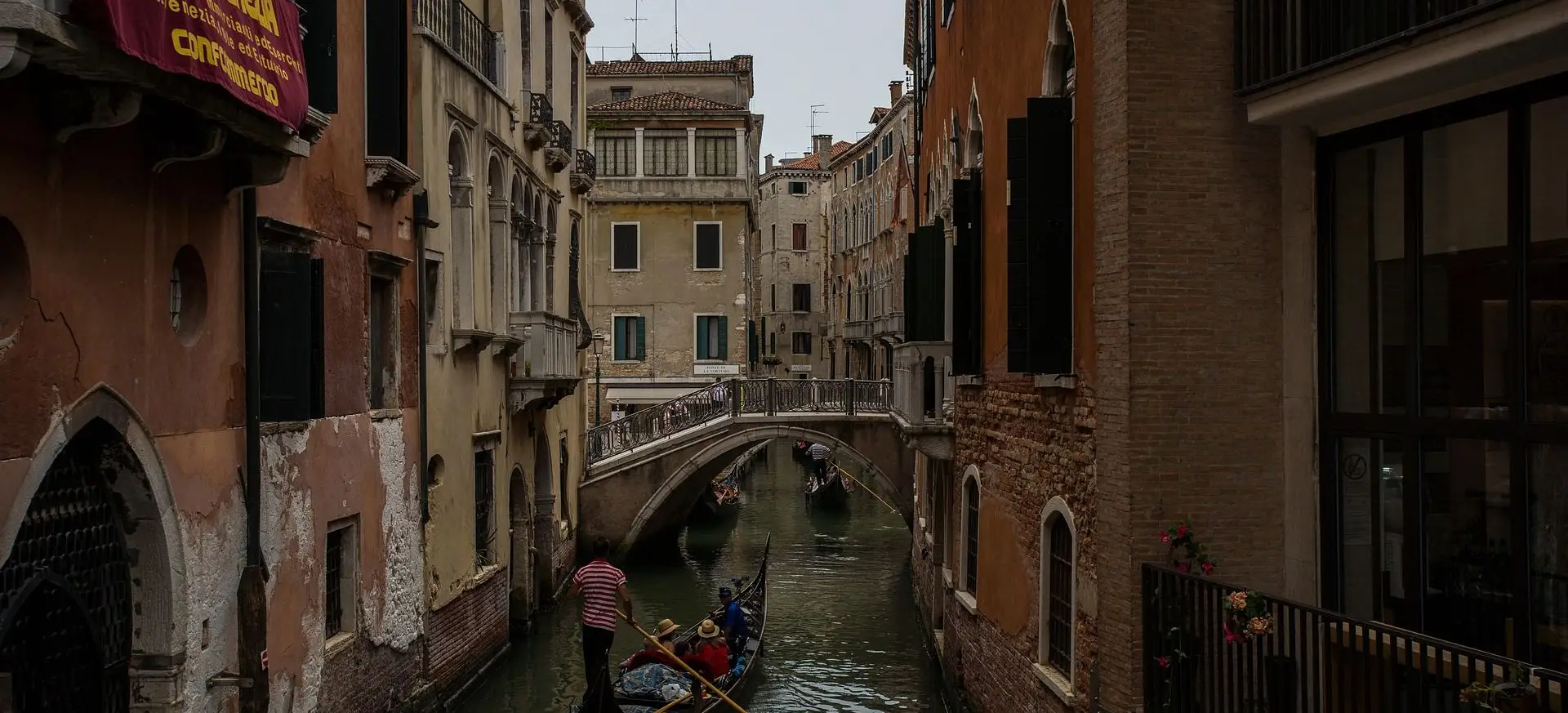
Arrival in Bruges reveals one of the best-preserved medieval cities in the world. Its extensive historic center stretches for several kilometers and is interwoven with canals that give the city its nickname, the “Venice of the North.” Despite being a major tourist destination, the vastness of the old town allows for quieter corners to explore.
Day 5: Bruges
Today’s loop takes you toward the vast sandy beaches of the North Sea, largely following canal paths lined with poplars through the famous polders — land reclaimed from the sea during the Middle Ages. These low-lying lands were deliberately flooded during World War I to halt the German advance.
You pass through charming villages including Damme, Oostkerke, and Sluis, located just across the Dutch border. After crossing the Zwin nature reserve, you reach the seaside resort of Knokke-Heist. After enjoying the coast, you return to Bruges via canal routes.
Relaxed variant: A shorter 41 km ride allows you to remain longer at the coast and return to Bruges by train from Heist.
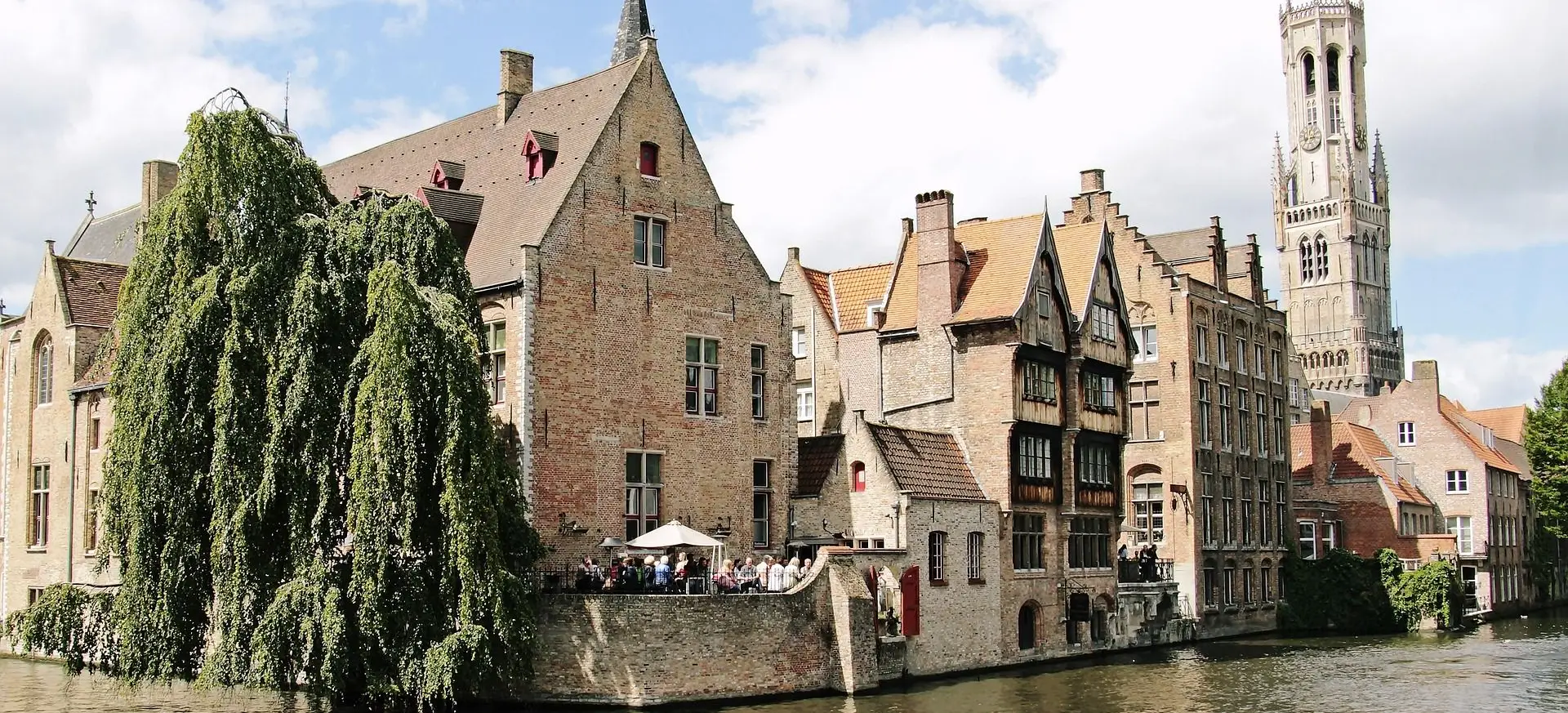
Day 6: Ypres
Departing Bruges, you cycle through a region dotted with castles, including Tilleghem, Tudor, Aertrycke, and Wynendaele (viewed from outside). These landmarks add architectural charm to the countryside landscape.
Further on, you pass through Diksmuide, which, like Ypres, was rebuilt after World War I. From there, you follow a scenic canal route back to Ypres, completing the loop.
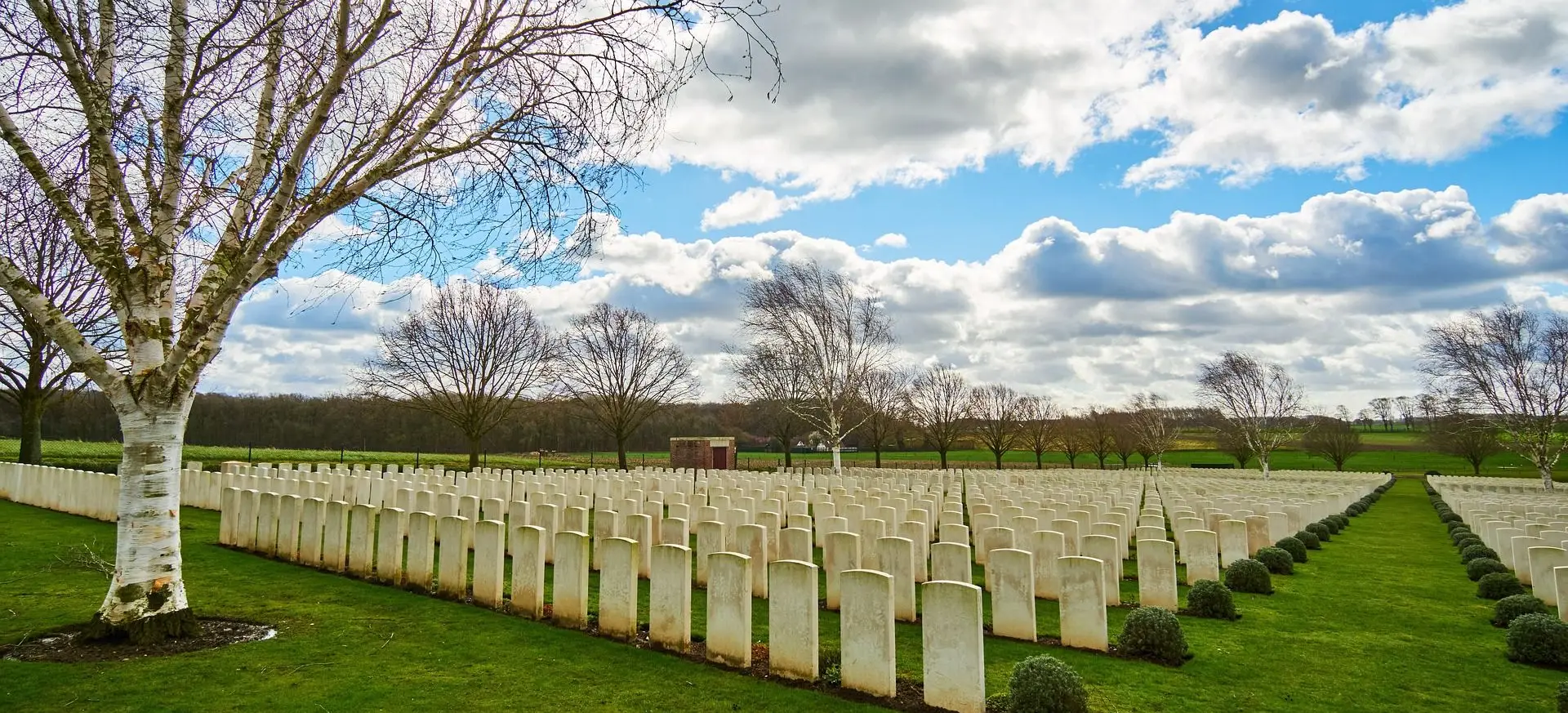
Day 7: Ypres
After breakfast, your cycling holiday comes to an end. Depart independently from Ypres or continue your stay with optional extra nights.
Ready to plan your adventure? Download a print-ready detailed itinerary.
Map
Accommodation
Each hotel has been thoughtfully selected to ensure an exceptional and memorable experience for guests. Should the listed hotel be unavailable, we will ensure an alternative of similar quality.

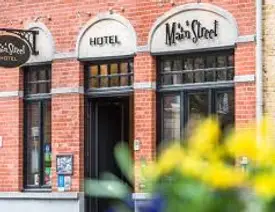
Main Street Hotel
A charming boutique hotel located in the heart of Ypres, just steps from the historic main square. Main Street Hotel combines elegant décor with warm hospitality, offering stylish rooms, a peaceful garden terrace, and a renowned breakfast made with local products. Ideal for exploring Ypres on foot.

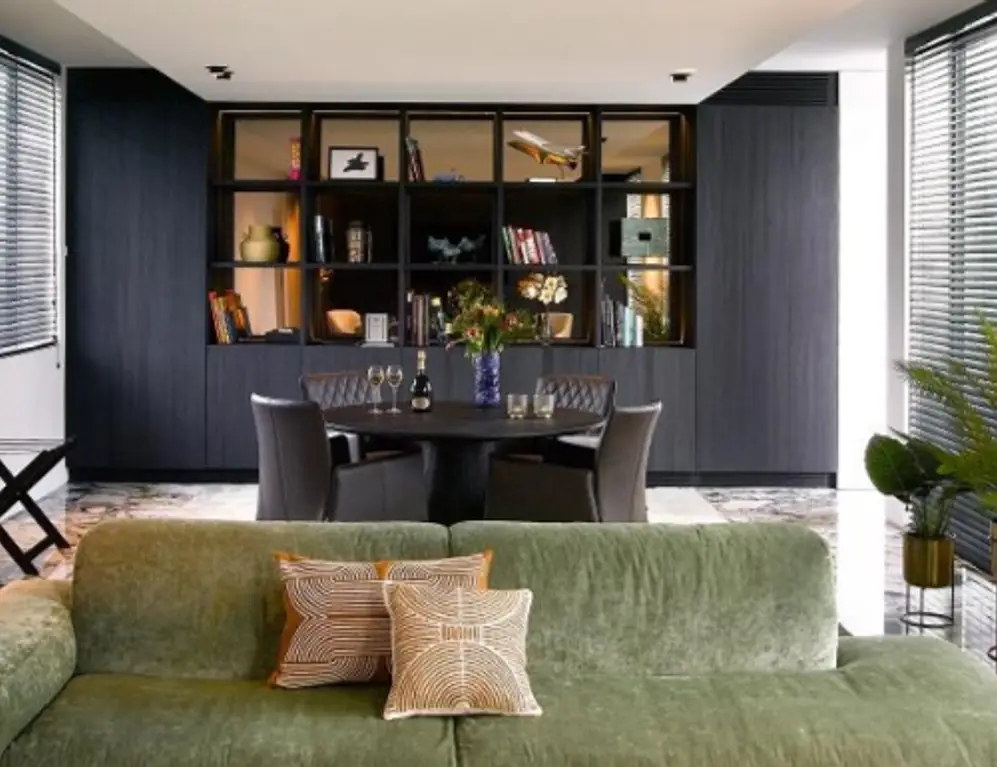
Hotel Damier
Set on the lively Grand Place of Courtrai, Hotel Damier is a classic boutique hotel with refined interiors. The hotel features spacious, comfortable rooms, a well-known brasserie, and an inviting terrace overlooking the square, making it perfect for a central and atmospheric stay.

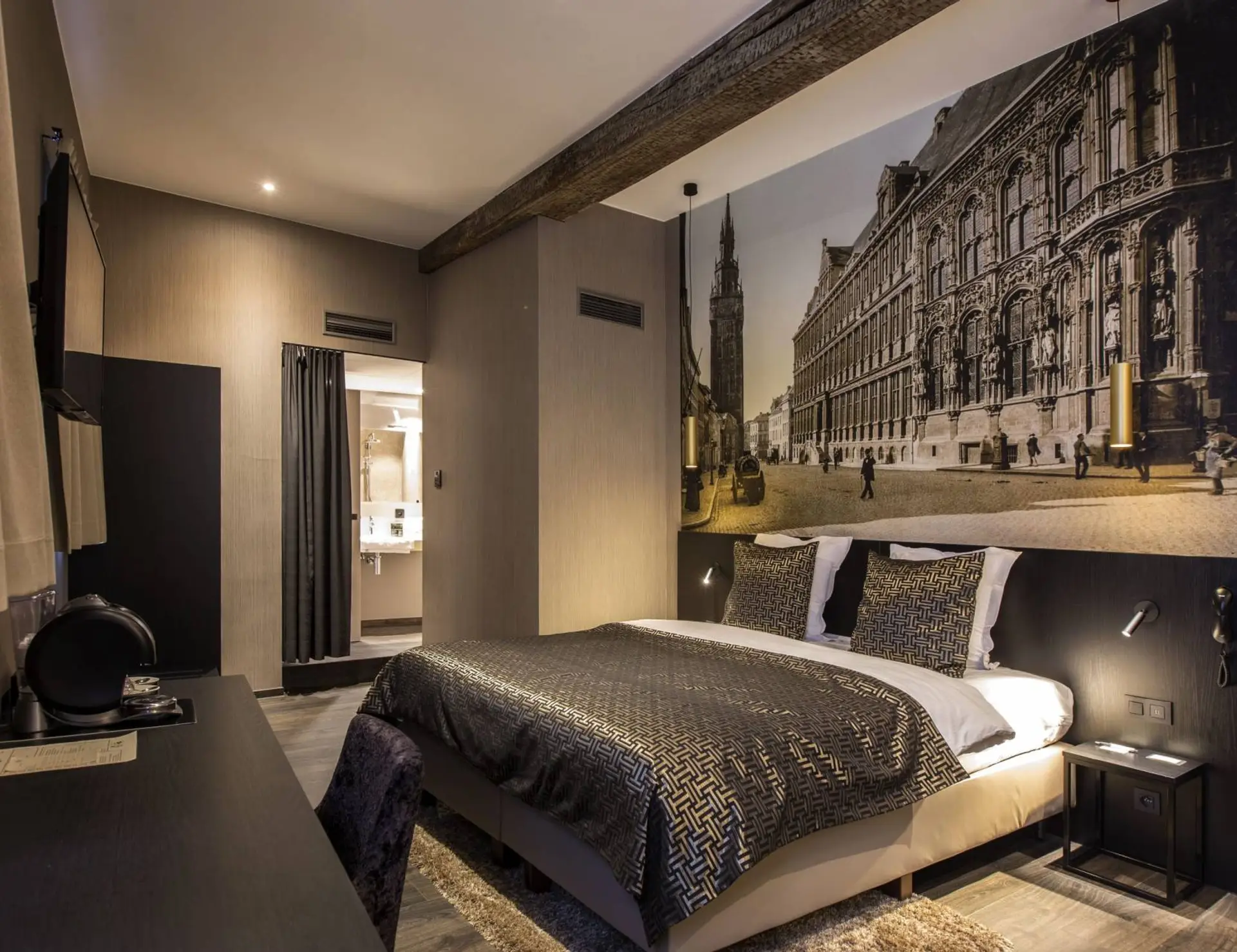
Hotel Harmony
Located along a quiet canal near Ghent’s historic center, Hotel Harmony offers a blend of contemporary comfort and classic elegance. Guests enjoy spacious rooms, a peaceful inner courtyard, and easy access to Ghent’s medieval landmarks, shops, and vibrant dining scene.

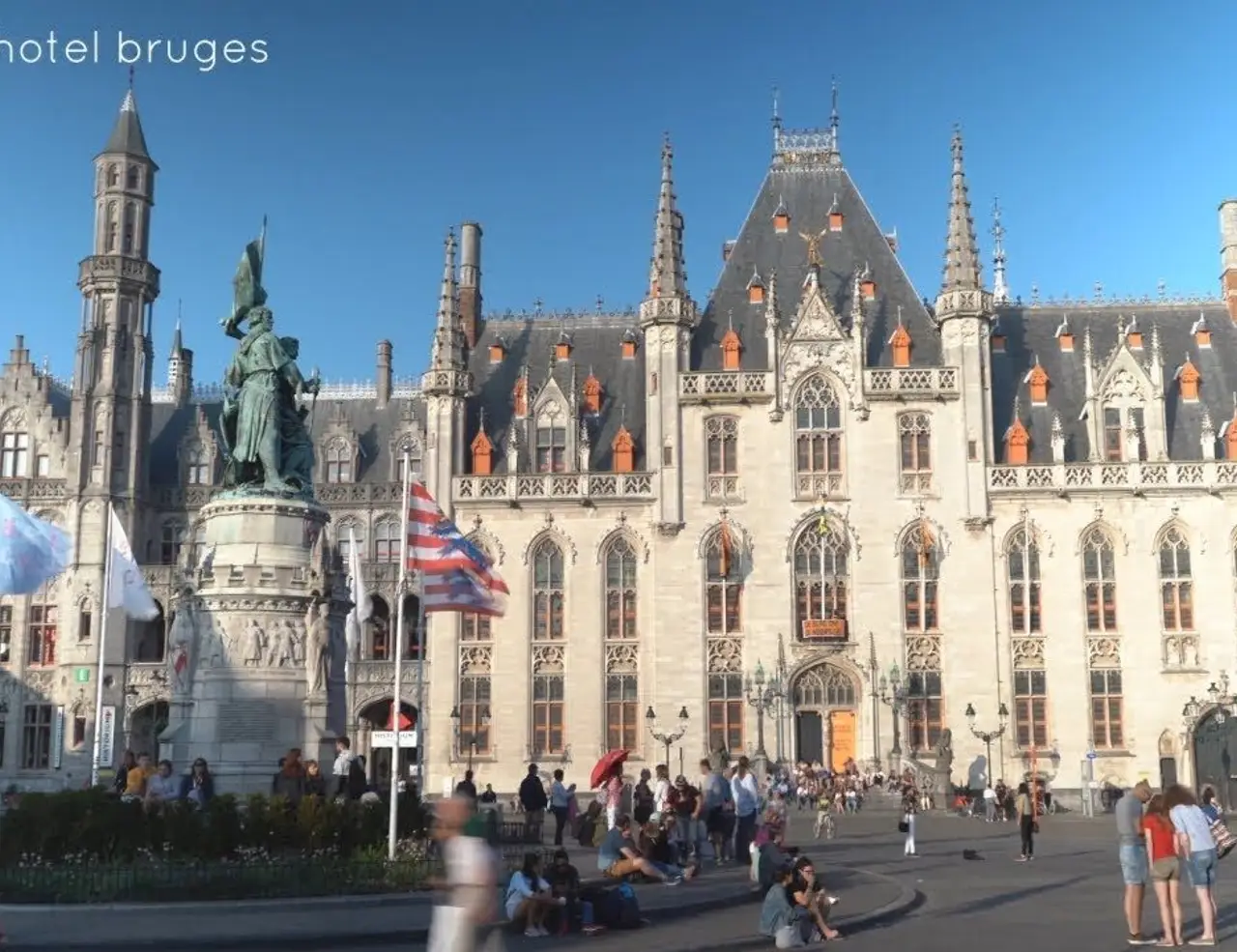
Flanders Hotel
Situated close to Bruges’ medieval heart, Flanders Hotel provides modern comfort in a tranquil setting. The hotel features bright rooms, an indoor swimming pool, and welcoming common areas, offering a relaxing retreat after a day of exploring the canals and cobbled streets of Bruges.
Dates and Prices
Book with Confidence: For scheduled group departures, your 20% deposit is fully refundable until 60 days before departure. Solo travellers booking 120+ days in advance can avoid a mandatory Single Supplement. See terms & conditions.
Couldn't find a trip with convenient dates?
Open your date as a join-in tour or customize further as a private one.
Essential Info
Inclusions
LODGING
All hotels as mentioned in the tour details or similar (subject to availability).
bike
Immaculately maintained bike with helmet, suited to a terrain.
Luggage Transfer
Transportation of luggage from one hotel to another.
meals
Meals as per itinerary. Guests are given the opportunity to dine on their own so that they discover a location independently.
Exclusions
Airport pickup
We recommend to book direclty from airport.
Airport drop
We recommend to book direclty from your last hotel.
Beverages
Beverages such as alcohol, tea, coffee, juice at a hotel or restaurant.
Gratuity
Gratuities for your guide team are not included in the trip price.
Bikes
A great ride begins with a great bike. Our tours typically include the models listed below, though in some cases—due to height or availability constraints—we may provide an equivalent alternative.

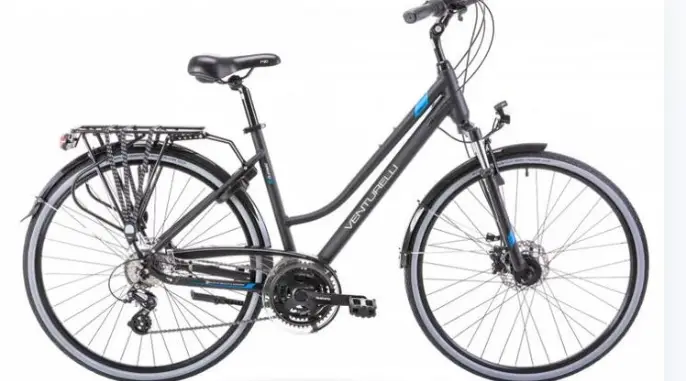
Venturelli Bike or similar
Included in your trip price

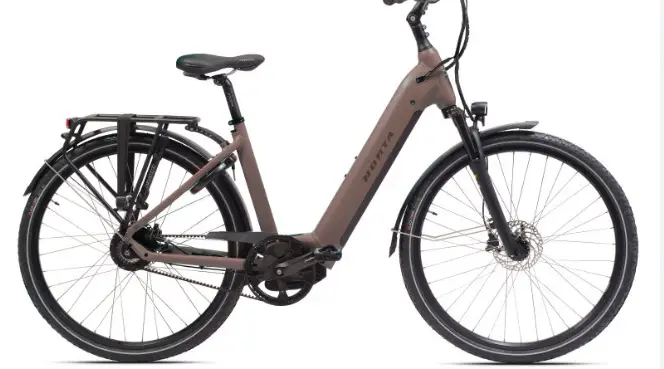
Norta E-Bike or similar
Available at a surcharge
Arrival & Departure Details
Arrival
Your cycling adventure begins in Ypres (Ieper), the official starting point of the tour. Ypres is easily accessible by train from major Belgian cities. International travellers typically arrive via Brussels Airport (BRU), Belgium’s main international gateway, which offers extensive global connections. From Brussels Airport, frequent trains connect via Brussels to Ypres or Ghent. Another option is Brussels South Charleroi Airport (CRL), served by many European carriers, with onward train connections into the Flanders region.
For guests arriving by car, Ypres offers free parking for the duration of the tour, making it a convenient starting point. Alternatively, the tour can also begin in Ghent, which is exceptionally well connected by rail — just 28 minutes from Brussels by frequent trains. Upon arrival, settle into your hotel and prepare for your Flemish cycling journey through historic cities and countryside.
Departure
The tour concludes on Day 7 after breakfast, returning you to your original starting city — either Ypres or Ghent — as the itinerary is designed as a circular route. From there, onward travel can be arranged according to your preference.
If departing by air, Brussels Airport (BRU) remains the most convenient international hub, easily reached by train from Ghent or via connections from Ypres. Brussels South Charleroi Airport (CRL) is another possible departure airport with rail access. Guests may also choose to extend their stay in Ghent or Ypres, or continue onward to Brussels, which is just 28 minutes from Ghent by train, offering flexible and convenient travel planning options.
Weather
The Tour of Flanders runs from April to October, offering mild and generally pleasant cycling conditions for most of the season. The region has a temperate maritime climate, which means moderate temperatures, occasional rain showers, and few extremes, making it ideal for leisure cycling.
Spring (April–May) is considered a good time to travel, with fresh air and blooming landscapes. Daytime temperatures usually range between 10–18°C (50–65°F), providing comfortable riding conditions. While showers can occur, the weather is mostly mild and enjoyable, especially for relaxed cycling days.
Early summer (June) is the best period for cycling in Flanders. Temperatures average around 16–22°C (60–72°F), offering warm but not hot conditions. Long daylight hours and relatively stable weather make June ideal for sightseeing, café stops, and extended rides.
Peak summer (July–August) remains a good season, with lively towns and festival atmosphere. Daytime temperatures typically range from 18–25°C (65–77°F), occasionally reaching 28°C (82°F) on warmer days. With a relaxed pace or e-bike support, cycling is still very enjoyable, although brief rain showers may occur.
Autumn (September–October) is rated good to neutral, bringing cooler air, fewer crowds, and beautiful autumn colors. Temperatures generally range from 13–20°C (55–68°F). September is often dry and comfortable, while October can be wetter, but cycling remains pleasant with suitable clothing.
January
Offseason
February
Offseason
March
Mixed
April
Good
May
Best
June
Best
July
Good
August
Good
September
Best
October
Mixed
November
Offseason
December
Offseason
Best
Good
Mixed
Offseason
What to Pack
Packing smart is essential for a safe and enjoyable cycling adventure. From essential biking gear to clothing and travel necessities, this guide ensures you're prepared for any terrain or climate.
Recommended Bicycling Clothes & Gear
- Bicycling shoes or stiff-soled sneakers.
- Padded cycling shorts.
- Short-fingered cycling gloves (personal gloves are ideal).
- Brightly colored cycling jerseys or synthetic T-shirts for visibility.
- Synthetic cycling socks.
- Sunglasses with UV protection.
- Personal helmet (recommended even though provided).
- Personal saddle (optional for added comfort).
- Rain jacket or windbreaker.
- Cycling water bottle (to reduce plastic waste).
Note: Helmets, gloves, and water bottles are personal items, so bringing your own is recommended for maximum comfort and hygiene.
Clothing
- Light, breathable fabrics like cotton or linen.
- Full-sleeved clothing for sun protection.
- Warm layers for chilly mornings and evenings (if traveling in winter).
- Comfortable footwear for non-cycling time.
- Bring a compact rain jacket in case of sudden weather changes.
- Ethnic or modest clothing for exploring towns and temples.
Other Necessities
- Toiletries: Basic hygiene essentials, including insect/mosquito repellent and sunscreen.
- Hand sanitizer and wet wipes.
- Plug socket adaptor.
- Binoculars for wildlife spotting or desert landscapes.
Pro Tips
- Pack light but plan for the varying temperatures: warm days, chilly evenings, and desert winds.
- Use brightly colored clothing for visibility on roads.
- Pack light to leave room for shopping.
Luggage
Please limit your luggage to one medium-sized suitcase and one carry-on bag. Mark your luggage with your name, address, and phone number.
Visa Information
Before venturing on your adventure, make sure you're equipped with essential travel advice, including security updates, local laws, and crucial passport and visa information. Start by visiting the official government website of your home country for accurate and reliable guidance:
- UK Residents: Stay informed by reviewing the Foreign, Commonwealth & Development Office (FCDO) Travel Advice.
- US Residents: Access vital travel tips and updates through the US Department of State Travel Advice.
- Australian Residents: Plan ahead with the latest updates on the Smart Traveller website.
- Canadian Residents: Find comprehensive travel and visa guidance on the Government of Canada's Travel Advice and Advisories.
- New Zealand Residents: Get practical travel advice on the New Zealand SafeTravel website
- Residents of Other Countries: Check with your government or local consulate for tailored travel advice and requirements.
Note: Passport and visa regulations can change at any time. Stay proactive by checking for the latest updates to ensure a smooth and stress-free journey.
Insurance
Medical insurance that covers medical costs in case of an accident during the trip is mandatory to participate in our tours.
We recommend to purchase adequate travel insurance in order to participate in our tours and protect yourself from unforeseen events. Our experience shows that guests who purchase travel insurance—including coverage for all activities on the itinerary, trip cancellation, interruption, delay, baggage damage, loss or theft, personal accident, death and repatriation costs, medical and emergency expenses (including Covid-19), and personal liability—travel with greater peace of mind.
Is proof of medical insurance required?
Yes. You must provide your insurer's name, policy number, and emergency contact via our reservation form. This is mandatory. If you cannot provide proof, you’ll need to purchase insurance before traveling with us.
Can I use my credit card insurance?
Yes, as long as it meets our requirements and provides adequate coverage. Ensure you have an emergency contact number and policy number available.
When should I buy travel insurance?
Purchase travel insurance as soon as you've paid in full or booked your flights.
Does Art of Bicycle Trips sell travel insurance?
We do not sell travel insurance directly, as we believe our customers should have the freedom to choose a policy that best suits their needs. However, we recommend Insured Nomads as a great starting point.
Frequently Asked Questions
A self-guided bike tour allows you to explore independently using our detailed app-based navigation and pre-arranged logistics. We provide route notes via app, luggage transfers, hotel bookings, and emergency phone support. There is no local guide riding with you, so you manage your own navigation and basic bike upkeep.
For self-guided tours, the fitting process is designed to be simple and flexible while ensuring you start with a bike that suits your measurements.
Before Your Tour
When you book, we ask for your height. This allows our local partners to select the correct frame size and prepare the bike in advance so it’s close to your ideal fit when you arrive.
At the Start of the Tour
The setup experience varies by destination:
-
In some locations, you may receive an in-person handover with basic adjustments made by the local partner.
-
In others, especially in more remote regions, you may receive a bike that is pre-set based on the measurements you provided.
All self-guided bikes include basic tools, so you can make simple adjustments such as raising or lowering the saddle yourself.
During the Tour
You can adjust the bike as you ride using the provided tools. If anything feels off and you need assistance, our local partners are reachable and will support you as promptly as the location allows.
What to Expect
The self-guided bike fit is practical and rider-adjustable. It ensures:
- You start with the correct frame size
- You can fine-tune your comfort easily
- You have the flexibility to adjust as needed along the route
It’s not an in-depth professional fitting, but it’s perfectly suited for multi-day touring comfort.
We provide an app-based navigation system that includes all your daily routes, points of interest, and important trip notes. You can download the app to your phone in advance, and we’ll share your login details before your trip.
Yes. Once the routes are downloaded, the app works completely offline, so you don’t need mobile data while riding. You can even use it in airplane mode, which helps conserve your phone’s battery.
To extend battery life further, we recommend reducing screen brightness and carrying a small power bank for longer days on the trail.
A mobile holder is not provided. Since you’ll be using your phone for navigation, we strongly recommend bringing your own sturdy, handlebar-mounted mobile holder to ensure a safe and comfortable riding experience.
We do not provide GPX files separately. All routes are available within our navigation app, which is the most reliable and up-to-date source for your trip. Once you receive the login details for the navigation app — generally shared about one month before your departure — you can explore the routes and, if needed, also download the GPX files directly from the app for use with your personal Garmin or GPS device. We recommend getting familiar with the app and its features before your tour starts to ensure a smooth experience on the road.
For minor issues like punctures, the guests are provided with a self-repair kit, which includes tools to help them fix such minor issues. The exact contents of the kit depend on the type of bike, terrain and other factors, and will be communicated to you closer to your date of departure. However, usually such a kit includes tire levers, a spare tube, a patch kit, and a pump, allowing riders to fix the problem themselves. In some cases, the kit may only include a pump or a repair foam.
Self-guided riders are expected to be independent in handling these minor problems. While there are some bike shops along the route, they are limited. If you are unsure about how to repair a puncture, we recommend considering a guided or van-supported trip instead.
For major mechanical failures, such as a cable break, the guests can contact the emergency support number provided. The support team will help coordinate a solution, which could include dispatching a local mechanic, suggesting a nearby bicycle shop for repairs, or sending a vehicle to pick up the rider. Please note that all support services will be provided on a chargeable basis, and assistance may take time, so we advise being prepared for potential delays.
Yes, each rider will be provided with at least one pannier to carry personal items during the tour. Please note, road bikes do not support panniers.
Yes, we provide helmets. However, we recommend that guests try to bring their own helmets, as these are items of a personal nature.
Your luggage will be picked up at the reception of your hotel every morning by 9.00am.
It will be delivered to the next hotel before 5pm. Most of the time it is delivered in the early afternoon itself.
We recommend that you carry no more than 2 bags together weighing up to 15kgs for this trip. You can have one large bag, which contains all your clothing and gear needed for the trip, and one small bag that contains essential items you will frequently need such as passport etc. Please note that once a bag gets loaded in the luggage transfer vehicle, you may not have access to it till later in the evening when you reach the hotel for the night.
We provide local support by phone for any medical emergencies during the tour. Our local team will assist in coordinating medical care, guiding you to the nearest healthcare facility, and ensuring you receive the necessary support. The national emergency system is reliable and effective, and in the event of a serious accident, contacting them is highly recommended. However, due to our distance from certain areas, response times may be longer. We strongly recommend having appropriate travel insurance, and we will do everything we can to ensure your safety and well-being during an emergency.
Airport transfers are not included unless specifically mentioned in your trip inclusions.
For airport pickup, we recommend booking directly from the airport upon arrival — most airports have reliable taxi, shuttle, or app-based options.
For airport drop, please book a transfer through your last hotel — they can easily arrange it for you.
We focus on delivering exceptional experiences during your tour. For logistical simplicity and flexibility, we do not handle pre- or post-tour hotel bookings. However, we’re happy to share a list of recommended hotels near the starting and ending points of your trip so you can plan your stay independently.
We are happy to pass on your room preference for a twin or double setup, and our hotel partners do their best to accommodate these requests. However, room configurations are always subject to availability at each property.
On some of our trips—especially those that travel through remote regions or small boutique inns—room types may be limited. In such cases, despite our best efforts, you may need to stay in a double room instead of a twin, or twin instead of a double, depending on what is available.
Given the nature of our journeys and the unique places we visit, we kindly ask for your understanding and support if such adjustments are required.
We will always inform you in advance wherever possible and work closely with our partners to ensure the most comfortable arrangement for your stay.
The fitness level required for each trip is indicated by the "level" of the tour, which in turn is mentioned on each tour page right next to the price and the trip duration.
Easy: The terrain is mostly flat with a few gentle climbs.
Moderate: The terrain is either mostly flat or consists of rolling hills with a few challenging climbs. There could also be a few days with longer riding distances of up to 75 kms (45 miles)
Difficult: The terrain is mostly hilly with strong elevation gains and/or has long days on the bike. Such trips are recommended for intermediate to advanced cyclists.
Please note that we usually bike around 4-5 hours per day irrespective of the level of the trip.
You can exchange currency at the airport itself, or at ATMs in larger cities. Most commercial establishments will accept international credit cards for payments, though its good to carry some local currency with you at all times.
The meeting time on Day 1 is mentioned in your travel planner shared with you. You can arrive either on the morning of Day 1 depending on the meeting time, or book a pre-tour night to arrive a day earlier.
Reviews from our friends
You may also like

Self-Guided Normandy D-Day Landing Beaches Discovery Bike Tour
6 daysfrom