
Self-Guided Via Francigena Martigny to Aosta Hiking Tour
The Via Francigena traces the historic route of Archbishop Sigeric, who traveled on foot from Canterbury to Rome over a thousand years ago. One of the most challenging parts of his journey was the crossing of the Alps, a route that is still followed by pilgrims and hikers today.
From Martigny, ancient mule paths climb steadily into the mountains toward the legendary Great St. Bernard Pass on the border between Switzerland and Italy. After crossing the pass, the trail descends into the wild and picturesque Aosta Valley, where historic irrigation channels guide the way to the charming and historic town of Aosta.
Self-Guided
moderate
15 km / 10 mi
5
Casual+ Accommodation
Min. 2, Max. 12
Highlights

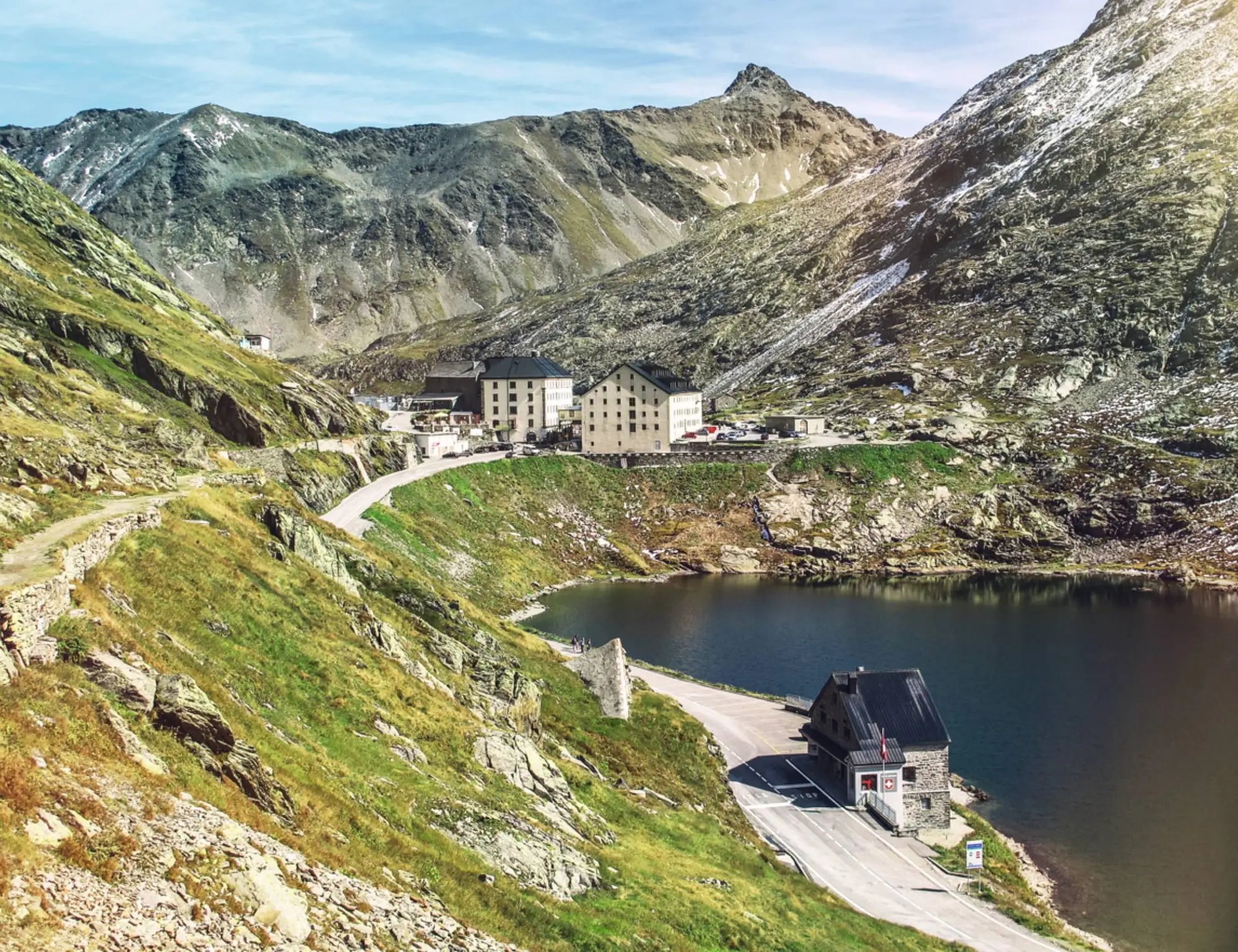
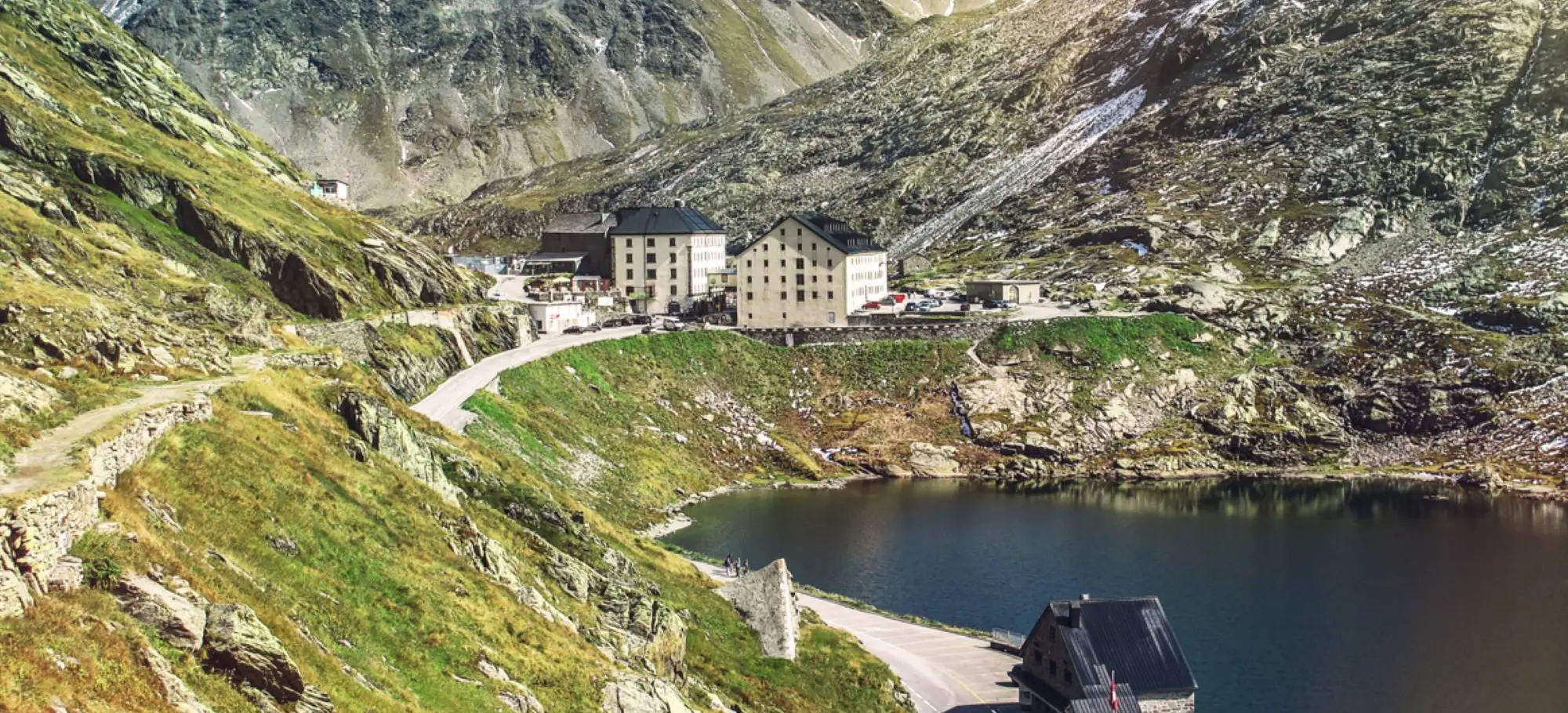
Great St. Bernard Pass
One of the most historic alpine crossings in Europe, used by travelers and pilgrims for over 2,000 years. The dramatic mountain scenery, the famous hospice and the legendary St. Bernard dogs make this pass a highlight of the route.
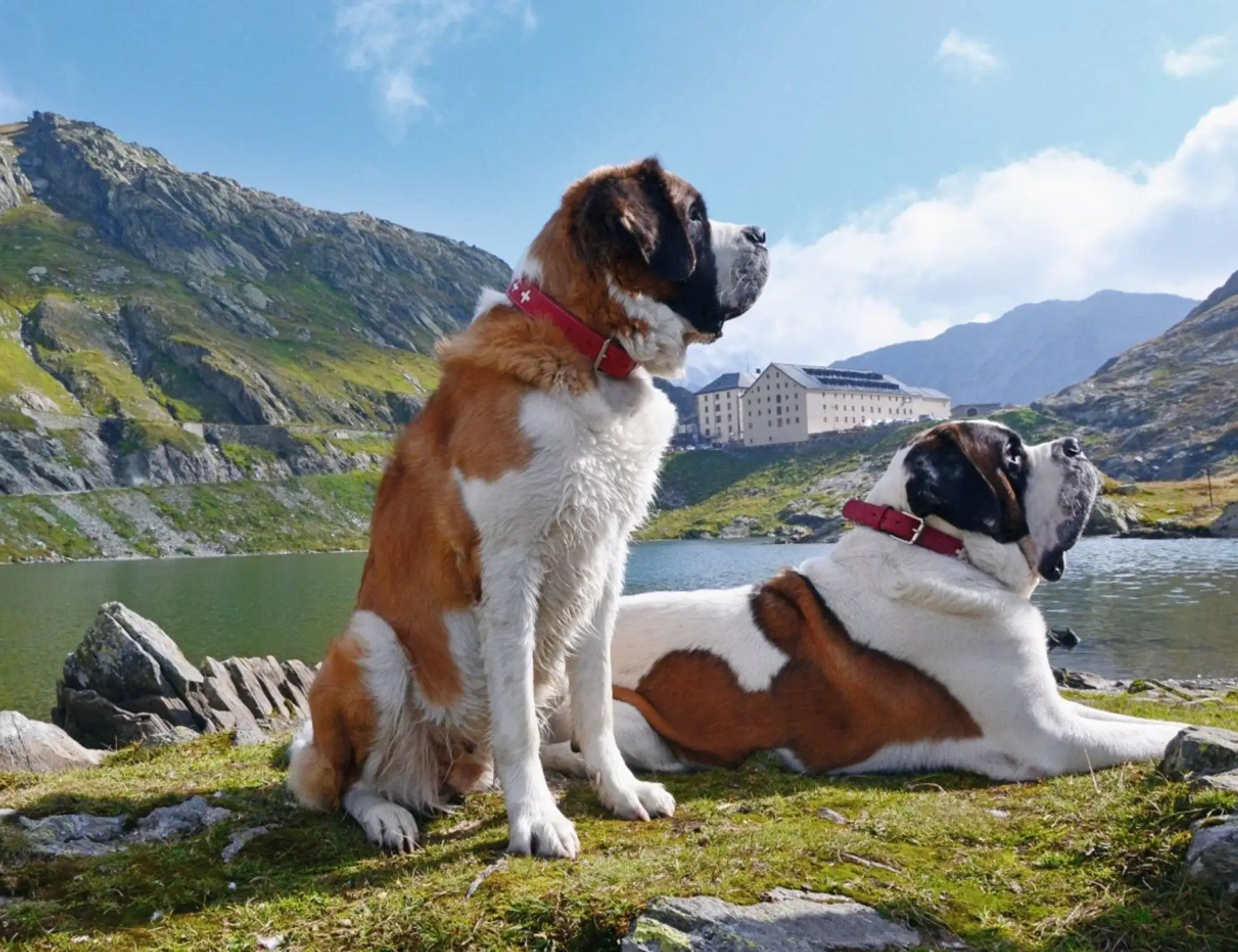
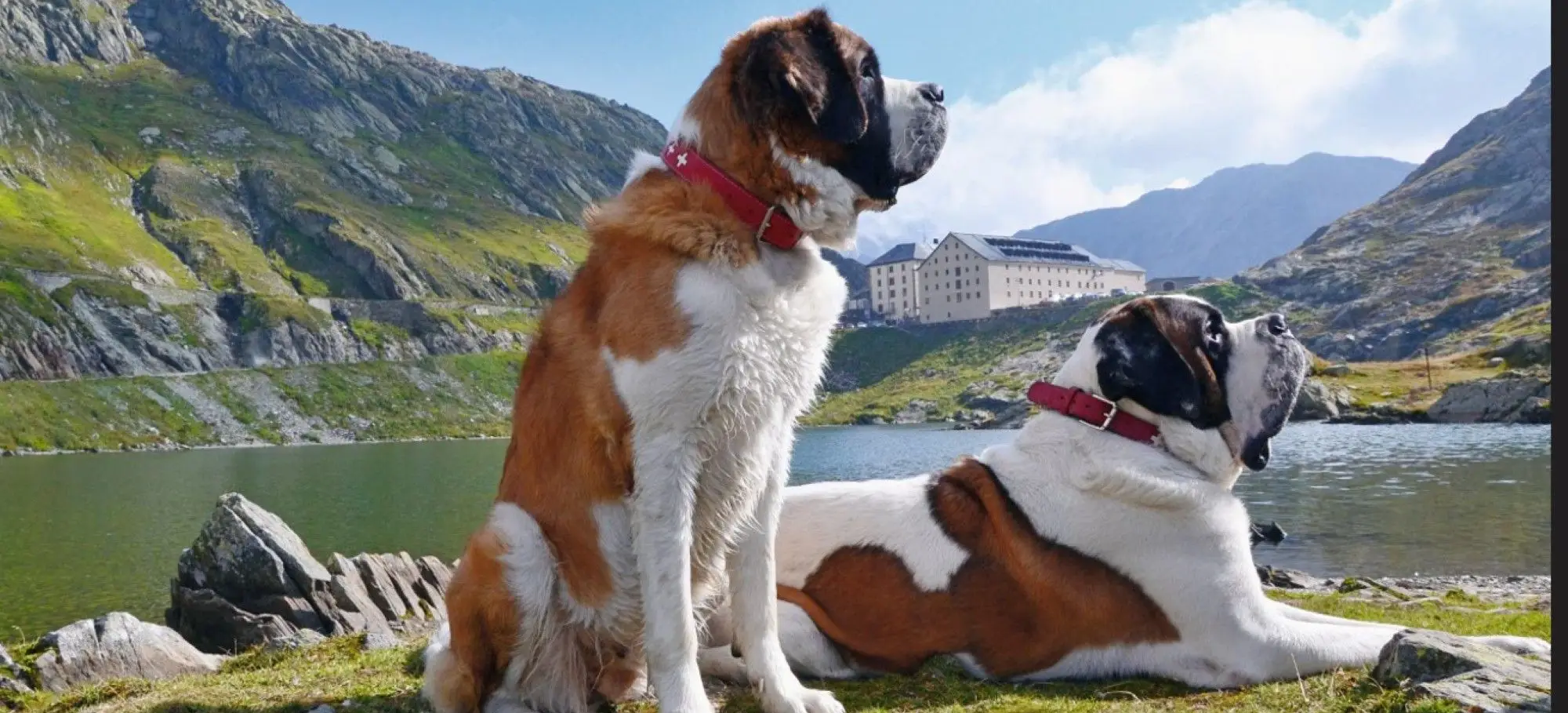
Legendary Alpine Rescuers
You may meet the famous St. Bernard dogs near the Great St. Bernard Pass, one of the most iconic symbols of the Alps. Historically trained by monks to rescue lost travelers in the snow, these gentle giants represent the region’s remarkable mountain heritage.
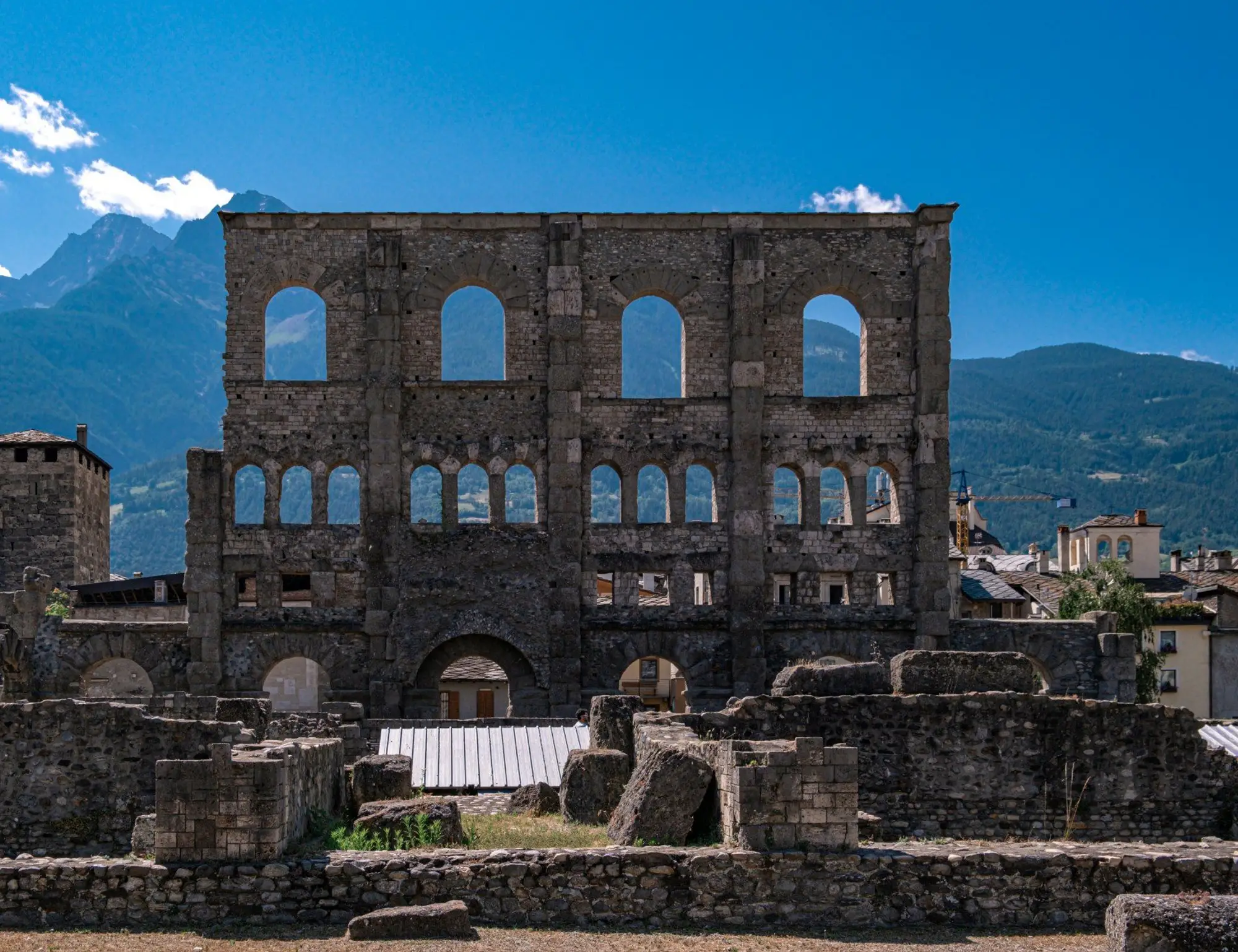
Historic Aosta Town
The journey ends in Aosta, a charming alpine town famous for its remarkably preserved Roman monuments. Surrounded by dramatic peaks, the town offers a unique blend of Italian culture, history and mountain atmosphere.
Itinerary
Brief Itinerary
Meals are indicated as B = Breakfast, L = Lunch, D = Dinner.
Listed hotels are subject to availability and may be replaced with similar alternatives of equal standard.
| Day | Place | Casual+ Inns | Meals | Distance | Activity |
|---|---|---|---|---|---|
| DAY 1 | Martigny | Boutique Hôtel (4-star) | |||
| DAY 2 | Orsières | Hôtel Terminus | B | 22 km / 14 mi | hiking |
| DAY 3 | Bourg-Saint-Pierre | Au Bivouac de Napoléon | B | 14 km / 9 mi | hiking |
| DAY 4 | Col du Grand-St-Bernard | Hospice du Grand-Saint-Bernard | B | 12 km / 7 mi | hiking |
| DAY 5 | Étroubles | Hotel Beau Sejour | B | 13 km / 8 mi | hiking |
| DAY 6 | Aosta | HB Aosta Hotel | B | 16 km / 10 mi | hiking |
| DAY 7 | Departure | B |
Detailed Itinerary

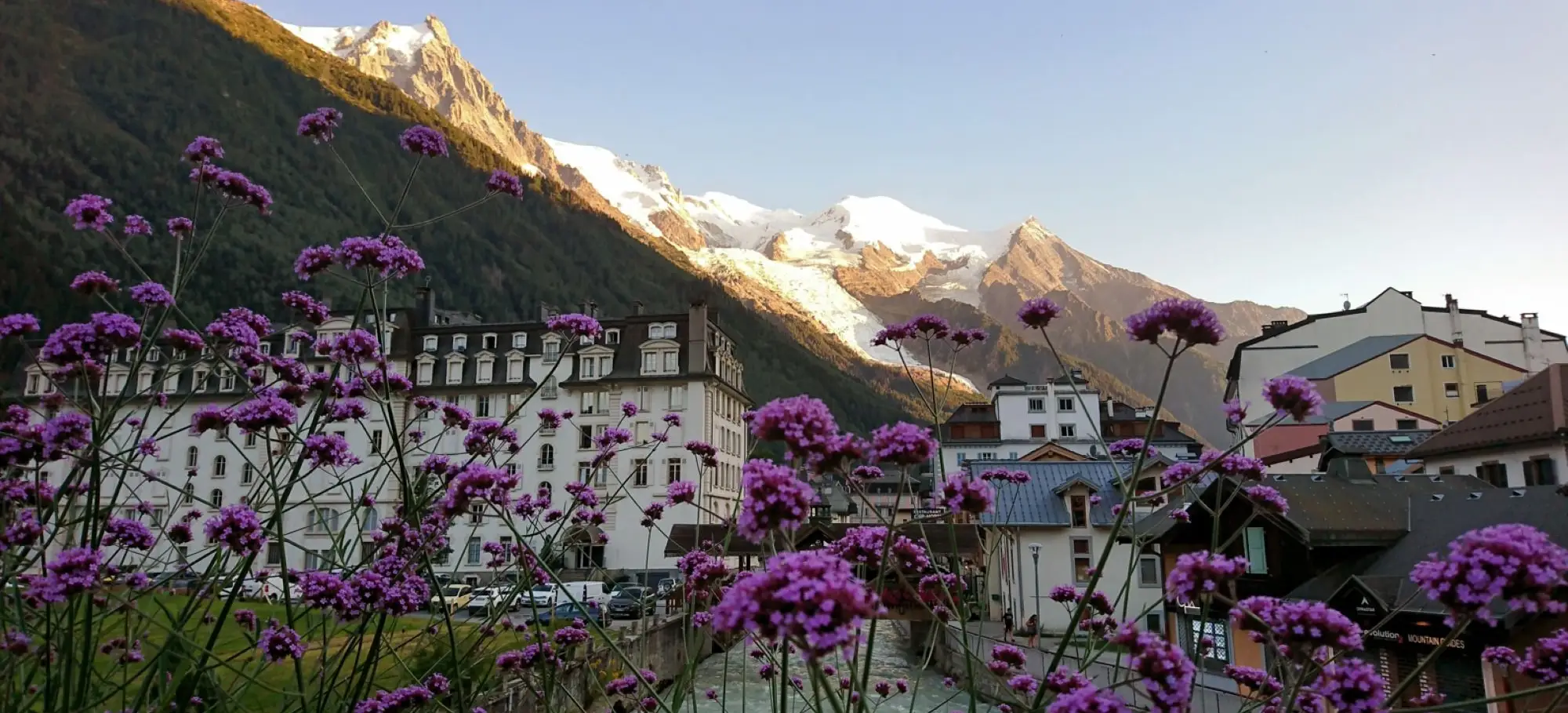
Day 1: Martigny
Individual arrival in Martigny, a charming alpine town located in the canton of Valais in Switzerland. Nestled at the junction of important Alpine routes, Martigny has long served as a gateway for travellers crossing the Alps. Take time to explore the old town, Roman ruins, and scenic surroundings before preparing for the start of your hiking journey along the historic Via Francigena.
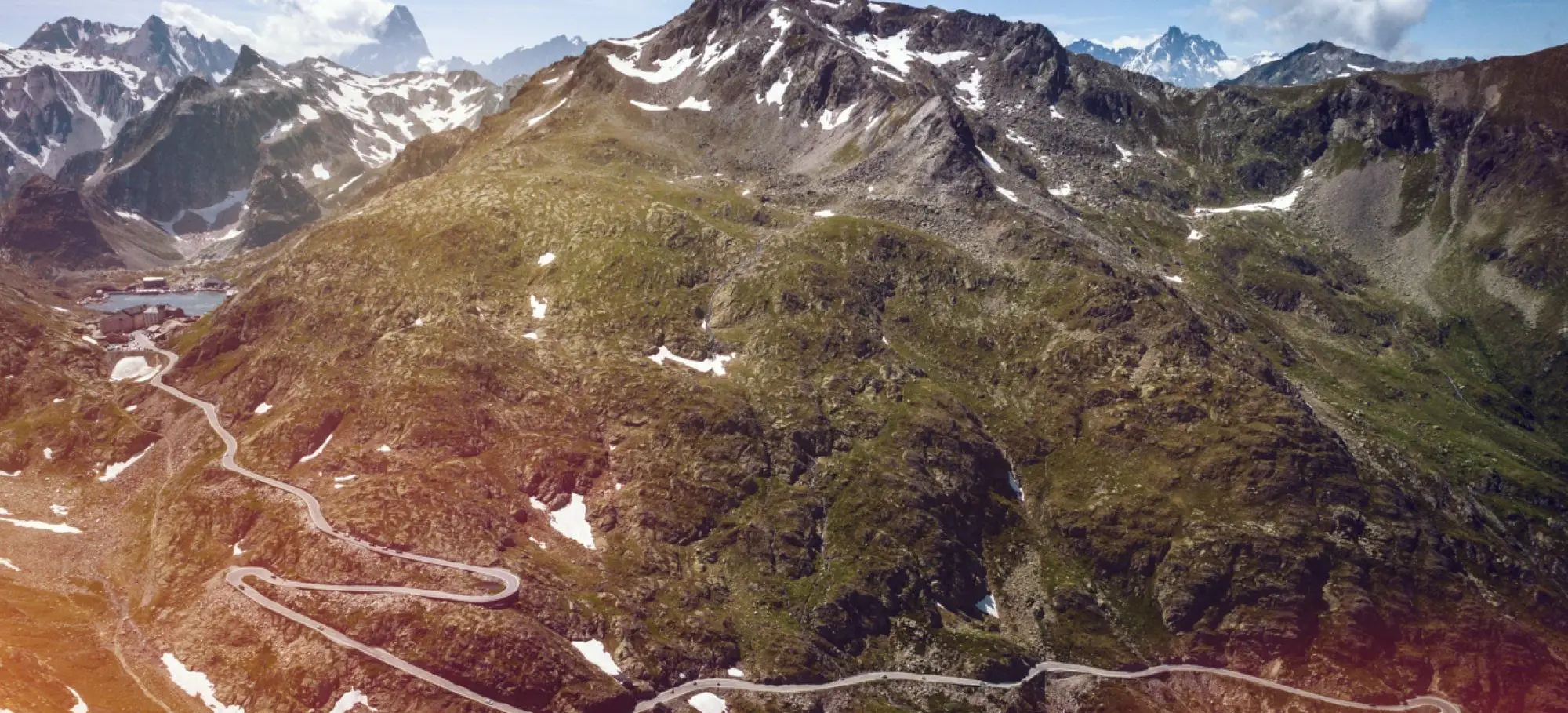
Day 2: Orsières
Your journey begins with a short train ride to Martigny followed by the first hiking stage towards the Great St. Bernard Pass. From Martigny, a steep trail climbs through vineyards and forests before crossing the narrow Les Trappistes Pass.
The route then descends to the medieval village of Sembrancher, where the Dranse rivers meet. From here, the path follows the historic Napoleon Route (Napoleon-Weg) leading gradually through scenic alpine landscapes to Orsières, a traditional mountain village and an important stop for pilgrims.
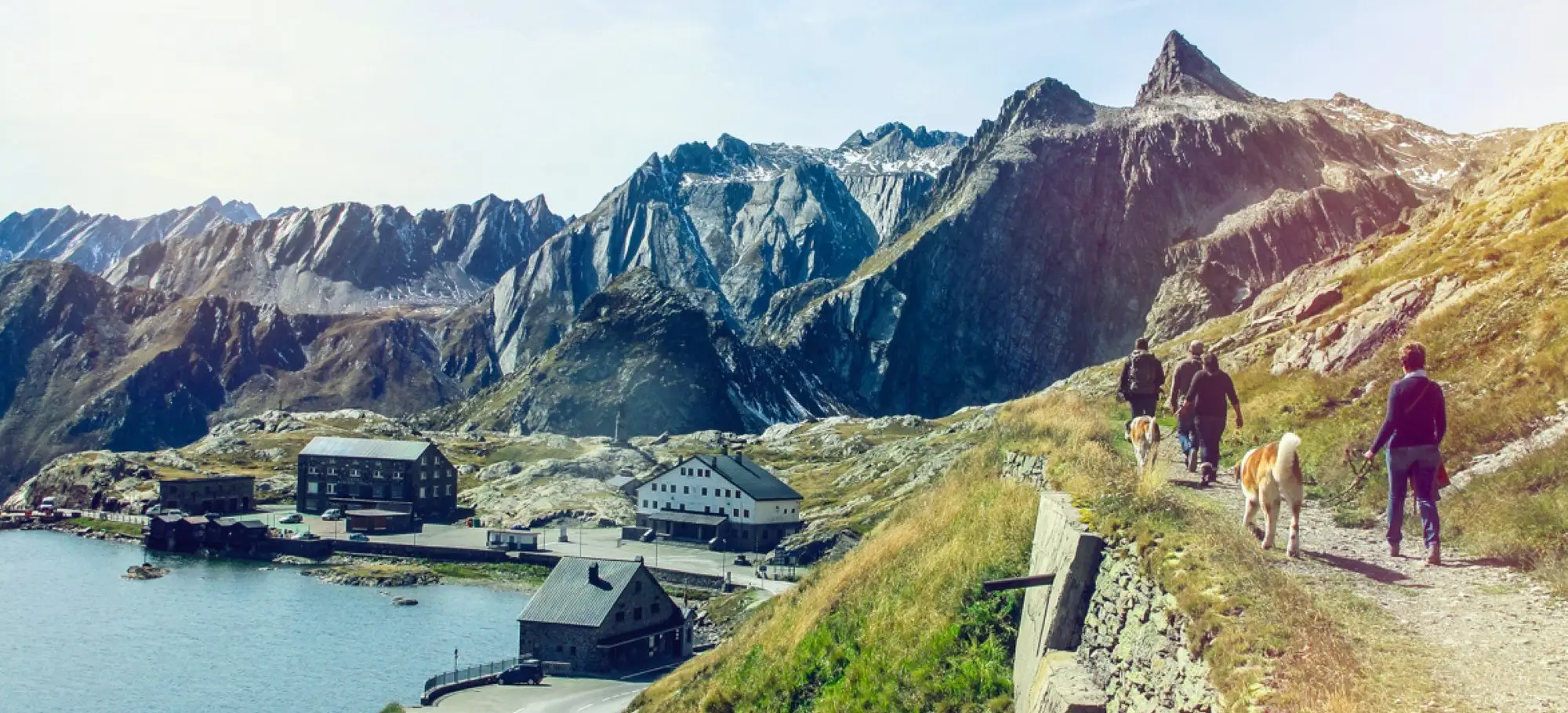
Day 3: Bourg-Saint-Pierre
Today’s stage follows the historic pilgrimage path deeper into the Alps. The trail winds through forests and alpine meadows, sometimes west and sometimes east of the river.
Along the way, you will pass the charming village of Liddes and the small Notre-Dame-de-Lorette Chapel, a peaceful landmark on the route. The day ends in Bourg-Saint-Pierre, the last Swiss village before the Great St. Bernard Pass and an important historical stopping point for travellers and pilgrims.
Day 4: Col du Grand-St-Bernard
This stage is one of the most symbolic parts of the Via Francigena. The trail climbs steadily toward the legendary Great St. Bernard Pass, a route used for over 2,000 years by merchants, pilgrims, soldiers, and travellers crossing the Alps.
Along the way, several archaeological remains and historical landmarks can be seen, particularly around L’Hospitalet and the Barasson Pass. At the top of the pass stands the famous hospice founded by monks, historically known for their rescue dogs.
Day 5: Étroubles
After crossing the pass, the route enters Italy and begins a scenic descent into the Aosta Valley. A traditional pilgrim’s trail leads down the mountainside, offering impressive alpine views. The path passes through the small village of Saint-Rhémy-en-Bosses, known for its local cuisine and mountain charm. Soon the picturesque villages of Étroubles and Échevennoz come into sight. Étroubles, often called an open-air museum, features charming stone houses and art installations along its streets.
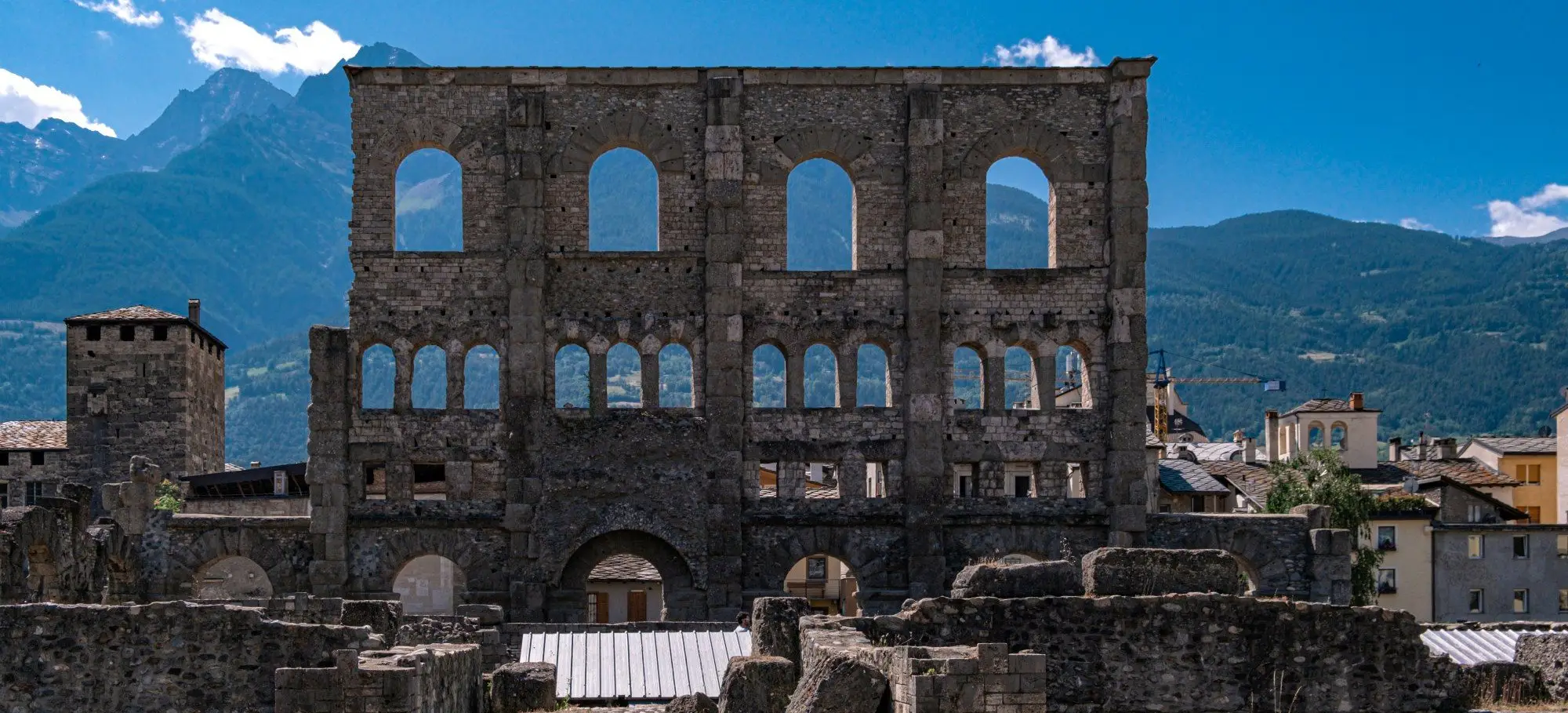
Day 6: Aosta
Today’s route follows the ancient irrigation channels known as “Rus”, which historically carried water from the mountains to fields in the valley. These canals create pleasant and mostly flat walking sections, though some steeper descents also occur. The journey ends in Aosta, a historic Roman town founded in 25 BC. Surrounded by impressive alpine peaks, Aosta is famous for its well-preserved Roman monuments, lively squares, and unique blend of Italian and alpine culture.

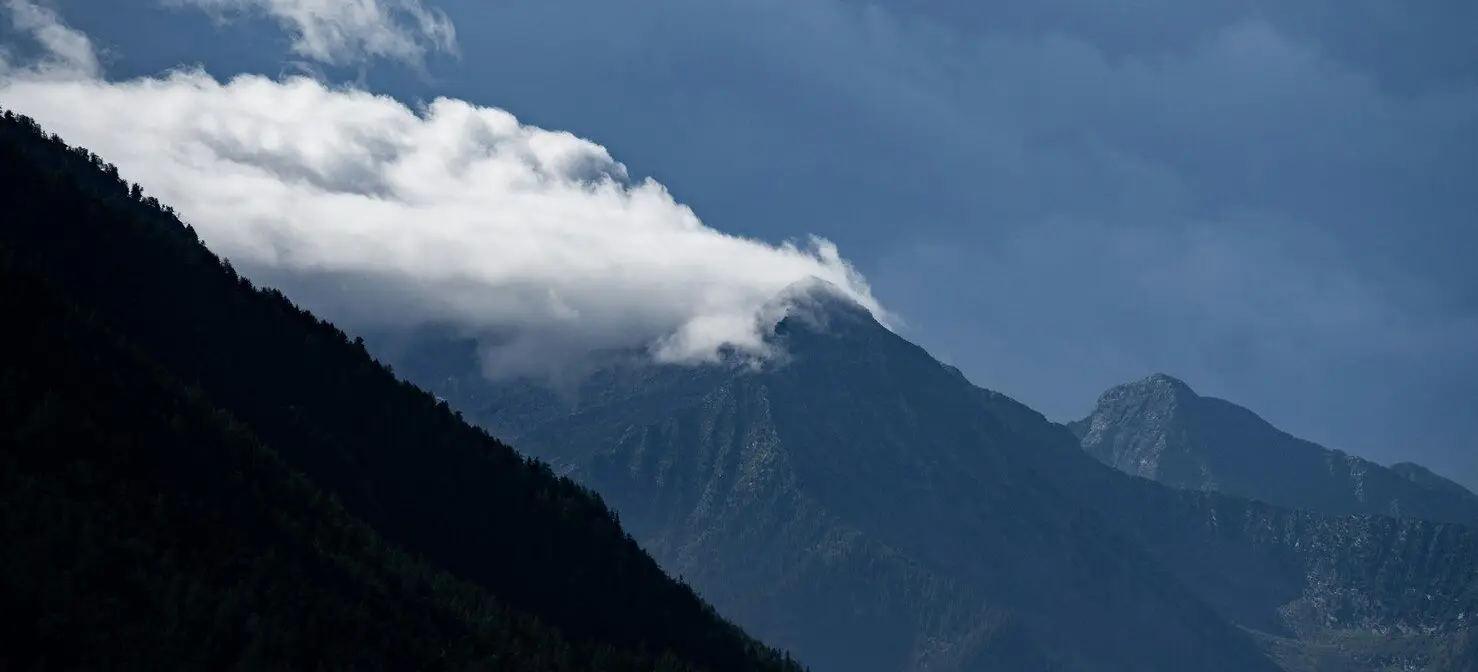
Day 7: Departure
After breakfast, your hiking adventure concludes in Aosta. Individual departure or the possibility to extend your stay. You may take time to explore the town’s remarkable Roman heritage, including the ancient city gates, theatre, and cathedral. Alternatively, continue your journey further along the Via Francigena or enjoy additional days discovering the breathtaking landscapes of the Aosta Valley.
Ready to plan your adventure? Download a print-ready detailed itinerary.
Map
Dates and Prices
Book with Confidence: For scheduled group departures, your 20% deposit is fully refundable until 60 days before departure. Solo travellers booking 120+ days in advance can avoid a mandatory Single Supplement. See terms & conditions.
Couldn't find a trip with convenient dates?
Open your date as a join-in tour or customize further as a private one.
Essential Info
Inclusions
LODGING
All hotels as mentioned in the tour details or similar (subject to availability).
Luggage Transfer
Transportation of luggage from one hotel to another.
meals
Meals as per itinerary. Guests are given the opportunity to dine on their own so that they discover a location independently.
Additional Inclusions
· Accomodation as mentioned incl. breakfast · Daily luggage transfer (1 piece of luggage per person, max. 20 kg) · Subsidy for arrival by train · Pilger pass · Carefully elaborated route description · Digital travel documents incl. navigation app
Exclusions
Airport pickup
We recommend to book direclty from airport.
Airport drop
We recommend to book direclty from your last hotel.
Beverages
Beverages such as alcohol, tea, coffee, juice at a hotel or restaurant.
Gratuity
Gratuities for your guide team are not included in the trip price.
Martigny
Aosta
Geneva Airport (GVA)
Geneva Airport (GVA)
**Arrival **
by public transport to Martigny.
** Departure**
by Flixbus to Geneva.
The weather along the Via Francigena route from Martigny in Switzerland to Aosta in Italy varies due to the large change in altitude, from valley towns to the high alpine Great St. Bernard Pass at 2,469 m.
In the valleys, summer temperatures usually range between 15°C and 25°C (59°F–77°F), creating pleasant hiking conditions, while higher elevations are much cooler, often between 0°C and 10°C (32°F–50°F).
The best months to hike this route are July and August when the trails are generally snow-free and the weather is most stable.
June and September are also good months, offering temperatures around 12°C to 22°C (54°F–72°F) and beautiful alpine scenery with fewer crowds.
May and October are considered mixed months because weather can be unpredictable, with possible snow on higher passes and cooler temperatures around 8°C to 16°C (46°F–61°F).
From November to April it is the off season, as heavy snowfall and temperatures often below 0°C (32°F) make the high mountain sections difficult or inaccessible for hiking.
January
Offseason
February
Offseason
March
Offseason
April
Offseason
May
Mixed
June
Good
July
Best
August
Best
September
Good
October
Mixed
November
Offseason
December
Offseason
Best
Good
Mixed
Offseason
Packing wisely ensures comfort and safety on your hiking adventure. This list covers essential hiking gear, clothing, and travel items to help you handle varied terrain and weather conditions.
Recommended Hiking Clothes & Gear
- Lightweight hiking shoes or boots with good traction.
- Moisture-wicking base layers and breathable hiking shirts.
- Quick-dry hiking pants or shorts.
- Light fleece or down jacket for cooler temperatures.
- Waterproof and windproof shell jacket.
- Sun hat and sunglasses with UV protection.
- Hiking poles (optional but recommended on uneven terrain).
- Small daypack with hydration system or water bottles.
- Headlamp or small flashlight.
- Light gloves and beanie for early mornings or high altitudes.
Clothing
- Layered clothing for temperature changes throughout the day.
- Full-sleeved tops for sun and insect protection.
- Comfortable evening wear for lodges or inns.
- Compact rain jacket for unpredictable weather.
- Extra socks (preferably synthetic or wool).
Other Necessities
- Basic first-aid kit with personal medication.
- Sunscreen, lip balm, and insect repellent.
- Reusable water bottle or hydration bladder.
- Snacks like trail mix, nuts, or energy bars.
- Plug adaptor and power bank for charging devices.
Pro Tips
- Pack light — you’ll appreciate it on uphill climbs.
- Break in your shoes before the trip to avoid blisters.
- Keep rain gear easily accessible in your daypack.
Luggage
Please limit your luggage to one medium-sized suitcase and one daypack. Mark your luggage clearly with your name, address, and phone number.
Before venturing on your adventure, make sure you're equipped with essential travel advice, including security updates, local laws, and crucial passport and visa information. Start by visiting the official government website of your home country for accurate and reliable guidance:
- UK Residents: Stay informed by reviewing the Foreign, Commonwealth & Development Office (FCDO) Travel Advice.
- US Residents: Access vital travel tips and updates through the US Department of State Travel Advice.
- Australian Residents: Plan ahead with the latest updates on the Smart Traveller website.
- Canadian Residents: Find comprehensive travel and visa guidance on the Government of Canada's Travel Advice and Advisories.
- New Zealand Residents: Get practical travel advice on the New Zealand SafeTravel website.
- Residents of Other Countries: Check with your government or local consulate for tailored travel advice and requirements.
Note: Passport and visa regulations can change at any time. Stay proactive by checking for the latest updates to ensure a smooth and stress-free journey.
Medical insurance that covers medical costs in case of an accident during the trip is mandatory to participate in our tours.
We recommend purchasing adequate travel insurance to protect yourself from unforeseen events. Our experience shows that guests who purchase travel insurance—including coverage for all activities on the itinerary, trip cancellation, interruption, delay, baggage damage, loss or theft, personal accident, death and repatriation costs, medical and emergency expenses (including Covid-19), and personal liability—travel with greater peace of mind.
Is proof of medical insurance required?
Yes. You must provide your insurer's name, policy number, and emergency contact via our reservation form. This is mandatory. If you cannot provide proof, you’ll need to purchase insurance before traveling with us.
Can I use my credit card insurance?
Yes, as long as it meets our requirements and provides adequate coverage. Ensure you have an emergency contact number and policy number available.
When should I buy travel insurance?
Purchase travel insurance as soon as you've paid in full or booked your flights.
Does Art of Bicycle Trips sell travel insurance?
We do not sell travel insurance directly, as we believe our customers should have the freedom to choose a policy that best suits their needs. However, we recommend Insured Nomads as a great starting point.
Frequently Asked Questions
A self-guided bike tour allows you to explore independently using our detailed app-based navigation and pre-arranged logistics. We provide route notes via app, luggage transfers, hotel bookings, and emergency phone support. There is no local guide riding with you, so you manage your own navigation and basic bike upkeep.
For self-guided tours, the fitting process is designed to be simple and flexible while ensuring you start with a bike that suits your measurements.
Before Your Tour
When you book, we ask for your height. This allows our local partners to select the correct frame size and prepare the bike in advance so it’s close to your ideal fit when you arrive.
At the Start of the Tour
The setup experience varies by destination:
-
In some locations, you may receive an in-person handover with basic adjustments made by the local partner.
-
In others, especially in more remote regions, you may receive a bike that is pre-set based on the measurements you provided.
All self-guided bikes include basic tools, so you can make simple adjustments such as raising or lowering the saddle yourself.
During the Tour
You can adjust the bike as you ride using the provided tools. If anything feels off and you need assistance, our local partners are reachable and will support you as promptly as the location allows.
What to Expect
The self-guided bike fit is practical and rider-adjustable. It ensures:
- You start with the correct frame size
- You can fine-tune your comfort easily
- You have the flexibility to adjust as needed along the route
It’s not an in-depth professional fitting, but it’s perfectly suited for multi-day touring comfort.
We provide an app-based navigation system that includes all your daily routes, points of interest, and important trip notes. You can download the app to your phone in advance, and we’ll share your login details before your trip.
Yes. Once the routes are downloaded, the app works completely offline, so you don’t need mobile data while riding. You can even use it in airplane mode, which helps conserve your phone’s battery.
To extend battery life further, we recommend reducing screen brightness and carrying a small power bank for longer days on the trail.
A mobile holder is not provided. Since you’ll be using your phone for navigation, we strongly recommend bringing your own sturdy, handlebar-mounted mobile holder to ensure a safe and comfortable riding experience.
We do not provide GPX files separately. All routes are available within our navigation app, which is the most reliable and up-to-date source for your trip. Once you receive the login details for the navigation app — generally shared about one month before your departure — you can explore the routes and, if needed, also download the GPX files directly from the app for use with your personal Garmin or GPS device. We recommend getting familiar with the app and its features before your tour starts to ensure a smooth experience on the road.
For minor issues like punctures, the guests are provided with a self-repair kit, which includes tools to help them fix such minor issues. The exact contents of the kit depend on the type of bike, terrain and other factors, and will be communicated to you closer to your date of departure. However, usually such a kit includes tire levers, a spare tube, a patch kit, and a pump, allowing riders to fix the problem themselves. In some cases, the kit may only include a pump or a repair foam.
Self-guided riders are expected to be independent in handling these minor problems. While there are some bike shops along the route, they are limited. If you are unsure about how to repair a puncture, we recommend considering a guided or van-supported trip instead.
For major mechanical failures, such as a cable break, the guests can contact the emergency support number provided. The support team will help coordinate a solution, which could include dispatching a local mechanic, suggesting a nearby bicycle shop for repairs, or sending a vehicle to pick up the rider. Please note that all support services will be provided on a chargeable basis, and assistance may take time, so we advise being prepared for potential delays.
Yes, each rider will be provided with at least one pannier to carry personal items during the tour. Please note, road bikes do not support panniers.
Yes, we provide helmets. However, we recommend that guests try to bring their own helmets, as these are items of a personal nature.
Your luggage will be picked up at the reception of your hotel every morning by 9.00am.
It will be delivered to the next hotel before 5pm. Most of the time it is delivered in the early afternoon itself.
We recommend that you carry no more than 2 bags together weighing up to 15kgs for this trip. You can have one large bag, which contains all your clothing and gear needed for the trip, and one small bag that contains essential items you will frequently need such as passport etc. Please note that once a bag gets loaded in the luggage transfer vehicle, you may not have access to it till later in the evening when you reach the hotel for the night.
We provide local support by phone for any medical emergencies during the tour. Our local team will assist in coordinating medical care, guiding you to the nearest healthcare facility, and ensuring you receive the necessary support. The national emergency system is reliable and effective, and in the event of a serious accident, contacting them is highly recommended. However, due to our distance from certain areas, response times may be longer. We strongly recommend having appropriate travel insurance, and we will do everything we can to ensure your safety and well-being during an emergency.
Airport transfers are not included unless specifically mentioned in your trip inclusions.
For airport pickup, we recommend booking directly from the airport upon arrival — most airports have reliable taxi, shuttle, or app-based options.
For airport drop, please book a transfer through your last hotel — they can easily arrange it for you.
We focus on delivering exceptional experiences during your tour. For logistical simplicity and flexibility, we do not handle pre- or post-tour hotel bookings. However, we’re happy to share a list of recommended hotels near the starting and ending points of your trip so you can plan your stay independently.
We are happy to pass on your room preference for a twin or double setup, and our hotel partners do their best to accommodate these requests. However, room configurations are always subject to availability at each property.
On some of our trips—especially those that travel through remote regions or small boutique inns—room types may be limited. In such cases, despite our best efforts, you may need to stay in a double room instead of a twin, or twin instead of a double, depending on what is available.
Given the nature of our journeys and the unique places we visit, we kindly ask for your understanding and support if such adjustments are required.
We will always inform you in advance wherever possible and work closely with our partners to ensure the most comfortable arrangement for your stay.
The fitness level required for each trip is indicated by the "level" of the tour, which in turn is mentioned on each tour page right next to the price and the trip duration.
Easy: The terrain is mostly flat with a few gentle climbs.
Moderate: The terrain is either mostly flat or consists of rolling hills with a few challenging climbs. There could also be a few days with longer riding distances of up to 75 kms (45 miles)
Difficult: The terrain is mostly hilly with strong elevation gains and/or has long days on the bike. Such trips are recommended for intermediate to advanced cyclists.
Please note that we usually bike around 4-5 hours per day irrespective of the level of the trip.
You can exchange currency at the airport itself, or at ATMs in larger cities. Most commercial establishments will accept international credit cards for payments, though its good to carry some local currency with you at all times.
The meeting time on Day 1 is mentioned in your travel planner shared with you. You can arrive either on the morning of Day 1 depending on the meeting time, or book a pre-tour night to arrive a day earlier.
