
Guided Morocco's Atlas Mountain Gravel Bike Tour
This nine day gravel bike journey through Morocco’s Atlas Mountains is all about big landscapes, tough climbs, and deep cultural immersion. Starting and ending in Marrakesh, the route takes you far beyond the city into remote valleys, dramatic gorges, and high mountain passes that feel wonderfully untouched.
You’ll ride a mix of gravel and paved roads, climbing above 2,600 meters, descending into lush river valleys, and pedaling through places where Berber life still follows an age old rhythm. Highlights include the Dades Gorge, the quiet beauty of Happy Valley, alpine lakes near Imilchil, and the striking natural arch at Imi n’Ifri. Each day balances physical challenge with rewarding views, local food, and welcoming accommodations.
It’s demanding, scenic, and deeply memorable, perfect for riders who want more than just a bike trip and are ready for a true mountain adventure.
Guided
challenging
75 km / 46 mi
7
casual Inns
Min. 4, Max. 14
Highlights

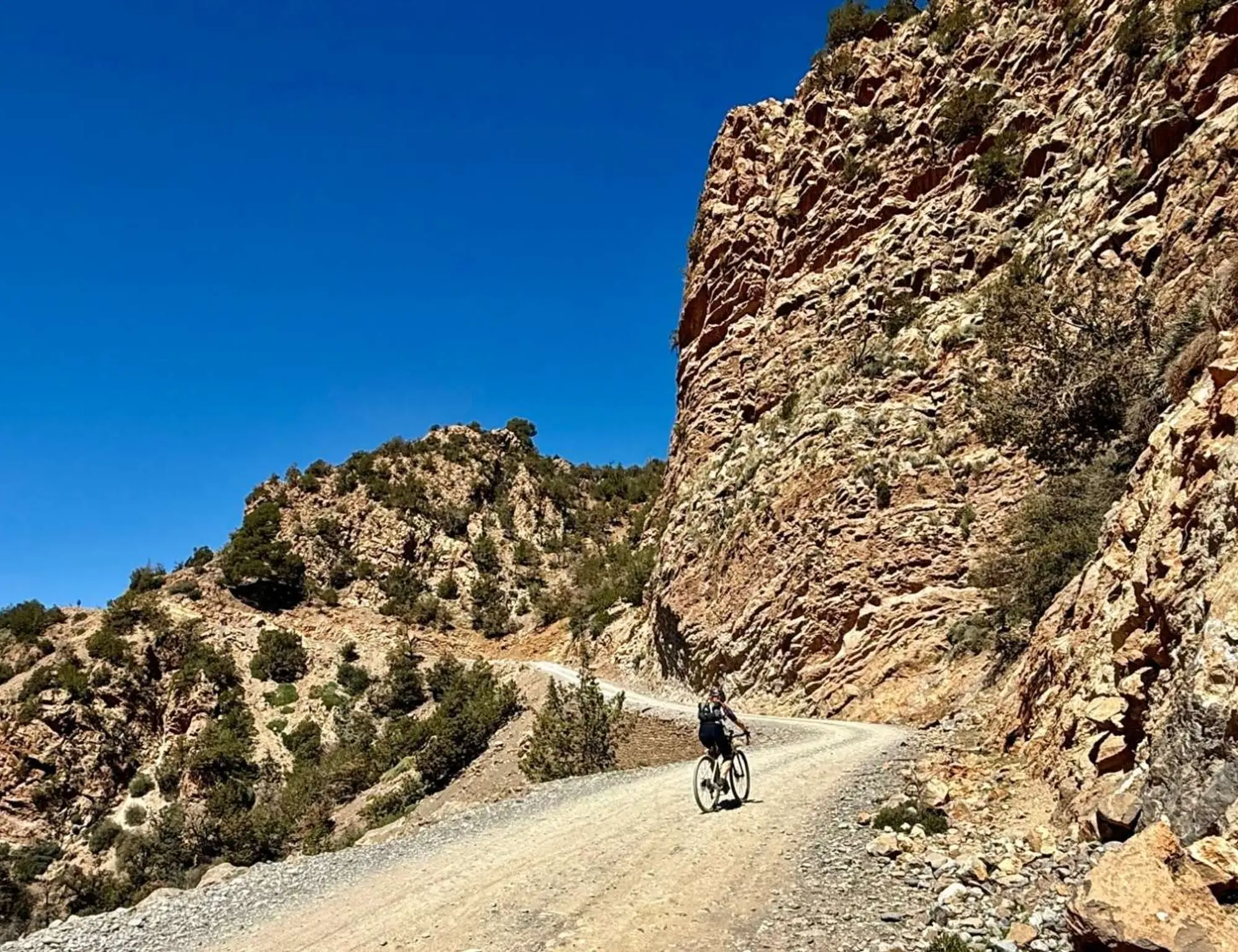
High Atlas Mountain Riding
Ride deep into Morocco’s High Atlas Mountains. The routes blend gravel and paved roads, delivering big elevation, wide open views, and a true sense of adventure far from busy tourist areas.
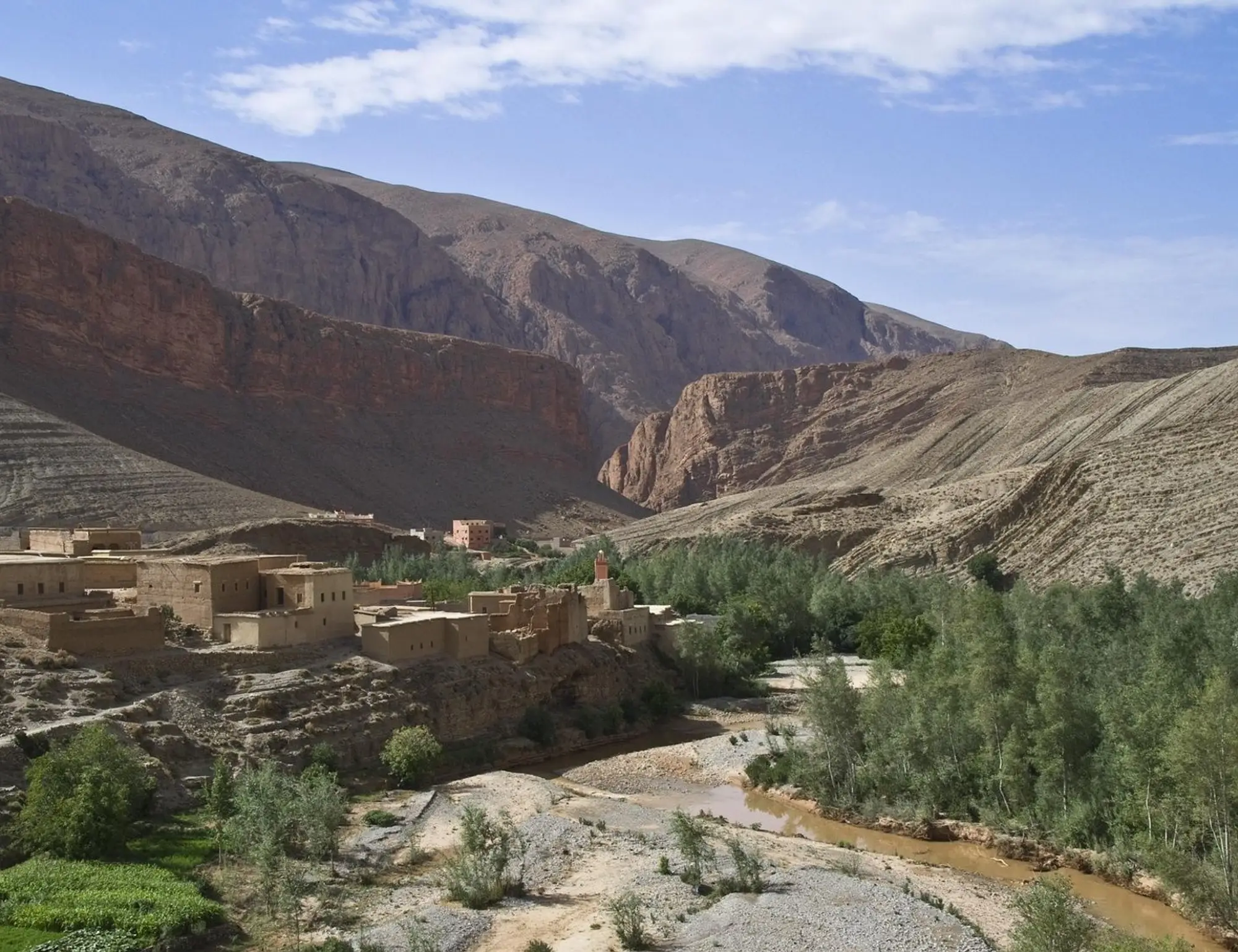
Dades Gorge and Canyon Landscapes
Cycle through some of Morocco’s most dramatic terrain, including the famous Dades Gorge. Expect towering rock walls, winding canyon roads, and striking formations shaped by wind and time.
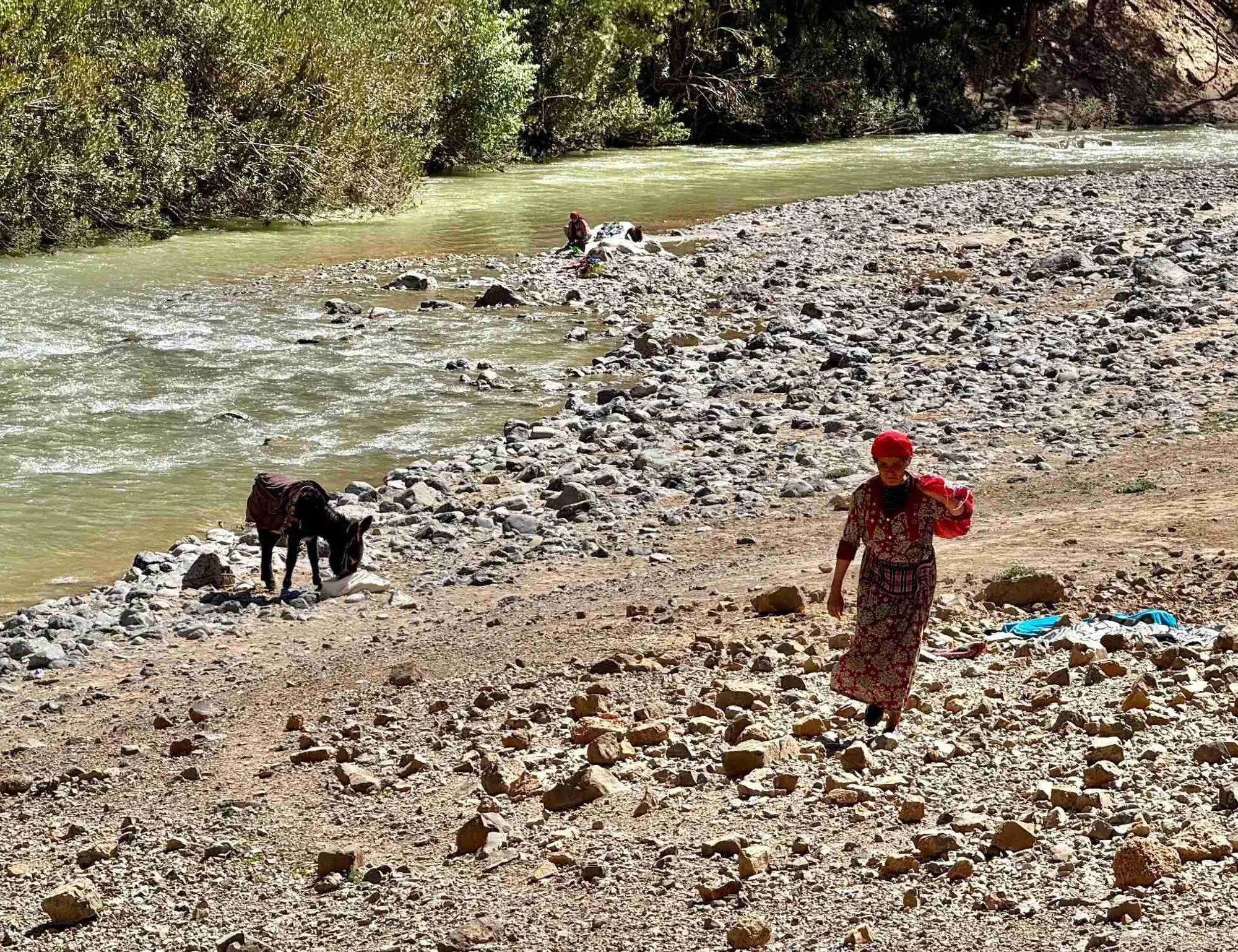
Berber Culture and Remote Villages
Pass through traditional Berber villages where daily life has changed little over generations. Warm hospitality, local cuisine, and simple mountain guesthouses offer an authentic cultural experience along the way.
Itinerary
Brief Itinerary
Meals are indicated as B = Breakfast, L = Lunch, D = Dinner.
Listed hotels are subject to availability and may be replaced with similar alternatives of equal standard.
| Day | Place | casual Inns | Meals | Distance | Activity |
|---|---|---|---|---|---|
| DAY 1 | Marrakesh | Riad & Spa Bahia Salam (4 Star) | D | ||
| DAY 2 | Dades | Riad Rihana Dades | B,L,D | 30 km / 19 mi | cycling |
| DAY 3 | Tamtattouche | Auberge Baddou | B,L,D | 86 km / 53 mi | cycling |
| DAY 4 | Imilchil | Auberge Izlane | B,L,D | 88 km / 55 mi | cycling |
| DAY 5 | Anergui | Gite Tighremt Assif Melloul | B,L,D | 82 km / 51 mi | cycling |
| DAY 6 | Amzri | Guest House Dar Ahansal | B,L,D | 82 km / 51 mi | cycling |
| DAY 7 | Agouti | Guest House Flilou | B,L,D | 72 km / 45 mi | cycling |
| DAY 8 | Marrakesh | Dar Khmissa Riad & Spa | B,L,D | 83 km / 52 mi | cycling |
| DAY 9 | Departure | B |
Detailed Itinerary

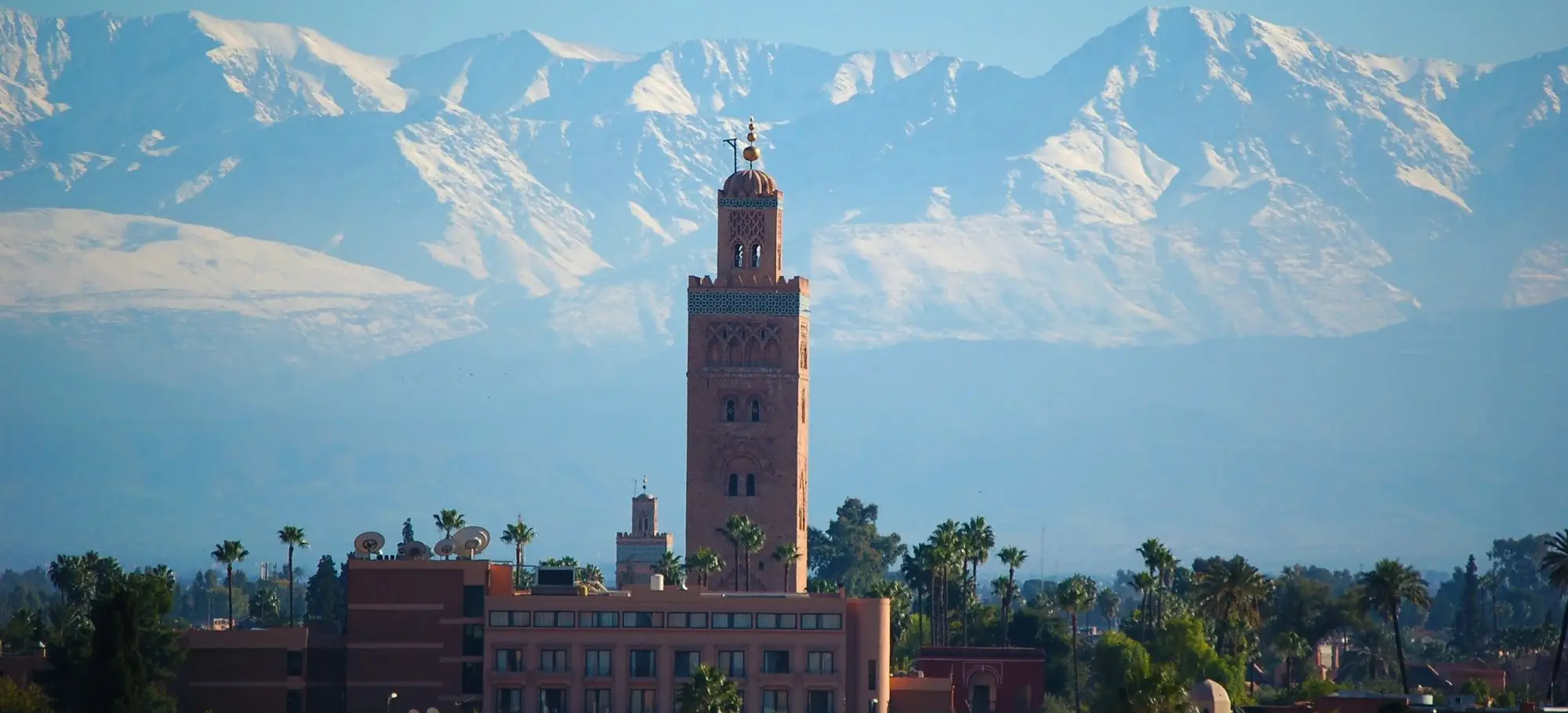
Day 1: Marrakesh
Arrive in Marrakesh and check-in to your traditional riad in the heart of the city. Taxis are easily available from the Marrakesh airport to arrive at your hotel.
After check-in, you have time to recover from travel before a guided walk through Marrakesh’s vibrant streets. The medina offers a first taste of Morocco with its colors, spices, sounds, and historic architecture.
Later in the afternoon, bike fitting and equipment checks take place to ensure everything is dialed in for the demanding mountain stages ahead. The evening is relaxed, giving you time to settle in and meet your fellow riders.
Day 2: Dades
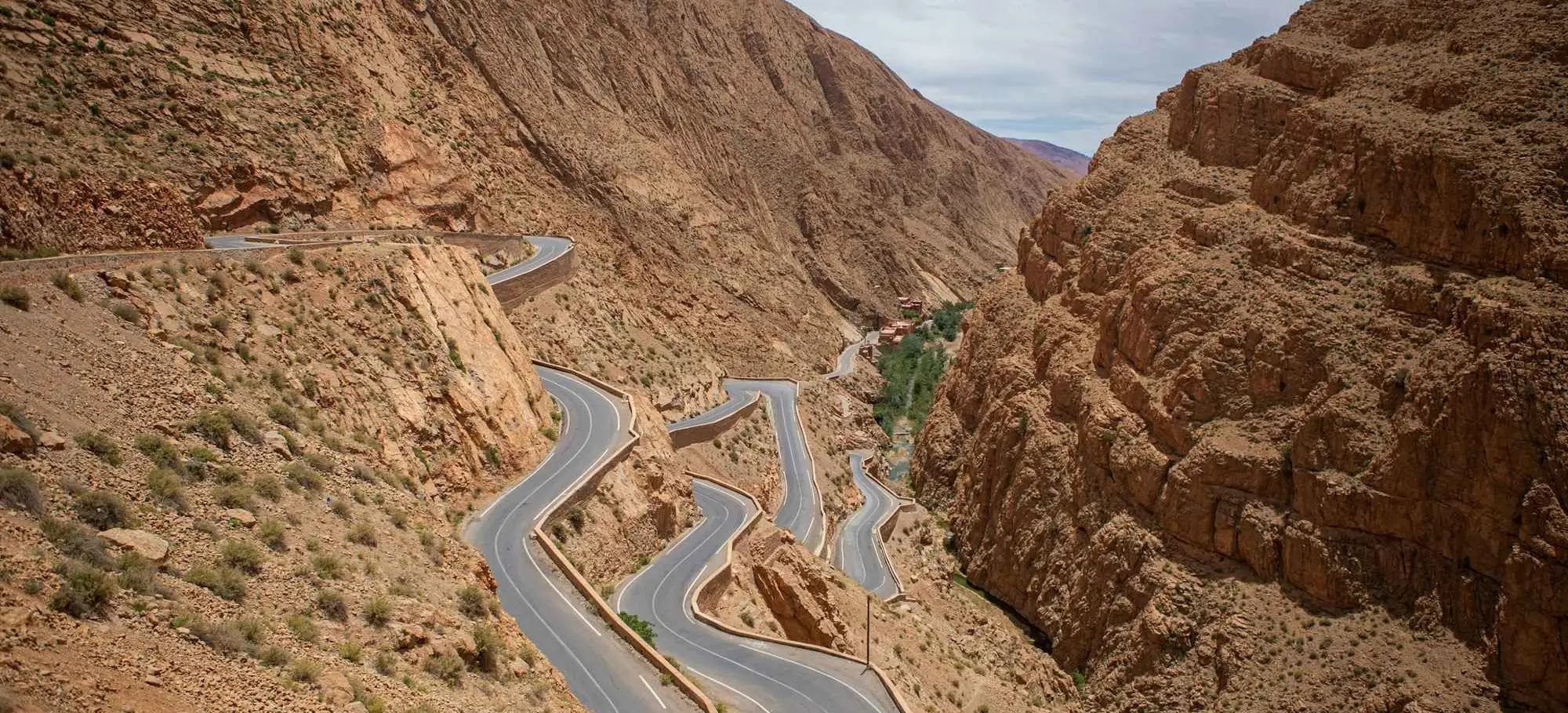
Today we transfer from the bustle of Marrakesh into the dramatic landscapes of southeastern Morocco. The drive takes around seven hours and gradually reveals the scale of the Atlas Mountains. You pass mountain passes, arid plateaus, and deep valleys before reaching Boulemane in the Dades region. We ride our bikes for 30kms to reach Dades.
The Dades Valley is known for its winding roads, steep canyon walls, and sculpted rock formations created by centuries of erosion. This journey sets the scene for the riding days ahead, allowing you to appreciate how remote and diverse the terrain truly is.
Day 3: Tamtattouche
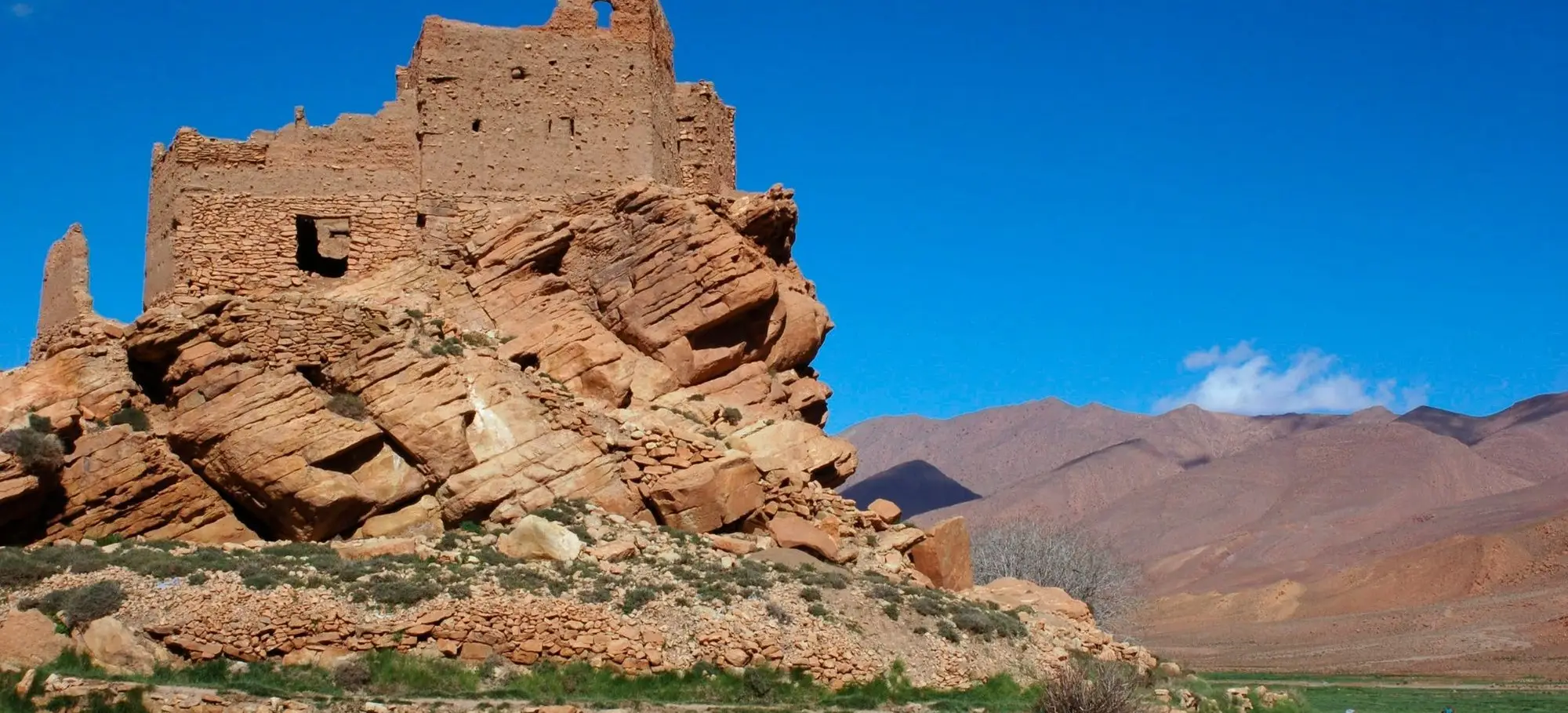
Leaving Dades, the route climbs steadily into the High Atlas, passing through rugged mountain scenery and quiet settlements. Gravel sections add a technical edge as you gain altitude, eventually approaching 2,600 m. The highlight of the day is the spectacular zig zag road carved into the canyon, offering dramatic views and a real sense of achievement.
This demanding stage introduces the physical challenge and remote beauty that define the tour.
Elevation: +1,700 m
Paved: 66.5 km (77% )
Unpaved: 19.5 km (23%)

Day 4: Imilchil
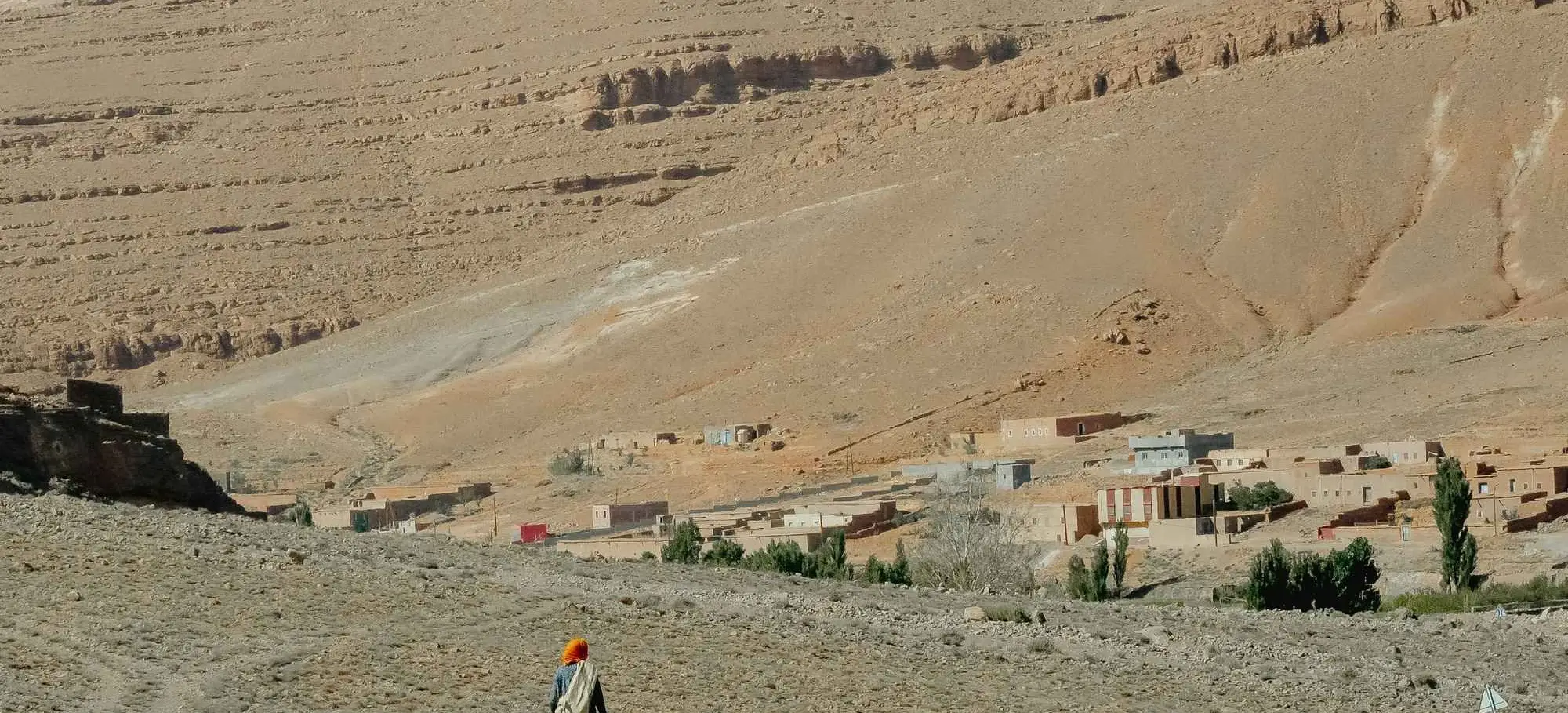
Leaving Tamtattouche, the landscape opens into vast desert plains where the scale of the mountains becomes clear. The day’s main feature is a sustained climb of around 16 km, gaining roughly 800 meters as the road gradually rises toward the high plateau. As you gain altitude, arid terrain gives way to cooler air and alpine scenery.
Riding alongside the Assif Melloul River, you pass the remote village of Agoudal, one of the highest permanent settlements in North Africa. The stage finishes in Imilchil, a quiet mountain town surrounded by lakes, open valleys, and strong Berber traditions.
Elevation: +1,300 m
Paved: 88 km (100%)

Day 5: Anergui
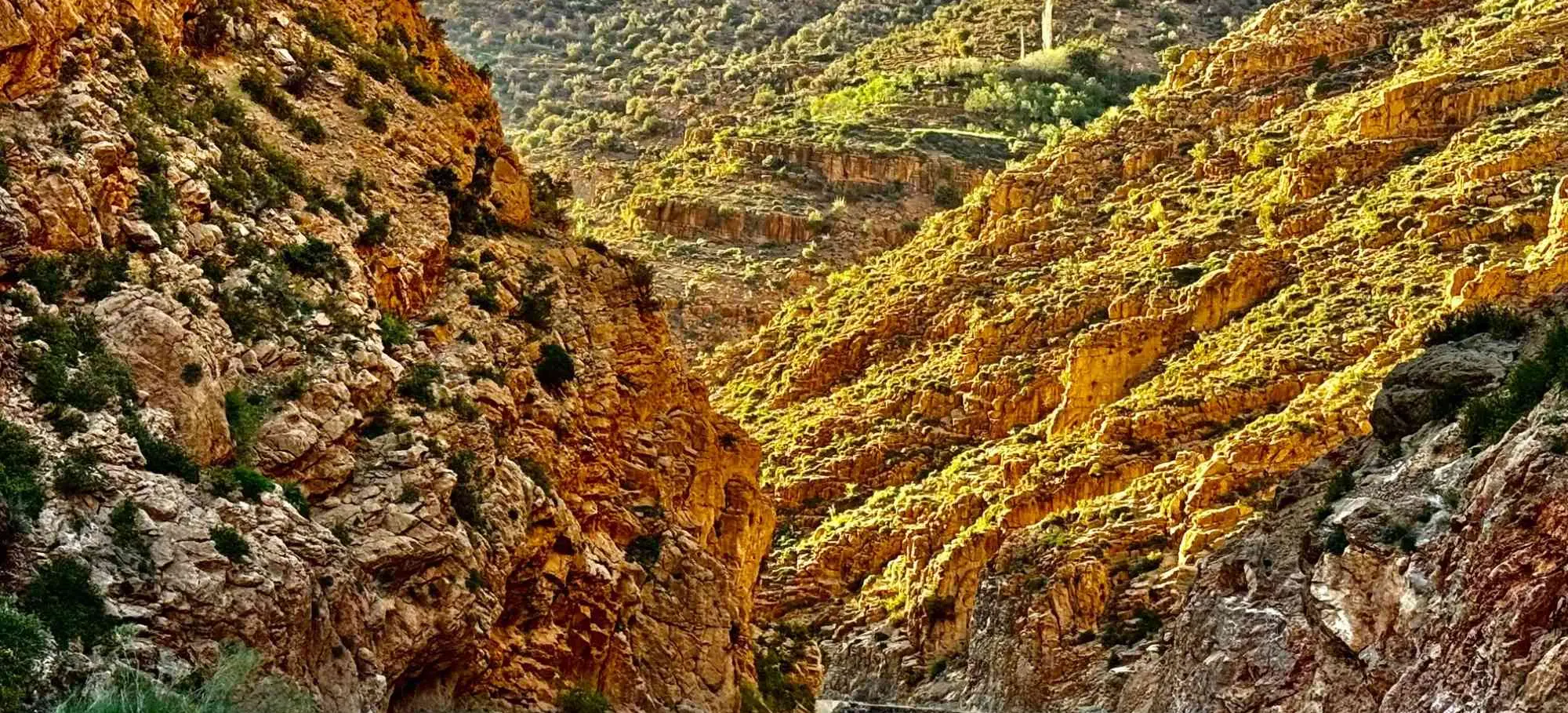
Starting from the high plateau of Imilchil, we ride through a cool mountain atmosphere toward the legendary Isli and Tisli lakes, both set in wide open landscapes shaped by wind and time. Leaving the lakes behind, the route rolls through isolated villages and follows river valleys at elevations between 1,900 and 2,300 meters.
The final highlight is an unforgettable 12 km descent, dropping nearly 1,000 meters into the Anergui Valley. The changing views, from barren highlands to green valley floors, make this one of the most visually rewarding days of the tour.
Elevation: +1,700 m
Paved: 70 km (85%)
Unpaved: 12 km (11%)

Day 6: Amzri
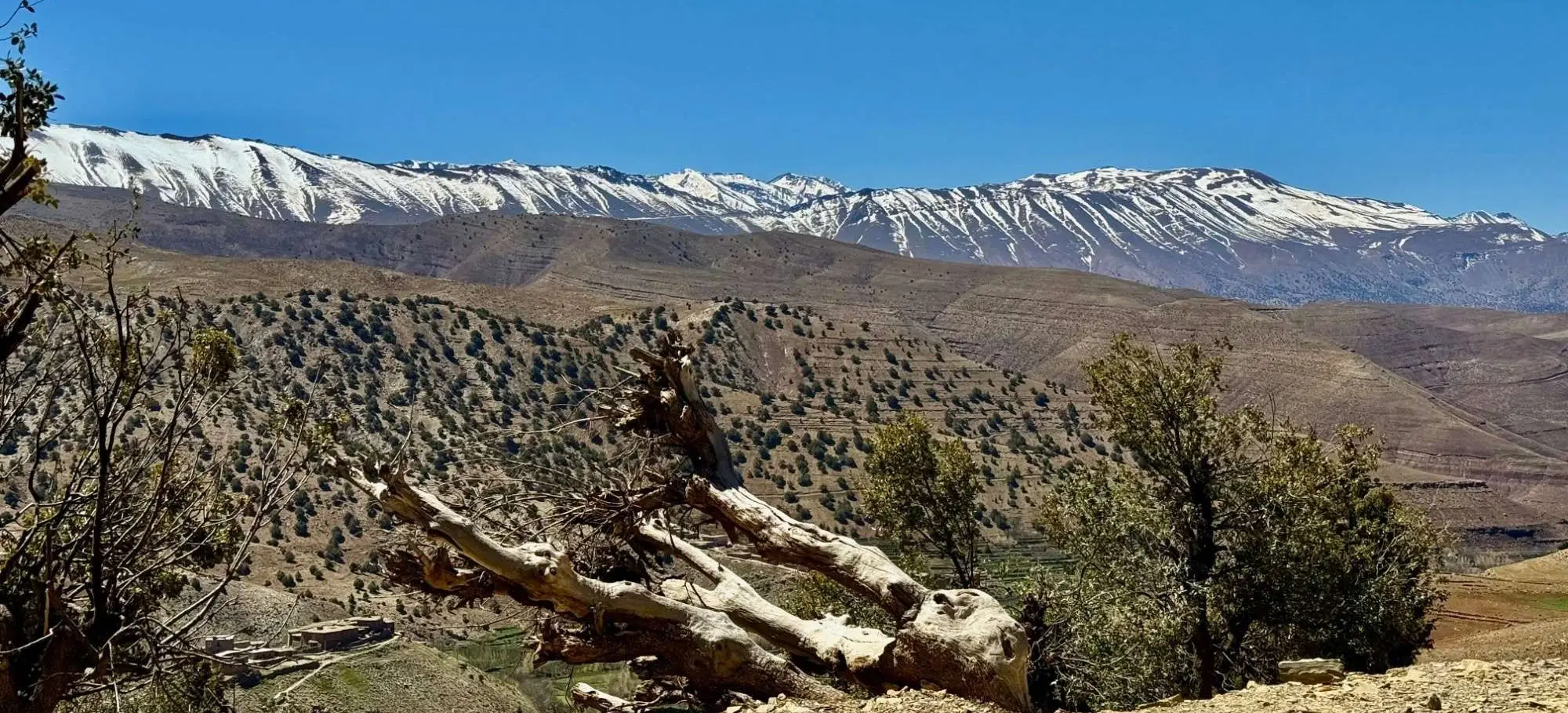
Leaving the Anergui Valley, you follow the Ahansal River through a narrow corridor of greenery where fields, almond trees, and small villages cling to the valley floor. The sense of remoteness grows as paved roads give way to long gravel sections, offering a true off road riding experience. Cathedral Rock rises dramatically near the river, standing out as a natural landmark in this wild setting.
From here, the route begins a steady climb through Aleppo pine forests, with red earth and scattered pines creating a striking contrast before you reach the quiet mountain settlement of Amzri.
Elevation: +1,600 m
Paved:18.5 km (22%)
Unpaved: 63.9 km (78%)

Day 7: Agouti
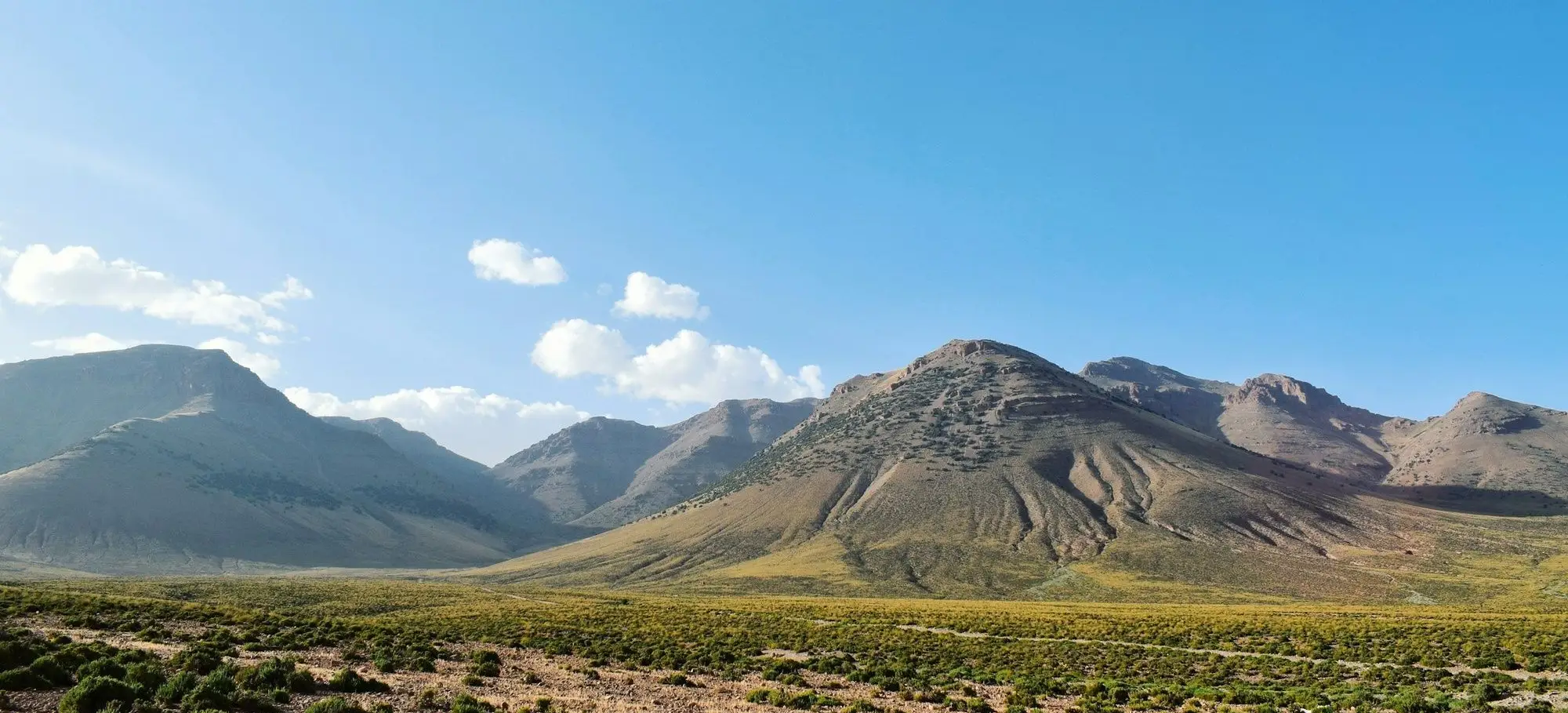
The day begins with a sustained ascent from Amzri toward the Tizi n’Ilissi pass, where the road climbs steadily through open mountain terrain. After a brief descent, the route rises again to Tizi n’Tirghist at 2,626 meters, the highest point of the entire tour. From the pass, expansive views open across the Mgoun Massif, with jagged peaks contrasting against the green valley floor below.
A long descent follows, winding down toward the Happy Valley, where fields, rivers, and villages mark the transition into one of the Atlas Mountains’ most fertile and beautiful regions.
Elevation: +1,600 m
Paved: 58.9 km (82%)
Unpaved: 12.6 km (18%)

Day 8: Marrakesh
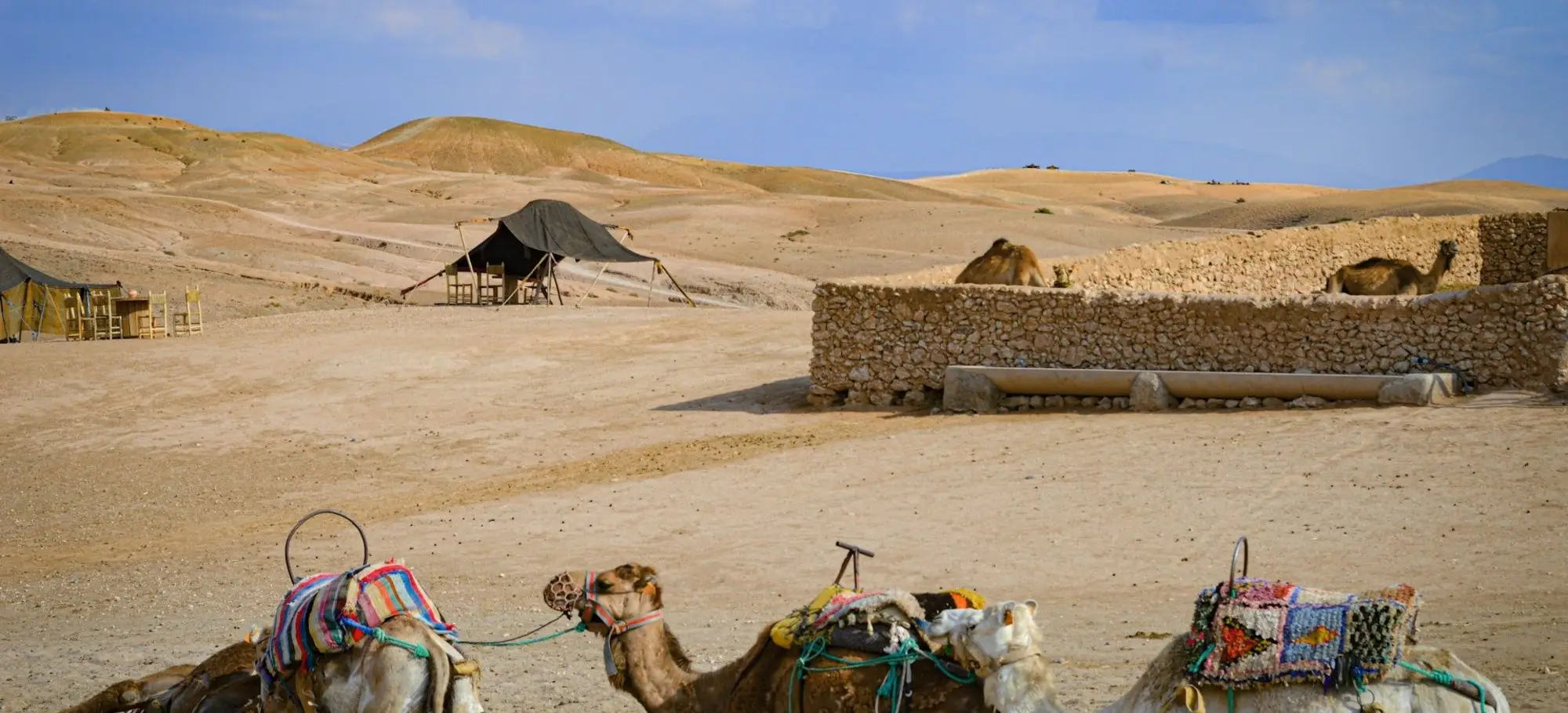
Leaving Agouti, you ride through the heart of the Central High Atlas, passing stone built Berber villages where terraced fields line the valley walls. The route winds along quiet mountain roads and gravel tracks, offering wide views of red canyons, green valleys, and distant peaks. As the day progresses, the scenery becomes increasingly dramatic, with a series of climbs and flowing sections leading toward Imi n’Ifri.
The ride finishes beneath the impressive natural limestone arch, carved by water over time. After lunch, a transfer takes you back to Marrakesh, marking the end of the cycling adventure. The drive back to Marrakesh takes around 90 minutes.
Elevation: +1,700 m
Paved:54.1 km (66%)
Unpaved: 28.5 km (34%)

Day 9: Departure
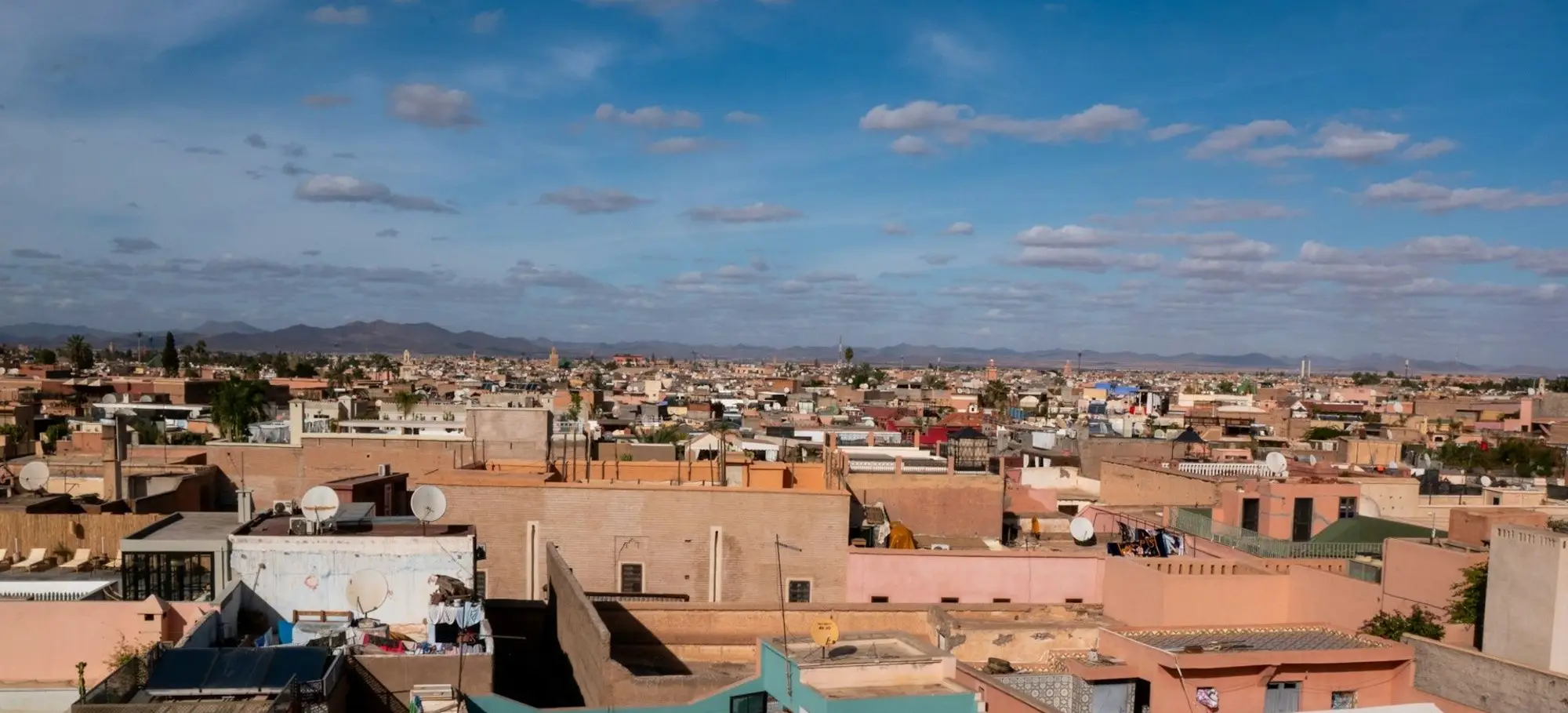
After breakfast, your journey through Morocco’s High Atlas comes to a close. The pace slows as you prepare for departure, offering a final moment to take in the calm of your riad and reflect on the days spent riding through mountains, valleys, and remote villages. Transfers to Marrakesh Menara Airport can be arranged directly from your accommodation, making the departure straightforward and relaxed.
Whether you are heading home or continuing your travels in Morocco, the memories of long climbs, gravel roads, high passes, and warm mountain hospitality remain the lasting highlights of this adventure.
Ready to plan your adventure? Download a print-ready detailed itinerary.
Map
Accommodation
Each accommodation has been thoughtfully selected to ensure an exceptional and memorable experience for guests. Should the listed hotel be unavailable, we will ensure an alternative of similar quality.
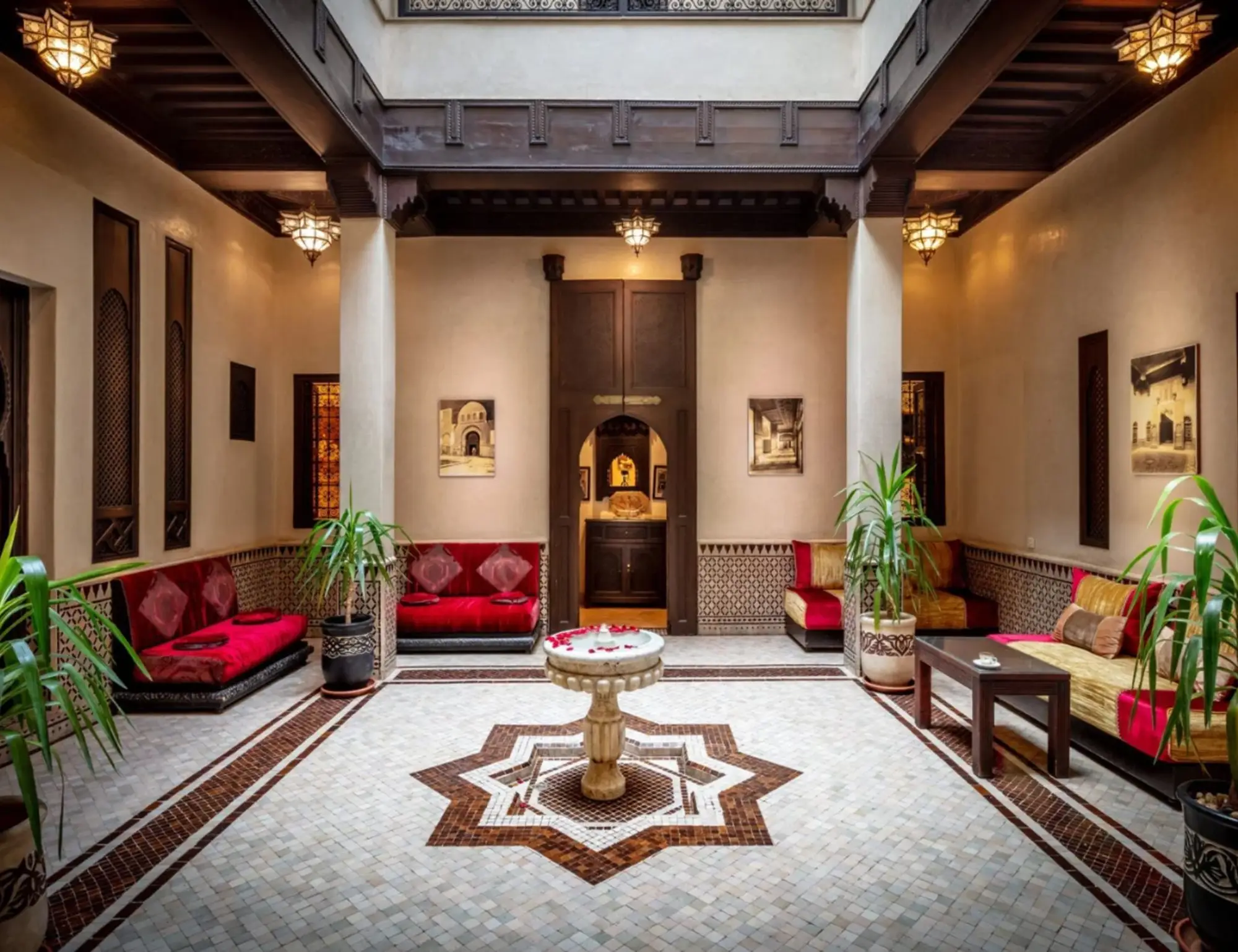
Riad & Spa Bahia Salam
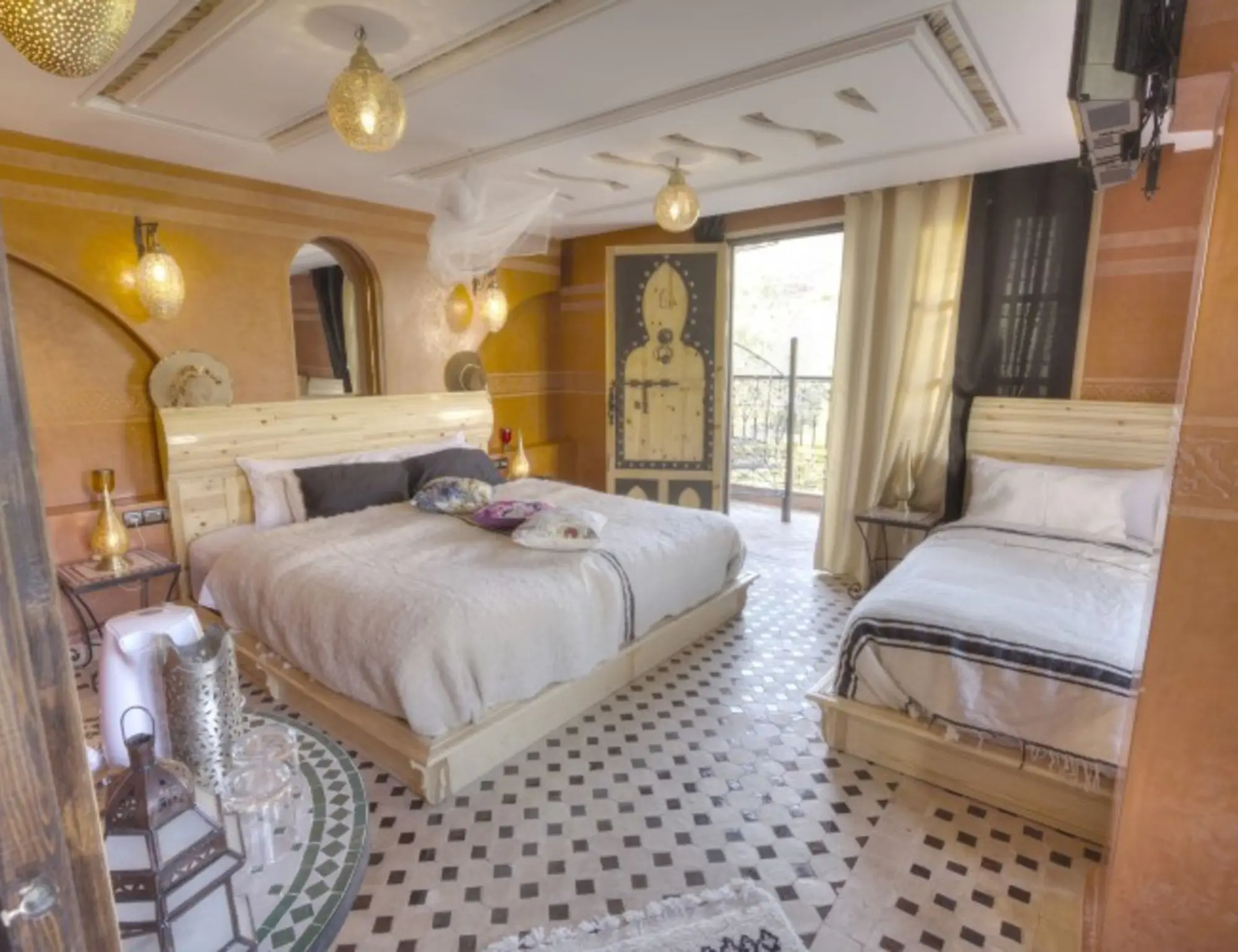
Riad Rihana Dades
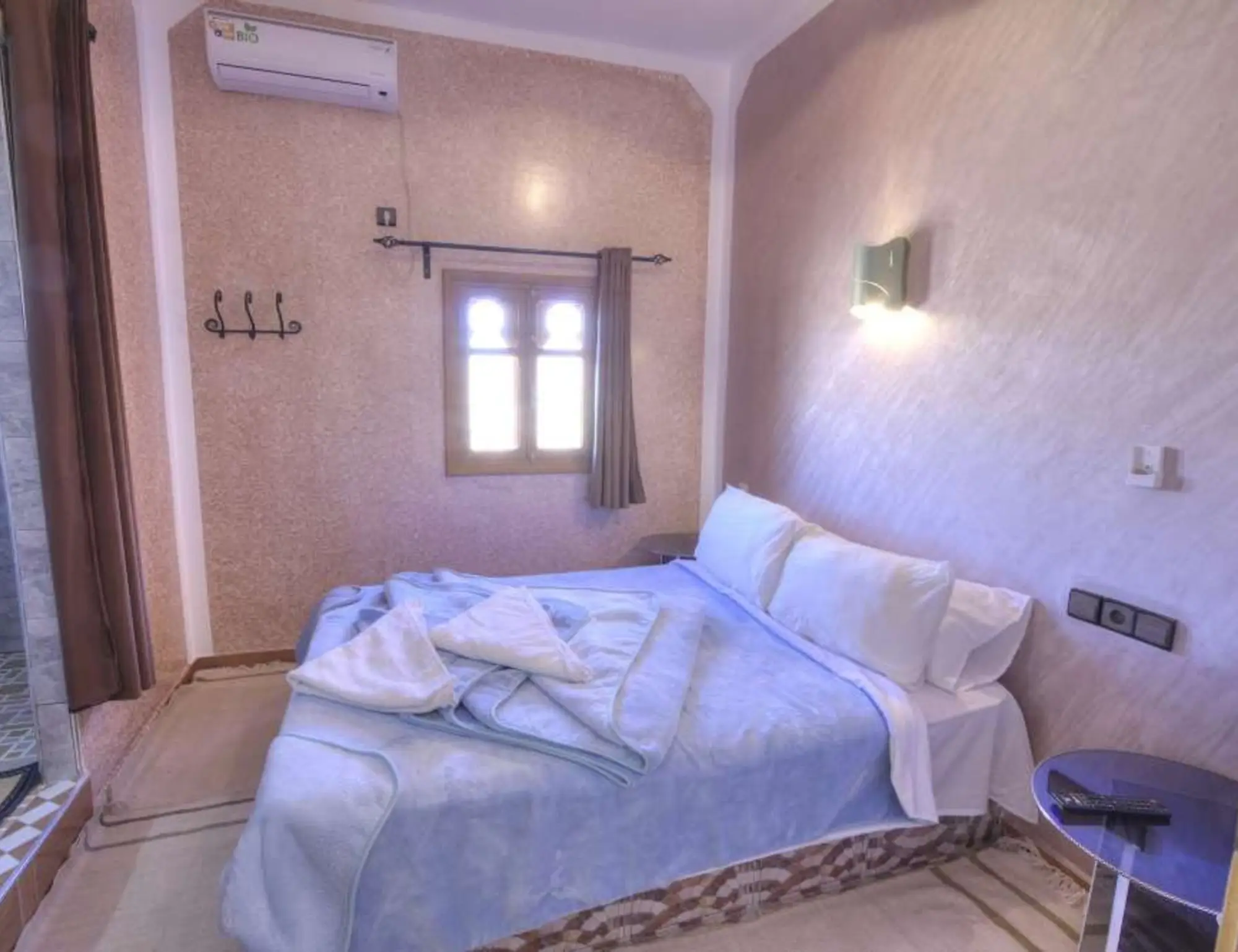
Auberge Baddou
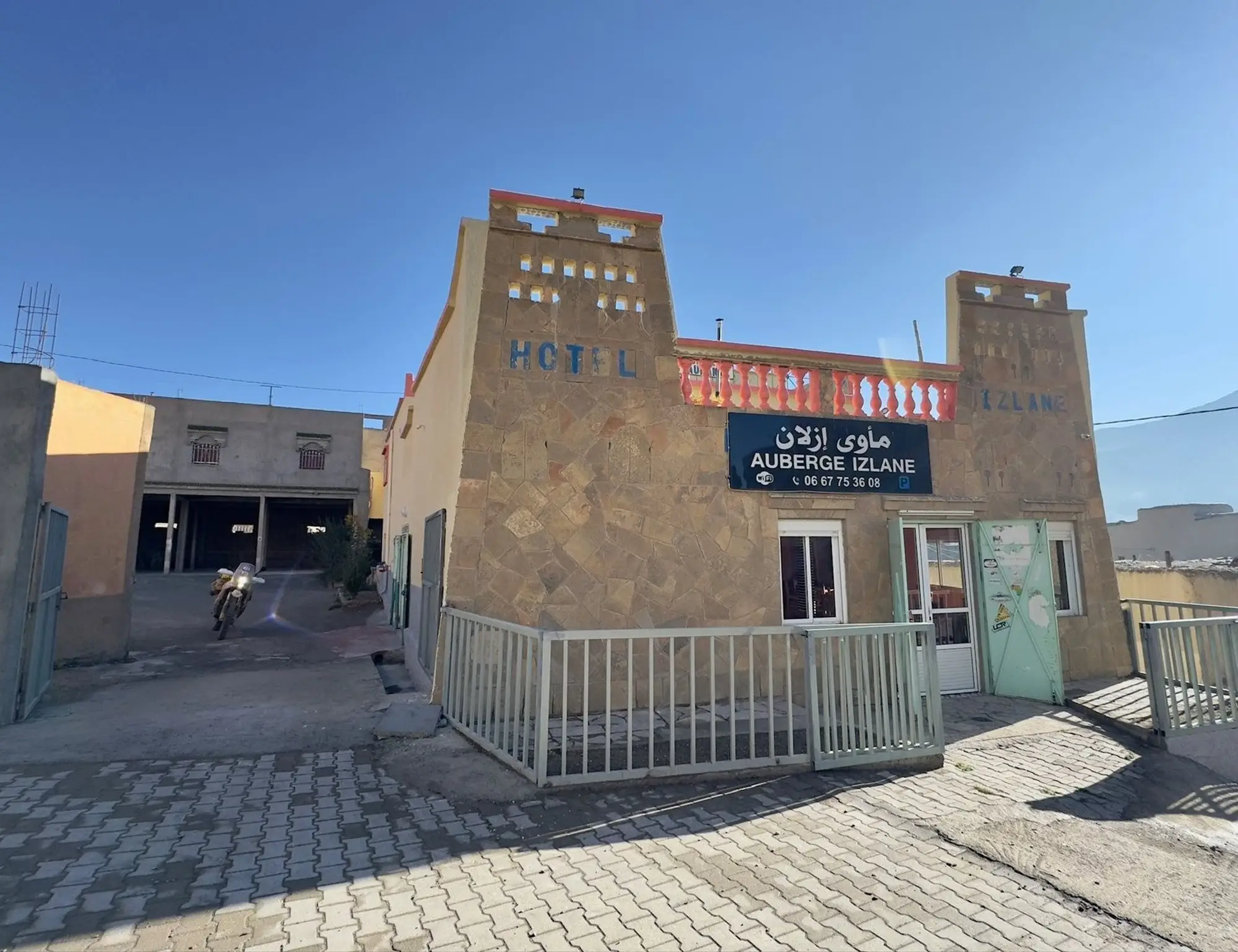
Auberge Izlane
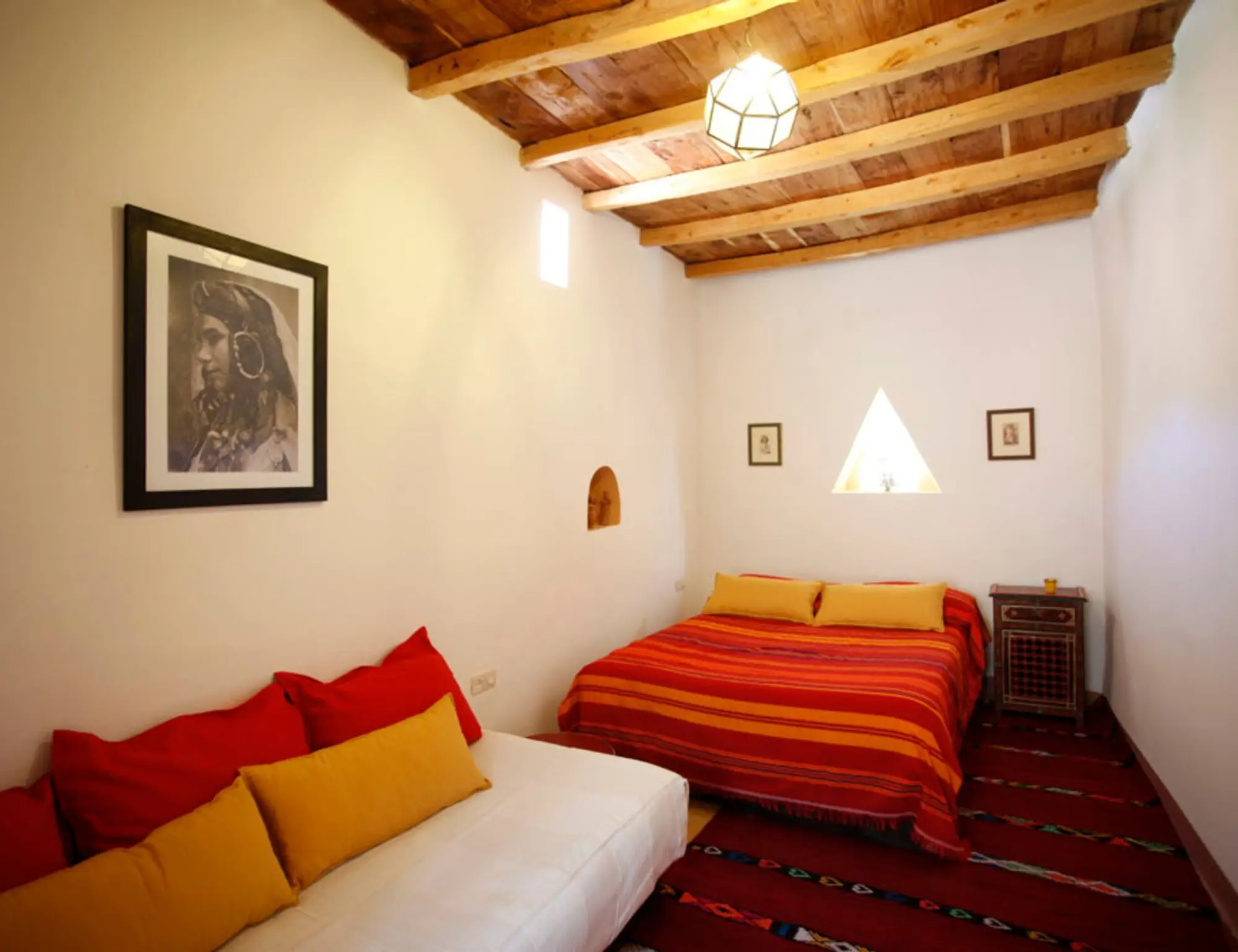
Gite Tighremt Assif Melloul
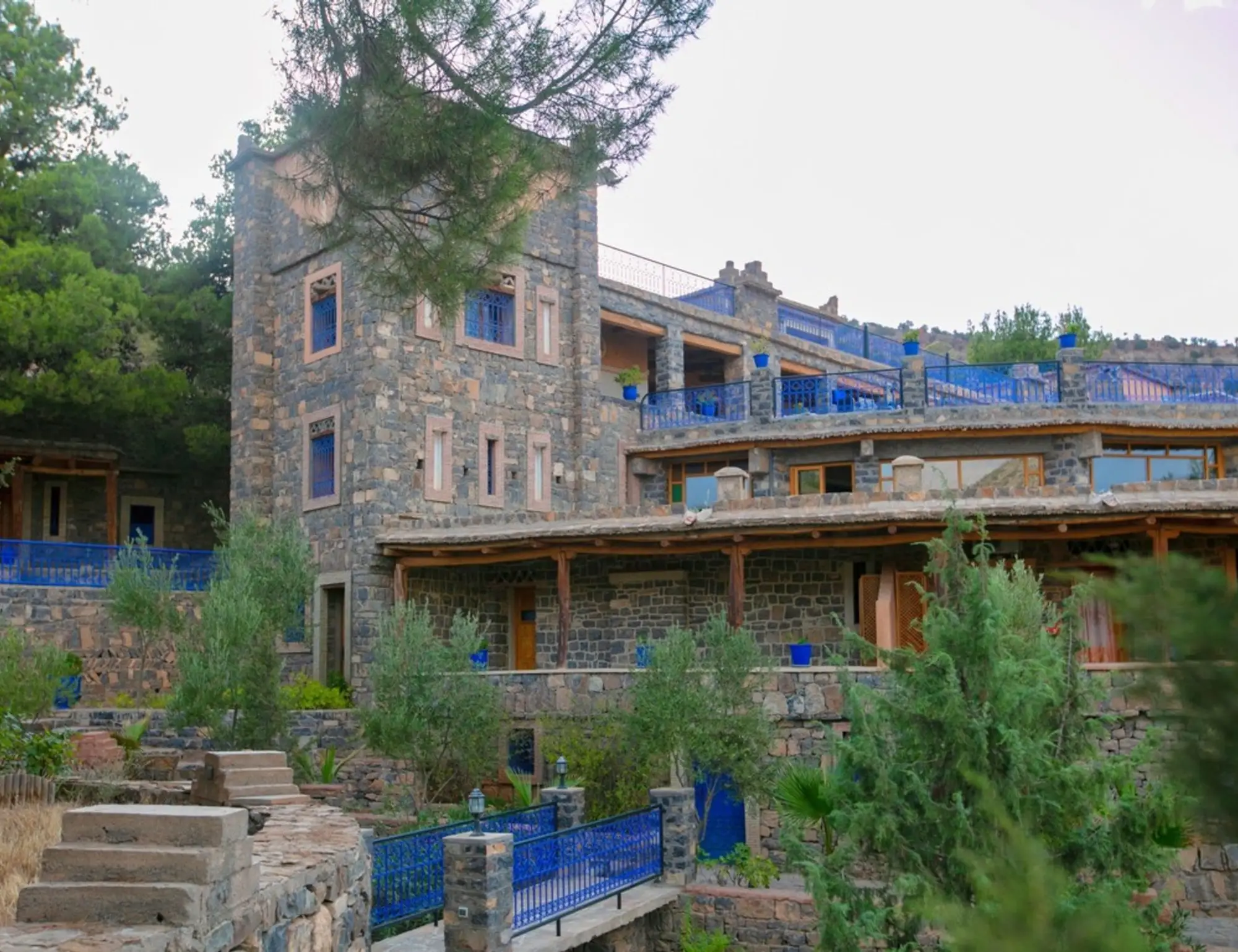
Guest House Dar Ahansal
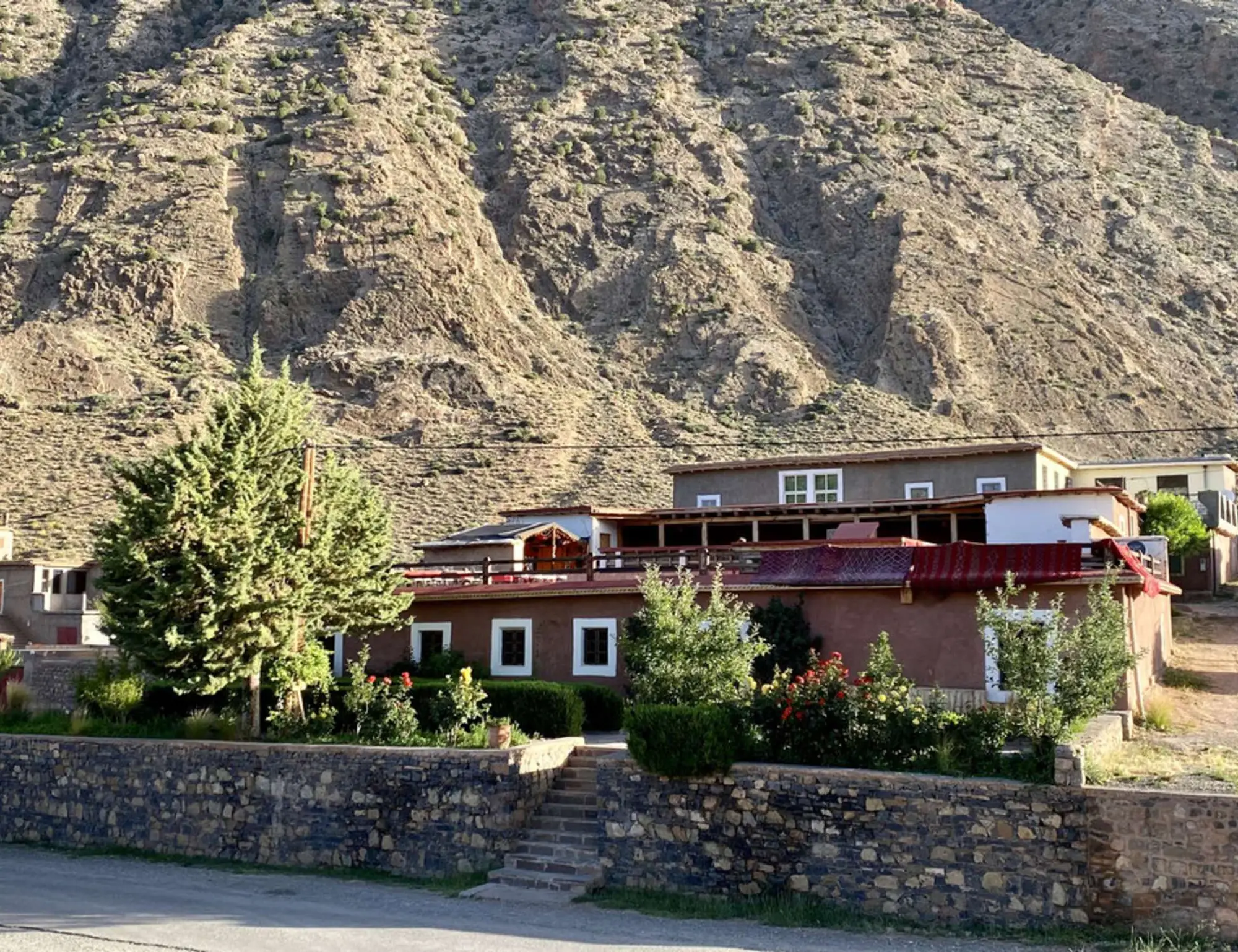
Guest House Flilou
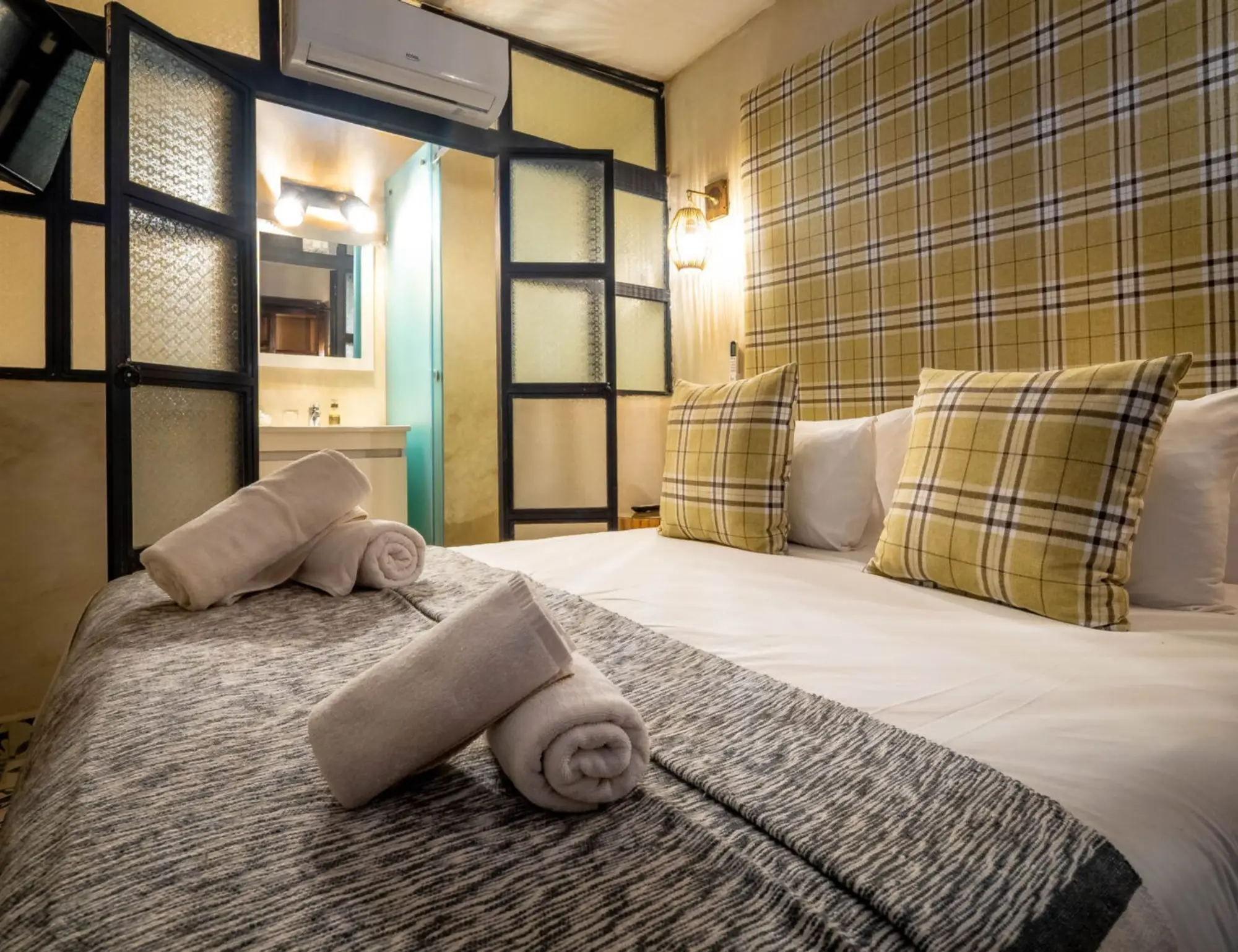
Dar Khmissa Riad & Spa
Dates and Prices
Book with Confidence: For scheduled group departures, your 20% deposit is fully refundable until 60 days before departure. Solo travellers booking 120+ days in advance can avoid a mandatory Single Supplement. See terms & conditions.
Couldn't find a trip with convenient dates?
Open your date as a join-in tour or customize further as a private one.
Essential Info
Inclusions
LODGING
All hotels as mentioned in the tour details or similar (subject to availability).
trip leader
Expert Trip Leader(s) who look after your every need and add meaning to your vacation.
bike
Immaculately maintained bike with helmet, suited to a terrain.
shuttle
A Van support follows the group of riders and carries all belongings.
meals
Meals as per itinerary. Guests are given the opportunity to dine on their own so that they discover a location independently.
refreshments
Refreshments and mineral water during activity.
entrance
Entrance fees to most of the monuments and temples.
Exclusions
Airport pickup
We recommend to book direclty from airport.
Airport drop
We recommend to book direclty from your last hotel.
Beverages
Beverages such as alcohol, tea, coffee, juice at a hotel or restaurant.
Gratuity
Gratuities for your guide team are not included in the trip price.
A great ride begins with a great bike. Our tours typically include the models listed below, though in some cases—due to height or availability constraints—we may provide an equivalent alternative.

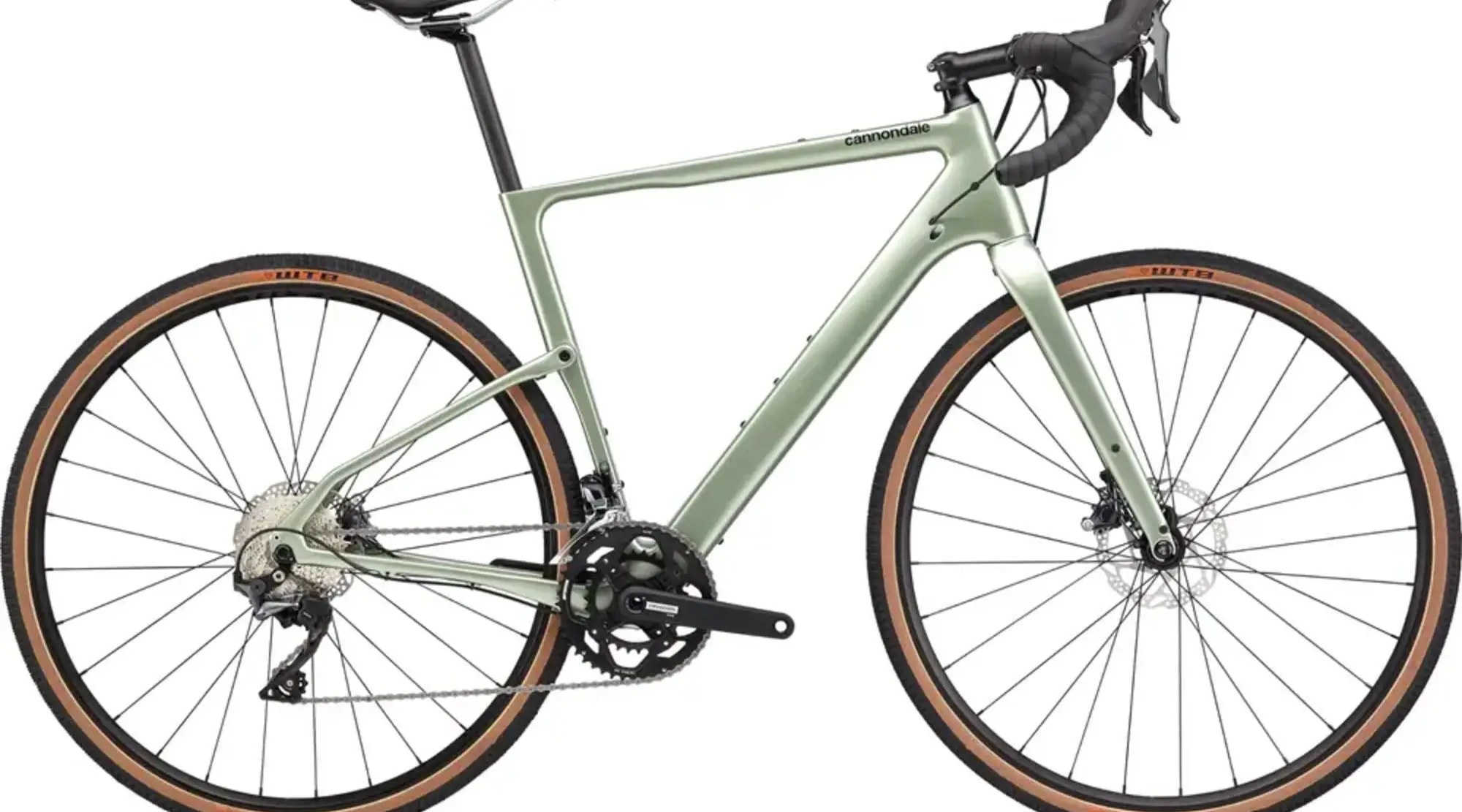
CANNONDALE Topstone Carbon Ultegra RX 2 or similar
Included in your trip price
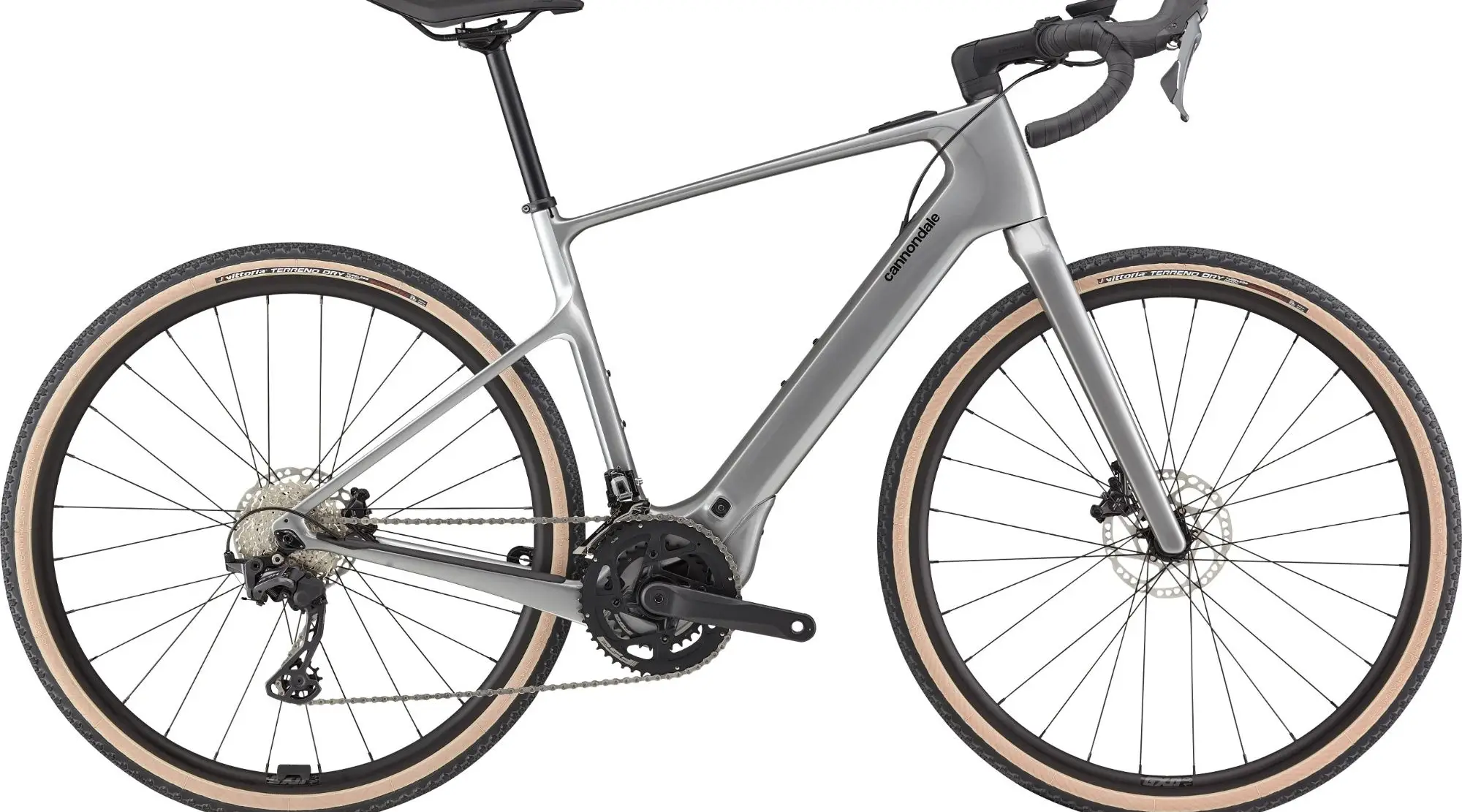
CANNONDALE Synapse Neo Allroad 2 or similar
Available at a surcharge
Marrakesh
Marrakesh
Marrakesh Menara Airport (RAK)
Marrakesh Menara Airport (RAK)
ARRIVAL
Your tour starts in Marrakesh. You will arrive at Marrakesh Menara Airport (RAK), which is located around 15 to 20 minutes from the city center. Taxis are readily available outside the arrivals terminal. Official airport taxis are the most convenient option and operate on a fixed fare system. Expect to pay approximately 70 to 100 MAD for a ride to your riad or hotel in central Marrakesh.
It’s best to confirm the price with the driver before starting the journey. Many accommodations can also arrange a private transfer in advance if you prefer a smoother arrival.
DEPARTURE
Your tour also ends in Marrakesh, making departure straightforward. We recommend booking a taxi from your hotel or riad to Marrakesh Menara Airport (RAK). Your accommodation can easily arrange this for you, or you can ask reception to call a trusted local taxi. Travel time is typically 15 to 20 minutes, depending on traffic.
Aim to leave your hotel well in advance, especially during busy travel periods, to ensure a relaxed and timely departure.
The best time for this Atlas Mountains gravel tour is spring and autumn, when temperatures are comfortable and mountain conditions are stable. Daytime temperatures usually range from 15–25°C (59–77°F) at altitude, with cooler mornings and evenings. Summer can be very hot in lower valleys, often reaching 30–38°C (86–100°F), making long climbs more demanding.
Winter brings cold temperatures in the High Atlas, frequently below 5°C (41°F), with possible snow at higher passes, which can affect routes and safety.
January
Offseason
February
Offseason
March
Mixed
April
Best
May
Best
June
Good
July
Offseason
August
Offseason
September
Good
October
Best
November
Mixed
December
Offseason
Best
Good
Mixed
Offseason
Packing smart is essential for a safe and enjoyable cycling adventure. From essential biking gear to clothing and travel necessities, this guide ensures you're prepared for any terrain or climate.
Recommended Bicycling Clothes & Gear
- Bicycling shoes or stiff-soled sneakers.
- Padded cycling shorts.
- Short-fingered cycling gloves (personal gloves are ideal).
- Brightly colored cycling jerseys or synthetic T-shirts for visibility.
- Synthetic cycling socks.
- Sunglasses with UV protection.
- Personal helmet (recommended even though provided).
- Personal saddle (optional for added comfort).
- Rain jacket or windbreaker.
- Cycling water bottle (to reduce plastic waste).
Note: Helmets, gloves, and water bottles are personal items, so bringing your own is recommended for maximum comfort and hygiene.
Clothing
- Light, breathable fabrics like cotton or linen.
- Full-sleeved clothing for sun protection.
- Warm layers for chilly mornings and evenings (if traveling in winter).
- Comfortable footwear for non-cycling time.
- Bring a compact rain jacket in case of sudden weather changes.
- Ethnic or modest clothing for exploring towns and temples.
Other Necessities
- Toiletries: Basic hygiene essentials, including insect/mosquito repellent and sunscreen.
- Hand sanitizer and wet wipes.
- Plug socket adaptor.
- Binoculars for wildlife spotting or desert landscapes.
Pro Tips
- Pack light but plan for the varying temperatures: warm days, chilly evenings, and desert winds.
- Use brightly colored clothing for visibility on roads.
- Pack light to leave room for shopping.
Luggage
Please limit your luggage to one medium-sized suitcase and one carry-on bag. Mark your luggage with your name, address, and phone number.
Before venturing on your adventure, make sure you're equipped with essential travel advice, including security updates, local laws, and crucial passport and visa information. Start by visiting the official government website of your home country for accurate and reliable guidance:
- UK Residents: Stay informed by reviewing the Foreign, Commonwealth & Development Office (FCDO) Travel Advice.
- US Residents: Access vital travel tips and updates through the US Department of State Travel Advice.
- Australian Residents: Plan ahead with the latest updates on the Smart Traveller website.
- Canadian Residents: Find comprehensive travel and visa guidance on the Government of Canada's Travel Advice and Advisories.
- New Zealand Residents: Get practical travel advice on the New Zealand SafeTravel website.
- Residents of Other Countries: Check with your government or local consulate for tailored travel advice and requirements.
Note: Passport and visa regulations can change at any time. Stay proactive by checking for the latest updates to ensure a smooth and stress-free journey.
Medical insurance that covers medical costs in case of an accident during the trip is mandatory to participate in our tours.
We recommend purchasing adequate travel insurance to protect yourself from unforeseen events. Our experience shows that guests who purchase travel insurance—including coverage for all activities on the itinerary, trip cancellation, interruption, delay, baggage damage, loss or theft, personal accident, death and repatriation costs, medical and emergency expenses (including Covid-19), and personal liability—travel with greater peace of mind.
Is proof of medical insurance required?
Yes. You must provide your insurer's name, policy number, and emergency contact via our reservation form. This is mandatory. If you cannot provide proof, you’ll need to purchase insurance before traveling with us.
Can I use my credit card insurance?
Yes, as long as it meets our requirements and provides adequate coverage. Ensure you have an emergency contact number and policy number available.
When should I buy travel insurance?
Purchase travel insurance as soon as you've paid in full or booked your flights.
Does Art of Bicycle Trips sell travel insurance?
We do not sell travel insurance directly, as we believe our customers should have the freedom to choose a policy that best suits their needs. However, we recommend Insured Nomads as a great starting point.
Frequently Asked Questions
A guided bike tour includes a professional local guide who rides with you throughout the trip. The guide handles navigation, manages daily logistics, ensures safety, and shares cultural insights. In addition to the guide, you also have a support vehicle that transfers luggage, provides water/snacks, and offers on-route assistance or a lift whenever needed. You simply follow the guide and enjoy a fully supported experience.
Your guides are local cycling experts, fluent in English, with deep knowledge of the region’s history, culture, and food.
On our guided tours, we ensure you begin your ride feeling comfortable and well-supported. Your guide and local team play an active role in getting your bike properly set up.
Before Your Tour
When you book, we ask for your height. This allows our local partners to select the correct frame size and prepare the bike in advance so it’s close to your ideal fit when you arrive.
At the Start of the Tour
You’ll receive a full in-person bike fitting with your guide or local representative. This typically includes:
- Adjusting saddle height
- Moving the saddle fore–aft (small adjustments to move the saddle forward or back for better balance and comfort)
- Fine-tuning handlebar height and reach (where adjustable)
- Confirming pedal preference — flat pedals are provided by default. If you bring your own clip-in pedals, our guide will help install and adjust them
- A short test ride to check comfort
Your guide will ensure everything feels right before the tour begins.
During the Tour
Throughout the trip, your guide will make additional adjustments whenever needed. This is especially helpful if you discover new comfort preferences after a few hours of riding.
What to Expect
Our guided tour bike fitting is hands-on, comfort-focused, and practical, ensuring you ride safely and enjoyably each day. It’s not a detailed workshop-level fit, but it covers all essential adjustments for multi-day touring.
Our support vehicle is always close by to make your ride worry-free. It carries your luggage, water, snacks, and spare parts, and is there if you need a quick lift or just want to rest for a while. You’ll see it at regular intervals along the route and during meal or refreshment stops. The vehicle is also used for scheduled transfers and to ensure safety and comfort along the route.
For guided tours, we do not provide GPX files separately, as navigation is handled by your guide. On certain occasions, if you prefer more independence, we may offer app-based navigation access with the daily routes loaded. However, please understand that this may not always be possible and depends on the specific tour setup.
We've classified our Heart of Morocco Bike and Hike Tour as 'Challenging'. This means it is best suited for people who love challenging uphill climbs and relatively longer cycling distances.
Several days on this tour have average elevation gains of more than 700m (2,300 ft) over 40-50 kms (25-31 mi), while on other days we ride down switchbacks.
Large sections of the tour are on unpaved surfaces. Some stretches also have dry river beds and loose gravel.
The route can be physically and technically challenging at times. For this reason, we recommend this tour only for experienced cyclists who are confident riding off-road.
Airport transfers are not included unless specifically mentioned in your trip inclusions.
For airport pickup, we recommend booking directly from the airport upon arrival — most airports have reliable taxi, shuttle, or app-based options.
For airport drop, please book a transfer through your last hotel — they can easily arrange it for you.
We focus on delivering exceptional experiences during your tour. For logistical simplicity and flexibility, we do not handle pre- or post-tour hotel bookings. However, we’re happy to share a list of recommended hotels near the starting and ending points of your trip so you can plan your stay independently.
Yes, your trip leader will carry bottled water or RO water in a camper in the support van for guests' use.
The highest elevation we reach on this trip are around 2,000m ( 6,561ft) above sea level. For most people, this is is not likely to cause altitude sickness. However, if you're unsure or coming from sea level, we recommend starting Diamox (Acetazolamide) about three days before arrival to help with acclimatization. If symptoms persist, the best solution is to descend to a lower altitude using our support vehicle.
Yes, we have e-bikes available for this trip. Our e-bikes are Cannondale Motera or of an equivalent brand, and are of high-quality.
Yes, e-bike batteries can be charged at the hotels you're staying in.
Once fully charged, the e-bike batteries can last one full day.
No, but we'll charge the batteries over lunch to ensure glitch-free riding.
Yes, please communicate your dietary preferences to your trip leader and they'll ensure that the food you eat is spiced as per your requirements.
Yes — we do our best to accommodate all dietary requirements. Morocco offers some good vegetarian-friendly options, especially in cities, with dishes like vegetable tagines, couscous, salads, and lentil or bean-based preparations. However, vegan and gluten-free choices may be more limited, particularly in smaller towns and rural regions where dietary terms are less commonly understood.
If you follow a strict vegan or gluten-free diet, we recommend carrying a few essential staples to ensure consistency throughout the trip.
Please inform your tour guide at the start of the tour, and we will make every effort to arrange suitable meals and assist you in finding appropriate supplies from local markets or supermarkets whenever possible.
We are happy to pass on your room preference for a twin or double setup, and our hotel partners do their best to accommodate these requests. However, room configurations are always subject to availability at each property.
On some of our trips—especially those that travel through remote regions or small boutique inns—room types may be limited. In such cases, despite our best efforts, you may need to stay in a double room instead of a twin, or twin instead of a double, depending on what is available.
Given the nature of our journeys and the unique places we visit, we kindly ask for your understanding and support if such adjustments are required.
We will always inform you in advance wherever possible and work closely with our partners to ensure the most comfortable arrangement for your stay.
We are not medical advisors, and as such are not qualified to dispense medical advice. However, we recommend consulting the resources below for advice on vaccines and medications:
- CDC portal for travelers from the US
- NHS' Fit For Travel portal for travelers from the UK
- Smart Traveller portal or travelers from Australia.
In addition to the above, you may also refer to the travel advice issued from time to time by your government.
Tips are not included in your tour price.
As a general rule, you may tip US$ 15-25 per person per day.
This figure is for the entire crew including the trip leader, the driver, and other support staff.
However, you are not obligated to tip, and you can always tip less or more than the above amount depending on the level of service you received on tour.
It is usually the norm to tip the tour guide, who then distributes the amount among the entire crew. However, you can also tip each individual member of the crew if you so desire.
In case you want to tip the staff at a hotel such as porters, you may pay them US $2-3 per day.
It is best if you exchange currency upon your arrival in Marrakech. After Marrakech, we head into the Atlas mountains and then into the Sahara desert, which are remote regions with limited infrastructure. The tour ends in Fes which is a major city with good infrastructure. ATMs are available in Marrakech and Fes that accept major international credit cards that have either Visa or Mastercard enabled.
Yes, you may wear riding shorts while riding your bike. When not cycling, it would be advisable to wear comfortable full-length pants. We recommend keeping a pair of comfortable pants handy in you support van.
When visiting monuments, visitors should wear full-length, loose-fitting pants. Holy places of certain religions may also require covering your head. Morocco is an Islamic country, and Islamic etiquette requires visitors to a mosque to cover their heads. Your guide will inform of the dress etiquette required for visiting specific religious places.
The meeting time on Day 1 is mentioned in your travel planner shared with you. You can arrive either on the morning of Day 1 depending on the meeting time, or book a pre-tour night to arrive a day earlier.
We don't have anything planned for the last day, so you are free to depart at your discretion.
Reviews from our friends
You may also like
Popular
