
Guided Michinoku Coastal Trail Hiking and Walking Tour
This eight day journey along Japan’s Michinoku Coastal Trail is all about slowing down and soaking in the wild beauty of the Sanriku Coast. Starting in Hachinohe, you ease into northern Japan with coastal walks, seaside shrines, and warm local hospitality. Over the week, you follow rugged clifftop paths, pine forests, and quiet fishing villages, with daily hikes that balance scenic challenge and unhurried exploration.
Highlights include the dramatic Kitayamazaki Cliffs, the remote Todogasaki Coast at the eastern edge of Honshu, and the striking black stone beaches of Goishi Cape. Along the way, you stay in a mix of comfortable hotels and traditional inns, enjoy regional seafood, and learn how coastal communities rebuilt and endured after the 2011 tsunami.
The trip wraps up in Kesennuma with a lively fish market visit, offering a fitting glimpse into daily life shaped by the sea.
Guided
casual hotels
Hachinohe
Kesennuma
moderate
10 km / 6 mi
6
Min. 4, Max. 12
Misawa Airport (MSJ)
Sendai Airport (SDJ)
Highlights

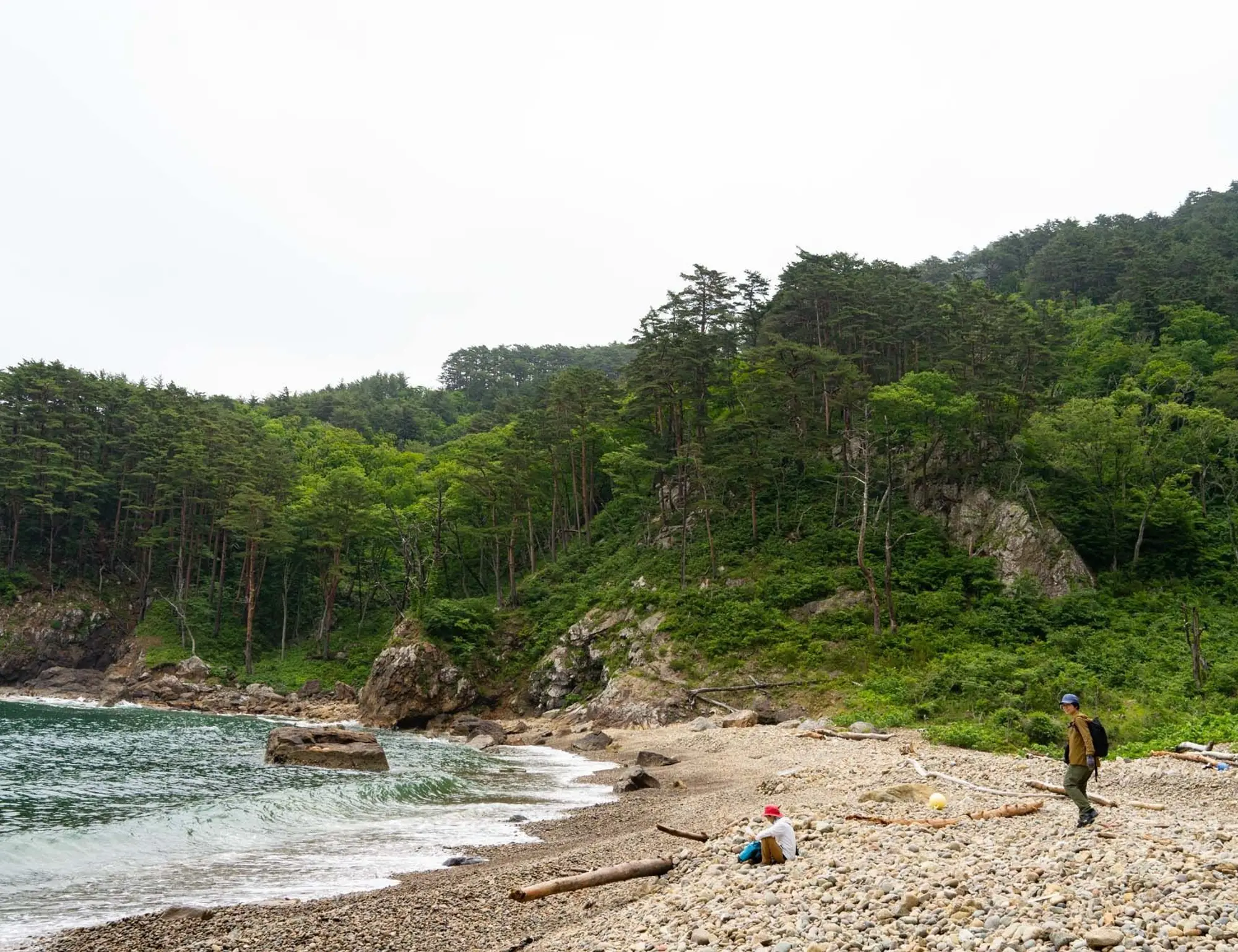
Dramatic Coastal Walking
Walk some of the most striking sections of the Michinoku Coastal Trail, with clifftop paths, rugged shorelines, and wide Pacific views. From the Kitayamazaki Cliffs to the remote Todogasaki Coast, each hike showcases a different face of Japan’s wild northeast.
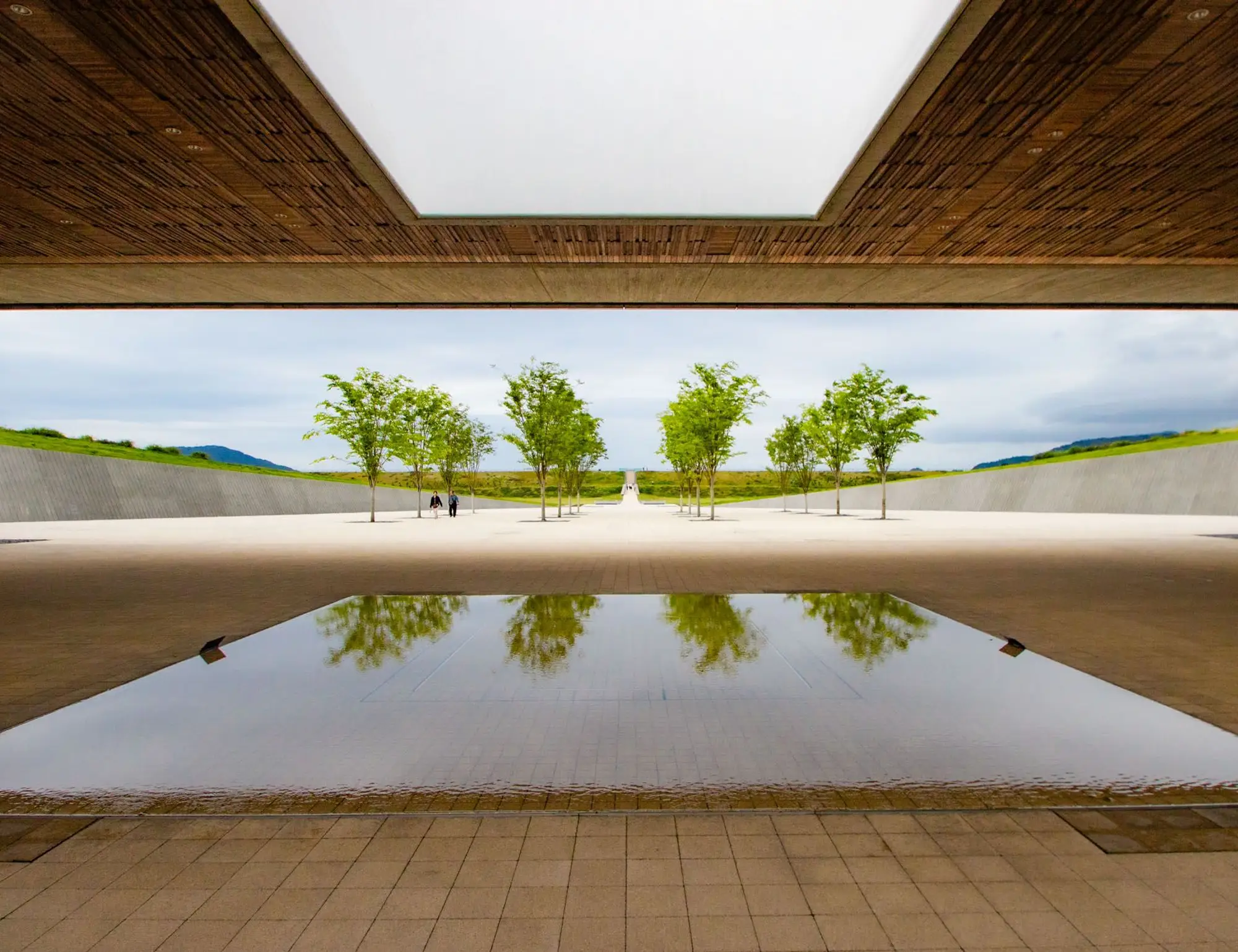
Deep Local Culture and Resilience
This journey goes beyond scenery. Visits to tsunami memorials, small fishing towns, and community sites offer meaningful insight into how coastal communities rebuilt and continue to live in close relationship with the sea.
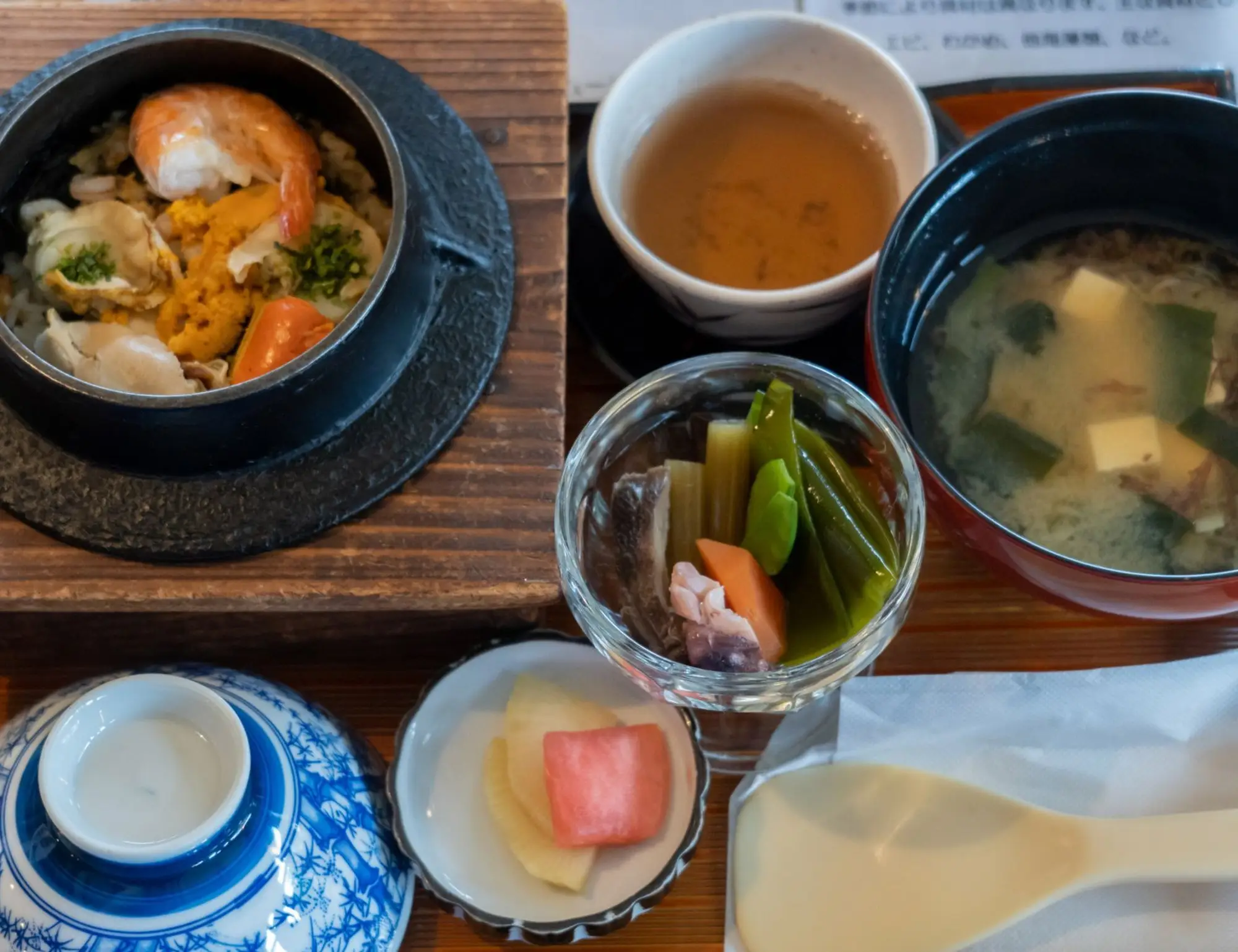
Authentic Regional Experiences
Stay in a mix of comfortable hotels and traditional Japanese inns, enjoy local seafood specialties, and, when available, experience a traditional performance that reflects the region’s cultural heritage.
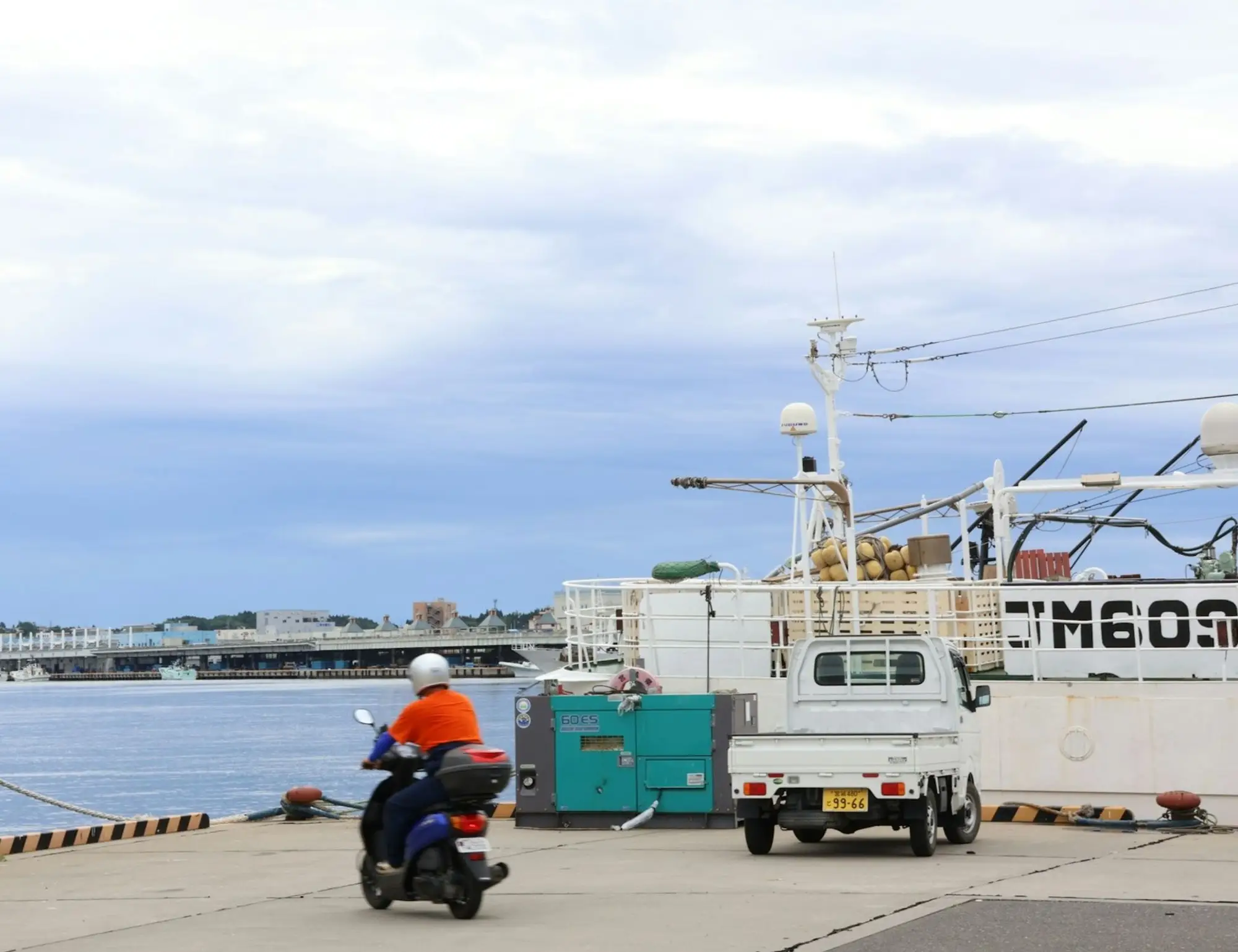
Lively Finish in Kesennuma
End the tour with an early morning visit to Kesennuma Fish Market, where the energy of the working port brings daily coastal life into sharp focus and provides a memorable finale to the journey.
Itinerary
Brief Itinerary
Meals are indicated as B = Breakfast, L = Lunch, D = Dinner.
Listed hotels are subject to availability and may be replaced with similar alternatives of equal standard.
| Day | Place | casual Inns | Meals | Distance | Activity |
|---|---|---|---|---|---|
| DAY 1 | Hachinohe | Hachinohe Grand Hotel | D | ||
| DAY 2 | Taneichi | Agripark Osawa | B,D | 10 km / 6 mi | hiking |
| DAY 3 | Kuji | Kuji Grand Hotel | B,D | 9 km / 6 mi | hiking |
| DAY 4 | Fudai | Kurosakiso | B,D | 11 km / 7 mi | hiking |
| DAY 5 | Namiitakaigan | Sanriku Flower Hotel Hamagiku | B,D | 10 km / 6 mi | hiking |
| DAY 6 | Ofunato | Ofunato Plaza Hotel | B | 9 km / 6 mi | hiking |
| DAY 7 | Kesennuma | Onabeya Ryokan | B,D | 8 km / 5 mi | hiking |
| DAY 8 | Departure | B |
Detailed Itinerary

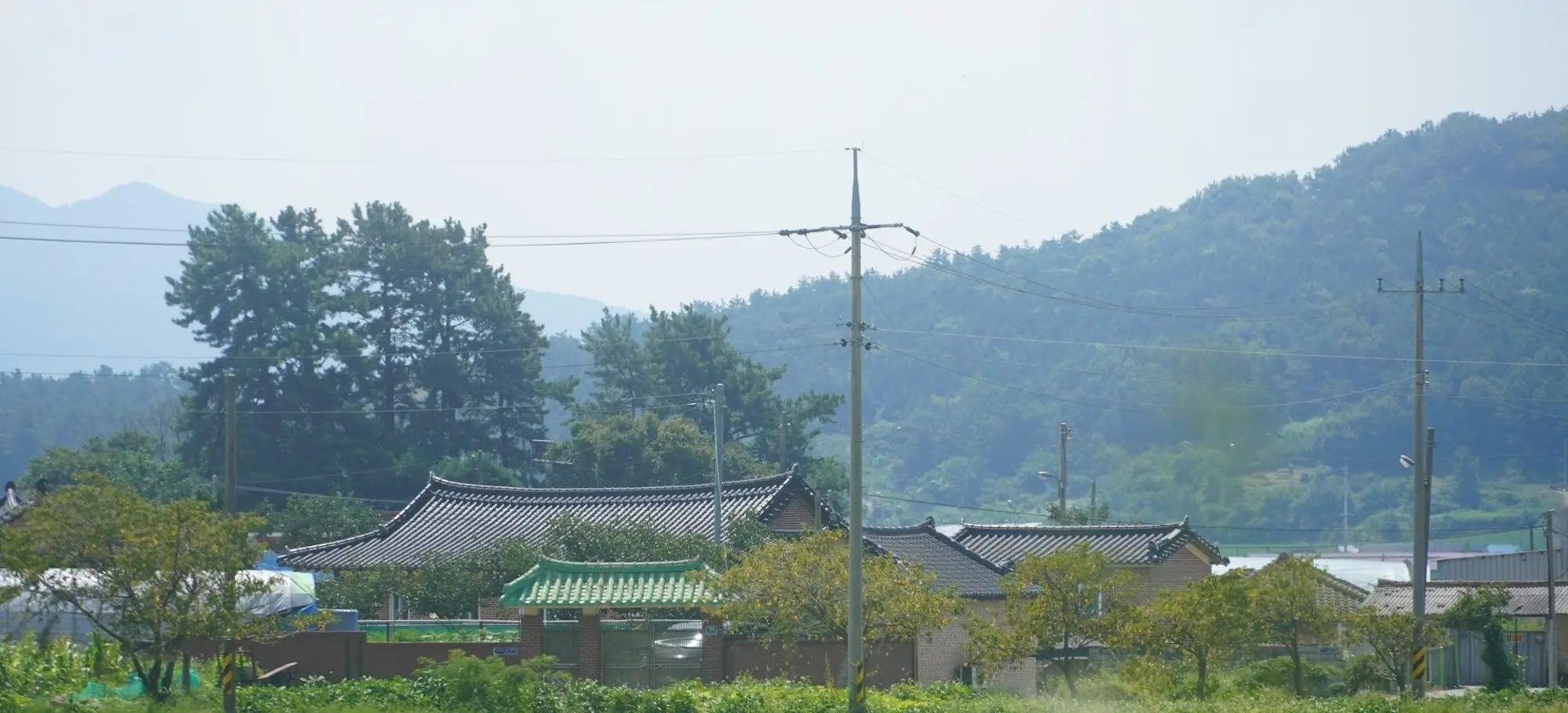
Day 1: Hachinohe
Arrive in Hachinohe and make your way to the hotel. In the early evening, meet your tour leader and fellow travelers for an orientation covering the week ahead. This first evening is designed to be relaxed after travel. Enjoy a welcome dinner at a nearby restaurant, offering a taste of northern Japanese cuisine and local hospitality.

Day 2: Taneichi
After breakfast, travel by local train to Same Station and walk to Kabushima Shrine, home to thousands of black-tailed gulls. From here, begin your first walk along the Michinoku Coastal Trail, following a mix of clifftop paths, grassy headlands, and quiet coastal roads. The scenery opens out to wide Pacific Ocean views as you approach the Tanesashi Coast.
There is time to explore the shoreline and nearby cafés before transferring to your accommodation.
Elevation gain: 107m/ 351ft
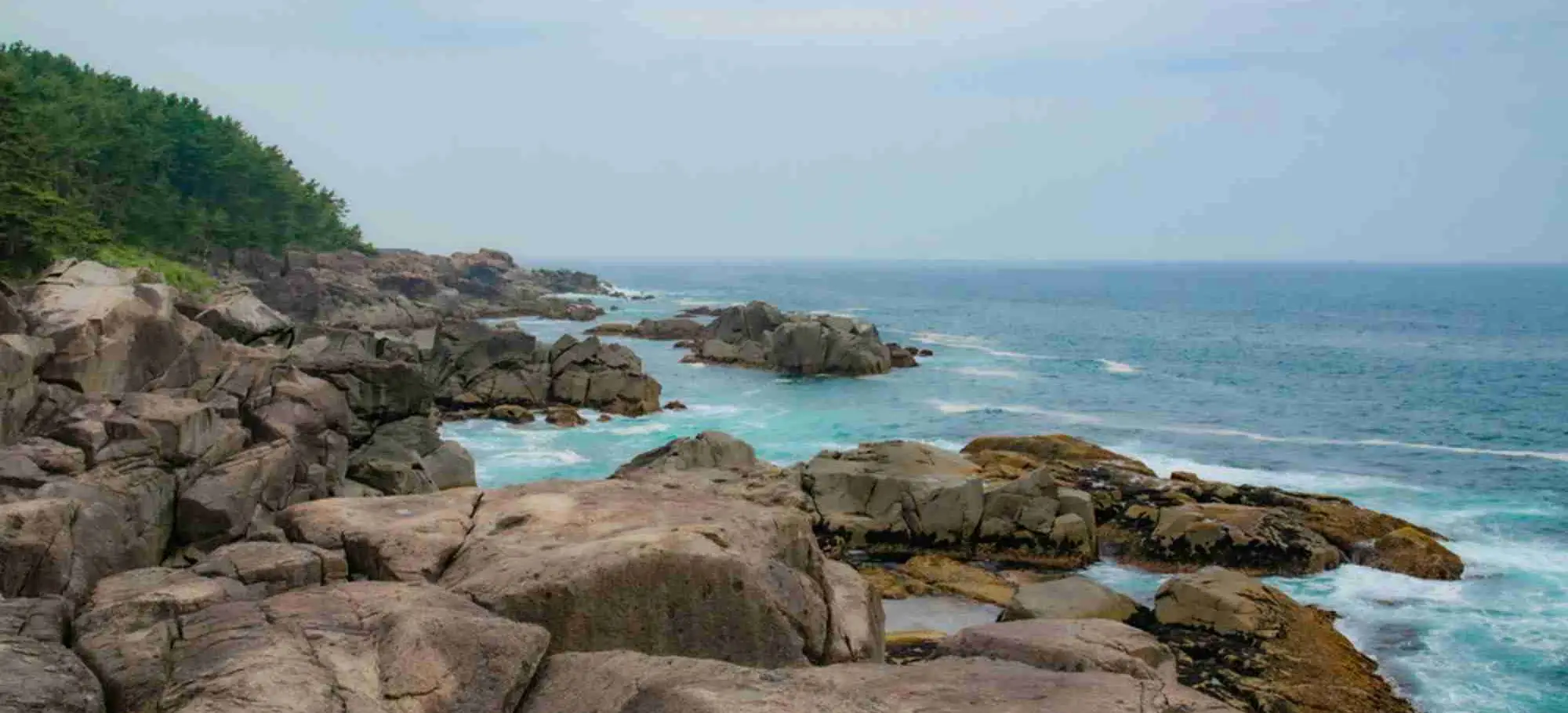
Day 3: Kuji
Today’s walk starts near the dramatic Samurai Rock, a well-known coastal landmark. The trail winds through forested sections and along exposed headlands, offering a constant mix of sea and mountain scenery. Elevation changes add variety without feeling rushed. The walk finishes near Itsukushima Shrine, beautifully set on a coastal promontory.
After the hike, transfer by vehicle to Kuji and settle into your hotel.
Elevation gain: 395m /1,295ft

Day 4: Fudai
Travel by train to Fudai, a small coastal village protected by a towering tsunami floodgate. Begin walking near Kurosaki Fish Port, climbing gently toward scenic viewpoints overlooking the Pacific. Later, continue on to the famous Kitayamazaki Coast, known for its sheer cliffs and deep blue waters. This area is considered one of the most spectacular sections of the Michinoku Coastal Trail.
An optional additional walk is available for those wanting more challenge.
Elevation gain: 191m /627ft
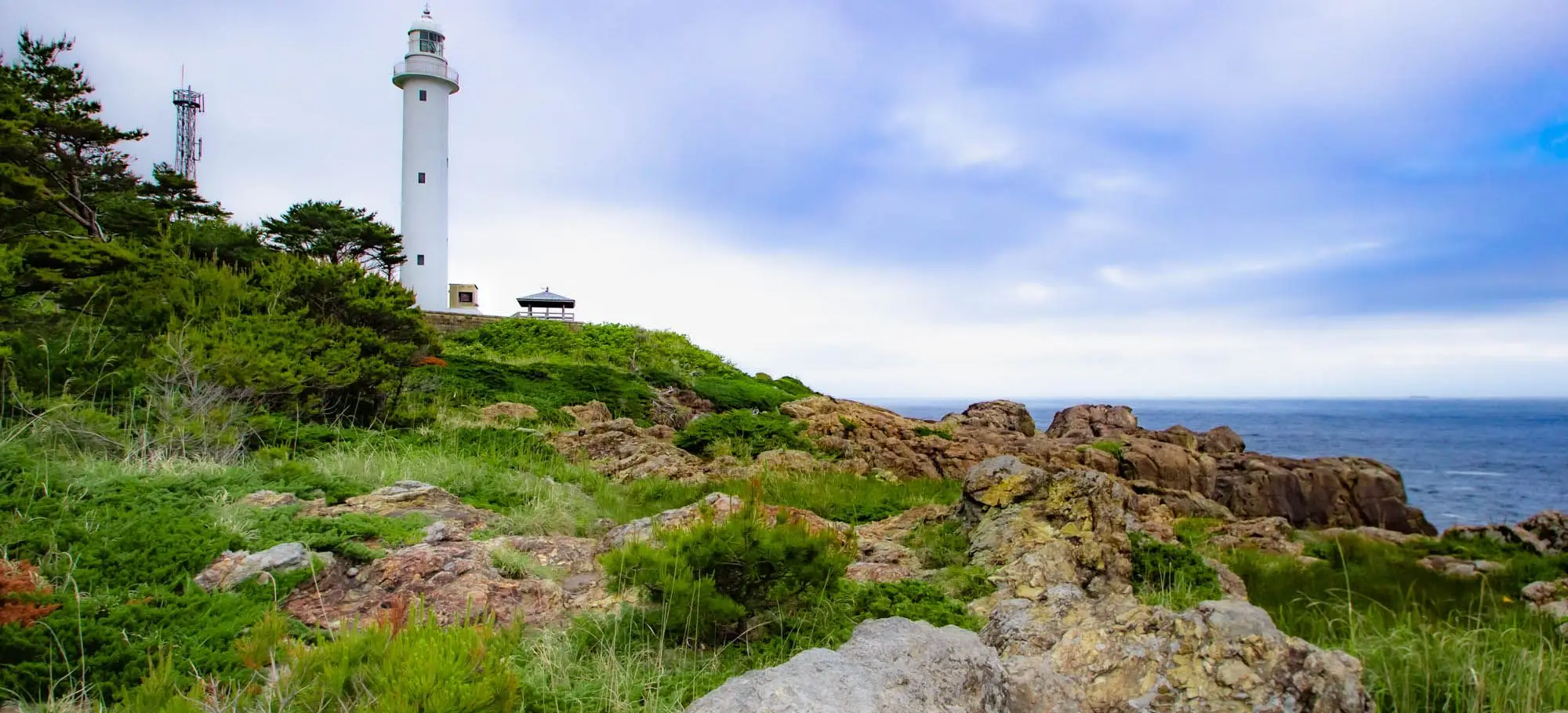
Day 5: Namiitakaigan
After breakfast, travel south to the Todogasaki Coast, one of the most remote and dramatic sections of the trail. Walk through pine forests and along rugged cliffs near the easternmost point of Honshu. The coastline here feels wild and untouched, with crashing waves below. After the hike, transfer to your seaside accommodation.
In the evening, enjoy a traditional local performance if available, followed by a relaxing bath overlooking the ocean.
Elevation gain: 486m /1594ft
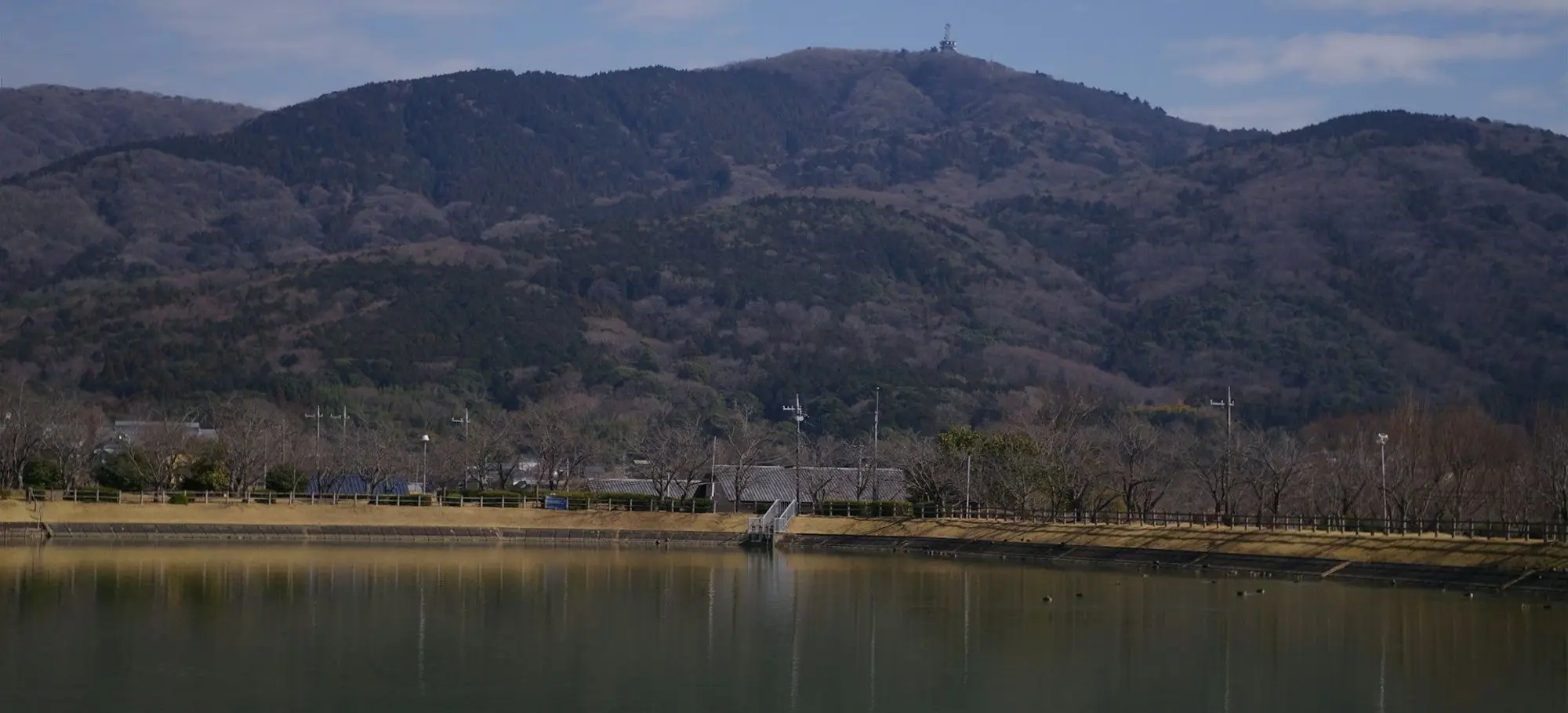
Day 6: Ofunato
Today’s route crosses the historic Rasei-tōge Pass, once part of an Edo-period coastal road. The trail connects small communities and passes memorials that reflect the impact of the 2011 tsunami. The walk is both scenic and reflective, blending forest paths with coastal views. Arrive in Ōfunato by afternoon, with free time to explore the town.
Dinner is not included, and your guide can suggest local restaurants.
Elevation gain: 340m /1110ft
Day 7: Kesennuma
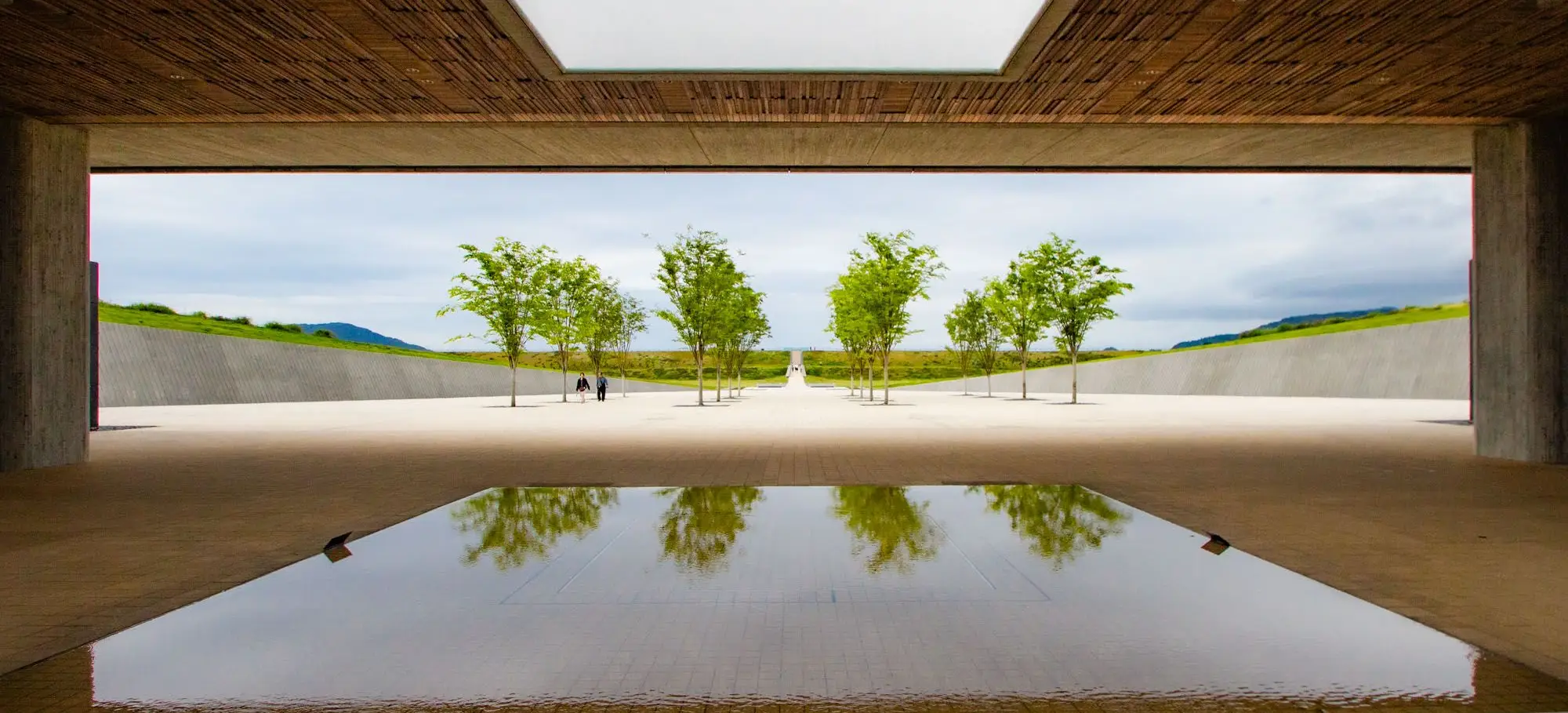
Walk along the Goishi Coast, famous for its smooth black stones shaped by the sea. The trail passes layered rock formations, coastal vegetation, and striking pine forests. After completing the walk, visit the Iwate Tsunami Memorial Museum, offering deeper insight into the region’s recovery. Continue south to Kesennuma in the afternoon. Enjoy a final dinner together to reflect on the journey.
Elevation gain: 97m /318ft

Day 8: Departure
Begin the day with a guided visit to the bustling Kesennuma Fish Market, where fishing boats unload the morning’s catch. This lively visit offers a final look at daily life along Japan’s northeastern coast. After breakfast, the tour concludes. You can plan your onward travel rom Kesennuma Station.
Ready to plan your adventure? Download a print-ready detailed itinerary.
Map
Accommodation
Each hotel has been thoughtfully selected to ensure an exceptional and memorable experience for guests. Should the listed hotel be unavailable, we will ensure an alternative of similar quality.

Hachinohe Grand Hotel
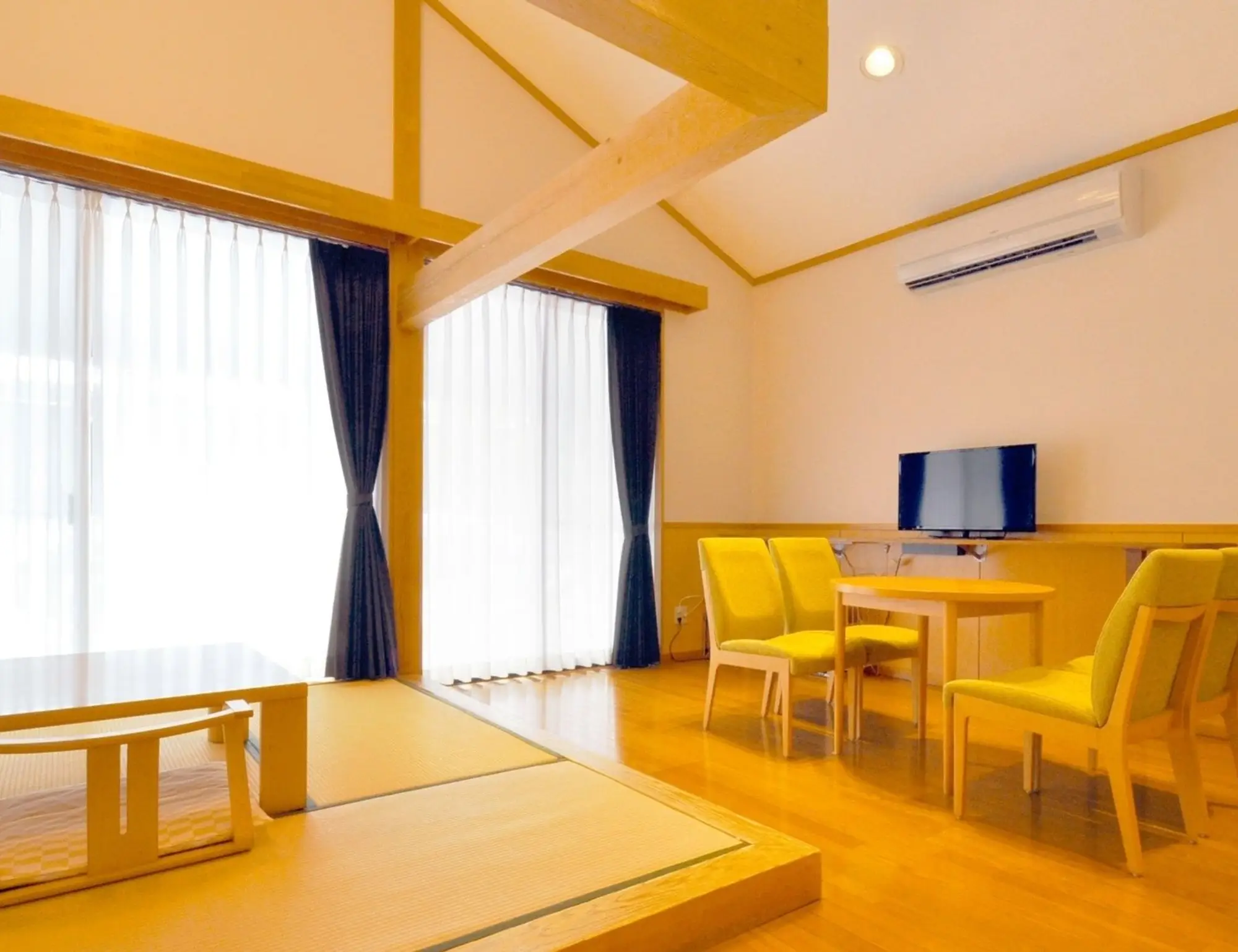
Agripark Osawa
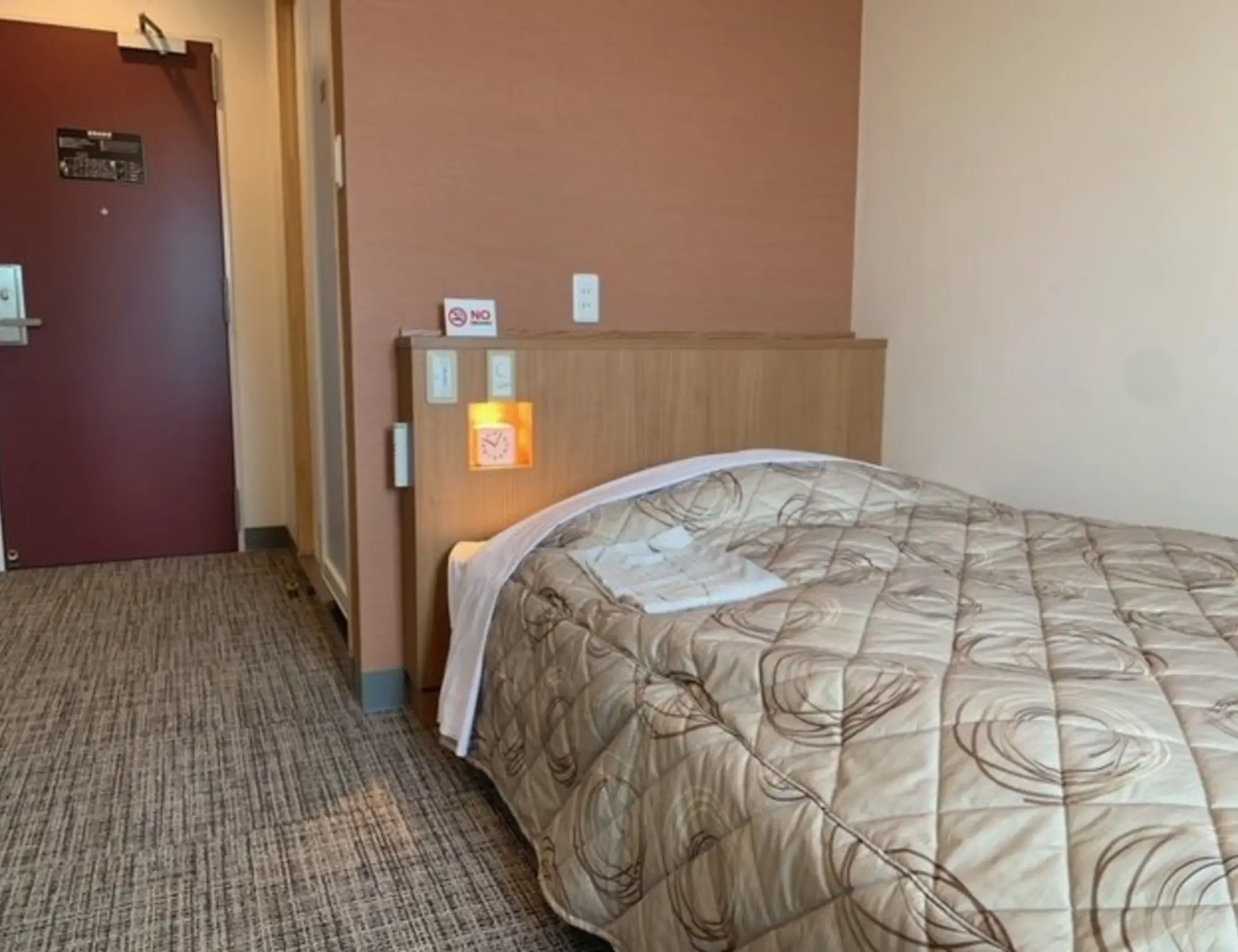
Kuji Grand Hotel
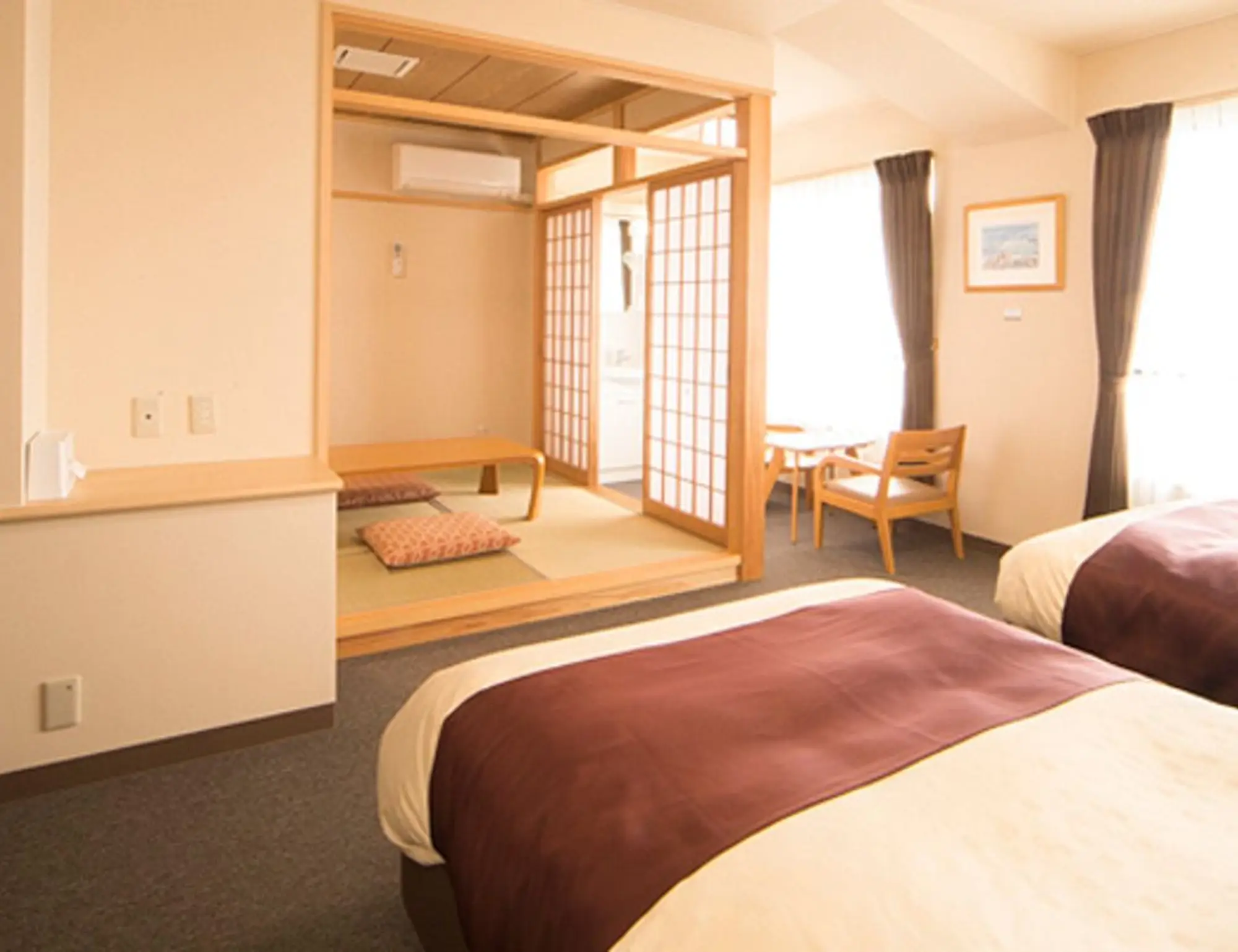
Kurosakiso
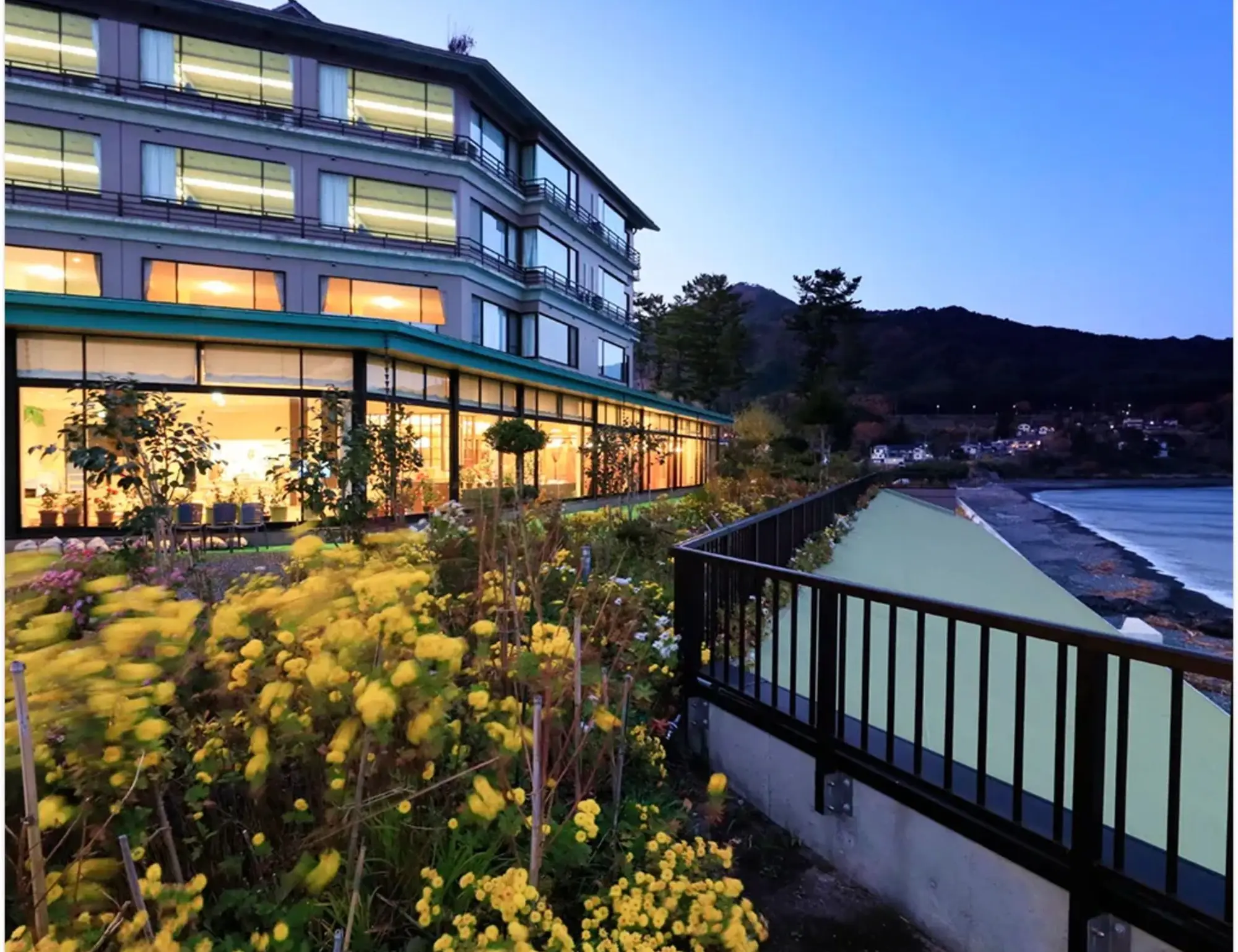
Sanriku Flower Hotel Hamagiku
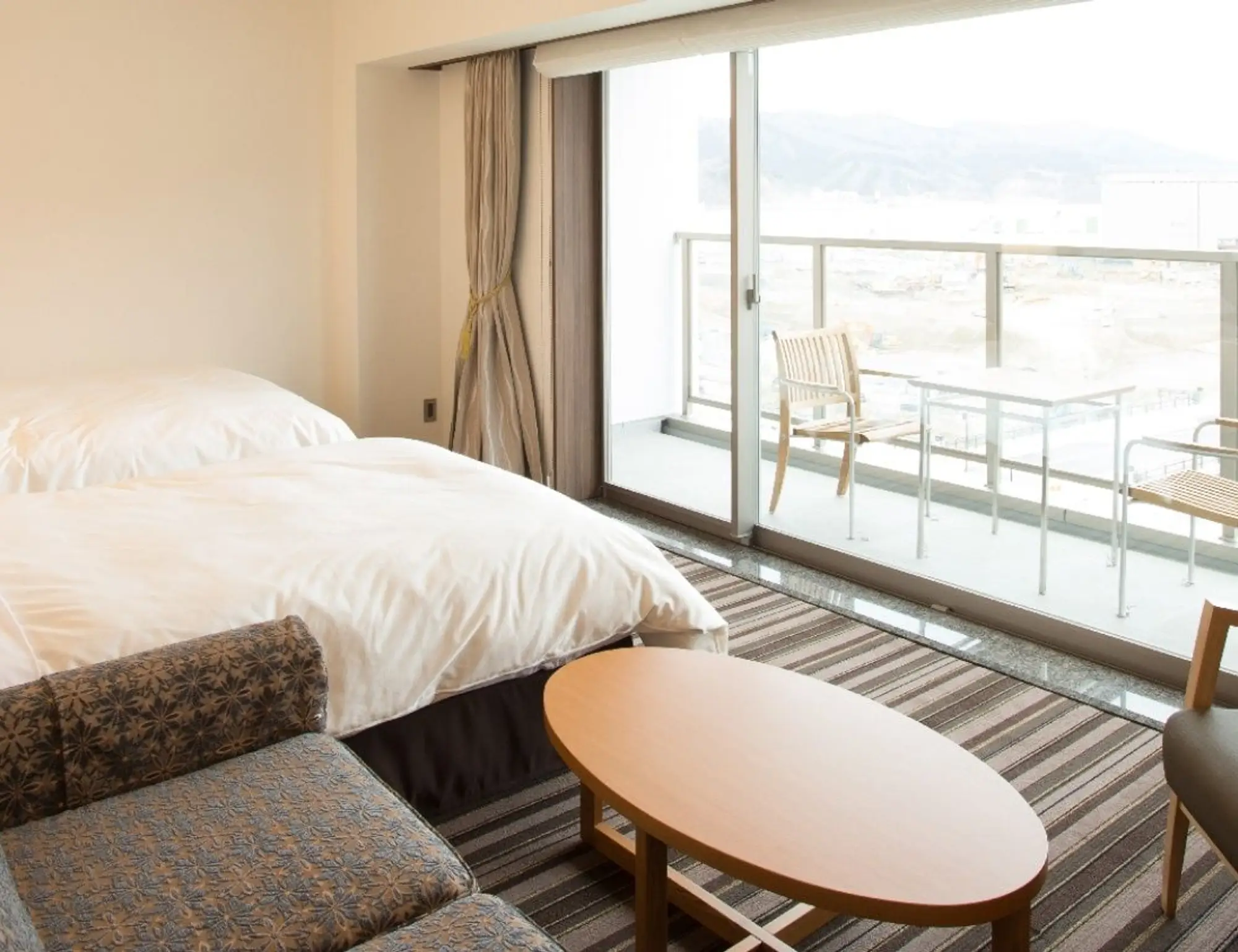
Ofunato Plaza Hotel
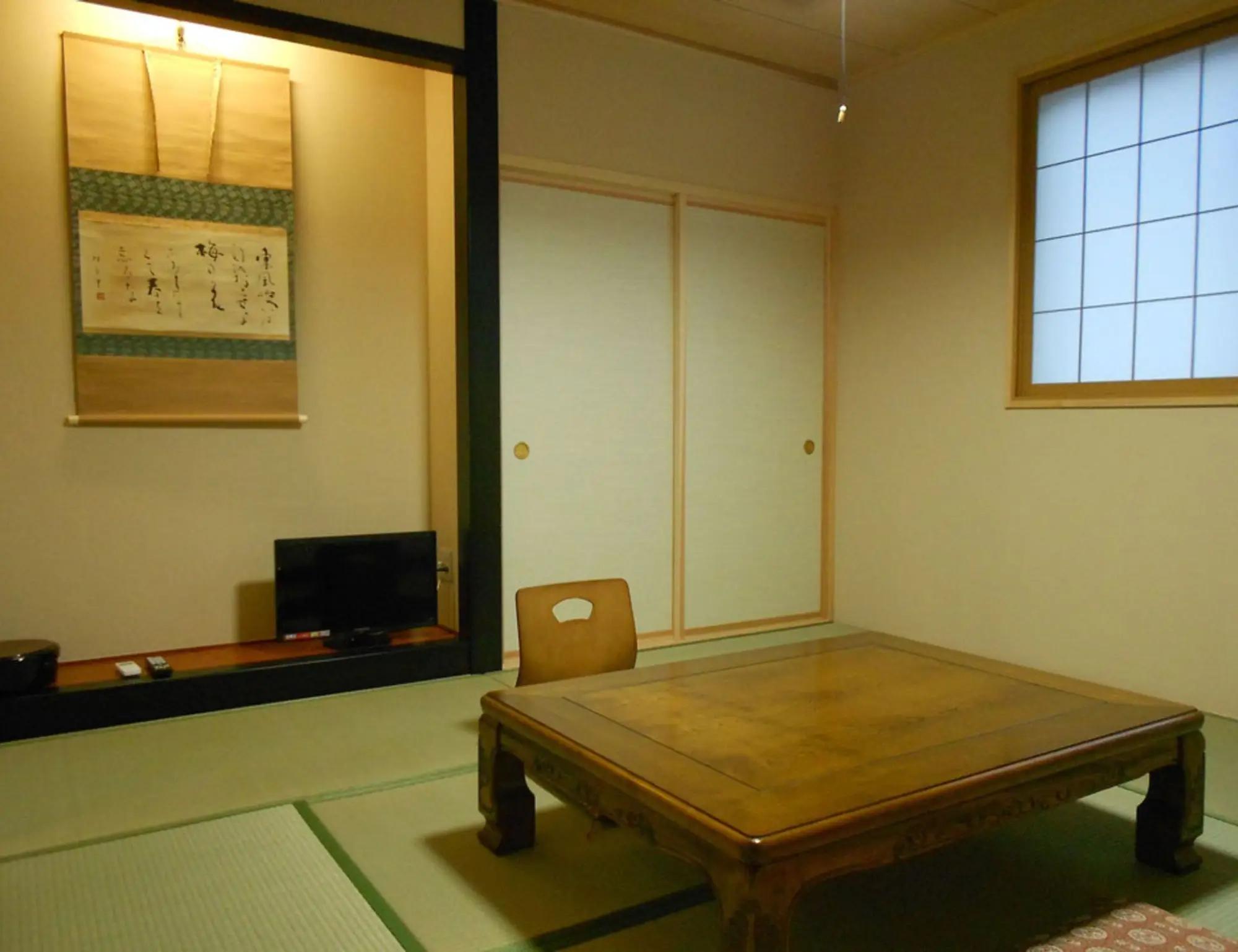
Onabeya Ryokan
Dates and Prices
Book with Confidence: For scheduled group departures, your 20% deposit is fully refundable until 60 days before departure. Solo travellers booking 120+ days in advance can avoid a mandatory Single Supplement. See terms & conditions.
Couldn't find a trip with convenient dates?
Open your date as a join-in tour or customize further as a private one.
Essential Info
Inclusions
LODGING
All hotels as mentioned in the tour details or similar (subject to availability).
trip leader
Expert Trip Leader(s) who look after your every need and add meaning to your vacation.
Luggage Transfer
Transportation of luggage from one hotel to another.
meals
Meals as per itinerary. Guests are given the opportunity to dine on their own so that they discover a location independently.
Exclusions
Airport pickup
We recommend to book direclty from airport.
Airport drop
We recommend to book direclty from your last hotel.
Beverages
Beverages such as alcohol, tea, coffee, juice at a hotel or restaurant.
Gratuity
Gratuities for your guide team are not included in the trip price.
Arrival & Departure Details
Arrival
Your tour starts in Hachinohe. The most convenient arrival airport is Misawa Airport (MSJ). From Misawa Airport, take a bus or taxi to Misawa Station, then continue by train to Hachinohe Station. Total travel time is usually around 60 to 90 minutes. Taxis are readily available at the airport, but public transport is reliable and easy to use. Plan to arrive in Hachinohe by late afternoon or early evening to join the welcome briefing and dinner.
Departure
Your tour ends in Kesennuma. For onward travel, the nearest major airport is Sendai Airport (SDJ). From Kesennuma, travel by local train and connecting services to Sendai Station, then continue to the airport by airport train or taxi. The full journey typically takes around 2.5 to 3 hours. We recommend allowing ample connection time, especially if departing on an international flight.
Weather
The best cycling weather for this tour is late spring and early autumn, when conditions along the Sanriku Coast are mild, clear, and comfortable. May offers cool mornings around 12–18°C (54–64°F) with low humidity and blooming coastal scenery. September brings slightly warmer days near 18–23°C (64–73°F) and calmer seas, ideal for long riding days.
Summer can feel humid and warmer, while winter is cold, windy, and less suitable for cycling. These shoulder seasons balance pleasant temperatures, good visibility, and safer trail conditions without peak tourist crowds.
January
Offseason
February
Offseason
March
Mixed
April
Good
May
Best
June
Mixed
July
Offseason
August
Offseason
September
Best
October
Good
November
Mixed
December
Offseason
Best
Good
Mixed
Offseason
What to Pack
Packing wisely ensures comfort and safety on your hiking adventure. This list covers essential hiking gear, clothing, and travel items to help you handle varied terrain and weather conditions.
Recommended Hiking Clothes & Gear
- Lightweight hiking shoes or boots with good traction.
- Moisture-wicking base layers and breathable hiking shirts.
- Quick-dry hiking pants or shorts.
- Light fleece or down jacket for cooler temperatures.
- Waterproof and windproof shell jacket.
- Sun hat and sunglasses with UV protection.
- Hiking poles (optional but recommended on uneven terrain).
- Small daypack with hydration system or water bottles.
- Headlamp or small flashlight.
- Light gloves and beanie for early mornings or high altitudes.
Clothing
- Layered clothing for temperature changes throughout the day.
- Full-sleeved tops for sun and insect protection.
- Comfortable evening wear for lodges or inns.
- Compact rain jacket for unpredictable weather.
- Extra socks (preferably synthetic or wool).
Other Necessities
- Basic first-aid kit with personal medication.
- Sunscreen, lip balm, and insect repellent.
- Reusable water bottle or hydration bladder.
- Snacks like trail mix, nuts, or energy bars.
- Plug adaptor and power bank for charging devices.
Pro Tips
- Pack light — you’ll appreciate it on uphill climbs.
- Break in your shoes before the trip to avoid blisters.
- Keep rain gear easily accessible in your daypack.
Luggage
Please limit your luggage to one medium-sized suitcase and one daypack. Mark your luggage clearly with your name, address, and phone number.
Visa Information
Before venturing on your adventure, make sure you're equipped with essential travel advice, including security updates, local laws, and crucial passport and visa information. Start by visiting the official government website of your home country for accurate and reliable guidance:
- UK Residents: Stay informed by reviewing the Foreign, Commonwealth & Development Office (FCDO) Travel Advice.
- US Residents: Access vital travel tips and updates through the US Department of State Travel Advice.
- Australian Residents: Plan ahead with the latest updates on the Smart Traveller website.
- Canadian Residents: Find comprehensive travel and visa guidance on the Government of Canada's Travel Advice and Advisories.
- New Zealand Residents: Get practical travel advice on the New Zealand SafeTravel website
- Residents of Other Countries: Check with your government or local consulate for tailored travel advice and requirements.
Note: Passport and visa regulations can change at any time. Stay proactive by checking for the latest updates to ensure a smooth and stress-free journey.
Insurance
Medical insurance that covers medical costs in case of an accident during the trip is mandatory to participate in our tours.
We recommend to purchase adequate travel insurance in order to participate in our tours and protect yourself from unforeseen events. Our experience shows that guests who purchase travel insurance—including coverage for all activities on the itinerary, trip cancellation, interruption, delay, baggage damage, loss or theft, personal accident, death and repatriation costs, medical and emergency expenses (including Covid-19), and personal liability—travel with greater peace of mind.
Is proof of medical insurance required?
Yes. You must provide your insurer's name, policy number, and emergency contact via our reservation form. This is mandatory. If you cannot provide proof, you’ll need to purchase insurance before traveling with us.
Can I use my credit card insurance?
Yes, as long as it meets our requirements and provides adequate coverage. Ensure you have an emergency contact number and policy number available.
When should I buy travel insurance?
Purchase travel insurance as soon as you've paid in full or booked your flights.
Does Art of Bicycle Trips sell travel insurance?
We do not sell travel insurance directly, as we believe our customers should have the freedom to choose a policy that best suits their needs. However, we recommend Insured Nomads as a great starting point.
Reviews from our friends
You may also like
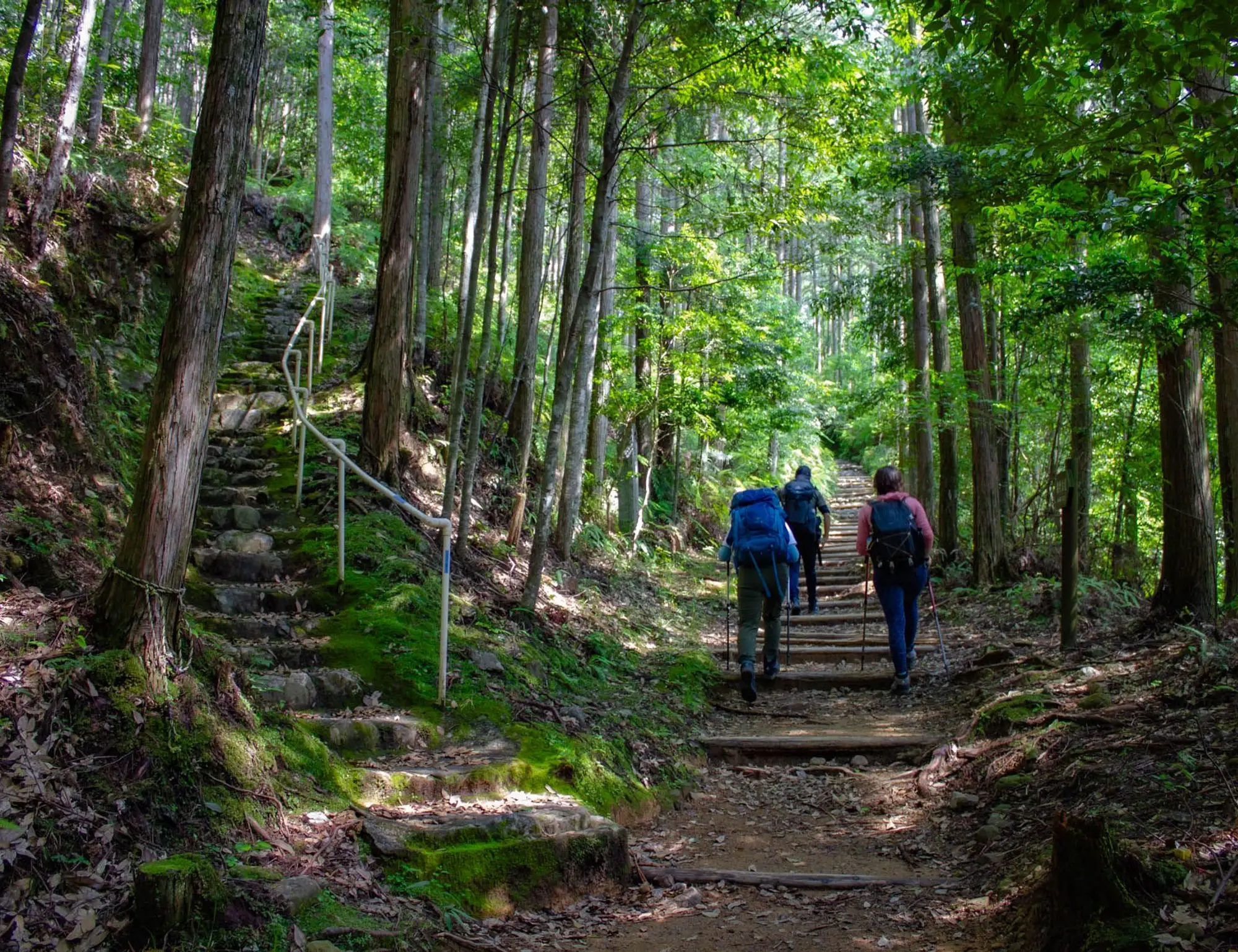
Guided Bhutan's Himalayan Heritage Trail Hiking and Walking Tour
13 Daysfrom
