
Guided Jomolhari Trek and Cultural Discovery
This 14 day Bhutan journey blends adventure, culture, and nature into a memorable Himalayan experience. The trip begins in Paro with visits to historic landmarks and a hike to the iconic Tiger’s Nest Monastery, followed by time exploring Bhutan’s vibrant capital, Thimphu. The heart of the journey is the legendary Jomolhari Trek, where you’ll walk through alpine valleys, yak herding settlements, and high mountain passes with breathtaking views of Mount Jomolhari and other Himalayan peaks.
Along the way, there is plenty of time for acclimatization, scenic hikes, and quiet moments in pristine wilderness. After the trek, the journey slows down with cultural exploration in Punakha and the peaceful Phobjikha Valley, where traditional villages, monasteries, and Bhutan’s unique lifestyle come to life.
Comfortable stays, warm hospitality, and immersive local experiences make this itinerary a well balanced mix of trekking adventure and cultural discovery.
Guided
moderate
10 km / 6 mi
12
casual Inns
Min. 4, Max. 14
Highlights

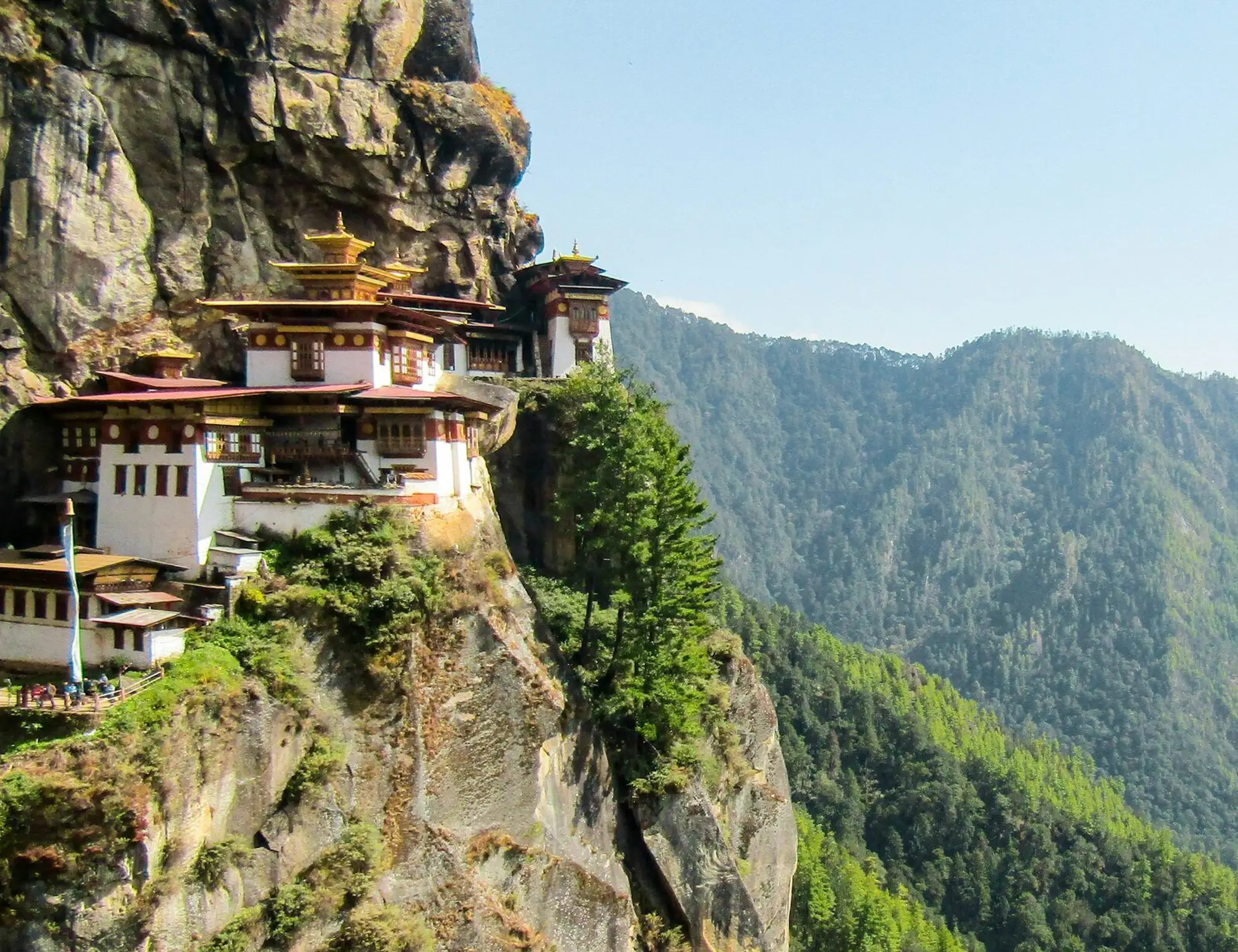
Hike to Tiger’s Nest Monastery
Visit the iconic Taktsang Monastery perched on a cliff above Paro Valley, one of Bhutan’s most sacred and breathtaking landmarks.
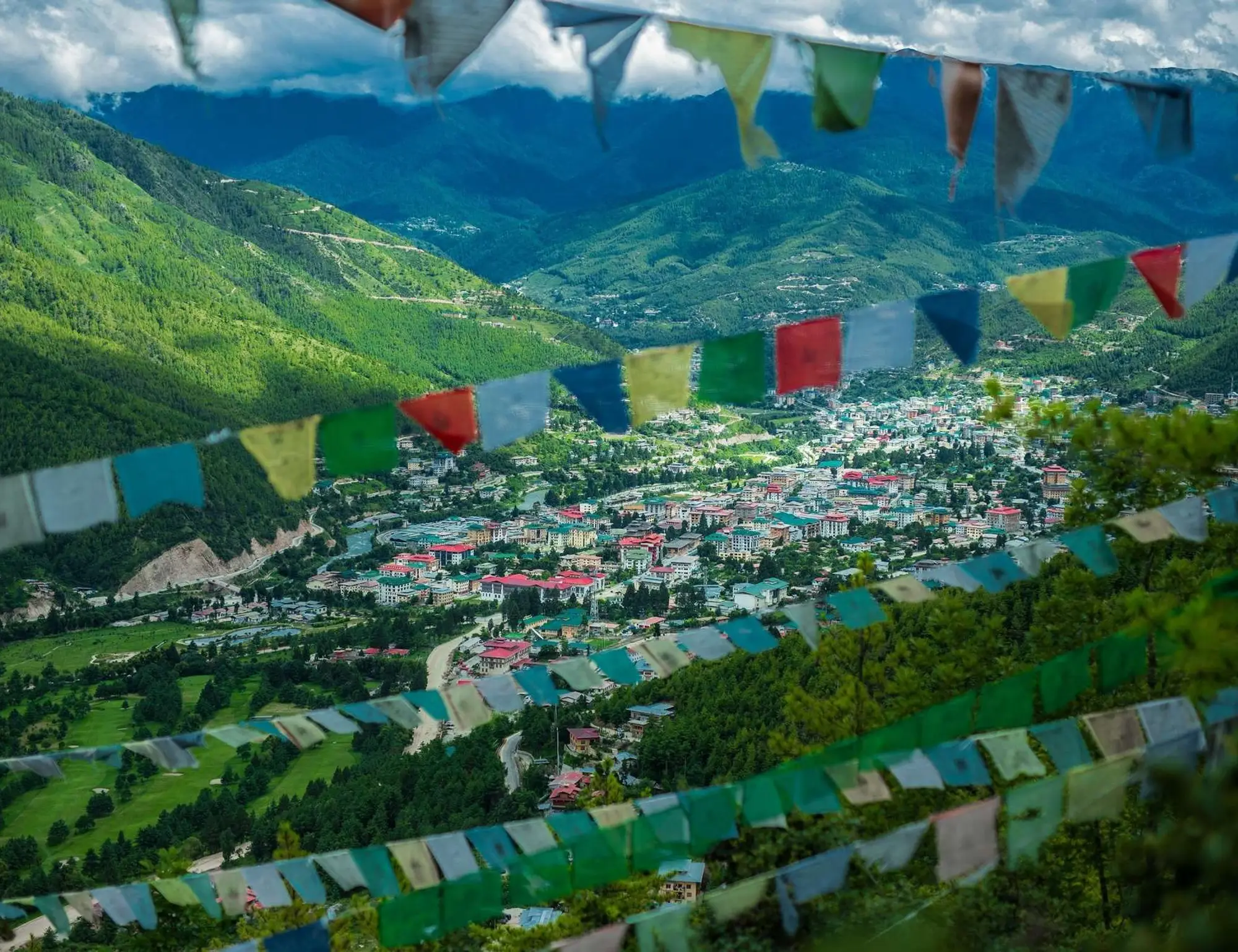
Explore Bhutan’s Cultural Heartlands
Discover the historic towns and valleys of Paro, Thimphu, Punakha, and Phobjikha with visits to temples, dzongs, and local markets.
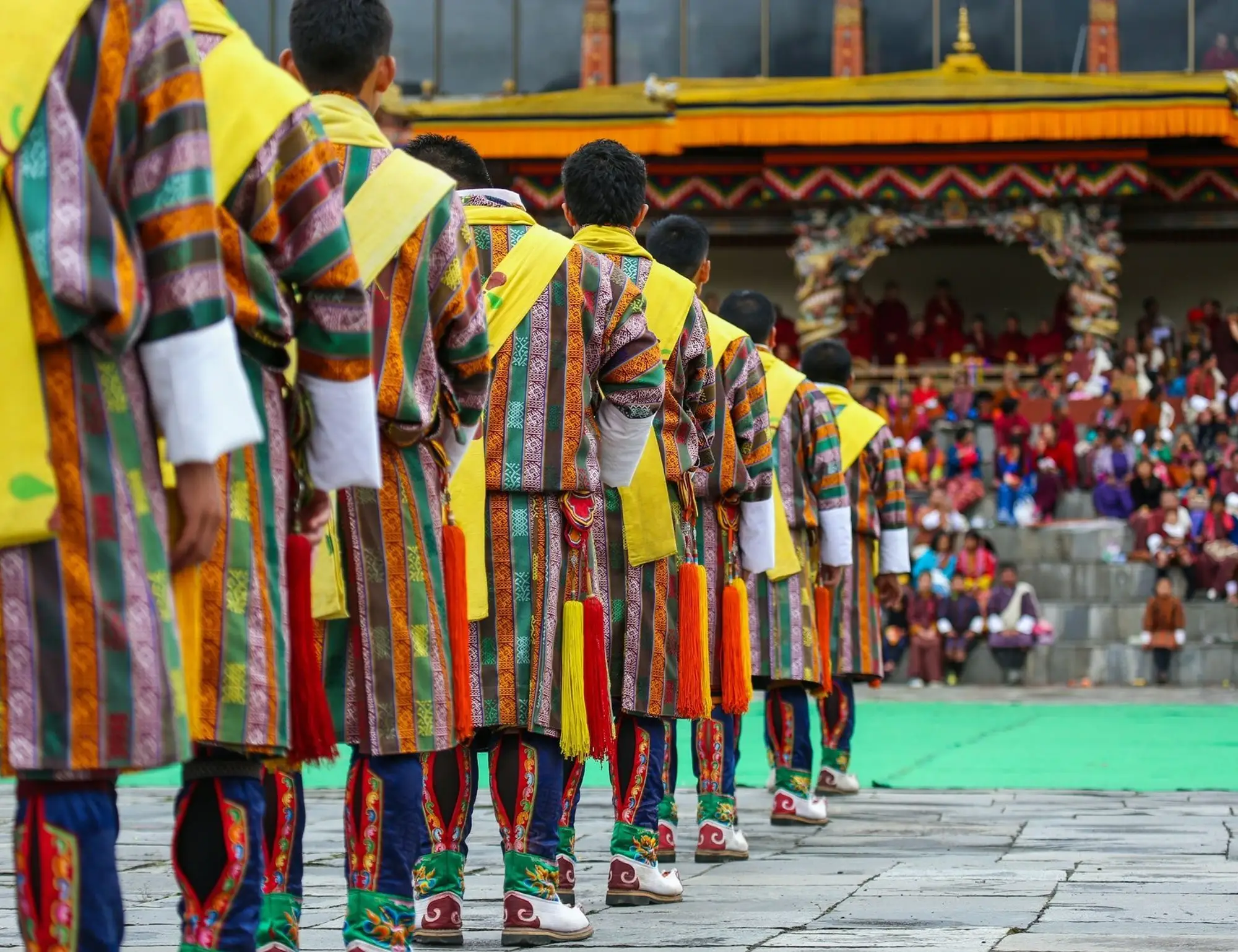
Experience Local Bhutanese Culture
Enjoy farmhouse visits, traditional meals, and interactions with local communities to experience authentic Bhutanese life.
Itinerary
Brief Itinerary
Meals are indicated as B = Breakfast, L = Lunch, D = Dinner.
Listed hotels are subject to availability and may be replaced with similar alternatives of equal standard.
| Day | Place | casual Inns | Meals | Distance | Activity |
|---|---|---|---|---|---|
| DAY 1 | Paro | Mandala Resort | D | ||
| DAY 2 | Paro | Mandala Resort | B,L,D | 7 km / 4 mi | hiking |
| DAY 3 | Thang Thangka | Thang Thangka Campsite | B,L,D | 17 km / 11 mi | hiking |
| DAY 4 | Jangothang | Jangothang Campsite | B,L,D | 14 km / 9 mi | hiking |
| DAY 5 | Jangothang | Jangothang Campsite | B,L,D | 5 km / 3 mi | hiking |
| DAY 6 | Lingzhi | Lingzhi Campsite | B,L,D | 18 km / 11 mi | hiking |
| DAY 7 | Shodu | Shodu Campsite | B,L,D | 22 km / 14 mi | hiking |
| DAY 8 | Barshong | Barshong Campsite | B,L,D | 16 km / 10 mi | hiking |
| DAY 9 | Thimphu | Hotel Pelyang Boutique | B,L,D | 7 km / 4 mi | hiking |
| DAY 10 | Thimphu | Hotel Pelyang Boutique | B,L,D | 6 km / 4 mi | hiking |
| DAY 11 | Punakha | Hotel Lobesa | B,L,D | 1 km / 1 mi | hiking |
| DAY 12 | Phobjikha | Gakiling Resort | B,L,D | 5 km / 3 mi | hiking |
| DAY 13 | Paro | Mandala Resort | B,L,D | 6 km / 4 mi | hiking |
| DAY 14 | Departure | B |
Detailed Itinerary

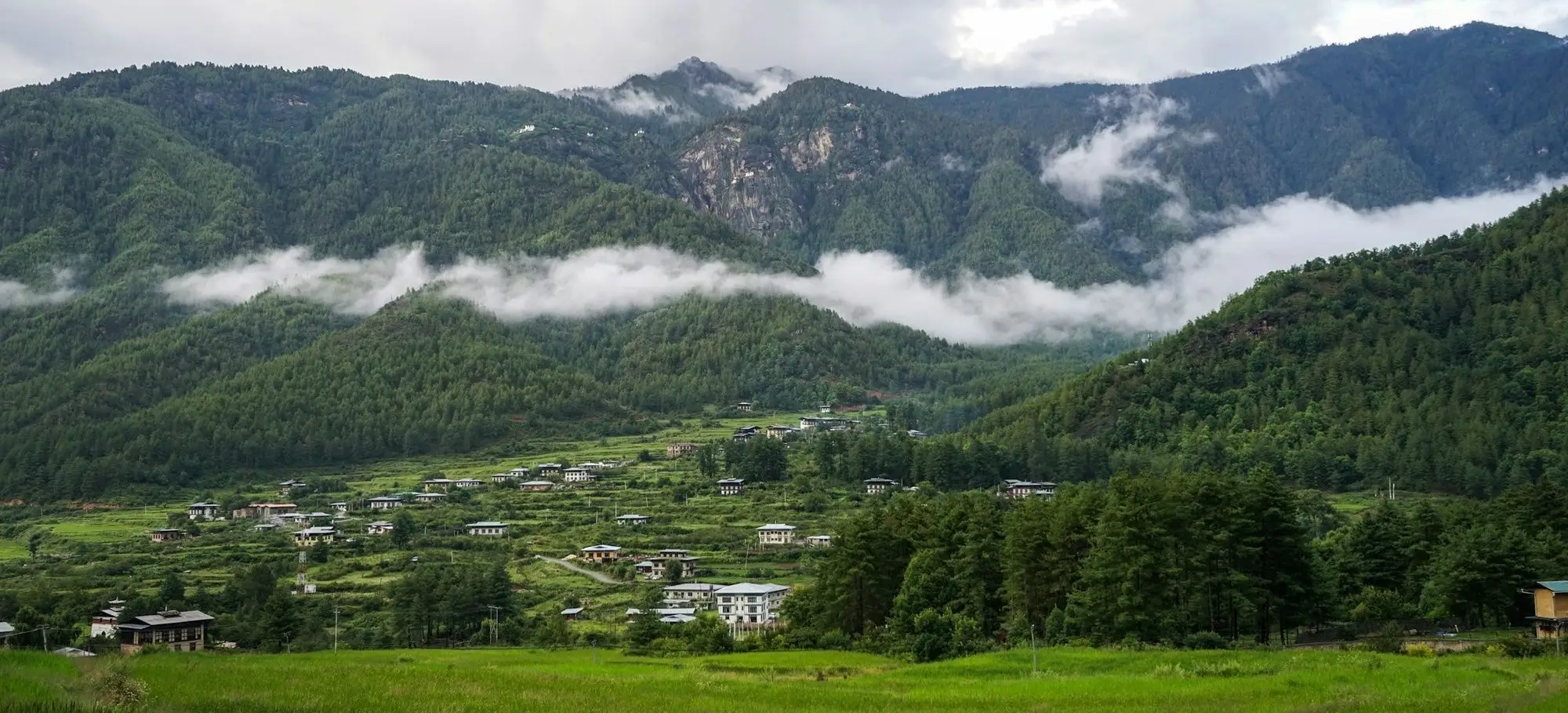
Day 1: Paro
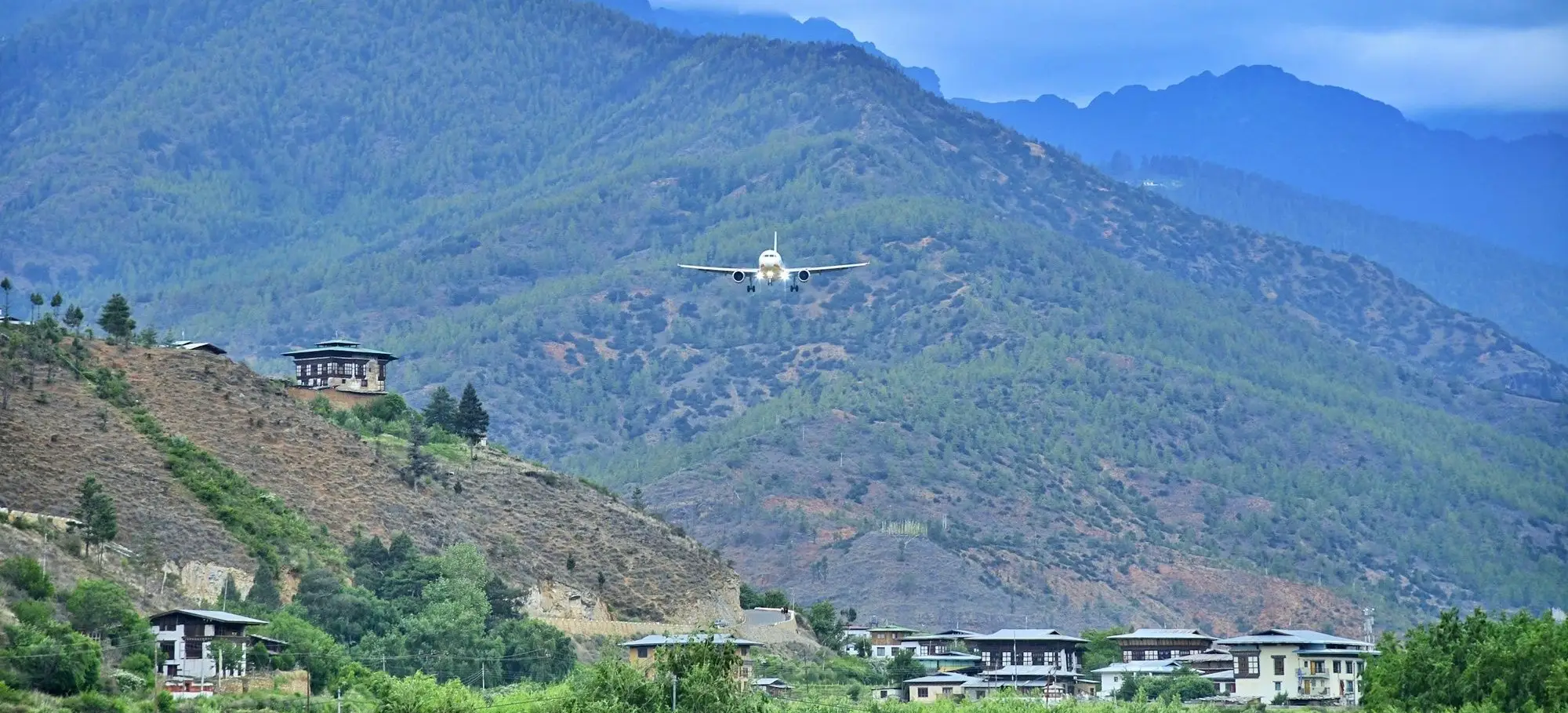
Your journey begins with a spectacular flight into Bhutan, where the aircraft passes close to the towering Himalayan range. On a clear day you may glimpse famous peaks including Mount Everest, Kanchenjunga, and Bhutan’s own Mount Jomolhari. As the plane descends into the lush Paro Valley, the landscape reveals forested hills, the winding Paro Chhu River, and the striking Paro Dzong overlooking the valley.
After arrival at Paro International Airport, you will be welcomed by your guide and transferred to your hotel. En route, visit Kaja Throm farmers market and the historic Kyichu Lhakhang, believed to be among Bhutan’s oldest temples. If time permits, explore Rinpung Dzong and the National Museum, which houses remarkable collections of Bhutanese art, textiles, and artifacts.
In the evening, enjoy leisure time in Paro town followed by a traditional welcome dinner.
Day 2: Paro
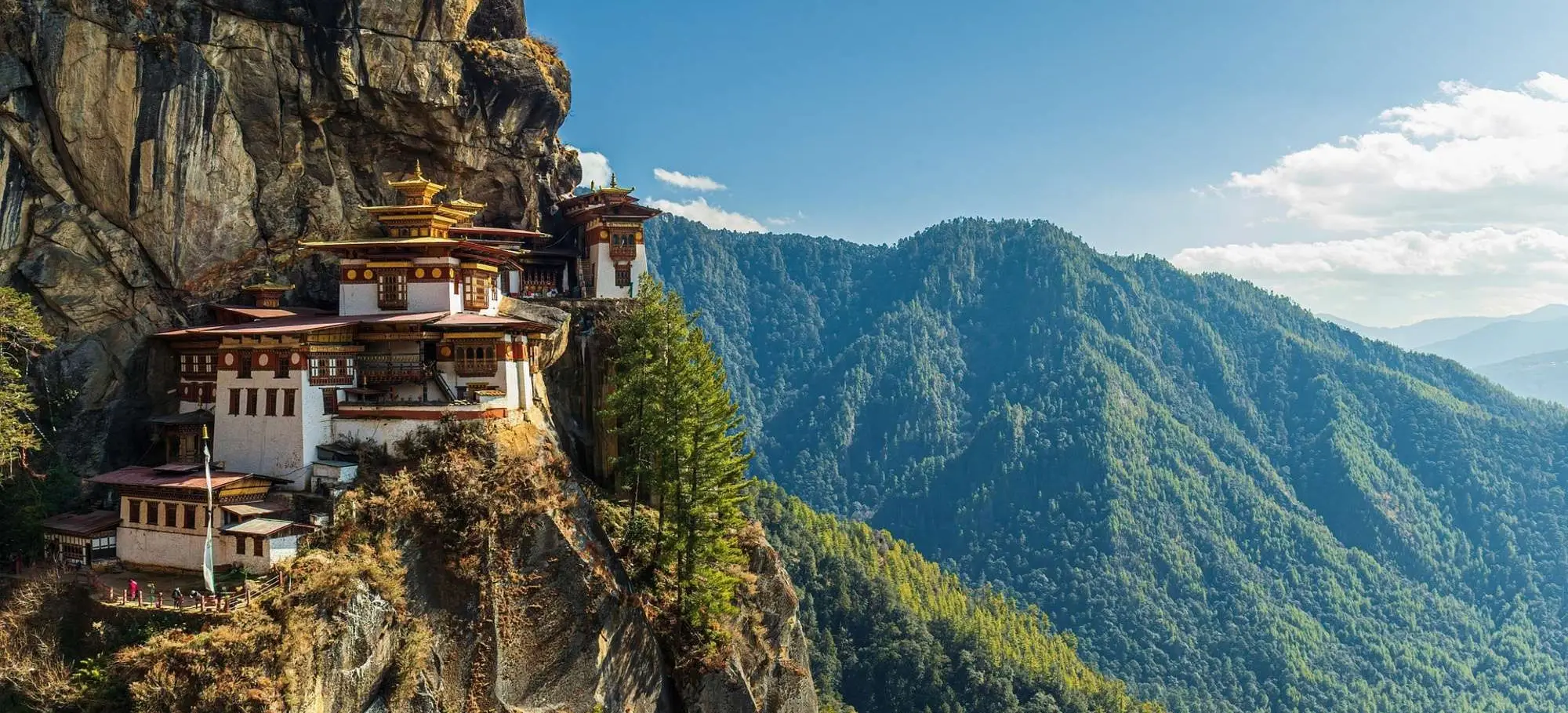
Today features one of Bhutan’s most iconic experiences, the hike to Taktsang Monastery, widely known as Tiger’s Nest. Dramatically perched on a cliff high above the Paro Valley, this sacred monastery is one of the country’s most revered spiritual sites. The temple complex was built in 1692 and remains deeply significant in Bhutanese Buddhist culture.
The hike provides a rewarding introduction to the region while helping the body acclimatize before the trekking portion of the journey. Along the way, your guide shares the fascinating history and legends associated with the monastery. Later, visit the historic Drukgyel Dzong, once an important fortress guarding the valley against Tibetan invasions.
On clear days, the majestic peak of Mount Jomolhari appears in the distance. The evening is free to explore Paro town and browse traditional handicraft shops showcasing Bhutanese artistry.
Day 3: Thang Thangka
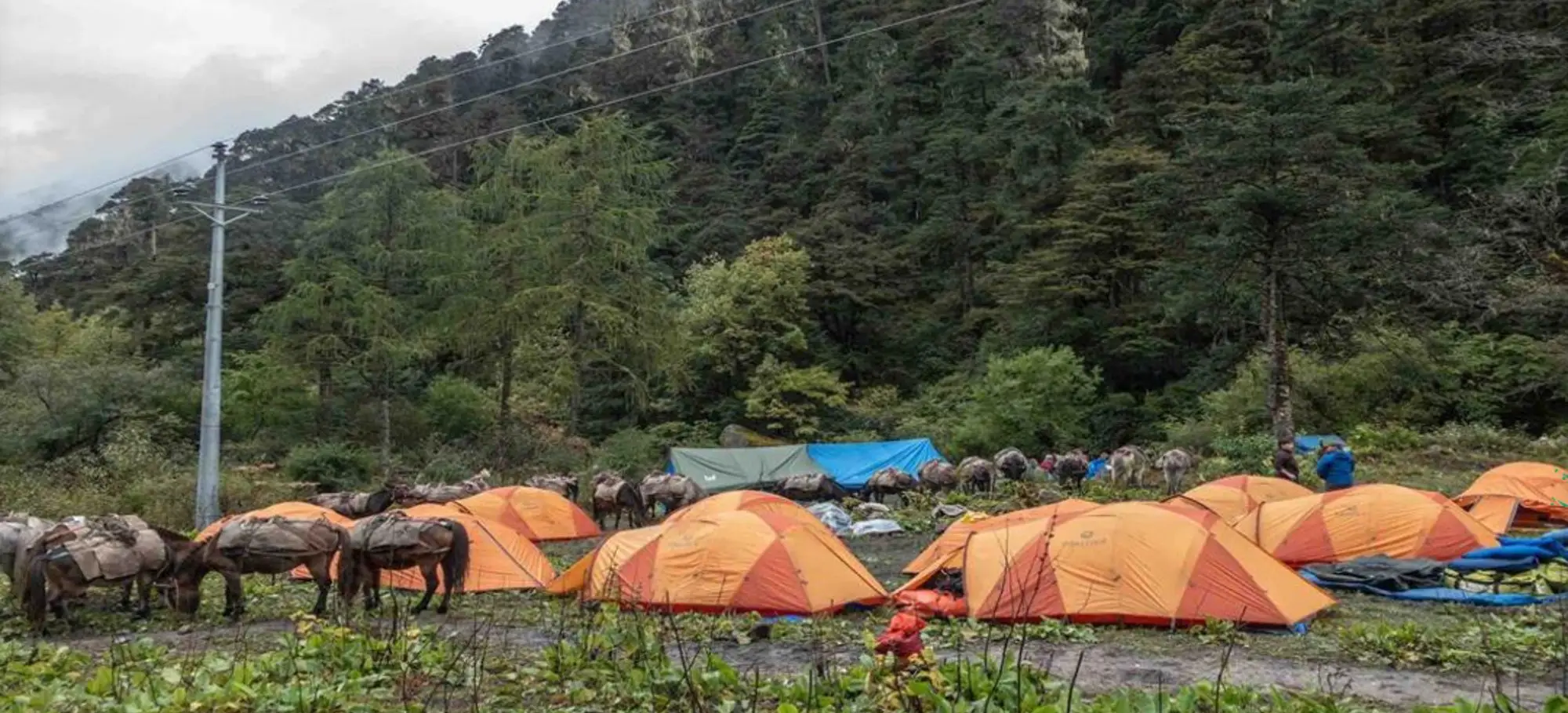
After breakfast, the adventure truly begins with a scenic drive to Shana, the starting point of the Jomolhari Trek. From here, the trail gradually winds through the Paro Chhu river valley. The route alternates between gentle ascents and descents, passing through forests and small clearings before the valley slowly narrows into a more remote mountain trail.
As you continue along the river, the landscape becomes increasingly alpine and serene. Eventually the trail descends toward a meadow where the campsite is established at Thang Thangka. Weather permitting, trekkers are rewarded with their first dramatic views of Mount Jomolhari rising above the surrounding peaks. The evening is spent relaxing at camp while enjoying the quiet beauty of the high Himalayan environment.
Day 4: Jangothang
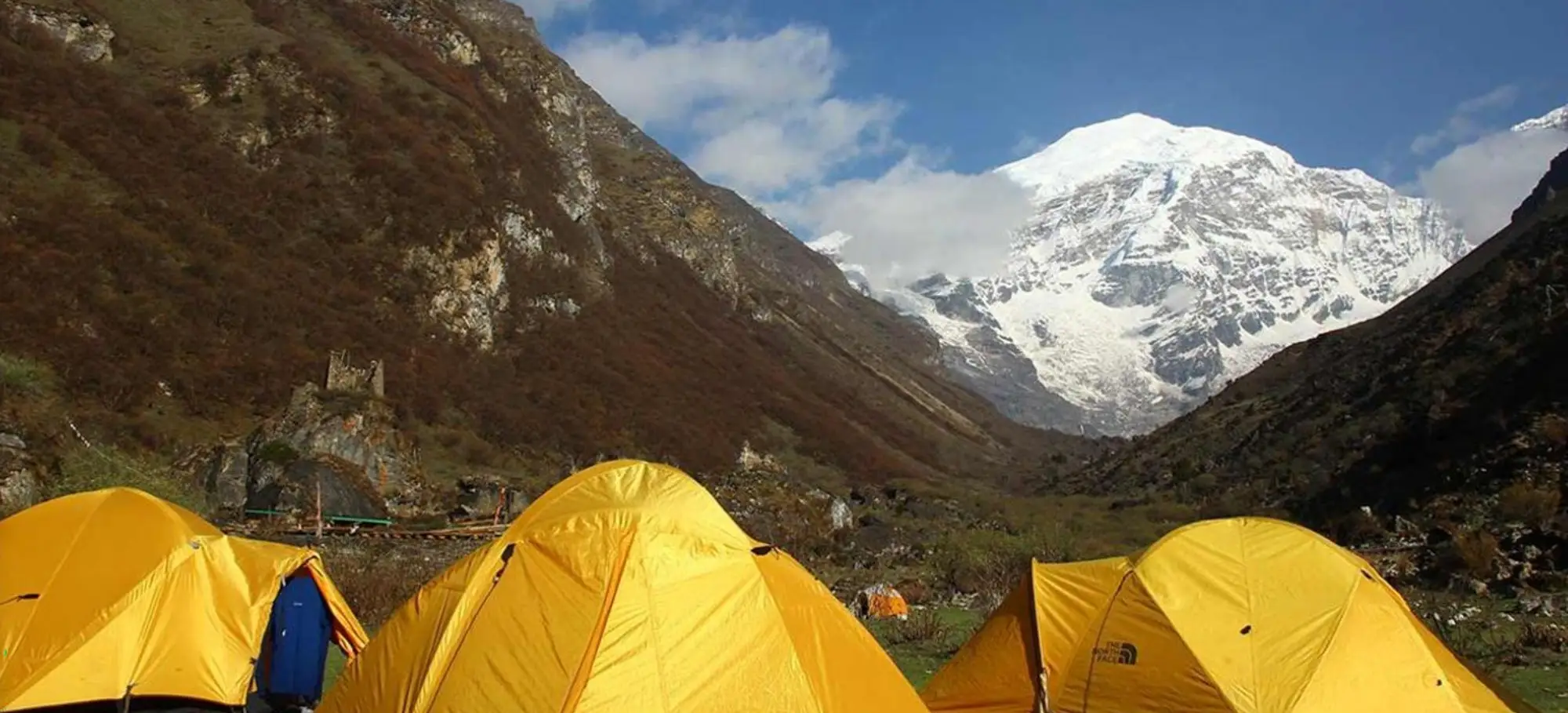
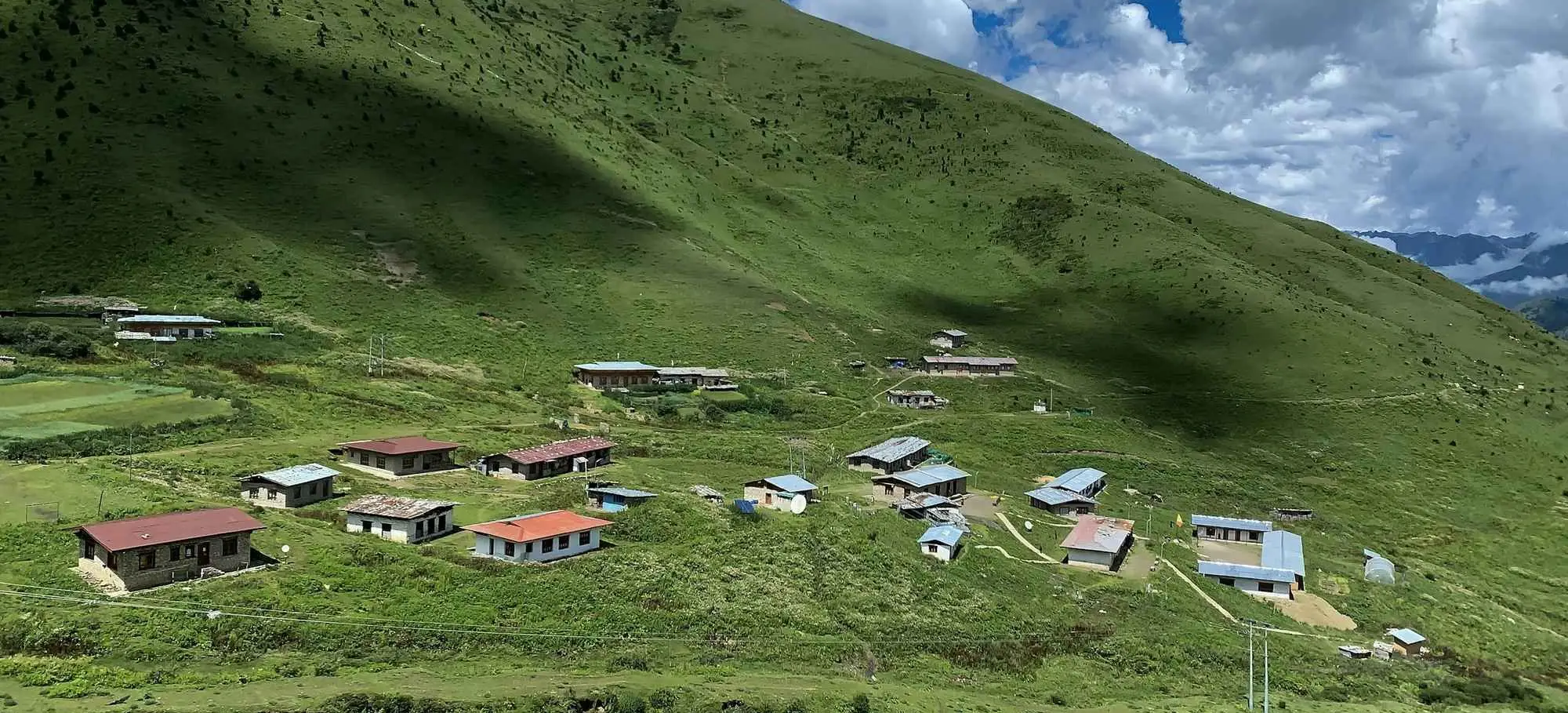
The trail continues up the Paro Chhu valley as the landscape opens into wide alpine meadows dotted with patches of forest. Snow capped peaks gradually dominate the horizon while the air becomes cooler and clearer. Along the route you pass an army checkpoint and encounter traditional yak herding settlements. The presence of grazing yaks and their herders offers a glimpse into the nomadic lifestyle of Bhutan’s highland communities.
The trail also passes small villages including Soe, Takethang, and Dangochang. By afternoon you arrive at Jangothang, widely regarded as one of the most beautiful campsites in the Himalayas. From here, magnificent views of Mount Jomolhari rise directly above the valley, creating an unforgettable mountain backdrop for the evening at base camp.
Day 5: Jangothang
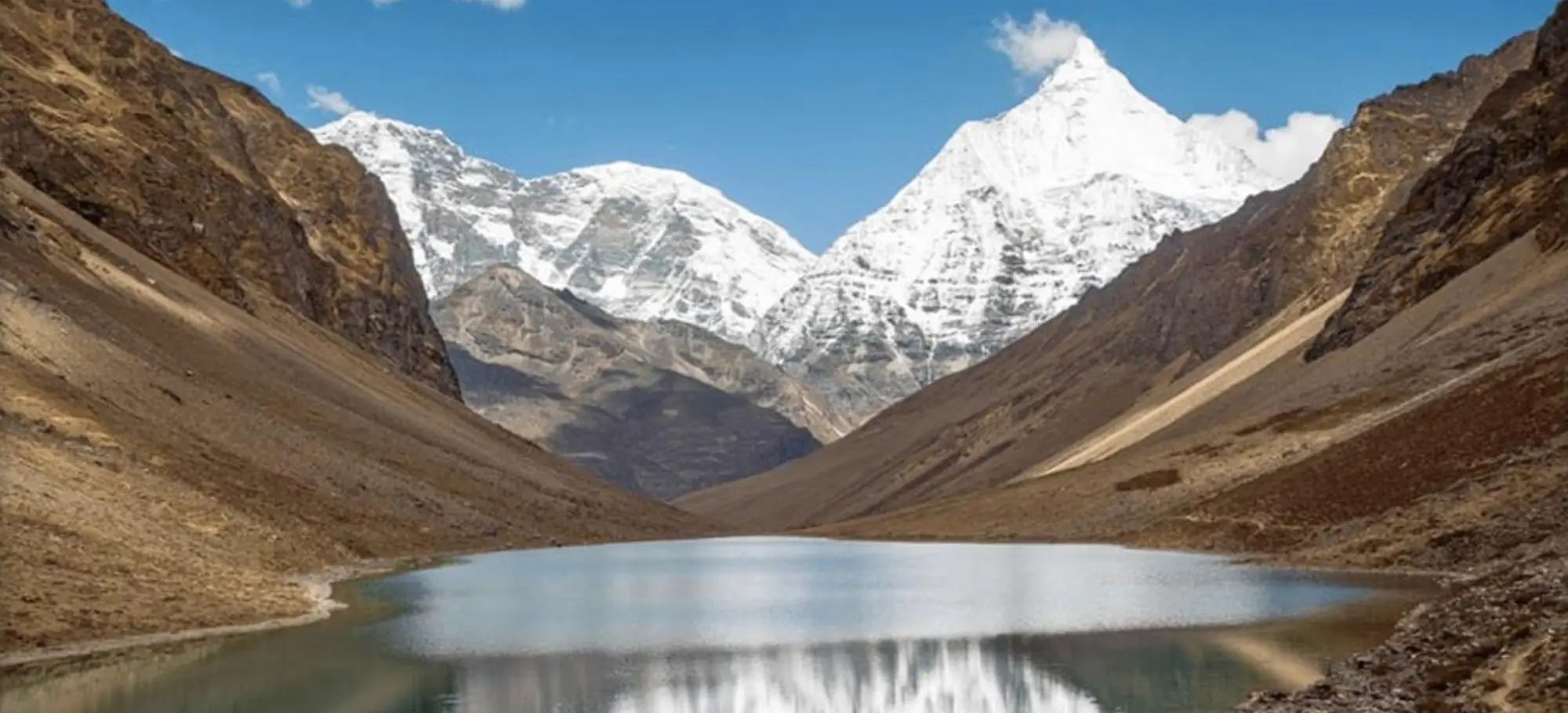
Today is reserved for acclimatization and exploration around the spectacular Jangothang valley. Rest days are essential at this altitude and the surrounding area offers several rewarding hiking opportunities. Short trails lead toward high ridges and viewpoints that reveal sweeping vistas of Mount Jomolhari and neighboring peaks. To the north stands Jichu Drake, another striking Himalayan summit.
The area is also known for its wildlife, and there are good chances of spotting blue sheep grazing on the upper slopes of the valley. These optional hikes help the body gradually adapt to the elevation while allowing plenty of time to absorb the dramatic mountain scenery. The tranquil alpine environment, combined with expansive views in every direction, makes this one of the most memorable days of the trek.
Day 6: Lingzhi
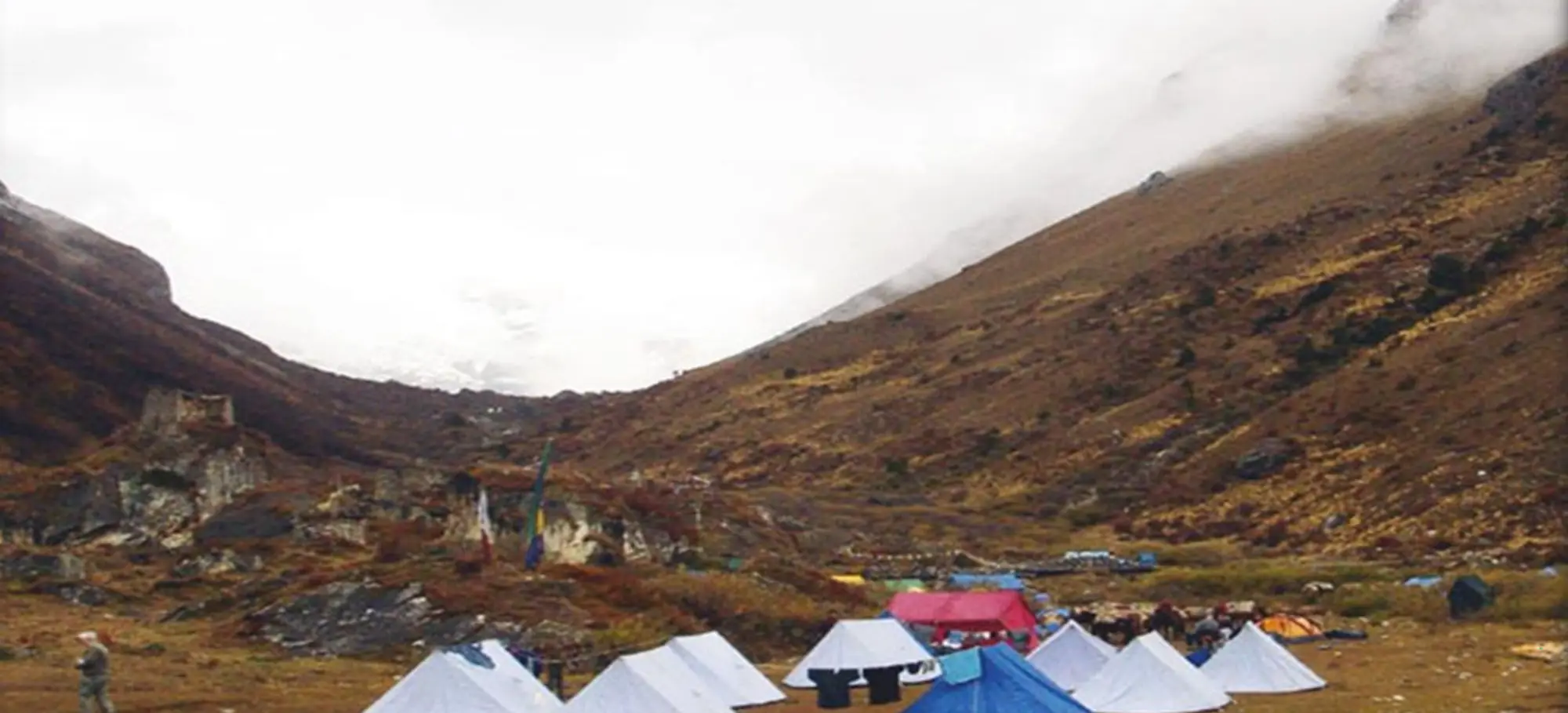
After a refreshing rest day, the trek resumes with a scenic climb deeper into the high Himalayas. The trail begins by following a stream before crossing a bridge onto the opposite bank. As the route progresses, dramatic views of Jomolhari, Jichu Drake, and Tserimgang accompany the journey. The path initially follows a relatively flat valley floor before beginning the steady ascent toward Nyele La Pass.
At an altitude of around 4,700 meters, the pass provides sweeping views of the surrounding mountain landscape. From here the trail gradually descends toward Lingzhi. Along the way, trekkers may glimpse the historic Lingzhi Dzong perched dramatically above the valley. The campsite at Lingzhi offers an extraordinary setting surrounded by rugged peaks and open mountain terrain.
Day 7: Shodu
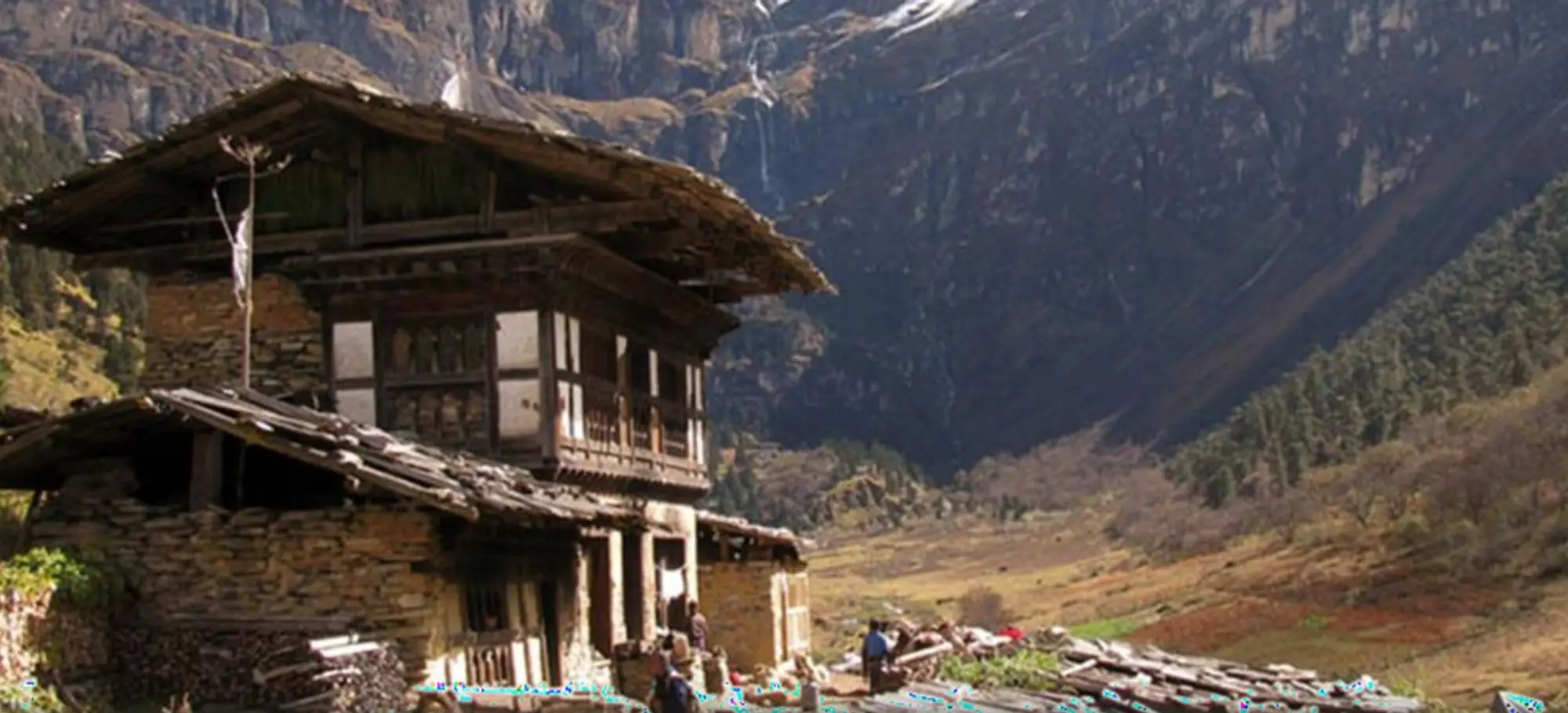
Today’s trek begins with a steady climb toward the Yelila Pass, one of the highest points on the route at nearly 4,930 meters. The ascent gradually reveals sweeping Himalayan panoramas. On clear days the pass offers magnificent views of peaks such as Jomolhari, Tserimgang, and Masanggang rising across the skyline. After enjoying the scenery at the top, the trail descends steeply through the mountain terrain toward the valley below.
The route eventually leads to the campsite at Shodu, located along the river valley in a remote and peaceful setting. This section of the trek highlights the raw beauty and scale of Bhutan’s high mountain landscapes, combining challenging terrain with unforgettable views.
Day 8: Barshong
The trail today follows the course of the Thimphu Chhu river as it winds through lush rhododendron forests and along beautiful cascading waterfalls. Compared with the previous day, the route is gentler and allows more time to appreciate the surrounding scenery. The valley gradually narrows as the path climbs along wooded slopes.
Along the way the landscape transitions from open alpine terrain into greener forested hillsides. Eventually the trail leads to the ruins of Barshong Dzong, an atmospheric historic fortress overlooking the valley. Nearby, the campsite provides a scenic place to rest after the day’s trek. The combination of forest, flowing rivers, and historical ruins makes this section particularly scenic and culturally interesting.
Day 9: Thimphu
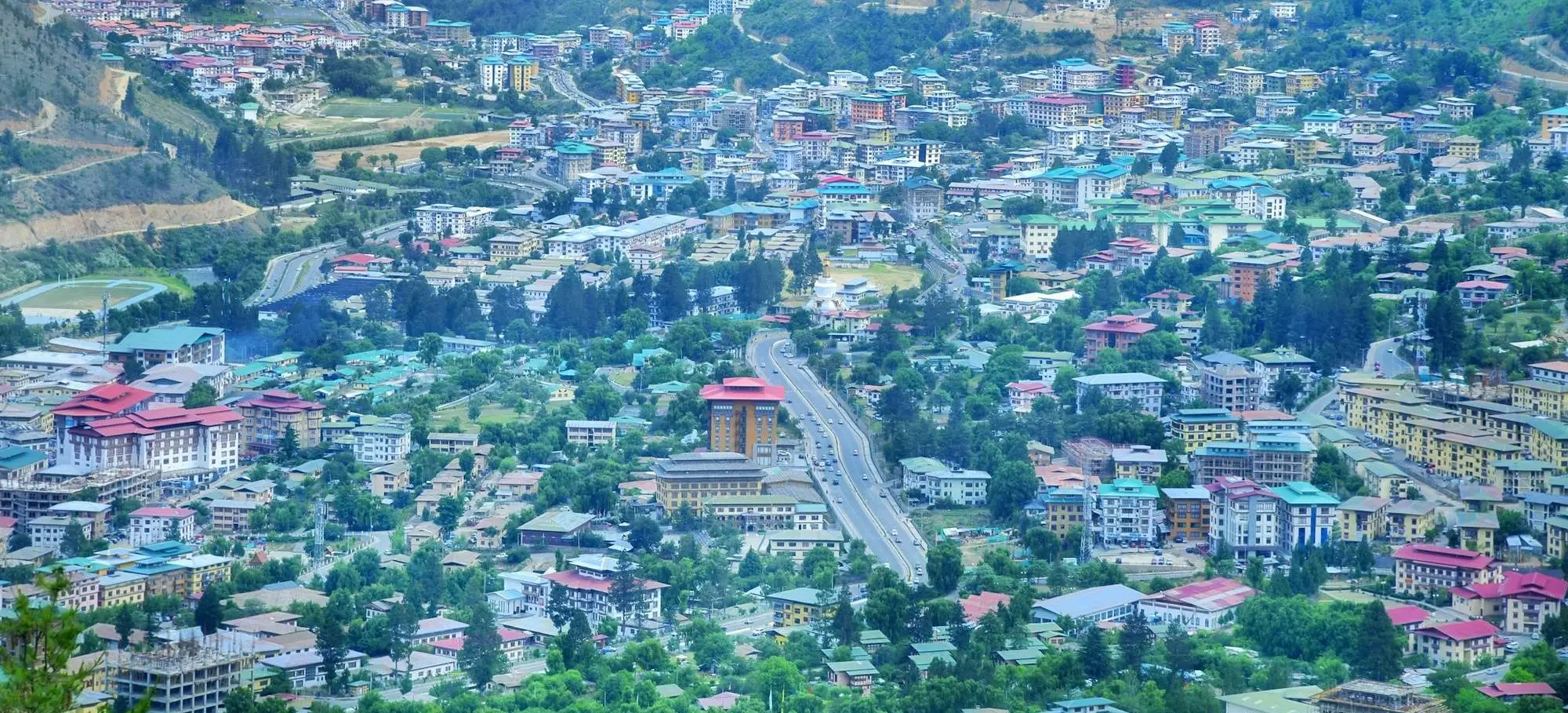
The final trekking day is relatively short but still rewarding. The trail continues along the valley before gradually descending toward the road head. This scenic walk marks the conclusion of the Jomolhari Trek and offers a final opportunity to appreciate the natural beauty of Bhutan’s mountainous landscapes. After completing the hike, you will transfer by vehicle toward the capital city of Thimphu.
The change from remote wilderness to Bhutan’s vibrant administrative center provides an interesting contrast. In the evening, enjoy a traditional Bhutanese dinner at Babesa Heritage Home. After several days of trekking, a traditional hot stone bath offers a relaxing way to unwind and rejuvenate tired muscles.
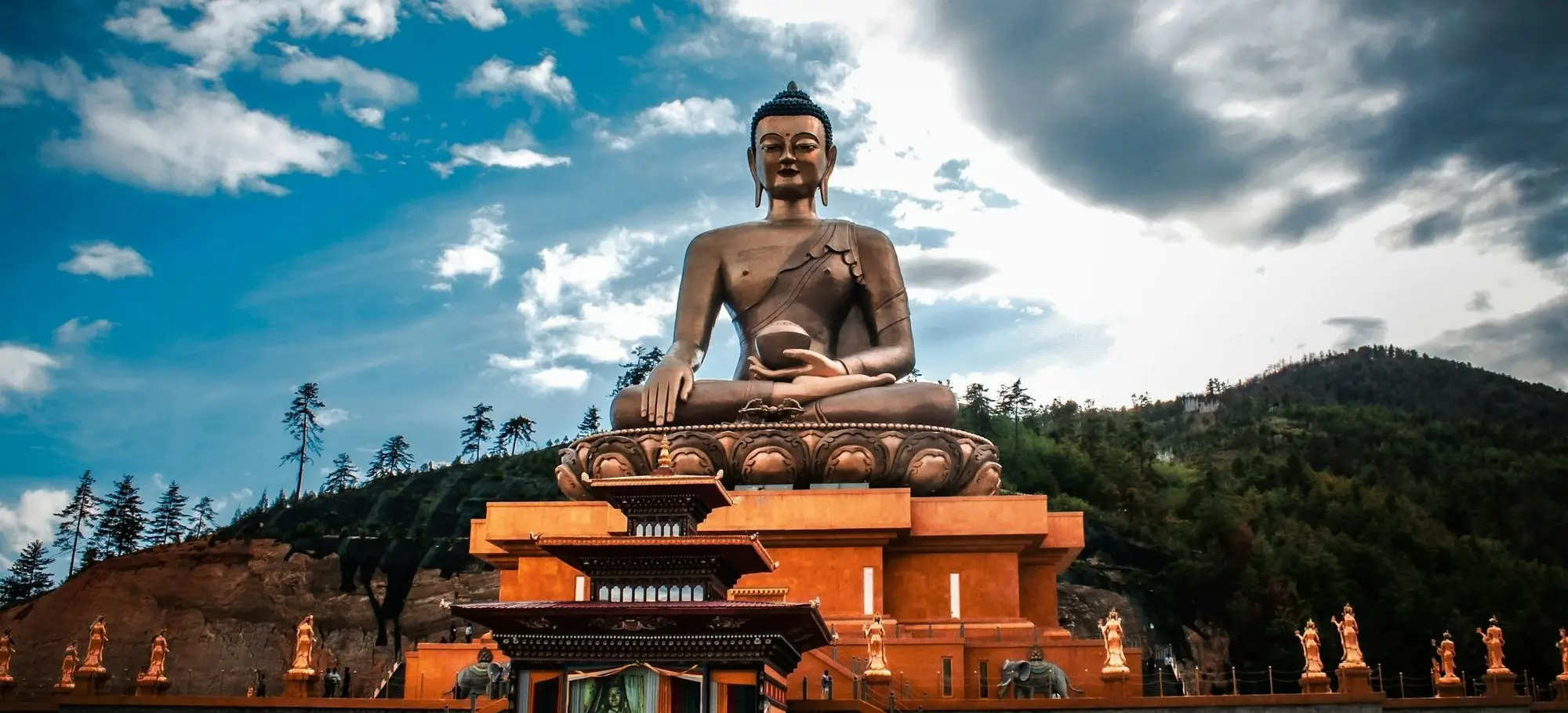
Day 10: Thimphu
Today is dedicated to exploring Bhutan’s lively capital. Begin with a visit to Kuensel Phodrang, where the enormous Buddha Dordenma statue overlooks the entire valley. From here you enjoy sweeping views across Thimphu city. A pleasant hike follows along one of the capital’s popular nature trails, offering a peaceful walk through surrounding hills and forests.
Later, visit the National Library of Bhutan, which houses an extensive collection of manuscripts and traditional texts. Continue to the National Memorial Stupa, an important spiritual landmark built in honor of Bhutan’s third king. In the afternoon stroll through the Crafts Bazaar and explore the bustling Centenary Market and Kaja Throm, where local vendors sell fresh produce and regional specialties.
The evening offers free time to experience Thimphu’s cafés or local nightlife.
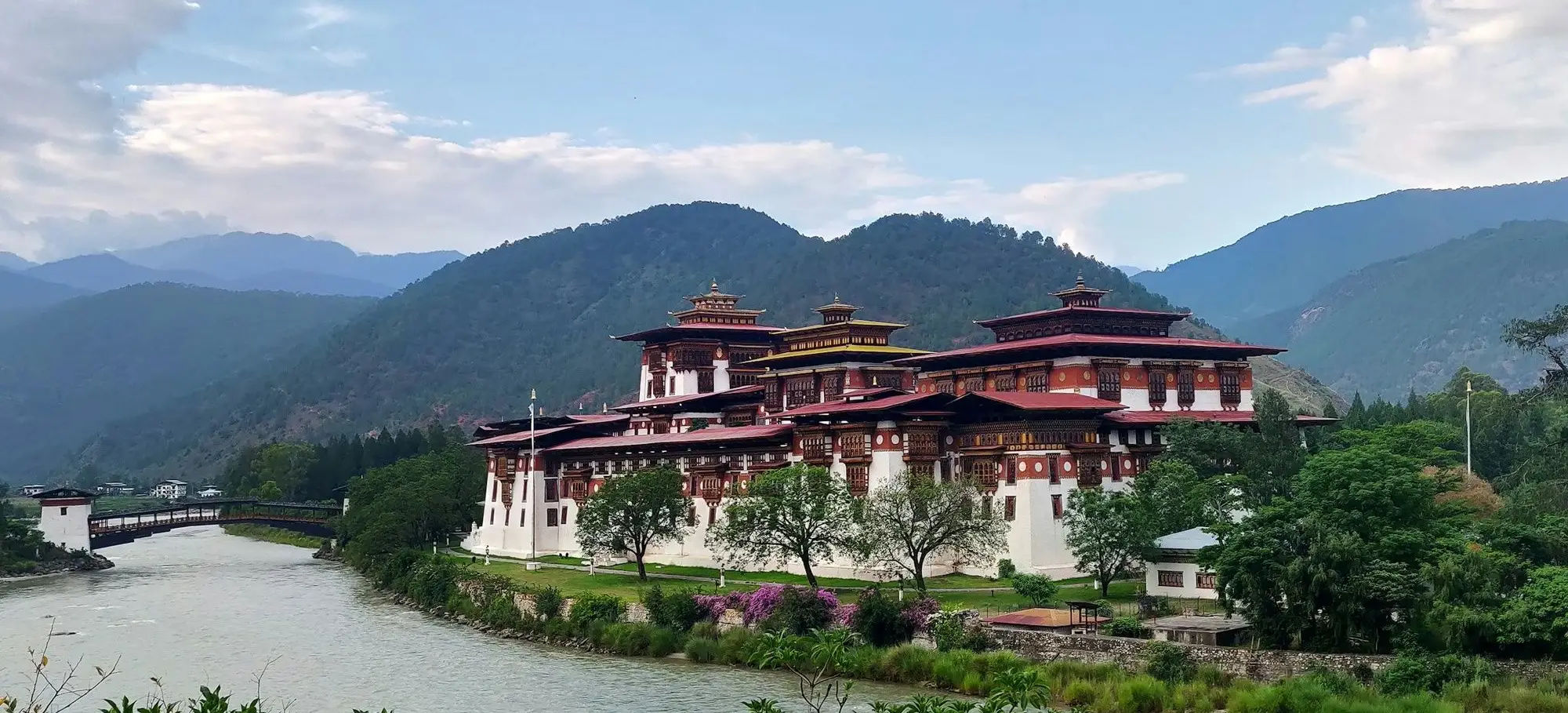
Day 11: Punakha
After breakfast, depart Thimphu and drive toward the picturesque Punakha Valley. The journey crosses the famous Dochula Pass at 3,140 meters, where 108 memorial chortens stand against a dramatic Himalayan backdrop. On clear days the pass offers magnificent views of the snow covered mountain range forming Bhutan’s northern border.
From here, enjoy a hike through forests of rhododendron and alpine vegetation toward Lungtsezelkha temple, located high on a scenic ridge. Continuing the journey, descend toward the warm rice growing valley of Lobesa. Here you visit Chhimi Lhakhang, a temple associated with the legendary figure known as the Divine Madman.
The visit includes a pleasant walk through a village surrounded by lush paddy fields before reaching the monastery.
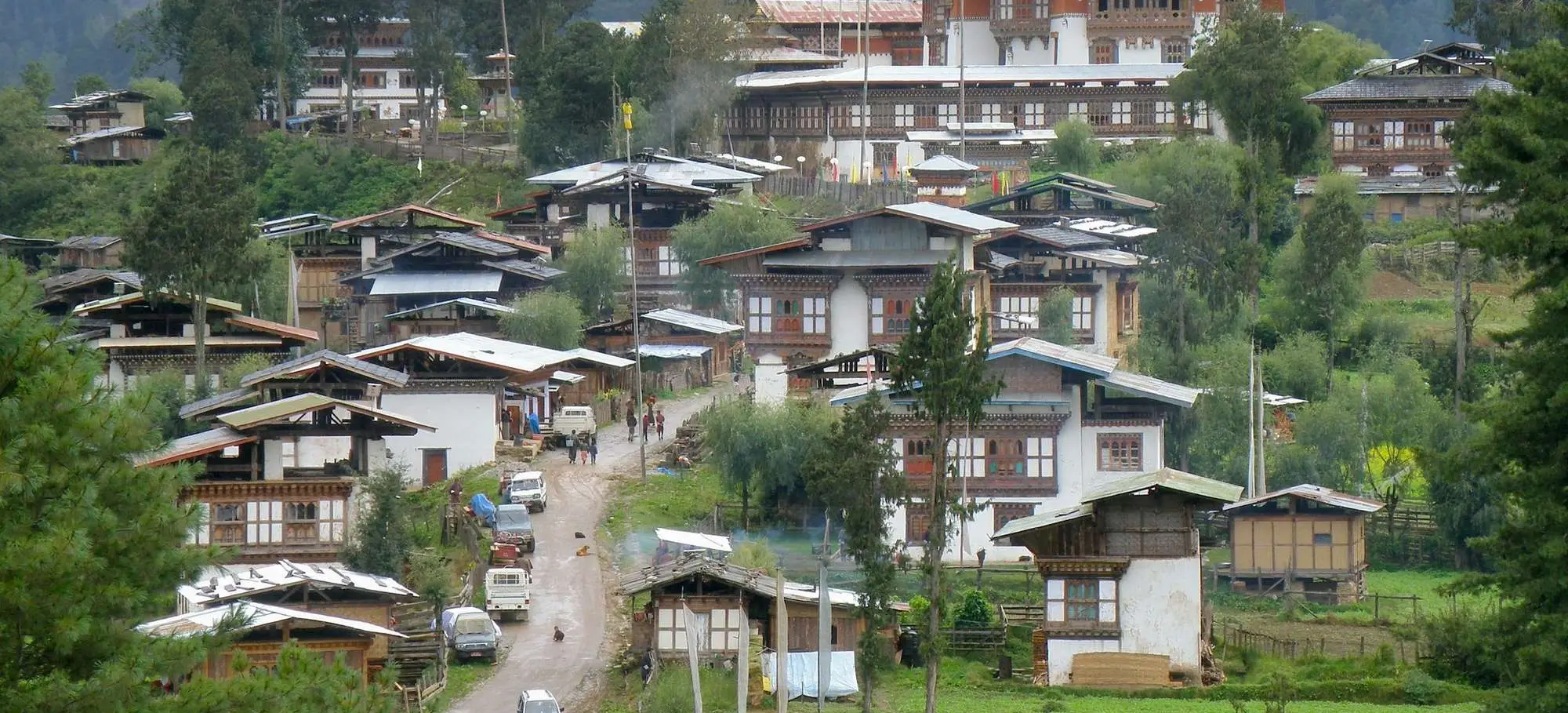
Day 12: Phobjikha
Today begins with a short drive to Kabesa Valley followed by a scenic hike through rice fields toward Khamsum Yuelley Namgyal Chorten. The temple sits atop a hill and offers beautiful panoramic views across the surrounding valley. The chorten itself is a remarkable example of Bhutanese architecture and religious symbolism. Later, visit Punakha Dzong, one of Bhutan’s most magnificent fortresses.
Located at the meeting point of two rivers, the dzong serves as the winter residence of the monastic order and an important administrative center. In the afternoon, drive through forested mountain roads toward the remote Phobjikha Valley. The journey passes through bamboo and oak forests before reaching the wide glacial valley known for its scenic beauty.
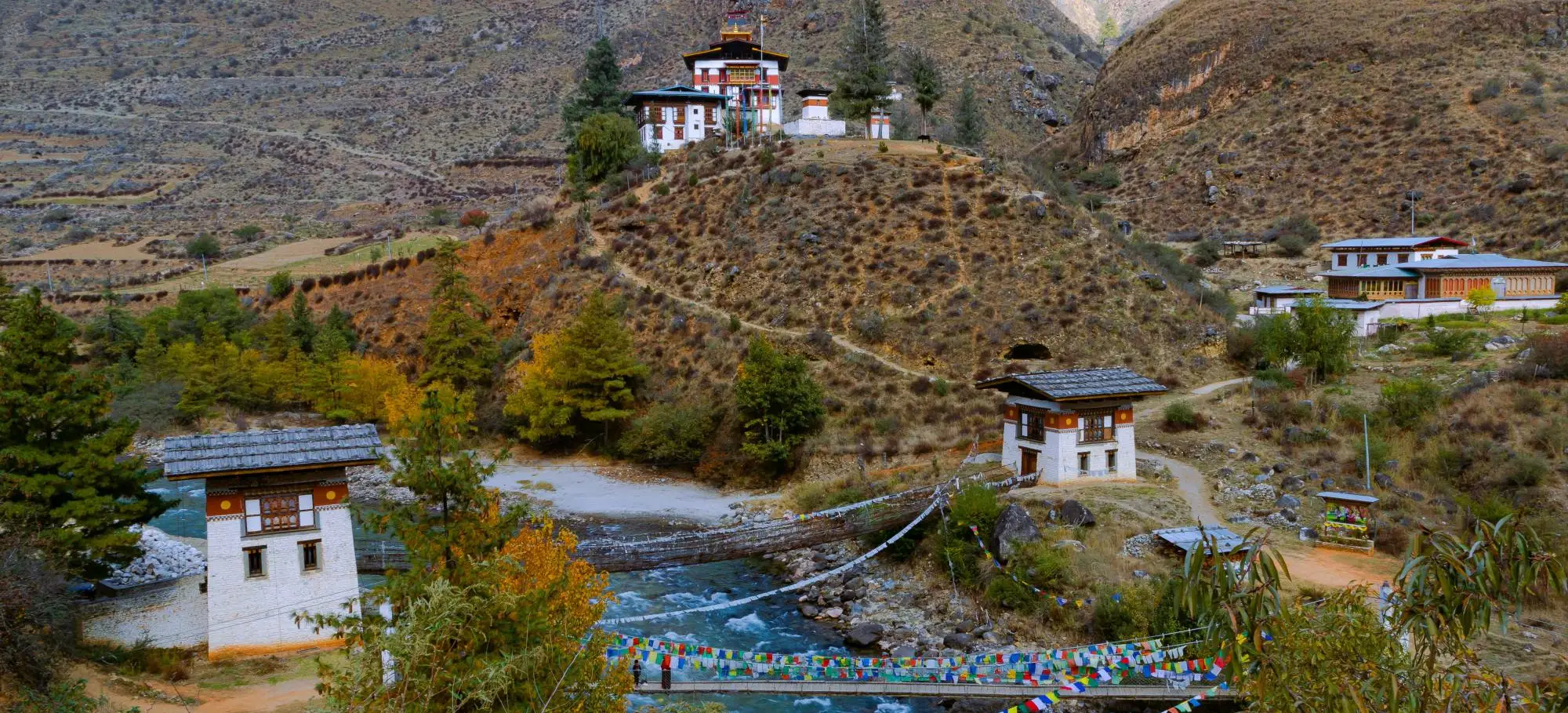
Day 13: Paro
The beautiful Phobjikha Valley is known for its peaceful atmosphere and unique natural environment. Begin the day with a visit to the historic Gangtey Gompa monastery overlooking the valley. Afterwards enjoy a gentle hike through the glacial landscape, an area that becomes home to endangered black necked cranes during the winter months.
The valley’s blend of farmland and protected habitat reflects Bhutan’s strong commitment to conservation. Visit the Black Necked Crane Information Centre to learn about these remarkable migratory birds and observe the surrounding wetlands. The day also includes time to walk through local villages and visit traditional farmhouses.
In the evening drive back to Paro where you relax with a traditional Bhutanese hot stone bath and a farewell farmhouse dinner.
Day 14: Departure
Your Bhutan journey concludes today in the peaceful Paro Valley. After breakfast at the hotel, there is time to reflect on the experiences of the past two weeks, from trekking through remote Himalayan valleys to exploring Bhutan’s historic towns and monasteries. Your driver will transfer you to Paro International Airport for your onward journey.
As you depart, the surrounding mountains provide a final glimpse of Bhutan’s extraordinary landscapes. The memories of dramatic peaks, ancient dzongs, welcoming communities, and pristine nature create a lasting impression of this unique Himalayan kingdom.
Ready to plan your adventure? Download a print-ready detailed itinerary.
Map
Dates and Prices
Book with Confidence: For scheduled group departures, your 20% deposit is fully refundable until 60 days before departure. Solo travellers booking 120+ days in advance can avoid a mandatory Single Supplement. See terms & conditions.
Couldn't find a trip with convenient dates?
Open your date as a join-in tour or customize further as a private one.
Essential Info
Inclusions
LODGING
All hotels as mentioned in the tour details or similar (subject to availability).
trip leader
Expert Trip Leader(s) who look after your every need and add meaning to your vacation.
Luggage Transfer
Transportation of luggage from one hotel to another.
Airport pickup
Enjoy a hassle-free group airport pickup to start your journey. Available only on the tour start date.
Airport drop
Enjoy a hassle-free group airport drop to finish your journey. Available only on the tour end date.
meals
Meals as per itinerary. Guests are given the opportunity to dine on their own so that they discover a location independently.
Additional Inclusions
• Sustainable Tourism Fee/ Tourism Tax USD 100 per person per night payable to the govt. • Visa Fees ($40 per person) payable to Dept of Immigration. • All necessary permit fees • All transfers and sightseeing • All meals and evening tea • Drinking mineral water in the car • Accommodations in 3-star hotels • English-speaking trekking tour leader and driver • All trekking equipment • All trekking haulage including ponies and crew • All trekking crew services • Excellent SUV car • Monument Entrance fees to monasteries/fortresses/museums etc worth USD 150 payable to Dept of Culture
Exclusions
Beverages
Beverages such as alcohol, tea, coffee, juice at a hotel or restaurant.
Gratuity
Gratuities for your guide team are not included in the trip price.
Paro
Paro
Paro International Airport (PBH)
Paro International Airport (PBH)
ARRIVAL
Your tour begins in Paro, Bhutan, which is served by Paro International Airport (PBH), the country’s main international gateway. After landing, proceed through immigration and baggage claim before exiting the arrival terminal, where you will meet your tour guide or driver for your transfer. Most international travelers reach Paro via connecting flights from cities such as Delhi, Kathmandu, Bangkok, or Singapore.
The airport is located close to Paro town, and transfers to hotels in the valley typically take 15 to 20 minutes by vehicle. Private vehicles arranged by your tour operator are the most convenient way to reach your accommodation after arrival.
DEPARTURE
Your tour concludes in Paro, with departures from Paro International Airport (PBH). On the final day, you will be transferred from your hotel to the airport for your onward flight. Since Paro Airport has a small terminal and limited daily flights, it is recommended to arrive at least 2 hours before departure.
Flights from Paro commonly connect to major regional hubs such as Delhi, Kathmandu, Bangkok, and Singapore, making it convenient for travelers to continue their international journey. Your hotel or tour operator can assist with arranging the transfer to the airport.
The Jhomolhari Trek reaches higher altitudes, so stable weather is especially important. April and May offer excellent trekking conditions with clear skies and blooming rhododendrons. Daytime temperatures often range between 4°C and 14°C (39°F to 57°F) at trekking elevations.
October and November are another prime window with dry weather and spectacular mountain views, with daytime temperatures around 5°C to 15°C (41°F to 59°F). Early summer may bring cloud cover and occasional rain, while winter months can be extremely cold with snow blocking high passes.
January
Offseason
February
Offseason
March
Mixed
April
Best
May
Best
June
Mixed
July
Offseason
August
Mixed
September
Mixed
October
Best
November
Best
December
Mixed
Best
Good
Mixed
Offseason
Packing wisely ensures comfort and safety on your hiking adventure. This list covers essential hiking gear, clothing, and travel items to help you handle varied terrain and weather conditions.
Recommended Hiking Clothes & Gear
- Lightweight hiking shoes or boots with good traction.
- Moisture-wicking base layers and breathable hiking shirts.
- Quick-dry hiking pants or shorts.
- Light fleece or down jacket for cooler temperatures.
- Waterproof and windproof shell jacket.
- Sun hat and sunglasses with UV protection.
- Hiking poles (optional but recommended on uneven terrain).
- Small daypack with hydration system or water bottles.
- Headlamp or small flashlight.
- Light gloves and beanie for early mornings or high altitudes.
Clothing
- Layered clothing for temperature changes throughout the day.
- Full-sleeved tops for sun and insect protection.
- Comfortable evening wear for lodges or inns.
- Compact rain jacket for unpredictable weather.
- Extra socks (preferably synthetic or wool).
Other Necessities
- Basic first-aid kit with personal medication.
- Sunscreen, lip balm, and insect repellent.
- Reusable water bottle or hydration bladder.
- Snacks like trail mix, nuts, or energy bars.
- Plug adaptor and power bank for charging devices.
Pro Tips
- Pack light — you’ll appreciate it on uphill climbs.
- Break in your shoes before the trip to avoid blisters.
- Keep rain gear easily accessible in your daypack.
Luggage
Please limit your luggage to one medium-sized suitcase and one daypack. Mark your luggage clearly with your name, address, and phone number.
Before venturing on your adventure, make sure you're equipped with essential travel advice, including security updates, local laws, and crucial passport and visa information. Start by visiting the official government website of your home country for accurate and reliable guidance:
- UK Residents: Stay informed by reviewing the Foreign, Commonwealth & Development Office (FCDO) Travel Advice.
- US Residents: Access vital travel tips and updates through the US Department of State Travel Advice.
- Australian Residents: Plan ahead with the latest updates on the Smart Traveller website.
- Canadian Residents: Find comprehensive travel and visa guidance on the Government of Canada's Travel Advice and Advisories.
- New Zealand Residents: Get practical travel advice on the New Zealand SafeTravel website.
- Residents of Other Countries: Check with your government or local consulate for tailored travel advice and requirements.
Note: Passport and visa regulations can change at any time. Stay proactive by checking for the latest updates to ensure a smooth and stress-free journey.
Medical insurance that covers medical costs in case of an accident during the trip is mandatory to participate in our tours.
We recommend purchasing adequate travel insurance to protect yourself from unforeseen events. Our experience shows that guests who purchase travel insurance—including coverage for all activities on the itinerary, trip cancellation, interruption, delay, baggage damage, loss or theft, personal accident, death and repatriation costs, medical and emergency expenses (including Covid-19), and personal liability—travel with greater peace of mind.
Is proof of medical insurance required?
Yes. You must provide your insurer's name, policy number, and emergency contact via our reservation form. This is mandatory. If you cannot provide proof, you’ll need to purchase insurance before traveling with us.
Can I use my credit card insurance?
Yes, as long as it meets our requirements and provides adequate coverage. Ensure you have an emergency contact number and policy number available.
When should I buy travel insurance?
Purchase travel insurance as soon as you've paid in full or booked your flights.
Does Art of Bicycle Trips sell travel insurance?
We do not sell travel insurance directly, as we believe our customers should have the freedom to choose a policy that best suits their needs. However, we recommend Insured Nomads as a great starting point.
