
Guided Druk Path Trek
This 10-night, 11-day journey through Bhutan combines trekking, culture, and nature for a well-rounded Himalayan adventure. The trip begins in Paro with visits to important landmarks like Kyichu Lhakhang and the famous Tiger’s Nest Monastery, giving you a first glimpse of Bhutan’s spiritual heritage. From there, the highlight of the journey unfolds with the four-day Druk Path Trek, a scenic trail connecting Paro and Thimphu.
Along the way, you’ll hike through forests, alpine meadows, and high mountain passes, camp beside pristine lakes, and enjoy sweeping views of the Himalayas. After the trek, the itinerary slows down with cultural exploration in Thimphu and Punakha, including temples, museums, village walks, and local markets.
The experience also includes farmhouse visits, traditional cuisine, and opportunities to connect with Bhutanese culture and daily life. It’s an immersive trip that blends adventure, landscapes, and authentic local experiences in the Land of the Thunder Dragon.
Guided
moderate
10 km / 6 mi
9
casual Inns
Min. 4, Max. 14
Highlights

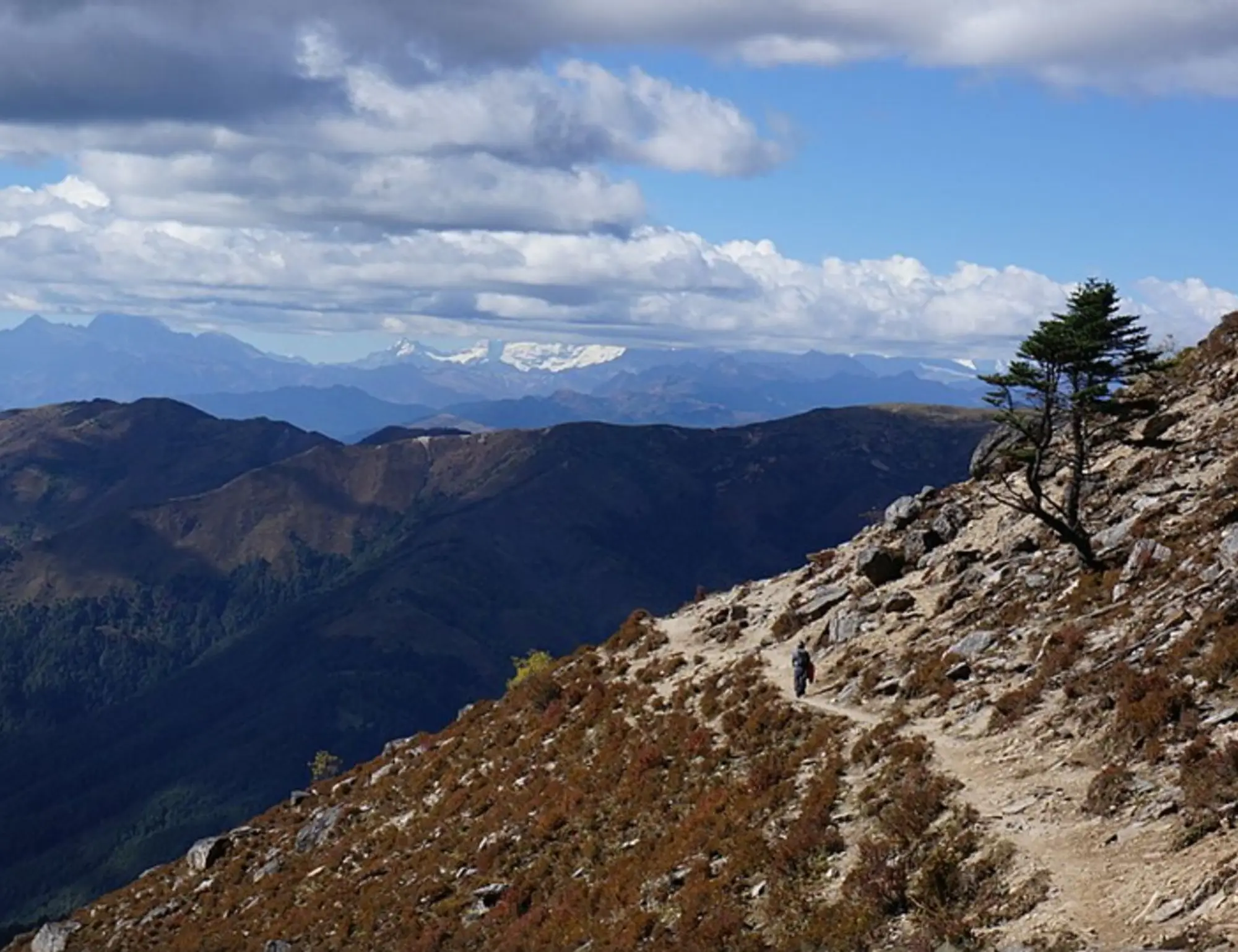
Trek the Druk Path
Hike one of Bhutan’s most scenic trekking routes between Paro and Thimphu, passing forests, alpine meadows, mountain passes, and beautiful high-altitude lakes.
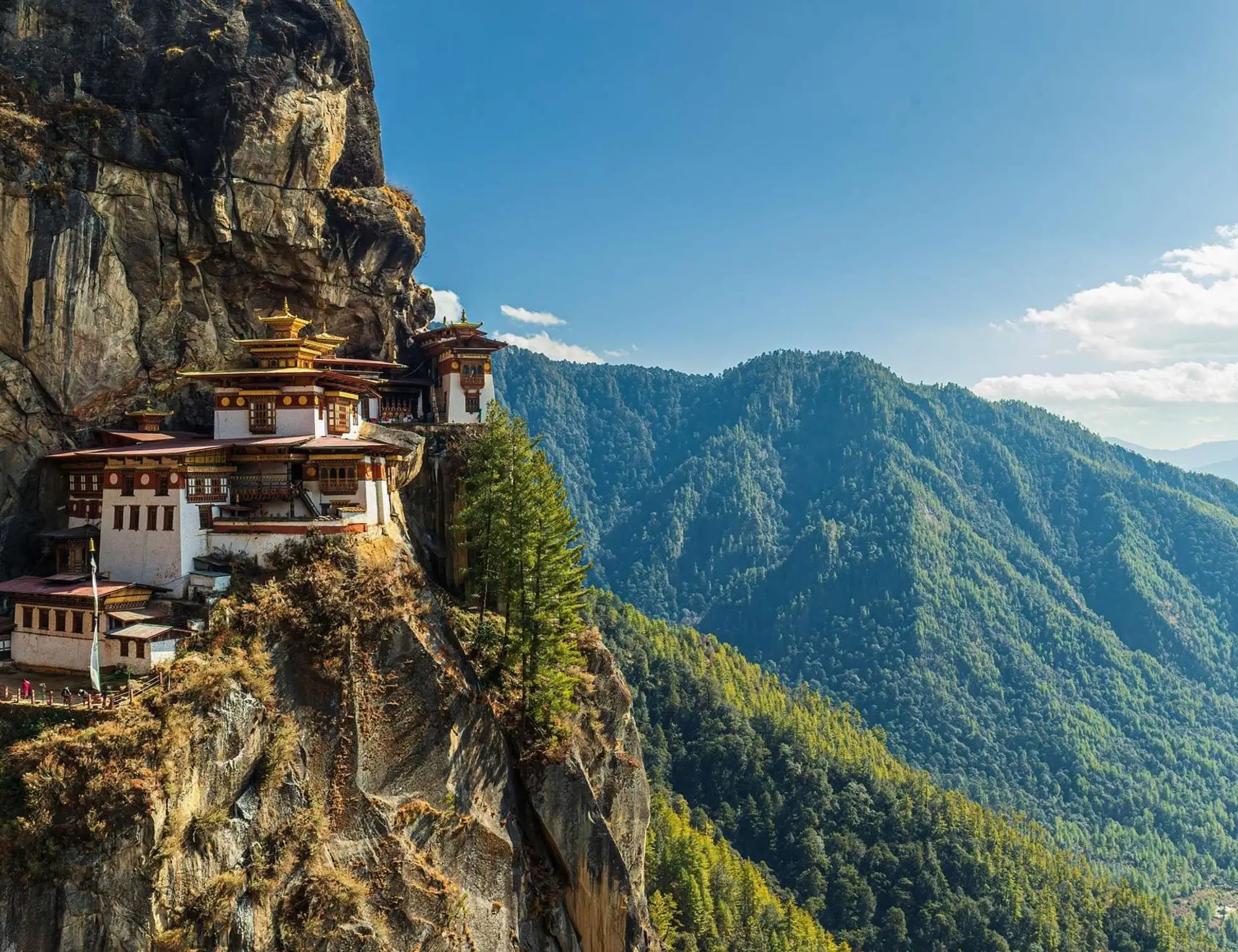
Tiger’s Nest Monastery
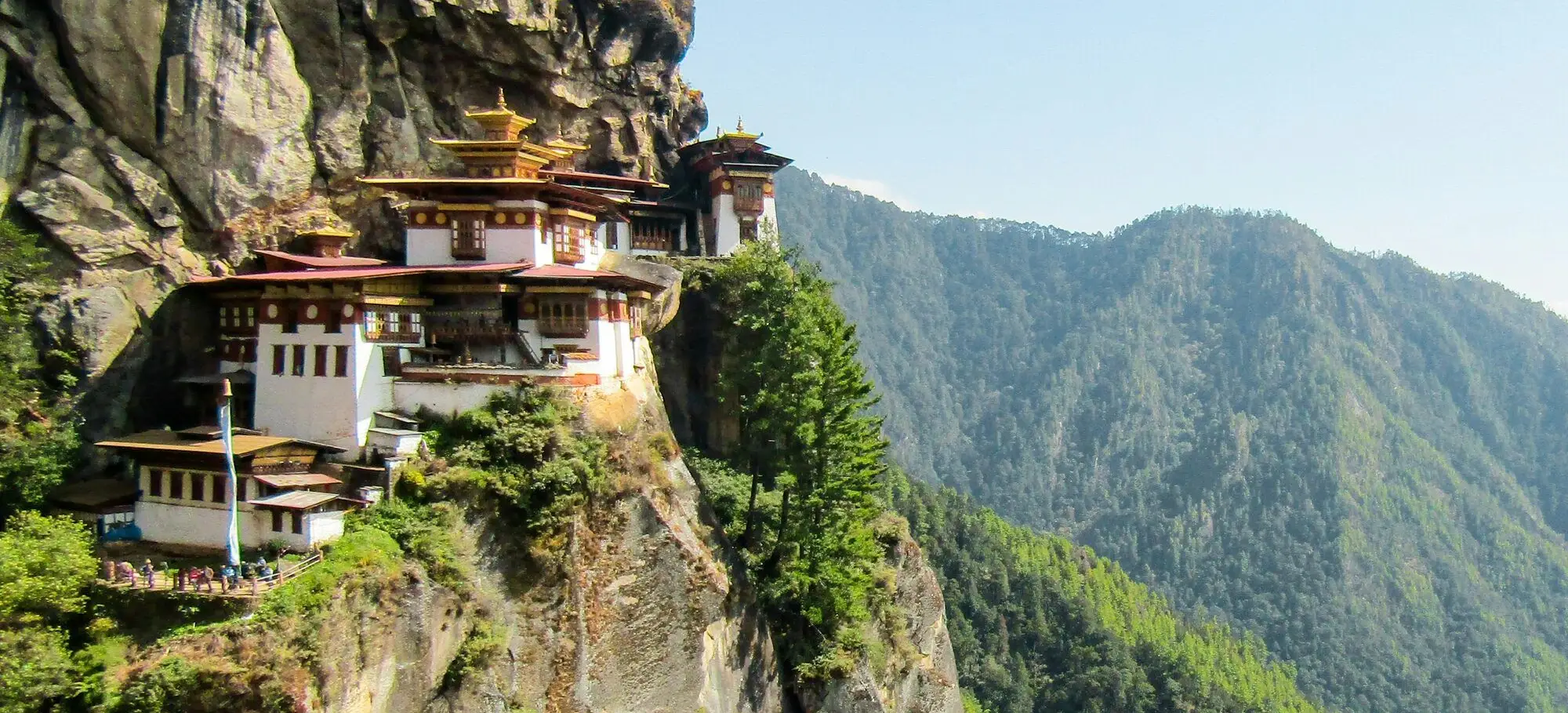
Visit the iconic Taktsang Monastery, dramatically perched on a cliff above Paro Valley and considered one of Bhutan’s most sacred sites.
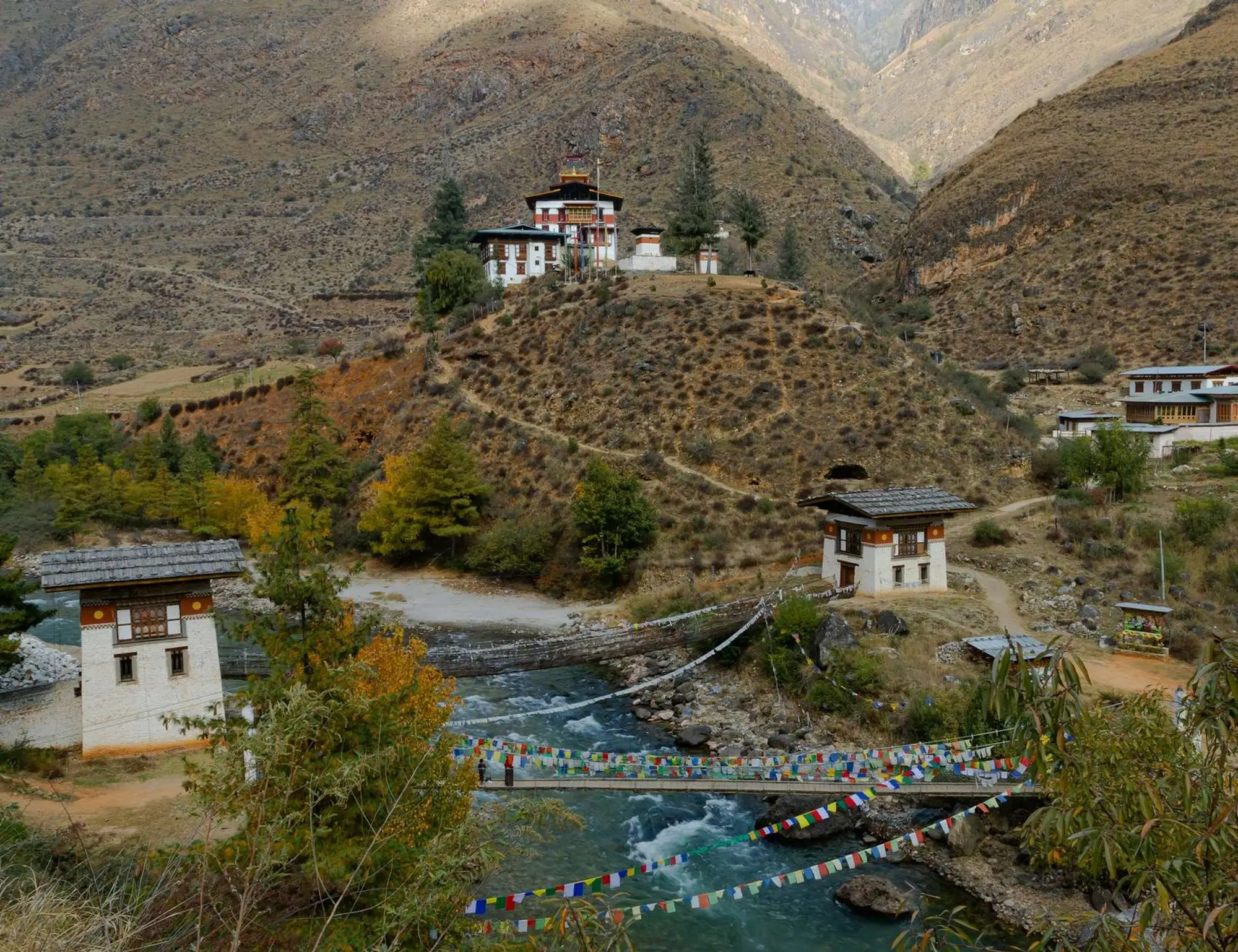
Experience Local Bhutanese Culture
Enjoy authentic experiences such as farmhouse visits, traditional Bhutanese cuisine, and relaxing hot-stone baths.
Itinerary
Brief Itinerary
Meals are indicated as B = Breakfast, L = Lunch, D = Dinner.
Listed hotels are subject to availability and may be replaced with similar alternatives of equal standard.
| Day | Place | casual Inns | Meals | Distance | Activity |
|---|---|---|---|---|---|
| DAY 1 | Paro | Mandala Resort | D | ||
| DAY 2 | Paro | Mandala Resort | B,L,D | 7 km / 4 mi | hiking |
| DAY 3 | Jele Dzong | Camping | B,L,D | 9 km / 6 mi | hiking |
| DAY 4 | Jangchulakha | Camping | B,L,D | 10 km / 6 mi | hiking |
| DAY 5 | Jimilangtsho Lake | Camping | B,L,D | 11 km / 7 mi | hiking |
| DAY 6 | Simkota Tsho | Camping | B,L,D | 11 km / 7 mi | hiking |
| DAY 7 | Thimphu | Pelyang Boutique | B,L,D | 14 km / 9 mi | hiking |
| DAY 8 | Thimphu | Pelyang Boutique | B,L,D | 6 km / 4 mi | hiking |
| DAY 9 | Punakha | Hotel Lobesa | B,L,D | 18 km / 11 mi | hiking |
| DAY 10 | Paro | Mandala Resort | B,L,D | 3 km / 2 mi | hiking |
| DAY 11 | Departure | B |
Detailed Itinerary

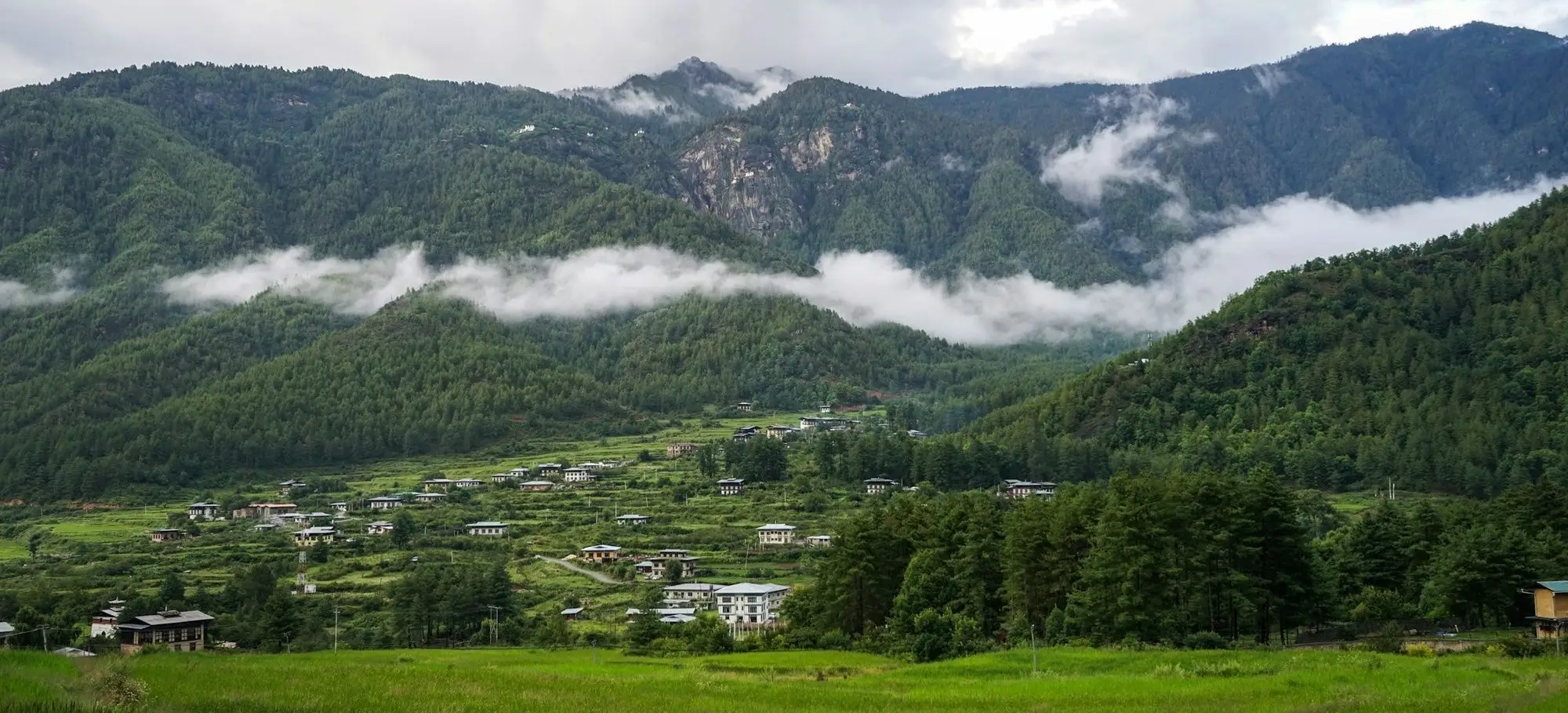
Day 1: Paro
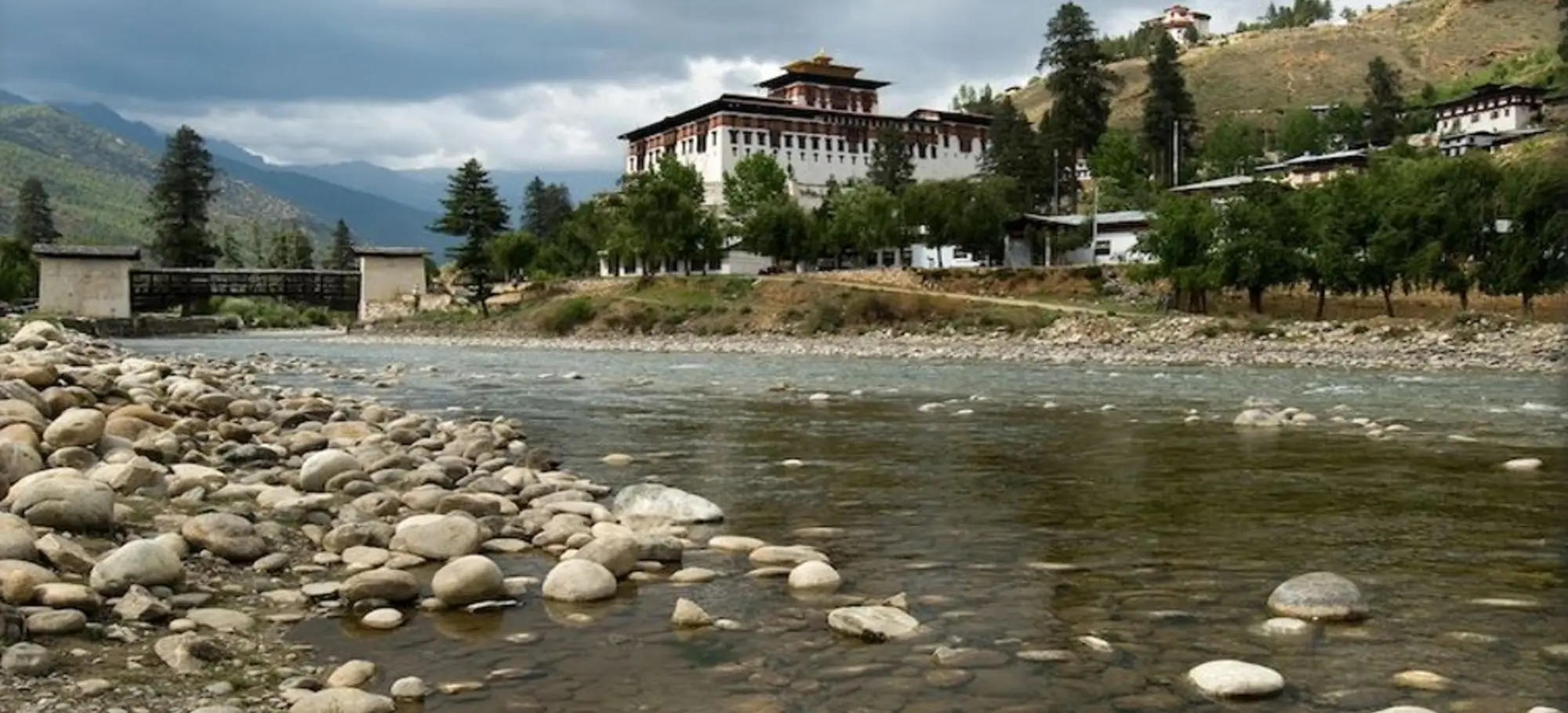
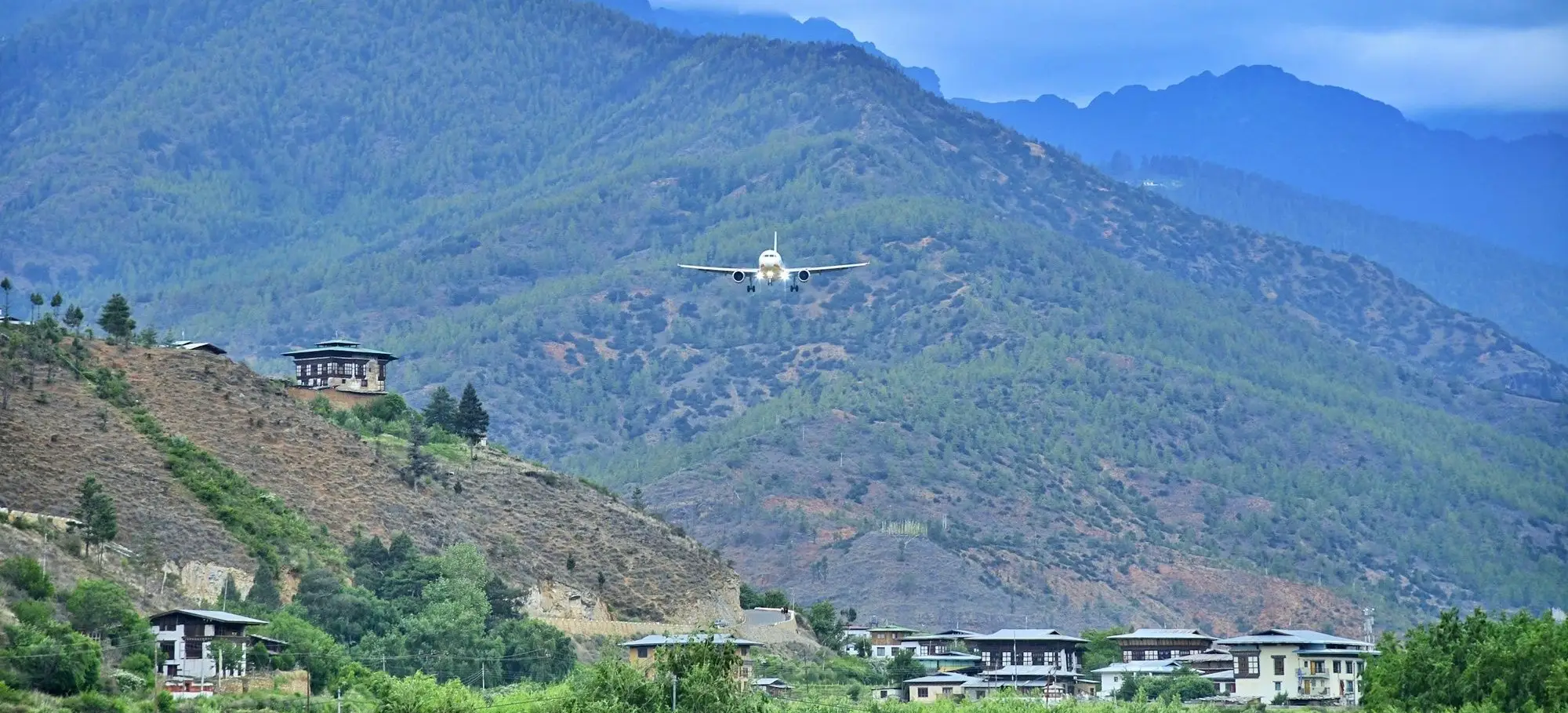
Your journey in Bhutan begins with a spectacular flight into Paro Valley, offering close views of the towering Himalayas and glacial peaks such as Everest, Kanchenjunga, and Bhutan’s sacred Mt. Jomolhari. As the aircraft descends into the valley, forested hills, the winding Paro Chu river, and the imposing Paro Dzong create a memorable first impression.
After landing at Paro International Airport, you will be greeted by your guide and transferred to your hotel for a short rest. Later, visit Kyichu Lhakhang, one of the oldest temples in Bhutan. Continue to Rinpung Dzong, a historic fortress overlooking the valley, followed by a visit to the National Museum.
In the evening, stroll through Paro town to explore handicraft shops before enjoying a welcome dinner featuring authentic Bhutanese cuisine.
Day 2: Paro
Today features one of Bhutan’s most iconic experiences with an excursion to the renowned Taktsang Monastery, widely known as Tiger’s Nest. Built in 1692 and dramatically perched on a cliffside high above Paro Valley, this sacred site is among the most revered pilgrimage destinations in Bhutan. The hike to the monastery also helps you acclimatize before beginning the trek in the coming days.
Your guide will share stories about the monastery’s spiritual significance and its historic origins. On the return journey, stop at the ruins of Drukgyel Dzong, a 17th century fortress that once protected the region from Tibetan invasions. On clear days, the majestic peak of Mount Jomolhari rises in the distance. Spend the evening exploring Paro town at a relaxed pace.
Day 3: Jele Dzong
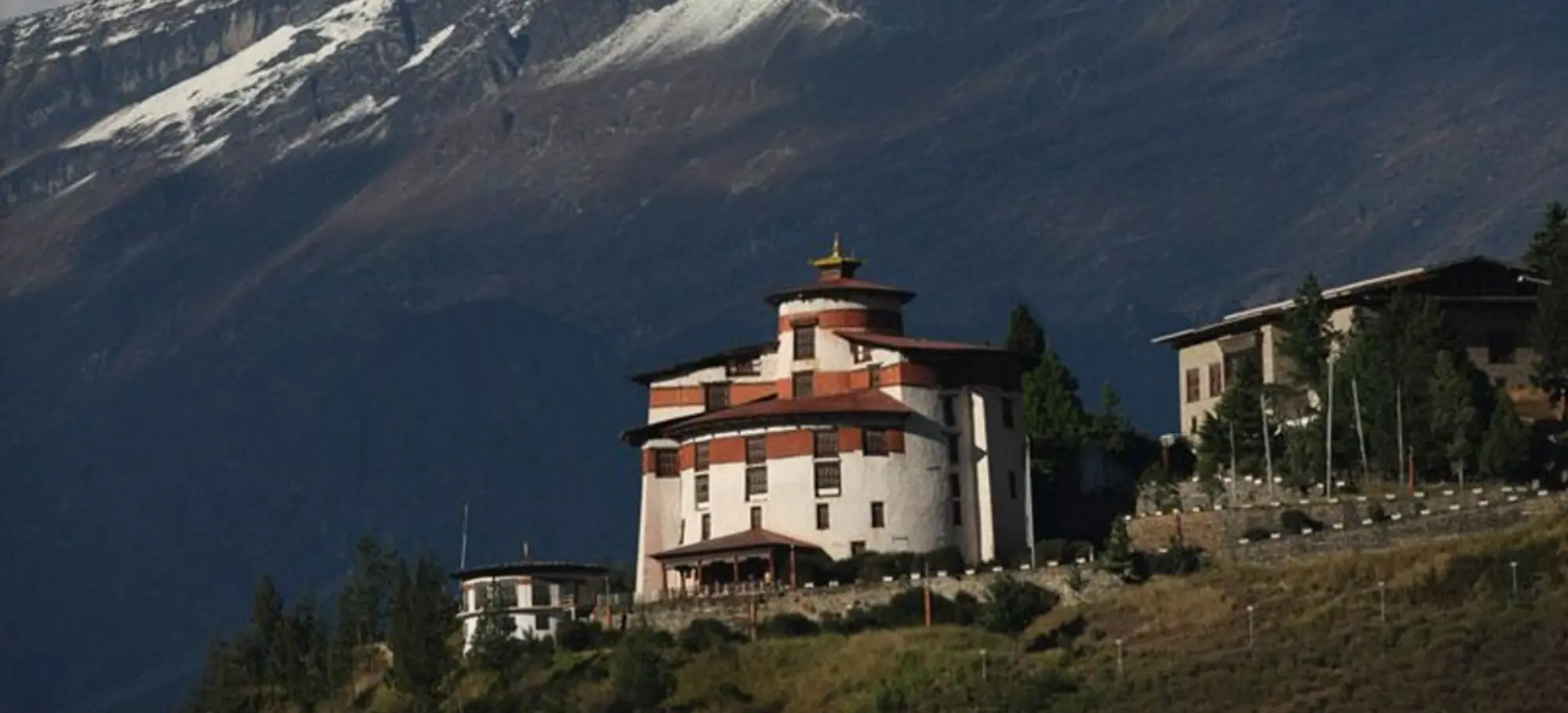
Your trekking adventure begins today as you set out from the Paro Ta Dzong area and gradually ascend toward Jele Dzong. The trail leads through lush forests and scenic landscapes while steadily gaining elevation. Along the way, you may pass small villages, open meadows, and rhododendron forests that create a peaceful mountain atmosphere.
As the trail climbs higher, occasional glimpses of distant snow covered peaks appear on the horizon. The path includes some steep sections and uneven terrain, so a steady pace is maintained throughout the journey. After several hours of hiking, you reach Jele Dzong, a historic fortress perched along a ridge with panoramic views of Paro Valley below.
Your trekking crew prepares the campsite while you relax and take in the surrounding mountain scenery.
Day 4: Jangchulakha
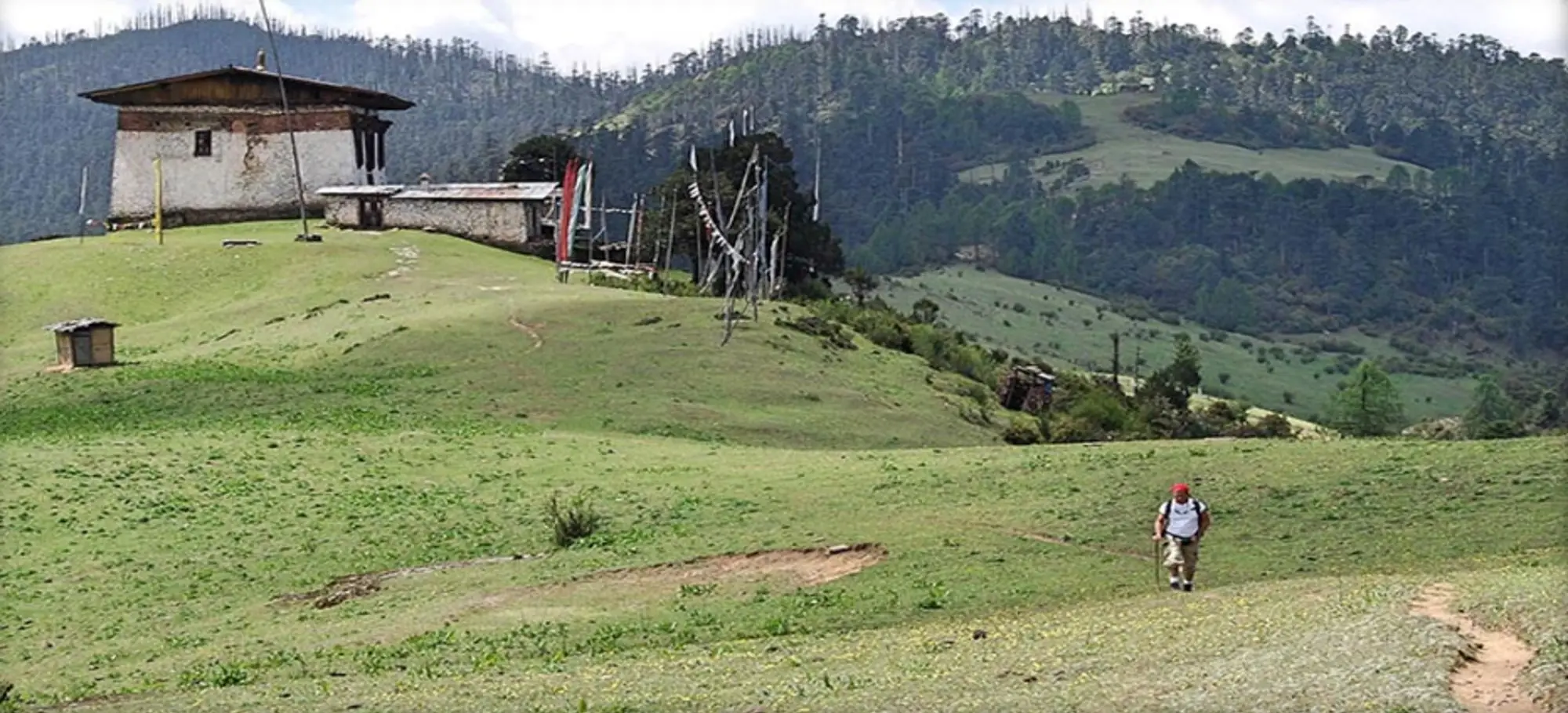
Begin the day with a visit to Jele Dzong, where you can explore the main chapel and admire its large statues. Afterward, continue trekking toward Jangchulakha. The route begins with a moderate ascent through alpine meadows and across small mountain streams. As the trail progresses, expansive views of surrounding valleys and peaks unfold across the horizon.
The landscape gradually transitions into forested sections interspersed with open meadows filled with wildflowers. Along the way, encounters with yak herders or traditional farmhouses offer glimpses of rural life in the high Himalayas. By late afternoon, you arrive at Jangchulakha, a peaceful campsite surrounded by sweeping mountain views.
The location is known for its dramatic sunrise and sunset scenery. Your trekking crew prepares the campsite for a comfortable evening.
Day 5: Jimilangtsho Lake
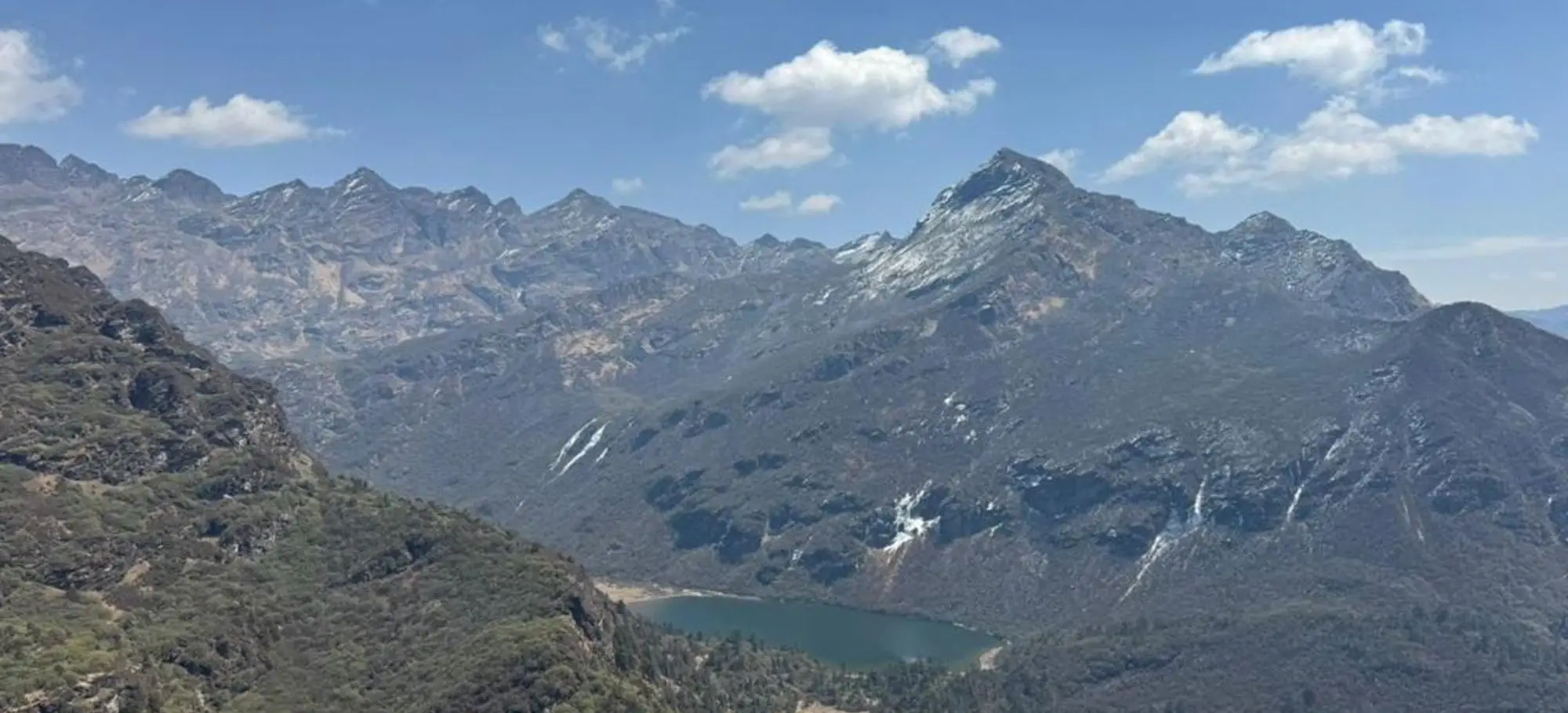
The trail today leads deeper into Bhutan’s pristine Himalayan wilderness as you trek from Jangchulakha toward the beautiful Jimilangtsho Lake. The route follows well marked mountain trails passing through dense forests, high meadows, and mountain ridges. Rhododendron trees line sections of the path, and small streams flow through the surrounding terrain.
As the day progresses, the elevation gradually increases while wide views of the surrounding peaks become more prominent. Grazing yaks and other wildlife may occasionally be seen along the trail. Eventually the landscape opens to reveal the serene waters of Jimilangtsho Lake, one of Bhutan’s sacred alpine lakes.
Surrounded by rugged mountains, the lake reflects the surrounding scenery in calm conditions. Your campsite is set beside the lake where the trekking crew prepares for the evening.
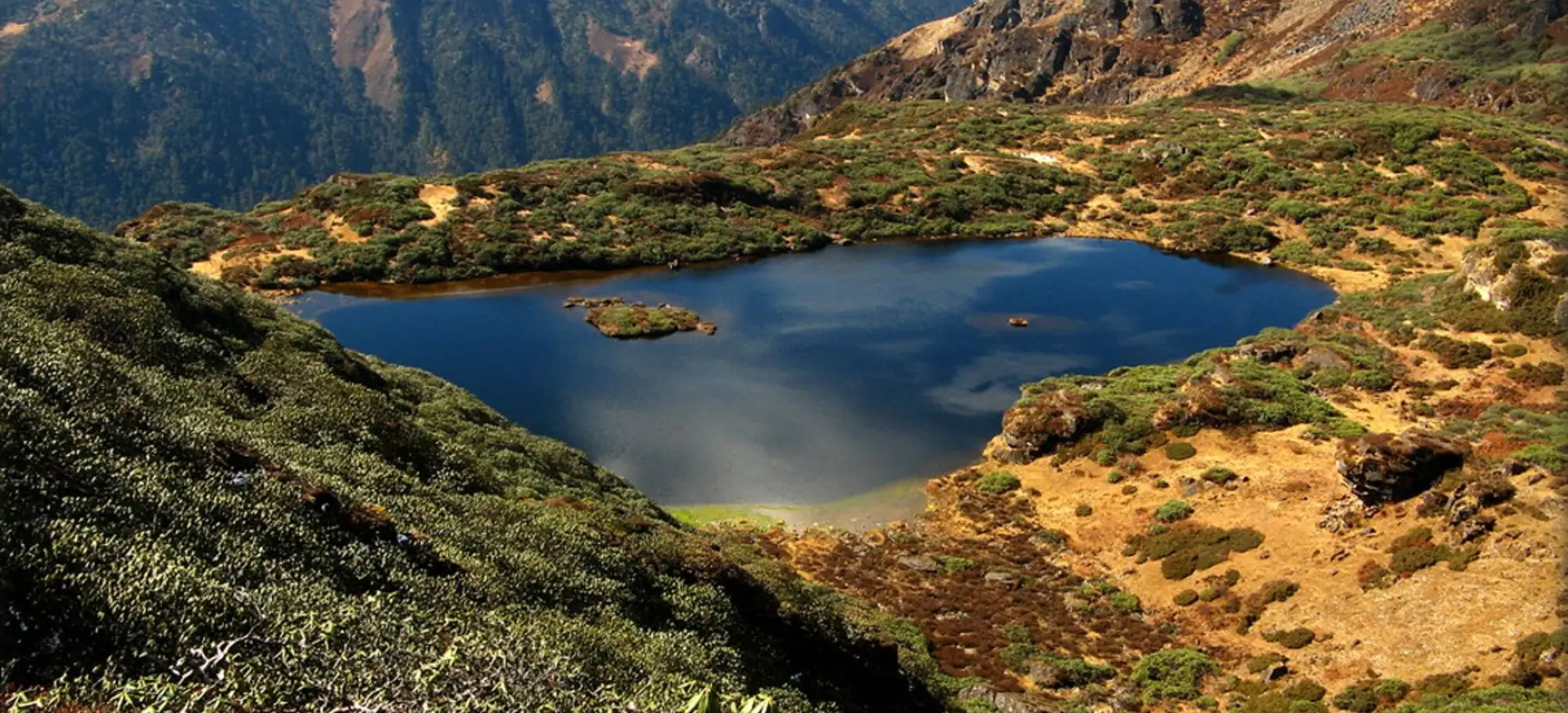
Day 6: Simkota Tsho
Leaving the tranquil shores of Jimilangtsho Lake behind, the trek continues across dramatic alpine landscapes toward Simkota Tsho. The trail winds through forests and open meadows before climbing gradually across high mountain terrain. Along the route, panoramic views of snow capped peaks and deep valleys accompany the journey. In spring, rhododendron forests add vibrant colors to the mountain scenery.
As you move deeper into the high Himalayas, the environment becomes quieter and more remote. Eventually the path reaches Simkota Tsho, a pristine alpine lake surrounded by towering mountains. Known for its crystal clear waters and peaceful setting, the lake provides a beautiful location to pause and absorb the mountain atmosphere.
The campsite nearby offers a calm and scenic environment for the evening.
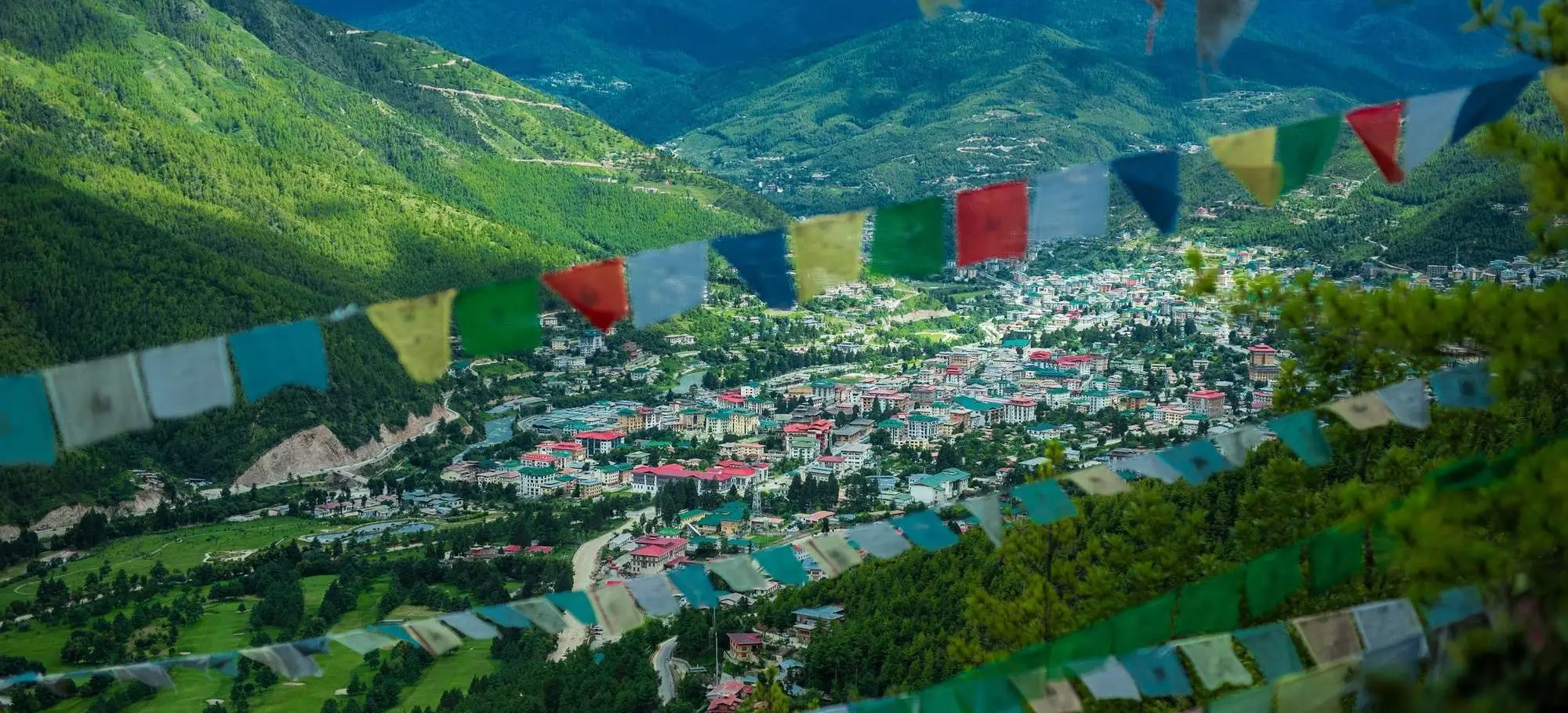
Day 7: Thimphu
Your final trekking day begins at the shores of Simkota Tsho before descending toward Motithang near Thimphu. The trail gradually transitions from the high alpine environment into forested hills and open valleys. Along the way, you may encounter local villagers traveling between settlements, offering a glimpse of daily life in rural Bhutan.
The changing landscape marks the gradual return from remote wilderness toward Bhutan’s capital region. Occasional viewpoints provide one last opportunity to admire the surrounding mountains before the trek concludes. After reaching Motithang, you drive onward and later continue to Paro.
In the evening, visit a traditional heritage farmhouse where you can interact with local hosts and enjoy regional cuisine. Those interested may also experience a traditional hot stone bath to relax after the trek.
Day 8: Thimphu
After breakfast, explore Bhutan’s capital city beginning with a visit to Kuensel Phodrang, home to the towering Buddha Dordenma statue overlooking Thimphu Valley. From this viewpoint, enjoy panoramic scenery before setting out on a gentle 6 km hike along one of the city’s popular trails leading to Changangkha Temple.
Later, visit the Royal Takin Preserve to observe Bhutan’s unique national animal. After lunch at a local café, continue exploring Thimphu’s cultural landmarks including the Folk Heritage Museum and the Royal Textile Museum, where Bhutan’s traditional weaving techniques are preserved. In the afternoon, walk through the Crafts Bazaar and the Centennial Market to experience local daily life.
Day 9: Punakha
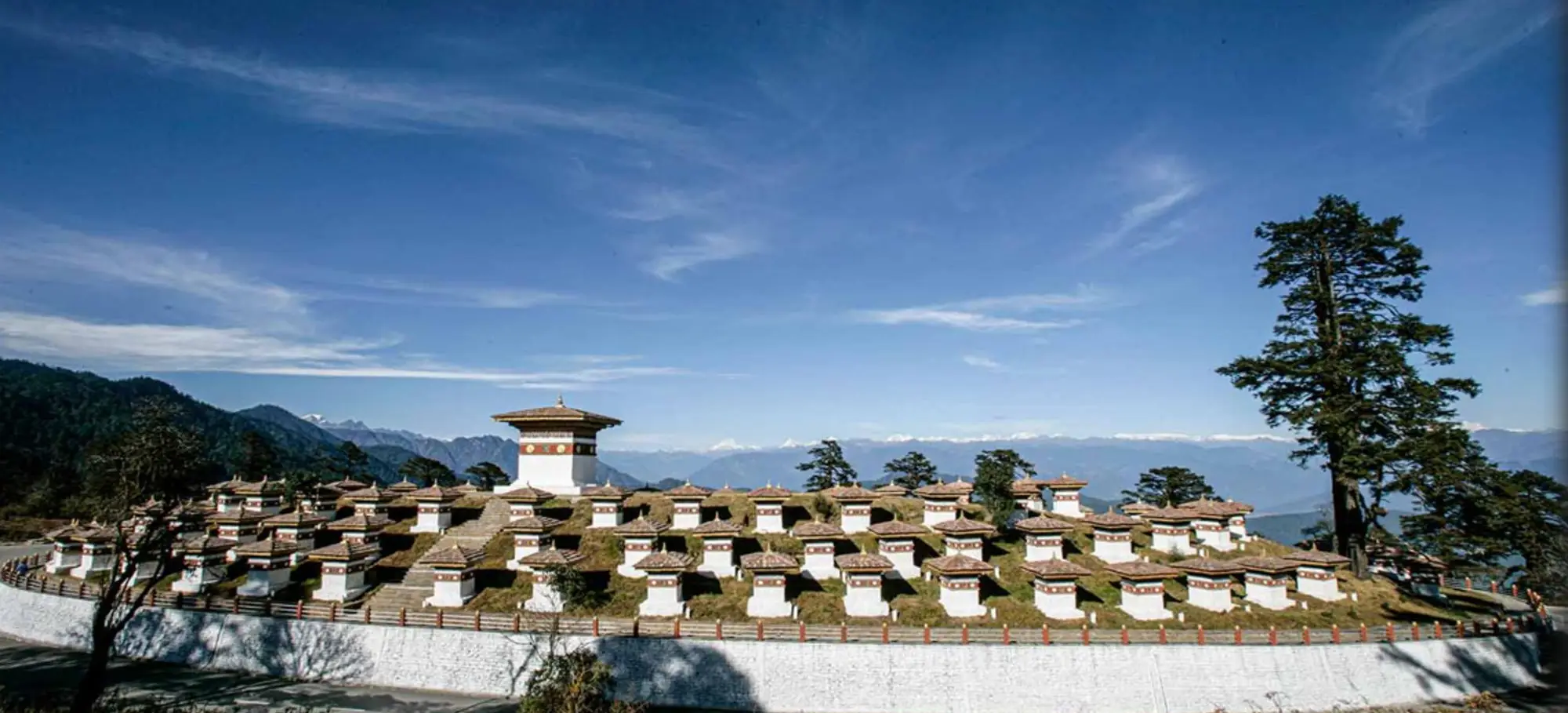
Today’s journey takes you across scenic mountain roads toward the historic valley of Punakha. After breakfast, drive to Dochula Pass at 3,140 meters where 108 chortens stand among fluttering prayer flags against a Himalayan backdrop. From here, choose between two hiking options. A more challenging hike leads to Lungtsezelkha Temple through rhododendron forests and alpine terrain with wide Himalayan views.
Alternatively, an easier section of the Trans Bhutan Trail descends through dense forests and village landscapes toward Punakha Valley. Upon reaching the valley, visit Chhimi Lhakhang, a monastery dedicated to the legendary figure known as the Divine Madman. The short walk to the temple passes through peaceful villages and rice fields before arriving at your resort overlooking the valley.
Day 10: Paro
Begin the day with a drive into Kabesa Valley followed by a scenic hike through rice fields toward the hilltop Khamsum Yuelley Namgyal Stupa. The walk takes around forty five minutes and rewards you with beautiful views across the valley and river below. The temple itself showcases exceptional Bhutanese architecture and artistic detail.
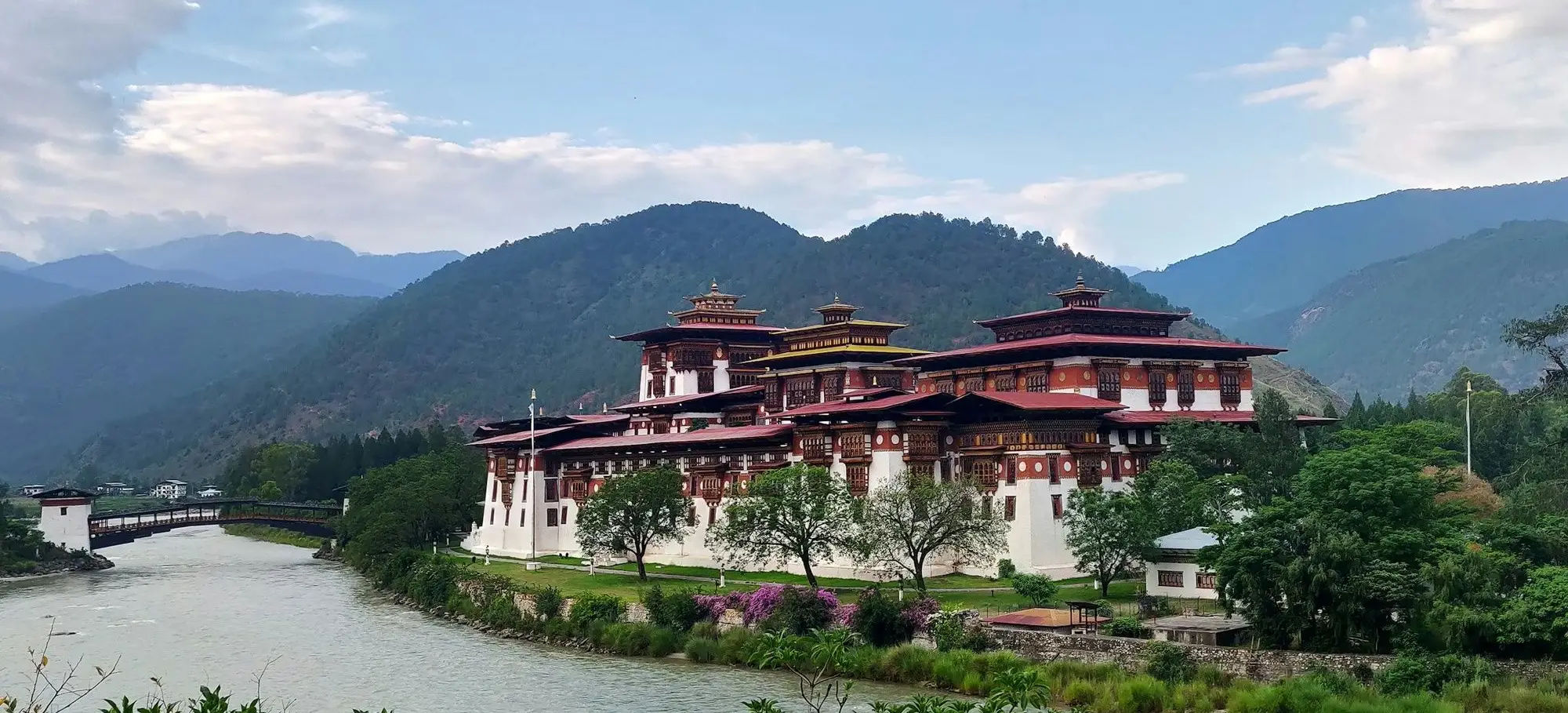
Later, continue to Punakha Dzong, one of Bhutan’s most beautiful fortresses situated at the meeting point of two rivers. Your guide explains the significance of the monastery complex, which serves as the winter residence of Bhutan’s monastic leadership. After exploring the dzong, return by road to Paro.
In the evening, unwind with a traditional hot stone bath and enjoy a farewell dinner featuring Bhutanese specialties in a welcoming farmhouse setting.
Day 11: Departure
Your Bhutan journey concludes today in the peaceful Paro Valley. After breakfast at your hotel, enjoy a relaxed morning before preparing for departure. Depending on your flight schedule, there may be time for a final walk through Paro town or simply to take in the quiet mountain surroundings one last time. Your driver will transfer you to Paro International Airport for your onward journey.
The short drive to the airport offers final views of forested hills, traditional Bhutanese architecture, and the winding Paro Chu river that has accompanied your journey since arrival. As your flight departs, you leave behind a country known for its dramatic landscapes, vibrant culture, and deeply rooted traditions that define the Himalayan kingdom of Bhutan.
Ready to plan your adventure? Download a print-ready detailed itinerary.
Map
Dates and Prices
Book with Confidence: For scheduled group departures, your 20% deposit is fully refundable until 60 days before departure. Solo travellers booking 120+ days in advance can avoid a mandatory Single Supplement. See terms & conditions.
Couldn't find a trip with convenient dates?
Open your date as a join-in tour or customize further as a private one.
Essential Info
Inclusions
LODGING
All hotels as mentioned in the tour details or similar (subject to availability).
trip leader
Expert Trip Leader(s) who look after your every need and add meaning to your vacation.
Luggage Transfer
Transportation of luggage from one hotel to another.
Airport pickup
Enjoy a hassle-free group airport pickup to start your journey. Available only on the tour start date.
Airport drop
Enjoy a hassle-free group airport drop to finish your journey. Available only on the tour end date.
meals
Meals as per itinerary. Guests are given the opportunity to dine on their own so that they discover a location independently.
Additional Inclusions
• Sustainable Tourism Fee/ Tourism Tax USD 1,000 per person payable to the govt. • Visa Fees ($40 per person) payable to Dept of Immigration • All necessary permit fees • All transfers and sightseeing • All meals and evening tea • Drinking mineral water in the car • All accommodations • Camping • All Trekking equipment • All trekking haulage including ponies and crew • All trekking crew services • English-speaking tour leader and driver • Excellent SUV • All monument fees worth USD 100 payable to Dept. of Culture
Exclusions
Beverages
Beverages such as alcohol, tea, coffee, juice at a hotel or restaurant.
Gratuity
Gratuities for your guide team are not included in the trip price.
Paro
Paro
Paro International Airport (PBH)
Paro International Airport (PBH)
ARRIVAL
Your tour begins in Paro, Bhutan, the main gateway to the country. Travelers typically arrive by air at Paro International Airport (PBH). Direct flights operate from cities such as Delhi, Kathmandu, Bangkok, and Singapore with airlines like Drukair and Bhutan Airlines. Once you land at Paro Airport, your tour guide and driver will meet you at the arrival area and transfer you to your hotel in Paro Valley.
Since Bhutan follows a guided tourism system, airport pickup and local transfers are usually arranged as part of the tour package.
DEPARTURE
Your tour concludes in Paro, near Paro International Airport (PBH). On the final day, your driver will transfer you from your hotel to the airport for your onward flight. Paro Airport is located only about 15 minutes from Paro town, making the transfer quick and convenient. We recommend scheduling your departure flight after breakfast to allow enough time for check out, airport transfer, and flight check in procedures.
The Druk Path Trek runs between Paro and Thimphu and is best done when the mountain weather is clear. April and May bring mild temperatures and vibrant alpine scenery, with daytime temperatures usually around 6°C to 16°C (43°F to 61°F). The autumn months of October and November are equally favorable with crisp air and excellent visibility across the Himalayas.
Early monsoon months can bring clouds and occasional rain, while winter can be cold with snow possible near the higher passes.
January
Offseason
February
Offseason
March
Mixed
April
Best
May
Best
June
Mixed
July
Offseason
August
Mixed
September
Mixed
October
Best
November
Best
December
Mixed
Best
Good
Mixed
Offseason
Packing wisely ensures comfort and safety on your hiking adventure. This list covers essential hiking gear, clothing, and travel items to help you handle varied terrain and weather conditions.
Recommended Hiking Clothes & Gear
- Lightweight hiking shoes or boots with good traction.
- Moisture-wicking base layers and breathable hiking shirts.
- Quick-dry hiking pants or shorts.
- Light fleece or down jacket for cooler temperatures.
- Waterproof and windproof shell jacket.
- Sun hat and sunglasses with UV protection.
- Hiking poles (optional but recommended on uneven terrain).
- Small daypack with hydration system or water bottles.
- Headlamp or small flashlight.
- Light gloves and beanie for early mornings or high altitudes.
Clothing
- Layered clothing for temperature changes throughout the day.
- Full-sleeved tops for sun and insect protection.
- Comfortable evening wear for lodges or inns.
- Compact rain jacket for unpredictable weather.
- Extra socks (preferably synthetic or wool).
Other Necessities
- Basic first-aid kit with personal medication.
- Sunscreen, lip balm, and insect repellent.
- Reusable water bottle or hydration bladder.
- Snacks like trail mix, nuts, or energy bars.
- Plug adaptor and power bank for charging devices.
Pro Tips
- Pack light — you’ll appreciate it on uphill climbs.
- Break in your shoes before the trip to avoid blisters.
- Keep rain gear easily accessible in your daypack.
Luggage
Please limit your luggage to one medium-sized suitcase and one daypack. Mark your luggage clearly with your name, address, and phone number.
Before venturing on your adventure, make sure you're equipped with essential travel advice, including security updates, local laws, and crucial passport and visa information. Start by visiting the official government website of your home country for accurate and reliable guidance:
- UK Residents: Stay informed by reviewing the Foreign, Commonwealth & Development Office (FCDO) Travel Advice.
- US Residents: Access vital travel tips and updates through the US Department of State Travel Advice.
- Australian Residents: Plan ahead with the latest updates on the Smart Traveller website.
- Canadian Residents: Find comprehensive travel and visa guidance on the Government of Canada's Travel Advice and Advisories.
- New Zealand Residents: Get practical travel advice on the New Zealand SafeTravel website.
- Residents of Other Countries: Check with your government or local consulate for tailored travel advice and requirements.
Note: Passport and visa regulations can change at any time. Stay proactive by checking for the latest updates to ensure a smooth and stress-free journey.
Medical insurance that covers medical costs in case of an accident during the trip is mandatory to participate in our tours.
We recommend purchasing adequate travel insurance to protect yourself from unforeseen events. Our experience shows that guests who purchase travel insurance—including coverage for all activities on the itinerary, trip cancellation, interruption, delay, baggage damage, loss or theft, personal accident, death and repatriation costs, medical and emergency expenses (including Covid-19), and personal liability—travel with greater peace of mind.
Is proof of medical insurance required?
Yes. You must provide your insurer's name, policy number, and emergency contact via our reservation form. This is mandatory. If you cannot provide proof, you’ll need to purchase insurance before traveling with us.
Can I use my credit card insurance?
Yes, as long as it meets our requirements and provides adequate coverage. Ensure you have an emergency contact number and policy number available.
When should I buy travel insurance?
Purchase travel insurance as soon as you've paid in full or booked your flights.
Does Art of Bicycle Trips sell travel insurance?
We do not sell travel insurance directly, as we believe our customers should have the freedom to choose a policy that best suits their needs. However, we recommend Insured Nomads as a great starting point.
