
Overview
The Douro Valley is one of Portugal’s most evocative landscapes, a place where terraced hillsides descend toward a winding river and centuries of wine tradition shape both scenery and life. Seen from the trail, the valley feels layered and timeless. Stone villages rest along ridges, vineyard terraces ripple across the slopes, and the river glints far below as it curves quietly toward the Atlantic. For many travelers, hiking the Douro Valley becomes a way to move slowly through this world, noticing how human hands and natural forces have shaped the land together.
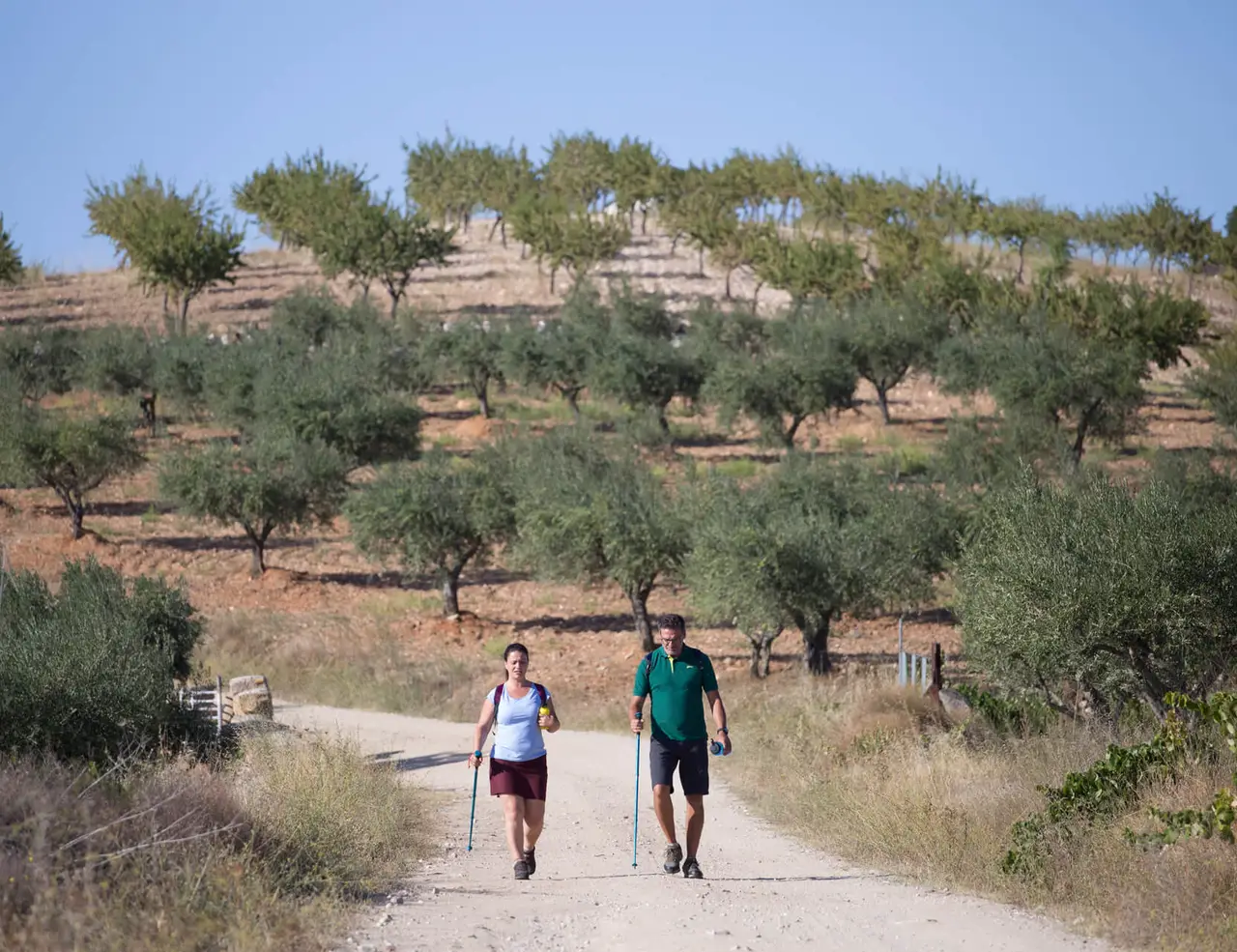
The beauty of hiking in the Douro Valley lies in its steady rhythm. Paths climb through olive groves, descend past fig trees and cork oaks, and trace old farm tracks that once connected quintas to nearby towns. From viewpoint ridges, you look across sculpted hills patterned with vines. Closer to the river, trails feel softer and greener, following orchards, irrigation channels, and old stone walls. Each turn reveals another bend of the river or another village tucked into the hillside.
History is present underfoot. Many of the routes used while hiking the Douro Valley evolved from working trails linking fields, chapels, and wine estates. Traditional granite houses, small Romanesque churches, and terraced vineyards speak to centuries of cultivation. In places, you can still see workers among the vines or hear the echo of harvest songs in autumn.
Whether you are drawn to vineyard walks, river viewpoints, or rural villages that feel far removed from city life, hiking the Douro Valley offers an experience that is both scenic and deeply rooted in culture. Each trail reveals a new perspective on this UNESCO wine landscape, turning every walk into a slow journey through nature, heritage, and the enduring life of the river.
DREAMING OF HIKING THE DOURO VALLEY?
Explore our amazing hiking tours in Portugal now!
Douro Valley Etymology and History
The name Douro is believed to come from the ancient Celtic or pre-Roman term “Dur,” meaning water or river, later adapted into the Latin “Durius.” Over centuries, this powerful river carved a deep corridor from Spain to the Atlantic, shaping both the land and the lives of those who settled along its banks. The valley’s identity has always been tied to movement along this waterway, from early traders and fishermen to farmers building terraces stone by stone.
Many of the trails now used for hiking in the Douro Valley began as working paths. Farmers once walked them daily to reach vineyard parcels perched high above the river. Donkeys carried baskets of grapes down narrow tracks during harvest season, and mule routes connected small farming hamlets to market towns along the river. These paths were not designed for leisure. They were lifelines linking village life, agricultural terraces, and river crossings.
By the seventeenth and eighteenth centuries, the valley was transformed by wine culture. Terraces multiplied across the slopes, and the region became one of the world’s first officially demarcated wine regions in 1756. Stone walls, wine presses, manor houses, chapels, and the great river barges known as rabelos all played roles in transporting port wine downstream to Vila Nova de Gaia. Walking here today, you can still read this history in the shapes of the terraces and the pattern of farm estates.
Religious and rural heritage remains visible along the trails. Waymarkers lead past small Romanesque churches, hilltop shrines, and villages that grew around seasonal harvest rhythms. Granite houses, slate roofs, and old olive presses reveal how families lived in close relationship with the land. In quieter valleys, abandoned terraces slowly return to forest, while restored vineyards continue centuries-old traditions.
In recent decades, conservation and tourism projects have revived many of these footpaths, transforming them into signed walking routes. Instead of carrying grapes or firewood, they now guide walkers through a cultural landscape protected as a UNESCO World Heritage site.
Today, hiking the Douro Valley means stepping into a living historical tapestry. Every ascent follows residual farm tracks, every ridge overlooks terraces shaped by generations, and every village stop echoes stories of river trade, wine culture, and rural resilience. Walking here connects the past and present with every step across the hillside.
Best Time for Hiking the Douro Valley
The Douro Valley enjoys a predominantly Mediterranean climate with warm summers, mild winters, and long seasons of sunshine. Thanks to its terraced hillsides, river views, and vineyard landscapes, hiking in the Douro Valley is possible most of the year. That said, spring and autumn are widely considered the most rewarding times to visit, when temperatures are comfortable and the landscape feels alive with color and seasonal rhythms.
Best Season: Spring (April to June) and Autumn (September to November)
Spring
Spring is one of the most beautiful times for hiking the Douro Valley. Between April and June, vineyard terraces turn vibrant green, olive groves regain their silvery sheen, and wildflowers appear along hillside paths. Daytime temperatures usually sit between 15°C and 22°C (59°F and 72°F), ideal for steady climbs and longer walking stages. Rivers run fuller, and mornings often begin with soft mist lifting from the valley floor. This is a calm period, perfect for walkers who want to take in scenery without intense summer heat.
Autumn
Autumn carries a special atmosphere, especially for those drawn to vineyard landscapes. From September through November, the Douro turns golden and rust-colored as harvest approaches. Hillsides glow at sunset, and villages bustle with grape picking and seasonal celebrations. Average temperatures stay around 14°C to 20°C (57°F to 68°F), which makes multi-day itineraries very comfortable. Hiking the Douro Valley at this time feels deeply connected to local life, with wineries active and countryside trails quieter after summer visitors have left.
Shoulder Seasons: Summer (June to August) and Winter (December to February)
Summer
Summer brings long daylight hours and clear skies, but heat can be intense on exposed slopes. Daytime temperatures often rise above 30°C (86°F), especially in July and August. Hiking in the Douro Valley is still possible, though it requires early starts, long midday breaks, and steady hydration. Morning walks through vineyards and shaded riverside paths can be rewarding, followed by afternoons resting in villages or visiting wine estates. Evenings are warm and luminous, ideal for slow strolls and dinners outdoors.
Winter
Winter is the quietest season. Temperatures range roughly from 8°C to 14°C (46°F to 57°F), and the valley takes on a bare, peaceful look. Rain is more frequent, and some rural accommodations reduce hours, but trails remain walkable in many areas. Winter appeals to travelers who enjoy solitude, low tourist traffic, and slow days by the river after walking. Higher hills can be chilly and foggy, so layers and waterproof gear are essential.
PLANNING A HIKING HOLIDAY IN DOURO VALLEY?
Dive into our curated Portugal hiking adventures today!
Which Are the Best Routes for Hiking the Douro Valley?
Which Are the Best Routes for Hiking the Douro Valley?
The Douro is less about alpine summits and more about movement through human-shaped landscapes. Terraced vineyards, stone villages, olive groves, and river viewpoints define the rhythm here. Hiking the Douro Valley means passing between wine estates, rural chapels, and quiet ridgelines where the river winds below like a ribbon of silver.
Most travelers choose sections that balance scenery, accessibility, and cultural interest. Here are some of the most rewarding routes for hiking in the Douro Valley.
1. São João da Pesqueira to Vale de Figueira Viewpoints
This classic ridge walk leads through vineyard terraces that descend steeply to the Douro River. Paths follow agricultural tracks once used by wine workers, crossing stone walls and farm lanes before rising to sweeping viewpoints. On clear days, the landscape feels endless, layered with vines, river bends, and distant hamlets.
Quick Facts Distance: ~12 km (7.5 mi) Time Needed: 4 to 5 hours Difficulty Level: Moderate Highlights: Vineyard terraces, panoramic river views, quiet farming paths
2. Pinhão to Casal de Loivos
Often described as one of the most beautiful viewpoints in Portugal, this hike climbs from the riverbank village of Pinhão up through terraced vineyards toward Casal de Loivos. The route is short but sustained, with constant views across the valley. At the top, the viewpoint reveals an iconic bend in the river, framed by centuries of human cultivation.
Quick Facts Distance: ~7 km (4.3 mi) round trip Time Needed: 2 to 3 hours Difficulty Level: Easy to Moderate Highlights: River panoramas, working vineyards, traditional stone terraces
3. Vale do Tua Trails
The Tua Valley, a tributary of the Douro, offers quieter walking away from main tourist centers. Trails connect rural hamlets, olive groves, and hillside farms, with occasional glimpses of the historic Tua railway. This is one of the best areas for hiking the Douro Valley if you want solitude, birdlife, and slower rhythms of rural life.
Quick Facts Distance: Various, from 8 km (5 mi) to 18 km (11 mi) Time Needed: Half-day or full-day Difficulty Level: Moderate Highlights: Olive groves, remote hamlets, heritage railway traces, peaceful scenery
4. Vila Nova de Foz Côa Archaeological Landscapes
Here the Douro meets deep time. Trails wind through almond orchards and rocky hills that overlook the Côa River, eventually leading toward prehistoric rock art sites that are part of a UNESCO World Heritage area. Hiking in the Douro Valley here blends nature with archaeology, offering views across canyon-like landscapes.
Quick Facts Distance: ~10 to 14 km (6 to 9 mi) depending on route Time Needed: 3 to 5 hours Difficulty Level: Moderate Highlights: Rock art sites, river canyons, almond orchards, UNESCO landscapes
5. Peso da Régua to Lamego Pilgrim Route
This historic path rises from the Douro riverside town of Peso da Régua toward the sanctuary city of Lamego. The walk passes farm lanes, vineyard tracks, and small chapels before climbing to the famous stairway of Nossa Senhora dos Remédios. It feels like a blend of pilgrimage, countryside walking, and urban arrival.
Quick Facts Distance: ~13 km (8 mi) Time Needed: 4 to 5 hours Difficulty Level: Moderate Highlights: Rural chapels, vineyard paths, Lamego sanctuary, cultural history
6. Douro Riverbank Walks near Pinhão
Short riverside trails follow the water’s edge alongside small vineyards and boat quays. These are ideal for slow days, families, or travelers arriving by train. Benches, small cafés, and shaded spots invite pauses, turning walking into a gentle way of absorbing daily life in wine country.
Quick Facts Distance: 4 to 8 km (2.5 to 5 mi) Time Needed: 1 to 2 hours Difficulty Level: Easy Highlights: River reflections, village scenes, relaxed walking
Whether you choose ridge viewpoints, vineyard circuits, archaeological landscapes, or quiet river paths, hiking the Douro Valley reveals how deeply nature and human history intertwine. Each route tells a story of cultivation, resilience, and connection to the river that has shaped northern Portugal for centuries.
Accommodation Options While Hiking in the Douro Valley
One of the most meaningful parts of hiking the Douro Valley is where you stay at the end of each day. Instead of mountain refuges or remote lodges, you sleep in places shaped by centuries of agricultural life. Vineyard estates, stone guesthouses, village inns, and restored farmhouses invite hikers into landscapes that have been cultivated by hand for generations.
Because most trails run between villages and wine estates, evenings feel sociable rather than isolated. Hosts often serve regional meals, local olive oil, and wines produced on the surrounding terraces. Many places are family-run, and staying overnight feels like entering the rhythm of Douro countryside life.
Below are some of the accommodation highlights linked to the main routes we covered.
São João da Pesqueira to Vale de Figueira Viewpoints
Along this ridge route, accommodations reflect quiet agricultural life. Guesthouses sit among olive groves and vineyards, often converted from traditional stone houses with thick walls and shaded courtyards. Rooms tend to be simple but welcoming, with views that stretch across the terraced slopes.
Accommodation Highlights: Rural guesthouses in São João da Pesqueira Small country hotels overlooking terraced hills Farm stays offering regional dinners and homemade breakfast
Pinhão to Casal de Loivos
Staying here means being surrounded by vineyards on all sides. Many accommodations are perched high above the river, allowing sunrise and sunset views across one of the most photographed bends in the Douro. Some wine estates also organize tastings and farm-style dinners, making evenings part of the experience.
Accommodation Highlights: Quinta de la Rosa, overlooking the river The Vintage House Hotel in Pinhão Small vineyard guesthouses near Casal de Loivos
Vale do Tua Trails
In the Tua Valley, accommodations feel quieter and more nature-focused. These are places chosen for stillness, dark night skies, and proximity to walking paths rather than luxury. Many are located in restored houses where farmers once lived, with thick stone walls and rustic interiors.
Accommodation Highlights: Eco-lodges in the hills above the Tua River Restored village houses with simple comforts Small countryside inns near trailheads
Vila Nova de Foz Côa Archaeological Landscapes
This region blends archaeology with rural hospitality. Stays are usually in small hotels or guesthouses surrounded by almond trees and rocky hills. Some properties organize guided visits to prehistoric rock art sites, adding depth to the hiking experience.
Accommodation Highlights: Guesthouses in Vila Nova de Foz Côa Country hotels close to the archaeological park Family-run stays offering seasonal local meals
Peso da Régua to Lamego Pilgrim Route
Accommodations here often follow the spirit of pilgrimage. Lodgings include simple inns in small villages and elegant manor houses near Lamego. Many hikers choose to stay near the sanctuary or in town, allowing them to explore after completing the climb.
Accommodation Highlights: Quinta do Vallado near Régua Small inns on rural lanes between vineyards Boutique hotels around Lamego’s historic center
Douro Riverbank Walks near Pinhão
These routes are perfect if you enjoy short walks combined with relaxed evenings. Accommodations focus on river views, easy access to cafés, and tranquil surroundings. Many places sit right by the railway line, making arrival by train especially convenient.
Accommodation Highlights: Riverside hotels in Pinhão Guesthouses near the quay and footpaths Small apartments for multi-night stays
Wherever you stay, hiking the Douro Valley is deeply tied to hospitality. Evenings slow down, dinners stretch long, and landscapes feel alive with history. Your accommodation becomes part of the trail, connecting each day’s walk to the river, the terraces, and the people who have shaped them.
Frequently Asked Questions
Do I need trekking poles or special gear for hiking in the Douro Valley?
For most routes in the Douro Valley, you do not need technical mountaineering equipment. However, the terrain often involves steep vineyard terraces, rocky dirt tracks, loose gravel, and repeated climbs and descents between ridges and riverbanks. Trekking poles can be extremely helpful for balance on descents and to reduce strain on knees, especially on longer walking days.
Lightweight hiking shoes with good grip are essential. In spring and autumn, a waterproof jacket and an extra insulating layer are useful as weather can shift quickly. Sun protection is important all year, since many vineyard paths have little shade. A refillable water bottle or hydration pack is also key, because some routes pass long stretches without cafes or fountains. For multi-day walkers, a small first-aid kit, headlamp, and downloaded GPS tracks provide an added safety margin.
Most travelers find that thoughtful day-hiking gear makes walking in the Douro Valley more comfortable, without the need for heavy or technical equipment.
Can I do meaningful hiking in the Douro Valley as a day trip from Porto?
Yes, it is very realistic to experience meaningful hiking in the Douro Valley on a day trip from Porto, as long as you plan carefully. Many visitors take the scenic train along the Douro line to towns such as Peso da Régua or Pinhão, then walk directly from the station to nearby trails. Routes like the climb to the Casal de Loivos viewpoint or riverside paths near Pinhão offer striking landscapes within only a few hours.
Trains are comfortable and remove the stress of driving narrow, winding roads. From stations, short taxi rides can connect you to trailheads if needed, and it is easy to pair walking with a simple lunch or winery visit afterward. The key is to choose one focused hike rather than trying to cover too much ground.
If you have more time, staying overnight opens up ridge walks and longer vineyard loops, but even in a single day, hiking the Douro Valley provides a genuine sense of its scenery and rhythm.
What towns or bases are best for hiking and accessing different routes in the valley?
Two towns are especially popular bases for hikers: Peso da Régua and Pinhão. Both sit along the river and connect directly to regional trains, making them convenient if you prefer not to drive. From Peso da Régua, you can reach ridge walks toward Lamego and nearby vineyard circuits. Pinhão works well for routes that climb to panoramic viewpoints or follow riverside paths through surrounding estates.
Smaller villages such as Provesende, Vale de Mendiz, and Vila Nova de Foz Côa appeal to walkers who want quieter, rural atmospheres and easy access to trails right from the village edge. These places often have guesthouses, small restaurants, and local owners who understand the needs of hikers.
Choosing a base depends on your style. If you want flexibility, trains, and a range of services, stay in one of the main river towns. If you prefer slower mornings, village life, and direct trail access, a rural base may feel more rewarding. Either way, distances are relatively short, so it is easy to link several walks across a few days.
READY TO HIKE THE DOURO VALLEY?
Get started with your Hiking adventure now!
