
Overview
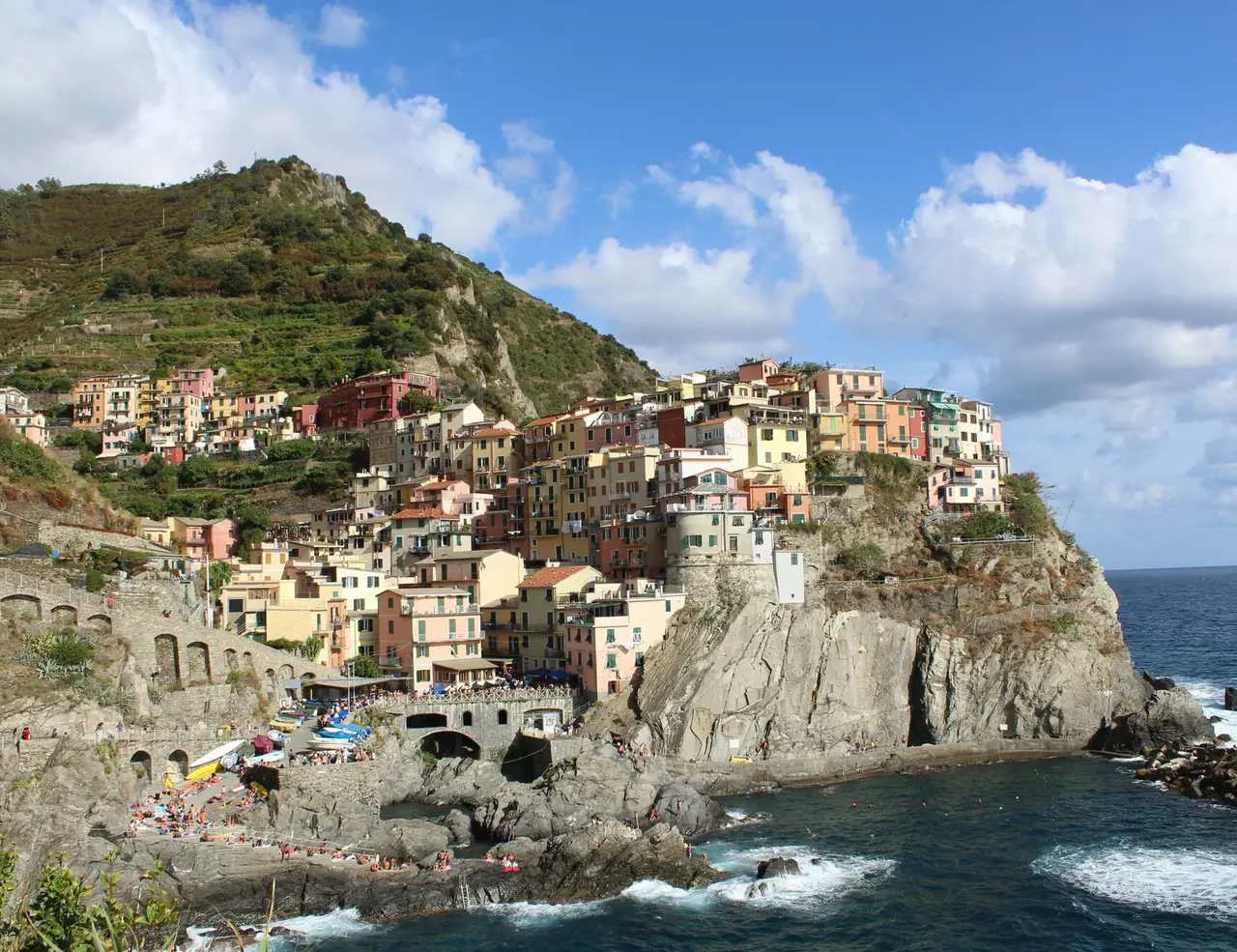
The Amalfi Coast is one of Italy’s most dramatic walking landscapes, where mountains rise sharply from the sea and ancient footpaths cling to cliffs above deep blue water. From the first steps on the trail, the scenery feels vertical and alive. Limestone ridges plunge toward terraced lemon groves, pastel villages cling to impossible slopes, and the Tyrrhenian Sea stretches endlessly beyond the horizon. For many travelers, hiking the Amalfi Coast becomes a way to slow down and absorb this interplay of land, sea, and human ingenuity.
The appeal of hiking in the Amalfi Coast lies in its constant contrast. Trails lead through quiet mountain hamlets, then suddenly open onto wide sea views where boats appear far below like moving dots. Stone stairways descend between vineyards and citrus orchards, while ridge paths trace the contours of the Lattari Mountains. Routes such as the Path of the Gods follow ancient mule tracks that once linked isolated communities, offering sweeping panoramas where cliffs, sky, and sea converge in a single frame.
History is woven into every step. Many of the routes used while hiking the Amalfi Coast began as practical pathways for farmers, shepherds, and traders moving between the mountains and the coast. Dry stone walls support terraces still planted with lemons and olives. Small chapels, abandoned farmhouses, and centuries old staircases mark the landscape, revealing how generations adapted to steep terrain long before roads existed. Walking here feels like moving through a living archive of coastal life.
Whether you are drawn to airy ridge walks, shaded valley trails, or stairways that descend directly into seaside villages, hiking the Amalfi Coast offers an experience that is both visually striking and deeply grounded in place. Each path reveals a new angle on the coast’s beauty, blending nature, history, and daily life into a journey that feels timeless and richly human.
DREAMING OF HIKING THE AMALFI COAST ?
Explore our amazing hiking tours in Amalfi Coast now!
Amalfi Coast Etymology and History
The name Amalfi is believed to derive from the Roman settlement of Amalpheia, which later grew into one of the most powerful maritime republics of medieval Italy. Long before the coast became a place of leisure, it was a strategic corridor between mountains and sea, shaped by trade, navigation, and necessity. The dramatic geography of the Amalfi Coast meant that movement depended on footpaths etched into cliffs and valleys, linking isolated communities long before roads were carved into the rock.
Many of the trails now followed while hiking the Amalfi Coast originated as mule tracks and agricultural paths. Farmers relied on these routes to reach terraced lemon groves, olive orchards, and chestnut forests high above the shoreline. Goods were carried on foot or by donkey between mountain villages and ports such as Amalfi and Atrani, while shepherds moved seasonally between high pastures and coastal settlements. These paths were steep, narrow, and purposeful, designed for daily survival rather than ease.
During the Middle Ages, Amalfi emerged as a maritime power with trade routes stretching across the Mediterranean. Wealth flowed into the region, leaving traces still visible along the trails. Stone stairways, watchtowers, and fortified villages reflect centuries of coastal defense and commerce. Inland, monasteries and hermitages were established in remote valleys and caves, connected by footpaths that offered solitude and protection. Religious routes linked places like Ravello, Scala, and the Valle delle Ferriere, creating networks that blended spiritual life with rural labor.
As maritime influence declined, agriculture became the backbone of the coast. Terracing intensified between the fifteenth and nineteenth centuries, transforming steep slopes into productive landscapes supported by dry stone walls. Walking paths threaded through these terraces, forming a web that allowed entire communities to function without wheeled transport. Even today, the rhythm of stairways and switchbacks reflects this human adaptation to extreme terrain.
In the twentieth century, roads and tourism reshaped the coast, but many ancient paths were preserved or rediscovered. Trails such as the Path of the Gods gained new meaning as cultural and scenic routes, offering walkers access to landscapes once known only to locals. Conservation efforts have since helped restore stone steps, signage, and viewpoints.
Today, hiking the Amalfi Coast is a journey through layered history. Each trail follows lines drawn by traders, farmers, monks, and shepherds. The landscape tells stories of resilience and ingenuity, where human life adapted to cliffs and sea with remarkable persistence. Walking here connects the present to centuries of movement, labor, and cultural exchange, all carried forward along the same enduring paths.
Best Time for Hiking the Amalfi Coast
The Amalfi Coast enjoys a classic Mediterranean climate, shaped by sea breezes, bright sunshine, and mild winters. Thanks to its coastal position and varied elevations, hiking the Amalfi Coast is possible for much of the year, but certain seasons offer far more comfortable conditions. Spring and autumn are widely considered the best times, when temperatures are pleasant, landscapes are vibrant, and the trails feel balanced between solitude and local life. Summer brings intense heat and crowds, while winter offers quiet paths and softer light.
Best Season: Spring (April to June) and Autumn (September to October)
Spring
Spring is arguably the most beautiful time for hiking the Amalfi Coast. From April through June, temperatures generally range between 15°C and 22°C (59°F and 72°F), creating ideal conditions for long stair climbs and coastal traverses. Lemon groves burst into bloom, wildflowers line stone paths, and terraced hillsides glow fresh green against deep blue seas. The air feels clear and light, and views from high trails such as the Path of the Gods stretch endlessly along the coastline. Villages remain lively but uncrowded, allowing walkers to experience daily rhythms, morning cafés, and quiet afternoon rests.
Autumn
From September to October, the coast settles into one of its most atmospheric periods. Summer crowds thin, the sea remains warm, and daytime temperatures hover between 18°C and 24°C (64°F and 75°F). Olive harvest begins in the hills, grape vines turn golden, and village markets fill with seasonal produce. Hiking the Amalfi Coast in autumn offers a slower pace, softer light, and comfortable walking conditions. Trails feel calmer, and evenings invite lingering dinners overlooking the sea as the coastline glows in warm sunset tones.
Shoulder Seasons: Summer (July to August) and Winter (November to March)
Summer
Summer brings long days, vibrant coastal energy, and brilliant sunshine, but also high heat and heavy crowds. Daytime temperatures often exceed 30°C (86°F), especially in July and August, making midday hiking strenuous. Early morning starts are essential, and many walkers plan shorter stages with extended lunch breaks or swims in secluded coves. Coastal breezes provide some relief, and shaded stairways through lemon groves offer brief refuge. While challenging, summer hiking rewards those willing to adapt their pace with dramatic light, crystal-clear seas, and lively village life.
Winter
Winter is the quietest season for hiking the Amalfi Coast. Temperatures typically range from 10°C to 15°C (50°F to 59°F), and trails feel peaceful and contemplative. Rain is more frequent, and some hotels, restaurants, and transport services operate on reduced schedules. However, for travelers seeking solitude, winter offers crisp air, dramatic cloud formations, and uninterrupted views along the cliffs. Well-marked paths remain walkable, though care is needed on wet stone steps.
Whichever season you choose, hiking the Amalfi Coast reveals a constantly shifting relationship between light, sea, and mountain. Each time of year offers a distinct atmosphere, shaping how the coast unfolds beneath your feet.
PLANNING A HIKING HOLIDAY IN AMALFI COAST?
Dive into our curated Amalfi Coast hiking adventures today!
Which Are the Best Routes for Hiking the Amalfi Coast?
Hiking the Amalfi Coast is defined by vertical landscapes and ancient connections between mountain and sea. Steep stairways, cliffside paths, and ridge routes link villages that once relied entirely on foot travel. Trails here are not about covering long distances but about immersion, where every ascent opens wide views over the Tyrrhenian Sea and every descent leads into terraces of lemons, olives, and vines.
Most walkers choose routes that balance scenery, accessibility, and cultural depth. From high panoramic paths to shaded valley walks, these are some of the most rewarding routes for hiking in the Amalfi Coast.
1. Path of the Gods (Sentiero degli Dei)
The Path of the Gods is the Amalfi Coast’s most celebrated hike, running high along the Lattari Mountains between Agerola and Nocelle. The trail follows an ancient mule route with near constant views over the coastline, Capri, and the open sea. Walking here feels suspended between sky and water, with sheer cliffs dropping away below limestone ledges. Despite its fame, early mornings or shoulder seasons offer a peaceful experience.
Quick Facts Distance: ~7 km (4.3 mi) Time Needed: 3 to 4 hours Difficulty Level: Moderate Highlights: Panoramic sea views, limestone ridges, views of Capri, historic mule path
2. Valle delle Ferriere Nature Reserve
This route reveals a different side of hiking the Amalfi Coast, leading inland from Amalfi into a cool, shaded valley rich with vegetation. The path follows old ironworks routes along streams and waterfalls, passing ruins overtaken by moss and ferns. Higher up, rare plants survive in a humid microclimate that feels almost prehistoric. The contrast between lush forest and the coast below makes this hike especially memorable.
Quick Facts Distance: ~6 to 8 km (3.7 to 5 mi) Time Needed: 3 to 4 hours Difficulty Level: Moderate Highlights: Waterfalls, ironworks ruins, rare ferns, shaded forest paths
3. Ravello to Amalfi via Minuta and Atrani
This classic descent links the hilltop town of Ravello with the coast below. Stone stairways wind through quiet villages, terraced gardens, and lemon groves, revealing changing perspectives with every step down. Passing through Minuta and Atrani adds a strong sense of local life, with laundry lines, church bells, and shaded courtyards along the way. It is one of the best ways to understand how vertical the Amalfi Coast truly is.
Quick Facts Distance: ~4 km (2.5 mi) Time Needed: 2 to 3 hours Difficulty Level: Moderate Highlights: Medieval villages, stone stairways, lemon terraces, sea arrival at Amalfi
4. Punta Campanella Coastal Trail
At the far western edge of the Amalfi Peninsula, this trail leads toward Punta Campanella, where the coast narrows between the Amalfi Coast and Capri. The path follows ancient Roman routes through Mediterranean scrub, with open views toward Capri and the Bay of Naples. It feels quieter and more elemental than central coastal trails, shaped by wind, rock, and sea.
Quick Facts Distance: ~5 km (3 mi) one way Time Needed: 2 to 3 hours Difficulty Level: Easy to Moderate Highlights: Capri views, Roman ruins, coastal headlands, Mediterranean scrub
5. Scala to Amalfi via the Ancient Stairways
Scala is one of the oldest settlements on the coast, and the walk down to Amalfi traces centuries old stairways that once served as the main connection to the port. The route passes chestnut groves, terraces, and stone arches, offering quieter scenery than busier paths. It is ideal for walkers interested in history and village life rather than dramatic exposure.
Quick Facts Distance: ~3 km (1.9 mi) Time Needed: 1.5 to 2 hours Difficulty Level: Moderate Highlights: Historic staircases, chestnut trees, medieval villages, traditional architecture
6. Nocelle to Montepertuso Loop
This lesser-known loop begins above Positano and explores high paths through terraced farmland and quiet ridgelines. The route offers repeated glimpses of Positano far below, framed by cliffs and sea. It is a good option for hikers who want elevated views without the crowds of the Path of the Gods.
Quick Facts Distance: ~6 km (3.7 mi) Time Needed: 3 hours Difficulty Level: Moderate Highlights: Views over Positano, quiet ridges, rural terraces, local hamlets
Whether you choose dramatic ridge walks, shaded valley trails, or stairways that descend into coastal villages, hiking the Amalfi Coast reveals a landscape shaped by both necessity and beauty. Each route offers a distinct way to experience this iconic coastline, where human paths and natural contours remain inseparably linked.
Accommodation Options While Hiking in the Amalfi Coast
One of the pleasures of hiking the Amalfi Coast is how closely the trails are woven into everyday village life. Unlike remote mountain regions where accommodation can feel distant or isolated, most hikes here begin and end in towns perched on cliffs or tucked into valleys. Even after demanding walking days, hikers are rewarded with comfortable beds, warm meals, and evenings spent overlooking the sea.
Accommodation along the Amalfi Coast reflects the region’s layered history. Family run guesthouses, small hotels built into terraces, converted monasteries, and boutique stays overlooking the water all form part of the experience. Many hosts are accustomed to walkers and understand early breakfasts, packed lunches, and the simple comfort of a good meal after hours on stone steps and sunlit paths.
Here are some accommodation highlights aligned with the most popular hiking routes on the Amalfi Coast.
Path of the Gods (Agerola to Nocelle)
This route is best supported by staying either at the trailhead in Agerola or near the descent in Nocelle or Positano. Agerola offers small hotels and agriturismi set among meadows and dairy farms, often with hearty breakfasts and quiet nights before an early start. On the Positano side, hillside guesthouses above the town allow hikers to descend at a relaxed pace and enjoy sunset views over the sea. Accommodation in this area balances practicality with scenery, making it ideal for one of the coast’s longest and most panoramic walks.
Valle delle Ferriere Nature Reserve (Amalfi)
Amalfi is the natural base for this hike, with accommodation ranging from simple pensions in the old town to small boutique hotels overlooking the harbor. Staying here allows an early start before day visitors arrive, making the valley feel quieter and more immersive. After the walk, cafés and restaurants along the coast provide an easy transition from forest paths back to seaside life. For hikers who enjoy variety, Amalfi also works well as a multi-night base with several different routes accessible on foot.
Ravello to Amalfi via Minuta and Atrani
Ravello is one of the most atmospheric places to stay on the coast. Hotels and guesthouses sit high above the sea, offering gardens, terraces, and views that stretch along the coastline. Starting the hike here means enjoying a cool morning descent through villages and stairways. Alternatively, staying in Atrani or Amalfi at the end of the walk allows you to climb during the cooler part of the day and finish with an evening swim or relaxed dinner by the water.
Punta Campanella Coastal Trail
This quieter western section of the peninsula is well supported by accommodation in Termini and surrounding villages. Small inns, family run B&Bs, and agriturismi dominate here, often surrounded by olive groves and open countryside. Nights feel calm and rural, and evenings are marked by simple local meals rather than busy promenades. These stays suit walkers who prefer solitude and a slower pace away from the busiest parts of the coast.
Scala to Amalfi Stairway Routes
Scala offers a peaceful alternative to staying directly on the coast. Accommodation here includes village guesthouses and small hotels set among chestnut trees and historic streets. Starting from Scala allows hikers to explore ancient paths before descending toward Amalfi, then returning by bus or ferry. Staying overnight in Scala gives a strong sense of the Amalfi Coast’s medieval roots and a welcome break from coastal crowds.
Nocelle and Montepertuso Loop Walks
Both Nocelle and Montepertuso sit above Positano and provide excellent bases for elevated walking. Guesthouses here often have terraces overlooking the sea and quieter evenings than Positano itself. Staying at altitude reduces daily climbing and lets hikers explore ridge paths at a relaxed pace. These villages suit travelers who want views and access to trails without staying directly in the busiest coastal centers.
Whether you choose a clifftop village, a shaded inland hamlet, or a lively seaside town, accommodation while hiking the Amalfi Coast becomes part of the journey. Each overnight stay adds depth to the walking experience, blending physical effort with comfort, hospitality, and unforgettable coastal light.
READY TO HIKE THE AMALFI COAST?
Get started with your Hiking adventure now!
Frequently Asked Questions
Do I need special hiking gear for the Amalfi Coast, or are these walks suitable for regular hikers?
Most hiking on the Amalfi Coast does not require technical or mountaineering gear, but it is more physically demanding than many visitors expect. Trails often involve long stone stairways, uneven cobbled paths, exposed cliff sections, and sustained ascents and descents. Good hiking shoes with solid grip are essential, as polished stone steps can be slippery, especially after rain.
Trekking poles are optional but very helpful on long stair descents such as those between Nocelle, Montepertuso, and Positano. Sun protection is crucial throughout the year, as shade is limited on many routes. Carrying enough water is important, particularly in summer, since fountains and cafés can be spaced far apart on certain trails. With sensible day hiking gear, most walkers find the routes manageable and very rewarding.
Can I hike the Amalfi Coast without a car, using public transport only?
Yes, hiking the Amalfi Coast works very well without a car. In fact, many hikers prefer not to drive due to narrow roads, traffic, and limited parking. Public buses connect all major towns such as Amalfi, Positano, Ravello, Scala, and Agerola, and ferries run regularly between coastal towns during the main season.
This transport network makes it easy to hike point to point routes without needing to return to your starting location on foot. Many itineraries involve walking downhill between villages, then using a bus or ferry to return. Planning around bus schedules and starting early in the day helps avoid crowds and heat, especially in peak season.
Is hiking on the Amalfi Coast very crowded, and how can I avoid the busiest times?
Some routes, particularly the Path of the Gods, can become crowded between late morning and early afternoon, especially from May through September. The best way to avoid congestion is to start early, ideally before 9 am, or hike later in the afternoon when day trippers begin to leave.
Choosing less famous routes such as Valle delle Ferriere, Punta Campanella, or village to village stairway walks around Scala and Atrani also offers a quieter experience. Visiting in spring or autumn significantly reduces foot traffic while still providing excellent weather for walking.
How many days should I allow to properly experience hiking on the Amalfi Coast?
Three to five days is ideal for most travelers who want to experience a variety of routes without rushing. This allows time for one longer panoramic hike, one inland or forested walk, and several shorter village to village routes. It also leaves space for rest, swimming, and exploring towns.
With only one or two days, it is still possible to enjoy a highlight hike such as the Path of the Gods or a Ravello to Amalfi descent. However, staying longer allows you to explore quieter paths and experience the coast at a slower, more immersive pace.
Hiking the Amalfi Coast rewards good planning, early starts, and realistic expectations. When approached thoughtfully, the trails offer one of the most memorable walking experiences in southern Europe, combining dramatic scenery, living villages, and deep cultural history in every step.
Plan Your Active Adventure
Create a private trip or join a small-group departure.
