
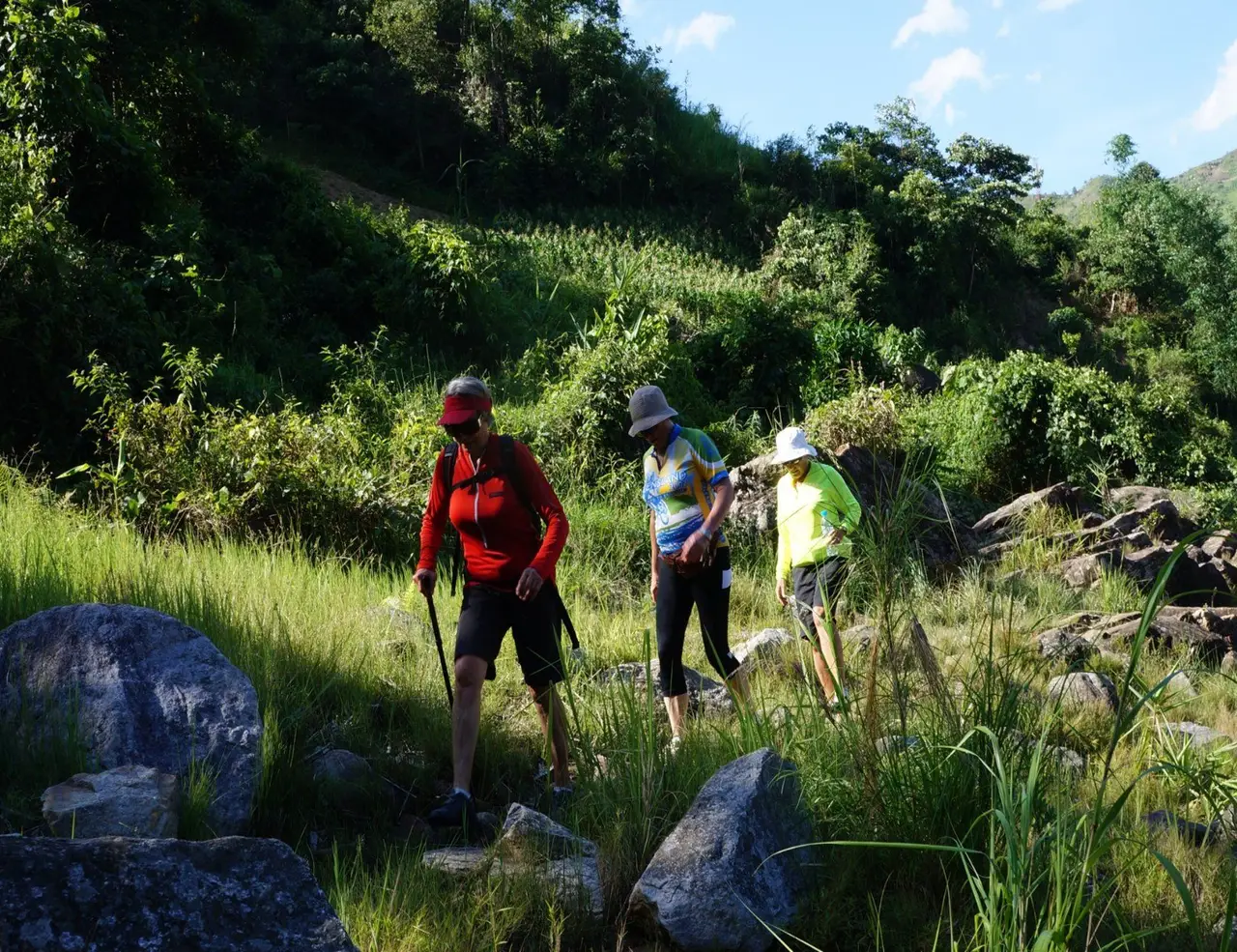
Overview
The Rota Vicentina unfolds along Portugal’s southwest coast, where rugged Atlantic cliffs, wind-shaped dunes, cork forests, and quiet rural villages form one of Europe’s most evocative walking landscapes. Stretching through the Alentejo and into the Algarve, it brings together two complementary experiences: wild shoreline paths that trace the edge of the ocean, and inland routes that wind through farmland, valleys, and traditional countryside. For many travelers, hiking the Rota Vicentina becomes a slow-moving journey through nature, culture, and everyday rural life.
What makes hiking in the Rota Vicentina so compelling is the sense of continuity. Trails follow fishermen’s tracks carved across sandy headlands, pass goat paths through scrubland, and thread into whitewashed villages where time seems to move gently. On the Fishermen’s Trail, the Atlantic is almost always in view, with waves crashing below ochre cliffs and seabirds circling high above. The Historical Way leads inland, crossing fields of wheat and barley, orchards, cork oak groves, and valleys where rivers flow quietly toward the sea.
Along the route, small details tell larger stories. Stone wells, faded chapels, and abandoned farmhouses appear between stretches of wild coastline. Villages welcome walkers with simple cafés, tiled houses, and meals built around seasonal produce, seafood, and local olive oil. This is hiking shaped not only by scenery, but by the rhythms of agricultural life and traditional fishing culture.
Seasonal shifts add richness. Spring carpets the cliffs with wildflowers and aromatic herbs. Summer brings luminous light across the ocean and long evenings, though the heat calls for early starts. Autumn softens the landscape with warm colors and quieter trails, while winter reveals dramatic skies and empty coastlines, ideal for reflective walking. Whether you are drawn to cliff-top views, quiet inland countryside, or the pleasure of moving from village to village on foot, hiking the Rota Vicentina offers a landscape that feels both raw and deeply human. Every section reveals another facet of Portugal’s southwest, making it one of the most rewarding long-distance walking routes in Europe.
DREAMING OF HIKING ROTA VICENTINA?
Explore our amazing hiking tours in Rota Vicentina now !
Rota Vicentina Etymology and History
The name Rota Vicentina comes from the Costa Vicentina, the stretch of Portugal’s southwest coast that forms part of the protected Southwest Alentejo and Vicentine Coast Natural Park. “Vicentina” itself refers to the historical region facing the Atlantic near Cape St. Vincent, a windswept headland long considered a mystical edge of the known world. Sailors, monks, and fishermen once stood here believing they were at the outer boundary of Europe.
Many of the paths that now form the Rota Vicentina were not created for tourism. They began as everyday lifelines. Coastal footpaths followed cliff edges so fishermen could reach hidden coves, collect shellfish, and monitor changing tides. Inland tracks connected farms, cork forests, and small villages, guiding shepherds, mule caravans, and traders through the gently rolling countryside.
For centuries, this region remained sparsely populated. Harsh Atlantic weather, poor soils, and isolation kept settlements small and traditional. Stone walls, dry wells, threshing circles, and whitewashed farmhouses still reveal how people adapted to the landscape. Walking here today, especially when hiking the Rota Vicentina, means moving through a living record of rural survival and seafaring culture.
In the early 2000s, local communities, conservationists, and small businesses began working together to formalize these ancient paths into a sustainable walking network. The goal was simple: protect fragile ecosystems while supporting local livelihoods. The result was the official Rota Vicentina, launched in 2012, with carefully waymarked routes, restored trails, and partnerships with village guesthouses and family restaurants.
Modern hikers now travel along the Fishermen’s Trail, where cliff-top tracks skirt nesting storks and wildflowers, and along the Historical Way, which follows inland roads that once linked markets, fields, and parishes. Instead of erasing history, the route preserves it, encouraging slow travel that respects both nature and tradition.
Today, hiking in Rota Vicentina is as much an encounter with heritage as it is with scenery. Every village fountain, chapel, and farm path carries a memory of the people who walked here first, long before the trails were given a name.
Best Time for Hiking the Rota Vicentina
The southwest coast of Portugal enjoys a mild Atlantic climate that makes hiking the Rota Vicentina possible for much of the year. What shapes the experience here is not altitude, but ocean influence. Breezes, shifting coastal light, and seasonal blossoms change the mood of the trails. Spring and autumn are generally considered the most comfortable periods, while summer requires careful planning and winter brings quieter paths and softer scenery.
Best Season: Spring (March to May) and Autumn (September to November)
Spring
Spring is widely regarded as the most beautiful time for hiking the Rota Vicentina. From March onward, the entire coastline bursts into color. Wildflowers carpet the cliffs, aromatic herbs line sandy paths, and storks begin nesting on sea stacks. Daytime temperatures usually sit between 15°C and 22°C (59°F to 72°F), which makes long walking days pleasant rather than tiring. Ocean breezes keep the air fresh, and the Fishermen’s Trail feels especially alive, with migrating birds and clear views along the cliffs.
Autumn
Autumn brings a calmer, golden tone to the region. From September to November, vineyards and fields take on softer hues, and the light becomes warmer. Temperatures generally range from 16°C to 23°C (60°F to 73°F), creating ideal conditions for multi-day stages. The sea is often still warm enough for swims after walking, and the trails are quieter after the summer holidays. Hiking in the Rota Vicentina at this time often feels slower and more reflective, with villages returning to everyday rhythms.
Shoulder Seasons: Summer (June to August) and Winter (December to February)
Summer
Summer along the Rota Vicentina can be beautiful but requires planning. Inland routes warm up quickly, and daytime highs may climb above 28°C (82°F), especially away from the ocean. The key is timing. Many hikers start early, walk in the morning, rest through midday, and continue again in the late afternoon. Coastal stages are more forgiving thanks to the Atlantic breeze and access to beaches. Longer daylight hours make logistics easier and allow relaxed pacing between villages.
Winter
Winter brings quieter trails and soft coastal atmospheres. From December to February, temperatures usually range from 10°C to 16°C (50°F to 61°F). Rainfall increases, and storms occasionally sweep in from the Atlantic, adding drama to the sea cliffs. While you may need waterproof layers and flexibility with daily plans, winter walking rewards those who enjoy solitude, empty viewpoints, and uncrowded fishing villages. Some rural accommodations may reduce hours, so advance planning is important. Whichever season you choose, hiking the Rota Vicentina offers a landscape that shifts gently with the weather. Flowers, winds, tides, and seasonal rhythms shape the journey, allowing each visit to reveal a slightly different side of Portugal’s wild southwest coast.
PLANNING A HIKING HOLIDAY IN ROTA VICENTINA?
Dive into our curated Portugal hiking adventures today!
Which Are the Best Routes for Hiking in Rota Vicentina?
The Rota Vicentina is not one single path, but a network of interconnected trails that weave along Portugal’s southwest coast and inland countryside. Each section carries its own rhythm, from cliff-top sand tracks to oak forests and quiet rural hamlets. Together, they create one of Europe’s most memorable long-distance hiking experiences.
Below are the most rewarding routes for hiking the Rota Vicentina, whether you want multi-day journeys or scenic day stages.
1. Fishermen’s Trail
The Fishermen’s Trail is the most iconic experience on the Rota Vicentina. Hugging the Atlantic coast almost step by step, it traces footpaths once used by local fishermen to reach hidden coves, rocky headlands, and lookout points. The walking is sandy, sometimes exposed, always spectacular. Cliffs fall away to turquoise water, seabirds ride the wind, and stork nests perch in impossible places above the ocean.
Villages along the way offer seafood dinners, simple cafés, and quiet evenings. Hiking here feels raw and elemental, shaped by constant views of sea, light, and endless coastline.
Quick Facts Distance: Sections across ~226 km total trail network Time Needed: 4 to 10 days depending on stages Difficulty Level: Moderate, with sandy sections that can be tiring Highlights: Atlantic cliffs, stork nests, hidden beaches, dramatic viewpoints
2. Fishermen’s Trail: Porto Covo to Vila Nova de Milfontes
This stretch is one of the most photographed sections of the Rota Vicentina. It follows sandy clifftops past secluded beaches and sculpted rock formations. The trail is coastal almost the entire way, with constant views over wild Atlantic surf. Arriving in Vila Nova de Milfontes feels especially rewarding, with river views, evening promenades, and seafood restaurants waiting at the end of the day.
Quick Facts Distance: ~20 km (12.4 mi) Time Needed: 1 day Difficulty Level: Moderate due to sand Highlights: Iconic beaches, rock formations, sunset viewpoints
3. Fishermen’s Trail: Almograve to Zambujeira do Mar
This is another classic day stage, known for its diverse scenery. The path alternates between clifftop sand tracks, dunes, boardwalks, and viewpoints overlooking rocky bays. Seasonal flowers, sea fennel, and aromatic shrubs line the way. The arrival into Zambujeira do Mar, perched above the ocean, is unforgettable.
Quick Facts Distance: ~22 km (13.6 mi) Time Needed: 1 day Difficulty Level: Moderate Highlights: Dunes, cliff edges, birdlife, dramatic sunsets
4. Historical Way
The Historical Way travels inland through the rural Alentejo landscape, following age-old connecting paths between farms, woods, monasteries, and villages. Instead of cliffs, the rhythm here is shaped by cork forests, stone walls, rolling fields, and village squares where life still moves at rural pace.
This is where hiking the Rota Vicentina becomes more cultural. You pass small chapels, shepherd routes, and agricultural landscapes that reveal how people have lived with the land for centuries. The terrain is steadier underfoot, making it a calmer long-distance journey.
Quick Facts Distance: ~263 km total, divided into multiple walkable stages Time Needed: 7 to 12 days depending on sections chosen Difficulty Level: Easy to Moderate Highlights: Cork oak forests, traditional villages, farmland tracks, quiet countryside
5. Historical Way: Odemira to São Teotónio
This section of the Historical Way gently connects river valleys and farmland. It is less exposed than the coast and ideal for travelers who want quieter walking days. Trails pass through eucalyptus groves, cork forests, and rural meadows where you often meet local farmers and shepherds.
It is a perfect introduction to inland hiking on the Rota Vicentina.
Quick Facts Distance: ~19 km (11.8 mi) Time Needed: 1 day Difficulty Level: Easy to Moderate Highlights: River valleys, forest tracks, rural villages
6. Circular Routes and Day Loops
Across the Rota Vicentina network, several circular trails allow hikers to explore without changing accommodations. These loops often connect coastal cliffs with short inland stretches, offering variety within a single day.
They are well marked, ideal for beginners or travelers with limited time, and excellent ways to experience the trail without committing to full stages.
Quick Facts Distance: 5 km to 15 km (3 to 9 mi) Time Needed: 2 to 5 hours Difficulty Level: Easy to Moderate Highlights: Flexible walking, scenic loops, accessible trailheads
Whether you choose cliff-top drama, pastoral countryside, or a mix of both, hiking the Rota Vicentina reveals a coastline and rural world shaped by wind, tides, and centuries of human movement. Each stage feels deeply connected to place, allowing walkers to move at a slower rhythm and experience Portugal’s southwest in its purest form.
Accommodation Options While Hiking in Rota Vicentina
One of the pleasures of hiking the Rota Vicentina is how often the trails lead directly into welcoming towns and villages. Instead of isolated mountain huts, most nights are spent in small guesthouses, rural farm stays, family-run inns, and boutique seaside hotels. Hosts are often closely connected to the land, serving fresh seafood, local cheeses, regional vegetables, and wines from nearby vineyards.
Because the network crosses both coast and countryside, hikers can choose comfort levels according to preference. Some stay in cozy pensions with simple breakfasts, others choose restored farmhouses surrounded by cork oak forests, and many alternate between the two across different stages.
The Rota Vicentina also works beautifully for travelers who like to walk all day, then return to a warm shower, real bed, and village atmosphere. Here are some accommodation highlights along the main hiking routes of the Rota Vicentina.
Fishermen’s Trail
Along the Fishermen’s Trail, accommodations cluster in fishing towns and cliff-top villages. Many properties are small, personal, and oriented toward walkers. Expect tiled patios, ocean views, shared breakfasts, and quiet evenings within walking distance of cafés.
Accommodation Highlights: Simple guesthouses in Porto Covo Boutique seaside stays in Vila Nova de Milfontes Small inns in Zambujeira do Mar and Odeceixe (Examples travelers often appreciate: HS Milfontes Beach, Casa do Mar e Mó, and Residencial Zimbros.)
Porto Covo to Vila Nova de Milfontes
This stage offers some of the best coastal lodging variety on the route. Many hikers choose to stay either before or after walking, enjoying oceanfront locations and lively seaside squares. A night here often means sunset dinners overlooking the Atlantic followed by slow morning starts.
Accommodation Highlights: Waterfront hotels in Vila Nova de Milfontes Family pensions in Porto Covo Small apartments ideal for resting between stages
Almograve to Zambujeira do Mar
This stretch has charming stops where coastal life and hiking culture overlap. Most stays are modest, comfortable, and close to restaurants and small groceries, making logistics simple. Walking into town at day’s end and hearing waves while you sleep is part of the appeal.
Accommodation Highlights: Guesthouses near Almograve’s beach Cliff-top stays around Zambujeira do Mar Small boutique hotels with balconies overlooking the sea
Historical Way
Inland, the tone shifts toward rural hospitality. The Historical Way passes through farm communities, cork oak forests, and tranquil villages, where accommodations often feel like staying in someone’s countryside home. Rooms are usually comfortable and understated, with meals based on seasonal produce, soups, bread, honey, and local cheeses.
Accommodation Highlights: Rural guesthouses around Odemira Country houses and agritourism properties near São Teotónio Village inns with homemade breakfasts and quiet gardens (Examples that often receive praise include Herdade do Touril and Casa da Ermida.)
Odemira to São Teotónio (Historical Way)
Accommodations along this inland section invite slower evenings. Many are set among orchards, pastures, and tree-lined yards where you can relax outdoors after walking. These places often provide deeper insight into everyday Alentejo life.
Accommodation Highlights: Restored farmhouses with shared meals Village inns with shaded terraces Country homes offering dinners on request
Circular Loops and Short Day Routes
Circular routes are often based near towns with good infrastructure. This makes it easy to choose a comfortable base and explore different loops without packing and unpacking every day. Many hosts are familiar with hikers’ needs and happily arrange breakfast times, luggage transfers, and local advice.
Accommodation Highlights: Mid-range hotels in coastal towns Eco-lodges and nature retreats Guesthouses that help with transfers and logistics Wherever you stay while hiking the Rota Vicentina, the rhythm remains welcoming and human-scale. Nights are calm, meals feel rooted in place, and conversations with local hosts often become as memorable as the walking itself.
Frequently Asked Questions
Can I camp along the way or is wild camping allowed?
Wild camping is generally not allowed along the Rota Vicentina, especially on the Fishermen’s Trail, which runs through fragile coastal ecosystems and protected natural parks. Much of the land is privately owned, and dunes, cliffs, and nesting areas are carefully regulated for conservation.
For this reason, hiking the Rota Vicentina is designed around village-to-village walking. Guesthouses, small inns, and rural stays are spaced so that you can finish each stage with a comfortable bed, hot shower, and a cooked meal. In some agricultural zones, there are a few licensed campsites, but they are usually set back from the trails rather than directly on them.
If your dream involves tent trekking, it is better to rethink the approach. Respecting local regulations and the environment is part of the experience. Hiking in the Rota Vicentina becomes richer when you stay in local lodgings, meet residents, and contribute to the communities that help maintain the trail network.
What is the best airport or transport route to start the hike?
Most walkers begin hiking the Rota Vicentina after arriving either in Lisbon or Faro. Both airports connect conveniently to towns near the trail via trains and regional buses.
If you begin near Porto Covo or Santiago do Cacém, Lisbon usually makes the most sense. From the city, you can take a bus south toward the Alentejo coast and reach the first trailheads within a few hours. If you plan to start closer to Aljezur, Odeceixe, or Vila do Bispo, Faro is often the more practical entry point, with buses heading west toward the Algarve.
Because the routes run linearly along the coast and inland, many hikers plan their itinerary from north to south and return by bus or train at the end. Public transport is reliable, though timetables may thin out on weekends, so it is always worth checking schedules before setting out.
Overall, the trail network is designed so that hiking in the Rota Vicentina feels accessible without needing a car, provided you plan transfers carefully.
How many days do I need to hike the main routes?
That depends on which combination of routes you choose. The Rota Vicentina is actually a network, not just a single trail. The Fishermen’s Trail, which follows the coastline, typically takes between 4 and 10 days, depending on how many sections you walk and how much time you want for swims, viewpoints, and village pauses. The Historical Way, which winds inland through forests and farmland, requires about 10 to 12 days if walked end to end.
Many travelers mix the two, walking coastal stretches one day and inland segments the next. In that case, one or two weeks offers a satisfying rhythm for hiking the Rota Vicentina without feeling rushed.
Shorter itineraries are also very popular. You can choose 3 to 5 key stages and still experience cliffs, villages, farmland, and ocean views. Whatever your timeframe, hiking in the Rota Vicentina is easy to tailor, making it suitable for both first-time long-distance walkers and experienced trekkers looking for a slower, more contemplative journey.
READY TO HIKE ROTA VICENTINA?
Get started with your Hiking adventure now!
Plan Your Active Adventure
Create a private trip or join a small-group departure.
