
Overview
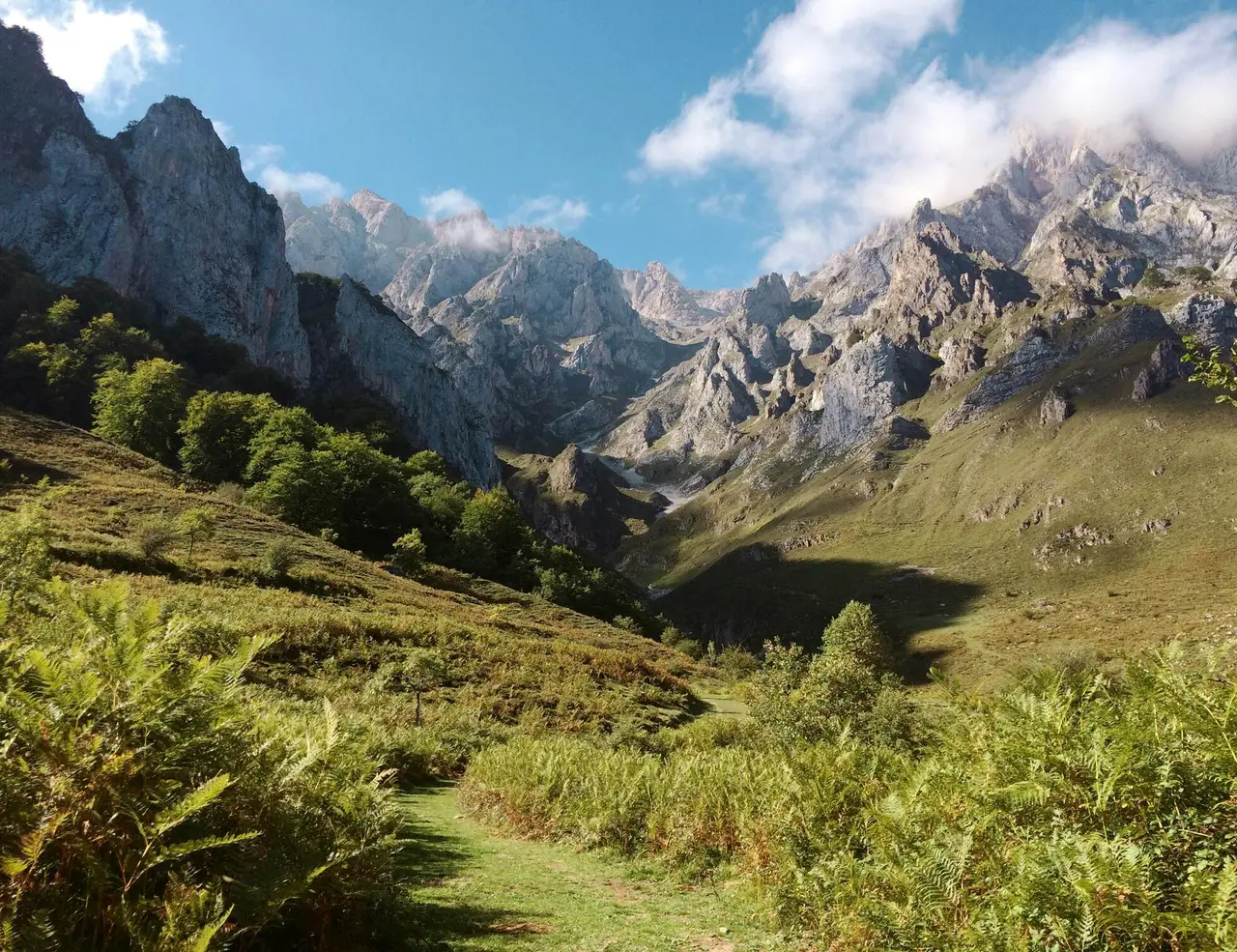
Catalonia is a land of dramatic contrasts and timeless paths, where soaring alpine ridgelines meet Mediterranean coves and ancient forests blend into fertile plains. From the rugged cliffs of the Costa Brava to the glacial lakes of the Pyrenees, the region offers remarkable variety for walkers. For many travelers, hiking Catalonia becomes a journey through centuries of landscape, culture, and quiet terrain shaped by both nature and history.
The appeal of hiking in Catalonia lies partly in its diversity. You might begin a morning on sea facing paths above turquoise coves, continue through pine scented hillsides, and by afternoon find yourself beneath snow tipped peaks that rise into the sky. Coastal routes like the Camí de Ronda follow old watch paths that once connected fishing villages. Mountain trails around Aigüestortes reveal granite peaks, waterfalls, and remote alpine lakes that feel worlds away from coastal villages.
Beyond its geography, hiking Catalonia also opens windows into human history. Trails lead past ruined monasteries, medieval stone bridges, and countryside chapels that still mark village life. Inland, centuries old footpaths run through vineyards, farm valleys, oak forests, and tiny hamlets where old traditions are still preserved.
Seasonality brings another layer. Spring covers meadows with wildflowers, and autumn fills the hillsides with warm tones across vineyards and forests. Summer brings long daylight hours along the coast, while the Pyrenees offer cooler air and clear evenings. Even winter has appeal, with quiet trails and crisp mountain light.
Whether you are drawn to alpine summits, forested valleys, or Mediterranean shores, hiking in Catalonia offers a blend that is both scenic and culturally immersive. Each trail reveals a new landscape and a deeper sense of place, making it one of Spain’s most rewarding destinations for long distance walking.
DREAMING OF HIKING CATALONIA?
Explore our amazing hiking tours in Catalonia now !
Catalonia Etymology and History
The name Catalonia is believed to derive from “Lacetani,” an ancient Iberian tribe, though other theories trace it to “Castlà,” referring to medieval border lords and fortified settlements. Whatever its linguistic origin, the idea of Catalonia has long been tied to territory, frontier, and pathways that linked mountain passes, plains, and coastal settlements.
Many of today’s hiking routes in Catalonia began as essential routes of exchange and survival. In the Pyrenees, shepherd corridors linked high summer pastures with valley farms, shaping seasonal movements still visible in transhumant grazing patterns. Monastery routes connected sacred sites such as Montserrat, Sant Pere de Rodes, and Ripoll, allowing monks, pilgrims, and traders to traverse rugged ridgelines on foot. Coastal paths grew along watchtowers and fishing routes, forming precursors to the Camí de Ronda, which once allowed guards to monitor smuggling and maritime threats along the Costa Brava.
Over centuries, these paths gained symbolic meaning. In the foothills of the Pyrenees, Romanesque churches still mark the landscape, their stone portals and bell towers guiding travelers in terrain shaped by agricultural terraces and river crossings. Villages such as Besalú, Taüll, and Beget became thresholds between valleys and trade routes. Trails that were once driven by necessity became cultural markers, linking Catalonia’s distinctive dialects, crafts, and regional traditions.
Modern conservation efforts have transformed many of these routes into well-maintained hiking networks. The GR system, especially the GR 11 or “Transpirenaica,” stitches together ancient shepherd tracks, border crossings, and mule paths across the spine of the Pyrenees. Coastal sections have been restored to ensure access through coves, pine forests, and Mediterranean viewpoints, revealing remnants of old guard posts, lime kilns, and stone farmhouses.
Today, hiking in Catalonia is inseparable from its historical geography. Every turn in the trail holds a trace of what came before: abandoned terraces reclaimed by oak forests, pilgrimage routes still marked by chapels, and medieval bridges that once carried caravans. Walking here is a way of stepping into layered histories, where natural beauty and human movement remain deeply intertwined.
Best Time for Hiking Catalonia
Catalonia enjoys a generally mild Mediterranean climate, which makes hiking Catalonia possible across the year, though certain months offer especially pleasant conditions. What stands out is how the experience shifts between coast, forested hills, and mountain landscapes. Spring and autumn are considered the most rewarding seasons, with comfortable temperatures, rich colors, and active cultural calendars. Summer brings long daylight hours and lively coastal energy, while winter reveals quiet mountain trails dusted with snow.
Best Season: Spring (April to June) and Autumn (September to November)
Spring
Spring is widely regarded as the ideal moment for hiking in Catalonia. From April onward, temperatures average between 15°C and 22°C (59°F and 72°F), and the region emerges in full bloom. Coastal trails such as the Camí de Ronda are fringed with wild herbs and sea fennel, while flat inland river valleys brighten with poppies and fresh pasture. This is also when rivers run fuller in the Pyrenees, and waterfalls flow strongest. Longer days give space for extended stages, elevated viewpoints, and late afternoon village stops.
Autumn
Autumn is the most atmospheric season for long-distance routes. Hillsides shift into warm tones as vineyards around Empordà and Priorat begin harvest, and oak and beech forests in the foothills deepen into copper shades. Average daytime temperatures hover between 14°C and 20°C (57°F and 68°F), creating ideal conditions for multi-day itineraries. Trails become quieter after summer, and hiking Catalonia in this period carries a slower, reflective pace. Autumn villages often host small harvest fairs, mushroom markets, and wine events that add cultural nuance to rural walking days.
Shoulder Seasons: Summer (June to August) and Winter (December to February)
Summer
Summer hiking in Catalonia remains popular, especially along the coastline where breezes soften the heat. Inland, temperatures often rise above 30°C (86°F), so many hikers begin early mornings and plan shaded midday breaks. Coastal routes offer a rhythmic combination of forest shade, swimming coves, and village cafés, while higher altitudes in the Pyrenees offer cooler air and vivid alpine light. Longer daylight hours make it easier to plan flexible itineraries or complete longer sections at a gentle pace.
Winter
Winter brings a distinct mood. Coastal and inland lowlands average 9°C to 14°C (48°F to 57°F), with quiet trails and soft winter light across the sea. Many rural accommodations stay open, and coastal towns remain active year-round. Higher mountains see snowfall, transforming parts of the Pyrenees into winter landscapes suited for experienced hikers equipped for cold conditions. Shorter days naturally slow the rhythm, which appeals to those who seek solitude, crisp air, and quieter villages after a day of walking.
Whichever season you choose, hiking in Catalonia adapts beautifully to the time of year. The rhythm of climate, culture, and landscapes means each season carries its own character, offering hikers fresh perspectives on the region’s wild coasts, cultivated valleys, and dramatic mountain ranges.
PLANNING A HIKING HOLIDAY IN CATALONIA?
Dive into our curated Catalonia hiking adventures today!
Which Are the Best Routes for Hiking Catalonia?
1. Carros de Foc (Aigüestortes Hut-to-Hut Circuit)
Carros de Foc is one of the most legendary multi-day circuits in the Pyrenees, linking mountain refuges across Aigüestortes i Estany de Sant Maurici National Park. The route forms a high-altitude loop that traverses glacial plateaus, deep valleys, granite massifs, and more than a dozen alpine lakes. Most days involve crossing high passes, with broad views over jagged peaks and cirques formed millennia ago. Nights are spent in traditional mountain refuges that serve warm dinners and provide a communal mountain culture. Hiking Catalonia on this circuit feels both wild and immersive, offering days suspended above forests and villages.
Quick Facts Distance: ~65 km (40 mi) Time Needed: 4 to 6 days Difficulty Level: Strenuous Highlights: High passes, alpine lakes, sunrise ridge crossings, hut-to-hut experience
- Cavalls del Vent (Cadí-Moixeró High Mountain Traverse)
Cavalls del Vent is a high-country loop across the Cadí-Moixeró massif, reaching ridges where eagles glide and spruce forests fall away into wide valleys. Refuges are spaced evenly along the route, creating a structured hut-to-hut rhythm. Trails rise toward limestone horizons that feel almost alpine, with panoramic views toward Pedraforca, Puig d’Alp, and the Segre valley. Wild herbs, mountain orchids, and shifting light across limestone cliffs set the tone. This is a hike that appeals to experienced trekkers who want the sense of journey rather than a single summit.
Quick Facts Distance: ~84 km (52 mi) Time Needed: 4 to 7 days Difficulty Level: Moderate to Strenuous Highlights: Limestone escarpments, pine forests, refuge network, summit-level traverses
- El Cinquè Llac (The Fifth Lake Route)
El Cinquè Llac is a quieter multi-day trail through the Pallars and Alta Ribagorça districts, designed for walkers who want a slower, rural pace. Unlike the alpine environments of Carros de Foc and Cavalls del Vent, this trail follows old drover paths, farmland corridors, slate-roofed hamlets, orchards, and stone terraces. The route is named after a hidden lake reached at the culmination of the walk, a still blue oval set among rugged hills. The journey emphasizes local encounters: small inns run by families, artisan cheeses, dry-stone barns, and medieval chapels that appear between groves of oak and hazelnut. Hiking Catalonia here feels intimate and pastoral.
Quick Facts Distance: ~105 km (65 mi) Time Needed: 5 to 7 days Difficulty Level: Moderate Highlights: Farm valleys, Romanesque villages, orchard-lined trails, “secret” final lake
- GR 11 Trans-Pyrenean Route (The Spanish Pyrenean Crossing)
Stretching along the backbone of the Pyrenees, the GR 11 is Catalonia’s most iconic long-distance trail. It links high valleys, granite ridges, glacial lakes, and shepherd hamlets all the way to the French border. The most popular Catalan stages run between Vall de Núria, Aigüestortes, and the Val d’Aran, revealing crystalline lakes, waterfalls, and alpine meadows in summer. This is where hiking Catalonia feels like stepping into wilderness, framed by circling golden eagles and jagged peaks above two thousand meters.
Quick Facts Distance: ~120 km (75 mi) across Catalonia (full GR is about 820 km) Time Needed: Sections of 3 to 8 days Difficulty Level: Moderate to Strenuous Highlights: Glacial lakes, border valleys, wild mountain passes, shepherd huts
- Camí de Ronda (Costa Brava Coast Trail)
Originally used by coastal guards, the Camí de Ronda now forms Catalonia’s finest Mediterranean footpath. It connects cove after cove along turquoise waters, shaded by pines that lean toward the sea. Between Calella de Palafrugell and Begur, boardwalks turn into sandy paths, then steep stairways, creating varied terrain with near-continuous sea views. Small fishing harbors, hidden swimming coves, and whitewashed villages make every stop feel cinematic.
Quick Facts Distance: Multiple segments, most popular stretch ~20 km (12 mi) Time Needed: 1 to 2 days for main sections Difficulty Level: Moderate Highlights: Cliff-top views, swimming coves, fishing villages, seafood stops
- The Vall de Núria Sanctuary Walks
Reached by rack railway from Ribes de Freser, Vall de Núria is a high pastoral basin surrounded by summits. Here, circular hikes bring you to mountain lakes, grassy ridges, and panoramic viewpoints that feel remote yet easily accessible. The ascent toward Puigmal, one of the Pyrenees’ best-known peaks, offers a full-day challenge, while shorter balcony trails loop around grazing fields and wildflower meadows.
Quick Facts Distance: Routes from 6 km (3.7 mi) to 18 km (11 mi) Time Needed: Half-day to full-day hikes Difficulty Level: Easy to Strenuous depending on summit choice Highlights: Alpine basin, mountain railway, monastery-sanctuary, panoramic ridges
- Garrotxa Volcanic Zone Trails
Inland Catalonia holds a geological surprise: extinct volcanoes rising from deep oak and beech forests. Gentle trails link prehistoric-looking craters, basalt cliffs, and medieval villages like Santa Pau. Walking through the Fageda d’en Jordà beech forest in autumn is particularly atmospheric, with glowing leaves carpeting soft, volcanic soil.
Quick Facts Distance: ~10 km (6 mi) main circuits, longer options available Time Needed: Half-day or day trip Difficulty Level: Easy to Moderate Highlights: Beech forests, lava fields, medieval villages, extinct craters
- Montserrat Mountain Trails
Montserrat rises like a sculptural stone cathedral above the plains. A network of stairways and ridge trails connects isolated hermit caves, viewpoints over Catalonia’s central valleys, and the monastery complex. The Sant Jeroni summit route is the most famous, delivering sweeping views from one of the most distinctive mountain silhouettes in Spain.
Quick Facts Distance: ~12 km (7.5 mi) popular summit route Time Needed: 4 to 6 hours Difficulty Level: Moderate Highlights: Serrated rock towers, monastery, caves, panoramic summit ridge
Accommodation Options While Hiking in Catalonia
One of the most rewarding aspects of hiking in Catalonia is the variety of overnight stays available along the trails. Mountain refuges in the Pyrenees, family-run rural houses in foothill valleys, and small seaside hotels along the Costa Brava connect you directly to local rhythms and traditions. Many places are run by families who serve regional meals, homemade cheeses, local wines, and hearty stews that feel especially comforting after long trail days.
Catalonia’s trail network passes frequently through villages, towns, or refuge areas, meaning hikers rarely spend evenings isolated. Unlike high-altitude routes elsewhere in Europe where distances between accommodations can be long, most Catalan hikes allow you to finish your stage at a place with warmth, food, and a real bed. Each region has its own lodging identity, shaped by history, geography, and culture.
Here are some of the accommodation highlights along Catalonia’s most popular hiking routes:
- Carros de Foc and Aigüestortes Area
This is classic hut-to-hut trekking. Mountain refuges sit beside lakes, perched on passes, or tucked into meadows, offering warm meals, dorm-style rooms, and lively communal dining spaces. Nights often end with hikers sharing stories around large tables while hosts serve local dishes like escudella, cured meats, and mountain cheeses.
Accommodation Highlights: Alpine refuges around Sant Maurici Lake Lakeside huts near Colomers and Amitges Full-board refuge packages for multi-day circuits
- Cavalls del Vent (Cadí-Moixeró)
Here, hikers move between mountain refuges set along ridge lines or within forested valleys. Refuges tend to be smaller and quieter than those in Aigüestortes, and many sit directly on panoramic viewpoints. Nearby villages such as Bagà, Gósol, and Bellver de Cerdanya also provide simple inns and family hotels for pre- or post-trek nights.
Accommodation Highlights: Ridge-line refuges facing Pedraforca Inns and small hotels in Bagà and Gósol Full-board mountain lodging for hut-to-hut continuity
- El Cinquè Llac (Alta Ribagorça and Pallars)
El Cinquè Llac emphasizes rural hospitality. Overnight stays are often in family-owned guesthouses, stone farmhouses, or village inns. Many operate as small country hotels where meals are made from locally grown produce, artisan cheeses, and valley wines. Most are deeply connected to village life, creating a slower, more intimate atmosphere than alpine routes.
Accommodation Highlights: Rural inns in small villages Country homes with traditional breakfasts Farm stays offering local cheese, honey, and cured meats
- GR 11 Across the Pyrenees
Because the GR 11 crosses a wide range of terrain, hikers find different lodging depending on the section. Villages such as Espot, Salardú, Ribes de Freser, and Esterri d’Àneu provide guesthouses and mountain hotels, while remote stretches link directly to refuges. Many hotels are used to serving hikers and offer early breakfasts, packed lunches, and gear storage.
Accommodation Highlights: Mountain hotels with trail access in Vall de Boí Alpine refuges on high passes Guesthouses in Esterri d’Àneu and Salardú
- Camí de Ronda (Costa Brava)
Coastal lodging contrasts beautifully with mountain regions. Stays range from contemporary seaside hotels to simple village pensions overlooking fishing harbors. Many routes end in small towns where local restaurants serve fresh seafood, making evenings along this trail particularly enjoyable.
Accommodation Highlights: Waterfront hotels in Calella de Palafrugell Guesthouses near Begur’s coves Small boutique properties overlooking rocky bays
- Vall de Núria
The presence of the mountain railway means accommodations blend alpine charm with easy access. Choices include the sanctuary-hotel next to the lake, plus smaller inns at the valley entrance. Ideal for families or walkers who want a mountain setting without remote logistics.
Accommodation Highlights: Hotel and apartments at the Sanctuary complex Cozy inns in Ribes de Freser Easy access to trailheads via train
- Garrotxa Volcanic Zone and Rural Forest Trails
Here, accommodation feels distinctly pastoral. Restored stone houses, farm-stay lodges, and countryside hotels dominate the area. Fireside dining in autumn, beech-forest views, and seasonal menus highlight local produce such as mushrooms, chestnuts, and regional sausages.
Accommodation Highlights: Rural guesthouses near Santa Pau Boutique countryside hotels in Olot area Converted farm stays surrounded by oak and beech forests
- Montserrat and Surrounding Foothills
Hikers can stay near the monastery complex or in nearby towns. Many hotels and inns offer direct access to early-morning trail starts, which is ideal for reaching viewpoints before day visitors arrive. Staying overnight gives you a quieter, more contemplative encounter with this symbolic mountain landscape.
Accommodation Highlights: Monastery guest lodging close to the basilica Small hotels in Monistrol or Collbató Inns with access to summit paths at dawn
READY TO HIKE CATALONIA?
Get started with your Hiking adventure now!
Frequently Asked Questions
Can I rely on public transport to move between coastal sections and mountain trailheads?
Yes. Public transport in Catalonia is efficient and makes it realistic to combine coastal and mountain hikes in one trip. Trains link Barcelona and Girona with coastal towns such as Palamós, Calella de Palafrugell, and Sant Feliu de Guíxols, which are common starting points for the Camí de Ronda. From these hubs, regional buses fill in short gaps with regular daytime schedules.
To reach the mountains, trains from Barcelona and Girona connect to towns such as Ribes de Freser (gateway to Vall de Núria), La Pobla de Segur, and Puigcerdà, where trailheads and transfer services begin. In peak hiking season, mountain refuges often coordinate taxis or shuttle transfers to access trail start points.
Public transport works particularly well if you structure your itinerary city-to-coast first, followed by higher elevation routes in the Pyrenees. Rental cars remain helpful for remote valleys, but travellers who plan ahead can comfortably rely on trains and regional buses for most journeys.
Are there easy day-hikes within reach of Barcelona or major towns for those with limited time?
Of course, there are several easy or moderate hikes ideal for beginners, families, or travellers with only a day to spare. Montserrat is one of the most accessible options. A one-hour train ride from Barcelona brings you to a network of well-marked trails, including the walk to Sant Jeroni, which offers panoramic ridge views with optional shortcuts using funiculars.
Closer still, Collserola Natural Park provides gentle woodland trails directly behind Barcelona, with summit viewpoints such as Tibidabo and wide dirt tracks suitable for relaxed walking. Along the coast, sections of the Camí de Ronda near Palamós, Tamariu, or Llafranc offer scenic half-day loops with café stops, sheltered coves, and viewpoints over turquoise water. These routes allow hikers to experience Catalonia’s landscape in a light, enjoyable format without long transfers, making them ideal for short trips or spontaneous outings.
How remote are some of the Pyrenean hikes, and what if I start late or get delayed?
Many high-mountain routes in the Pyrenees are remote and require careful planning, especially hut-to-hut circuits such as Carros de Foc or Cavalls del Vent. Trails often cross steep valleys and high passes with no shortcuts once committed. If you start late in the day, reaching the next refuge before sunset can become difficult, and weather changes quickly at altitude.
Mountain refuges operate with strict check-in timings, warm meals at set hours, and limited availability after dark. If delayed, it may not be possible to continue safely or find shelter outside your intended refuge. For this reason, early departures are strongly recommended. Many hikers begin walking shortly after breakfast at their refuge to ensure ample daylight margin.
The remoteness is part of the region’s beauty, but it also calls for preparation. Carrying a backup layer, headlamp, GPS track, and extra water is wise. When planned deliberately, hiking in the Pyrenees is incredibly rewarding, offering pristine wilderness that feels far removed from town life, even though access points are not far apart geographically.
Plan Your Active Adventure
Create a private trip or join a small-group departure.
