
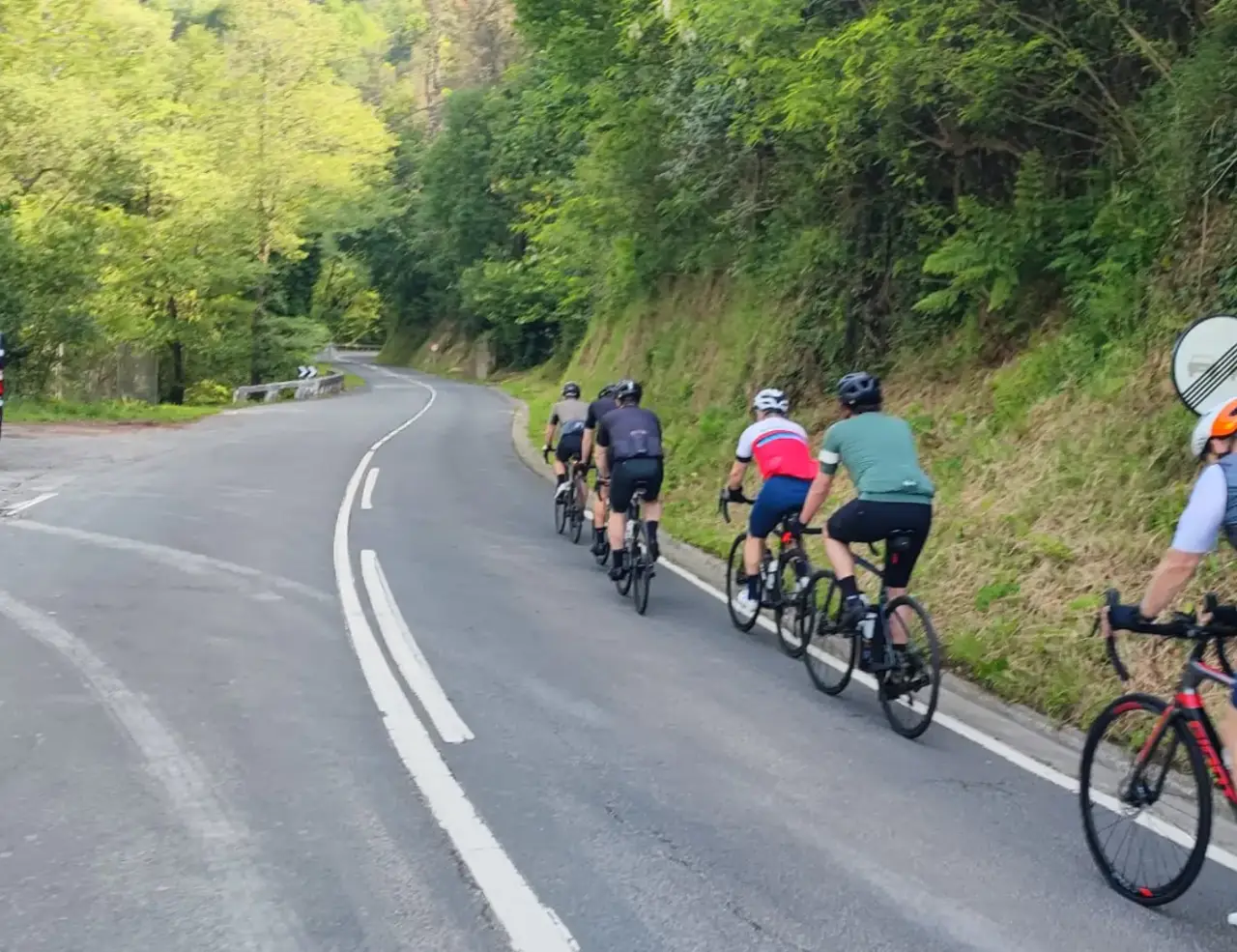
Understanding the Pyrenees
The Pyrenees form a long, rugged frontier between France and Spain, a mountain range shaped as much by endurance as by history. For centuries, these mountains have been places of passage, resistance, and identity, where isolated valleys developed their own languages, customs, and rhythms of life. Today, the Pyrenees live powerfully in the popular imagination through epic road cycling, defined by the long ascents, dramatic weather shifts, and legendary passes made famous by the Tour de France.
Cycling in the Pyrenees is not about gentle transitions but about immersion. Roads climb for hours, tracing contours carved into steep mountainsides, passing shepherd huts, stone villages, and high-altitude pastures before reaching exposed summits where the landscape opens completely. Descents are fast, technical, and exhilarating, carrying riders deep into the next valley where life feels slower and distinctly local.
Unlike single-climb destinations, the Pyrenees reward those who think in stages. Each day links multiple cols, long distances, and sustained elevation gain, creating a sense of progression across an entire mountain system rather than a single peak. Cycling the Pyrenees becomes a test of rhythm and resilience, where effort, scenery, and history are inseparable, and every pass crossed feels earned rather than given.
Topography
The Pyrenees are defined by scale and continuity. Stretching for more than 400 kilometers from the Atlantic to the Mediterranean, the range is built from long ridgelines, deep-cut valleys, and high mountain passes that demand sustained effort rather than short bursts. Unlike more compact Alpine regions, the terrain here unfolds horizontally as much as vertically, creating routes that link multiple major climbs across long distances.
Roads typically follow valley floors before rising steadily toward high cols. These ascents are rarely abrupt. Instead, they climb patiently for 10, 15, sometimes 20 kilometers, allowing riders to settle into rhythm as elevation accumulates. Gradients fluctuate gently, often hovering in the 6 to 8 percent range, punctuated by steeper ramps near summits. Forested lower slopes give way to open alpine pastures, exposed rock faces, and wide skies as the road gains height.
The high passes form the backbone of cycling in the Pyrenees. Cols such as Tourmalet, Aspin, Aubisque, Peyresourde, and Port de Balès sit well above the valleys, often exceeding 2,000 meters. Between them, descents are long and technical, dropping riders into quiet basins where stone villages, grazing land, and river corridors offer brief recovery before the next climb begins. These transitions give the terrain a powerful sense of sequence, where effort and relief alternate in measured stages.
What sets the Pyrenees apart is how uninterrupted this topography feels. Roads are fewer, valleys more enclosed, and climbs more isolated than in many Alpine regions. Cycling in the Pyrenees means committing to the landscape for hours at a time, riding from one watershed to the next with little distraction. The result is a terrain that rewards endurance, pacing, and long-distance focus, making it especially compelling for road cyclists drawn to extended climbs and serious elevation gain.
Climate
The Pyrenees have a true mountain climate, shaped by altitude, exposure, and the range’s position between the Atlantic and the Mediterranean. Conditions can change noticeably within a single day, especially on long rides that move from sheltered valleys to high passes. For road cyclists, understanding these shifts is part of riding here with confidence and respect for the terrain.
Late spring and early autumn offer the most reliable conditions for cycling in the Pyrenees. From May to June and again from September to early October, daytime temperatures in the valleys typically range between 15 and 25 °C (59 to 77 °F), while high passes remain cooler, often 8 to 15 °C (46 to 59 °F). Snow has usually cleared from the major cols by late May, wildflowers appear along the roadsides, and visibility across ridgelines is at its best. These periods combine manageable heat with long daylight hours, ideal for extended climbing days.
Summer brings warmer and more variable conditions. July and August can see valley temperatures climb to 28 to 32 °C (82 to 90 °F), especially on the French side and in enclosed basins. Higher elevations offer relief, with cooler air and occasional mountain winds near the summits. Afternoon storms are not uncommon in midsummer, particularly after hot mornings, and riders often plan early starts to avoid both heat and unstable weather later in the day.
Autumn settles in quickly at altitude. September remains excellent for long-distance riding, with stable weather and fewer vehicles on popular Tour de France climbs. By October, temperatures drop sharply in the high mountains, mornings turn cold, and early snowfall can close some passes. Winter dominates the Pyrenees from November through April, with heavy snow at elevation and limited access to high cols. Lower valleys remain milder, but full traverses are not feasible during this period.
Cycling in the Pyrenees is closely tied to weather awareness. Clear mornings, layered clothing, and flexibility are essential, as conditions can shift rapidly with height and exposure. When timed well, the climate rewards riders with crisp air, open horizons, and long, uninterrupted days that suit the demands of serious road cycling.
Flora and Fauna
The Pyrenees support one of the richest natural environments in Western Europe, shaped by sharp changes in altitude and relative isolation between valleys. Cycling here means passing through layered ecosystems that shift steadily as the road climbs, from cultivated lowlands to high alpine terrain where nature feels expansive and largely untouched.
Lower valleys are defined by mixed farmland and woodland. Oak, beech, and chestnut forests line early sections of many climbs, offering shade and cooler air as roads begin to rise. Meadows are edged with hedgerows and wild grasses, and in late spring the verges fill with foxglove, buttercups, and mountain herbs. These lower slopes are often alive with birdsong, especially in the quieter morning hours before traffic reaches the cols.
As elevation increases, forests thin into open pastureland. High mountain grazing defines much of the Pyrenean landscape, with wide grassy slopes dotted by grazing sheep, cattle, and horses. Wildflowers become more compact and resilient, with alpine gentian, edelweiss, and saxifrage appearing near exposed ridgelines. Above the tree line, vegetation gives way to rock, scree, and short grass, creating a stark and dramatic setting for the final kilometers of long climbs.
Wildlife is present but discreet. Marmots are frequently seen near high passes, often standing upright near the road before disappearing into burrows. Birds of prey such as golden eagles, vultures, and kestrels circle above valleys and cliffs, especially on warm days when thermals rise. In forested areas, cyclists may catch brief glimpses of roe deer or chamois early in the day, while foxes are occasionally seen crossing quiet mountain roads.
What makes cycling in the Pyrenees distinctive is how closely these natural elements sit beside the road. There is little separation between riding and environment. The absence of heavy development at altitude allows landscapes to feel raw and immediate, reinforcing the sense of riding through a true mountain system rather than a curated alpine corridor.
Economy
The economy of the Pyrenees is shaped by geography and endurance, much like the riding itself. Isolated valleys, high passes, and limited transport corridors have fostered local economies that remain closely tied to land, livestock, and seasonal rhythms. Cycling through the region offers a clear view of how these mountain communities function, often revealing livelihoods that have changed slowly over generations.
Pastoral farming remains central across much of the range. Sheep and cattle grazing dominate high pastures, producing milk, cheese, and cured meats that define local food traditions. In many valleys, small-scale dairies and cooperatives continue to operate alongside family farms, supplying regional markets and village shops. Transhumance, the seasonal movement of livestock between lowlands and high mountain pastures, still shapes the calendar in parts of the Pyrenees and is visible to cyclists riding through open grazing land in summer.
Tourism plays an increasingly important role, though it remains concentrated and seasonal. Winter sports support many towns through skiing and snow-related activities, while summer brings hikers, cyclists, and road-trippers drawn by the iconic mountain passes. Cycling in the Pyrenees has become a significant contributor to this summer economy, especially in areas linked to famous Tour de France climbs. Cafés, small hotels, bike-friendly accommodations, and roadside restaurants often cluster along key routes, providing services tailored to long-distance riders.
Away from the major passes, life is quieter and more self-contained. Artisanal production such as honey, wool goods, charcuterie, and mountain breads continues to support local incomes. Markets in valley towns reflect this mix of agriculture and craft, offering products that rarely travel far beyond the region. Larger towns at lower elevations act as service centers, linking remote communities with healthcare, education, and trade.
What distinguishes the Pyrenees is the persistence of local identity within its economy. Development is limited by terrain, and large-scale industry is rare. Cycling through the region highlights this balance between tradition and adaptation, where livelihoods remain grounded in the landscape and where tourism, including road cycling, supports communities without fully reshaping them.
DREAMING OF CYCLING THE PYRENEES ?
Explore our amazing bike tours in the Pyrenees now !
Why Go Cycling the Pyrenees?
1. Legendary Mountain Passes, Back to Back
The Pyrenees are built for riders who love long days and serious elevation. This is where cycling mythology meets physical reality, with passes like the Tourmalet, Aubisque, Peyresourde, Aspin, and Port de Balès forming natural sequences rather than isolated challenges. Climbs stretch for hours, gradients reward patience, and summits arrive with a sense of earned distance. Cycling in the Pyrenees is about linking efforts across multiple cols in a single day, creating rides that feel complete, demanding, and deeply satisfying.
2. Road Cycling That Rewards Endurance and Rhythm
Unlike punchy climbs or short alpine loops, the Pyrenees favor riders who settle into cadence. Roads rise gradually from valley floors, allowing time to find rhythm before elevation accumulates. Descents are long and technical, requiring focus and confidence, while recovery comes naturally as valleys open between climbs. This balance makes the region ideal for road cyclists who enjoy sustained effort over raw explosiveness.
3. A Landscape That Feels Immersive and Uninterrupted
The Pyrenees feel less developed than many Alpine regions. Roads are fewer, valleys are deeper, and towns are spaced farther apart. Once you commit to a climb, there is little distraction beyond rock, pasture, and sky. Cycling the Pyrenees means staying present for hours at a time, moving through terrain that feels continuous rather than curated. The sense of isolation at altitude, followed by quiet village arrivals, gives each stage emotional weight.
4. Tour de France Heritage Without the Crowds
The Pyrenees hold some of the Tour de France’s most decisive moments, yet outside peak summer weeks, these roads remain remarkably calm. Riders can trace iconic routes without heavy traffic, especially in early mornings or shoulder seasons. Signage, summit markers, and roadside cafés reflect cycling culture without overwhelming it. This allows cyclists to experience legendary climbs in their own rhythm rather than as spectators.
5. Distance That Builds a True Journey
The Pyrenees reward those who think in days, not just rides. Traversing the range or riding multiple valleys creates a narrative arc, where fatigue, scenery, and achievement build gradually. Each pass crossed shifts perspective, each descent carries you into a new basin, and each overnight stop feels earned. Cycling in the Pyrenees becomes less about ticking off climbs and more about inhabiting a mountain system through sustained movement.
Which Are The Best Places for Cycling in the Pyrenees?
1. Col du Tourmalet and the Central Pyrenees
The Col du Tourmalet sits at the heart of the Pyrenees and is the most iconic climb in the range. Rising above 2,100 meters, it links the valleys of Luz-Saint-Sauveur and Sainte-Marie-de-Campan through a long, sustained ascent that tests pacing and endurance. The climb passes through forests, open pastureland, and exposed upper slopes where weather and light shift quickly. Reaching the summit carries a strong sense of cycling history, reinforced by summit monuments and roadside cafés that welcome riders after the final kilometers. Riding here places you directly inside the mythology of cycling in the Pyrenees.
2. Col d’Aubisque and the Western Pyrenees
Further west, the Col d’Aubisque delivers one of the most dramatic riding experiences in the range. Approached via the Col du Soulor, the road clings to steep mountainsides with sheer drops, carved ledges, and wide views across deep valleys. This is a place where the landscape feels immense and the road feels deliberately exposed. Traffic thins significantly outside peak summer weeks, allowing riders to focus fully on line choice, rhythm, and scenery. The Aubisque embodies the wild, untamed feel that draws many riders to cycling in the Pyrenees.
3. Luchon and the High Pass Circuit
The town of Bagnères-de-Luchon is often called the queen of Pyrenean cycling bases. From here, multiple legendary climbs radiate outward, including the Col de Peyresourde, Col de Portillon, Col de Menté, and Port de Balès. This concentration allows riders to design long, demanding loop rides that link several major cols in a single day. Luchon’s spa-town atmosphere provides a comfortable counterbalance to the physical demands of the terrain. It is a place where cycling defines the rhythm of the day, from early-morning departures to evening recovery.
4. Col de Peyresourde and the Eastern Approaches
The Col de Peyresourde offers a slightly more approachable ascent while still delivering classic Pyrenean scale. The road climbs steadily through forested slopes before opening into wide alpine views near the summit. Its smooth gradients make it ideal for riders building distance across multiple passes, and it often serves as a connector between larger mountain days. Descents are fast and flowing, carrying riders into valleys where recovery feels earned. This area highlights how cycling in the Pyrenees rewards consistency rather than explosive effort.
5. Ariège and the Quieter Eastern Pyrenees
The Ariège region provides a more secluded cycling experience, with fewer vehicles and a stronger sense of isolation. Climbs such as the Col de Pailhères and Plateau de Beille stretch long and steady, often without villages or services for extended sections. The scenery here feels raw and expansive, with dense forests giving way to open highlands. Riders who prefer long, uninterrupted efforts and minimal distractions often find this part of the Pyrenees especially compelling.
6. The Full Pyrenean Traverse
For riders drawn to multi-day endurance, traversing the Pyrenees from west to east or vice versa offers the most complete experience. This journey links multiple valleys, cultures, and climbing styles into a single narrative. Each day introduces new terrain and demands careful pacing, recovery, and planning. Completing a traverse transforms cycling in the Pyrenees into a true passage rather than a collection of rides, creating a lasting sense of accomplishment built through distance, elevation, and persistence.
PLANNING A CYCLING HOLIDAY IN SPAIN?
Dive into our curated Pyrenees cycling adventures today!
When Is the Best Time for Cycling the Pyrenees?
Best Season: June to September
Summer is the prime season for cycling in the Pyrenees, especially for road cyclists targeting long distances and high mountain passes. From June through September, most major cols are fully open, snow has cleared from high elevations, and daylight hours are long enough to support demanding multi-climb days. Valley temperatures typically range between 18 and 28 °C (64 to 82 °F), while summit temperatures remain cooler, often between 10 and 18 °C (50 to 64 °F), creating comfortable conditions for sustained climbing.
July and August are when the full network of passes becomes reliably accessible. This is the period when riders can link classic climbs such as the Tourmalet, Aubisque, Peyresourde, and Aspin without seasonal closures. Early starts are recommended, as afternoons can become warm in enclosed valleys and traffic increases slightly on the most famous Tour de France roads. Even during peak summer, many routes remain quiet once you move away from the headline climbs.
Shoulder Season: Late May and September
Late May marks the beginning of the cycling season at altitude. Snow often lingers on the highest passes early in the month, but many mid-level cols open, and the roads feel calm and fresh. Temperatures are cooler, typically between 14 and 22 °C (57 to 72 °F) in the valleys, making long-distance riding comfortable. Spring wildflowers appear along climbs, and traffic remains low, which appeals to riders who value solitude and rhythm over spectacle.
September is often considered the most balanced month for cycling in the Pyrenees. Summer heat eases, the roads grow quieter, and visibility across the mountains improves. Daytime temperatures sit between 16 and 24 °C (61 to 75 °F), and the air at altitude feels crisp without being cold. This is an excellent time for multi-day traverses, when endurance rides benefit from stable weather and reduced congestion.
Off-Season: October to May
October brings rapid changes at elevation. Early snowfall can close high passes with little notice, and mornings become cold, especially above 1,500 meters. While lower valley routes remain rideable for a short window, full mountain itineraries become unpredictable. Winter dominates from November through April, with heavy snow, closed passes, and limited services at altitude.
Cycling in the Pyrenees during the off-season is best suited to shorter valley rides or training blocks rather than classic mountain touring. For riders seeking long distances, multiple climbs, and uninterrupted mountain routes, planning between late May and September ensures access, safety, and the full experience of this demanding road cycling destination.
Enjoying Food in the Pyrenees
1. Garbure Pyrénéenne
A classic mountain stew from the French Pyrenees, garbure is built for long days and hard effort. Made with cabbage, potatoes, white beans, and slow-cooked meats like duck confit or ham, it is deeply nourishing and traditionally eaten after physical labor. Cyclists tackling long climbs often encounter garbure in valley auberges, where it is served steaming hot with crusty bread. It reflects the rural, self-sustaining food culture shaped by altitude, cold winters, and physical work.
2. Ossau-Iraty Cheese
This firm sheep’s milk cheese is one of the Pyrenees’ most distinctive food products, produced in high pastures where flocks graze during summer months. Mild, nutty, and slightly sweet, Ossau-Iraty appears regularly on cyclist-friendly lunches alongside bread, cherry jam, or local honey. Riders crossing passes between valleys often stop at small farm shops or mountain cafés where the cheese connects the meal directly to the landscape being climbed.
3. Truite des Pyrénées
Cold, fast-flowing mountain rivers make the Pyrenees ideal for trout, and truite des Pyrénées is a staple on menus in valley towns. Usually pan-fried with butter, almonds, or herbs, it offers a lighter but protein-rich option after long distances. Cyclists riding multi-day routes appreciate this balance, especially in warmer months when heavy dishes feel less appealing after sustained effort.
4. Confit de Canard
Duck confit is deeply rooted in southwestern French mountain cuisine and provides serious energy for demanding rides. Slow-cooked in its own fat until tender, it is often served with potatoes or lentils. After a day that includes multiple cols or extended climbing, confit de canard feels both indulgent and restorative. Many riders encounter it in traditional inns near famous Tour de France climbs, where it has fueled generations of mountain travelers.
5. Jambon de Bayonne
On the western edges of the Pyrenees, closer to the Basque influence, cured ham becomes part of everyday eating. Jambon de Bayonne is lightly salted, air-dried, and often served thinly sliced as part of simple meals. Cyclists appreciate it as a practical, flavorful source of protein during midday stops, paired with bread, tomatoes, or local cheese.
6. Mountain Breads and Tartes
Bakeries across the Pyrenees produce dense country loaves designed to last through long days, alongside fruit-based desserts like apple or blueberry tartes. These appear frequently at breakfast tables and post-ride cafés. For road cyclists riding longer distances, these simple carbohydrates become essential fuel, especially when eaten before early starts or carried between remote passes.
7. Local Wines and Mountain Cider
Wine regions bordering the Pyrenees, including Madiran and Jurançon, produce bold reds and aromatic whites often served in small quantities with evening meals. In some valleys, lightly fermented mountain cider appears instead. After a day of tough climbing, a single glass enjoyed slowly feels like a quiet reward rather than indulgence, grounding the cycling experience in regional tradition.
Food in the Pyrenees is shaped by altitude, endurance, and self-reliance. Meals are practical, generous, and closely tied to the land, making them a natural extension of long-distance road cycling through this demanding mountain range.
Take On the Challenge of Cycling in the Pyrenees
Cycling in the Pyrenees is about long distances, sustained climbs, and the deep satisfaction that comes from earning every view. Legendary cols, quiet mountain roads, and vast horizons define the experience, creating a journey designed for road cyclists who value endurance, progression, and serious elevation gain. Each day unfolds with purpose, from early morning starts in cool valleys to summit efforts that open into wide, unforgettable panoramas.
Art of Bicycle Trips designs cycling journeys for riders who want more than just a route. We specialize in thoughtful planning, strong logistical support, and carefully paced days that respect both the challenge of the terrain and the pleasure of the ride. If cycling in the Pyrenees is on your mind, get in touch with us. We would be happy to discuss route ideas, support options, and how we can help shape a road cycling journey that matches your ambitions, riding style, and appetite for high-mountain adventure.
READY TO CYCLE THE PYRENEES ?
Get started with your cycling adventure now!
Plan Your Active Adventure
Create a private trip or join a small-group departure.
