
Cycling Guides | Last updated:
The Complete Guide To Cycling the Eurovelo Routes
By Shivangi Vaswani •
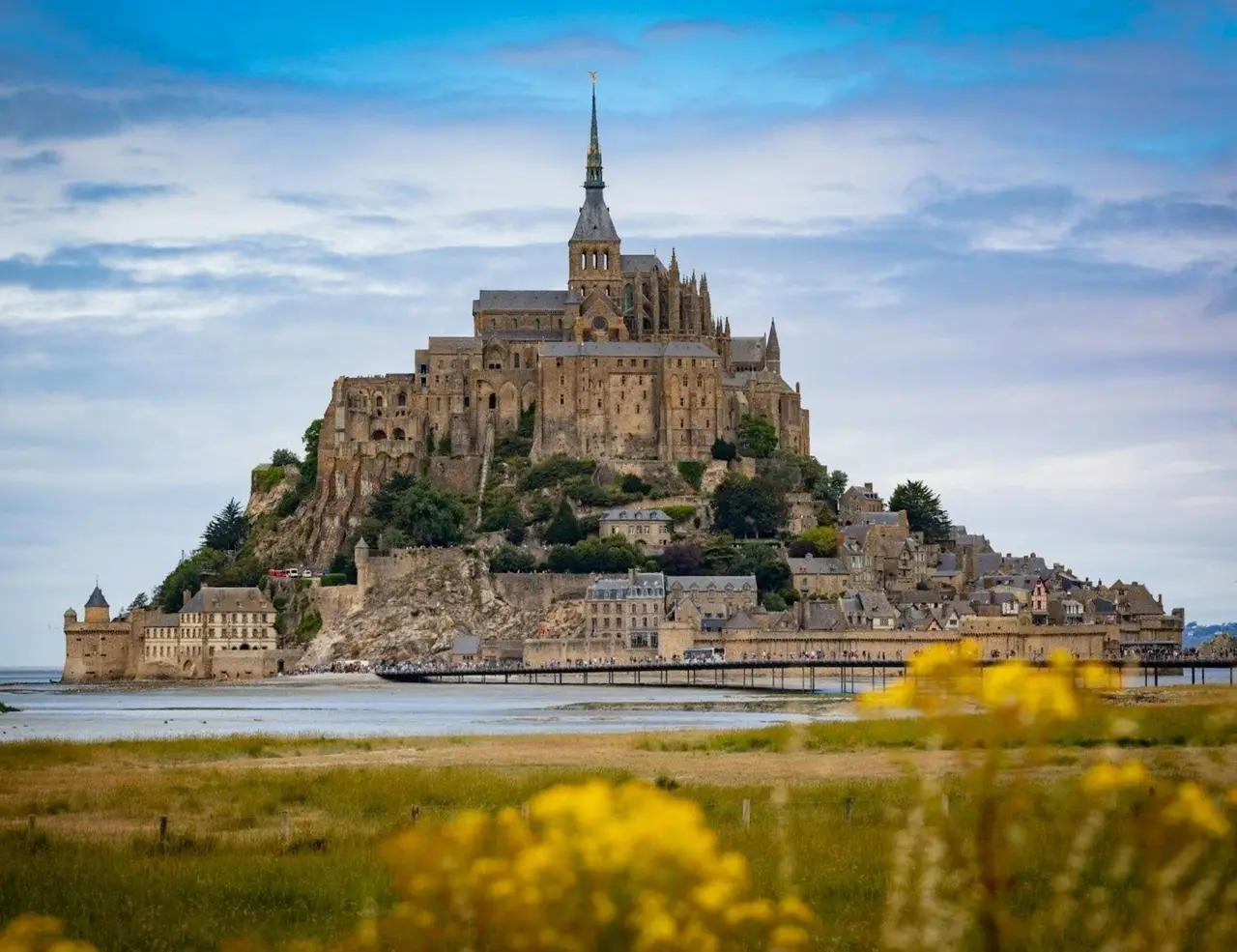
Table of Contents
Understanding the Eurovelo Routes
The EuroVelo routes form one of the most ambitious long-distance cycling networks in the world. Designed to connect the continent from north to south and east to west, EuroVelo weaves together thousands of kilometers of cycle paths, quiet roads, riverside tracks, and coastal routes into a single, interconnected system. What makes EuroVelo unique is not just its scale, but its intention. These routes are built to help cyclists experience Europe slowly, continuously, and at ground level.
The idea behind EuroVelo emerged in the mid-1990s, when the European Cyclists’ Federation envisioned a network that would make cross-border cycling accessible to everyone. The goal was not to create race routes or elite challenges, but to link cultures, landscapes, and everyday life through safe, well-marked cycling corridors. Today, the EuroVelo network comprises 17 long-distance routes, stretching from the Arctic Circle to the Mediterranean, from the Atlantic coast to the Black Sea.
Cycling a EuroVelo route feels different from riding a standalone trail. You are rarely isolated from life around you. One day you might be following a canal through vineyard country, the next rolling past village bakeries, medieval towns, or working farms. Borders often pass quietly, marked only by a change in language on road signs or the rhythm of the countryside. The experience is less about ticking off miles and more about continuity, about feeling how places connect rather than how they differ.
For cyclists, EuroVelo offers something rare. It combines the freedom of long-distance travel with the comfort of strong infrastructure. Routes are clearly signed, surfaces are largely accessible, and services are frequent enough to support relaxed, immersive riding. You can ride for an hour or for weeks, through cities or countryside, and still feel part of the same larger journey.
DREAMING OF CYCLING IN THE EUROVELO ROUTES?
Explore our amazing bike tours in Eurovelo Routes now !
The Origins of the EuroVelo Routes
The EuroVelo network was born from a simple but powerful idea: that Europe could be crossed by bicycle along safe, continuous, and inspiring long-distance routes that connect countries, cultures, and landscapes. The vision emerged in the mid-1990s, when the European Cyclists’ Federation began imagining a continent-wide cycling network that would make cross-border travel by bike not just possible, but deeply enjoyable.
At the time, many European countries already had strong national cycling paths, often following rivers, coastlines, or historic trade routes. What was missing was a unifying framework that stitched these paths together into coherent trans-European journeys. EuroVelo set out to do exactly that by linking existing infrastructure, encouraging new development where gaps existed, and creating a shared standard for signage, safety, and route continuity across borders.
From its early conceptual maps, the network gradually took shape into a system of numbered routes, each with its own theme and geographic logic. Some follow natural corridors such as the Danube, Rhine, or Atlantic coast, while others trace cultural and historical lines, including ancient pilgrimage paths, Roman roads, and medieval trade routes. This approach ensured that cycling the EuroVelo routes would never feel like riding through anonymous space, but rather like moving through layered landscapes shaped by history and daily life.
Over the past decades, EuroVelo has grown into one of the world’s most ambitious cycling projects. Today, it comprises 17 long-distance routes planned to span more than 90,000 kilometers across Europe, linking over 40 countries. Not all sections are fully completed, but many are already among the best-developed cycling corridors in the world, with smooth surfaces, clear signage, bike-friendly accommodations, and easy access to trains and towns.
What makes EuroVelo especially significant is its philosophy. It is not only about sport or endurance, but about slow travel, sustainability, and connection. Cycling the EuroVelo routes allows riders to experience Europe at a human pace, crossing borders without fanfare, stopping in villages rather than bypassing them, and engaging with landscapes that feel continuous rather than divided by political lines.
From a bold idea sketched on maps to a living network used by millions of cyclists each year, EuroVelo has reshaped how people imagine cycling across Europe. It stands today as both an infrastructure project and a cultural one, inviting riders to see the continent not as separate destinations, but as a connected journey best experienced on two wheels.
Why Go Cycling the Eurovelo Routes?
What sets EuroVelo apart is how seamlessly it turns an entire continent into a connected cycling experience. Designed specifically for long-distance and leisure riders, the network prioritizes safe infrastructure, clear wayfinding, and routes that feel welcoming rather than intimidating.
Purpose-Built Infrastructure for Long-Distance Riding
EuroVelo was created with cyclists in mind, not adapted as an afterthought. The routes prioritise dedicated cycle paths, traffic-free greenways, canal towpaths, and low-traffic country roads that feel calm and predictable. This makes cycling the EuroVelo routes accessible to a wide spectrum of riders, from experienced tourers to those attempting their first multi-day journey. Gradients are generally gentle, surfaces are well maintained, and the overall design encourages steady, enjoyable progress rather than constant vigilance.
Clear Signage and Effortless Navigation
One of the most reassuring aspects of cycling the EuroVelo routes is the consistency of wayfinding. Route numbers, logos, and directional signs appear across borders, reducing the need for constant map-checking. Even when riders use digital navigation, the physical signage builds confidence and keeps attention on the surroundings rather than the screen. This continuity becomes especially valuable on longer journeys that pass through multiple regions and languages.
Accessibility and Flexibility Built In
EuroVelo routes are designed to work with real life. Towns and villages appear at regular intervals, offering accommodation, food, and rest stops without the need for long detours. Rail networks often parallel the routes, allowing cyclists to shorten stages, bypass difficult weather, or link different sections with ease. This flexibility makes cycling the EuroVelo routes ideal for self-guided travel, families, and riders who want freedom without committing to rigid daily distances.
Borderless Travel and Cultural Flow
Few cycling experiences match the quiet thrill of crossing borders by bike. On EuroVelo routes, borders often pass without ceremony, marked only by a sign or a subtle shift in language and cuisine. One day you may be riding along an Italian riverbank, the next through Austrian vineyards or French farmland. This seamless movement highlights Europe’s shared landscapes while celebrating its regional differences, creating a deeply immersive cultural experience.
Europe at an Everyday Pace
Perhaps the most compelling quality of EuroVelo is how it reveals Europe as it is lived. The routes follow rivers shaped by centuries of trade, coastlines tied to fishing traditions, and countryside still guided by seasonal rhythms. Cyclists pass bakeries opening at dawn, schoolyards echoing with voices, vineyards in harvest, and evening cafés filling with locals. Cycling the EuroVelo routes is not about ticking off landmarks but about inhabiting the space between them, where daily life unfolds and the continent feels human in scale.
Which Are the Best Routes for Cycling in the Eurovelo Network?
With seventeen long-distance routes spanning the continent, the EuroVelo network offers extraordinary variety. From river valleys and coastal paths to historic trade corridors and pilgrimage landscapes, cycling the EuroVelo routes allows riders to experience Europe through some of its most defining geographies. While each route has its own character, a few have become especially popular for their scenery, accessibility, and cultural richness.
1. EuroVelo 7 – Verona to Bologna (The Sun Route)
This section of EuroVelo 7 traces a gentle southward journey through northern Italy, linking Verona’s Roman and medieval heritage with the food-rich heartland of Emilia-Romagna. Cycling here means following quiet country roads, riverside paths, and historic towns shaped by agriculture and trade. The terrain is largely approachable, making it ideal for riders who want cultural immersion without demanding climbs. Vineyards, market towns, and UNESCO-listed cities create a rhythm where cycling blends seamlessly into daily Italian life. This stretch captures why cycling the EuroVelo routes is often about continuity rather than challenge.
2. EuroVelo 8 – Costa Blanca to Valencia (The Mediterranean Route)
Along Spain’s eastern coast, EuroVelo 8 delivers a sunlit cycling experience shaped by the Mediterranean Sea. This section combines coastal paths, wetlands, orange groves, and historic port cities, offering a balance of relaxed riding and visual drama. Riders move between seaside towns and inland farmland, with frequent opportunities to pause for local food and coastal views. It is one of the most accessible ways to experience cycling the EuroVelo routes while enjoying warm climates, smooth surfaces, and strong cycling infrastructure.
3. EuroVelo 4 and La Vélomaritime – Normandy
In northern France, the Normandy section follows EuroVelo 4 and La Vélomaritime through landscapes shaped by tides, history, and open skies. Cycling here unfolds along quiet coastal roads, estuaries, and rolling countryside dotted with small villages. World War history, fishing harbors, and pastoral farmland add cultural depth to the ride. This route appeals to cyclists who enjoy steady pacing, thoughtful scenery, and the feeling of moving through landscapes where history remains present but unforced.
4. La Vélomaritime – Brittany
Brittany’s coastal riding is dramatic without being overwhelming. Following La Vélomaritime, cyclists travel along rugged headlands, sheltered bays, and historic ports where the Atlantic defines daily life. Stone villages, lighthouses, and tidal inlets shape each day’s ride. This section highlights how cycling the EuroVelo routes can feel raw and elemental, offering windswept beauty paired with excellent cycling paths and a strong sense of place.
5. La Vélodyssée – Bordeaux to Biarritz
This Atlantic-facing route is one of the most popular long-distance cycling corridors in France and a standout example of cycling the EuroVelo routes done well. The ride flows through pine forests, dune-backed beaches, estuaries, and lively surf towns before reaching the Basque coast. Flat terrain and dedicated cycle paths make it accessible, while changing landscapes keep the journey engaging. It is a route where cycling becomes almost meditative, guided by ocean air and the steady rhythm of the coast.
6. EuroVelo 6 – The Danube Cycle Path (Austria)
The Austrian stretch of EuroVelo 6 is often considered one of Europe’s finest cycling experiences. Following the Danube River, riders pass vineyard-covered hills, baroque towns, monasteries, and riverside villages where cycling feels woven into everyday life. The terrain is gentle and well-supported, making it an ideal introduction to cycling the EuroVelo routes. This section balances cultural landmarks with long, peaceful stretches of riding, offering a sense of flow that defines why river routes remain so beloved.
PLANNING A CYCLING HOLIDAY IN EUROVELO ROUTES?
Dive into our curated Eurovelo Routes cycling adventures today!
When Is the Best Time for Cycling the Eurovelo Routes?
The best time for cycling the EuroVelo routes depends on where you ride, but one of the strengths of the network is its seasonal flexibility. Spanning northern coastlines, river valleys, mountain foothills, and southern Mediterranean shores, EuroVelo offers good riding conditions across much of the year if you choose the right region at the right time.
Spring: April to June
Late spring is one of the most rewarding periods for cycling the EuroVelo routes across Central and Western Europe. From April onward, river paths such as the Danube Cycle Path and sections of EuroVelo 7 come alive with fresh greenery, blossoming orchards, and longer daylight hours. Temperatures are generally mild, usually ranging between 12°C and 22°C, which makes for comfortable all-day riding.
This season is especially appealing for routes that follow rivers and countryside, where towns feel active but not crowded. Spring is also when many local markets, festivals, and outdoor cafés reopen, adding cultural texture to each day on the bike.
Summer: July and August
Summer is the peak season for cycling the EuroVelo routes, particularly in northern Europe and along the Atlantic coast. Routes such as La Vélodyssée, La Vélomaritime, and parts of EuroVelo 4 benefit from cooler coastal breezes and long daylight hours that allow relaxed pacing. Infrastructure is fully operational, ferry crossings run frequently, and services are easy to access. In southern Europe and inland regions, summer can bring higher temperatures, especially in Italy and Spain. Early starts, shaded sections, and routes near water help manage the heat. Summer suits cyclists who enjoy lively towns, beachside riding, and a social atmosphere, though popular areas can be busier during school holidays.
Autumn: September to October
Early autumn is often considered the sweet spot for cycling the EuroVelo routes. Temperatures soften, crowds thin out, and landscapes take on warmer tones. Vineyards along the Danube and Rhine routes enter harvest season, while Mediterranean regions remain pleasantly warm without the intensity of midsummer heat. September and October are ideal for riders seeking a quieter, more reflective experience. Accommodation is easier to secure, paths feel less hurried, and the pace of travel aligns naturally with the slower rhythm of the season.
Winter: November to March
Winter cycling on EuroVelo routes is more selective but still possible in certain regions. Northern and Central Europe can be cold, with shorter daylight hours and occasional snow along river valleys. However, southern stretches of EuroVelo 8 in Spain or coastal sections with mild winters can remain rideable on clear days.
Winter is best suited to experienced cyclists who value solitude and flexibility, or those combining shorter rides with cultural exploration. Many riders choose to pause long-distance journeys during this season and return when conditions improve.
Choosing the Right Route for the Season
Rather than asking for one ideal month, the key to cycling the EuroVelo routes is matching the route to the season. River routes shine in spring and autumn, coastal routes thrive in summer, and southern sections offer options in cooler months. With thoughtful planning, the EuroVelo network allows cyclists to ride almost year-round, always finding landscapes and conditions that feel right for the moment.
Enjoying Food on the Eurovelo Routes
1. Buckwheat Galettes
Perhaps the most iconic dish of Eurovelo Routes , galettes are savory crêpes made with buckwheat flour. They are traditionally filled with ham, cheese, and egg, though variations include mushrooms, smoked salmon, or local vegetables. Found in almost every village crêperie, they are hearty, wholesome, and perfect for cyclists looking to refuel. Their earthy flavor reflects the Breton soil where buckwheat has been cultivated for centuries. Enjoying one at a small crêperie with cider on the side is an experience as authentic as the ride itself.
2. Fresh Oysters from Cancale
The fishing town of Cancale on Eurovelo Routes ’s northern coast is world-renowned for its oysters, once praised by Louis XIV himself. Eaten raw with a squeeze of lemon or paired with a glass of crisp Muscadet wine, they are best enjoyed fresh from seaside stalls overlooking the bay.
Cancale’s oyster beds stretch far into the bay, visible at low tide, giving cyclists a direct connection between sea and plate. Stopping for a tasting here is not just a meal, but a chance to soak in the salty air and seafaring heritage of Eurovelo Routes .
3. Kouign-Amann
This indulgent pastry, whose name means “butter cake” in Breton, is made from layers of dough, butter, and sugar baked into a caramelized delight. Originating in the town of Douarnenez, kouign-amann has become a symbol of Eurovelo Routes ’s baking tradition. Rich and golden, it offers the perfect blend of crisp edges and tender layers. Found in bakeries across the region, it rewards cyclists with a taste that is both decadent and deeply rooted in local tradition.
4. Breton Cider
Eurovelo Routes ’s apple orchards produce some of the finest cider in France, often served in traditional ceramic bowls. Dry, sparkling, and slightly tangy, it pairs perfectly with buckwheat galettes and seafood. Many small producers open their doors for tastings, often set among picturesque orchards where the scent of apples hangs in the air. For cyclists, a pause at a cider farm is both refreshing and a window into the agricultural heart of Eurovelo Routes .
5. Salted Butter Caramel
Eurovelo Routes is famous for its salted butter, and its most beloved creation is salted butter caramel. Whether spread on crêpes, swirled into ice cream, or crafted into candies, it is a sweet that captures the essence of the region. Markets and artisanal shops sell endless variations, from jars of smooth caramel cream to hand-wrapped caramels. For riders, it’s both a quick sugar boost on the road and a memorable taste to take home.
Embrace the Spirit of Cycling the Eurovelo Routes
Experience the freedom and diversity of cycling the EuroVelo routes, where every day on the saddle brings a new landscape and a new story. From windswept coastlines and tidal bays to river valleys, vineyards, and medieval towns, these routes reveal Europe at a human pace. Cycling here means moving through places shaped by centuries of trade, pilgrimage, and everyday life, with borders fading and cultures unfolding naturally as the miles pass.
With more than a decade of experience designing exceptional cycling journeys, Art of Bicycle Trips offers carefully crafted tours along some of the most rewarding sections of the EuroVelo network. Our tours combine handpicked accommodations, authentic regional food experiences, and thoughtful cultural encounters, supported by experienced trip leaders and a dedicated support vehicle. Whether you are riding beside great rivers, along quiet greenways, or through historic coastal regions, cycling the EuroVelo routes with us is designed for comfort, connection, and a deep sense of discovery.
If you are ready to explore Europe by bike in a way that feels immersive, relaxed, and richly rewarding, our EuroVelo tours invite you to ride with confidence and curiosity, and to experience the continent one unforgettable day at a time.
READY TO CYCLE THE EUROVELO ROUTES ?
Get started with your cycling adventure now!
