
Understanding the Douro Valley
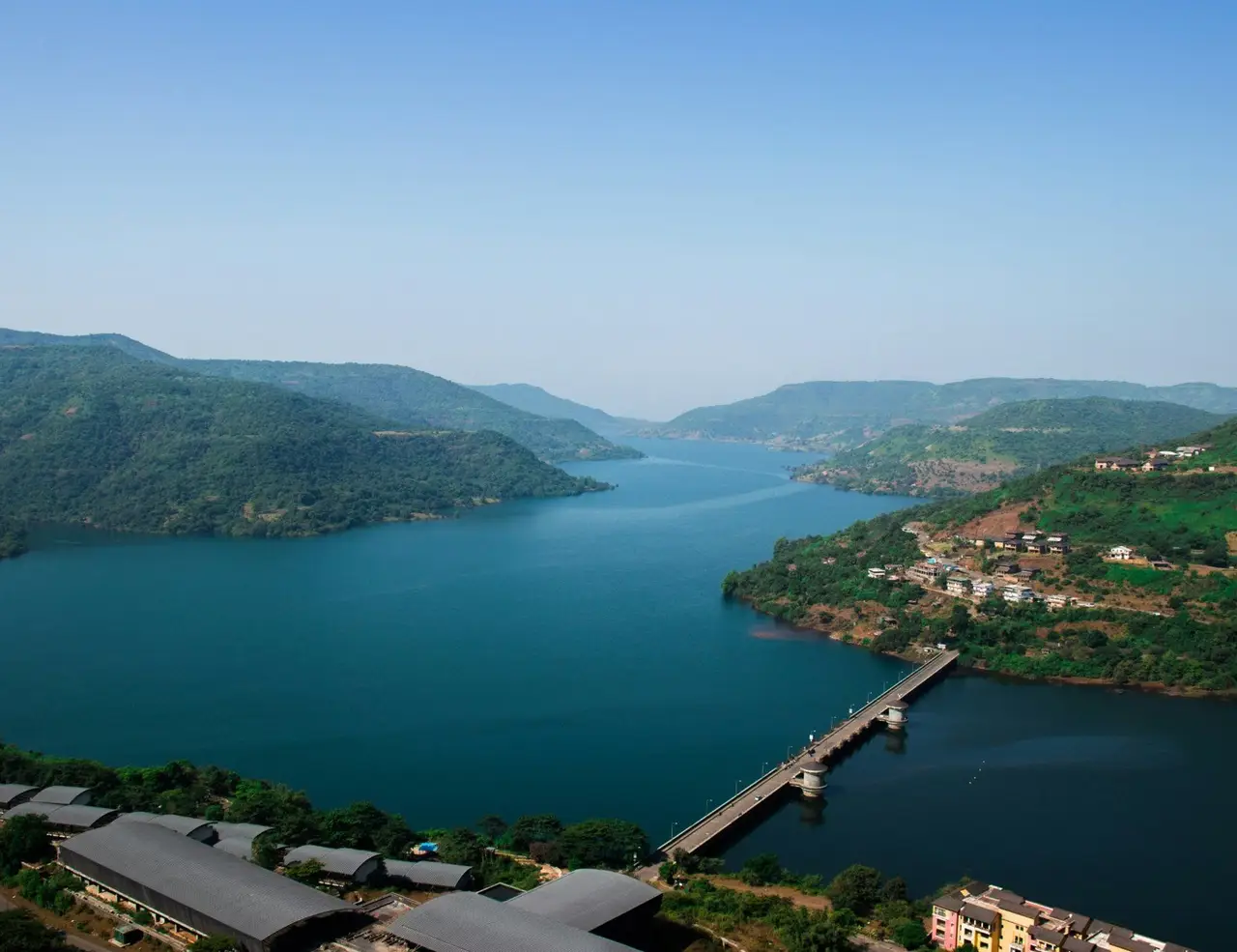
The Douro Valley is a living vineyard landscape, shaped by terraces carved into steep hillsides and held together by stone walls. The river moves slowly through it, curving between mountains and plateaus, carrying a long history of harvests and winemaking. For centuries, barrels of Port travelled this same waterway toward Porto on wooden rabelo boats, a reminder of how closely the valley’s identity is tied to the river.
Towns like Pinhão sit tucked into the slopes, with whitewashed houses, tiled chapels, and railway stations decorated in blue azulejo tiles that depict scenes of picking, pressing, and celebration. Stories of work, migration, and longing echo here in the same quiet register that shapes Portuguese music like Fado, not dramatic, but reflective and deeply rooted in place. Recognised as a UNESCO World Heritage site, the valley feels worked rather than designed, shaped by patience and continuity rather than spectacle.
Cycling in Douro Valley lets the region’s history and daily life come into focus. Roads follow the river, then rise through the vineyards toward viewpoints where terraces unfold in long, deliberate lines. The ride moves between quiet riverbanks, hillside curves, and village pauses, revealing how land, labour, and culture continue to live side by side.
Topography
The Douro Valley is shaped by the interplay of river, terrace, and slope. Riding often begins close to the water, where roads follow the Douro’s bends in long, easy lines and gradients remain gentle. The landscape feels enclosed yet open, with new views appearing at every curve.
From the riverbanks, the hills rise in stepped terraces. Roads climb in steady switchbacks, revealing wider perspectives of vineyards, stone walls, and the patient geometry of agriculture. Many of these slopes are cut from dark schist, which absorbs heat through the day and gives the valley its distinct, earthy colour. The effort is gradual rather than harsh, and the reward comes at viewpoints like the Miradouro de São Leonardo da Galafura, where terraces and river folds stretch far into the distance.
Further inland, the terrain softens into rolling plateaus and quiet tributary valleys such as the Côa and Távora. Here, riding becomes more rhythmic, passing orchards, small forests, and villages before drawing gently back toward the main river corridor. These shifts give cycling in Douro Valley its characteristic flow. The journey moves from calm riverside stretches to hillside curves and open outlooks, delivering variety without breaking the sense of continuity.
Climate
The Douro Valley has a predominantly continental climate, shaped by the shelter of surrounding mountains and the moderating presence of the river. Summers are warm, winters are cool, and the long shoulder seasons make cycling here especially appealing. The rhythm of riding often feels connected to the rhythm of the vineyards themselves.
Spring and autumn are the most comfortable periods for cycling in Douro Valley. From April to June, daytime temperatures usually sit between 16 and 24 °C (60–75 °F), with fresh mornings and clear afternoons. September and October are equally inviting, typically ranging from 18 to 26 °C (64–79 °F), when harvest brings colour, movement, and gentle activity to the terraces.
Summer can be noticeably hotter, especially in July and August, when temperatures often reach 28 to 34 °C (82–93 °F). Riders tend to start early, rest during the middle of the day, or follow stretches closer to the river where light breezes offer some relief. Evenings cool back toward comfort, and rides late in the day can feel especially atmospheric.
Winters are quieter and cooler, with daytime temperatures generally between 8 and 14 °C (46–57 °F). Rain is more frequent, mornings along the river can be misty, and higher ground can feel crisp, though snow is uncommon. Some routes remain rideable, but most cyclists prefer the brighter months.
Overall, the Douro’s climate supports a long cycling season, with each time of year offering its own mood, from green spring slopes to golden harvest hillsides and calm winter valleys.
Flora and Fauna
The Douro Valley unfolds through vineyard terraces, river corridors, olive groves, and upland patches of forest that shift in colour and mood across the seasons. Along the riverbanks, reeds, willows, and poplars create shaded edges where the water moves slowly and birds gather. Closer to the slopes, vines dominate the hillsides in ordered rows, stitched into terraces that define almost every view.
In spring, new leaves emerge across the vineyards and wildflowers appear along roadside verges. Almond and cherry trees blossom in softer pockets of the valley, and herbs such as thyme and rosemary release their scent from rocky soils warmed by the sun. By summer, the terraces deepen into green, olives swell in small groves, and chestnut trees add darker foliage to higher ground.
Autumn brings a striking transformation. The vines turn amber, copper, and gold as the harvest begins, and the landscape takes on a layered richness that feels closely tied to the work of the season. Even in winter, when the vines lie bare, the terraces retain a quiet beauty, revealing the structure of stone walls and the shape of the hills beneath.
Wildlife reflects the variety of habitats. Herons, egrets, and kingfishers appear along the river, while swallows and bee-eaters sweep across open spaces in warmer months. Small raptors circle above the slopes, and in the quieter uplands it is not unusual to glimpse deer moving at the edges of woodland. Insects and pollinators thrive through spring and early summer, bringing a soft constant movement to roadside flowers and vineyard borders.
Cycling in Douro Valley moves through all of these environments in close succession. The scenery shifts gently from water to terrace, from orchard to forest edge, offering a steady sequence of textures, scents, and quiet wildlife encounters that deepen the sense of traveling through a living landscape.
Economy
The economy of the Douro Valley is deeply tied to wine, agriculture, and a growing network of tourism that follows the river landscape. Vineyards form the region’s backbone, producing both Port and an increasing range of high-quality dry wines. Many estates remain family run, with work still organized around the rhythm of pruning, harvest, and cellar time, making viticulture not only an economic activity but also a cultural anchor.
Alongside wine, the valley supports olives, almonds, citrus, and small plots of vegetables that supply local markets and village restaurants. Beekeeping and olive oil production add to this agricultural mosaic, while livestock and pastoral farming continue in the uplands beyond the main river corridor. These smaller economies shape the food culture cyclists encounter, from honey and olive oil tastings to simple meals rooted in seasonal produce.
Tourism has grown steadily as the Douro gained international recognition as a UNESCO World Heritage site. Visitors come for river cruises, vineyard stays, tasting rooms, scenic train journeys, and slow travel experiences that follow the contours of the valley. Porto acts as the main gateway, feeding movement inland toward towns like Peso da Régua and Pinhão, where services, guides, and hospitality cluster.
Hospitality itself has evolved around the wine estates. Many quintas now combine agricultural production with guest accommodation, cellar tours, and dining, creating hybrid spaces where work and visitor experience overlap. This diversification has allowed families to maintain historic properties while adapting to contemporary travel patterns.
For cyclists, the economy becomes visible in motion. Rides move past working vineyards, small farm terraces, cooperatives, and roadside cafés that rely on both local communities and seasonal travelers. Cycling in Douro Valley offers a glimpse into how closely livelihood, land, and tradition remain interconnected here, with every turn of the river shaping the lives of the people who call the valley home.
DREAMING OF CYCLING IN DOURO VALLEY ?
Explore our amazing bike tours in Douro Valley now !
Why Go Cycling the Douro Valley?
1. Terraced Vineyards Built by Hand
The Douro is one of the world’s oldest demarcated wine regions, and its signature terraces are not decorative. They were cut, stacked, and rebuilt by hand over centuries so grapes could grow on steep, schist hillsides. Cycling in Douro Valley places you among these walls, where every curve of the road reveals new layers of stone, vine, and river. The landscape feels intentional and worked, shaped slowly by people who learned to cooperate with the land rather than conquer it. You begin to notice how terraces change with slope, sunlight, and soil, giving each hillside its own quiet personality.
2. A River that Once Carried Wine to the Sea
Before roads and trains, wine travelled to Porto by boat. Wooden rabelos navigated the river’s bends and currents with barrels strapped on deck. Reminders of this river trade still shape the valley’s identity. Riding beside the Douro, you follow the same corridor once used for transport and livelihood, passing small quays and towns gathered close to the water. The river is not just scenery. It is the thread that holds the valley together. Its presence shapes where roads run, where villages settle, and where the eye is drawn at every viewpoint.
3. Railway Stations that Tell Stories in Tile
Few cycling regions have railway stations like the Douro’s. At places such as Pinhão, azulejo tiles depict pruning, harvesting, pressing, and celebration across the seasons. These images turn everyday infrastructure into memory and narrative. As the tracks run parallel to the road, cyclists move alongside a living record of work, travel, and tradition. Waiting areas feel almost like open-air galleries, where the past remains visible without needing explanation. It is a reminder that movement here has always been practical, seasonal, and deeply tied to the land.
4. Viewpoints Where the Valley Opens Like a Map
The Douro is famous for its miradouros, the viewpoints set high above the bends of the river. Reaching places like São Leonardo da Galafura or Casal de Loivos reveals sweeping amphitheatres of terraces stepping down toward the water. The climbs are steady rather than extreme, and the reward is the sense of reading the landscape from above. From these heights, roads look like threads linking villages, vineyards, and tributaries into a single pattern. Pausing here gives context to the ride, showing how every descent eventually leads back toward the river’s central line.
Which Are the Best Places for Cycling in the Douro Valley?
Peso da Régua to Pinhão
This stretch feels like entering the essence of the Douro. Roads run close to the river, tracing the bends as terraces stack upward in carefully built layers. The riding is steady and fluid, with gentle gradients that allow time to look outward rather than down at the handlebars. Along the way, small villages appear almost organically, marked by tiled chapels, stone staircases, and modest quays that speak to the region’s working heritage. Approaching Pinhão, the valley seems to narrow, drawing cyclists into a quieter world where vineyards press close to the road. The railway station, covered in azulejo tiles showing scenes of harvest and river transport, anchors the experience and connects the route to the stories of those who have lived and worked here for generations.
Upper Douro around São João da Pesqueira
Further upriver, the landscape becomes grander and more dramatic. Hills rise higher, terraces tighten across steeper slopes, and the sense of distance grows as the river cuts deep channels through the land. Cycling here brings longer climbs that open slowly into wide viewpoints, then drop back toward the water in long sweeping curves. The roads feel remote yet purposeful, threading between vineyards, chapels, and isolated farmhouses that overlook expansive terraces. In this part of the valley, the human effort behind the landscape becomes especially visible. Each wall, step, and contour reflects centuries of adaptation, and riding through it gives a stronger appreciation of how geography and work continue to shape everyday life.
Vila Nova de Foz Côa and the Côa Valley
The Côa Valley introduces a softer tempo and a different register of history. Here, roads move away from the main river corridor and follow a tributary through orchards, olive groves, and quiet stone hamlets. The gradients ease, creating rides that unfold slowly through open countryside. Vila Nova de Foz Côa serves as a cultural anchor, known for its prehistoric rock art sites and the sense of deep time they evoke. Cycling through this area feels contemplative, guided more by curiosity than by dramatic scenery. It reveals another dimension of the Douro: one built not only on vineyards and river trade, but on ancient settlements, pastoral rhythms, and landscapes that have held human presence for thousands of years.
Távora Valley and Surrounding Hamlets
The Távora Valley offers one of the most peaceful environments for cycling in the region. Roads weave through orchards, almond trees, and small fields bordered by dry-stone walls, creating the sense of moving through lived-in countryside rather than tourist territory. Villages appear with little introduction, shaped around central squares, fountains, and modest churches that anchor community life. The riding is rhythmic and accessible, suited to long, unhurried days with frequent pauses. Returning toward the Douro after time in the Távora feels like rejoining a larger conversation, carrying with you impressions of daily work, seasonal cycles, and landscapes shaped by quiet continuity.
Miradouro de São Leonardo da Galafura and Casal de Loivos
Some of the most memorable views in the Douro arrive from above. The climbs to miradouros such as São Leonardo da Galafura or Casal de Loivos wind patiently uphill, curving through vineyards and patches of forest before opening into wide amphitheatres of terraces. From these vantage points, the landscape unfolds like a map. Roads appear as fine threads linking villages, vineyards, chapels, and riverside quays, while the Douro itself winds through everything as a single, unbroken line. Pausing here brings orientation and clarity. The descent that follows feels earned, guided by the knowledge of how each bend and hillside fits into the broader shape of the valley.
Lamego and the Hills Above the River
Lamego sits slightly apart from the river, on higher ground where the air feels cooler and the perspective widens. Cycling here introduces a different mood, with roads rising toward wooded slopes, vineyards arranged in broader patterns, and historic landmarks emerging among the hills. The Sanctuary of Nossa Senhora dos Remédios, approached by a monumental stairway, stands as a reminder of faith and devotion woven into the daily landscape. Rides around Lamego often combine cultivated terraces with stretches of open countryside, giving a sense of both distance and repose. Returning toward the Douro afterward brings the feeling of descending back into the valley’s central embrace.
Pocinho and the Remote Eastern Douro
Near Pocinho, the valley becomes quieter, more spacious, and more remote. The river straightens, the hills broaden, and villages grow farther apart. Cycling here evokes a stronger sense of solitude, with long lines of road leading through landscapes that feel less curated and more elemental. The terraces thin out, replaced by open slopes, scrubland, and long views across the river corridor. Yet the imprint of human presence remains, visible in old estates, railway traces, and the patterns of fields that continue to follow the land’s contours. Riding this stretch makes the Douro feel vast and layered, extending beyond the more familiar scenic heart into territories shaped by resilience and endurance.
PLANNING A CYCLING HOLIDAY IN DOURO VALLEY?
Dive into our curated Douro Valley cycling adventures today!
When Is the Best Time for Cycling in the Douro Valley?
Best Season: April to June and September to October
Spring and early autumn are the most rewarding times for cycling Verona, particularly for those combining cultural visits with scenic riding. From April to June, the hills behind Verona begin to bloom, vineyards in Valpolicella fill with early sprouting leaves, and the riverbanks along the Adige come alive with greenery. The city is warm but comfortable during these months, with typical daytime temperatures between 16 and 25°C (61 and 77°F), ideal for both lakeside stretches toward Garda and urban explorations of Verona’s historic center. Spring is also when the Arena season begins, and planning rides around opera evenings becomes a meaningful part of the experience. Market squares fill with seasonal fruit, local cheeses, and regional pastries, making mid-ride stops especially appealing.
September and October provide an equally rewarding window. Vineyards shift into harvest, and the countryside between Verona, Mantua, and Bologna fills with autumn color. Riding the EuroVelo Sun Route in early autumn offers quiet paths, softer light, and long, cool mornings that stretch into sunlit afternoons. Temperatures settle around 18 to 24°C (64 to 75°F), and small towns celebrate wine, olive oil, mushrooms, and early truffle season. Cycling Verona at this time feels particularly atmospheric, with fewer crowds around major monuments, clearer views across the hills, and a culinary calendar perfectly aligned with the cool-weather ride.
Shoulder Season: March and November
March marks the beginning of spring awakening. Almond blossoms and early orchards appear along river paths, and longer daylight gently brings cyclists back onto the roads. Temperatures between 10 and 16°C (50 and 61°F) make this a pleasant but quieter time to explore, ideal for riders who prefer slower tourism and uncluttered piazzas. The lakefront around Garda remains peaceful before summer crowds arrive, and the mild weather allows for comfortable day trips into Valpolicella and the plains leading toward Mantua.
November offers a different emotional tone. Vineyards turn copper and gold, olive presses begin operating in rural estates, and trattorias start serving deep, warming dishes after harvest. The cooler temperatures make steady flat rides appealing, especially along river corridors and canal paths where the scenery reflects autumn’s softer palette. Roads remain open, and traffic thins, creating a reflective and atmospheric cycling setting.
Off-Season: December to February
Winter in and around Verona is cool but not severe, particularly at lower altitudes and near the lakes. Daytime temperatures typically range from 5 to 12°C (41 to 54°F). Rides during this period are shorter, often centered around the riverfront or through historic quarters where cultural life continues regardless of season. Christmas markets illuminate Piazza Bra and Piazza delle Erbe, while Carnival festivities animate towns further south. Cycling in Verona during winter means fewer tourists, clear morning skies, and quiet museum visits paired with warm meals of risotto, seasonal cheeses, and rich stews.
For cyclists who enjoy stillness and slow exploration, winter holds its own charm. The routes may not stretch as far into the hills, yet the intimacy of the city and its calm seasonal rhythm create an experience that is peaceful, architectural, and distinctly local.
Enjoying Food in Douro Valley
1. Douro Wines
The Douro is known first for wine, both the iconic Port and increasingly refined dry reds and whites. Vineyards line the hillsides, and tasting often happens inside century-old cellars where stone walls hold the day’s cool air. Many estates guide you through different expressions of the same hillside, explaining how soil, altitude, and sun exposure shape flavor. Cycling into these vineyards gives context to every glass, because you have already traced the terrain that produced it. Even a simple tasting feels connected to geography, craftsmanship, and long continuity.
2. Port Wine
Port remains the valley’s most symbolic creation. Sweet, fortified, and deeply aromatic, it was originally made to survive long journeys by ship. Cellars across the region still age their barrels in quiet, dimly lit rooms where time works slowly. Tasting Port after a day of riding is less about quantity and more about appreciation: tawny, ruby, vintage, each carrying its own story. Paired with cheese, dried fruit, or dark chocolate, it becomes a reflection of the region’s climate and patience.
3. Bacalhau
Bacalhau, or salt cod, is one of Portugal’s most beloved dishes, appearing in countless preparations. In the Douro, you may encounter it baked with onions and potatoes, layered with olive oil, or combined with chickpeas and herbs. Its saltiness balances beautifully with local olive oil and crisp white Douro wines. Despite its maritime origins, it feels at home here, linking inland traditions with Portugal’s seafaring past. For cyclists, it is hearty, restorative, and satisfying after a long climb.
4. Roasted Kid and Local Meats
In the countryside, roasted kid goat and slow-cooked pork feature prominently in family kitchens and regional restaurants. These dishes are often prepared over wood or in clay ovens, allowing meat to turn tender and deeply flavored. They arrive accompanied by potatoes, greens, and sometimes chestnuts from nearby groves. Meals like this speak to rural heritage and seasonal rhythms, where gatherings revolve around simple ingredients handled with care. Paired with a structured Douro red, they feel grounded and celebratory at once.
5. Olive Oil and Village Bread
Olive groves share the hillsides with vineyards, producing oils that are grassy, fruity, and unmistakably local. Tasting usually begins with fresh bread, sometimes still warm, torn by hand at the table. A drizzle of golden oil, perhaps sprinkled with sea salt or herbs, becomes a small ritual before the meal. For riders, it is also an easy and nourishing snack. It captures the essence of local agriculture in its purest form, revealing how deeply everyday cooking is tied to the land.
Experience the Rhythm of Cycling the Douro Valley
Discover cycling in Douro Valley through journeys that move with the river, rise toward terraced viewpoints, and pause in villages shaped by centuries of wine culture. Riding here means following the curves of the Douro, winding past stone-walled vineyards, and stopping at tiled railway stations that read like storybooks of the harvest. Each day carries its own rhythm, whether tasting a glass of Port at sunset, gliding along the water’s edge, or climbing gently toward a miradouro where the valley opens below.
Art of Bicycle Trips designs Douro Valley tours that bring landscape, flavor, and ease together. Routes trace the most scenic stretches of the river, explore tributary valleys such as the Távora and the Côa, and include time at historic quintas where vineyards and hospitality meet. Stays at heritage wineries, thoughtfully paced rides, and cultural stops create a journey that feels both grounded and deeply personal.
With carefully curated accommodations, detailed navigation, and reliable on-ground support, you are free to ride at your own comfort while staying immersed in the valley’s atmosphere. Cycling the Douro becomes a way of understanding the place from within, moving through terraces, river light, and quiet towns at a pace that is unhurried, meaningful, and unforgettable.
READY TO CYCLE DOURO VALLEY?
Get started with your cycling adventure now!
