
Cycling Guides | Last updated:
The Complete Guide To Cycling the Basque Country
By Shivangi Vaswani •
Understanding Basque Country
The Basque Country is a place defined by a strong sense of identity, shaped by language, landscape, and traditions that have endured for centuries. Here, green hills rise sharply from the Atlantic, fishing ports sit beside rugged cliffs, and villages carry a culture that feels proudly distinct from the rest of Spain and France. The Basque language, Euskara, one of Europe’s oldest living languages, underpins a way of life that values community, craftsmanship, and deep ties to the land.
From the cultural energy of Bilbao to the seaside elegance of San Sebastián, the region balances modern creativity with long-held traditions. Food, music, and sport play a central role, and cycling culture runs deep, celebrated in local races and roadside support that feels instinctive rather than staged.
Cycling in Basque Country is a way to enter this world slowly and attentively. Roads trace the contours of the coast and fold inward through quiet valleys, revealing landscapes that feel powerful yet intimate.
Topography
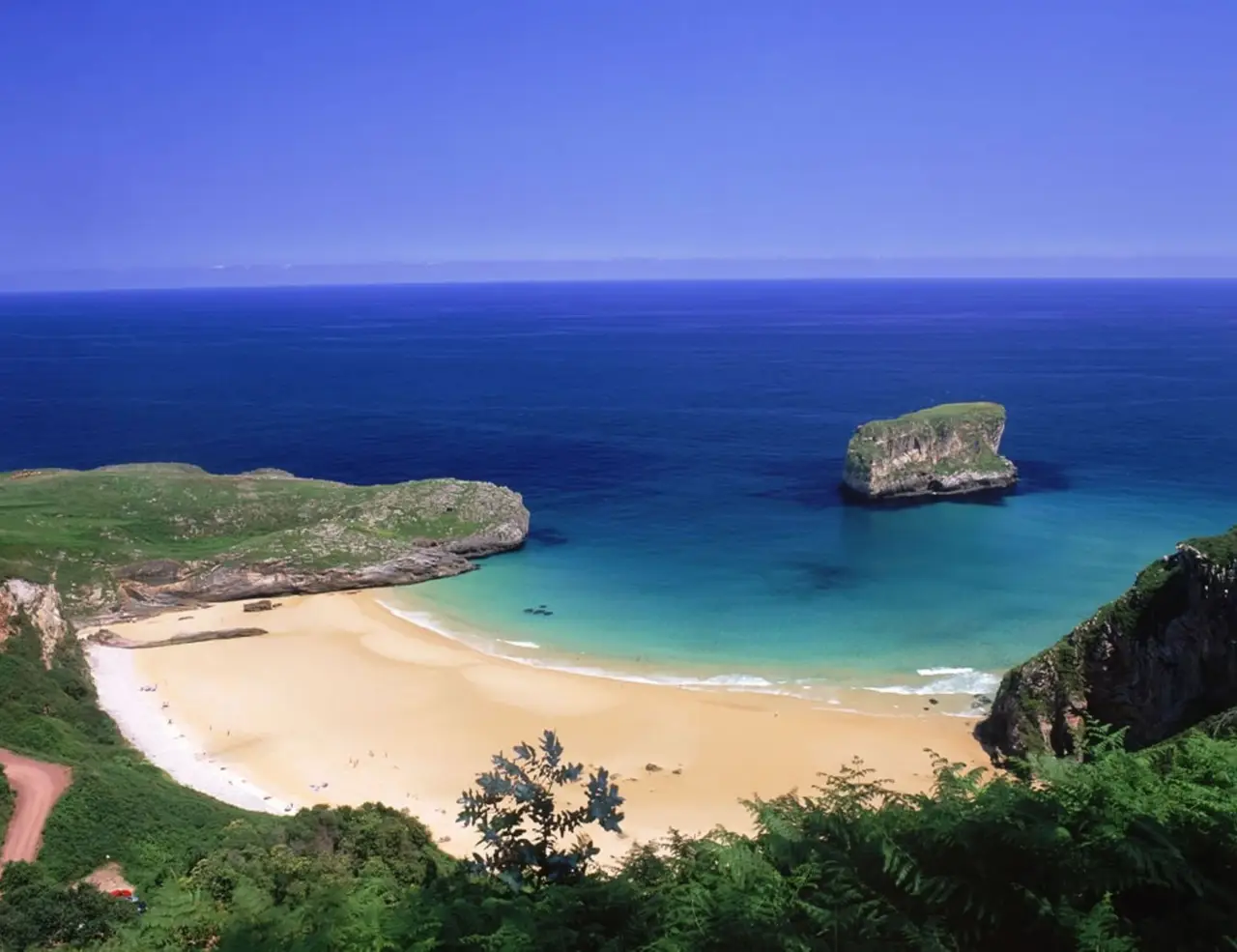
The Basque Country sits where the Atlantic Ocean meets a dense, mountainous interior, creating one of the most dramatic and compact landscapes in Western Europe. The terrain rises quickly from the coast, with green hills and steep ridgelines pressing close to seaside towns and fishing ports. Short river valleys cut inland from the Bay of Biscay, forming natural corridors that link the coast to rural heartlands and upland pastures.
Inland, the land folds into a series of sharp climbs, rolling plateaus, and narrow valleys shaped by rivers such as the Nervión and the Oria. These hills are not high in alpine terms, but they are persistent, with frequent elevation changes and punchy gradients that define the riding experience. Roads wind through forested slopes, pastureland, and scattered farmsteads, often revealing wide views back toward the sea or across layered green ridges.
Cycling in Basque Country is marked by this constant movement of terrain. Flat stretches are rare, but climbs are usually short and rewarding, followed by flowing descents that feel naturally engineered into the landscape. This compact topography gives cycling Basque Country its character, creating routes that feel dynamic, challenging, and deeply connected to the land rather than dominated by a single summit or plain.
Climate
The Basque Country experiences a mild Atlantic climate that sets it apart from much of Spain and southern France. Proximity to the Bay of Biscay brings frequent cloud cover, regular rainfall, and cooler temperatures, giving the region its famously green landscapes and fresh coastal air. For cyclists, this translates into riding conditions that are rarely extreme, with fewer heat-related challenges than many southern European destinations.
Summer temperatures typically range between 20 and 26 °C (68 to 79 °F), even during July and August. Coastal breezes help regulate daytime warmth, while inland valleys remain comfortable rather than hot. This makes long climbs and rolling terrain more manageable during peak summer months, especially compared to Mediterranean regions further south.
Spring and autumn are particularly well suited to cycling in Basque Country. From April to June and again from September to October, daytime temperatures usually sit between 15 and 22 °C (59 to 72 °F). The countryside is vibrant in spring, with fresh grass and wildflowers across the hills, while autumn brings softer light and deeper greens as forests and pastures shift tone. These seasons combine pleasant temperatures with quieter roads and a slower rhythm in rural areas.
Rainfall is spread fairly evenly throughout the year and often arrives in short, passing showers rather than prolonged storms. Winters are cool but rarely severe, with average daytime temperatures between 8 and 14 °C (46 to 57 °F) along the coast. Snow is uncommon and usually limited to higher inland elevations. Overall, the Basque climate supports a long cycling season, favoring riders who appreciate cooler air, lush scenery, and ever-changing skies while cycling in Basque Country.
Flora and Fauna
The Basque Country is one of the greenest regions in southwestern Europe, shaped by its Atlantic climate, frequent rainfall, and rolling terrain. Lush pastures, dense forests, and fern-lined hillsides dominate the landscape, creating a setting that feels markedly different from the drier Mediterranean regions to the south. Cycling in Basque Country means moving through scenery that is consistently alive with shades of green, from coastal slopes to inland valleys.
Native forests are a defining feature of the region. Oak, beech, and chestnut trees cover much of the countryside, especially in the hills and lower mountain ranges that rise behind the coast. In spring and early summer, hedgerows and forest edges fill with wildflowers, mosses, and ferns, while meadows are thick with grass used for grazing sheep and cattle. Apple orchards also appear frequently, supporting the production of traditional Basque cider and adding seasonal blossom to rural routes.
Closer to the coast, vegetation shifts slightly. Windswept grasses, shrubs, and hardy coastal plants cling to cliffs and headlands overlooking the Bay of Biscay. These areas offer open views and a more rugged plant life, contrasting with the enclosed feel of inland forest roads. Cycling between coast and countryside reveals these changes clearly, often within the same day.
Wildlife is present but subtle. Birdlife is especially rich, with seabirds along the coast and raptors such as buzzards and kites circling above inland ridges. Woodlands support deer, foxes, and wild boar, which are most often spotted early in the morning or near dusk. Smaller details stand out as well, butterflies along meadow roads, frogs near streams, and grazing sheep that remain central to the region’s pastoral identity.
This close connection between land, climate, and wildlife gives cycling in Basque Country a distinctly natural feel. Routes pass through living landscapes rather than curated scenery, where forests, farmland, and coastlines coexist and reveal themselves gradually with every kilometer ridden.
Economy
The Basque Country’s economy is shaped by a strong sense of regional identity and a balance between traditional livelihoods and modern industry. Agriculture remains important, particularly small-scale farming rooted in the region’s hilly terrain and wet Atlantic climate. Dairy farming is central, supporting the production of milk, butter, and well-known cheeses such as Idiazabal, which is made from sheep’s milk and often smoked. Apple orchards are another defining feature, closely tied to the production of Basque cider, which plays a social as well as economic role in rural communities.
Fishing has long been a cornerstone of coastal life. Ports along the Bay of Biscay support fleets that bring in anchovies, tuna, hake, and other Atlantic species. These fishing traditions influence both the local economy and cuisine, linking inland villages to the coast through markets and restaurants. Cycling in Basque Country often reveals this connection, as routes move easily between green farmland and working harbors where fishing remains part of everyday life.
Industry and manufacturing also play a significant role, particularly in the Spanish Basque Country. The region is known for its strong industrial base, including engineering, shipbuilding, and advanced manufacturing, which has supported economic stability and infrastructure development. This industrial strength exists alongside a network of small family-run businesses, from bakeries and cider houses to artisan food producers.
Tourism has grown steadily, driven by the region’s landscapes, food culture, and reputation for outdoor activities. Visitors are drawn to coastal towns, surf beaches, mountain roads, and vibrant cities, as well as to the Basque Country’s distinctive culinary scene. Cycling tourism fits naturally within this framework, supporting guesthouses, cafés, and rural accommodations while encouraging slower travel through lesser-visited areas.
Together, these elements create an economy that feels grounded and resilient. For cyclists, this means riding through regions where local production, working landscapes, and everyday commerce remain visible, giving cycling in Basque Country a sense of authenticity rooted in how people live and work today.
DREAMING OF CYCLING THE BASQUE COUNTRY?
Explore our amazing bike tours in the Basque Country now !
Why Go Cycling Basque Country?
1. Atlantic Coastlines and Mountain Backdrops
Cycling Basque Country brings together two dramatic landscapes in a way few regions manage. Routes often begin near the cliffs and beaches of the Bay of Biscay, where roads trace headlands and fishing villages, before turning inland toward the lower slopes of the Pyrenees. The contrast is immediate and constant. One moment you are riding beside rolling surf and open horizons, the next you are climbing into green hills framed by mist and forest. This coastal-to-mountain transition gives every stage a strong sense of progression and visual reward.
2. Climbs That Shape Cycling Culture
The Basque Country is known for its punchy climbs and undulating terrain, which have helped define its deep-rooted cycling culture. Narrow roads rise sharply through pastureland and wooded hills, often revealing wide views at the crest before fast, winding descents. These roads are celebrated in professional racing and loved by local riders, giving cycling in Basque Country a shared energy between visitors and residents. The climbs feel challenging but purposeful, and they are rarely long enough to become exhausting, making the terrain engaging rather than overwhelming.
3. Baserri Villages and Living Traditions
Away from the coast, cycling Basque Country reveals a network of small villages and scattered farmhouses set among fields and hillsides. Whitewashed homes with red or green timber frames, hillside churches, and village frontons where pelota is played all speak to a strong local identity. Riders pass cider houses, cheese farms, and roadside bars that feel woven into daily life rather than staged for tourism. These encounters add depth to each ride, turning simple stops for water or coffee into moments of cultural connection.
4. Pintxos Bars and the Pulse of Basque Cities
Basque cities add another layer to the cycling experience. Routes often connect rural landscapes with urban centers like San Sebastián or Bilbao, where cycling paths, waterfront promenades, and compact neighborhoods make exploration easy on two wheels. Pintxos bars, local markets, and cafés offer natural pauses between rides, rewarding effort with food that reflects regional pride. Cycling in Basque Country allows you to move fluidly between countryside quiet and city vibrancy, experiencing both as part of one continuous journey.
Which Are The Best Places for Cycling in the Basque Country
1. San Sebastián and the Coastal Roads
San Sebastián sits at the heart of Basque coastal cycling culture. From the city, quiet roads trace the Bay of Biscay, rising gently above beaches before dipping into small fishing towns. Routes toward Orio and Zarautz offer rolling terrain with steady climbs, wide sea views, and frequent places to pause for coffee or pintxos. Cycling here blends urban elegance with raw Atlantic scenery, making it ideal for riders who enjoy rhythm rather than extremes. Early mornings are especially rewarding, when the coast feels calm and local surfers and fishermen shape the scene.
2. Bilbao and the Nervión Valley
Bilbao has transformed into one of northern Spain’s most cycle-friendly cultural hubs. Leaving the city, routes follow the Nervión River before branching into green valleys and wooded hills. The riding here feels immersive and grounded, moving from industrial heritage into quiet countryside within a short distance. Gentle gradients dominate, though occasional climbs reward riders with sweeping valley views. Bilbao works particularly well as a starting or finishing point, pairing cultural depth with accessible countryside riding.
3. Basque Coastal Villages
Small towns like Getaria, Zumaia, and Lekeitio anchor some of the most scenic cycling routes in the region. Roads wind between cliffs and vineyards, often following ancient coastal paths shaped by fishing and trade. The terrain undulates rather than climbs sharply, creating a flowing ride that feels naturally paced. These villages offer a strong sense of place, where daily life still revolves around harbors, markets, and seasonal rhythms. Stops here feel organic, never forced, making them ideal highlights along multi-day rides.
4. Basque Interior Hills and Baserri Landscapes
Moving inland, the Basque Country reveals its rural heart. Rolling green hills, scattered stone farmhouses, and narrow lanes define this landscape. Routes through areas near Tolosa and Azpeitia pass working farms and forested slopes, where gradients remain steady and manageable. Cycling here feels intimate and deeply local, shaped by agriculture rather than tourism. This is where baserri life becomes visible, and where riders experience the slower, grounded rhythm that defines much of the region’s identity.
5. Urdaibai Biosphere Reserve
Urdaibai offers a rare blend of ecological richness and quiet cycling terrain. Flat estuary paths mix with low hills, passing wetlands, oak forests, and tidal inlets. Birdlife is abundant, and traffic is minimal, making it one of the most peaceful places to ride in the Basque Country. The routes here suit relaxed stages or recovery days, where scenery and stillness take priority.
Cycling through Urdaibai highlights the region’s commitment to preserving nature alongside everyday rural life. Together, these areas show why cycling in the Basque Country feels so complete. Coastal energy, cultural cities, rural interiors, and protected natural spaces all connect through roads that favor flow, authenticity, and human-scale exploration.
PLANNING A CYCLING HOLIDAY IN THE BASQUE COUNTRY??
Dive into our curated Basque Country cycling adventures today!
When Is the Best Time for Cycling Basque Country?
Best Season: May to June and September
Late spring and early autumn are the most rewarding times for cycling in the Basque Country. From May to June, the landscape is at its greenest, shaped by spring rain and long daylight hours. Hillsides glow with fresh grass, forests feel dense and alive, and coastal roads are bright without being busy. Daytime temperatures usually range between 16 and 22°C (61 to 72°F), which is ideal for steady climbing and longer coastal stages. These months strike a balance between comfortable riding conditions and an active local atmosphere, with towns lively but not crowded.
September is equally appealing. Summer crowds thin out, the Atlantic light softens, and the countryside settles into a calmer rhythm. Temperatures remain pleasant, typically between 17 and 23°C (63 to 73°F), making it a strong choice for multi-day cycling. Coastal swims are still possible, markets remain vibrant, and riding feels relaxed and unhurried. Cycling in the Basque Country during this period offers clarity in both weather and experience.
Shoulder Season: April and October
April marks the transition into spring. Rainfall is still possible, but it arrives in short spells rather than constant downpours. Hills and valleys are intensely green, rivers run full, and traffic remains light across most routes. Temperatures range from 12 to 18°C (54 to 64°F), which suits riders who enjoy cooler air and quieter roads. October carries a similar appeal, with autumn color appearing in the interior hills and a slower pace settling over coastal towns. Days are cooler, averaging between 14 and 19°C (57 to 66°F), but still very rideable.
Both shoulder months appeal to cyclists who value atmosphere over predictability, and who enjoy riding through landscapes in seasonal transition.
Off-Season: November to March
Winter in the Basque Country is mild compared to much of northern Europe, but wetter and less predictable. Coastal areas remain temperate, with daytime highs often between 9 and 14°C (48 to 57°F), while inland hills can feel cooler and damper. Rainfall is more frequent, and daylight hours are shorter, making long touring days less practical.
That said, winter riding is still possible, especially for shorter routes near the coast or around cities like San Sebastián and Bilbao. Quiet roads, fewer visitors, and a strong café culture create a reflective experience for riders who enjoy slower exploration. With the right gear and flexible planning, cycling in the Basque Country during winter offers intimacy and calm rather than spectacle.
Enjoying Food in Basque Country
Pintxos
Pintxos are at the heart of Basque food culture and are far more than simple bar snacks. These small, carefully assembled bites are typically served on bread and topped with anything from anchovies and peppers to seafood, eggs, and slow-cooked meats. In cities like San Sebastián and Bilbao, cycling days often end with moving from bar to bar, sampling different pintxos with a drink. For cyclists, pintxos culture suits the rhythm of the ride, allowing you to eat lightly, frequently, and socially. It reflects the Basque love for craftsmanship, variety, and shared everyday pleasure.
Bacalao al Pil-Pil
Salt cod prepared in pil-pil sauce is one of the most iconic Basque dishes. The sauce is made simply from olive oil, garlic, and the natural gelatin released by the cod, slowly emulsified through careful movement rather than added ingredients. The result is rich yet clean, highlighting technique over excess. Cyclists often encounter this dish in traditional restaurants inland or along the coast, especially after longer riding days. It is filling without being heavy and deeply rooted in the region’s maritime history.
Txuleta (Basque Beef Steak)
The Basque Country is famous for its beef, and txuleta is the ultimate expression of that tradition. Thick-cut, bone-in steaks are grilled over open flames and served simply with salt, allowing the quality of the meat to take center stage. These meals are often shared and enjoyed slowly, making them ideal after a demanding ride through hill country. Txuleta reflects the region’s rural farming heritage and its respect for straightforward, honest food. Many cyclists find this dish memorable not just for flavor, but for the communal way it is eaten.
Idiazabal Cheese
Produced from raw sheep’s milk, Idiazabal cheese comes from the hills of the Basque interior and carries a lightly smoky, nutty character. It is often served with quince paste or walnuts and pairs well with local cider or wine. Riders passing through village markets or small taverns frequently encounter it as a snack or part of a simple meal. The cheese reflects pastoral traditions that remain active today, with shepherding still shaping the landscape cyclists ride through. It is an easy, nourishing stop during long touring days.
Basque Cider and Txakoli
Basque drinks are as distinctive as the food. Cider is poured from height in traditional sidrerías, aerating it and creating a lively ritual that often accompanies shared meals. Txakoli, a lightly sparkling white wine, is fresh, acidic, and well suited to seafood and pintxos. For cyclists, a glass at the end of the day feels celebratory without being overwhelming. These drinks are tied closely to local customs, seasons, and social life, making them a natural part of the cycling experience in the Basque Country.
Food in the Basque Country is not treated as a special occasion but as an essential part of daily life. Cycling through the region allows you to encounter it naturally, in markets, bars, and small restaurants that reflect local rhythms rather than tourist routines.
READY TO CYCLE THE BASQUE COUNTRY?
Get started with your cycling adventure now!
Discover the Depth of Cycling in the Basque Country
Cycling in the Basque Country is about moving through a landscape where coastlines, green hills, and compact cities are woven tightly into everyday life. Each ride carries you between seaside promenades, inland valleys, and village roads where food culture, language, and tradition remain strongly rooted. It is a region that reveals itself best at a measured pace, where climbs feel purposeful and stops are shaped by real local rhythms rather than landmarks alone.
At Art of Bicycle Trips, we specialize in designing immersive cycling journeys that balance scenery, culture, and comfort.If cycling the Basque Country is on your mind, get in touch with us. We are always happy to explore ideas, share insights, and help shape a future journey that reflects the region’s character and your style of riding.
Plan Your Active Adventure
Create a private trip or join a small-group departure.
