
Understanding the Amalfi Coast
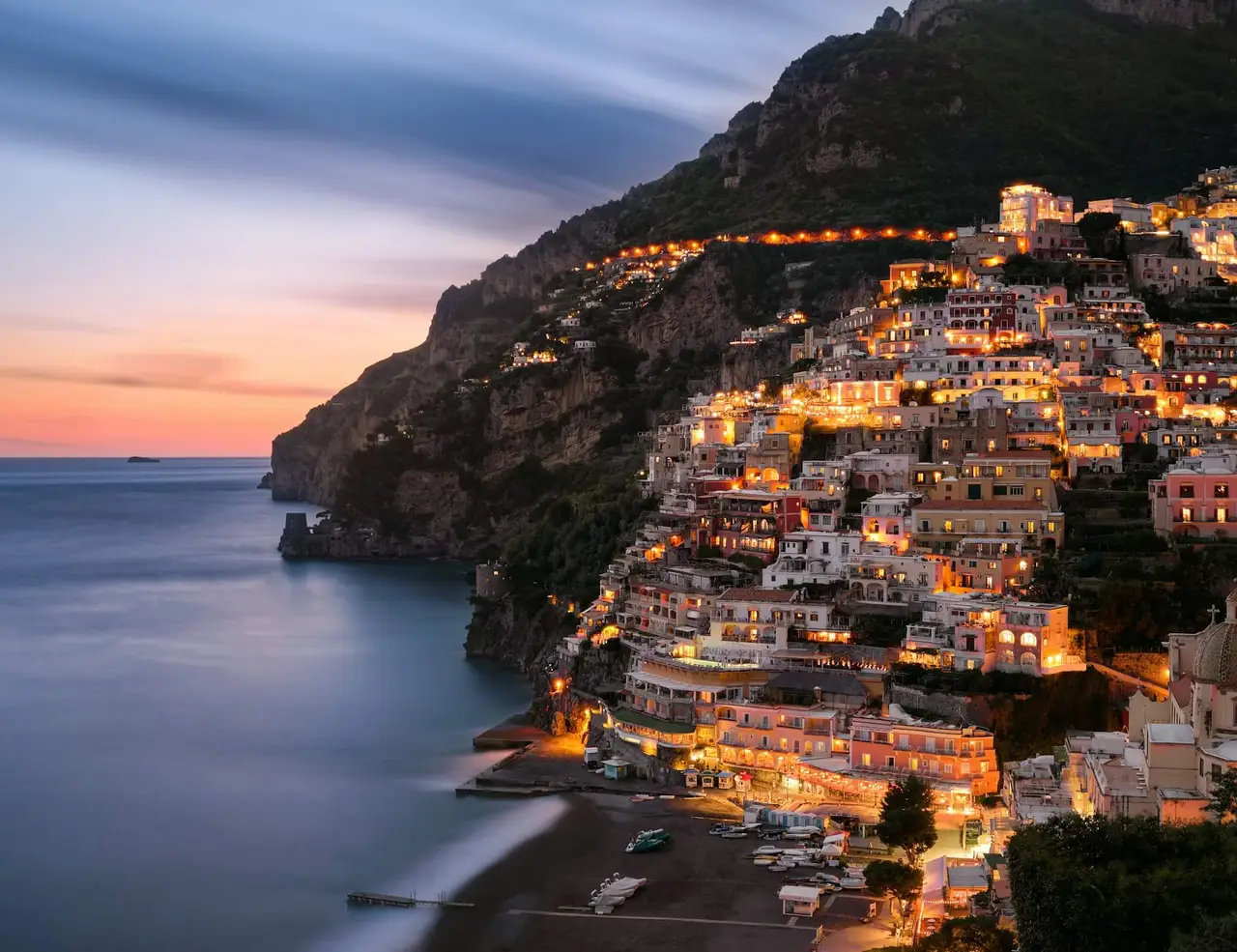
The Amalfi Coast is a compact coastline of dramatic cliffs, terraced lemon groves, and tightly packed villages that tumble down to the Tyrrhenian Sea. Towns like Positano, Amalfi, and Ravello are the coast’s best-known highlights, each offering narrow streets, panoramic viewpoints, and a strong local character that has drawn visitors for generations.
The region’s roads wind along cliff edges and up into the Lattari Mountains, producing short but rewarding stages that pair natural beauty with rich cultural stops.
The coast has been a crossroads for centuries, once a thriving maritime republic and now a UNESCO World Heritage site recognized for its cultural and natural significance. Bougainvillea blooms spill across balconies, fishing boats bob in small harbors, and domed churches rise above sunlit piazzas. Lemon terraces, carved into the steep hillsides, are an enduring symbol of the region, shaping both the landscape and the flavors of local cuisine.
Cycling here is as much about the atmosphere as the terrain. Riders weave through cliffside tunnels, pause in seaside cafés, and climb into villages perched high above the sea where time feels unhurried.
While the Amalfi Coast itself is relatively short, many tours expand into the Sorrento Peninsula or south into the Cilento National Park, offering quieter roads, archaeological treasures like Pompeii and Paestum, and expansive views that contrast with the coast’s intimate scale. Together, these layers create a cycling experience that blends history, scenery, and Italian coastal life in unforgettable ways.
Topography
The Amalfi Coast may be compact in scale, but its landscapes are strikingly dramatic. Steep cliffs plunge directly into the Tyrrhenian Sea, with narrow terraces carved into the rock to grow lemons, olives, and vineyards. Above the shoreline, the Lattari Mountains form a rugged spine that separates the coast from inland valleys, creating a natural backdrop of peaks and ridges that rise sharply from the water.
For cyclists, the terrain combines cliff-hugging coastal roads with sharp ascents into mountain villages perched high above the sea. The famed Amalfi Drive between Positano and Vietri sul Mare is one of Italy’s most celebrated stretches of road, winding through tunnels, hairpin bends, and panoramic lookouts at every turn.
Beyond this ribbon of coastline, climbs into towns like Ravello or Agerola bring rewarding views of both sea and mountains, adding variety and challenge.
South of Amalfi, the Cilento Coast offers a gentler rhythm. Here, wide beaches, rolling farmland, and wooded hills contrast with the tighter, more vertical landscapes of Amalfi itself.
Inland, the Cilento National Park is dotted with oak and chestnut forests, limestone ridges, and rural villages that feel far removed from the busy tourist centers. This mix of sheer coastline, high mountain ridges, and quieter inland terrain creates cycling routes that are both diverse and memorable, suited to riders seeking both beauty and adventure.
Climate
The Amalfi Coast enjoys a classic Mediterranean climate that makes it an inviting destination for cycling through much of the year. Sunshine dominates, and the sea moderates the weather along the coast, keeping winters mild and giving summers a pleasant brightness even when the days grow warm.
In July and August, temperatures typically range from 28 to 32 °C (82 to 90 °F). These peak summer months can feel hot on the exposed coastal roads and in the higher villages, though sea breezes and shaded lanes in the mountains offer some relief. For most cyclists, spring and autumn are the most comfortable seasons.
From April to June and September to October, daytime temperatures average between 18 and 25 °C (64 and 77 °F), perfect for long rides with time to stop and explore towns or viewpoints along the way. Rain is light to moderate, falling mostly in late autumn and winter, when the air turns cooler and the tourist crowds thin.
Winter temperatures along the coast rarely dip below 10 °C (50 °F), though higher areas in the Lattari Mountains can see colder conditions. These quieter months reveal a slower pace of local life, while spring and autumn stand out for their color and atmosphere: lemon groves in bloom, vineyards turning gold, and soft light over the sea. For cyclists, these shoulder seasons offer the most enjoyable balance of climate, scenery, and calm roads.
Flora and Fauna
Beyond its villages and cliff roads, the Amalfi Coast reveals a rich tapestry of plants and wildlife that shape the character of the region. Terraced slopes are filled with lemon groves, famous for producing the region’s prized ‘sfusato amalfitano’ lemons, the base for limoncello. Olive groves and small vineyards cling to the hillsides, while rosemary, thyme, and wild fennel grow along stone walls and rural paths, releasing their fragrance in the sun. In spring, wildflowers such as poppies, daisies, and orchids brighten the roadsides, while autumn colors bring a softer palette to the valleys and mountains above.
Closer to the sea, salt-tolerant plants thrive along rocky outcrops and sandy coves, while chestnut and oak forests cover the slopes of the Lattari Mountains. These green pockets provide shade and variety for cyclists climbing inland from the coast.
Wildlife is present, though often discreet. Foxes, hares, and hedgehogs inhabit the rural areas, while birds of prey like kestrels and peregrine falcons are often seen gliding above the cliffs. Along the shore, gulls and cormorants are a constant presence, and in spring migratory birds pass through on their journey across the Mediterranean. The combination of cultivated terraces, mountain woodlands, and coastal habitats creates a diverse natural backdrop that adds richness to every ride.
Economy
Tourism, farming, and traditional crafts form the backbone of the Amalfi Coast’s economy, closely tied to its steep cliffs, fertile terraces, and fishing villages. Millions of visitors arrive each year to experience its cliffside villages, coastal roads, and cultural landmarks, making tourism the single largest driver of local livelihoods. Hotels, restaurants, and family-run guesthouses form the backbone of the service sector, while seasonal festivals and culinary traditions ensure a steady rhythm of activity throughout the year.
Agriculture remains deeply rooted in the area, though often adapted to the steep terrain. Terraced lemon groves dominate the landscape, producing the coveted sfusato amalfitano variety used in regional specialties and the famous limoncello liqueur. Olive oil, grapes, and other Mediterranean crops are also cultivated in smaller quantities, sustaining local kitchens and markets. Fishing continues to play a role in coastal communities, with fresh anchovies, tuna, and shellfish supplying both households and restaurants along the shore.
Artisanal craftsmanship has long been another hallmark of the local economy. Vietri sul Mare is renowned for its brightly painted ceramics, while small workshops in towns like Amalfi and Positano preserve traditions of paper-making, weaving, and leatherwork. These crafts not only provide economic value but also connect modern life with centuries of heritage.
The Amalfi Coast has a relatively small resident population spread across its towns and villages, many of which rely on a balance of seasonal tourism and year-round agricultural or artisanal work. This mix of livelihoods gives the region its distinctive rhythm, where local traditions remain closely tied to the land and sea while welcoming visitors from around the world.
DREAMING OF CYCLING THE AMALFI COAST?
Explore our amazing bike tours in the Amalfi Coast now !
Why Go Cycling the Amalfi Coast?
Coastal Roads with Iconic Views
The roads of the Amalfi Coast are among the most scenic in the world. Clinging to cliffs that plunge straight into the Tyrrhenian Sea, they twist and curve past headlands, arches, and secret coves. For cyclists, this means short but thrilling climbs and sweeping descents, with each turn revealing another panorama of colorful villages against the deep blue water.
These roads are not just a way of getting from town to town, but an unforgettable part of the journey itself. Morning rides bring soft light on the sea, while late afternoons glow golden over the coast, making every stage a visual highlight.
Historic Towns and Villages
Amalfi, Positano, and Ravello each offer their own character, from Amalfi’s grand cathedral and maritime history to Positano’s dramatic cascade of houses and Ravello’s gardens high above the coast. Exploring these towns by bike brings a chance to pause in shaded piazzas, sip a coffee, and watch daily life unfold.
Inland, quiet villages like Scala or Tramonti open a different window into the region, with terraced vineyards and mountain views replacing the bustle of tourist streets. Cycling connects both worlds, from lively waterfront promenades to peaceful hillside retreats, giving riders a fuller sense of the area’s heritage.
Cilento’s Untouched Landscapes
Just south of Amalfi, the Cilento Coast and its national park stretch into a wilder, less traveled landscape. Roads here run past long beaches, rocky coves, and fishing hamlets where the pace of life is slow and authentic. The Cilento National Park, a UNESCO World Heritage site, combines rugged mountains, Mediterranean forests, and pastoral valleys that make for rewarding longer rides.
Unlike the busier Amalfi stretch, cyclists here enjoy wide open horizons and quiet roads, with stops for fresh seafood or a swim in crystalline waters. It is an ideal extension for riders who want more distance, solitude, and immersion in nature.
Routes Steeped in Heritage
This region has been shaped by millennia of history, and the cycling routes reflect that legacy. The Greek temples of Paestum stand remarkably intact, offering a glimpse into the ancient world just a short ride from the sea. Inland roads pass monasteries, watchtowers, and remnants of old trade routes, each adding layers of story to the ride.
Even the fishing villages carry centuries of maritime tradition, with harbors that once connected this coast to the wider Mediterranean. Pedaling through these landscapes means not just admiring their beauty but also tracing the footsteps of countless generations who lived, traded, and thrived here.
Flavors of the Coast
Cycling the Amalfi Coast also opens the door to its distinctive cuisine, which reflects both land and sea. Lemon groves yield the fruit behind local specialties like granita and limoncello, refreshing after a ride in the sun. Trattorias along the coast serve fresh catches of anchovies, clams, and squid, often paired with handmade pasta that carries the flavors of southern Italy.
Inland, rustic kitchens highlight seasonal vegetables, olive oil, and cheeses that speak to older traditions. Meals are not an afterthought but a highlight of the experience, with each stop adding another taste of the region’s vibrant food culture.
Which Are the Best Places for Cycling the Amalfi Coast?
Positano and Amalfi
The ride between Positano and Amalfi is one of the most iconic coastal routes in Italy. Roads cling to the cliffs, twisting above hidden coves and beaches that can only be reached by footpaths or small boats.
In Positano, pastel-colored houses spill down the hillside to the sea, while Amalfi greets cyclists with its striking cathedral and lively piazza.
The terrain is undulating, with short climbs and rewarding descents that make every kilometer scenic. Along the way, lemon terraces and sea views add texture to the ride, while cafés and trattorias provide welcoming pauses for a coffee or gelato.
Ravello and the Lattari Mountains
High above the coast, Ravello offers a quieter, more elevated perspective. The climb into the Lattari Mountains is steady but manageable, leading to a town famed for its gardens, villas, and sweeping vistas over the Mediterranean. Roads here weave through chestnut groves and mountain hamlets where life feels far removed from the bustling coast.
Cyclists are rewarded with both cultural treasures and cooler air in summer months, making it an excellent detour for those looking to mix climbing with exploration. The descent back toward the shoreline is a highlight, with panoramic views opening up at every turn.
Sorrento Peninsula
The Sorrento Peninsula extends west of Amalfi, linking the Bay of Naples with the Amalfi Coast. Its roads trace dramatic headlands, passing olive groves, vineyards, and fishing villages perched over turquoise waters. Sorrento itself is a lively base with easy access to cycling loops that combine coastal beauty with inland climbs.
From here, routes can extend toward Massa Lubrense or the tip of Punta Campanella, where views stretch to Capri. The peninsula’s mix of culture, scenery, and accessibility makes it a natural companion to the Amalfi rides.
Cilento Coast
South of Amalfi, the Cilento Coast offers a very different atmosphere. Roads here are quieter, winding through long stretches of beach, fishing hamlets, and unspoiled coves. The riding feels expansive, with fewer cars and more space to enjoy the horizon.
Villages like Acciaroli, beloved by Ernest Hemingway, and Castellabate, with its medieval charm, bring history and local culture into the experience. The combination of coastal stretches and inland loops makes this area particularly appealing for riders who want longer distances and more solitude than Amalfi’s compact roads provide.
Paestum and Cilento National Park
Further south, the ancient city of Paestum adds an extraordinary historical layer to cycling in the region. Its remarkably preserved Greek temples rise out of flat farmland, offering an unforgettable stop just inland from the sea.
Beyond Paestum, the Cilento National Park combines rugged mountains, forested valleys, and traditional villages. Routes here are more challenging, with climbs leading to panoramic ridges, but the effort is rewarded with landscapes that feel timeless and untouched. This area is also rich in culinary traditions, from buffalo mozzarella farms to rustic trattorias serving Cilento specialties, giving rides both natural and cultural depth.
PLANNING A CYCLING HOLIDAY IN AMALFI COAST?
Dive into our curated Amalfi Coast cycling adventures today!
When Is the Best Time for Cycling in the Amalfi Coast?
Best Season: April to June and September to October
Spring and early autumn are the most rewarding times to cycle the Amalfi Coast. From April to June, lemon terraces burst into bloom, wildflowers brighten the hillsides, and the Tyrrhenian Sea shimmers under clear skies. Temperatures range from 16 to 25°C (61 to 77°F), creating ideal conditions for tackling cliffside roads and mountain climbs without the intensity of summer heat. Village life is lively but not overwhelming, with local festivals and open-air markets adding cultural vibrancy to the rides.
September and October bring equally favorable conditions, with mild weather, warm seas, and softer light that enhances the coastal scenery. Autumn is also harvest season, and the hillsides around Ravello and the Cilento are alive with the activity of wine and olive picking. Fewer crowds make it easier to enjoy panoramic routes, seaside promenades, and cultural landmarks at a relaxed pace, giving cyclists a more immersive connection with the region.
Shoulder Season: March and November
March signals the arrival of spring along the coast. Temperatures average 12 to 18°C (54 to 64°F), with brisk mornings giving way to comfortably warm afternoons. The roads are quieter, offering a chance to explore towns like Amalfi, Positano, or Castellabate before the main tourist season begins. November has a similar feel, with cooler days and the start of the olive harvest in the Cilento countryside. Local festivals often feature fresh oil, roasted chestnuts, and seasonal dishes that bring riders closer to regional traditions.
While both months can see occasional rain showers, they offer peaceful landscapes, fewer vehicles on the coastal roads, and a slower rhythm that suits cyclists who enjoy unhurried journeys through authentic village life.
Off-Season: December to February
Winter along the Amalfi Coast is mild compared to much of Europe, with daytime temperatures ranging from 10 to 15°C (50 to 59°F). Shorter days and occasional rainfall make this a quieter time for cycling, but coastal stretches and lower inland roads remain accessible. The higher ridges of the Lattari Mountains can be cool, requiring layers for comfort on climbs and descents.
This season offers a unique perspective: festive Christmas markets light up towns, trattorias serve hearty local dishes, and the absence of heavy crowds makes cultural sites easy to enjoy. For riders willing to adapt to the conditions, winter cycling reveals the Amalfi Coast in a more intimate and contemplative light.
Enjoying Food in the Amalfi Coast
Spaghetti alle Vongole
A classic of coastal Campania, this pasta with fresh clams, garlic, olive oil, and a touch of chili captures the essence of seaside dining. Often served in harborside trattorias from Amalfi to Cetara, the dish is light yet deeply flavorful, making it a popular post-ride meal.
The briny sweetness of the clams pairs beautifully with local white wines, offering a perfect taste of the Mediterranean after cycling the cliffside roads. The simplicity of the preparation highlights the freshness of the seafood that defines the region.
Scialatielli ai Frutti di Mare
Scialatielli is a fresh, ribbon-like pasta native to the Amalfi Coast, often tossed with a mix of seafood such as mussels, prawns, and squid. Its origins lie in Amalfi itself, where chefs created it to showcase the abundance of local seafood.
Served with a tomato base or simply olive oil and herbs, this dish is hearty yet elegant, reflecting the coast’s culinary creativity. It is a favorite among locals and visitors alike, embodying the balance of tradition and innovation in Amalfi cuisine.
Delizia al Limone
Lemons are one of the symbols of the Amalfi Coast, and this dessert showcases them at their best. Delizia al Limone is a dome-shaped sponge cake filled and glazed with lemon cream, offering a sweet and tangy finish to any meal. Ravello and Minori are particularly known for their patisseries, where cyclists can pause mid-day for this refreshing treat paired with a coffee. The dessert’s bright flavor perfectly mirrors the sunlit terraces of lemon groves that dominate the landscape.
Limoncello
The bright, fragrant liqueur made from Amalfi lemons is a staple of local hospitality. Often enjoyed as a digestif after dinner, limoncello is produced in small batches along the coast, with families closely guarding their recipes.
For cyclists, a tasting offers a window into regional identity, where lemon groves terrace the hillsides and their fruit flavors nearly every aspect of daily life. Its refreshing zest captures the spirit of the coast, making it both a cultural icon and a sensory delight.
Mozzarella di Bufala
Just inland from the Amalfi Coast, the fertile plains around Paestum are famous for producing some of the best buffalo mozzarella in Italy. Creamy, delicate, and slightly tangy, it is often served with tomatoes and basil in the classic Caprese salad.
Many cycling tours through the Cilento National Park or Paestum region include tastings at dairies, where riders can sample the cheese fresh from production. The experience connects visitors directly to the land and its traditions, making it one of the most memorable flavors of the region.
Alici di Cetara
The small fishing village of Cetara is renowned for its anchovies, preserved in salt or transformed into colatura di alici, a rich, amber-colored fish sauce dating back to Roman times. This specialty is drizzled over pasta for a deep, savory flavor that embodies centuries of maritime tradition.
For cyclists passing through Cetara, it offers an authentic taste of a village that has preserved its fishing culture despite modern tourism. The anchovies are still caught using traditional methods, keeping alive a practice that defines local identity.
Experience the Charm of Cycling the Amalfi Coast
Discover the allure of the Amalfi Coast, where every turn of the road reveals a new scene of towering cliffs, lemon-scented terraces, and villages that cling to the mountainside above the Tyrrhenian Sea. Cycling here is as much about soaking in the colors, flavors, and traditions as it is about the ride itself, whether pausing for a seafood lunch in Cetara, tasting buffalo mozzarella near Paestum, or sipping limoncello after a day of winding cliffside roads.
With over a decade of expertise in creating meaningful cycling journeys, the Art of Bicycle Trips invites you to explore the Amalfi Coast and its neighboring landscapes at a pace that allows you to savor it fully. Our thoughtfully designed tours combine handpicked accommodations, authentic local encounters, and seamless logistics, so all you need to do is pedal and immerse yourself in one of Italy’s most captivating coastlines.
READY TO CYCLE AMALFI COAST ?
Get started with your cycling adventure now!
