
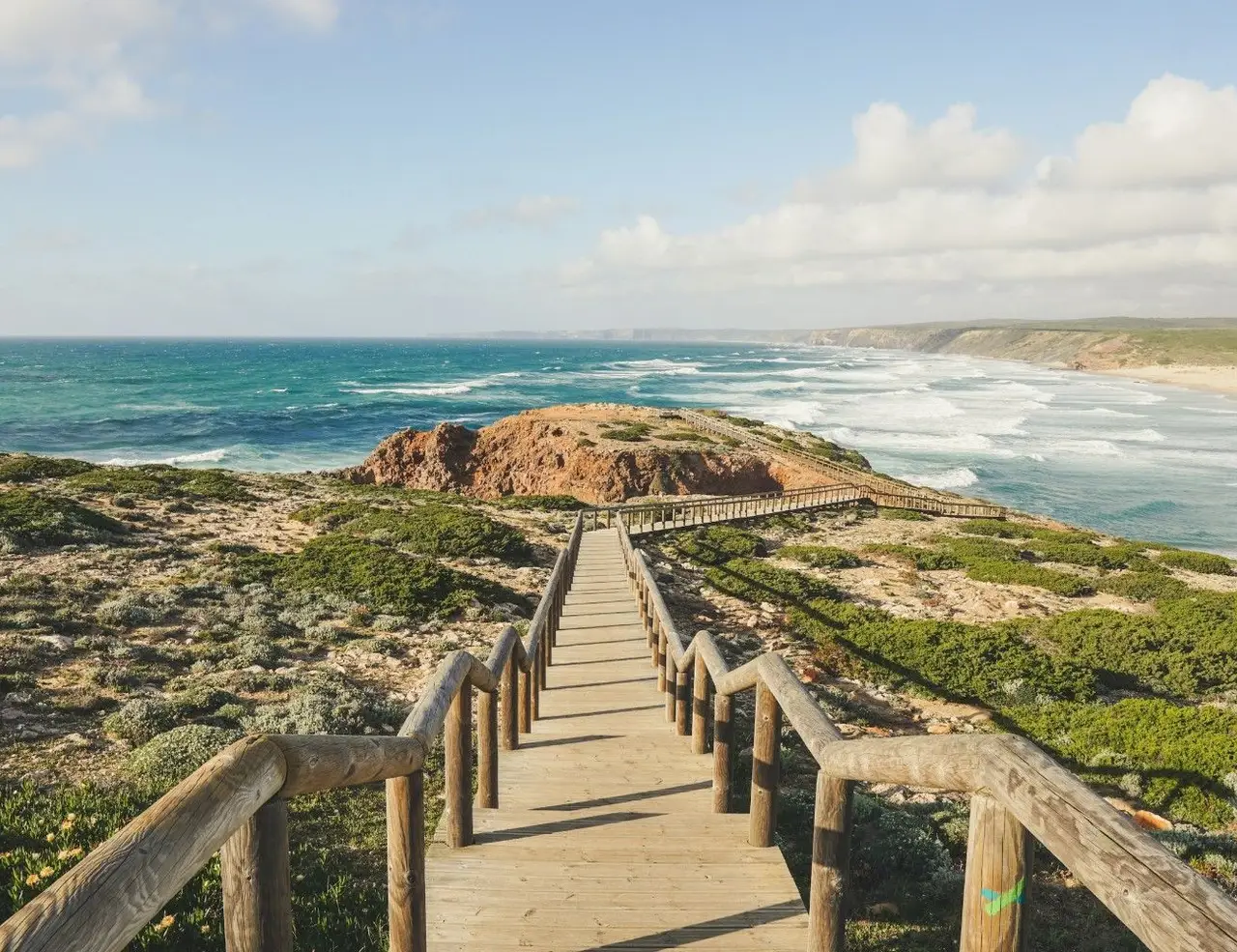
Understanding the Algarve
The Algarve sits at the southwestern edge of Europe, where the Atlantic meets sun-warmed towns, fishing traditions, and a coastline long imagined as a place of departure and return. Centuries of maritime travel, Moorish influence, and local craftsmanship have shaped its character, and traces of Portugal’s Age of Discovery still linger in port towns where sailors once prepared for journeys into the unknown.
Villages cluster around church squares and cafés, while older quarters reveal tiled façades, narrow alleys, and the quiet presence of history. Markets remain central to daily life, filled with citrus, olives, bread from neighborhood bakeries, and the day’s catch brought in from nearby harbors. Life here feels steady and grounded, carried by routines that have adapted slowly over time. Cycling in the Algarve draws you into this atmosphere at close range. Rides connect fishing towns, rural hamlets, and coastal viewpoints where the horizon opens wide. Instead of moving from monument to monument, the journey becomes about noticing small details, the continuity between land and sea, and the sense of living history that still shapes everyday spaces.
Topography
The Algarve unfolds across a sequence of landscapes that shift gradually from the interior toward the sea. Inland, soft rolling hills hold citrus groves, small farms, and pockets of woodland where roads meander through quiet valleys. These stretches feel calm and continuous, creating long, steady rides rather than sharp climbs.
As routes move closer to the coast, the terrain changes. The land begins to break into low ridges and cliffs that frame the Atlantic, revealing viewpoints where the shoreline appears in layers of headlands and sheltered coves. Paths and roads often trace the contours of the coastline, rising gently before easing downward toward beaches or fishing villages. Further west, the scenery becomes more dramatic. The approach toward the southwestern tip brings wilder stretches shaped by wind and open ocean. Here, roads feel exposed and spacious, with horizons that widen as you ride.
Together, these variations make cycling in the Algarve feel fluid and expansive. Riders experience a natural flow from rural landscapes to sea-facing routes, each section offering a different mood while remaining connected as part of the same journey.
Climate
The Algarve enjoys one of the mildest climates in Europe, shaped by its southern latitude and the moderating influence of the Atlantic. Winters stay gentle, summers are warm without becoming overwhelming near the coast, and sunshine stretches across much of the year. These steady conditions make cycling in the Algarve appealing through multiple seasons rather than just one short window.
Spring and autumn are especially comfortable. From March to June and again from late September through October, daytime temperatures typically range between 18 and 25 °C (64 to 77 °F). Breezes from the ocean keep rides pleasant, and the light has a clarity that brings out the colors of the coastline and countryside. These months are ideal for riders who enjoy longer distances and quieter roads.
Summer brings higher temperatures, particularly inland. From July to August, most coastal areas sit between 26 and 30 °C (78 to 86 °F), while interior valleys can rise several degrees higher. Early morning or late afternoon rides work best at this time, and the presence of the sea offers relief when the day grows warm. Many cyclists choose to combine shorter rides with relaxed afternoons by the water.
Winters in the Algarve remain mild, especially along the coast. Daytime averages often settle between 12 and 17 °C (54 to 63 °F), and clear days are frequent. Occasional rainfall arrives with Atlantic fronts but rarely lingers for long. For cyclists who enjoy quieter landscapes and cooler air, winter still offers rewarding riding, particularly on lowland and coastal routes. Across the year, the Algarve’s climate supports a long cycling season. Shifts in temperature, color, and atmosphere give each period its own personality, while conditions remain consistently manageable for riders of varied experience levels.
Flora and Fauna
The Algarve’s natural character reveals itself gradually, beginning with Mediterranean vegetation along the coast and extending inland toward farmland and low rolling hills. Near the sea, cliffs and dunes hold hardy shrubs, sea lavender, and salt-tolerant grasses that cling to exposed ground. Pockets of pine and stone pine provide shade, while aromatic plants such as rosemary, thyme, and cistus give the air a subtle scent as you ride.
Move slightly inland and the landscape softens into cultivated terrain. Groves of orange, lemon, and carob trees appear beside fig orchards and small vegetable plots. Olive trees, some centuries old, form silvery-green rows across low ridges. In spring, wildflowers spread across open fields, painting the verges with daisies, poppies, and purple heather. These seasonal changes create a living mosaic that accompanies long days in the saddle.
Further from the coast, the terrain adopts a more rural, pastoral tone. Cork oak woodlands begin to appear, their trunks marked by the harvest that sustains many local farmers. Meadows open into pockets of shrubland, where grasses sway with the wind and the land feels quieter and more expansive.
Wildlife moves through these environments in ways that are easy to miss unless you slow down. Hoopoes, swifts, and bee-eaters flash through the air, while herons and egrets linger near wetlands and river crossings. Lizards bask on stone walls, and rabbits dart across fields at dusk. Butterflies and pollinators are especially active in spring, creating moments of subtle movement along the roadside.
Cycling in the Algarve brings all of these elements into view. A single ride might begin among coastal pines, pass through orchards heavy with citrus, and continue into cork forests where the air shifts toward shade. The diversity is not dramatic but quietly layered, offering a steady awareness of how the landscape supports both nature and daily life.
Economy
The Algarve’s economy reflects a balance between coastal livelihoods, agriculture, tourism, and small-scale local enterprises that shape everyday rhythms across the region. Fishing remains deeply rooted in many seaside towns. Small boats still leave at dawn, supplying markets with sardines, mackerel, octopus, and shellfish that appear hours later on restaurant tables and village kitchens.
Inland, agriculture continues quietly alongside modern development. Citrus groves spread across low valleys, producing the oranges the Algarve is famous for. Olive and carob trees share space with figs, almonds, and seasonal vegetables grown in family plots. These landscapes form part of the scenery riders move through, offering glimpses of fields being tended, orchards harvested, and produce sold locally in weekly markets.
Tourism plays an important role, particularly along the coast, but it is layered on top of older traditions rather than replacing them entirely. Beach towns welcome visitors, while rural guesthouses, farm stays, and small inns support travelers who seek quieter inland settings. For cyclists, this creates a network of places that feel personal and grounded rather than purely resort-driven.
Crafts and food production also remain essential. Olive oil pressing, regional pastries, artisanal cheeses, and small wineries connect the land directly to local tables. Many households still rely on a mix of seasonal work, agriculture, and hospitality, reflecting an economy tied closely to place.
Experiencing cycling in the Algarve means moving through this living system. Roads pass fishing harbors in the morning, farmland at midday, and village squares in the evening, revealing how landscape and livelihood remain intertwined.
DREAMING OF CYCLING ALGARVE?
Explore our amazing bike tours in Algarve now!
Why Go Cycling Algarve?
Spectacular Coast Without Overstatement
The Algarve coastline does not rely on exaggeration. Cliffs rise quietly above the Atlantic, beaches unfold between layers of ochre rock, and headlands open into long, uninterrupted views. Cycling Algarve allows you to follow these contours at a gentle pace, moving from cliff-top perspectives to sheltered bays and working harbors. The scenery feels striking yet lived-in, offering beauty that reveals itself gradually rather than all at once.
Varied Terrain That Stays Manageable
The Algarve offers variety without intensity. Inland roads roll through orchards and farmland, while coastal routes bring gentle climbs to viewpoints before dropping back toward the sea. Nothing feels extreme, yet each day carries shape and movement. Cycling in the Algarve suits riders who appreciate steady effort, changing perspectives, and landscapes that allow distance without demanding toughness.
Real Communities Along the Route
Beyond the beaches and viewpoints, the Algarve remains grounded in everyday life. Whitewashed villages gather around church squares, cafés fill with morning conversations, and markets supply local kitchens with citrus, olives, bread, and fish. Cycling Algarve places you inside this rhythm. You pass bakeries opening for the day, pause beneath tiled façades, and move through spaces that feel authentic because they are still part of daily routines.
Stories of Exploration Along the Coast
This coastline has long been a threshold between land and ocean. Forts, harbors, and lookout points hint at Portugal’s Age of Discovery and the sailors who once prepared for journeys beyond the horizon. When you are cycling in the Algarve, the sea becomes more than scenery. It carries memory, orientation, and a sense of connection to wider worlds, giving the ride depth without turning it into a history lesson.
Reliable Weather for Long Cycling Seasons
Sunshine, ocean breezes, and relatively mild winters create one of the longest riding seasons in Europe. Roads remain inviting across much of the year, whether you prefer spring greenery, warm summer evenings, or quieter winter days with open skies. Cycling the Algarve becomes flexible rather than seasonal, allowing travelers to choose the atmosphere that suits their pace and style.
Which Are the Best Places for Cycling in the Algarve?
1. Lagos
Lagos makes a natural starting point for many cycling journeys in the Algarve. Its old town blends cobbled streets, tiled façades, and lively squares, while the surrounding coastline offers some of the region’s most recognizable cliff formations. Riders can warm up on easy coastal stretches, stopping at viewpoints above small coves and beaches carved into golden rock.
From Lagos, it is easy to move outward into quieter countryside, where roads roll gently through orchards and open farmland. Afternoons often return to the harbor, where fishing boats come and go and cafés spill out into sunlit plazas. It is a base that feels both scenic and grounded, offering a welcoming balance between town life and open road.
2. Tavira and the Eastern Algarve
Tavira sits along the Gilão River, with whitewashed houses, bridges, and church towers giving it an almost timeless character. The surrounding terrain is softer and more agricultural than the rugged western coast, making it ideal for riders who prefer steady, flowing miles. Roads pass orange groves, salt pans, and quiet rural settlements where daily routines unfold slowly.
Cycling near Tavira reveals a calmer side of the Algarve. Birdlife appears around wetlands, markets feel local rather than tourist-driven, and distances stretch comfortably without demanding climbs. It is an area where the landscape opens gradually, inviting long, thoughtful rides.
3. Sagres and the Southwestern Tip
At the far edge of the continent, Sagres carries a feeling of exposure and openness that is unlike anywhere else in the Algarve. Wind, cliffs, and the broad sweep of the Atlantic create an elemental atmosphere. Cyclists heading here experience roads that feel spacious and wild, leading toward viewpoints where land seems to end and ocean begins.
The presence of old fortifications and navigational landmarks adds a quiet sense of history. Arriving in Sagres by bike feels like reaching a natural conclusion to a journey, especially when the light changes late in the day and the horizon widens in every direction.
4. Monchique Hills
For riders who enjoy elevation without extreme difficulty, the Monchique hills provide a refreshing contrast to the coast. Roads climb gradually through eucalyptus, cork oak, and chestnut groves, revealing cooler air and long views toward the ocean. Villages appear at intervals, offering restful pauses in shaded squares.
The ascent offers rhythm rather than intensity. Each turn reveals new perspectives, and the higher vantage points make it easier to understand how coast and countryside connect. Cycling here adds texture to an Algarve itinerary, balancing seaside rides with upland calm.
5. Rural Interior Between Silves and the Countryside
Away from the shoreline, the rural interior around Silves shows another dimension of the Algarve. The town’s castle and old streets speak of earlier eras, while surrounding farmland emphasizes citrus groves, olives, and quiet backroads. Cycling in this area means fewer cars, longer horizons, and a slower pace.
The landscape feels productive and lived-in. Small cafés serve local pastries and coffee, and routes move past fields where seasonal work shapes the day. It is an environment that rewards steady pedaling and curiosity, offering a sense of connection to the Algarve beyond the coast.
PLANNING A CYCLING HOLIDAY IN ALGARVE?
Dive into our curated Algarve cycling adventures today!
When Is the Best Time for Cycling in the Algarve?
Best Season: March to June and September to November
Spring and early summer offer some of the most rewarding conditions for cycling Algarve. From March through June, landscapes feel fresh and open, wildflowers appear along rural roads, and daytime temperatures generally settle between 18 and 25 °C (64 to 77 °F). Breezes from the Atlantic keep rides comfortable, especially along coastal stretches, and days are long enough to allow relaxed pacing and unhurried stops.
Autumn brings an equally appealing window from September to November. The heat of midsummer softens, with temperatures typically between 20 and 26 °C (68 to 79 °F). Light shifts into warmer tones, villages feel calmer after the busy season, and the sea retains residual warmth. Cycling in the Algarve during these months combines quiet roads, mild air, and landscapes that move gently from late summer toward early winter.
Shoulder Season: February and Early December
February can feel like the first invitation back onto the road. Orange groves glow with fruit, days begin to lengthen, and many coastal routes feel peaceful. Temperatures usually range from 14 to 18 °C (57 to 64 °F), making it pleasant for steady rides, especially when the sun is out.
Early December carries a softer, slower mood. Markets and town squares remain active, but the atmosphere turns quieter. Occasional showers pass through, yet clear days can still feel inviting. These shoulder periods appeal to cyclists who prefer reflective landscapes and uncluttered paths.
Off Season: Mid Summer and Wet Winter Spells
The warmest stretch arrives in July and August. Inland roads can reach 30 to 35 °C (86 to 95 °F), and even the coast warms noticeably. Cycling is still possible, but early mornings or shorter stages work best, often paired with afternoons by the water or shaded cafés. Long-distance touring is less comfortable in this period.
Winter brings cooler, wetter periods between late December and January. Daytime temperatures often sit between 10 and 15 °C (50 to 59 °F), with occasional Atlantic fronts bringing rain and wind. Rides remain possible on clearer days, particularly along the coast, but conditions can shift quickly.
Across the year, the Algarve offers a generous cycling season. Choosing when to ride becomes less about avoiding extremes and more about deciding the atmosphere you want: spring freshness, autumn calm, or quiet winter light.
Enjoying Food in the Algarve
1. Cataplana de Marisco
Few dishes define the Algarve like cataplana de marisco. Named after the clam-shaped copper pot it is cooked in, this seafood stew seals in steam, letting clams, prawns, fish, tomatoes, herbs, and white wine gently simmer together. When the lid opens at the table, the aroma feels like the coastline itself. Cyclists often find cataplana in simple seaside restaurants, where it is shared communally with baskets of bread to soak up the broth. Light yet deeply flavorful, it makes an ideal evening meal after a long ride, restoring energy without feeling heavy. The dish speaks directly to the region’s fishing heritage and its relationship with the Atlantic.
2. Grilled Sardines (Sardinhas Assadas)
Along the Algarve’s harbors, grills are often set up outdoors, sending the scent of charred sardines drifting through town squares. Freshly caught fish are salted, placed directly over the coals, and served with boiled potatoes, salad, and olive oil. There is nothing showy about it, only freshness and fire. Cyclists stopping for lunch along the coast often find this plate perfect between rides: high in protein, full of flavor, and rooted in everyday local life. Eating sardinhas assadas beside the sea creates an immediate connection between the ride and the region.
3. Frango Piri-Piri
Inland taverns and roadside restaurants often serve frango piri-piri, the Algarve’s iconic grilled chicken brushed with chili-infused oil, garlic, and citrus. It arrives crisp-edged, smoky, and slightly spicy, usually accompanied by fries, salad, or rice. After hilly stages, riders appreciate its balance of comfort and liveliness, familiar yet distinctly regional. Many places make their own piri-piri marinades, adding small variations from town to town and turning a simple dish into a local signature.
4. Arroz de Marisco
Arroz de marisco sits somewhere between risotto and stew, brimming with prawns, mussels, crab, and fish cooked in a saffron-tinged broth. Served in wide earthenware dishes, it is often shared among friends or family. Cyclists arriving after a day on the road find it nourishing and satisfying, especially when paired with a chilled glass of regional white wine. The dish reflects the Algarve’s deep seafood culture while offering the kind of slow, comforting meal that encourages lingering conversations at the table.
5. Figs, Almonds, and Traditional Confectionery
Inland orchards shape much of the Algarve’s desserts. Figs, almonds, and carob appear in pastries like morgado and fig cakes layered with honey and spices. Small bakeries and market stalls sell these sweets wrapped in paper, perfect for pocket snacks on the road. They carry natural sweetness, subtle nuttiness, and just enough energy for a mid-ride boost. Tasting them offers a glimpse into the agricultural life that supports the region beyond the coast.
6. Regional Wines and Medronho
The Algarve produces its own sun-warmed reds and refreshing whites that pair beautifully with seafood and grilled dishes. In rural areas, riders may also encounter medronho, a traditional spirit distilled from arbutus berries. It is often offered in tiny glasses, usually homemade, and intended more as a cultural experience than a post-ride drink. Enjoyed thoughtfully, these beverages connect the cycling journey to local landscapes, from vineyards to orchard-covered hillsides.
Begin Your Journey into Cycling the Algarve
Cycling in Algarve is about following a coastline that opens into quiet countryside, moving from dramatic sea views to orange groves, cork forests, and villages where life still feels close to the land. Each stage has its own character. One day may carry you along cliff-top viewpoints and fishing harbors, while another drifts inland through rolling farmland, whitewashed towns, and roads softened by sunlight and wind.
Along the way, echoes of maritime exploration, Moorish heritage, and coastal trading routes appear in subtle ways. Stops feel natural rather than planned: a café overlooking the sea, a market square shaded by trees, or a quiet church perched just above the horizon.
At Art of Bicycle Trips, we design cycling journeys that move with intention, thoughtful pacing, and carefully chosen routes. Our tours across Europe and beyond are built around immersion, comfort, and slow, attentive travel. If cycling Algarve is on your mind, get in touch, we’d be happy to discuss routes, possibilities, and how we can help you craft a meaningful ride when you’re ready to explore it.
READY TO CYCLE ALGARVE ?
Get started with your cycling adventure now!
Plan Your Active Adventure
Create a private trip or join a small-group departure.
