
Table of Contents
- 1. Understanding South Korea
- 2. Which Are the Best Regions to Cycle in South Korea?
- 3. Which Are the Best Cycling Routes in South Korea?
- 4. When Is the Best Time for Cycling in South Korea?
- 5. Enjoying South Korean Cuisine
- 6. South Korea Visa Requirements
- 7. Handy Info
- 8. Through the Notes
- 9. Final Thoughts
Understanding South Korea
Set between mountains, rivers, and coastlines, South Korea is a country where ancient heritage and modern innovation sit side by side. Cities like Seoul rise in a glitter of glass, neon, and high-speed movement, yet just beyond the skyline lie quiet river valleys, mist-filled hills, and villages shaped by Confucian tradition. It is a landscape that feels both deeply rooted and constantly evolving, known in popular imagination for its serene temples, dramatic K-dramas, soft cherry blossoms, and the rhythmic calm of early morning along the Han River.
Cycling in South Korea brings these contrasts into focus. Riders move from lively riverside paths in Seoul into peaceful stretches of farmland where rice paddies shine under the sun. Forested hills open into broad river plains, and quiet market towns give way to historic sites that have stood for centuries. The network of dedicated cycle paths makes the journey smooth and intuitive, whether you are following the famous routes of the Four Rivers Trail or pedaling through rural provinces that few visitors ever see. Along the way, cyclists encounter hot springs, traditional hanok houses, quiet Buddhist temples, and family-run cafés serving warm bowls of noodles after a morning on the road.
In this guide, we explore what makes cycling South Korea so rewarding. From the volcanic coastlines of Jeju to the mountain curves of Gangwon and the gentle river paths that connect Seoul to Busan, you will discover routes shaped by culture, nature, and the spirit of a country that balances old and new with effortless grace.
Topography
South Korea’s landscape is defined by mountains, rivers, and coastlines that create a natural rhythm for cycling. Nearly seventy percent of the country is mountainous, which gives the land its distinctive folds and valleys. Ranges like the Taebaek Mountains run along the eastern spine of the peninsula, shaping everything from weather patterns to settlement routes, and giving cyclists long stretches of forested climbs, high viewpoints, and winding descents that feel both dramatic and deeply peaceful.
As the mountains taper toward the interior, wide river basins carve through the land. These plains offer some of the most accessible and scenic cycling in the country. The Han, Nakdong, Geum, and Yeongsan rivers flow through broad, open valleys lined with farmlands, fishing villages, and historic towns. Many of South Korea’s signature cycling routes follow these rivers, creating a gentle contrast to the rugged backcountry terrain. Here, cyclists ride through green rice paddies, quiet embankments, reed-filled wetlands, and orderly rural landscapes that soften the scenery into long, meditative stretches.
Along the coast, the terrain shifts again. The eastern shoreline is known for its dramatic volcanic cliffs and clean, straight roads that trace the edge of the East Sea. The southern coast transforms into a maze of inlets, islands, and fishing harbors, offering short climbs, winding seaside lanes, and ocean views that change with every turn. Jeju Island, shaped by ancient volcanic activity, adds yet another topographic layer with its black lava fields, crater cones, and gentle coastal loops.
For road cyclists, the country’s varied elevation provides a satisfying mix of smooth riverside riding and challenging mountain gradients. For gravel and touring cyclists, old country roads, forest tracks, and rural connectors reveal landscapes shaped by centuries of agriculture and tradition. The combination of steep peaks, wide valleys, and intricate coastlines makes cycling in South Korea both diverse and deeply rewarding, with terrain that can shift in mood and character several times in a single day’s ride.
Flora
South Korea’s plant life unfolds across a landscape shaped by mountains, monsoon rains, and centuries of cultivation, creating a tapestry of forests, wetlands, coastal vegetation, and orderly fields that shift with the seasons. Riding through the country means moving through environments that feel alive with texture and color, from pine-scented ridges to riverbanks lined with reeds that sway in the afternoon wind.
Much of the country is covered in temperate forest, where red pines, Korean firs, and broad-leafed maples climb the slopes of the Taebaek and Sobaek ranges. In spring these mountains burst with azaleas, royal rhododendrons, and magnolias that paint entire hillsides in pinks and whites. By midsummer, dense canopies of oak, zelkova, and chestnut trees turn the trails into tunnels of green, filtering the heat and creating shaded routes beloved by cyclists riding inland valley roads. Autumn transforms the same forests into fiery mosaics of scarlet maples and golden ginkgo trees that draw travelers from across the world.
On the plains and along the major rivers, the landscape softens into fields of rice, barley, and soybeans bordered by wildflowers and grasses. Cyclists following the Four Rivers Trails often pass banks lined with cosmos, yellow canola blooms, and feathery silver reeds that shimmer along the water’s edge. Wetlands near the Nakdong and Han rivers nurture lotus ponds, willows, and aquatic plants that attract migratory birds, adding movement and sound to the scenery.
South Korea’s coasts offer yet another palette. The East Sea is edged with hardy shrubs, pines shaped by sea winds, and stretches of dune grasses that thrive in salty air. In the south, especially around Jeju Island, volcanic soil supports tangerine orchards, camellias, and subtropical plants that flourish in the island’s mild climate. Hallasan’s slopes rise through belts of dense evergreen forest into alpine meadows filled with dwarf bamboo and rare endemic species found nowhere else.
Across all these environments, the flora feels deeply tied to Korean identity. Traditional herbal plants like mugwort, perilla, and ginseng grow in rural fields and forest clearings. Blossom seasons mark the cultural calendar, and autumn foliage is celebrated like a festival. For cyclists, these plant landscapes create a journey defined not just by distance but by the shifting moods of the natural world, each region offering its own colors, fragrances, and quiet forms of beauty.
Fauna
South Korea’s wildlife reflects the country’s diverse terrain of forests, river plains, wetlands, and rugged coastlines, creating encounters that feel subtle yet meaningful for cyclists moving through its landscapes. While the peninsula is densely populated, large stretches of mountain and countryside remain rich with native species, and moments of wildlife often appear in quiet, unplanned ways during a ride.
In the wooded ridges of the Taebaek and Sobaek Mountains, Korean water deer flicker through the undergrowth, their small frame and tusk-like canines giving them an ancient, almost mythical appearance. Wild boar sometimes roam forest edges, and raccoon dogs are occasionally seen trotting near rural paths at dawn or dusk. High in the branches, squirrels leap between pines, and chipmunks crack open acorns along shaded trails. These forests also shelter rare creatures such as the long-tailed goral and the Asiatic black bear, though both are reclusive and seldom seen outside protected areas.
Birdlife is one of the great rewards of cycling in South Korea. Along the Han, Nakdong, and Geum rivers, cyclists often spot herons stalking the shallows, kingfishers flashing blue above the water, and flocks of egrets rising in slow white clouds.
Wetlands like Upo and Suncheon Bay are magnets for migratory birds. In winter, thousands of hooded cranes and white-naped cranes descend on river plains, filling the air with their calls and creating one of the peninsula’s most moving wildlife spectacles. Raptors such as black kites, goshawks, and buzzards circle above farmland, while smaller songbirds chatter through hedges and rice paddies.
Coastal rides add another layer of life. The East Sea hosts pods of dolphins that sometimes surface near the shore, and fishermen along the coast speak of anchovy runs that draw seabirds into feeding frenzies. In the southwest archipelagos, tidal flats swarm with shellfish and support vast flocks of migratory shorebirds. Jeju Island, formed by volcanic activity, has its own ecological character, where horses graze freely on windswept grasslands and frogs and butterflies thrive in the island’s crater lakes and lava tubes.
Encounters may be gentle rather than dramatic, yet they leave a lasting impression. A water deer darting across a bike path, cranes settling into a winter field, or the rhythmic splash of carp in a quiet river bend all contribute to the feeling that the land is alive and expressive. Cycling in South Korea offers the rare experience of moving with the pace of the environment, where even brief glimpses of wildlife become part of the texture and memory of the journey.
Climate
South Korea experiences a distinctly four-season climate shaped by its peninsular geography, mountain ranges, and surrounding seas. For cyclists, this variety creates a rhythm of changing conditions throughout the year, with each season offering its own atmosphere, colors, and riding style. Summers are warm and expressive, autumn is famously crisp and golden, winter is cold but clear in many regions, and spring unfolds in blossoms that seem to brighten entire valleys.
Spring, from April to early June, is one of the most inviting times to ride. Temperatures usually range from 12°C to 22°C (53°F to 72°F), and cherry blossoms, azaleas, and fresh green mountain slopes transform the cycling paths of the Han, Nakdong, and Geum Rivers into scenic corridors. Light breezes and steady sunshine make long-distance rides comfortable, and visibility across the valleys and farmland tends to be excellent.
Summer arrives with heat and humidity. From late June through August, daytime temperatures commonly reach 26°C to 32°C (79°F to 90°F). The monsoon season brings periodic rainfall, sometimes heavy, which nourishes the rice paddies and forests but can require flexible planning for cyclists. Morning and evening rides are popular at this time, and river paths offer shade and cooler airflow compared to open rural roads. Despite the humidity, cyclists often appreciate the lushness of the landscape, with mountains glowing in deep greens and rivers running full.
Autumn, from September to November, is considered the most beautiful season for cycling South Korea. Days are mild, often between 15°C and 25°C (59°F and 77°F), and the humidity of summer gives way to clear skies and crisp air. Mountain slopes turn brilliant shades of red, gold, and amber, creating some of the most scenic riding conditions in East Asia. Whether pedaling along rivers, coastlines, or through the interior hills, cyclists encounter landscapes that feel calm, balanced, and visually striking.
Winter, from December to February, is cold and dry, especially in the interior. Temperatures often fall between 0°C and 8°C (32°F and 46°F), with colder nights and frost common in mountain regions. Snow occasionally dusts the paths, particularly in the northeast, but many river routes remain rideable on clear days due to South Korea’s bright winter sun and low humidity. Coastal areas, especially around Busan and Jeju Island, stay milder and are popular among year-round cyclists.
Throughout the year, the weather shifts quickly with changes in elevation and proximity to the sea. Riders often adapt by layering clothing, checking local forecasts, and planning routes that match seasonal conditions. Whether navigating spring blooms, summer greenery, autumn foliage, or winter’s quiet clarity, cycling in South Korea offers a climate that continually reshapes the experience of the road.
Economy
South Korea’s economy is one of the most dynamic and technologically advanced in Asia, shaped by decades of rapid development and a strong focus on innovation, education, and global trade. Cities such as Seoul, Busan, and Incheon anchor this momentum, while smaller towns and rural regions continue to contribute through agriculture, manufacturing, and cultural industries that preserve local identities.
The backbone of modern South Korea is its high-tech manufacturing sector. Electronics, automobiles, semiconductors, and shipbuilding are central drivers of national growth, with globally recognized companies headquartered in Seoul and other major hubs. This industrial strength is supported by a sophisticated transportation network, research institutions, and a highly skilled workforce. Even cyclists riding through the outskirts of large cities can see hints of this economic energy in the form of sleek industrial parks and logistical centers.
Agriculture remains important, especially outside urban corridors where the landscape opens into rice paddies, apple orchards, ginseng farms, and green-tea fields. These rural areas create a vivid backdrop for cycling journeys, particularly along river paths where riders pass irrigation canals, local markets, and quiet farmlands that follow rhythms set by planting and harvest seasons. Regional specialties such as Andong’s apples or Boseong’s tea fields reflect deep agricultural traditions that continue to thrive.
Tourism has become a major pillar of the South Korean economy, drawing visitors with its blend of culture, cuisine, nature, and modern pop influence. Travelers explore historic temples, hanok villages, coastal cliffs, and mountain trails, while K-pop, K-drama, and contemporary art add a layer of global cultural appeal. Cycling tourism is increasingly part of this momentum. The Four Rivers Trail, river-to-sea cycling routes, and rail-trail conversions have encouraged domestic and international riders to explore the country at a slower, more immersive pace. Small guesthouses, cafés, bike rental shops, and local restaurants in smaller towns benefit from this steady flow of cyclists who bring economic vitality into regions far from major cities.
Across the country, South Korea’s economy blends modern innovation with long-standing traditions. Cyclists experience this duality everywhere, moving from high-tech skylines to peaceful agricultural heartlands and discovering how each region contributes to the broader economic story of a nation that is constantly evolving while holding its heritage close.
Which Are the Best Regions to Cycle in South Korea?
South Korea offers cyclists a remarkable variety of landscapes, from peaceful river valleys and green rice fields to rugged mountain corridors and lively coastal towns. Long river paths, forested backroads, and scenic country lanes make it a country where both beginner and experienced riders can find the rhythm that suits them. These regions stand out as some of the most rewarding places for cycling in South Korea.
1. Seoul and the Han River Corridor
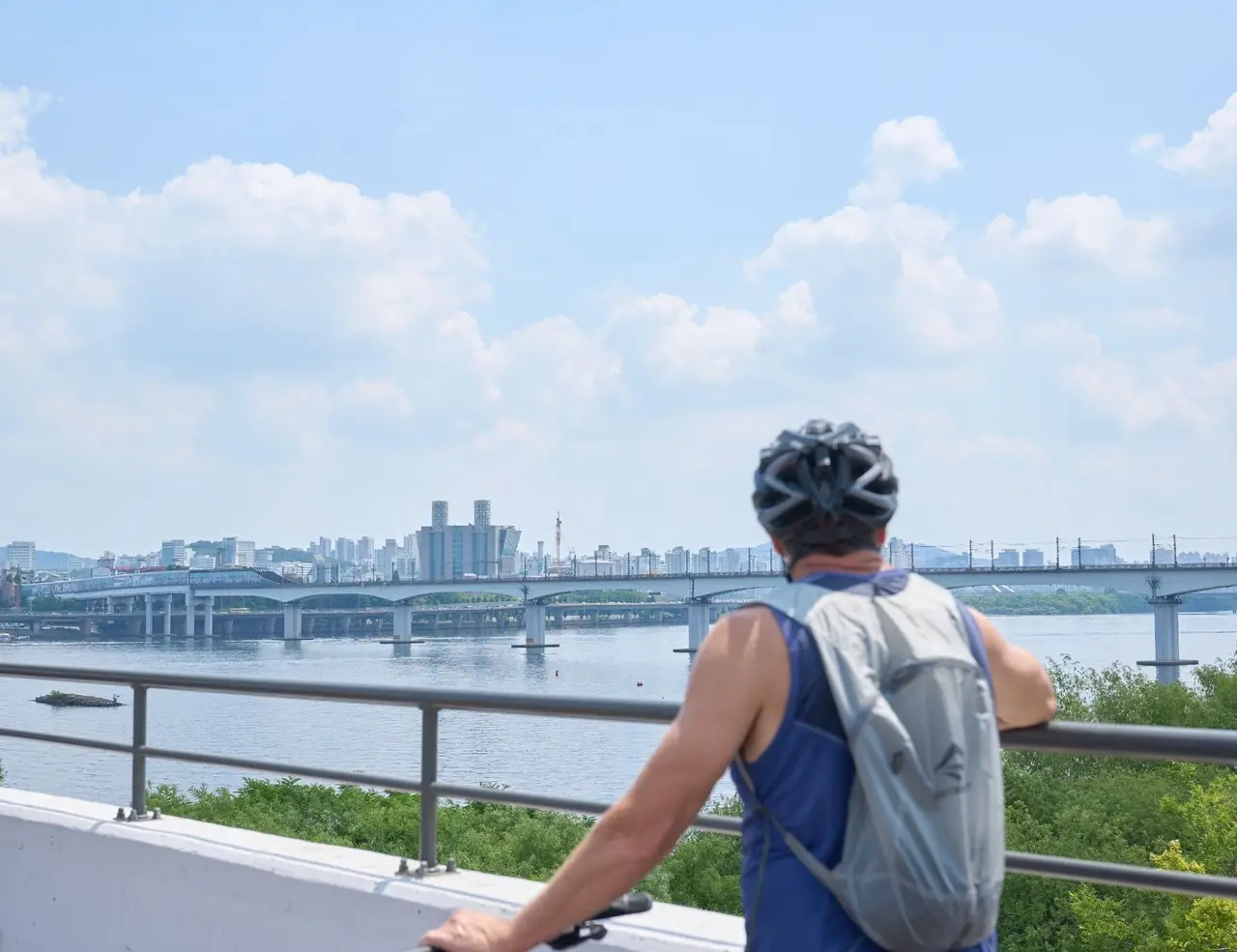
Seoul is Korea’s energetic heart, yet it remains one of the most cyclist friendly capitals in Asia thanks to its extensive riverfront paths and greenbelt networks. The Han River stretches across the city with wide, smooth cycling lanes lined by parks, cafés, bridges, and cultural landmarks. Riders move from bustling urban districts into tranquil riverside sections where the skyline softens into tree-shaded paths. This region is ideal for those who want a balance of city energy and relaxed, scenic riding as an introduction to cycling South Korea.
2. Gangwon Province and the Eastern Mountains
Gangwon is known for its towering mountain ranges, deep valleys, and winding forest roads that appeal to cyclists seeking dramatic landscapes. The Taebaek Mountains shape the entire region, creating routes that offer steady climbs, sweeping views, and long flowing descents. Rural villages, quiet farmland, and pockets of misty pine forest give rides here a serene, almost meditative quality. With its crisp air, cooler temperatures, and rugged beauty, Gangwon is a favorite among riders who enjoy mountainous terrain and nature focused journeys.
3. Gyeongsang Region and the Nakdong River Basin
South Korea’s southeast is defined by the wide, meandering course of the Nakdong River, which creates one of the country’s most scenic inland cycling regions. The river passes farmlands, low hills, and historic towns connected by long, uninterrupted cycle paths. Cities like Daegu and Busan bring cultural energy to the edges of the region, while smaller communities offer glimpses into traditional life through markets, temples, and riverside villages. This combination of nature, culture, and gentle terrain makes the Gyeongsang region a top choice for long distance cycling.
4. Jeolla Province and the Southwestern Heartland
Jeolla is famous for its farmland, rich culinary traditions, and slower rural rhythm. Cyclists here ride through a patchwork of rice fields, orchards, and rivers, with low mountain ridges providing scenic backdrops. The region’s quiet country roads and warm hospitality give it a welcoming atmosphere that suits leisurely touring. Coastal Jeolla offers tidal flats, fishing towns, and breezy seaside stretches, while inland routes weave through agricultural heartlands that remain deeply connected to Korean tradition.
5. Andong and the Sobaek Mountain Foothills
The region around Andong is steeped in heritage, most famously reflected in the UNESCO listed Hahoe Folk Village. For cyclists, this area provides a blend of cultural immersion and beautiful riding. Country lanes lead past pine forests, Confucian academies, winding rivers, and traditional wooden homes. The foothills of the Sobaek Mountains introduce gentle climbs and shaded routes that feel timeless and grounded in Korea’s historic identity. This region is perfect for riders who enjoy cultural depth alongside scenic landscapes.
6. Busan and the Southeast Coast
Busan brings a completely different energy with its coastal scenery, bustling harbors, and mountains rising directly behind the sea. Riders can enjoy waterfront cycling along beaches, panoramic viewpoints on nearby hills, and vibrant neighborhoods filled with markets and cafés. The surrounding coastline offers a mix of rugged headlands, fishing villages, and breezy seaside roads. For cyclists who want urban excitement woven into coastal beauty, Busan and its neighboring districts offer an ideal combination.
7. Jeju Island
Jeju is one of Korea’s most celebrated cycling destinations, thanks to its volcanic landscapes, coastal highways, and subtropical character. The island’s circumference road provides long, continuous seaside riding past black lava cliffs, waterfalls, fishing harbors, and white sand beaches. Inland routes rise toward Hallasan, Korea’s highest peak, and pass through orange orchards, lava tubes, and forest corridors thick with volcanic soil. Jeju’s blend of nature, myth, and island culture makes it an unforgettable region for cyclists seeking something unique and atmospheric.
Which Are the Best Cycling Routes in South Korea?
South Korea’s cycling routes reveal a country shaped by rivers, mountains, and centuries of cultural history. From long distance river paths to volcanic island loops and forested mountain corridors, the country offers an impressive range of journeys for every style of rider. Whether you prefer peaceful multi day touring, gentle river cruising, or scenic coastal climbs, these routes stand out among the most rewarding in South Korea.
1. Seoul to Busan via the Four Rivers Path
The Seoul to Busan route is South Korea’s signature long distance cycling journey. It begins along the Han River as it leaves the capital’s skyline and flows into quiet countryside lined with rice paddies, fishing villages, and forested hills. Riders follow a continuous network of well maintained paths that trace the Nakdong River southward, passing weirs, suspension bridges, historic riverside towns, and warm stretches of farmland. The route offers a satisfying blend of cultural stops, gentle gradients, and scenic river views, making it one of the best ways to experience the full length of the Korean peninsula at human speed.
2. The Han River and Seoul City Loop
Seoul’s Han River Loop is a favourite among local cyclists for good reason. Wide bike lanes stretch along both sides of the river, creating a car free network that connects city parks, cultural districts, and some of the capital’s most photogenic bridges. The loop offers views of Namsan Tower, riverside cafés, floating stages, and open stretches of water that mirror the shifting colours of the sky. This route is ideal for riders who want an accessible, scenic, and vibrant introduction to cycling in South Korea, with options to branch off into nearby greenway paths and urban trails.
3. The East Coast Cycling Route from Gangneung to Busan
The East Coast Route follows one of Korea’s most beautiful shorelines, where mountains meet the sea and fishing villages sit quietly between long stretches of sandy beach. Riders travel past blue coastal waters, pine forests, rocky headlands, and lighthouses, with ocean breezes carrying the scent of salt and seaweed. Towns like Sokcho, Samcheok, and Ulsan provide cultural stops along the way, offering fresh seafood markets and scenic coastal promenades. The route’s balance of rolling terrain and ocean views makes it a favourite among cyclists looking for a relaxed yet visually spectacular ride.
4. The Jeju Island Coastal Loop
The Jeju Island circumference route circles one of Korea’s most iconic landscapes. With Hallasan rising at the island’s centre and volcanic cliffs framing the coast, the loop provides an unforgettable mix of natural beauty and cultural richness. Riders pass black lava rock beaches, waterfalls, fishing harbors, tangerine orchards, and UNESCO volcanic formations that give Jeju its otherworldly atmosphere. The coastal air, wide cycling lanes, and gentle gradients make this route accessible for all levels while still offering moments of awe around every bend.
5. The Nakdong River Bicycle Path
This long and peaceful route follows Korea’s longest river through a wide basin of farmland, gentle hills, and small historic towns. The path is almost entirely separate from traffic, creating a calm environment ideal for multi-day touring. Riders encounter wetlands filled with migratory birds, quiet bridges, and riverside rest areas designed specifically for cyclists. With its smooth surfaces, subtle elevation changes, and constant sense of openness, the Nakdong River Path is one of the most meditative cycling experiences in the country.
6. The Sobaek Mountains and Andong Cultural Ride
For cyclists who enjoy a blend of culture, mountain scenery, and rural quiet, the routes around Andong and the Sobaek foothills are deeply rewarding. Roads curve through pine forests, terraced farms, and river valleys that lead to traditional heritage sites such as the Hahoe Folk Village and Confucian academies. The terrain includes steady climbs and flowing descents, offering natural rhythm and peaceful beauty. This region is perfect for riders who want a cultural dimension woven into their journey.
7. The West Coast Wetlands and Island Hopping Route
The West Coast provides a softer, slower landscape shaped by tidal flats, fishing communities, and gentle coastal breezes. Cyclists follow causeways that link islands, quiet rural roads framed by mudflats, and seaside paths that reveal both birdlife and dramatic tidal shifts. The route offers a unique perspective on Korea’s maritime culture, with opportunities to explore small ports, salt farms, and waterfront markets. Its calm terrain and scenic variety make it ideal for relaxed touring and photography focused rides.
When Is the Best Time for Cycling in South Korea?
Best Season
Spring and autumn are widely considered the best times for cycling in South Korea. From April to June and again from September to early November, the country settles into mild temperatures, usually between 15°C and 24°C (59°F to 75°F), with clear skies and steady daylight. Spring brings cherry blossoms, fresh green hillsides, and river landscapes that feel bright and full of movement. Autumn is equally beautiful, with fiery red and gold foliage transforming national parks, river valleys, and island roads into some of the most scenic cycling environments in East Asia. These seasons are ideal for long days on the Four Rivers Trail, coastal riding on the East Sea, and relaxed touring on Jeju Island.
Peak Season
Summer, from late June to August, is the warmest and most humid period in South Korea. Daytime temperatures often reach 28°C to 33°C (82°F to 91°F), and the air can feel heavy, especially in inland river valleys. Early mornings and evenings are the most comfortable times to ride, while midday hours are better spent resting, exploring cafés, or visiting cultural sites. July brings the monsoon season, when temporary downpours are common, although there are still long stretches of rideable weather between showers. Riders who enjoy coastal breezes will find the East Coast and parts of Jeju more comfortable during this time.
Off Season
Winter, from December to February, is the quietest time for cycling in South Korea. Temperatures can drop to 0°C or below, especially in mountain regions, and cold winds move through river corridors and open farmland. Snowfall is possible in the interior and in northern areas, while southern coastal regions remain milder. Clear winter days can be crisp and beautiful, especially along the East Sea and on Jeju Island, but shorter daylight hours and icy mornings require thoughtful planning. For riders who do not mind colder conditions, winter offers peaceful paths, open landscapes, and uncrowded trails that reveal a different, quieter side of the country.
Enjoying South Korean Cuisine
South Korean cuisine is a vibrant blend of ancient tradition, seasonal produce, fermentation, and bold flavors that unfold across cities, villages, and river valleys. When cycling through the country, food becomes more than fuel. It becomes a lens through which riders glimpse Korean heritage, hospitality, and regional identity. From bubbling stews to smoky barbecue and delicate temple dishes, every meal tells a story about the land, the seasons, and the rhythm of everyday life. These are some of the most memorable foods to enjoy while cycling in South Korea.
1. Kimchi Jjigae
Kimchi jjigae is one of Korea’s most beloved comfort dishes. Made with aged kimchi, tofu, pork or tuna, and a slow-simmered broth, it delivers deep flavour and warmth that sink into your bones after a long day on the bike. The tang of fermented cabbage, the mellow heat of gochugaru, and the sweetness of onions create a balance that is both bold and soothing. Cyclists riding through the countryside often find small restaurants serving bubbling pots straight from the stove, accompanied by rice and banchan. It is a dish that reflects Korea’s mastery of fermentation and the comforting familiarity of home cooking.
2. Bibimbap
Bibimbap is a colourful bowl of rice layered with seasoned vegetables, sesame oil, and usually an egg or sliced beef. It is a celebration of Korean farming traditions and the diverse produce grown in mountain valleys and rural plains. Regions like Jeonju are famous for their versions, but cyclists will find excellent bibimbap in towns along the Four Rivers Trail or in villages near the Sobaek Mountains. Mixing the bowl brings together textures of crisp vegetables, tender greens, and warm rice in a way that feels both nourishing and energising. It is the perfect midday meal for riders who want something balanced and refreshing.
3. Korean Barbecue (Gogigui)
Korean barbecue is one of the most iconic dining experiences in the country. Diners cook marinated beef, pork belly, or ribs over tabletop grills, wrapping each bite in lettuce leaves with garlic, sauces, and a handful of banchan. After hours of riding along rivers or through forested hillscapes, the aroma of sizzling meat and charcoal feels especially inviting. Sharing a barbecue meal is deeply rooted in Korean social culture, and cyclists often find themselves chatting with locals, receiving recommendations, or learning how a particular marinade is made. It is a feast that brings warmth, conversation, and plenty of energy for the next day’s journey.
4. Naengmyeon
Naengmyeon is a bowl of cold buckwheat noodles served in an icy broth with vinegar, mustard, and sliced pear. It originated in North Korean provinces but became a nationwide favourite, especially in summer. The refreshing chill of the broth offers relief on warm, humid days when riders have spent hours along the Han River Path or the coastal trails near Busan. The dish is light yet satisfying, with flavours that awaken the palate. It is a reminder that Korean cuisine often excels in contrasts, pairing simplicity with surprising depth.
5. Jeon (Korean Savoury Pancakes)
Jeon are savoury pancakes made with vegetables, seafood, or kimchi and pan-fried until they are crisp at the edges and soft in the centre. Riders exploring rural districts often come across markets where vendors serve stacks of fresh jeon alongside dipping sauces of soy, garlic, and vinegar. Pajeon, made with green onions, is especially popular in mountainous regions where the weather turns cool and misty. Paired with a warm drink, jeon offers a comforting break on long rides and captures the rustic charm of countryside cooking.
6. Hotteok
Hotteok is a sweet street food that cyclists will find in cities, markets, and small-town stalls. These warm, chewy pancakes are filled with brown sugar, cinnamon, and crushed nuts that caramelise as they cook. They are especially delightful during autumn rides when crisp air and fiery foliage fill the trails. Many cyclists make a habit of stopping for hotteok on afternoon breaks, watching vendors press the dough onto hot griddles while the scent of sugar and cinnamon drifts through the street.
7. Makgeolli
Makgeolli is a traditional Korean rice wine with a cloudy appearance, a gently sweet flavour, and a creamy texture. It has long been associated with farming communities and is a popular drink among hikers and cyclists alike. Many routes, especially those in the central and southern regions, pass through villages where makgeolli is brewed fresh and served in earthen bowls. After a day of riding, its light fizz and soft flavours pair beautifully with jeon, kimchi, and grilled dishes. Makgeolli is more than a drink. It represents Korea’s agricultural traditions, communal dining, and the pleasure of unwinding after a long journey on the road.
PLANNING A CYCLING HOLIDAY IN SOUTH KOREA?
Dive into our curated South Korea cycling adventures today!
South Korea Visa Requirements
South Korea allows visa-free entry to citizens of many countries for short stays, including travelers from the United States, Canada, the United Kingdom, the European Union, Australia, New Zealand, and several Asian nations. Visa-free visitors typically enter under the Korea Electronic Travel Authorization system, known as K ETA, which must be completed online before travel. The authorization is valid for multiple entries within its validity period and is required even for travelers who do not need a traditional visa.
Visitors from countries that do not qualify for visa-free entry must apply for a tourist visa in advance at a South Korean embassy or consulate. Tourist visas are not issued on arrival, so early preparation is essential. All travelers must hold a passport valid for at least six months beyond their intended departure date, and it should have at least one blank page available for entry and exit stamps.
Up to date visa information, eligibility lists, K ETA requirements, and application guidelines are available on the official Korea Immigration Service website. Since regulations can change, travelers should confirm current policies before finalizing their cycling trip to South Korea.
Handy Info
Currency
South Korea’s official currency is the South Korean Won (KRW). Credit and debit cards are widely accepted throughout the country, including Visa, Mastercard, and American Express, making cashless payments smooth and convenient in most urban areas. Cities such as Seoul, Busan, and Daegu rely heavily on card and mobile transactions, and travellers will find tap to pay options available in cafés, restaurants, convenience stores, and public transport.
In smaller towns and rural cycling regions, carrying some cash is helpful for local markets, small eateries, and family run shops that may prefer traditional payment methods. ATMs are easy to find in convenience stores, subway stations, and banks, and many accept international cards. Mobile payment platforms such as KakaoPay and Naver Pay are popular among locals, although visitors may need a Korean SIM or bank account to use them fully.
Overall, accessing money and making payments while cycling in South Korea is straightforward, with modern infrastructure and reliable banking services available throughout the country.
Transport
South Korea has an efficient and highly connected transport network that makes getting around the country straightforward for cyclists and travelers. Major international gateways include Incheon International Airport near Seoul and Gimhae International Airport in Busan, both of which offer seamless links to domestic destinations such as Jeju, Daegu, Gwangju, and other regional hubs close to popular cycling routes.
High speed rail is one of the country’s greatest strengths. The KTX connects Seoul with Busan, Gwangju, Daegu, and other major cities in a matter of hours, offering clean, reliable service with frequent departures. While bicycles usually need to be packed or folded for train travel, the convenience of the network allows riders to cover long distances quickly before starting their rides.
For overland travel, intercity buses run an extensive nationwide network. Terminals in Seoul, Busan, and provincial cities offer frequent services to towns along the Four Rivers routes and other inland cycling corridors. Bicycle carriage policies vary between companies, so checking ahead is recommended.
Car rentals are widely available and affordable, making self driving a practical option for cyclists who want access to rural areas, trailheads, or multi day cycling regions. Roads are well maintained, signage is clear, and navigation apps work reliably across the country.
Within cities, transport is modern and easy to use. Seoul and Busan have excellent subway systems, and local buses reach most neighbourhoods. Ride hailing apps such as Kakao T are widely used and convenient for short trips. Together, these transport options create a smooth travel experience that supports both structured cycling tours and flexible, spontaneous journeys.
Language
South Korea is a linguistically unified nation, with Korean as its official and overwhelmingly dominant language. It is written in Hangul, a phonetic script created in the fifteenth century by King Sejong and celebrated as one of the most logical writing systems in the world. The elegance and accessibility of Hangul are points of national pride, and visitors often find themselves picking up characters after only a short time on the road.
Korean is spoken with regional accents that reflect local histories and landscapes. Dialects such as the soft, lilting tones of Jeju or the brisk rhythms of Busan add personality to each region. These variations can feel subtle to newcomers, yet they shape the cultural identity of communities across the country.
English is taught widely in schools and is common in major cities, transport hubs, hotels, and tourist areas. Road signage on national cycling routes is usually bilingual, which makes navigation easy for cyclists. In rural areas, English may be less common, but locals are often eager to help using gestures, translation apps, or warm curiosity.
The Korean language carries deep cultural values in its expressions of respect. Honorifics, speech levels, and greetings reflect social harmony and care for others. Even simple phrases such as “annyeong haseyo” for hello or “gamsahamnida” for thank you often spark friendly exchanges with residents along cycling routes.
Learning a few Korean words not only makes travel smoother but also offers a meaningful window into the country’s cultural spirit. For many cyclists, these small linguistic connections become some of the most memorable parts of the journey.
Culture and Religion
South Korea’s cultural landscape is shaped by a long continuum of history, from ancient kingdoms and Confucian academies to the dynamic creativity of its modern cities. It is a society where tradition and innovation coexist with ease, and where the values of community, respect, and perseverance continue to guide everyday life. Whether you are wandering through a quiet hanok village or pedaling into a lively riverside town, the cultural rhythm of Korea feels both grounded and forward looking.
Hospitality is a defining feature of Korean culture. Locals often show warmth through small gestures such as offering fruit from a family garden, pointing travelers toward a scenic detour, or sharing a smile at a roadside rest stop. Social life revolves around food, conversation, and the communal energy that fills night markets, riverfront parks, and neighborhood festivals. Music and dance appear in both traditional and contemporary forms, from the percussive power of folk drumming to K pop performances that light up city squares.
Confucian influence remains strong in daily interactions, shaping customs around politeness, harmony, and respect for elders. Bowing is a common greeting, and many visitors notice how thoughtfully Koreans navigate shared spaces. Community ties are important, especially in rural towns where cyclists often pass groups harvesting rice, tending orchards, or preparing ingredients for seasonal festivals.
Religion adds another meaningful layer to Korean identity. Buddhism has deep roots, and temple complexes tucked into mountains or forests offer quiet places for reflection. Many cyclists stop at these temples to listen to chanting, admire wooden pagodas, or enjoy the calm atmosphere. Christianity is also widespread, and churches play active roles in community life, especially in cities. Older Indigenous beliefs centered on nature, spirits, and ancestral rituals continue through practices such as shamanic ceremonies or seasonal rites that honor the harmony between people and the natural world.
Visitors are welcome in most cultural and religious spaces. Modest clothing and a quiet, observant approach are appreciated, especially in temples or traditional villages. For cyclists, these encounters create a deeper connection to the landscapes they pass through, turning each ride into both a physical journey and a cultural one.
Appliances and Devices
South Korea uses Type C and Type F plugs, both of which have two round pins. Most hotels, guesthouses, and newer buildings are consistent with these standards, although occasional older accommodations may have slight variations in socket shape. Travelers should carry a universal adapter to avoid any inconvenience.
Electricity in South Korea runs at 220 volts with a frequency of 60 Hz. Most modern electronics, including phones, laptops, cameras, and e-bike chargers, are compatible with this voltage, but it is still worth checking device specifications before travel. Power supply in cities and towns is highly stable thanks to a reliable national grid, and outages are uncommon.
Cyclists who rely on GPS units or rechargeable lights will find it easy to keep devices powered. Convenience stores are widespread, cafés often offer charging opportunities, and many accommodations provide multiple outlets in rooms. Carrying a compact power bank is still useful for long riding days, especially on remote stretches of the Four Rivers paths or in mountainous areas where you may spend hours between towns.
Mobile Coverage
Mobile coverage in South Korea is among the strongest and most reliable in the world. Major cities such as Seoul, Busan, and Daegu have extensive 4G and 5G networks, and even smaller towns along popular cycling corridors are well connected. The country’s excellent digital infrastructure means riders can usually navigate, stream maps, and communicate with ease throughout their journey.
More remote sections of mountain routes or quieter stretches of the Four Rivers paths may experience brief dips in signal, but these areas are limited and typically short lived. The main service providers are SK Telecom, KT, and LG Uplus, all of which offer fast and stable coverage.
Travelers can purchase prepaid SIM cards or eSIM packages at airports, convenience stores, or official telecom counters. Data plans are straightforward and competitively priced, making it easy to stay connected on the road. For cyclists who rely on GPS routing, weather updates, or messaging, South Korea’s mobile network provides consistent support throughout the trip.
Time Zone
South Korea operates on Korea Standard Time (KST), which is UTC+9. The country does not observe daylight saving time, so clocks remain consistent throughout the year. Travelers cycling across regions will not encounter time changes, making it easy to plan daily rides, transport connections, and sightseeing schedules.
Through the Notes
Read
Pachinko by Min Jin Lee for a sweeping story of Korean identity and migration. The Vegetarian by Han Kang for a surreal, lyrical look at modern Korean life. Korea: A Walk Through the Land of Miracles by Simon Winchester for cultural and historical insight. Short collections of Korean folktales or introductions to Confucian thought for understanding values that shape daily etiquette.
Listen
Traditional gugak for the sound of ancient Korea on flutes, zithers, and drums. Korean indie and acoustic artists often heard in cafés from Seoul to Jeonju. Trot music in markets and small towns, a nostalgic soundtrack across rural Korea. Ambient cycling playlists inspired by the Four Rivers Trail for long, steady rides.
Watch
Parasite or Minari for powerful contemporary storytelling. Travel series filmed on Jeju Island for volcanic landscapes and coastal villages. Documentaries on the Hahoe Mask Dance for a glimpse into UNESCO-recognized traditions. Seoul to Busan cycling vlogs for a feel of river paths, bridges, and countryside stops.
Eat
Bibimbap in Jeonju, pajeon with makgeolli in mountain villages, and sizzling bulgogi after long rides. Street snacks like tteokbokki, hotteok, and fish cakes for quick refueling. Fresh seafood in Busan, Geoje, and the East Sea coast. Temple cuisine near historic monasteries for light, meditative meals.
Drink
Green tea from Boseong and creamy, lightly sparkling makgeolli in rural taverns. Fruit-infused soju in night markets and modern bars. Korean craft beers in Seoul, Daegu, and Jeju. Hot canned coffee and yuja tea from convenience stores on cold morning rides.
Learn
The influence of Confucian values such as respect for elders and social harmony. Key historical periods like the Three Kingdoms and the Korean War. Simple phrases such as “annyeonghaseyo” and “gamsahamnida,” always appreciated on the road. The significance of hanok architecture, ondol heating, and seasonal festivals.
Experience
Wander Bukchon Hanok Village or Jeonju’s traditional quarter. Hike coastal trails on Jeju or soak in hot springs after long cycling days. Visit a jjimjilbang bathhouse for a uniquely Korean wellness experience. Enjoy late-night barbecue, explore bustling markets, or watch sunrise over the East Sea.
Final Thoughts
From the riverfront paths of Seoul to the quiet farm roads of Gyeongbuk, the misty folds of the Sobaek Mountains, and the coastal breezes of Busan, cycling in South Korea brings together culture, scenery, and everyday warmth in a way few destinations can match. The route from north to south follows the rhythm of the country itself, where ancient villages sit beside modern cities and peaceful rivers mirror the movement of the land.
If you are ready to experience South Korea by bike, reach out to us and we will be delighted to help craft your cycling journey. Our guided tours are led by knowledgeable trip leaders who offer on-route support, high quality bikes and equipment, and thoughtful recommendations on where to eat, what to see, and how to experience Korea in a genuine and meaningful way. Electric bikes are available on all tours, making these routes accessible to a wide range of riders and ensuring everyone can enjoy the landscapes, flavors, and stories that define cycling in South Korea.
You can also browse our complete cycling guides to destinations such as France, Italy, and South Africa if you are seeking more inspiration for your next ride.
READY TO CYCLE SOUTH KOREA?
Get started with your cycling adventure now!
Plan Your Active Adventure
Create a private trip or join a small-group departure.
