
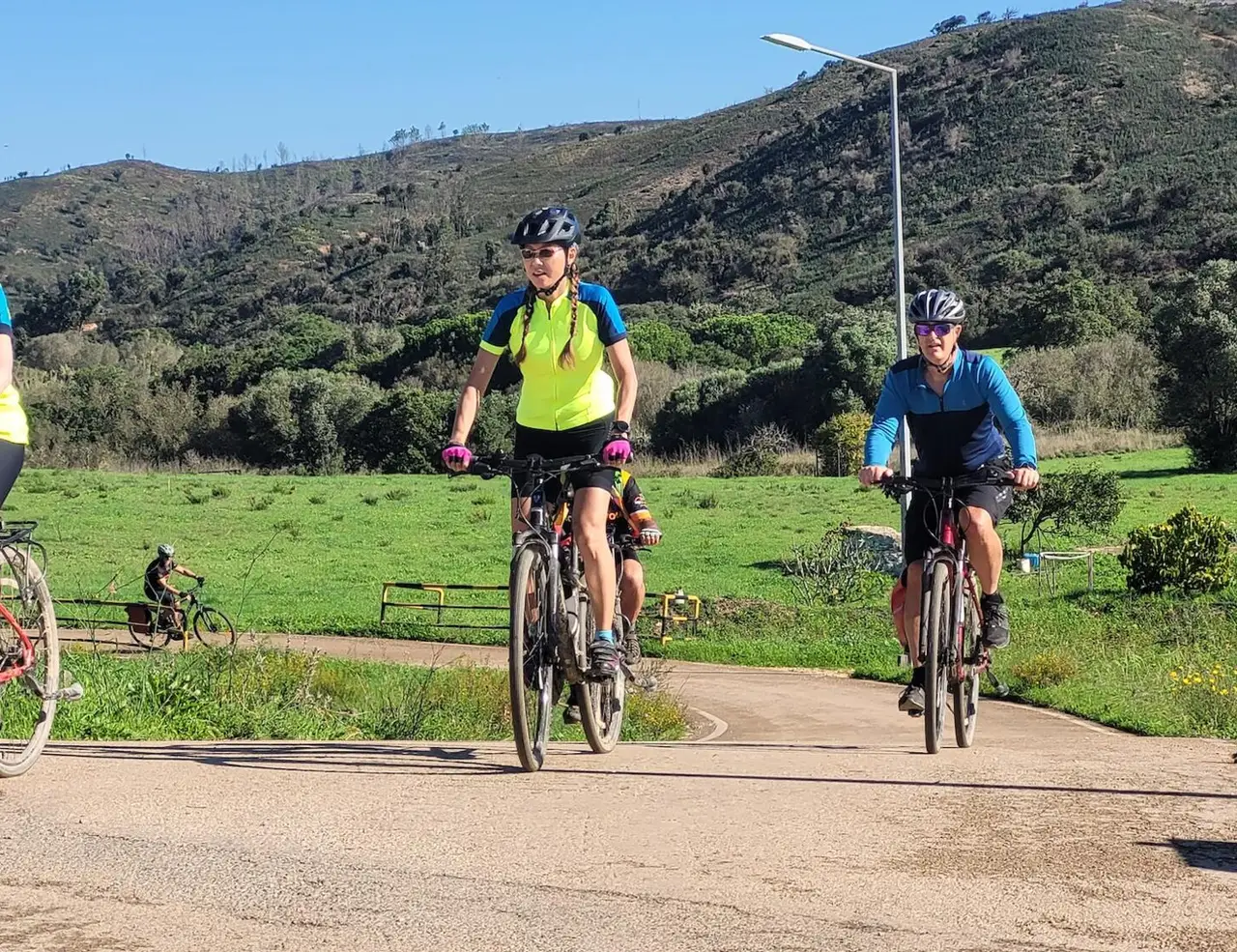
Understanding Rota Vicentina
Rota Vicentina traces Portugal’s southwest, where the Atlantic meets low cliffs, fishing villages, and stretches of farmland that feel open to sky and wind. It is a landscape shaped by migration, subsistence fishing, and rural life, where paths once used by farmers and coastal workers now form part of a wider network of walking and cycling routes.
Along the coast, sandy coves give way to dramatic headlands, dune systems, and stony tracks overlooking long, empty beaches. Inland, small towns gather around whitewashed squares, vegetable gardens, and cafés that still move at an unhurried pace. Old mule paths and farm lanes thread these worlds together, linking sea, fields, and villages in quiet continuity.
Cycling Rota Vicentina brings these elements into one slow conversation. Some days follow ocean light and salt air, others wander into cork forests, agricultural plains, and quiet roads framed by wildflowers. Riding here feels less like conquering a route and more like moving through a lived-in landscape, where the coast, the people, and the rhythms of everyday work remain close to the journey.
Topography
The Rota Vicentina unfolds across two main worlds that meet along Portugal’s Atlantic edge: the coastline and the rural interior. Along the shore, low cliffs, dunes, and sandy tracks trace the ocean, lifting onto headlands and dipping back into coves. The terrain feels exposed and elemental, shaped by wind, salt, and the constant movement of sea and sand.
A short distance inland, the landscape shifts into farmland, cork oak forests, and rolling plains. Quiet roads and country lanes weave through vegetable plots, small holdings, and fields bordered by stone walls. The gradients are generally gentle, creating long, steady sections where the riding becomes calm and rhythmic.
Where the route bends back toward the sea, short climbs rise again above the Atlantic, opening into wide views before soft descents lead toward fishing settlements and river mouths. These transitions repeat throughout the region, giving rides variation without demanding severe effort.
Rather than mountains or deep valleys, the Rota Vicentina offers layered, ever-changing ground. Cycling in Rota Vicentina becomes a movement between sea, countryside, and village life, revealing the coastline from multiple perspectives without breaking its continuity.
Climate
Rota Vicentina is shaped by an Atlantic climate that feels fresh, bright, and generally mild throughout the year. Sea breezes soften the heat in summer, while winters remain relatively temperate compared with inland Portugal. For most riders, spring and autumn offer the most comfortable conditions for cycling in Rota Vicentina, with balanced temperatures and long, steady hours of light.
From late June through August, daytime temperatures along the coast usually range between 23 and 28 °C (73 to 82 °F). The ocean keeps the air cooler than many inland regions, although afternoon winds can pick up, making earlier starts preferable for longer days. Even in midsummer, the combination of coastal air and shaded inland stretches keeps rides manageable when paced well.
Spring and autumn are especially appealing, with daytime averages between 16 and 22 °C (60 to 72 °F). Wildflowers line tracks in spring, and by autumn the light softens, cliffs glow in warm tones, and the landscape feels quieter as holiday crowds thin. These seasons often provide the best mix of comfort, scenery, and calm routes.
Rain is most likely between November and March, usually arriving in passing fronts rather than long, continuous storms. Winter temperatures typically sit between 10 and 15 °C (50 to 59 °F), cool but still inviting for shorter coastal rides. Inland pockets may cool slightly more at night, though snow is virtually unknown here.
Across the year, the combination of breeze, sunlight, and manageable seasonal shifts makes cycling Rota Vicentina feel accessible for much of the calendar, whether following the cliffs or moving inland through fields and forests.
Flora and Fauna
The landscapes along Rota Vicentina reveal a mix of coastal scrub, farmland, and pockets of woodland that change subtly as the route moves between sea and interior. Near the cliffs, low shrubs, salt-tolerant grasses, and hardy coastal plants cling to sandy soils, shaped constantly by wind and spray. Pine clusters appear on higher ground, while dune systems hold patches of heather, wild herbs, and ground-hugging flowers that bloom when spring rains arrive.
Moving inland, the scenery softens into cultivated fields and grazing land. Cork oak forests become more frequent, their textured trunks showing careful, periodic harvesting that has sustained local economies for generations. Between these wooded areas lie vegetable gardens, fig trees, citrus groves, and small orchards. In spring, wildflowers spread across verges and open tracks, bringing purples, yellows, and whites into the landscape.
Further from the coastline, denser stands of oak and eucalyptus provide deeper shade, especially where farm lanes cross gentle hills. Meadows hold seasonal grasses, and areas near streams support patches of reeds and willows, introducing cooler, greener corridors into the ride. By late summer, colors grow more muted, with golden tones in fields and deeper greens in remaining forest.
Wildlife appears in quiet moments. Storks nest on chimneys and church towers, particularly around villages. Along the cliffs, seabirds circle and call above the surf, while inland, small birds move across orchards and fields in quick bursts. Lizards flicker across stone walls, butterflies gather around flowering plants, and, at times, rabbits or foxes may cross the road at dawn or dusk.
Cycling in Rota Vicentina makes these changes feel gradual rather than dramatic. A single day can move from wind-shaped coastal vegetation to shaded cork forests and then back toward bright, open fields, revealing a region where human activity and natural systems sit closely side by side.
Economy
The economy along Rota Vicentina is rooted in rural traditions shaped by land, sea, and small community networks. Agriculture remains central, with fields of vegetables, grains, and pastureland supporting farms that operate on modest, seasonal scales.
Cork oak forests are particularly significant. Their careful harvesting sustains an old industry where bark is removed by hand and regrows over time, creating income while preserving the landscape. Olive groves, beekeeping, and small orchards add to this agricultural mosaic, and local markets reflect what is grown nearby rather than transported from afar.
Fishing continues to play an important role along the coast. Small harbors launch boats that supply local taverns and village restaurants with sardines, mackerel, shellfish, and other seasonal catches. The connection between ocean and table remains visible, especially in towns where drying racks, nets, and working boats sit close to the waterfront. Inland communities rely less on the sea and more on livestock, dairy, and farm produce, contributing to a slower rhythm that shifts with planting and harvest cycles.
Tourism has grown steadily yet remains more low-key than in many parts of Portugal. Travelers arrive for wild coastline, quiet villages, surf beaches, and long-distance trails. Guesthouses, rural stays, and small restaurants benefit from this flow, often run by families who live where they work. The Rota Vicentina project itself supports local businesses by directing visitors toward community-based services instead of large resorts.
Cycling in Rota Vicentina naturally intersects with these livelihoods. Riders pass working farms, cork forests marked with harvest years, village cafés that serve simple seasonal meals, and fishing communities preparing for the next tide. The sense of economy here is not staged for visitors. It appears slowly, through observation, as part of daily life unfolding alongside the route.
DREAMING OF CYCLING ROTA VICENTINA?
Explore our amazing bike tours in Rota Vicentina valley now!
Why Go Cycling Rota Vicentina?
1. A Coastline that Feels Wild Yet Welcoming
The Rota Vicentina offers one of Portugal’s most evocative coastlines, where cliffs, dunes, and long beaches create an uninterrupted line of Atlantic scenery. Cycling often follows routes that rise gently above the water, revealing coves, headlands, and stretches of ocean that feel expansive and open.
As the road shifts slightly inland, the energy softens. Small farming hamlets, vegetable gardens, and whitewashed villages appear, offering quiet pauses between coastal viewpoints. Cycling Rota Vicentina allows this balance between raw coastline and everyday rural life to unfold at a natural, human pace.
2. Rural Landscapes Shaped by Cork, Farming, and Tradition
Inland, the route moves through landscapes shaped over centuries by agriculture and local craft. Cork oak forests show carefully marked trunks where bark has been harvested and left to regrow. Fields of vegetables, goats, bees, and orchards form a patchwork tied closely to seasonal cycles.
Cycling here reveals these rhythms in motion. Signs point to small farms, local produce stands, and village cafés serving meals based on what is grown nearby. Cycling in Rota Vicentina becomes a quiet way of tracing livelihoods that continue to depend on the land, without feeling staged or curated for visitors.
3. Gentle Terrain with Natural Variation
The Rota Vicentina offers movement rather than dramatic elevation. Roads and tracks roll across gentle hills, rise briefly toward viewpoints, and ease back into sheltered valleys. Short climbs open into wide perspectives, while long, flat stretches invite steady, meditative riding.
This gradual terrain makes the journey welcoming for a range of riders. Instead of steep ascents, the challenge comes from wind, distance, and the rhythm of the route. The shifts in ground and light keep each day interesting, giving cycling the Rota Vicentina a sense of ongoing progression without strain.
4. Villages, Paths, and Everyday Heritage
The route threads together villages that still feel lived-in rather than preserved. Church towers, fountains, old wells, and tiled façades mark small centers where people gather at bakeries, cafés, and local markets. Many tracks and roads were once farm routes or connecting paths between communities.
Cycling through these settlements places heritage at eye level. There is no need for long detours or museum tickets. A simple stop for coffee or fresh bread brings snippets of conversation, glimpses of daily routines, and a feeling of moving through a landscape where history remains part of ordinary life.
5. A Journey that Flows Between Ocean and Countryside
What makes cycling the Rota Vicentina distinct is its continuity. The coast, farmland, forests, and villages do not feel like separate segments but parts of one ongoing route. Light changes, winds shift, and the scenery opens and narrows in gentle cycles.
Days often end in small towns where evenings feel unhurried and grounded in local food. Mornings may begin with ocean air or fields stretching inland. Across a multi-day journey, cycling in Rota Vicentina becomes less about reaching a destination and more about staying attuned to the slow, evolving character of the land.
Which Are the Best Places for Cycling in Rota Vicentina
Porto Covo
Porto Covo sits at the northern entrance to the Rota Vicentina coastal corridor, where fishing life, coves, and open Atlantic views set the tone for the journey ahead. The village feels compact and authentic, with cobbled streets leading toward cliffs and sandy bays scattered along the shoreline. Leaving town by bike, the route follows undulating tracks and quiet roads that reveal beach after beach, each separated by rocky headlands.
Cycling here introduces the coastal rhythm gently. There are short climbs, stretches beside the sea, and pauses at viewpoints where the horizon seems endless. Porto Covo works beautifully as either a starting point or a slow first stop, grounding the route in its connection to the ocean.
Odeceixe
Odeceixe bridges two worlds. One side faces farmland and river curves, while the other leads toward a wide beach framed by cliffs. Starting rides from here means easing into the day with flat river roads before choosing whether to climb toward the coast or wander inland through agricultural valleys.
The village itself invites slow evenings, with simple taverns, small squares, and a hillside layout that reveals new vantage points at every turn. For cyclists, Odeceixe offers both flexibility and atmosphere, making it an ideal base to begin exploring the Rota Vicentina.
Aljezur
Aljezur rests among fertile valleys where agriculture has long guided local rhythms. Roads weave past vegetable gardens, orchards, and soft hills that create steady, approachable riding. The castle ruins above town add a sense of layered history, visible from many points along the road.
From Aljezur, cyclists can choose between quiet inland circuits or routes that return toward the coastline. The combination of farmland, river corridors, and village life makes this one of the clearest places to experience how work, landscape, and community intersect along the Rota Vicentina.
Vila do Bispo
Vila do Bispo sits on exposed high ground where the scenery widens and the wind becomes part of the experience. The land opens into plateaus and heathland, offering long lines of road with gradual elevation changes rather than steep climbs. The sense of space here is striking.
Cycling through this area means moving through landscapes that feel more elemental, with occasional farmhouses, stone walls, and small villages breaking up the openness. It offers a deeper encounter with the quieter, more rugged character of the route.
Sagres
Sagres marks the symbolic end of many journeys along the Rota Vicentina. Roads approach calmly, tracing cliffs and fortified headlands that once guided ships toward the Atlantic. The sea feels closer here, and the history of navigation and exploration lingers in the air.
Cycling around Sagres is less about distance and more about presence. Short loops lead to viewpoints, bays, and promontories, allowing riders to take in the drama of the coastline. It feels like a natural conclusion to the route, where landscape, history, and sea come together.
PLANNING A CYCLING HOLIDAY IN ROTA VICENTINA ?
Dive into our curated Rota Vicentina cycling adventures today!
When is the Best Time for Cycling in Rota Vicentina
Best Season: April to June and September to October
Spring and early autumn are the most rewarding times for cycling the Rota Vicentina. From April to June, the Atlantic coast is fresh and green, with wildflowers along the cliffs and countryside fields coming back to life. Daytime temperatures usually range between 17 and 24°C (63 to 75°F), which makes coastal climbs and inland stretches feel balanced rather than demanding. Breezes from the ocean keep conditions comfortable, especially during mid-day rides.
September and October offer an equally beautiful atmosphere. The heat has softened, the trails feel quieter after summer, and the land carries late-season colors. Temperatures generally stay between 19 and 26°C (66 to 79°F), creating ideal conditions for multi-day itineraries. Cycling in Rota Vicentina during this period feels calm, unhurried, and deeply scenic, with long days still allowing flexibility.
Shoulder Season: March and November
March often marks the beginning of the riding year along the southwestern coast. Fields start greening, almond and wildflowers appear, and the air carries a gentle shift toward warmer weather. Temperatures sit around 14 to 19°C (57 to 66°F), cool but very manageable, particularly for riders who enjoy quieter paths.
November holds a softer, reflective charm. Rain becomes more likely, but mild days still appear frequently enough to allow comfortable, shorter rides. Villages slow down, landscapes deepen in color, and there is a peacefulness to the roads that appeals to cyclists who prefer solitude over activity.
Off-Season: Mid-Winter and High Summer
Winter along the Rota Vicentina is generally mild near the coast, with average daytime temperatures around 10 to 15°C (50 to 59°F). Rain is more frequent, and winds can be noticeable, especially on exposed cliff sections. Cycling remains possible, though rides tend to be shorter and more dependent on weather windows, often centered around late mornings and early afternoons.
The most challenging period arrives in mid-July through late August. Inland stretches can warm significantly, sometimes reaching 30 to 34°C (86 to 93°F), and the sun becomes intense on open tracks without shade. Coastal breezes provide relief, but long distances are best avoided unless riding early mornings or breaking stages into shorter, manageable segments.
Enjoying Food in Rota Vicentina
1. Grilled Sardines
Few foods capture coastal Portugal as clearly as freshly grilled sardines. Caught along the Atlantic and charred over open flames, they arrive simply seasoned with sea salt, olive oil, and lemon. Plates often come with boiled potatoes, salads, or rustic bread to soak up the juices. Cyclists reaching seaside towns after long stages find the meal both light and deeply flavorful, tied directly to daily fishing rhythms. Eating sardines along the Rota Vicentina connects the ride to local maritime life, where freshness matters more than elaborate preparation.
2. Cataplana de Peixe
Named after the copper pot in which it is cooked, cataplana combines fish or shellfish with tomatoes, onions, herbs, and white wine, sealing flavors under a domed lid. The result is gently steamed seafood that remains aromatic and tender. Many small restaurants near the coast serve cataplana to share, making it an ideal evening meal after a day on the bike. The dish reflects a culinary heritage that values resourcefulness, slow cooking, and the bounty of the sea, allowing cyclists to taste a tradition rooted in community dining.
3. Açorda Alentejana
This regional bread soup blends garlic, olive oil, coriander, and poached eggs into a warming, rustic dish. It is simple, restorative, and deeply tied to the countryside communities that once relied on leftover bread as a staple food. Riders encountering cooler mornings or breezier days often find açorda especially comforting. It highlights the way inland Alentejo cuisine differs from the coast while still relying on seasonal ingredients and local olive oil.
4. Pork with Clams (Carne de Porco à Alentejana)
A classic combination of marinated pork, clams, potatoes, and herbs brings together land and sea in one dish. The savory broth absorbs paprika, garlic, and lemon, making each bite layered without feeling heavy. Cyclists typically find this plate in taverns and family-run restaurants, where portions are generous but balanced. It reflects the agricultural and fishing traditions that coexist along the route, offering a satisfying way to refuel after a longer riding day.
5. Queijo de Cabra (Goat Cheese)
The countryside surrounding the Rota Vicentina is known for farm-produced goat cheeses that range from soft and fresh to firmer, aged styles. Markets and village shops often sell locally made rounds wrapped in simple paper. Paired with bread, fruit, or a drizzle of honey, they make excellent picnic food during midday breaks. Sampling regional cheese gives cyclists insight into pastoral life and the small-scale production that supports many rural families along the route.
6. Portuguese Wines from the Alentejo and Algarve
While the coastline draws the most visual attention, the surrounding inland regions produce distinctive wines. Alentejo reds are often smooth and full-bodied, while whites from coastal vineyards feel fresher and more mineral. Many guesthouses and rural restaurants share bottles from nearby estates, making wine an easy, everyday companion to meals. Enjoying a glass at sunset after cycling the Rota Vicentina ties the day to the landscapes the route passes through, from farmland to sea cliffs.
Discover the Essence of Cycling in Rota Vicentina
Cycling in Rota Vicentina is about moving through landscapes that feel untouched, elemental, and quietly immersive. One day follows sandy tracks along the Atlantic, where cliffs drop into rolling surf and sea breezes guide the pace. Another leads inland through cork forests, farms, and villages where life unfolds slowly. The journey shifts between coast and countryside in gentle transitions, giving each stage its own atmosphere without losing the continuity of the route.
Along the way, moments appear without effort. A fishing harbor at low tide. A bakery opening in the morning. A quiet viewpoint above the sea where the horizon feels endless. Cycling the Rota Vicentina brings these experiences together in motion, letting you encounter the land as residents do, with time to notice what might otherwise pass by unseen.
Art of Bicycle Trips designs Rota Vicentina cycling journeys that honor this sense of simplicity and depth. Routes are thoughtfully paced, accommodations are chosen for character and comfort, and navigation is designed so you can focus entirely on the ride. You travel independently, with support always close when you need it.
READY TO CYCLE ROTA VICENTINA?
Get started with your cycling adventure now!
