
Understanding Piedmont
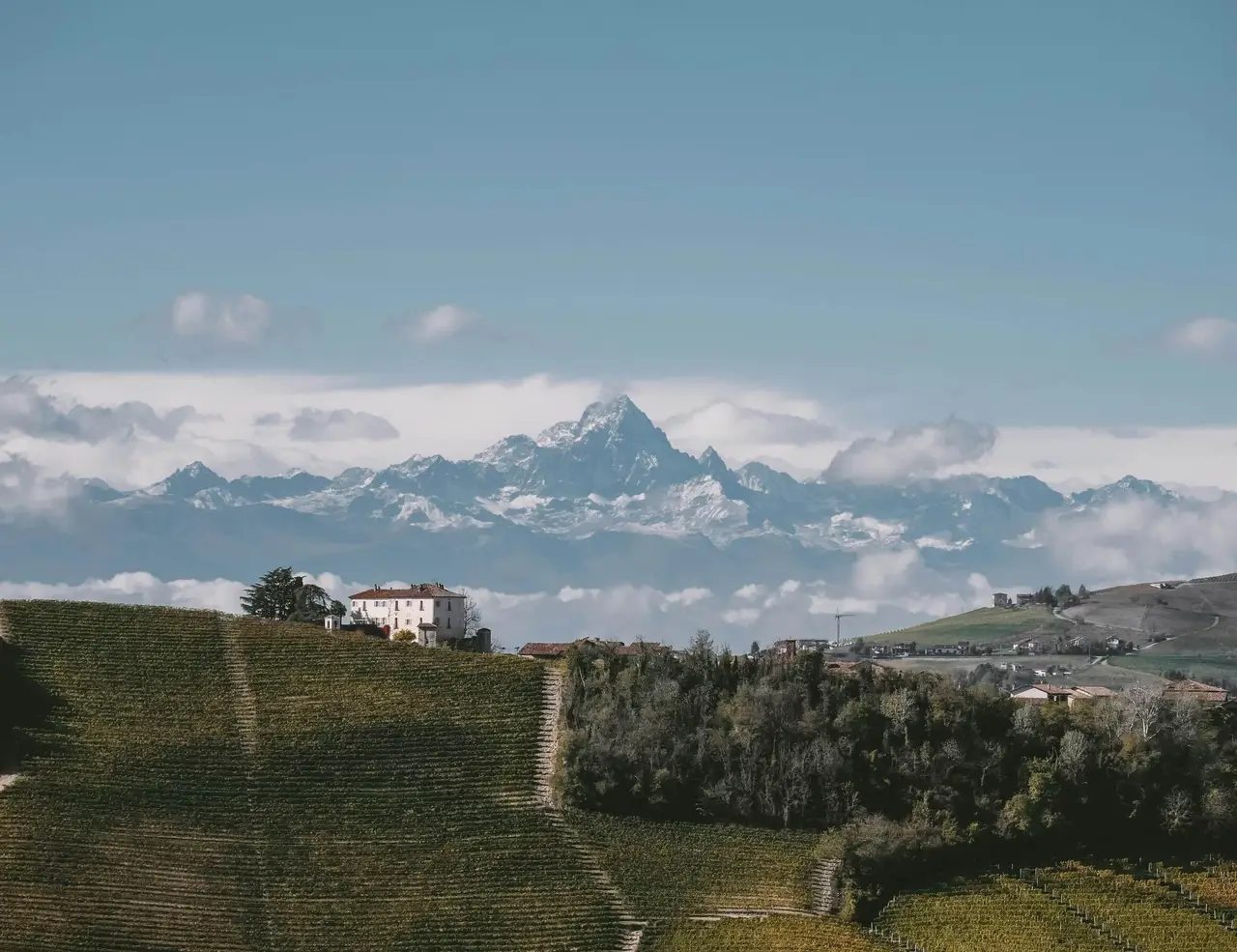
Piedmont sits in northwestern Italy, where vineyard-lined hills open toward the Alps and wide fertile plains shaped by the Po River. It is a region known for deep culinary heritage, historic cities like Turin, and a cultural identity shaped by craftsmanship and agriculture. This is the birthplace of the Slow Food movement, home to Nutella, and the industrial legacy of Fiat, all of which reflect Piedmont’s blend of innovation and tradition.
Cycling in Piedmont is one of the most engaging ways to experience this landscape. A ride moves through vineyard slopes planted with Nebbiolo and Barbera grapes, past castle viewpoints, hazelnut groves, and hilltop villages where local produce still defines daily life. As elevation rises, mountain horizons appear, giving way to cooler air, longer climbs, and views that stretch into Alpine ridgelines. Cycling Piedmont reveals history, scenery, and regional character in motion, unfolding quietly with every kilometer.
Topography
Piedmont unfolds in distinct layers, beginning with wide open plains near the Po Valley and gradually rising into rolling vineyard hills before reaching the base of the Alps. The southern and central parts of the region are shaped by gentle elevation patterns, where rows of vines trace slopes that lift and dip in a smooth rhythm. These hills define areas such as Langhe and Monferrato, where castle-topped villages sit above terraced landscapes and small valleys spread outward in all directions.
As routes move north and west, the land begins to climb toward the mountains. Roads lengthen into more sustained ascents, passing through forested foothills and viewpoints overlooking wide valleys. The terrain transitions from cultivated slopes to woodland ridges, and eventually into alpine passes where the atmosphere becomes sharper and cooler. These shifts create a natural progression for riders who want variety without long transfers.
Cycling through Piedmont offers this changing terrain in a way that feels organic and immersive. Countryside roads carry steady momentum, small climbs punctuate longer stretches, and higher elevation routes reveal distant peaks framed by rolling farmland. Whether aiming for leisurely vineyard loops or more ambitious hill routes, the land shapes the ride with clear definition and rewarding views at every stage.
Climate
Piedmont experiences a temperate climate that varies noticeably between the lower hills, plains, and the mountain-facing parts of the region. Spring and early summer are especially favorable for riding, with clear skies, comfortable temperatures, and long daylight hours. From April to June, daytime averages typically sit between 17 and 24 °C (62 and 75 °F), making longer vineyard routes and steady hill climbs enjoyable without intense heat.
Summer can feel warmer in the lower valleys, where temperatures may reach between 27 and 32 °C (80 and 90 °F), especially in July and August. However, higher elevations remain cooler, and hillside routes often carry a light breeze, keeping afternoon rides manageable. Early starts or late-day rides work well during midsummer, particularly around wine country and rolling terrain.
Autumn is one of the most atmospheric periods for cycling. September and October bring crisp morning air, mild days averaging 16 to 23 °C (60 to 73 °F), and landscapes filled with harvest activity. Vineyards turn amber and rust-colored, hazelnut farms prepare for the season, and markets highlight regional foods, making the timing ideal for immersive travel. Winter stays milder in the plains, with daytime temperatures typically ranging from 6 to 11 °C (43 to 52 °F). Mountain areas, however, become significantly cooler and may see snowfall, especially along alpine routes. Even then, lower vineyard regions remain accessible, offering shorter scenic days with quieter roads.
Flora and Fauna
Piedmont’s landscapes are shaped by cultivated fields, seasonal woodland growth, and rolling vineyards that define the visual character of the region. Hillsides are lined with grape varietals such as Nebbiolo, Barbera, and Dolcetto, while hazelnut groves spread across pockets of Monferrato and Langhe. Orchards of peaches, apples, cherries, and plums mark the lower valleys, and springtime brings white and pink blossoms that brighten the countryside. Along quieter roadsides, wild fennel, mint, and small clusters of chamomile appear in early summer, adding scent and texture to the ride.
On elevations, vineyards give way to oak and chestnut forests, and in some areas, fir and alpine pine take over, creating cooler, shaded stretches of road. Meadows open into grassy slopes during late summer, especially where foothills approach the alpine boundary. Autumn transforms these landscapes into deep yellows and russet tones, especially across vineyards and nut groves where harvest is underway.
Piedmont’s fauna reflects both cultivated land and woodland edges. Deer and foxes are sometimes seen near tree lines, while small birds move constantly between orchard edges and vineyard posts. Raptors circle above valley ridges, especially on warmer days when air currents lift them higher. In late spring, butterflies and bees are abundant across meadow patches, orchards, and flowering hedgerows.
Cycling through Piedmont offers a slow, continuous connection to these natural transitions. Riders may begin in vine-covered hills, move through shaded woodland corridors, and end in open viewpoints that reveal changing seasons across the valleys below. The landscape remains expressive in every direction, creating a riding experience defined as much by nature as by terrain.
Economy
Piedmont’s economy is shaped by a combination of agriculture, gastronomy, wine production, industry, and regional tourism. Vineyards remain central to rural life, especially in the hills of Langhe, Roero, and Monferrato, where Nebbiolo, Barbera, and Dolcetto grapes produce some of Italy’s most respected wines, including Barolo and Barbaresco. Hazelnuts thrive in these same hills, supporting confectionery production and linking directly to the region’s heritage as the birthplace of Nutella. Wheat, rice, orchard fruits, and cheese from small dairies also contribute to a strong agricultural base that influences both landscape and cuisine.
Tourism continues to grow, especially around wine towns, historical centers, and cultural sites anchored by cities like Turin. Visitors arrive for tasting rooms, vineyard stays, slow-food experiences, and countryside cycling routes that connect towns and family-run estates. Many agriturismo properties operate alongside working farms, offering meals built from seasonal ingredients and emphasizing regional identity.
Industry has long been part of Piedmont’s economy as well. Turin remains known for its manufacturing legacy, historically led by Fiat, and continues to serve as a major commercial center. Smaller artisanal trades also endure, including cheese making, cured meat production, and specialized bakery traditions tied to harvest cycles and local festivals.
Across towns, plains, and hillside villages, these threads come together. Agriculture sustains local livelihoods, tourism amplifies cultural expression, and industry contributes to modern economic life. For cyclists traveling through the region, these layers are visible at every stop, from tasting counters and produce markets to skyline views that reveal both vineyards and distant industrial silhouettes.
DREAMING OF CYCLING IN PIEDMONT?
Explore our amazing bike tours in Piedmont now !
Why Go Cycling Piedmont?
Vineyards, Hill Towns, and Wine Roads
The hills of Langhe and Monferrato are among the most rewarding landscapes to cycle. Vineyard terraces flow across the slopes, with castle-topped towns appearing at intervals along the ridgelines. Riding here means tracing the same hills that produce Barolo, Barbaresco, and Barbera wines, passing tasting rooms, cellar doors, and small plazas where local food pairs naturally with regional vintages. The gradients are steady and manageable, offering long stretches where scenery and movement feel perfectly aligned.
Slow Food Culture and Farm-to-Table Stays
Piedmont is the birthplace of the Slow Food movement, and cycling brings it to life in the most direct way. Many routes connect to rural trattorias, agriturismo houses, and small food producers who treat meals as an expression of heritage. Hazelnut groves, dairies, bakeries, and family-owned estates welcome riders with seasonal dishes rooted in the land. Each stop becomes part of the journey, not just a pause from the ride, and the pleasure lies in tasting food where it is grown.
Gradual Climbs into Alpine Air
Toward the northern edge of Piedmont, roads rise into foothills that signal the proximity of the Alps. Climbs stretch across longer gradients, shaded by woodland and opening periodically into valley overlooks. The atmosphere shifts as elevation increases: cooler air, different vegetation, and wider panoramas. For cyclists, these routes offer a satisfying sense of progression without becoming extreme, and the reward often arrives through sweeping views that capture both hills and distant peaks.
Historic Towns and Quiet Rural Pathways
Many of Piedmont’s towns still carry the rhythm of markets, morning cafés, and old stone facades, and cycling allows you to absorb these layers without rushing. The routes connect settlements spaced just far enough apart that each arrival feels like a discovery. A bakery on the main square, a bell tower above tiled rooftops, or a simple fountain with mountain water become natural pauses. Riding here blends movement with calm observation, offering a travel pace that suits Piedmont’s reflective character and easy elegance.
Which Are the Best Places for Cycling in Piedmont
Turin and the Riverside Trails
Turin makes an elegant and inviting starting point for a cycling journey through Piedmont. Broad avenues, leafy parklands, and riverside cycle paths create easy momentum as you leave the city. The Po River corridor offers relaxed riding beside water, framed by bridges, cafés, and long green spaces. Before heading into the countryside, riders often take time to explore Turin’s piazzas, arcaded boulevards, and museum-lined districts that reflect its heritage as Italy’s first capital.
Pinerolo, Saluzzo, and the Alpine Foothills
Moving southeast from Turin, the landscape rises gently toward the Alps. Roads lead into the foothills and into towns such as Pinerolo and Saluzzo, where medieval streets, stone façades, and quiet squares define the town centers. Cycling here carries a sense of steady climb without steep intensity, offering panoramic ridge views framed by mountain silhouettes. These routes feel peaceful and historic, making them a natural extension of Piedmont’s urban beginning.
Langhe Wine Hills
For many cyclists, the Langhe is the most iconic part of Piedmont. Vineyards shape every slope, with Barolo and Barbaresco vineyards stretching across ridgelines around towns such as Bra, Alba, and Pollenzo. Gentle climbs reveal castle mounds, tasting rooms, and viewpoints where rows of vines curve in repeating patterns along the hillsides. This is a destination where cycling pairs naturally with wine culture, and most days offer chances to stop in cellar towns or enjoy local food rooted in seasonal produce.
Roero and Vine-Lined Backroads
Just north of Langhe lies Roero, an area known for smaller villages, fruit orchards, and distinctive red soils. Roads here wind between vineyards and farmland, giving access to quieter lanes that feel far from traffic. The landscape is rolling and rhythmic, with short climbs that reward riders with wide views over fields and woodland patches. Those cycling Piedmont often find Roero ideal for loop days, where time slows and the scenery remains close and familiar.
Monferrato Hills and Countryside Estates
Toward the east, the hills of Monferrato bring a different expression of Piedmont’s landscape. Towns like Asti, Moncalvo, Terruggia, and Casale Monferrato sit in valleys surrounded by vineyards, noble estates, and small hamlets. The gradients stay moderate, making multi-hour rides approachable, while viewpoints open over countryside that feels expansive and pastoral. This area reflects the quieter edge of wine country, less visited but rich in local character.
PLANNING A CYCLING HOLIDAY IN PIEDMONT?
Dive into our curated Piedmont cycling adventures today!
When Is the Best Time to Cycle Piedmont?
Best Season: April to June and September to October
Spring and early summer bring some of the most enjoyable cycling conditions in Piedmont. From April through June, the hills of Langhe, Roero, and Monferrato turn vibrant green, orchard blossoms line rural roads, and vineyards begin their growing season. Temperatures typically range between 17 and 24°C (62 and 75°F), making long loops through wine country or steady climbs into the foothills both comfortable and invigorating. Fields show their freshest colors, and town markets begin to fill with seasonal produce, local cheeses, and early hazelnut products.
Autumn is equally inviting, especially between September and late October. Mild days average between 16 and 23°C (60 and 73°F), and evenings cool just enough to make outdoor dinners atmospheric. Vineyards shift into gold and ruby tones, truffle season begins around Alba, and towns host harvest tastings, wine celebrations, and small food fairs. Cyclists often consider these months the most rewarding, with quieter roads, long golden light, and countryside energy shaped by harvest rhythms.
Shoulder Season: March and Early November
March feels like the beginning of the cycling season. Orchards start blooming, landscapes soften from winter dormancy, and traffic remains minimal. Temperatures usually sit between 12 and 18°C (54 and 64°F), making it pleasant for mid-day rides through town loops or vineyard corridors. Early November carries a slower pace, with subdued colors, hazelnut and grape processing underway, and smaller festivals celebrating seasonal produce.
Cyclists who enjoy quieter routes, cooler air, and uninterrupted village time often choose these shoulder weeks. Some foothill areas may feel crisp at the start of the morning, but conditions warm steadily by midday.
Off-Season: Late November to February
Winter brings cooler days to Piedmont, particularly in elevated terrain. Valley areas usually remain between 6 and 11°C (43 and 52°F), allowing for shorter scenic routes and relaxed cultural stops. Higher elevations and alpine-linking roads can see frost or snow, and many riders avoid mountain climbs during this period. Despite that, winter offers empty routes, clear skies, and an atmosphere that encourages slower travel with more time spent in towns.
Cycling in Piedmont during winter appeals to travelers who enjoy crisp air, minimal crowds, and cultural immersion over distance. Historic centers remain lively, cafés stay warm and inviting, and markets shift toward cheeses, cured meats, and seasonal winter dishes. Although not ideal for long climbs, winter still reveals a quieter, thoughtful side of Piedmont that is easy to explore by bike.
Enjoying Food in Piedmont
Vitello Tonnato
A signature Piedmontese dish, vitello tonnato combines slow-cooked veal sliced thin and topped with a creamy sauce of tuna, capers, and lemon. Despite its unexpected pairing, the flavors are refined and balanced, reflecting Piedmont’s historic links between land and sea trade. Many cyclists try it in towns like Alba, Bra, or Asti, where trattorias prepare it with local olive oil and house-made preserves. Light, protein-rich, and flavorful, it often becomes a post-ride favorite served with crusty bread and seasonal vegetables.
Tajarin and Agnolotti Pasta
Piedmont’s pasta culture is distinct. Tajarin is a silky, egg-rich noodle rolled into fine golden ribbons, traditionally served with butter, sage, or meat ragù. Agnolotti is another regional staple: delicate stuffed envelopes filled with roasted meat, herbs, or local cheeses. These pastas are often tied to seasonal tradition and appear on menus across Langhe and Monferrato, especially in small family kitchens. After a long ride, a plate of tajarin feels both effortless and deeply comforting, perfectly matched to the warmth of village settings.
White Truffles of Alba
Nowhere expresses Piedmont’s identity more clearly than Alba’s white truffles. Harvested in autumn and early winter, they are shaved over tajarin, fonduta, or eggs, adding an earthy aroma that reflects the forested hills where they grow. Cyclists arriving during truffle season often find town squares filled with food fairs, tastings, and market stalls. Sampling truffles connects directly to Piedmont’s land-based traditions, offering a culinary moment tied to place, season, and history.
Local Cheeses from Mountain and Hill Dairies
Piedmont is known for cheeses produced in small mountain dairies and family-run farms. Varieties like Castelmagno, Raschera, and Robiola differ subtly according to altitude, pasture type, and aging methods. Many village stores sell rounds wrapped simply in paper, and restaurants often serve tasting boards with honey or local preserves. For cyclists, these cheeses are often enjoyed mid-ride or as part of a relaxed evening meal that speaks directly to the region’s agricultural craft.
Hazelnut Desserts and Classic Confectionery
The hazelnut groves around Langhe and Alta Langa produce buttery, aromatic nuts that appear in everything from cakes to biscotti and frozen desserts. Piedmont is also the birthplace of gianduja, the chocolate-hazelnut blend that later inspired Nutella. Confectioners in Alba, Bra, and small hill towns still make truffles, pralines, and spreads using local nuts. These treats are perfect as cycling fuel, whether during tasting pauses or at cafés that line the main squares.
Barolo, Barbaresco, and Timorasso Wines
Wine completes the culinary landscape of Piedmont. Barolo and Barbaresco express the character of Nebbiolo grapes through long aging, earthy aromatics, and layered flavors that feel inseparable from the hills that grow them. In Monferrato, Timorasso and Barbera bring brighter profiles suited to lighter meals. Cellar visits often coincide with cycling stops, where vineyard terraces overlook winding roads and ridgelines that stretch into soft evening light. Pairing a tasting with local cheese or hazelnut pastries becomes a natural close to the day.
Cycling Through Italy’s Wine Heartland
Cycling in Piedmont brings you into landscapes shaped by vines, hazelnut groves, and towns where the rhythm of daily life is still tied to the land. Roads move gently through valleys, rise toward viewpoints along historic ridge lines, and settle into villages where cafés overlook tiled roofs and open squares. Days on the bike blend scenic movement with small cultural pauses, whether for a glass of Barolo, local cheese, or a taste of seasonal truffles served in family kitchens.
Art of Bicycle Trips curates this experience through self-guided itineraries that connect wine regions, heritage towns, and countryside paths at a comfortable pace. Routes unfold clearly, accommodations reflect the character of the setting, and meal recommendations highlight places where local ingredients shape regional identity. All you need to do is begin, and the journey will reveal itself through vineyard horizons, quiet town centers, and the generous culinary traditions of northern Italy.
READY TO CYCLE PIEDMONT?
Get started with your cycling adventure now!
