
Understanding Haute-Savoie
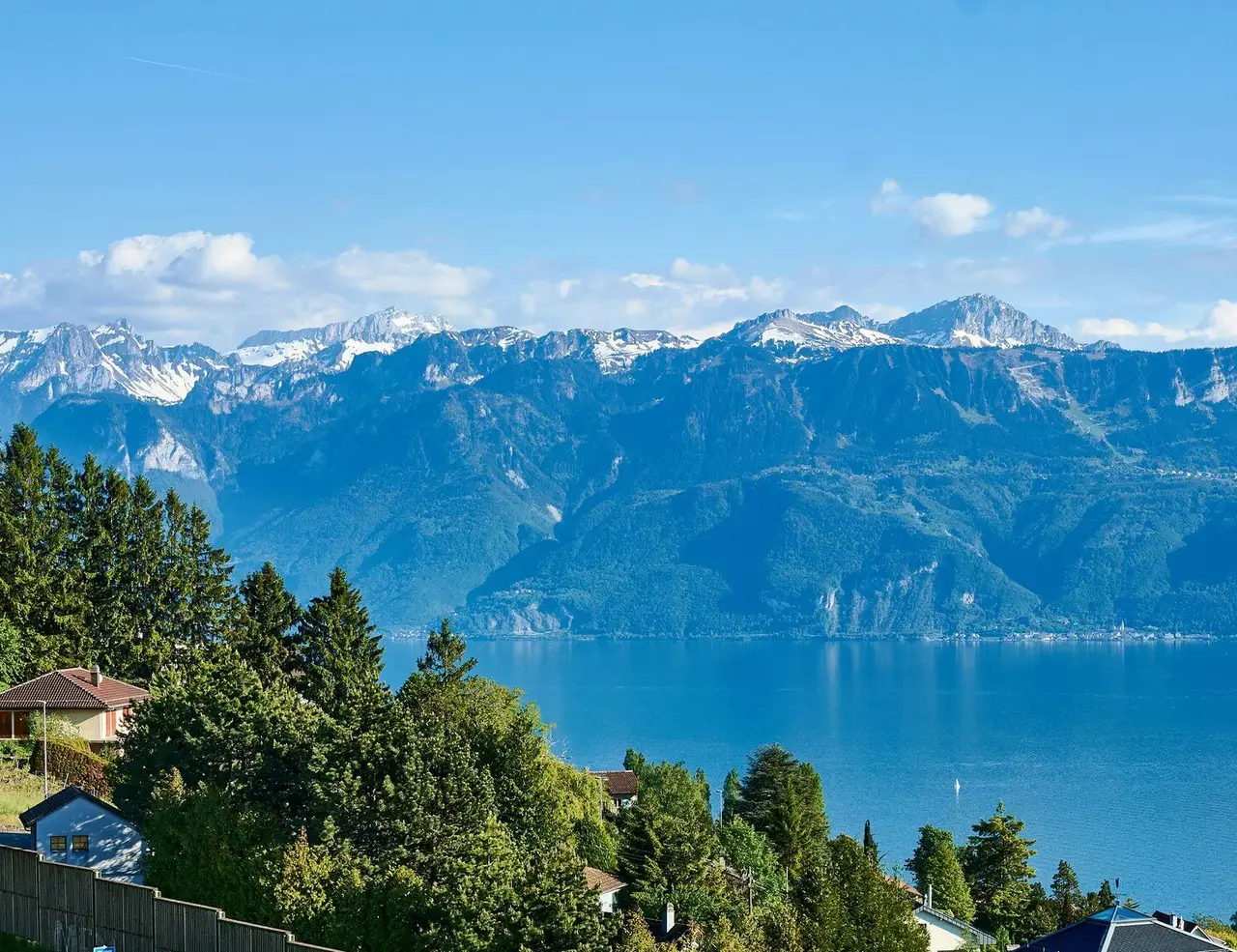
Haute-Savoie sits at the dramatic meeting point of mountain, water, and sky. This is a region shaped by glaciers and passes, alpine pastures and deep valleys, where daily life has long been guided by altitude, seasons, and the movement of people across borders. Writers, mountaineers, and artists have been drawn here not for ornament, but for the clarity and intensity of the landscape itself.
Snow-fed lakes reflect sheer rock faces, chalets cling to steep slopes, and villages feel anchored by traditions tied to farming, cheese-making, and highland travel. The presence of Mont Blanc looms quietly in the background, not as spectacle but as a constant point of orientation, shaping weather, routes, and imagination alike.
Cycling in Haute-Savoie brings you into this alpine world at a human pace. Roads follow ancient corridors through valleys, rise steadily toward mountain cols, and loop around lakes where the scenery feels both expansive and intimate. Rather than overwhelming, the landscape reveals itself gradually, through long climbs, open views, and moments of stillness that make the region feel lived-in rather than monumental.
Topography
Haute-Savoie lies in eastern France along the borders of Switzerland and Italy, defined by some of the most dramatic mountain terrain in the Alps. This is a landscape shaped by glaciation and elevation, where deep valleys, high passes, and alpine lakes sit in close proximity. Peaks rise quickly from valley floors, creating a sense of vertical scale that is ever-present while riding.
The region is anchored by the Mont Blanc massif, whose surrounding valleys branch outward toward areas like the Aravis range, the Bauges, and the Chablais. Roads trace river corridors before climbing steadily into mountain cols, linking villages that sit high above pastureland and forest. Between these climbs, large lakes such as Lake Annecy and Lake Geneva introduce flatter terrain, where cycling feels more relaxed and rhythm-driven.
The terrain here is varied but coherent. Long, steady ascents are balanced by sweeping descents and scenic plateaus, while wooded slopes give way to open alpine meadows at higher elevations. Unlike regions dominated by a single climb, cycling in Haute-Savoie offers constant shifts in gradient and scenery, keeping each ride engaging without feeling repetitive.
While the high mountain passes present rewarding challenges for experienced riders, many routes are accessible and thoughtfully graded. Valley roads, lakeside paths, and mid-altitude climbs make cycling Haute-Savoie adaptable to different riding styles, from demanding alpine days to gentler scenic loops through some of France’s most striking landscapes.
Climate
Haute-Savoie experiences a distinctly alpine climate shaped by elevation, surrounding mountain ranges, and large bodies of water such as Lake Annecy and Lake Geneva. Conditions can shift noticeably with altitude, making weather an important part of route planning while also contributing to the region’s visual drama and seasonal rhythm.
Summer is the prime cycling season. From June to early September, daytime temperatures in the valleys typically range between 20 and 28 °C (68 to 82 °F), while higher elevations remain cooler and more comfortable during climbs. Long daylight hours and generally stable weather make this the most popular time for cycling in Haute-Savoie, especially for riders tackling mountain passes or multi-day routes.
Spring and autumn bring more variable conditions. May and early June see snow melt at higher elevations, opening many cols and revealing alpine meadows in bloom. Temperatures during this period usually sit between 15 and 22 °C (59 to 72 °F) in lower areas. Autumn, particularly September, is often calm and clear, with crisp mornings, golden pastures, and fewer visitors on the roads. These shoulder seasons are well suited to riders who prefer quieter routes and cooler air.
Rainfall is spread throughout the year, with occasional afternoon storms in summer, especially in mountainous zones. These tend to be brief and localized rather than persistent. Winter is cold at altitude, with snowfall common across the high passes and ski regions. Valley floors are milder, but cycling is generally limited to lower elevations and lakeside paths during this period. Seasonality is an essential part of the experience here. Snowmelt, wildflower blooms, grazing cycles, and autumn colors all shape the visual landscape. Cycling Haute-Savoie at the right time of year allows riders to experience these transitions while enjoying conditions that match the demands of alpine terrain.
Flora and Fauna
Haute-Savoie’s natural world is shaped by altitude, seasonal change, and the constant presence of mountains and water. Vegetation shifts clearly as you gain elevation, creating a landscape where cycling routes move through multiple ecological zones in a single day.
In the valleys and lower slopes, pastures and mixed forests dominate. Meadows are filled with grasses and wildflowers in late spring and early summer, when cows graze openly and alpine farming is at its most visible. Chestnut, beech, and maple trees line quieter roads, while orchards and small agricultural plots appear near villages. Around lakes such as Annecy, reed beds, willows, and lakeside vegetation soften the shoreline and provide habitat for waterfowl.
As roads climb higher, forests give way to alpine meadows and open grazing land. Spruce and fir trees dominate the mid-altitudes, gradually thinning as elevation increases. In summer, high pastures bloom with gentians, edelweiss, and alpine daisies, bringing color to slopes that are snow-covered for much of the year. These open areas offer wide views and a sense of exposure that feels distinctly alpine while cycling in Haute-Savoie.
Wildlife is present but often discreet. Chamois and ibex inhabit higher, rockier terrain, while roe deer and red deer move through forested areas, especially at dawn and dusk. Marmots are common in alpine meadows, often heard before they are seen. Birdlife is varied, with golden eagles and buzzards circling above valleys, and smaller species active along woodland edges and watercourses.
The lakes add another layer of biodiversity. Ducks, swans, and herons are common sights along lakeside paths, and the clear waters support fish populations that have long sustained local communities. Cycling through these environments brings a constant awareness of seasonal rhythms, from spring blooms to late-summer grazing and autumn color.
This diversity of plant and animal life adds depth to every ride. Cycling in Haute-Savoie is not only about elevation and scenery, but also about moving through living landscapes that change subtly with altitude, time of day, and season.
Economy
Haute-Savoie’s economy is shaped by a close relationship between mountain agriculture, tourism, and cross-border exchange. Its alpine setting has long influenced how people live and work here, with livelihoods adapting to altitude, seasons, and movement through the valleys and passes that connect France with Switzerland and Italy.
Traditional mountain agriculture remains central, particularly dairy farming. Alpine pastures support herds that produce some of the region’s most celebrated cheeses, including Reblochon, Abondance, and Tomme de Savoie. These cheeses are made in high pastures during summer grazing months and in valley farms during winter, anchoring local food culture firmly to the landscape cyclists ride through. Small-scale forestry also plays a role, with timber managed across mountain slopes and forested valleys. Tourism is a major economic driver, built around both winter and summer seasons. Ski resorts such as Chamonix, Megève, and La Clusaz dominate the colder months, while summer brings hikers, cyclists, and lake-based visitors to places like Annecy and the surrounding valleys. Cycling in Haute-Savoie has grown steadily as part of this warm-season economy, with investment in bike paths, mountain road maintenance, and dedicated cycling infrastructure supporting riders of all levels.
Lakeside towns and alpine villages benefit from hospitality, guiding services, outdoor recreation, and local food production. Weekly markets, farm shops, and mountain refuges contribute to a regional economy that feels active yet rooted in tradition. Annecy serves as a key urban hub, combining tourism, technology, and services, while remaining closely connected to the surrounding countryside.
The proximity to Geneva also shapes economic life. Many residents commute across the border, and this international influence brings a steady flow of people, ideas, and investment into the region. Despite this, much of Haute-Savoie retains a strong rural identity, where farming, seasonal work, and tourism coexist rather than compete.
For those cycling Haute-Savoie, this economic balance is visible along the road. Routes pass cheese farms, mountain chalets, lakeside cafés, and small towns that thrive on a mix of tradition and modern mobility. The experience feels grounded in real working landscapes, not curated scenery, giving cycling in Haute-Savoie a sense of authenticity that extends beyond the ride itself.
DREAMING OF CYCLING HAUTE- SAVOIE ?
Explore our amazing bike tours in Haute-Savoie now!
Why Go Cycling Haute-Savoie?
1. Iconic Alpine Passes and Legendary Climbs
Haute-Savoie sits at the heart of the French Alps, and its roads are inseparable from cycling history. Famous cols such as the Col des Aravis, Col de la Colombière, and climbs around the Mont Blanc massif have featured repeatedly in the Tour de France, giving the region a near-mythic status among riders. Cycling these routes offers long, steady ascents, dramatic switchbacks, and descents that feel earned rather than rushed.
Yet the appeal is not limited to elite challenges. Many climbs are beautifully graded and interspersed with gentler sections through forests and alpine pastures. Cycling in Haute-Savoie allows riders to choose their level of intensity, whether tackling classic passes or enjoying shorter climbs that still deliver expansive mountain views and a true sense of alpine movement.
2. Lakes, Valleys, and Alpine Contrast
One of Haute-Savoie’s great strengths is contrast. A morning ride may circle the clear waters of Lake Annecy on traffic-free paths, while the afternoon carries you into rising terrain where forests thin and peaks dominate the horizon. Valleys provide natural corridors for relaxed riding, linking villages, farms, and market towns before roads begin their steady climb into the mountains.
This variety keeps cycling Haute-Savoie constantly engaging. The landscape shifts from reflective lakesides to open meadows, wooded slopes, and exposed ridgelines, all within short distances. Riders experience the Alps not as a single dramatic backdrop, but as a sequence of changing environments that unfold gradually with every kilometre.
3. Living Alpine Culture and Mountain Villages
Beyond the scenery, Haute-Savoie feels deeply lived-in. Villages like La Clusaz, Le Grand-Bornand, and Samoëns retain strong ties to farming, cheese-making, and seasonal rhythms. Chalets, grazing cattle, and roadside farm shops are part of everyday life, not curated attractions. Weekly markets and mountain cafés offer natural pause points where cyclists can refuel and observe local life.
Historic towns such as Annecy add another layer, blending medieval streets, canals, and lakeside promenades with an easy cycling culture. Stopping to wander on foot between rides feels effortless. This balance of activity and calm is part of what makes cycling in Haute-Savoie so appealing, where demanding terrain is softened by hospitality, tradition, and a strong sense of place.
Which Are the Best Places for Cycling in Haute-Savoie
1. Lake Annecy
Lake Annecy is one of the most celebrated cycling areas in Haute-Savoie, and for good reason. A largely traffic-free loop of around 40 kilometres circles the lake, offering smooth riding with constant views of turquoise water framed by steep alpine slopes. The terrain is mostly flat to gently rolling, making it accessible for relaxed days or recovery rides between mountain stages. Villages along the shore provide frequent café stops, while the backdrop of peaks rising directly from the lake gives even easy riding a dramatic sense of place. Cycling in Haute-Savoie often begins or ends here, setting a calm but visually striking tone.
2. Annecy
Annecy is the natural cycling hub of the region. Its medieval old town, canals, and lakeside promenades make it an inviting base both on and off the bike. From the city, routes radiate in every direction, from flat lakeside paths to steady climbs toward the Semnoz or into surrounding valleys. The transition from urban life to open countryside happens quickly, allowing riders to warm up gently before committing to longer ascents. With its strong cycling culture, excellent infrastructure, and lively food scene, Annecy balances practicality with charm while cycling Haute-Savoie.
3. Col des Aravis and the Aravis Range
The Aravis range delivers classic alpine riding without feeling overwhelming. The Col des Aravis connects La Clusaz with the Val d’Arly and offers a steady, well-paced climb through forests, open pastures, and panoramic viewpoints. Gradients are consistent rather than punishing, making the ascent achievable while still rewarding. Traditional mountain villages like La Clusaz and Le Grand-Bornand add character to the route, with chalets, grazing cattle, and roadside farms reinforcing the sense of riding through a working alpine landscape. This area captures the essence of cycling in Haute-Savoie: demanding, scenic, and deeply rooted in place.
4. Semnoz
Rising above the western edge of Lake Annecy, Semnoz provides one of the most accessible summit experiences in the region. The climb unfolds gradually through woodland before opening into wide alpine meadows near the top. From the summit area, views stretch across Lake Annecy, the Bauges, and toward Mont Blanc on clear days. Unlike higher or more remote passes, Semnoz feels approachable and peaceful, making it ideal for riders who want elevation and views without extreme gradients. Cycling Haute-Savoie here offers perspective rather than spectacle, with space to pause and take in the scale of the Alps.
5. Samoëns and the Giffre Valley
The Giffre Valley introduces a quieter side of Haute-Savoie. Roads follow the river through forests, meadows, and traditional villages, creating a sense of continuity and calm. Samoëns itself is one of the region’s most attractive mountain towns, known for its stone architecture, botanical gardens, and strong alpine identity. Cycling routes from here range from gentle valley rides to longer climbs toward surrounding passes, making it a versatile base. This area suits riders who value rhythm and immersion over headline climbs, and it highlights the slower, lived-in side of cycling in Haute-Savoie.
PLANNING A CYCLING HOLIDAY IN HAUTE- SAVOIE ?
Dive into our curated Haute-Savoie cycling adventures today!
When is the Best Time for Cycling in Haute-Savoie
Best Season: June to September
Summer is the prime window for cycling in Haute-Savoie. From June through September, mountain roads are fully open, alpine passes are clear of snow, and long daylight hours make extended rides possible. Valley temperatures during this period typically range between 18 and 26 °C (64 to 79 °F), while higher elevations remain cooler and comfortable, especially during climbs.
July and August are ideal for tackling classic cols such as the Col des Aravis or riding above Lake Annecy, where cooler air offsets the summer sun. Alpine meadows are in full bloom, cattle graze in high pastures, and mountain cafés and refuges operate at full capacity. This is the most reliable time for experiencing the full range of cycling in Haute-Savoie, from lakeside loops to high-mountain terrain.
Shoulder Season: May and September
May marks the transition into the cycling season. Lower valleys and lakeside routes become pleasant early, with temperatures between 14 and 20 °C (57 to 68 °F). Snowmelt fills rivers and lakes, forests regain color, and traffic remains light. However, some high passes may still be closed early in the month, so route planning is essential.
September is often considered a favorite among experienced riders. The weather remains stable, mornings are crisp, and crowds begin to thin after the peak summer holidays. Temperatures typically range from 15 to 23 °C (59 to 73 °F), and the landscape takes on early autumn tones. Cycling Haute-Savoie during this period feels quieter and more reflective, with excellent riding conditions and open access to most routes.
Off-Season: October to April
From October onward, conditions become increasingly variable. Higher elevations see early snowfall, and many mountain roads begin to close. Valley riding may still be possible on clear days in October, but temperatures drop steadily, often between 8 and 15 °C (46 to 59 °F), and daylight hours shorten.
Winter, from December through March, is dominated by snow sports rather than cycling. While lakeside paths and low-altitude roads may remain rideable during dry spells, most cycling in Haute-Savoie is limited during this period. Spring arrives gradually in April, but lingering snow at altitude continues to restrict access to high routes.
For the fullest experience of the region’s terrain, scenery, and alpine rhythm, late spring through early autumn offers the most rewarding conditions for cycling in Haute-Savoie.
Enjoying Food in Haute-Savoie
1. Fondue Savoyarde
Fondue savoyarde is the most iconic dish of Haute-Savoie, rooted in alpine farming traditions where cheese and bread were staples through long winters. Made by melting local cheeses such as Comté, Beaufort, and Emmental with white wine and garlic, it is shared communally and eaten slowly. After a long day of climbing, fondue feels restorative and social rather than indulgent. It is commonly enjoyed in mountain villages and traditional chalets, often paired with a crisp local white wine.
2. Tartiflette
Tartiflette is a hearty alpine dish built for cold weather and active days. Layers of potatoes, onions, lardons, and Reblochon cheese are baked together until golden and bubbling. Originally a farmhouse meal, it has become a regional classic served in inns and mountain restaurants across Haute-Savoie. For cyclists, tartiflette is best enjoyed in the evening, when the day’s effort makes its richness feel well deserved.
3. Raclette
Raclette celebrates simplicity. A wheel of cheese is warmed and scraped directly onto boiled potatoes, cured meats, and pickles. The cheese itself is made from raw cow’s milk and reflects the pastures where the cows graze during summer months. Raclette is common in both homes and restaurants, especially in alpine towns. It highlights how local ingredients and seasonal rhythms shape everyday food while cycling in Haute-Savoie.
4. Alpine Cheeses of Savoie
Haute-Savoie is one of France’s most important cheese regions. Reblochon, Abondance, Tomme de Savoie, and Beaufort are produced from milk gathered in mountain pastures and valley farms. Many cycling routes pass farm shops where these cheeses are sold directly, often alongside butter and yogurt made on site. Sampling them mid-journey or packing a small wedge for a picnic adds a strong sense of place to the ride.
5. Wines and Desserts of the Alps
Although less famous than other French wine regions, Savoie produces excellent alpine wines that pair naturally with rich mountain food. Whites made from Jacquère and Altesse grapes are fresh, mineral, and well suited to cheese dishes. For dessert, blueberry tarts, apple pastries, and simple fruit compotes reflect what grows at altitude. A café stop for tarte aux myrtilles after a lakeside ride or mountain descent is a quiet pleasure that rounds out the cycling Haute-Savoie experience.
READY TO CYCLE THE HAUTE- SAVOIE ?
Get started with your cycling adventure now!
Experience the Alpine Beauty of Cycling in Haute-Savoie
Discover the quiet intensity of cycling in Haute-Savoie as you ride between clear mountain lakes, high alpine passes, and villages shaped by centuries of life in the mountains. Cycling here brings you closer to the landscape, where long climbs reward patience, descents open wide views, and every route feels connected to the rhythms of altitude, season, and place.
Art of Bicycle Trips designs cycling journeys that allow this region to unfold naturally. Our approach focuses on thoughtful pacing, carefully chosen routes, and experiences that balance challenge with comfort. With handpicked accommodations, local food encounters, and reliable support along the way, you are free to focus on the ride itself and the surroundings that make it unforgettable.
Plan Your Active Adventure
Create a private trip or join a small-group departure.
