
Understanding Catalonia
Catalonia lies in Spain’s northeast where the Mediterranean coastline meets rolling farmland and the gradual rise of the Pyrenees. It is a region with a strong cultural voice shaped by fishing communities, medieval towns, artistic legacies, and landscapes that shift noticeably as you move inland.
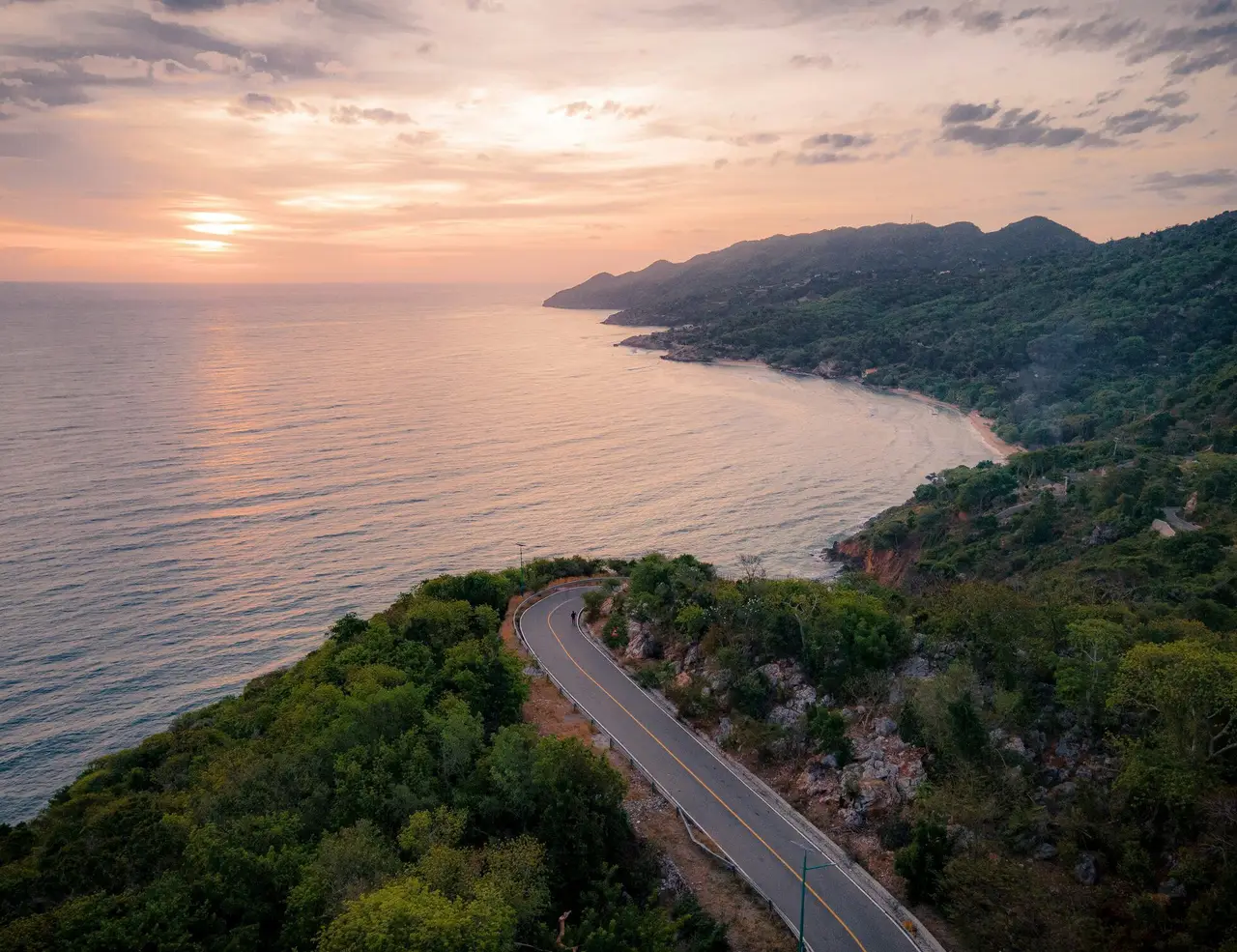
Along the Costa Brava, rugged cliffs soften into quiet harbors that once drew writers like Ernest Hemingway. Inland, the Empordà plains stretch through vineyards, olive groves, and stone-built villages. Farther north, mountain roads lead into cooler forests and alpine valleys that reveal a completely different atmosphere.
Cycling in Catalonia draws all these elements into one experience. Some routes follow coastal viewpoints connected to Salvador Dalí’s life, while others move into countryside roads or rise toward Pyrenean climbs. Cycling Catalonia becomes a way to encounter its variety step by step, where scenery, history, and local rhythms unfold with each mile.
Topography
Catalonia’s terrain is shaped by three distinct geographic layers that unfold from the sea toward the mountains. The coastline begins with rocky headlands, coves, and coastal ridges that trace the length of the Costa Brava, creating routes that rise and dip along the water. Just inland, the land opens into broad agricultural plains, where quiet roads cut through vineyards, orchards, and fields that stretch toward the horizon. Beyond this, the terrain climbs steadily, forming the foothills and eventual highlands of the Pyrenees.
The coastal ranges form short climbs that reveal sweeping sea views before descending again into sheltered bays and fishing towns. Inland, the Empordà plains offer some of Catalonia’s most relaxed cycling terrain, with long stretches of relatively flat or gently undulating countryside. This area connects easily to rural backroads, gravel tracks, and quiet villages where the landscape widens into open fields.
Toward the north, gradients increase as the land transitions into hill country and eventually into mountain corridors. Cyclists find long continuous climbs, sharper switchbacks, and elevated viewpoints toward wooded valleys and distant peaks. This layered topography gives cycling in Catalonia an appealing diversity, allowing routes to shift naturally from seaside contours to pastoral landscapes and then into mountain terrain, all within a connected flow.
Climate
Catalonia experiences a largely Mediterranean climate, marked by mild winters, warm summers, and long days of sunshine that shape ideal riding conditions. The coast remains more temperate throughout the year, while inland areas see slightly sharper seasonal variations. For most riders, spring and autumn offer the most comfortable conditions for cycling in Catalonia, with clear skies and balanced daytime warmth.
From late June through August, temperatures along the coast typically range between 25 and 30 °C (77 to 86 °F), often moderated by sea breezes that keep the air comfortable during long rides. Inland areas warm up more noticeably, with daytime averages between 28 and 34 °C (82 to 93 °F), making early starts preferable for extended distances. Spring and autumn bring ideal weather for cycling Catalonia, with daytime averages between 16 and 24 °C (60 to 75 °F), steady light, and landscapes transitioning through seasonal colors.
Rain is moderate and tends to arrive in spring or late autumn, though clear days remain frequent. Winter stays mild along the coast, where daytime temperatures usually sit between 10 and 14 °C (50 to 57 °F), while inland areas and higher elevations may cool more noticeably. Occasional snow appears only in upper mountain zones, adding a different seasonal character rather than limiting access to most routes.
Across seasons, steady sunshine and manageable temperature shifts ensure that cycling in Catalonia remains inviting for much of the year, whether near the sea, through countryside terrain, or toward gradually rising elevation.
Flora and Fauna
Catalonia’s landscapes shift in clear botanical patterns, beginning with Mediterranean vegetation close to the sea and gradually transitioning into denser woodland as elevation rises. The coastline and lowlands are lined with pine groves, scrubland herbs, and cultivated fields of olives, grapes, almonds, and figs. Farm tracks and country roads often pass rows of vineyards or small family orchards, giving the scenery a cultivated rhythm. In spring, wildflowers appear across these open stretches, with red poppies, chamomile, and clusters of yellow broom brightening the edges of cycling paths.
Inland elevations bring a different palette. Oak and pine forests become more dominant, and patches of chestnut and beech appear as the terrain climbs. Meadows and upland clearings hold seasonal grasses and shrubs, especially during early summer, when cooler air maintains greener slopes. Autumn shifts the tone, bringing golden vineyards, darker green pine stands, and olive harvesting activity through rural areas.
Wildlife moves through these contrasting environments in subtle ways. Small birds hover over cultivated land, especially around vineyards and crop fields, while raptors are often seen above higher ground, gliding across long valleys. Foxes and deer inhabit woodland margins, and butterflies and pollinators are active through warmer months, especially where wildflowers cluster along roadside verges.
Cycling in Catalonia naturally connects riders to these changes. A journey can begin with sea-facing pines and bright spring blooms, continue through quiet farmland framed by olives and vineyards, and end among cooler woodlands where birds are easier to spot and the air shifts noticeably with elevation. This gradual transition reveals the diversity of Catalonia’s natural environment through small, continual details along the route.
Economy
Catalonia’s economy is shaped by a balance of agriculture, coastal livelihoods, industry, and tourism. The fertile lowlands support vineyards, olive groves, fruit orchards, and cereal crops, all of which have long defined rural life. Wine production is significant, with established estates producing red, white, and sparkling varieties, including regional cava. Many small-scale producers sit alongside larger wineries, and agricultural routes often pass through areas where harvest cycles influence daily rhythms.
Fishing continues to hold importance along the coast, with local markets supplying seaside towns and inland communities. The presence of historic fishing villages has also contributed to Catalonia’s culinary traditions, especially through seafood-based dishes that mirror the region’s connection to the Mediterranean. Inland towns remain centered on farming, olive cultivation, and artisanal foods, which give rural areas a slower, seasonal cadence.
Tourism forms another major part of Catalonia’s economic identity. Visitors arrive for heritage cities, coastline, art-linked locations, and outdoor landscapes. Cultural tourism remains strong, especially around architectural landmarks, museums, and historic town centers. Cycling in Catalonia has steadily grown within this movement, especially as travelers seek slower ways to explore countryside, small villages, and mountain areas.
Craft traditions, market culture, and local food production support many communities throughout the region. Together, these layered elements create an economy that blends long-held agricultural practices with contemporary visitor interest. For cyclists, this translates into an experience that intersects with local livelihoods, from vineyard harvest days to bustling waterfront markets and quiet farming roads where agricultural work continues in the background.
DREAMING OF CYCLING IN CATALONIA?
Explore our amazing bike tours in Catalonia now !
Why Go Cycling Catalonia?
1. Coastlines That Open Into Countryside
Few places offer such a natural transition from sea views to rural quiet as Catalonia. Riders often begin near the Mediterranean, where coastal hills reveal inlets, fishing harbors, and open horizons before the road gently shifts inland. Fields replace rocky shores, small villages appear, and routes settle into calmer terrain with wide views of the countryside.
Cycling Catalonia allows this gradual shift to unfold at a rider’s pace. One morning may begin with the scent of salt air and distant coves, and by early afternoon the landscape becomes agricultural, lined with fruit orchards, vineyards, and quiet lanes. This coastal-to-countryside connection gives each ride clear movement and variation, offering both scenic variety and a sense of journey.
2. Landscapes Shaped by Agriculture and Craft
Many parts of Catalonia have been cultivated for centuries, and cyclists encounter this history in motion. Vineyards are a defining feature, as are olive groves, almond plantations, and small family farms producing cheeses, honey, and seasonal vegetables. Roadside signs lead toward farmhouses or cellar doors, and the presence of agricultural life brings authenticity to long cycling days.
Cycling in Catalonia becomes a way of tracing these rhythms. You ride past grape-laden vines in late summer, see orchards blooming in spring, and find rural cafés serving food that reflects what is grown locally. This connection between land and livelihood is visible mile by mile, grounding the journey in small details that often become lasting memories.
3. Gradual Climbs and Distinct Shifts in Elevation
Catalonia’s geography creates a natural progression for riders who enjoy mild climbs and steady changes in altitude. Roads rise gradually, offering long stretches of gentle ascent before leveling out into plateaus or viewpoints overlooking valleys. Higher ground carries cooler air, different vegetation, and a landscape shaped more by woodlands than farmland.
Cycling Catalonia makes these contrasts feel immersive rather than abrupt. A morning of flat countryside roads often leads seamlessly into hillier sections, where long bends reveal perspective and wider landscapes. The variety adds pace and rhythm to each stage, making the journey both engaging and rewarding for riders who appreciate terrain with movement.
4. Historic Villages and Cultural Pathways
Catalonia’s heritage is not concentrated in one location but spread across its countryside. Riders often pass through medieval villages, quiet historic squares, and older routes that have connected settlements for centuries. Some areas are linked to artists, writers, and architects whose work reshaped European culture.
Cycling in Catalonia brings this history forward without needing to detour far. Stone towers, church spires, and old town gates appear suddenly along the route, reminding you of what has endured. Even brief stops such as a small bakery in a fortified town or a local museum add cultural depth to a day on the bike.
5. A Journey That Blends Coast, Countryside, and Height
What makes cycling Catalonia special is the sense of continuity between distinct landscapes. The coast, the plains, and the higher ground do not feel like separate destinations but stages within the same ride. Cyclists move through changes in temperature, scenery, and vegetation in real time, creating a journey that feels complete rather than segmented.
Afternoons often end in quiet town centers where outdoor dining reflects the region’s culinary traditions. Mornings may begin near the sea or in farmland where the light spreads widely across open fields. Across long days or multi-day journeys, cycling Catalonia becomes a layered experience where shifting elevation, seasonal produce, and cultural heritage all converge into one flowing route.
Which Are the Best Places for Cycling in Catalonia
1. Girona
Girona is one of Catalonia’s most welcoming cycling bases. Its network of quiet roads, broad plazas, and well-preserved medieval center makes it an ideal place to begin or end a journey. Riders can warm up along gentle countryside lanes or head toward hillier sections just outside the city. The atmosphere is relaxed, the old quarter is filled with cafés and bakeries, and evenings often end with outdoor dining in stone-paved squares.
Girona is also practical for multi-day rides. Routes radiate outward toward rural plains, vineyard roads, coastal viewpoints, or gradual climbs that make the transition toward higher ground enjoyable. For many visiting cyclists, it becomes both an introduction to Catalonia and a town worth staying an extra day for.
2. Empordà Countryside
The plains of Empordà offer some of Catalonia’s most fluid riding. Roads pass through open farmland, vineyards, sunflower fields, and small medieval villages built around central squares. The terrain stays mostly gentle, which gives cyclists long stretches of easy pacing without interruption. Gravel tracks also branch off into quieter routes, making this area especially appealing for riders who enjoy varied surfaces.
Cycling in Catalonia often reveals its agricultural side most clearly here. Seasonal color changes are visible on the land, cafés serve produce sourced within a short radius, and village stops feel unhurried. Empordà brings together scenery, authenticity, and approachability in a way that many riders appreciate.
3.Costa Brava Coastline
The stretch of coastline between historic coves and small fishing settlements is one of Catalonia’s most picturesque cycling areas. The road rises slightly above the sea, curving around headlands before descending into sheltered bays. Small harbors, coastal footpaths, and sea viewpoints appear in sequence, creating a ride where scenery shifts every few minutes.
The region is perfect for riders who enjoy movement, gentle climbs, and striking visual contrast. Cycling Catalonia along this coastal corridor means riding beside turquoise water, tree-lined slopes, and quiet harbors that still carry traces of fishing history. It feels scenic without demanding high intensity, which makes it suitable for a range of cycling styles.
4. The Pyrenees and Mountain Foothills
Toward the northern edge of Catalonia, roads begin to climb steadily into valleys framed by wooded slopes and distant peaks. The ascent is gradual at first, then progresses into longer climbing segments that offer expansive views over ridgelines and alpine meadow landscapes. The air cools noticeably, and the terrain feels more open at elevation. Roads here lead past wineries and through medieval settlements, eventually reaching Figueres, where Salvador Dalí’s Theatre Museum marks an unforgettable artistic finale.
These routes add challenge without feeling prohibitive. A long climb often leads into a plateau, a high-village square, or a mountain lookout where the landscape widens. Riders who enjoy progression, height, and mountain energy find these routes deeply rewarding, and the sense of arrival at viewpoints becomes a highlight of cycling in Catalonia.
When Is the Best Time to Cycle Catalonia?
Best Season: April to June and September to October
Spring and early summer bring some of the most enjoyable conditions for cycling in Catalonia. From April to June, temperatures generally range between 18 and 24°C (64 to 75°F), creating ideal settings for longer routes. The countryside shows fresh greenery, vineyards begin their seasonal growth, and coastal areas carry mild breezes that make morning rides especially pleasant. Wildflowers appear along rural paths, and daylight hours are long enough to accommodate flexible pacing. September and October are equally rewarding, and many riders consider these peak months. Warm days settle between 20 to 27°C (68 to 80°F), while evenings cool gently. Vineyards approach harvest, olive groves show activity, and town squares remain lively without the busyness of midsummer. Cycling Catalonia at this time means quieter roads, soft late afternoon light, and landscapes shifting into their autumn tones.
Shoulder Season: March and Early November
March often feels like the real beginning of the outdoor riding season. The air carries a sense of change, orchards begin to bloom, and countryside routes reopen in full after winter’s slower pace. Temperatures sit between 14 to 20°C (57 to 68°F), which makes moderate hill climbs comfortable. Early November carries its own charm, with small regional food events, early olive picking, and cooler evenings that bring a relaxed atmosphere.
These shorter shoulder periods offer a more reflective rhythm, appealing to cyclists who prefer quieter routes and smaller village settings without crowds.
Off Season: Mid Winter and High Summer
Winter remains mild near the coast, where daytime averages often fall between 9 to 14°C (48 to 57°F). Inland areas cool more noticeably, and higher elevations can see occasional snowfall. These conditions do not limit access entirely, but they make shorter rides preferable, especially in the morning when temperatures are cooler. Coastal routes still hold appeal, particularly during clear winter days paired with bright skies.
The warmest stretch arrives from mid July through late August. Inland landscapes can reach between 30 to 34°C (86 to 93°F), which makes afternoon cycling difficult. Even coastal areas feel warmer, though breezes soften conditions slightly. For those planning multi-day journeys, it is generally better to avoid this period unless riding early mornings or selecting shorter daily distances.
PLANNING A CYCLING HOLIDAY IN CATALONIA?
Dive into our curated Catalonia cycling adventures today!
Enjoying Food in Catalonia
1. Pa amb Tomàquet
Few dishes represent Catalonia as clearly as pa amb tomàquet. Fresh bread is rubbed with ripe tomato, drizzled with olive oil, sprinkled with salt, and often paired with cured meats or cheese. It appears at breakfast tables, café counters, and dinner settings alike. Cyclists often enjoy it at village cafés, where it arrives alongside olives or local cheeses before a midday stop. The simplicity of the dish reflects Catalonia’s agricultural roots, especially its regional olive oil and seasonal tomatoes. After long rides, pa amb tomàquet feels satisfying without being heavy, making it a staple that anchors local meals in both flavor and familiarity.
2. Escalivada
Escalivada brings together smoky roasted peppers, eggplant, onions, and olive oil, often served warm or chilled as part of a shared spread. Its name refers to the traditional method of roasting vegetables directly over embers, which lends a gentle charred sweetness. Cyclists passing through countryside restaurants often find it served with grilled bread or paired with local anchovies. The dish reflects both Catalonia’s coastal access and its vegetable-rich inland areas. After hours of cycling, escalivada offers something light yet flavorful, grounding meals in seasonal produce and the region’s signature olive oils.
3. Suquet de Peix
Along coastal areas, seafood forms a large part of the culinary landscape, and suquet de peix is one of the most traditional dishes to discover. This fish stew is made from the day’s catch along with potatoes, saffron, garlic, and regional stock, producing a rich and comforting flavor. Riders reaching the coast after countryside stages often enjoy suquet in small harbors or family-run restaurants. The dish connects cycling in Catalonia to maritime traditions that have shaped local life, offering a warm and hearty meal after long distances near the sea.
4. Butifarra and Rustic Beans
In inland areas and higher elevation settlements, butifarra sausage paired with white beans is a signature plate. Mildly seasoned, grilled, and served with olive oil, this dish reflects Catalonia’s pastoral side. Cyclists find it in small taverns or weekly markets, especially on cooler days when a protein-rich meal feels restorative. The simplicity of the preparation makes the flavors stand out, and it often appears alongside local breads, house wine, or freshly harvested vegetables. It is satisfying in portions suitable for refueling without being overly heavy.
5. Cheese from Mountain Dairies
Mountain dairies contribute distinctive cheeses ranging from soft cow’s milk varieties to sharper farmhouse styles. Small village shops often carry local rounds, and many producers are family-run. Riders traveling near higher ground enjoy tasting cheese that reflects a different microclimate, often paired with fresh bread or slightly sweet preserves. The cheese culture here mirrors the shift in terrain, giving cyclists a sense of place that changes as elevation rises. Sampling local cheese after a day of climbing is one of the small pleasures of cycling Catalonia.
6. Cava
Catalonia is known for cava, its sparkling wine produced through traditional methods. Vineyards across the region offer tasting rooms where cyclists often pause at midday or at the end of a ride. Cava ranges from crisp dry varieties to more rounded, fruit-forward styles, and its connection to regional celebrations remains strong. Enjoying a glass after riding through vineyard landscapes ties the cycling journey to local agricultural traditions. Whether paired with fresh seafood, cheese, or tapas-style plates, cava becomes a refreshing closing note to a day on the bike.
Discover the Essence of Cycling in Catalonia
Cycling in Catalonia is about following the contours of a landscape that shifts gently yet meaningfully from the sea to the hills. Each stage brings its own character, whether it is a morning ride beside quiet harbors, a countryside stretch past orchards and vineyards, or a gradual approach toward elevated viewpoints where the air changes around you. These surroundings are layered with cultural stops that feel effortless to encounter, from medieval village squares to museums that honor artists who shaped European imagination.
Art of Bicycle Trips brings this experience into focus, designing journeys that move with a natural rhythm, thoughtful pacing, and carefully chosen overnight stays. Our self-guided Catalonia routes allow you to explore coastlines, rural pathways, and higher terrain with the confidence of well-planned navigation and local insight.
All you need to do is begin, and we will ensure the experience reveals Catalonia at its most welcoming and expressive.
READY TO CYCLE CATALONIA?
Get started with your cycling adventure now!
Plan Your Active Adventure
Create a private trip or join a small-group departure.
