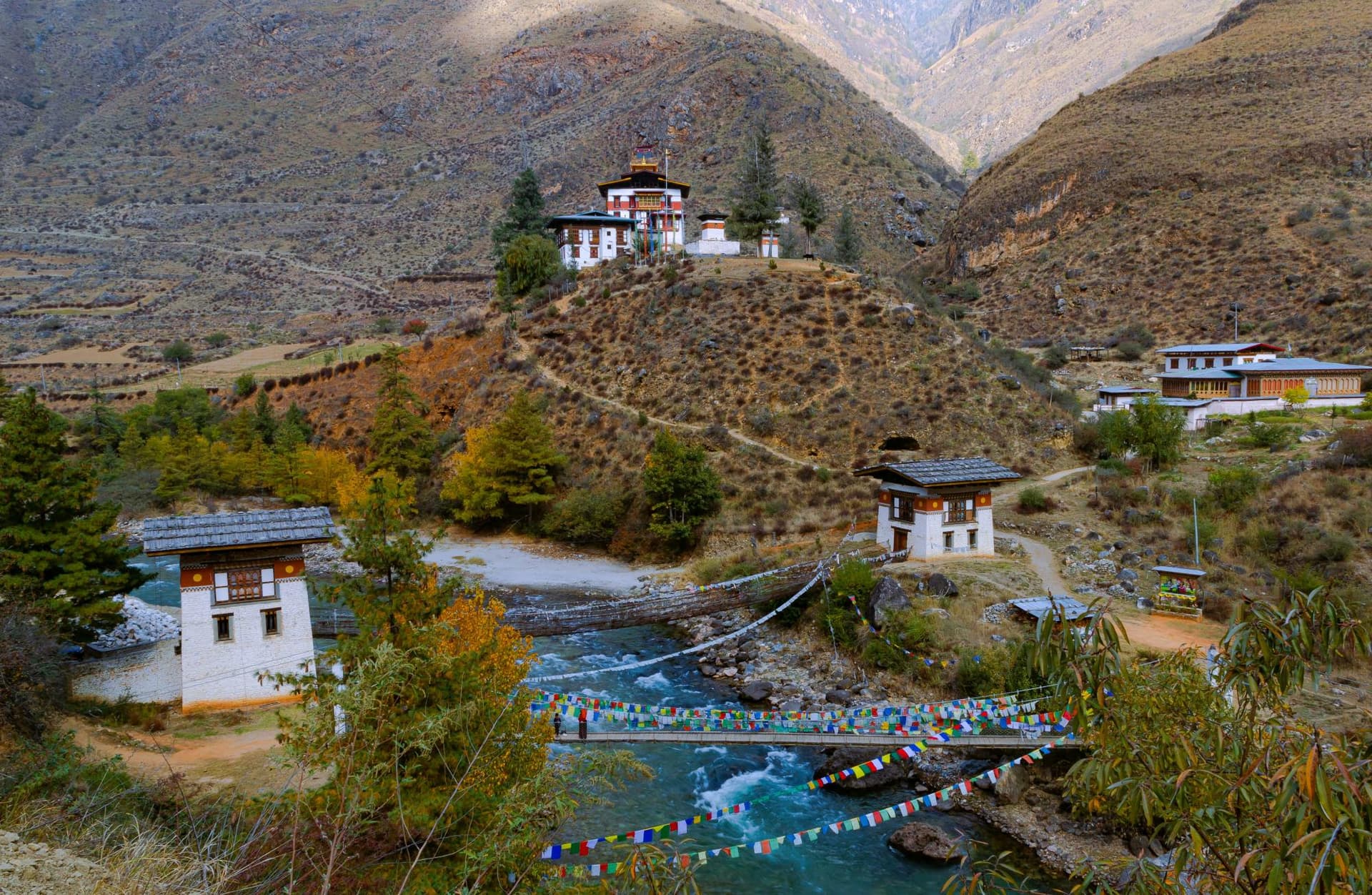
Guided Trans-Bhutan Trail and Sacred Paths of Bhutan Hiking and Walking Tour

Embark on a journey through the heart of Bhutan with this tour that beautifully combines culture, nature, and light adventure. Beginning and ending in Paro, the route winds through the vibrant capital of Thimphu, the historic Punakha Valley, the pristine Phobjikha Valley, and the picturesque Haa Valley. Designed with a balance of sightseeing and easy hiking, the itinerary ensures comfort, accessibility, and memorable encounters at every step.

During the journey, you get an opportunity to immerse yourelf in Bhutan’s traditions through monastery visits, cultural interactions, and unique experiences like farmhouse stays. From the world-renowned Tiger’s Nest Monastery to hidden rural gems, the journey offers countless opportunities for exploration, reflection, and of course photography. With its seamless blend of iconic landmarks and offbeat discoveries, this itinerary captures the very essence of Bhutan, making it not just a trip but an enriching experience that lingers long after the journey ends.

Tour Type

Guided

Lodging

casual hotels

Start

Thimphu

Finish

Paro

Level

moderate to challenging

Avg. Daily Distance

6 km / 3 mi

Hiking Days

6

Group size

Min. 2, Max. 14

Fly-In

Paro International Airport (PBH)

Fly-Out

Paro International Airport (PBH)

Highlights

Highlight Image

Spiritual Grandeur

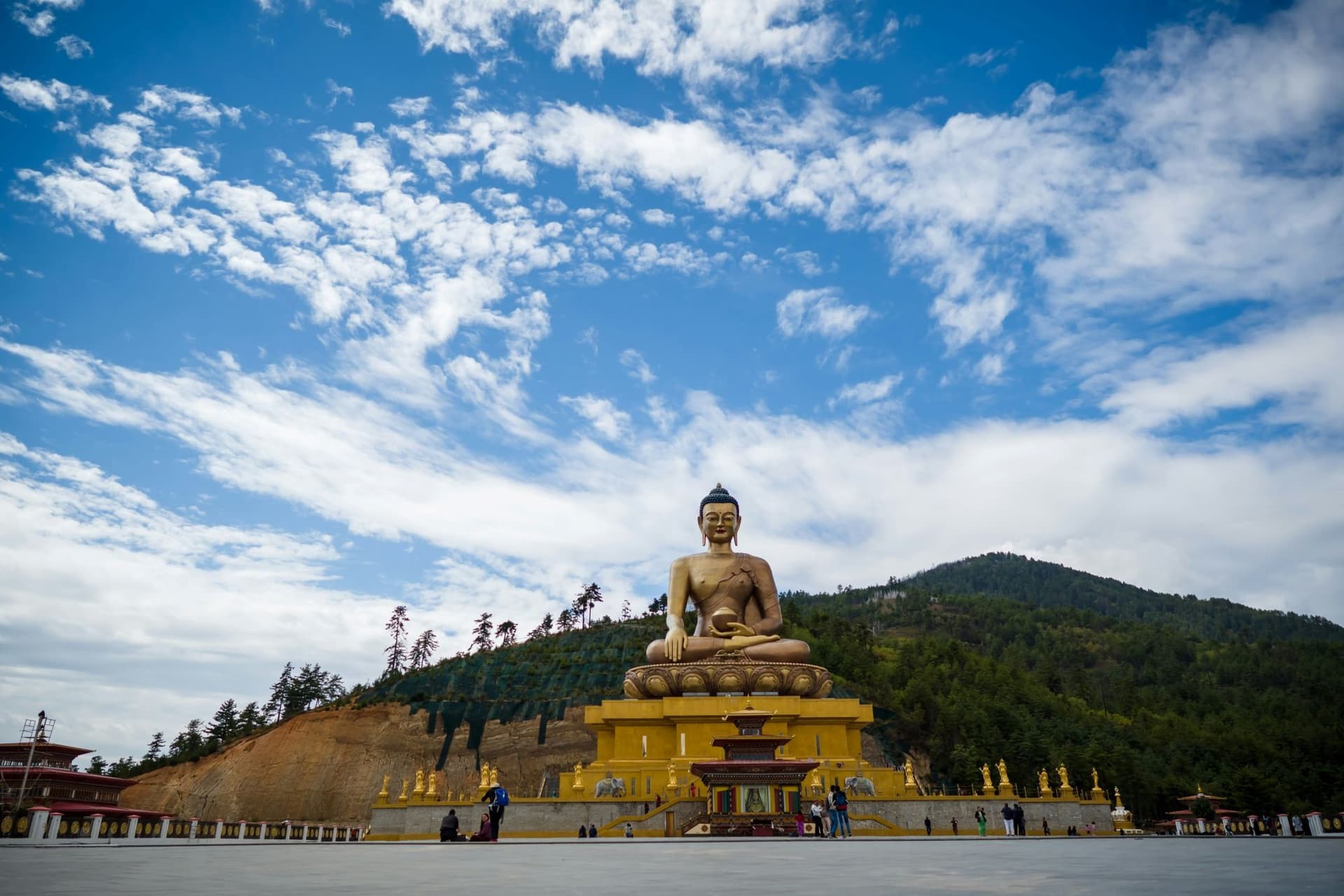
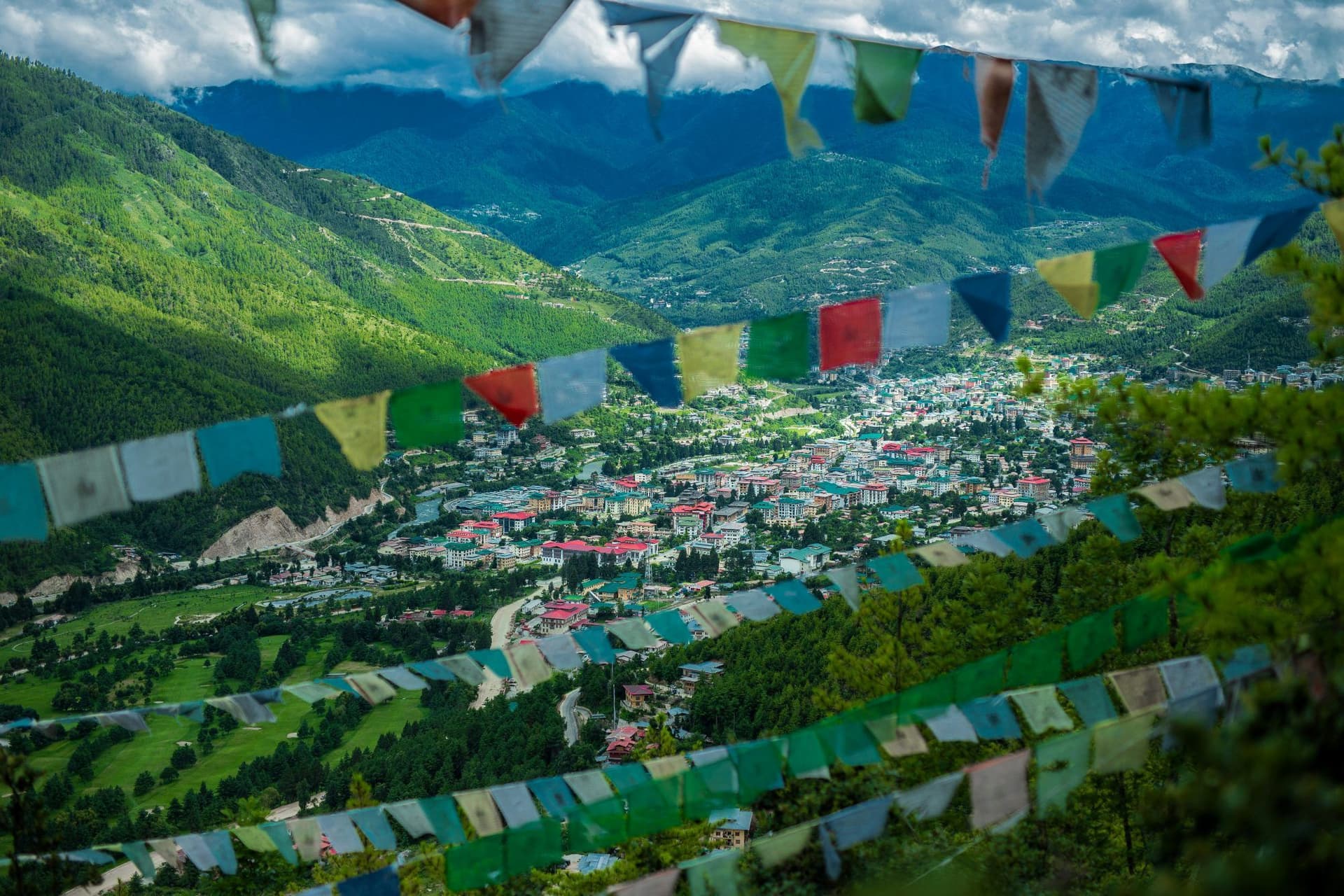
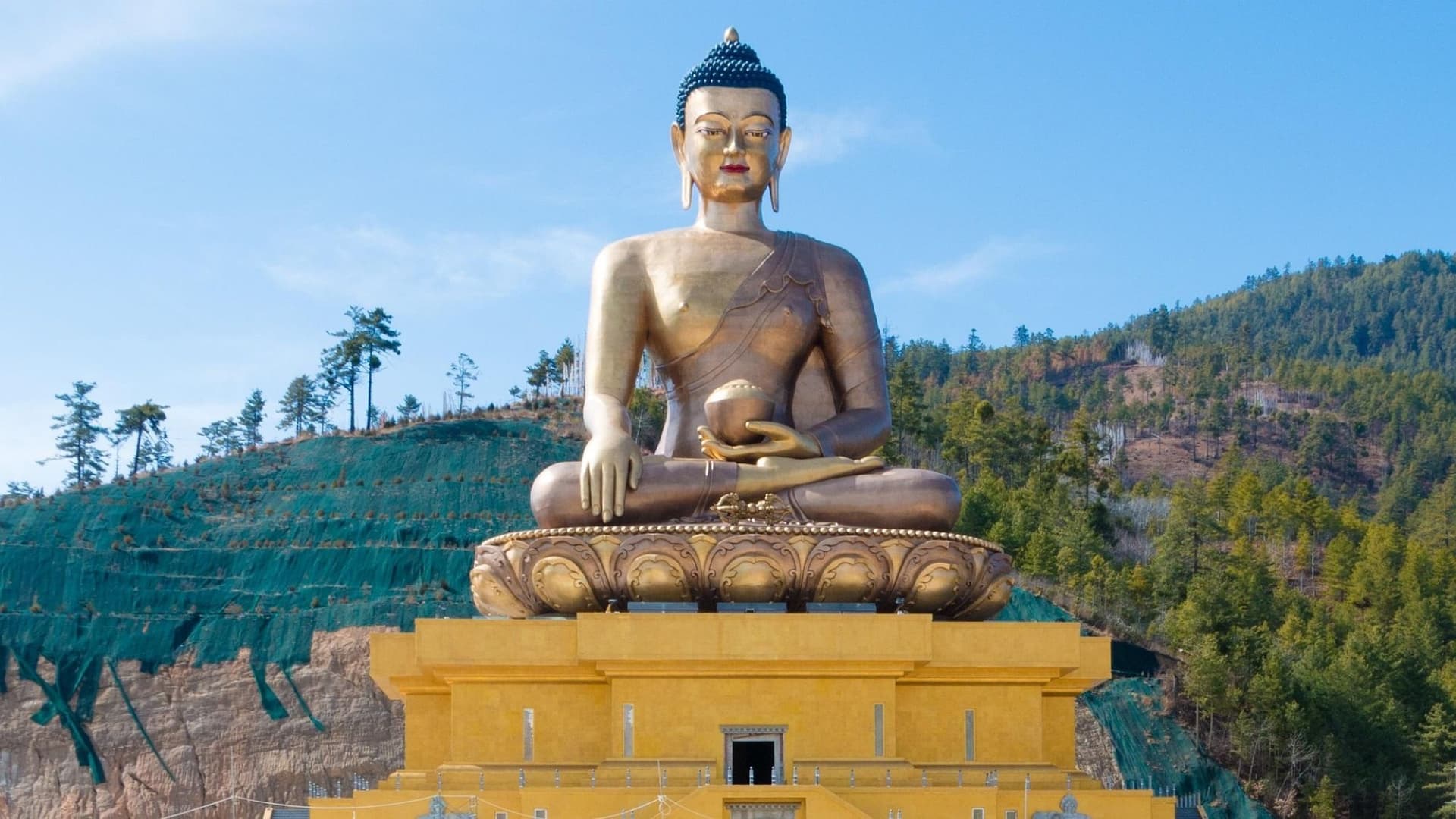
Witness the towering 169 ft golden Buddha overlooking Thimphu valley, symbolizing peace and prosperity.

Highlight Image

Architectural Jewel

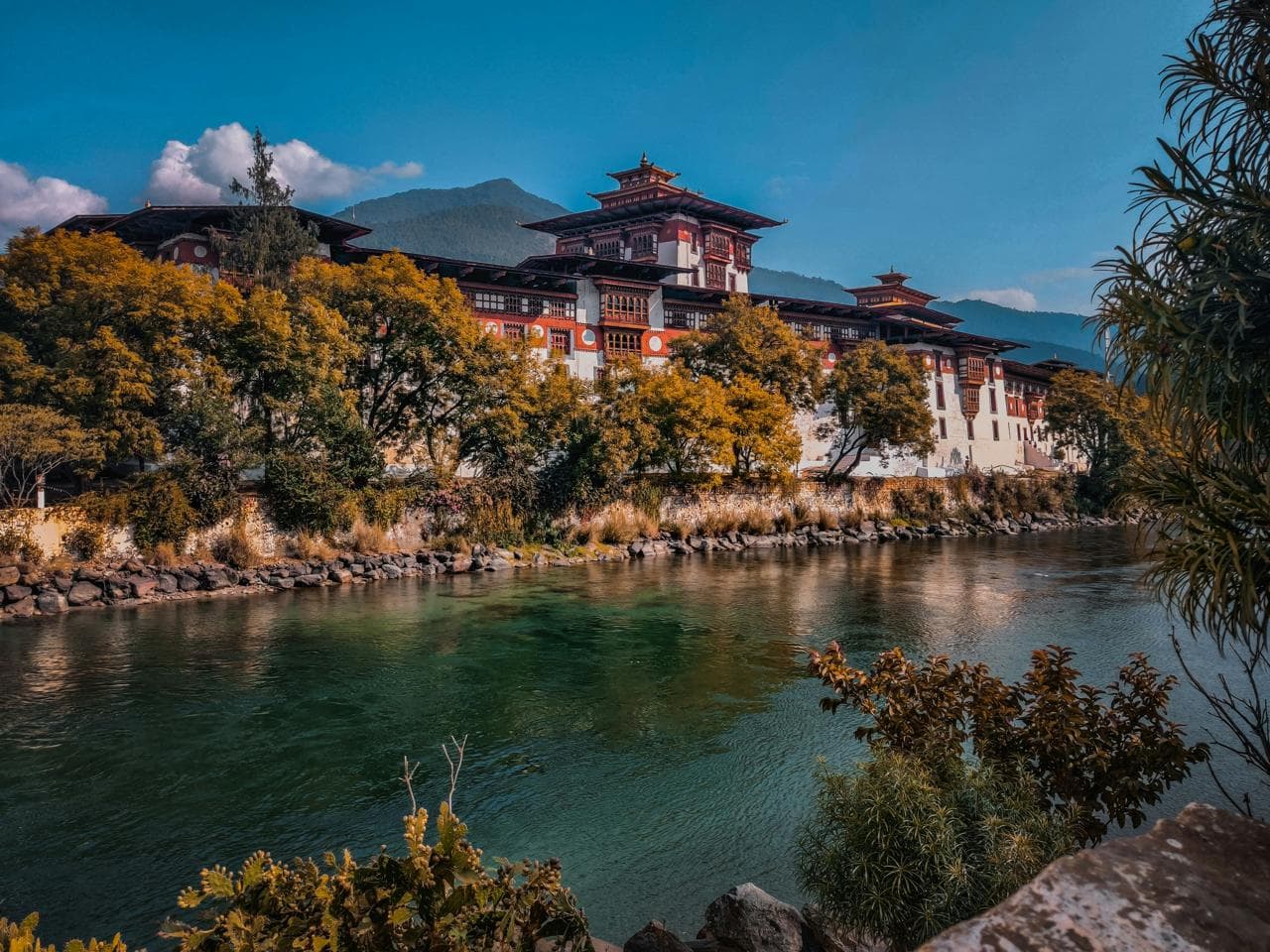
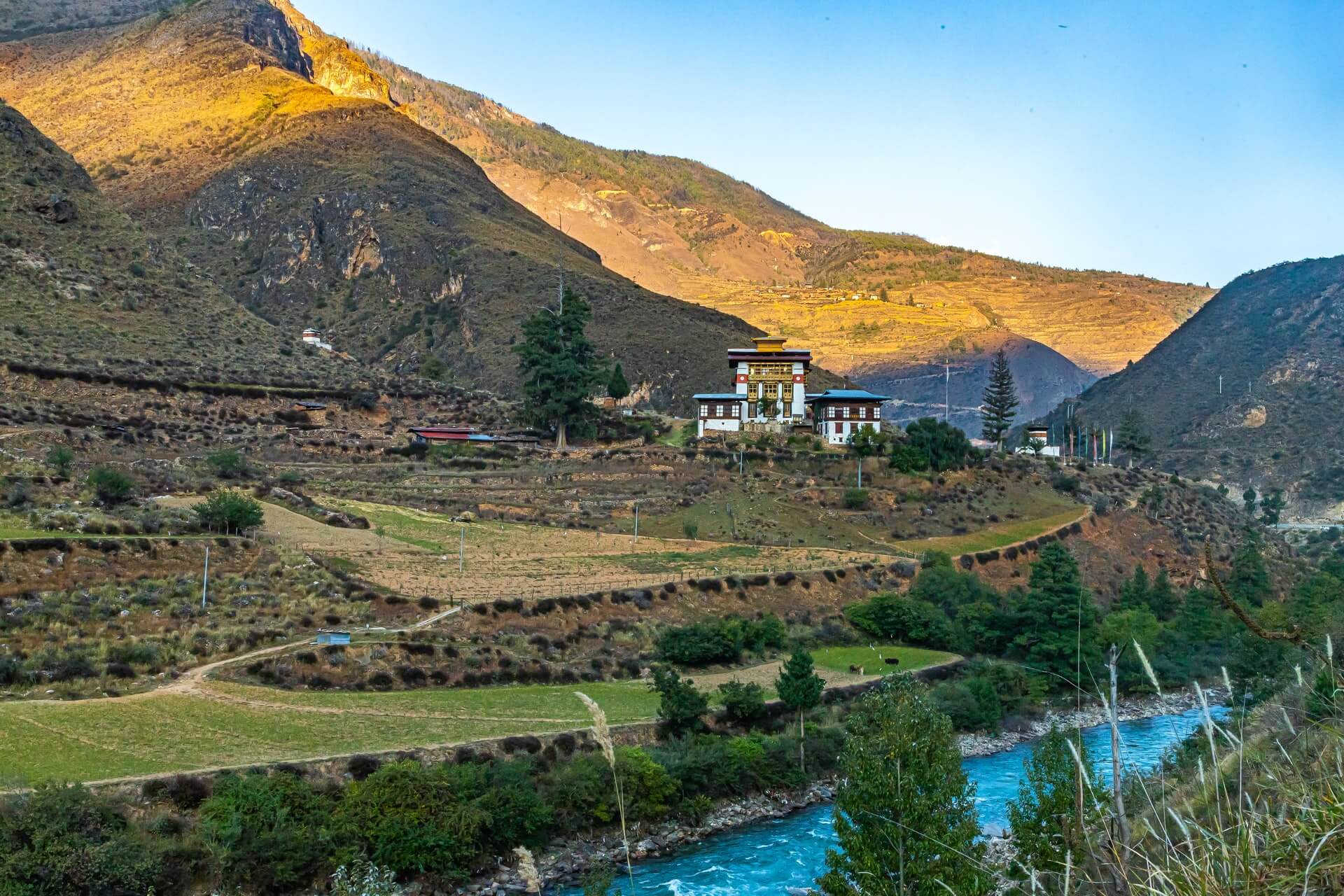
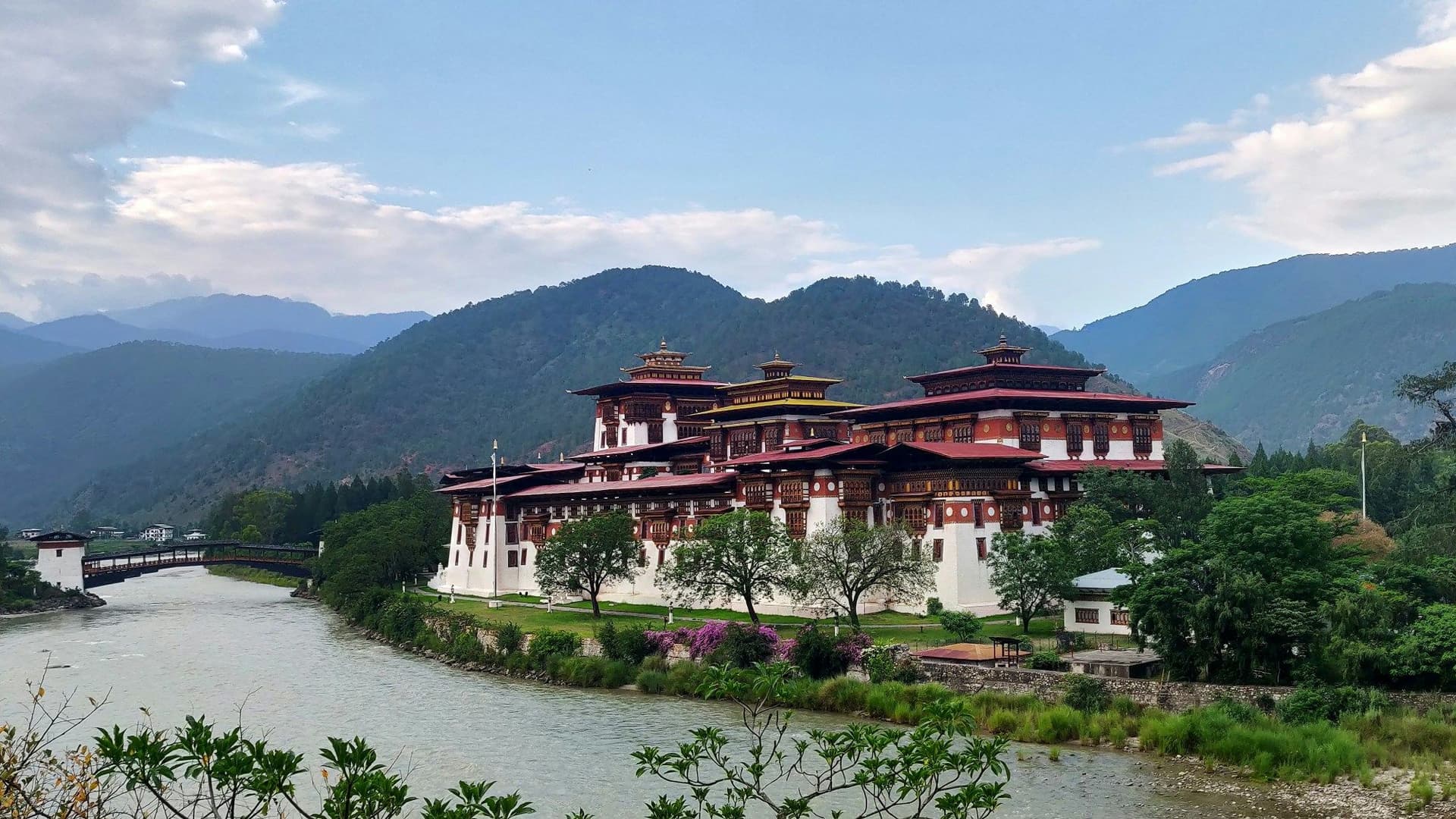
Admire Bhutan’s most beautiful fortress, built at the confluence of two rivers with intricate woodwork and artistry.

Highlight Image

Tiger's nest

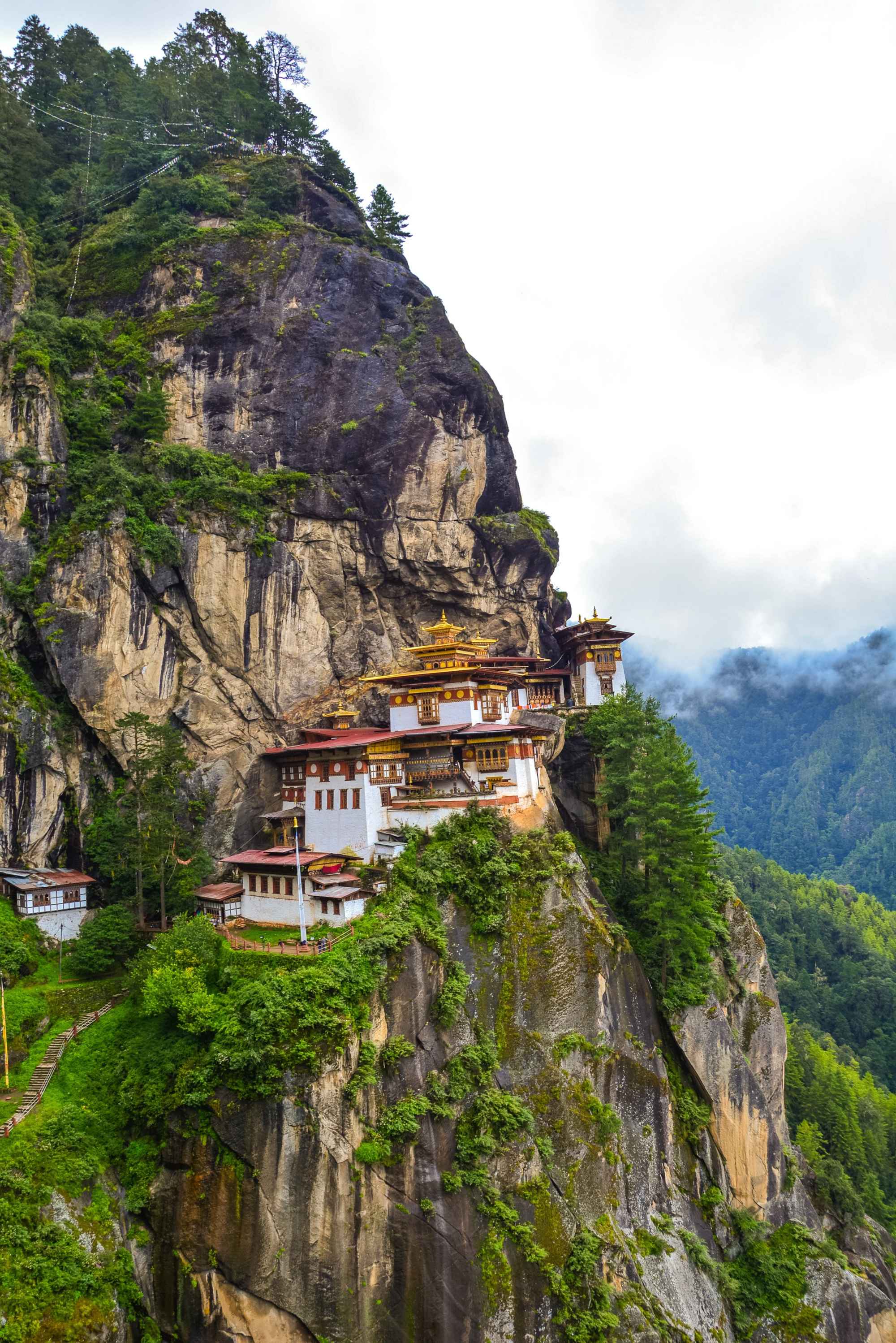
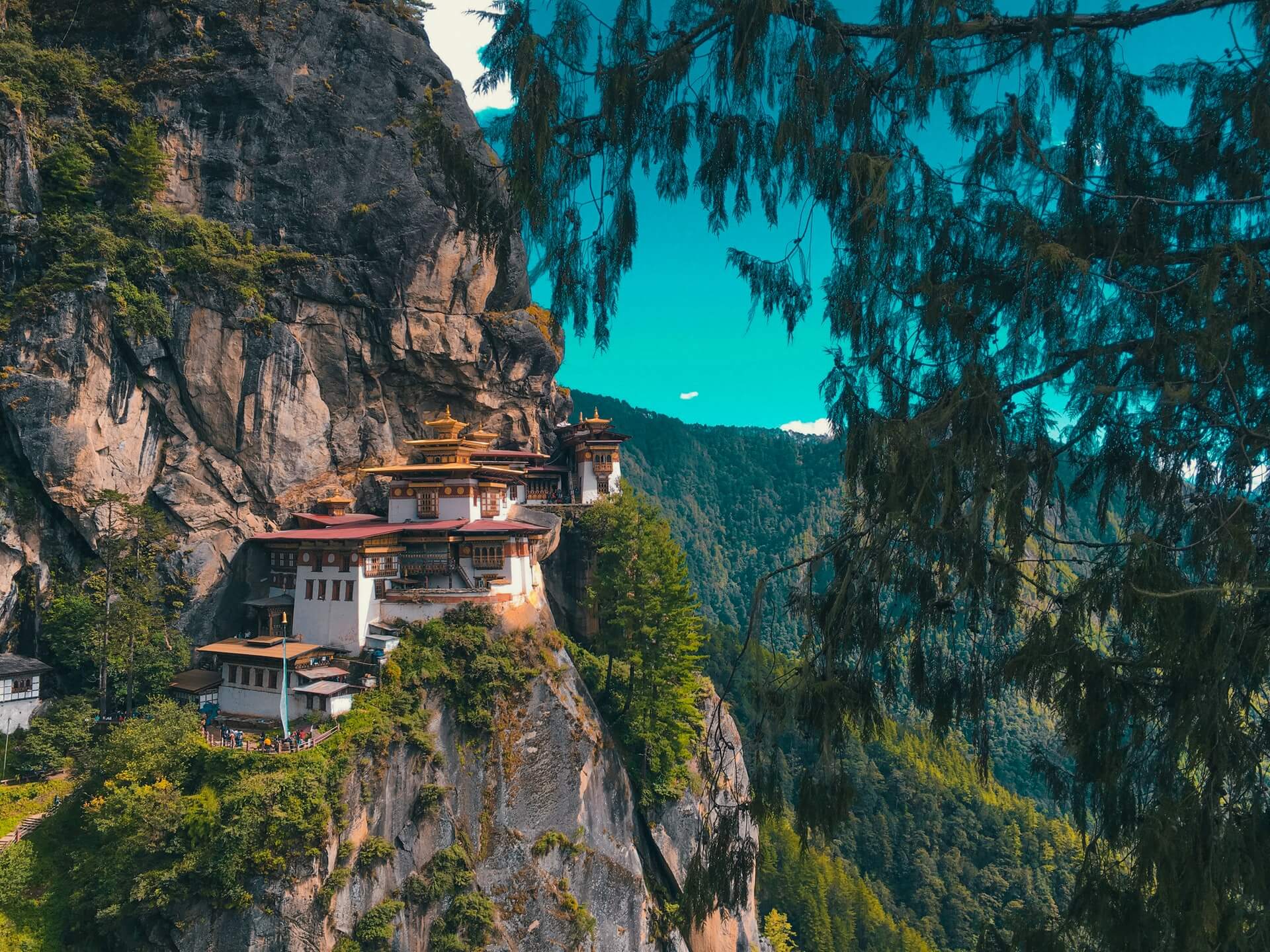
Hike to the awe-inspiring Tiger’s Nest Monastery, dramatically perched on a cliffside, where legends meet breathtaking views over the misty Paro Valley

Highlight Image

Breathtaking Valley Views

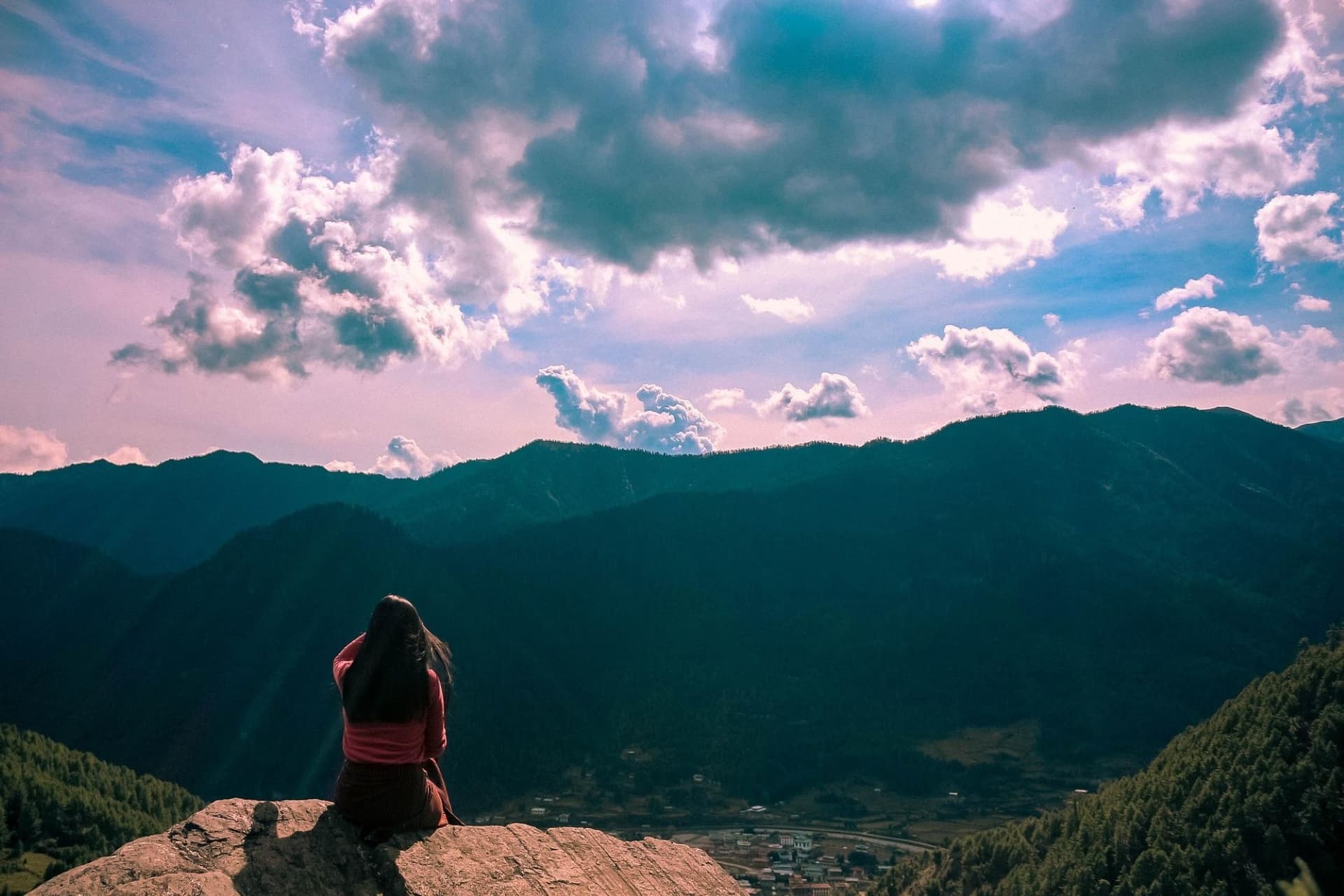
Marvel at the breathtaking valleys of Bhutan, offering panoramic views that capture the serene beauty of the Himalayas

Itinerary

Brief Itinerary

Meals are indicated as B = Breakfast, L = Lunch, D = Dinner.

Listed hotels are subject to availability and may be replaced with similar alternatives of equal standard.

Detailed Itinerary

Itinerary Image

Day 1: Thimpu

At Paro International Airport, you will be greeted by your professional guide and driven to Thimphu, the capital city. The one-hour journey includes a stop at Tamchog Lhakhang Monastery, where you can admire the reconstructed 13th-century iron bridge and enjoy the crisp mountain air.

On arrival in Thimphu, you will check into your hotel and take some rest before heading out in the evening. If time permits, you will visit the National Memorial Chorten, built in honor of Bhutan’s third king, followed by the Royal Takin Preserve, dedicated to Bhutan’s national animal and steeped in folklore.

The day concludes with a welcome dinner of authentic Bhutanese cuisine at a local restaurant, with the option to explore Thimphu’s lively nightlife, including cozy bars, live music, and craft beers.

Drive time: 1 hour

Meals: Dinner
Itinerary Image

Day 2: Thimpu

After breakfast, begin your day with a drive to Kuensel Phodrang, home to the iconic 169-ft Buddha Dordenma statue overlooking the valley. From here, enjoy sweeping views of Thimphu city before setting off on a refreshing 6 km nature hike that leads to Changangkha Temple, a serene 12th-century temple perched on a ridge. This gentle walk is a perfect way to stretch your legs and ease into Bhutan’s hiking culture.

Head back to town for lunch at one of Thimphu’s popular cafés, where you can savour healthy meals while observing the relaxed lifestyle of Bhutan’s urban residents. In the afternoon, explore some of the capital’s cultural treasures: the Folk Heritage Museum, a preserved 19th-century farmhouse offering insight into traditional Bhutanese life, and the Royal Textile Academy, which showcases exquisite handwoven textiles and the artistry of local weavers.

Later, stroll along the Crafts Bazaar, a lively street market featuring handicrafts and textiles made entirely in Bhutan. If it’s the weekend, we’ll also visit the Centennial Farmers Market and Kaja Thorm market, where locals gather to buy fresh produce and regional specialties, offering you an authentic glimpse into Bhutanese daily life.

Meals: B L D
Hiking Distance: 6 km / 4 mi
Itinerary Image

Day 3: Punakha

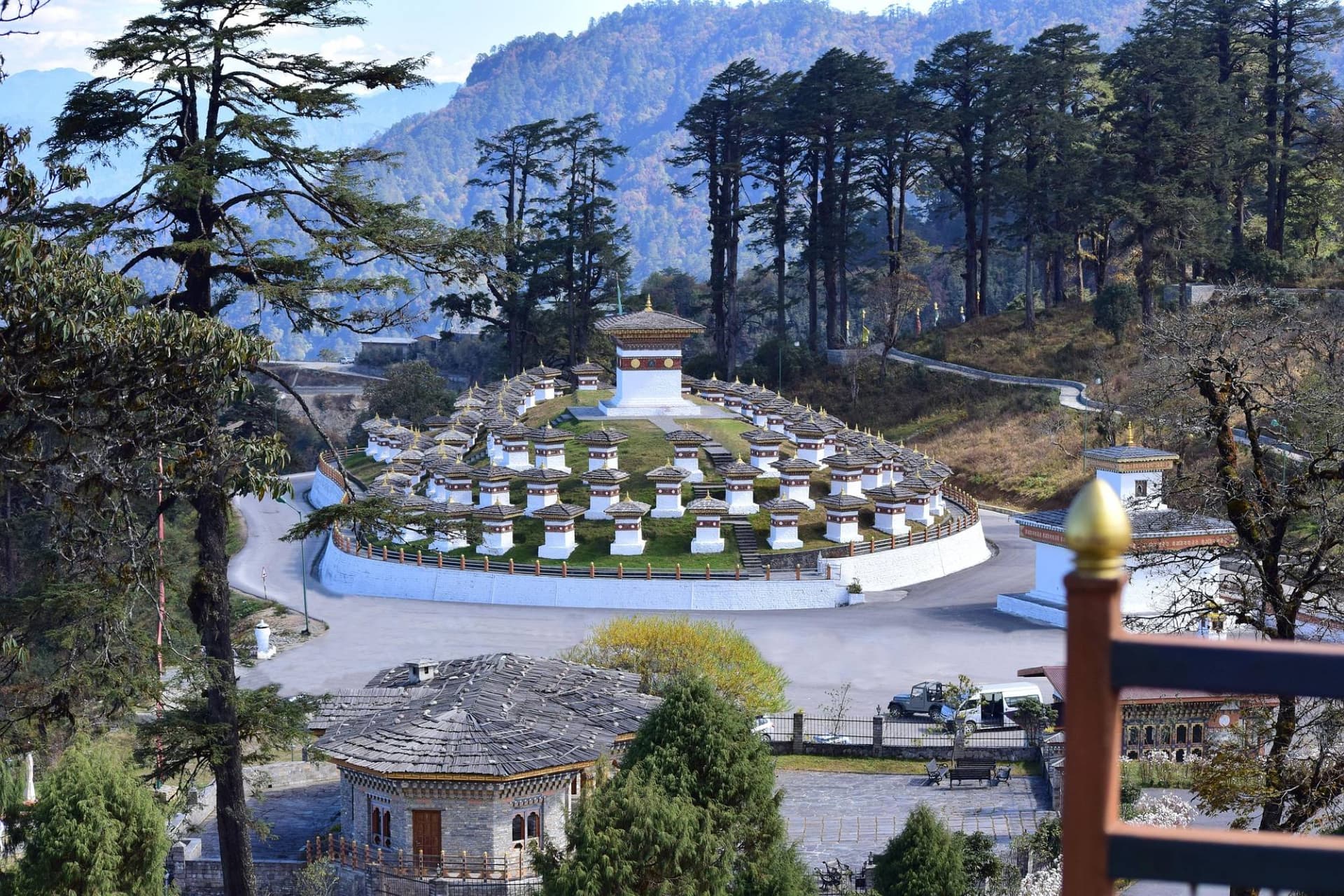
After an early breakfast, you will drive for about an hour to Dochula Pass (3140m), where hikers are greeted with panoramic views of the Himalayan ranges that mark Bhutan’s northern border. At the top, surrounded by fluttering prayer flags, stands the Druk Wangyal Chortens – 108 stupas built in honor of the Fourth King.

From here, begin your hike on the Trans-Bhutan Trail, descending through old rhododendron forests to Lamperi Botanical Park and then on to Thinleygang village. This stretch, known as the Mad-man trail, follows in the footsteps of the 14th-century monk Drukpa Kunley, the “Divine Madman,” famous for his unconventional practice of Buddha Dharma.

Continue descending to Toeb Chandana village, where a picnic lunch will be served near the stupas. The trail then winds through pine forests to Sew Drangsa village, a traditional resting spot for Bhutan’s monastic body during seasonal migrations.

Later, drive down to the scenic rice valley of Lobesa. Here you will visit the Chhimi Lhakhang, also called the Fertility Monastery, dedicated to Drukpa Kunley. The short hike to the temple passes through a beautiful village and lush paddy fields. To end the day, you will meet a local artist who will give a live demonstration of traditional Thangka painting.

Elevation Gain: Descending from Dochula Pass (3140m) to valley (~1200–1300m in Punakha)

Meals: B L D
Hiking Distance: 7 km / 4 mi
Itinerary Image

Day 4: Punakha

Your day begins with sightseeing combined with easy day hikes. You will drive to Kabesa Valley to visit the Khamsum Yuelley Namgyal Stupa, which requires a scenic 45-minute hike through paddy fields to the hilltop. From here, admire the majestic valley views and explore this unique masterpiece of Bhutanese architecture. From this point, you may also opt for another rewarding hike, starting from the riverside and crossing a suspension bridge to the opposite side of the Mo Chu River. A picnic lunch will be served on the banks of the Punakha River, where you may also witness locals enjoying archery, Bhutan’s national sport.

In the afternoon, visit the magnificent Punakha Dzong, considered the most beautiful fortress in Bhutan. Standing at the confluence of two rivers, it serves as the winter residence of the monastic order’s leadership and the administrative center of Punakha. With an expert guide, you’ll learn about the fortress’s art, architecture, and history. Later, proceed to the Sangchhen Dorji Lhuendrup Lhakhang Nunnery, perched atop a ridge among pine trees with sweeping views of the valleys. Here, you’ll have the chance to interact with the nuns, who are always eager to converse in English and share their perspectives.

Elevation Gain: 3000m

Meals: B L D
Hiking Distance: 6 km / 4 mi
Itinerary Image

Day 5: Phobjikha

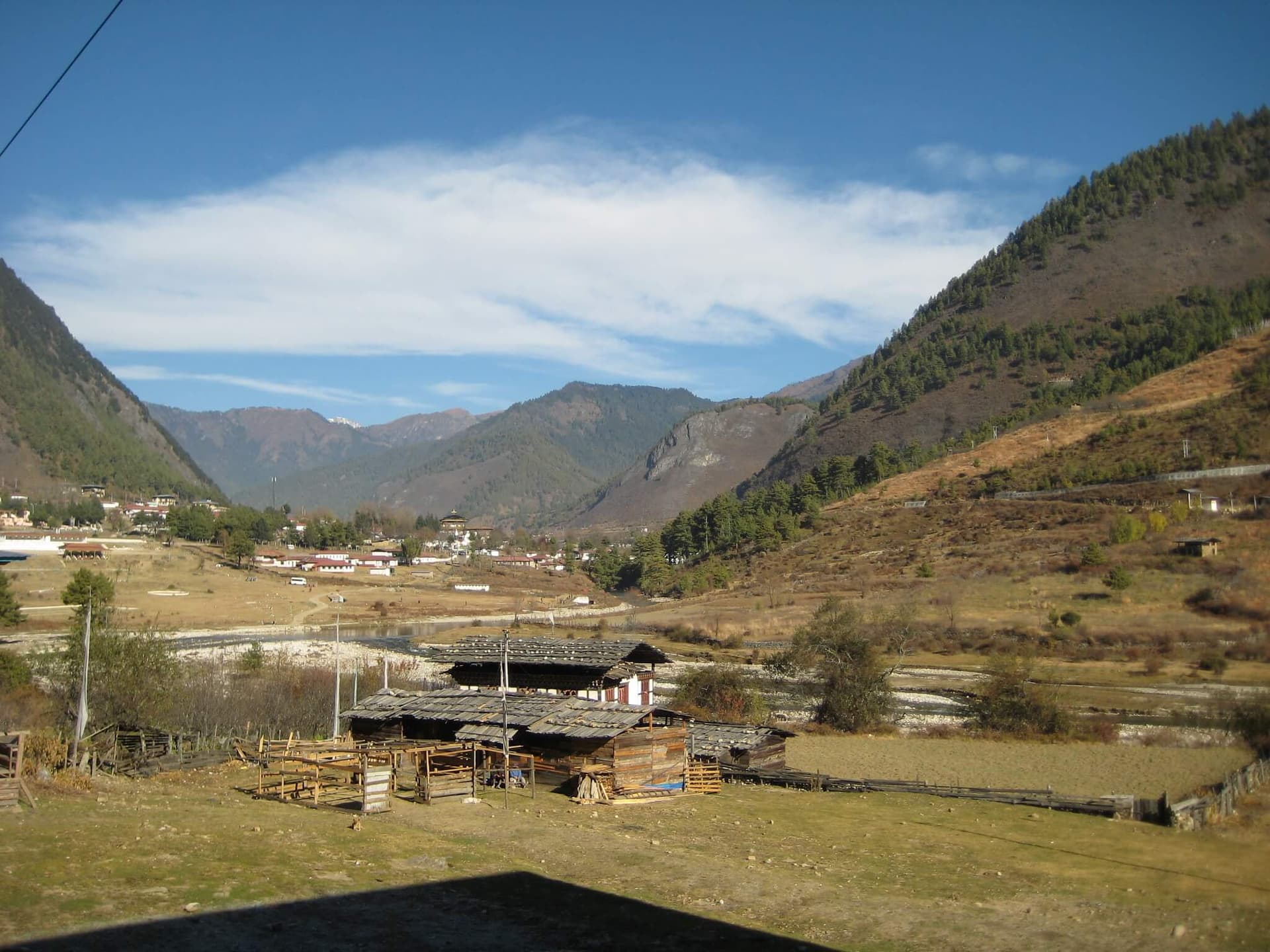
After breakfast, begin a scenic drive toward Phobjikha Valley (Gangtey). The highway follows the Dang Chuu River, winding through bamboo and oak forests. Just before crossing Pele La Pass, a side road leads into the hidden valley, famously called “Switzerland of the East.”

At the pass, embark on an exclusive hike along the ridges, offering stunning views of the valley. This easy descending trail of about 6 km leads to Gangtey Gompa monastery. Phobjikha is a glacial valley, home to the endangered Black-necked cranes in winter, and also serves as Bhutan’s potato basket, blending agriculture with wildlife conservation.

In the afternoon, visit the Black-necked Crane Information Centre to learn about the species and observe them through telescopes. Explore Kewang (Lhakhang) temple, hike around Phobjikha village, and interact with local farmers, including visits to some homes. Overnight stay in a beautiful resort with valley views.

Drive Time 3 hours

Meals: B L D
Hiking Distance: 4 km / 2 mi
Itinerary Image

Day 6: Paro

After breakfast, begin your scenic drive to Paro, crossing the lofty Dochula Pass once more. Weather permitting, pause to take in sweeping Himalayan views framed by fluttering prayer flags and the serene Druk Wangyal Chortens, a fitting farewell to Bhutan’s central valleys. Descending into the lush Paro Valley, the landscape shifts to terraced fields, traditional farmhouses, and forested hillsides.

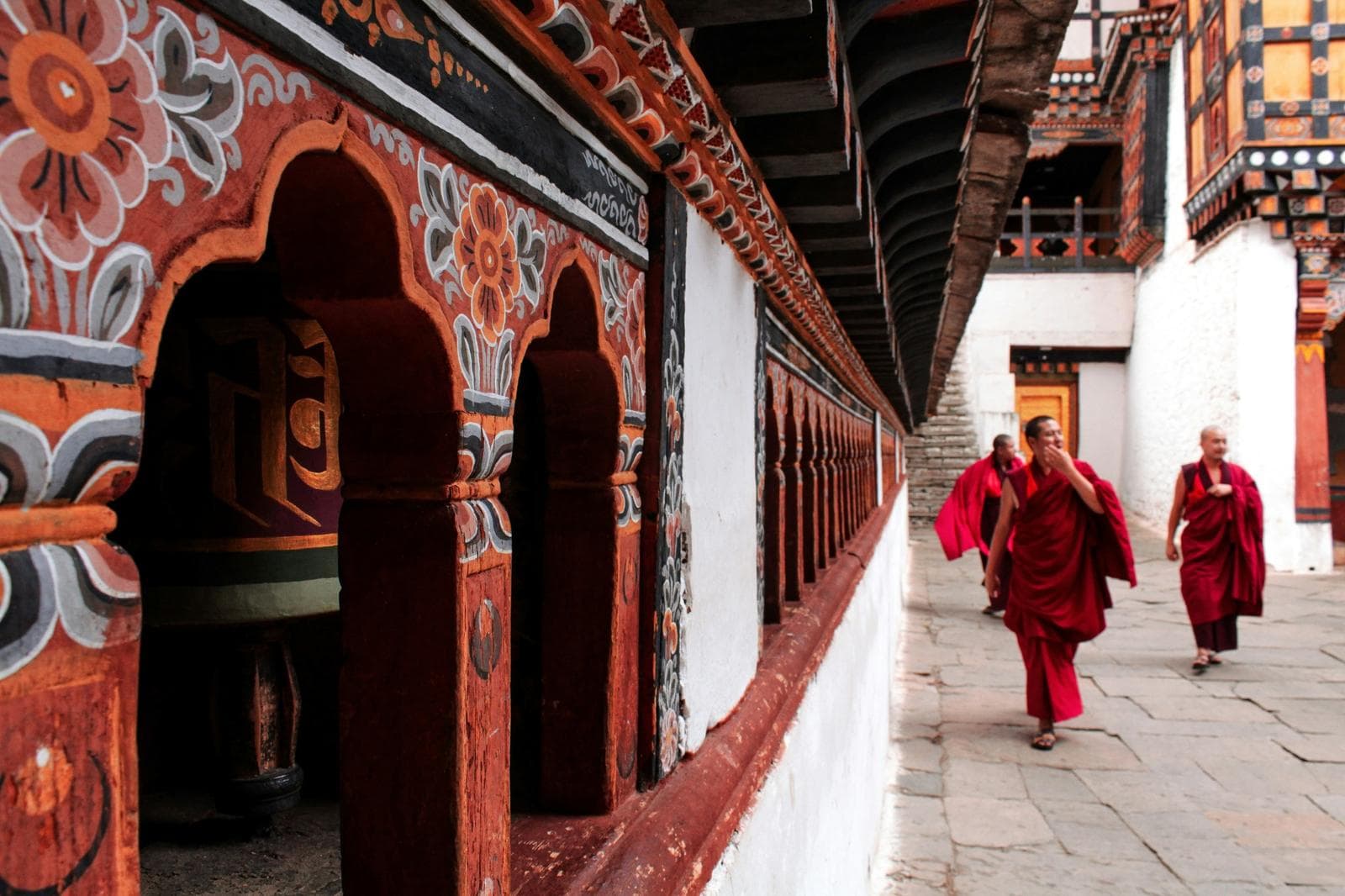
On arrival in Paro, visit the magnificent Rimpung Dzong, the “Fortress of the Heap of Jewels,” an architectural masterpiece built in 1644 by Zhabdrung Ngawang Namgyel, the unifier of Bhutan. Dramatically positioned above the Paro Chhu River, the dzong remains a vital administrative and monastic centre. Wander through its grand courtyards, richly painted corridors, and sacred shrines as your guide brings to life the dzong’s history, symbolism, and role in Bhutanese governance and spirituality.

Drive time 3 hours

Meals: B L D
Hiking Distance: 3 km / 2 mi
Accommodation: Bhutan Mandala Resort
Itinerary Image

Day 7: Paro

Today, we set out on a beautiful day excursion to the Haa Valley, travelling via the spectacular Chelela Pass, one of Bhutan’s highest motorable passes. The drive unfolds along winding mountain roads through dense forests of pine and rhododendron, with occasional views of cascading waterfalls and dramatic Himalayan peaks. At the pass, pause to soak in sweeping panoramic views across both the Paro and Haa valleys, a perfect setting for a relaxed picnic lunch surrounded by alpine scenery.

Descending into the secluded Haa Valley, often described as one of Bhutan’s hidden gems, visit the revered twin temples of Lhakhang Karpo (White Temple) and Lhakhang Nagpo (Black Temple), deeply rooted in Bhutanese legend and spiritual tradition. Continue onward to Kila Goenpa, a peaceful cliffside nunnery that is home to around 70 nuns. Perched high above the valley, the nunnery offers serene surroundings and expansive views, providing insight into monastic life and devotion in Bhutan.

In the late afternoon, return to Paro town. Spend the evening exploring its charming streets on foot, browsing handicraft and souvenir shops, and admiring locally made textiles, woodwork, and traditional art. This gentle stroll offers a relaxed conclusion to a day rich in scenery, culture, and quiet Himalayan beauty.

Meals: B L D
Hiking Distance: 8 km / 5 mi
Accommodation: Bhutan Mandala Resort
Itinerary Image

Day 8: Paro

Start early this morning after breakfast for one of the most iconic and memorable experiences in Bhutan. Today’s highlight is an excursion to the legendary Taktsang Monastery, famously known as the Tiger’s Nest, dramatically perched on a sheer cliff face high above the Paro Valley.

Built in 1692 by Gyalse Tenzin Rabgye, the monastery is closely associated with Guru Rinpoche, who is believed to have flown to this sacred site on the back of a tigress. The steady hike through pine forests draped with prayer flags is richly rewarding, and upon arrival, the monastery’s setting and spiritual atmosphere leave a lasting impression.

The 4–5 hour round trip covers steep ascents but rewards you with breathtaking views of the Paro Valley, while your guide enriches the journey with fascinating legends and history.

In the late afternoon or early evening, enjoy a lively display of traditional Bhutanese archery, the national sport of Bhutan. Played over long distances of around 120 metres, the match is as much a social celebration as a competition, filled with laughter, song, and good-natured banter among the players.

To conclude the day, visit a local heritage farmhouse in Paro for a relaxing traditional hot-stone bath, followed by a home-style Bhutanese dinner prepared with ingredients from the Paro Valley. This warm and intimate cultural experience offers a fitting farewell to your journey through the Land of the Thunder Dragon.

Meals: B L D
Walking Distance: 7 km / 4 mi
Accommodation: Bhutan Mandala Resort
Itinerary Image

Day 9: Departure

After breakfast at your hotel, your driver will transfer you to Paro International Airport for your onward journey. As you bid farewell to Bhutan, carry with you memories of its serene landscapes, sacred monasteries, and warm-hearted people.

Meals: Breakfast

Ready to plan your adventure? Download a print-ready detailed itinerary.

Map

Dates and Prices

Book with Confidence: For scheduled group departures, your 20% deposit is fully refundable until 60 days before departure. Solo travellers booking 120+ days in advance can avoid a mandatory Single Supplement. See terms & conditions.

Single Supplement

From US $680


Couldn't find a trip with convenient dates?

Open your date as a join-in tour or customize further as a private one.


Essential Info

Inclusions

LODGING

All hotels as mentioned in the tour details or similar (subject to availability).

trip leader

Expert Trip Leader(s) who look after your every need and add meaning to your vacation.

shuttle

A Van support follows the group of riders and carries all belongings.

Airport pickup

Enjoy a hassle-free group airport pickup to start your journey. Available only on the tour start date.

Airport drop

Enjoy a hassle-free group airport drop to finish your journey. Available only on the tour end date.

meals

Meals as per itinerary. Guests are given the opportunity to dine on their own so that they discover a location independently.

refreshments

Refreshments and mineral water during activity.

entrance

Entrance fees to most of the monuments and temples.

Additional Inclusions

Additional Inclusions

Sustainable Tourism Fee/Tourism Tax (US $100 per day per person) Visa Fees (US $40 per person) All necessary permit fees Airport pick-up and drop All meals Hot stone bath in Paro

Exclusions

Beverages

Beverages such as alcohol, tea, coffee, juice at a hotel or restaurant.

Gratuity

Gratuities for your guide team are not included in the trip price.

Arrival & Departure Details

Arrival Details:

Upon landing at Paro International Airport (PBH), our team will welcome you in the arrivals hall to ensure a smooth group transfer to your destination. Please note: International arrivals typically take around 1 hour to clear passport control and retrieve baggage. Domestic arrivals are faster as they don’t require passport checks.

Departure Details:

At the conclusion of your tour, you will be provided with a coordinated group transfer back to Paro International Airport for your departure flight.

Weather

Bhutan’s weather is shaped by its mountainous terrain and diverse altitudes, creating distinct travel seasons. Spring (March to May) is widely regarded as the best time to visit, with blooming rhododendrons, clear skies, and ideal conditions for hiking, sightseeing, and cultural festivals. Autumn (September to November) is equally favorable, offering crisp air, the clearest skies, and vibrant celebrations such as the Thimphu and Paro Tsechu. Winter (December to February) brings cold temperatures, particularly in higher regions, but rewards travelers with snow-capped landscapes and fewer crowds, making it a peaceful season for cultural exploration. Summer (June to August), however, is the monsoon period, when heavy rains and slippery trails reduce visibility, making it the least suitable for trekking or remote travel.

January

Offseason

February

Mixed

March

Best

April

Best

May

Best

June

Good

July

Mixed

August

Offseason

September

Mixed

October

Best

November

Best

December

Good

Best

Good

Mixed

Offseason

What to Pack

Packing wisely ensures comfort and safety on your hiking adventure. This list covers essential hiking gear, clothing, and travel items to help you handle varied terrain and weather conditions.

Recommended Hiking Clothes & Gear

  • Lightweight hiking shoes or boots with good traction.
  • Moisture-wicking base layers and breathable hiking shirts.
  • Quick-dry hiking pants or shorts.
  • Light fleece or down jacket for cooler temperatures.
  • Waterproof and windproof shell jacket.
  • Sun hat and sunglasses with UV protection.
  • Hiking poles (optional but recommended on uneven terrain).
  • Small daypack with hydration system or water bottles.
  • Headlamp or small flashlight.
  • Light gloves and beanie for early mornings or high altitudes.

Clothing

  • Layered clothing for temperature changes throughout the day.
  • Full-sleeved tops for sun and insect protection.
  • Comfortable evening wear for lodges or inns.
  • Compact rain jacket for unpredictable weather.
  • Extra socks (preferably synthetic or wool).

Other Necessities

  • Basic first-aid kit with personal medication.
  • Sunscreen, lip balm, and insect repellent.
  • Reusable water bottle or hydration bladder.
  • Snacks like trail mix, nuts, or energy bars.
  • Plug adaptor and power bank for charging devices.

Pro Tips

  • Pack light — you’ll appreciate it on uphill climbs.
  • Break in your shoes before the trip to avoid blisters.
  • Keep rain gear easily accessible in your daypack.

Luggage

Please limit your luggage to one medium-sized suitcase and one daypack. Mark your luggage clearly with your name, address, and phone number.

Visa Information

Before venturing on your adventure, make sure you're equipped with essential travel advice, including security updates, local laws, and crucial passport and visa information. Start by visiting the official government website of your home country for accurate and reliable guidance:

Note: Passport and visa regulations can change at any time. Stay proactive by checking for the latest updates to ensure a smooth and stress-free journey.

Insurance

Medical insurance that covers medical costs in case of an accident during the trip is mandatory to participate in our tours.

We recommend to purchase adequate travel insurance in order to participate in our tours and protect yourself from unforeseen events. Our experience shows that guests who purchase travel insurance—including coverage for all activities on the itinerary, trip cancellation, interruption, delay, baggage damage, loss or theft, personal accident, death and repatriation costs, medical and emergency expenses (including Covid-19), and personal liability—travel with greater peace of mind.

Is proof of medical insurance required?

Yes. You must provide your insurer's name, policy number, and emergency contact via our reservation form. This is mandatory. If you cannot provide proof, you’ll need to purchase insurance before traveling with us.

Can I use my credit card insurance?

Yes, as long as it meets our requirements and provides adequate coverage. Ensure you have an emergency contact number and policy number available.

When should I buy travel insurance?

Purchase travel insurance as soon as you've paid in full or booked your flights.

Does Art of Bicycle Trips sell travel insurance?

We do not sell travel insurance directly, as we believe our customers should have the freedom to choose a policy that best suits their needs. However, we recommend Insured Nomads as a great starting point.

Reviews from our friends

You may also like


Bhutan's Himalayan Heritage Trail Hiking and Walking Tour
Guided

Guided Bhutan's Himalayan Heritage Trail Hiking and Walking Tour

casual hotelseasy to moderate level

13 Daysfrom$4,695/person

View Details