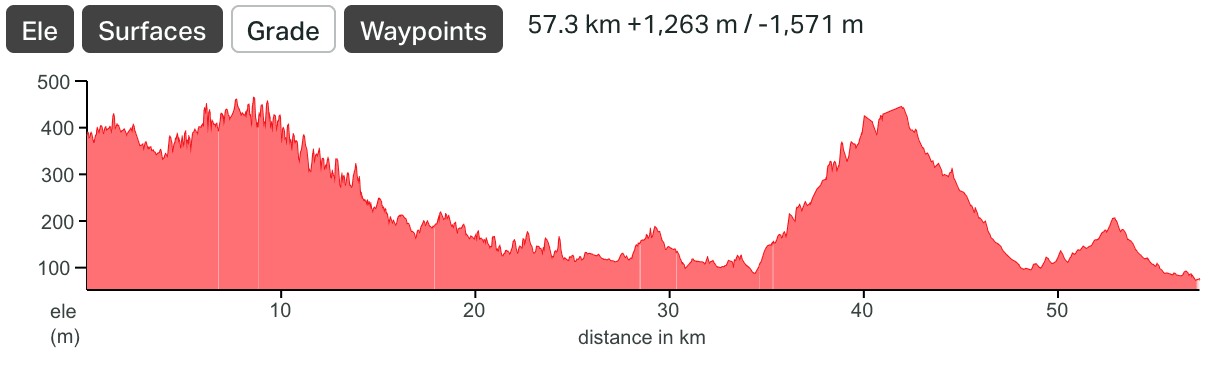
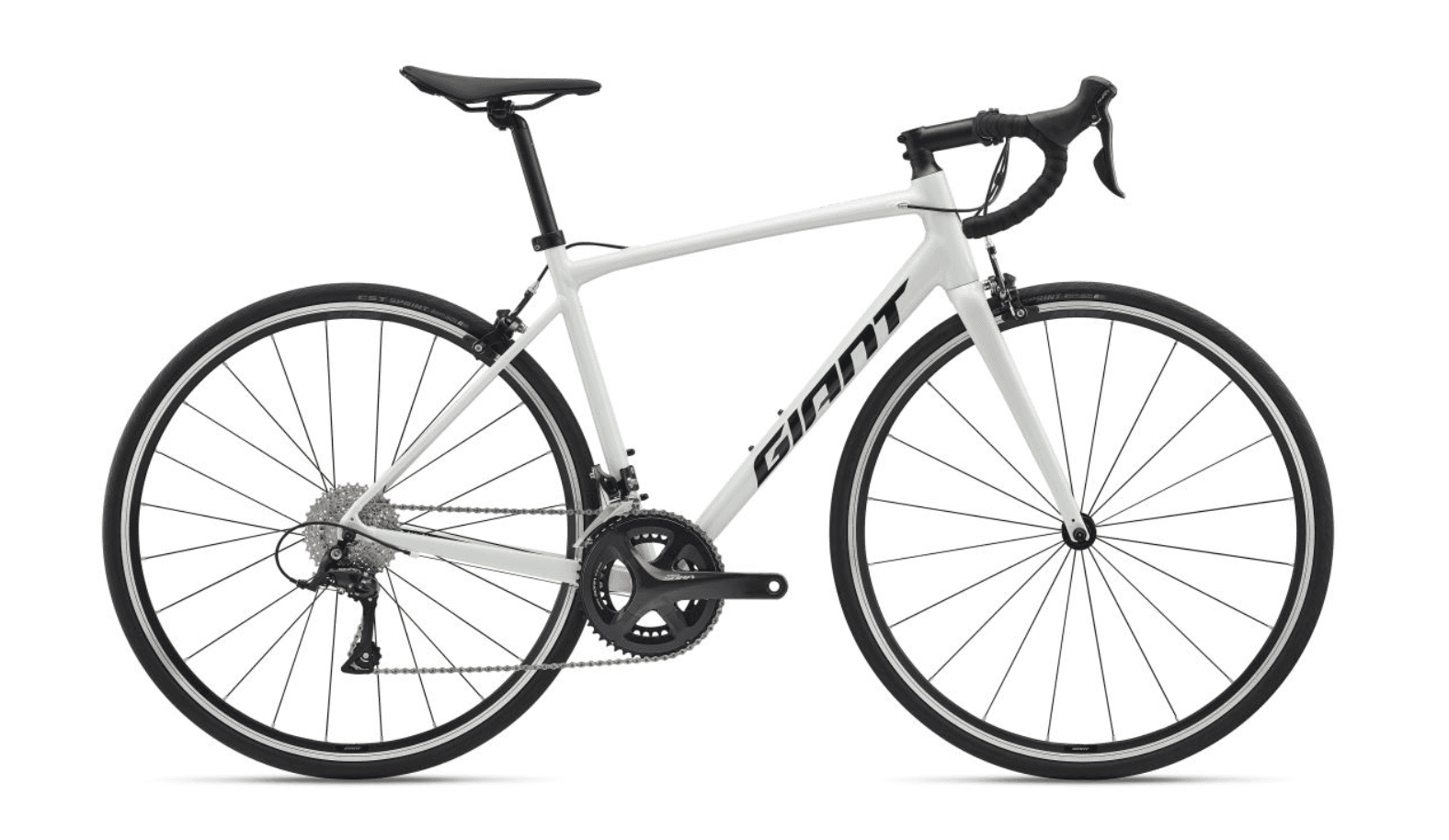
We want you to have a fantastic experience on your tour, so we aim to be upfront about what to expect along the way. Here are key details to keep in mind:
Japanese Tunnels
Japan is one of the most mountainous countries in the world, which makes tunnels an essential part of its road infrastructure. This tour includes up to 25 tunnels, with some stretching up to a mile in length. While passing through tunnels, cellular phone reception and mobile internet connectivity may be limited.
To ensure safety, please make sure to switch on your cycling headlights before entering any tunnel. Visibility inside can be significantly reduced, and having your lights on improves not only your ability to see but also ensures that you are visible to vehicles and other cyclists.
Self-guided Van-supported Bike Tours
A sub-type of self-guided tours, these tours have a van accompanying the guests at all times, acting as a support vehicle in addition to transporting their luggage.
The remaining arrangements stay the same as standard self-guided bike tours. The guests are still responsible for their own navigation, bike maintenance and repair, and there is no local guide accompanying them.
Accommodation:
Most of the hotels in Japan offer a mix of Japanese inns (Ryokans) and Western-style rooms. It is important to note that room assignments are subject to availability and beyond our control.
Japan is renowned for its rich cultural heritage, and two quintessential elements of this heritage are onsen and ryokans. Onsen refers to natural hot springs, which hold cultural, historical, and spiritual significance for the Japanese people. Ryokans, on the other hand, are traditional Japanese inns that offer a unique and immersive experience into the country's customs and way of life. Together, onsen and ryokans provide travelers with an opportunity to indulge in relaxation, rejuvenation, and a deep connection with Japan's past.
The combination of onsen and ryokans creates a unique travel experience that perfectly encapsulates the essence of Japan. Guests at ryokans often have access to private or communal onsen baths, allowing you to soak in the therapeutic waters while enjoying the surrounding natural beauty.
Japanese-style (Ryokans) rooms offer a unique local experience and are quite popular. They add a distinctive cultural touch to the tour. In Japan, taking public onsen hot spring in the hotel is so popular, so even nice beautiful hotels most time has rooms only with toilet.
Hence, for hotels lacking en suite bathrooms, guests are expected to utilize the communal bathing facilities.
Furthermore, depending on the hotel style, when double rooms are requested, we may only be able to secure twin rooms due to the limited availability of double beds in many Japanese hotels.
Dietary Preferences
While we do our utmost to accommodate all dietary requirements, please note that vegan and gluten-free options can be limited in some regions. We will certainly make every effort to cater to your preferences, but we recommend that guests carry some essential vegan or gluten-free staples as a backup to ensure their needs are fully met. Additionally, we encourage you to inform our guide at the start of the trip; they will be happy to assist you in sourcing suitable supplies from local grocery stores in larger towns whenever possible.
E-Bike Regulations in Japan
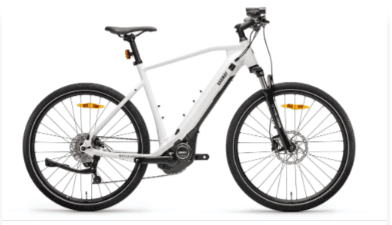
In accordance with Japanese regulations, e-bikes provide pedal-assist support only up to a speed of 24 km/h (15 mph). Beyond this limit, the motor will no longer offer assistance, and you’ll continue riding under your own power. This ensures a safe and enjoyable experience while complying with local laws.
Choosing Between Twin and Double Rooms in Japan
Hotel room terminology in Japan can be different from what many international travelers are used to.
A Twin Room typically features two separate beds and generally offers more usable floor space, making it the most comfortable choice for most travelers.
A Double Room usually contains a single bed that may be narrower than the queen or king beds commonly found in Western hotels. In some cases, the room may be quite compact, with limited space for luggage and movement.
Japan also has a unique room category known as a Semi-Double Room, which features a bed approximately 120 cm wide. While designed primarily for single occupancy, some hotels may offer it for two guests. These rooms can feel considerably smaller than standard double rooms in Europe, North America, or Australia.
Because room categories and bed sizes vary between hotels, we strongly recommend selecting a Twin Room whenever available, even for couples. Twin rooms generally provide:
- More personal space and greater overall comfort
- Easier luggage storage in compact Japanese hotel rooms
- Separate bedding, which many travelers find more comfortable
- A lower risk of receiving a smaller bed than expected
Please note that room changes after arrival are often difficult to arrange, particularly during busy travel periods when hotels operate at high occupancy levels.