Guided Lakes and Volcanoes of Eastern Hokkaido Hiking and Walking Tour
This thoughtfully designed hiking journey explores the wild and varied landscapes of Hokkaido, Japan’s northernmost island. Over eight days, the trail leads through volcanic terrain, pristine forests, caldera lakes, and alpine environments, offering a deep connection with nature at a relaxed yet active pace.
Walk along the shores of color-shifting lakes, hike active and dormant volcanoes, and soak in traditional onsen after rewarding days on the trail. The itinerary balances longer hikes with gentler walks, scenic transfers, and meaningful cultural experiences, including time in Ainu communities, a hands-on sushi-making session, and a visit to a local sake park.
Each day is carefully planned with private transfers, allowing you to focus on the experience rather than logistics. From remote national parks to quiet onsen towns, this journey is ideal for travelers who enjoy immersive, slow travel and want to experience Hokkaido beyond the usual tourist routes, one step at a time.
Guided
casual hotels
Abashiri
Abashiri
moderate to challenging
7 km / 4 mi
5
Min. 4, Max. 7
Memanbetsu Airport (MMB)
Asahikawa Airport (AKJ)
Highlights

Hiking Across Hokkaido’s Volcanic Landscapes
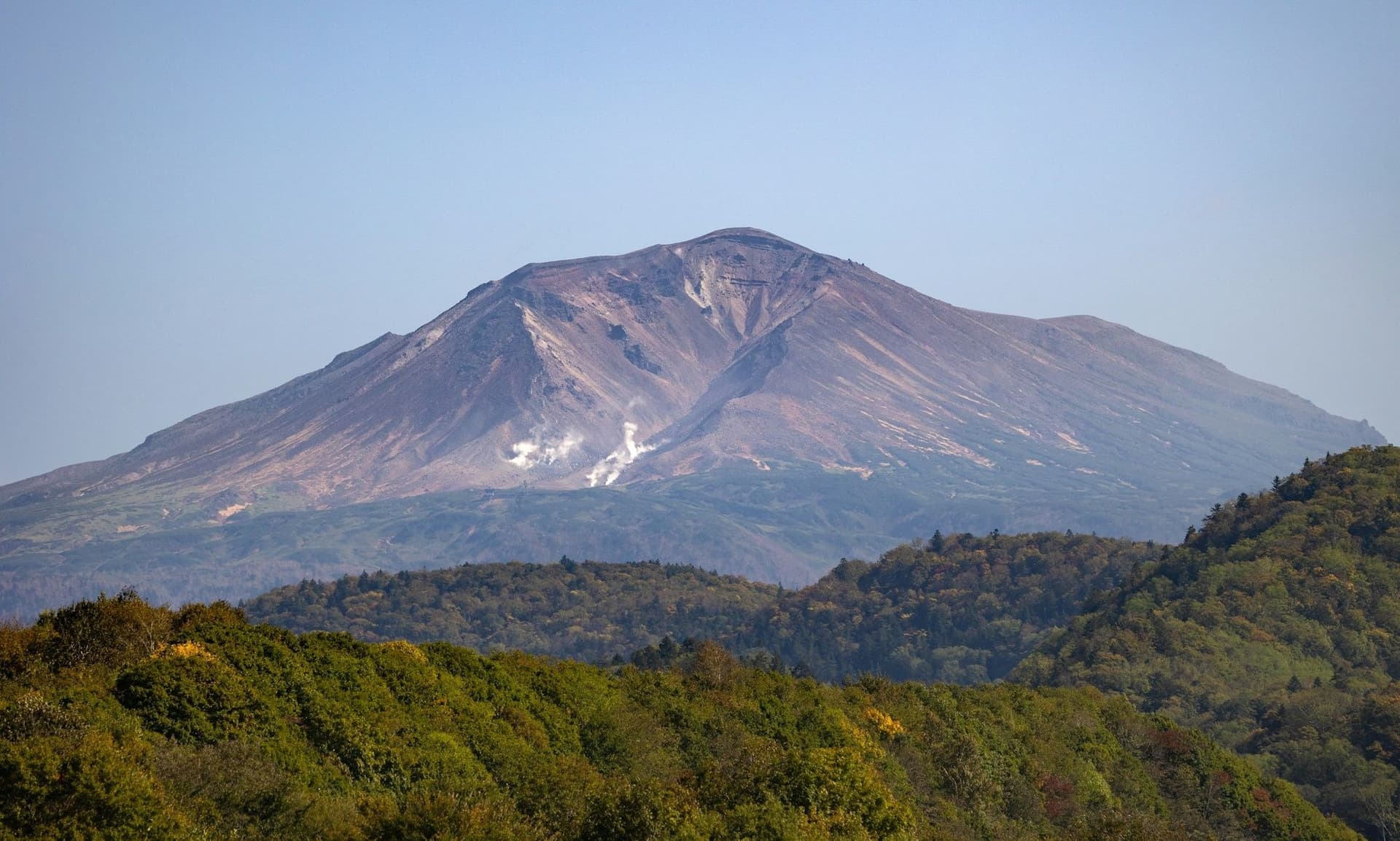
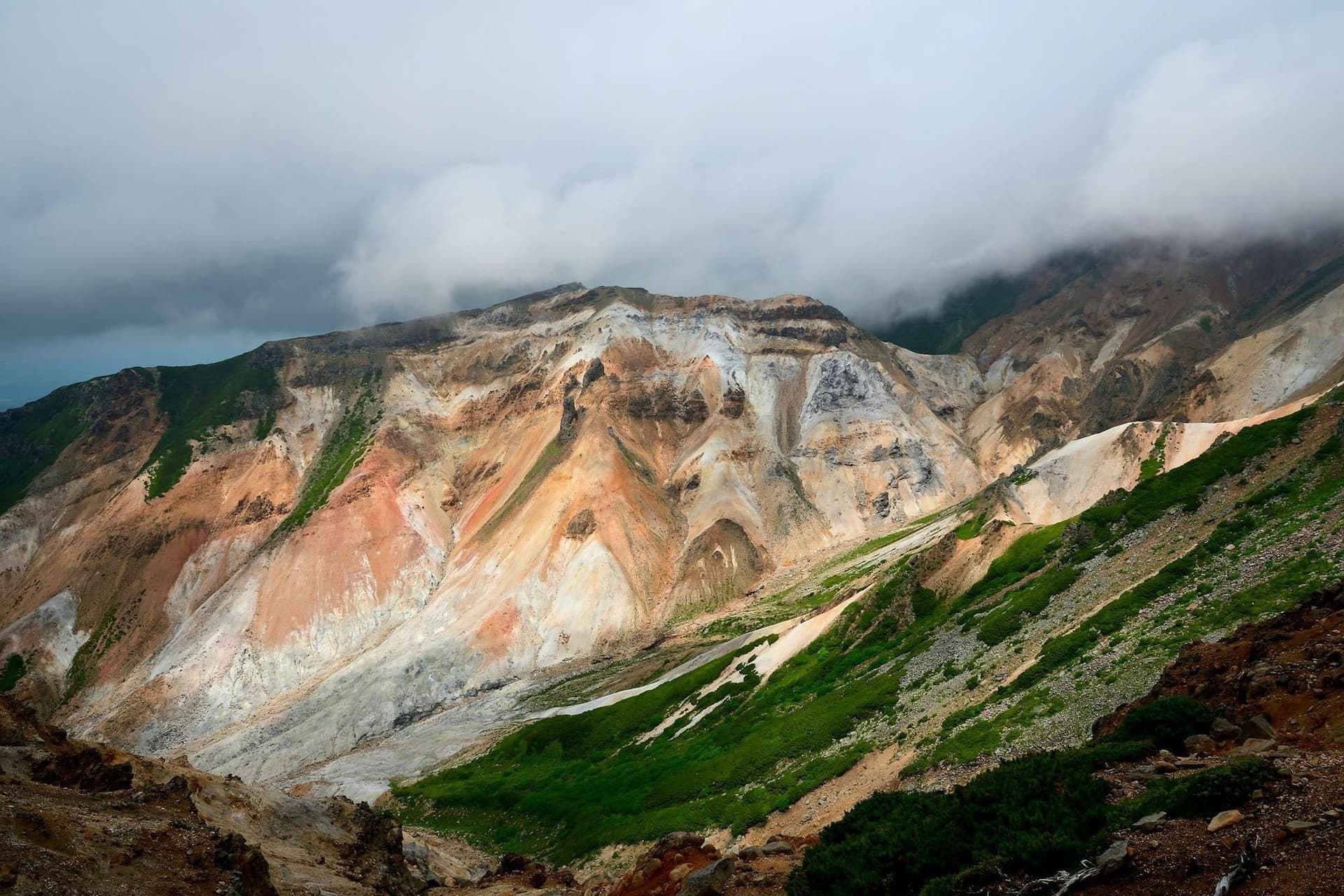
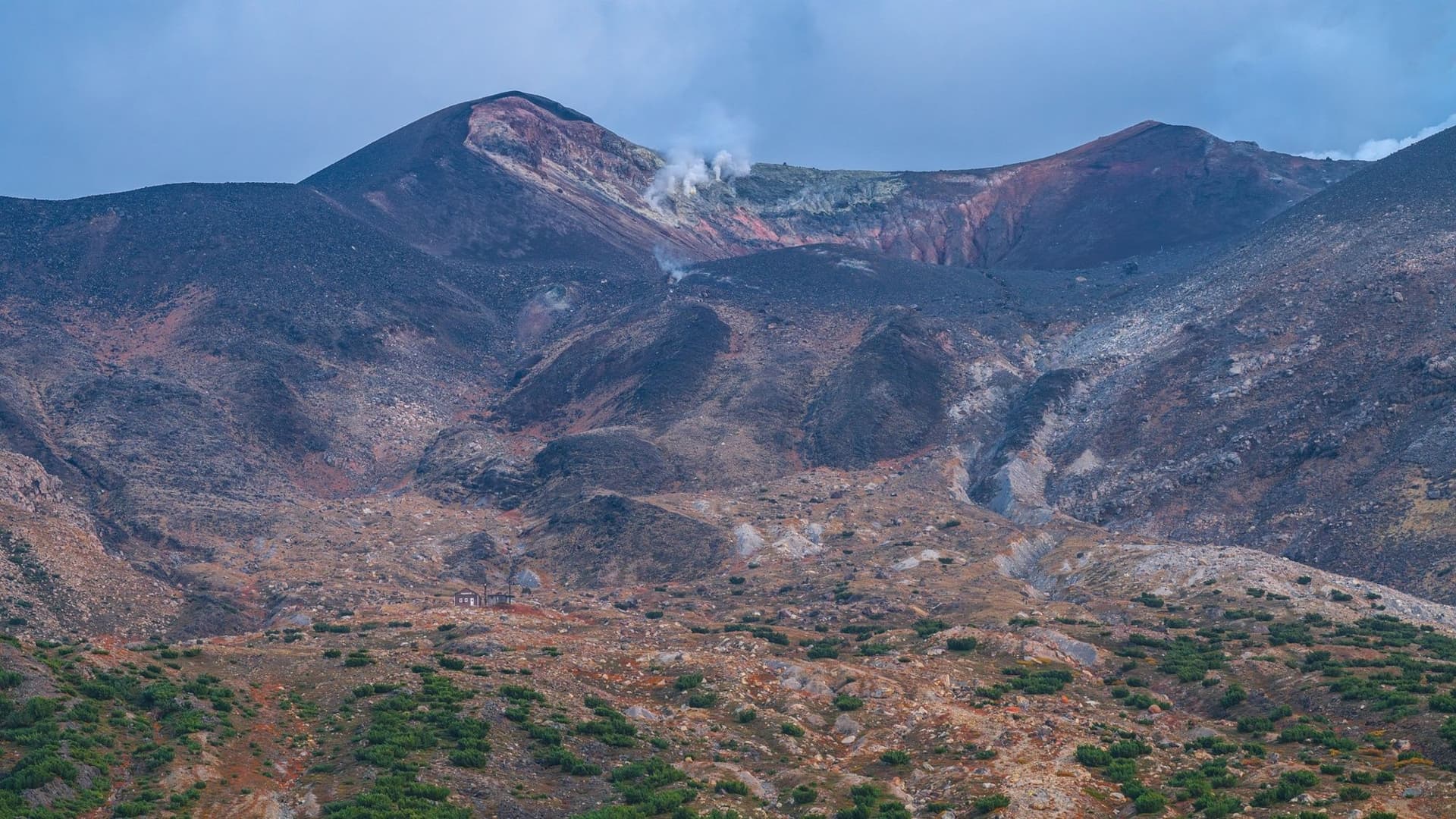
Walk through some of Japan’s most dramatic volcanic terrain, including active and dormant peaks such as Mt. Meakan, Mt. Tokachi, and Mt. Asahidake. These hikes offer constantly changing scenery, from steaming fumaroles and rugged lava fields to alpine vegetation and expansive mountain views.

Caldera Lakes and Pristine Forest Trails
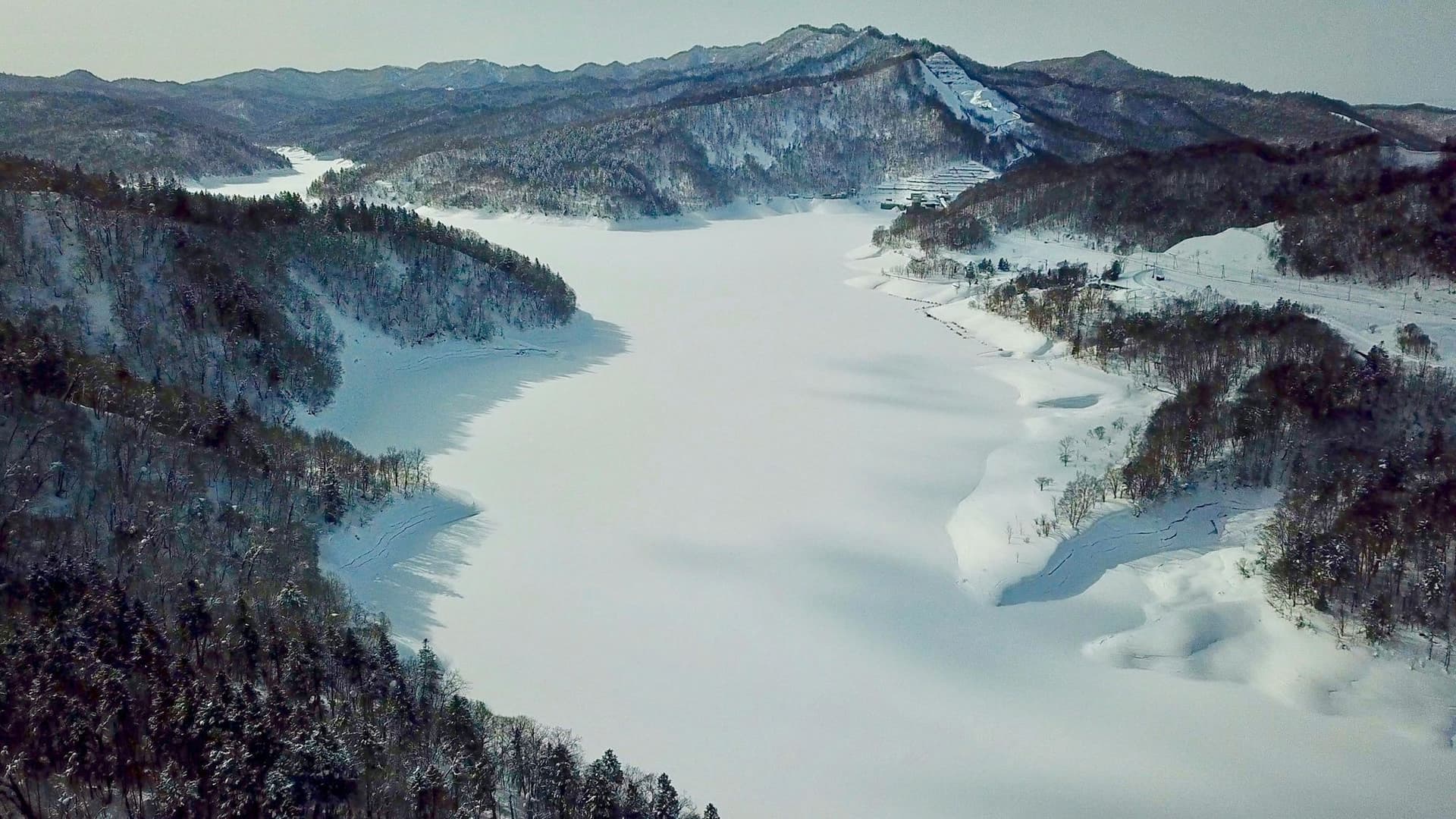
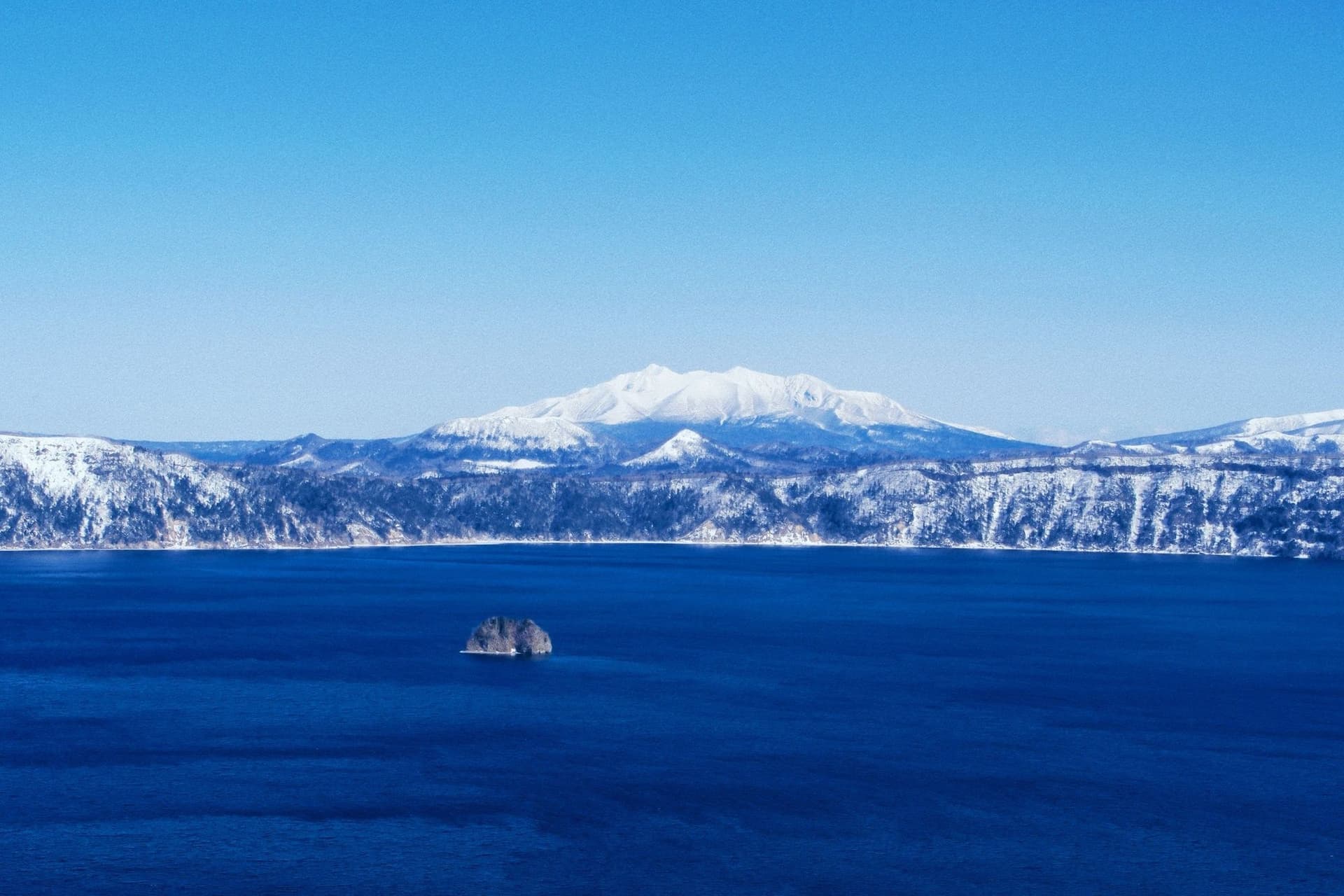
Explore the shores and forested trails surrounding Lake Kussharo, Lake Onneto, and Lake Mashu. These walks highlight Hokkaido’s unique volcanic geography, with caldera lakes, quiet woodlands, and abundant wildlife creating a deeply immersive outdoor experience.

Relaxing Onsen Stays After Rewarding Hikes
The journey is thoughtfully paced with stays in traditional onsen towns such as Kawayu Onsen, Lake Akan, and Tokachidake Onsen. After long days on the trail, natural hot springs provide a restorative way to unwind and soak in the surroundings.

Cultural Experiences Rooted in Local Life
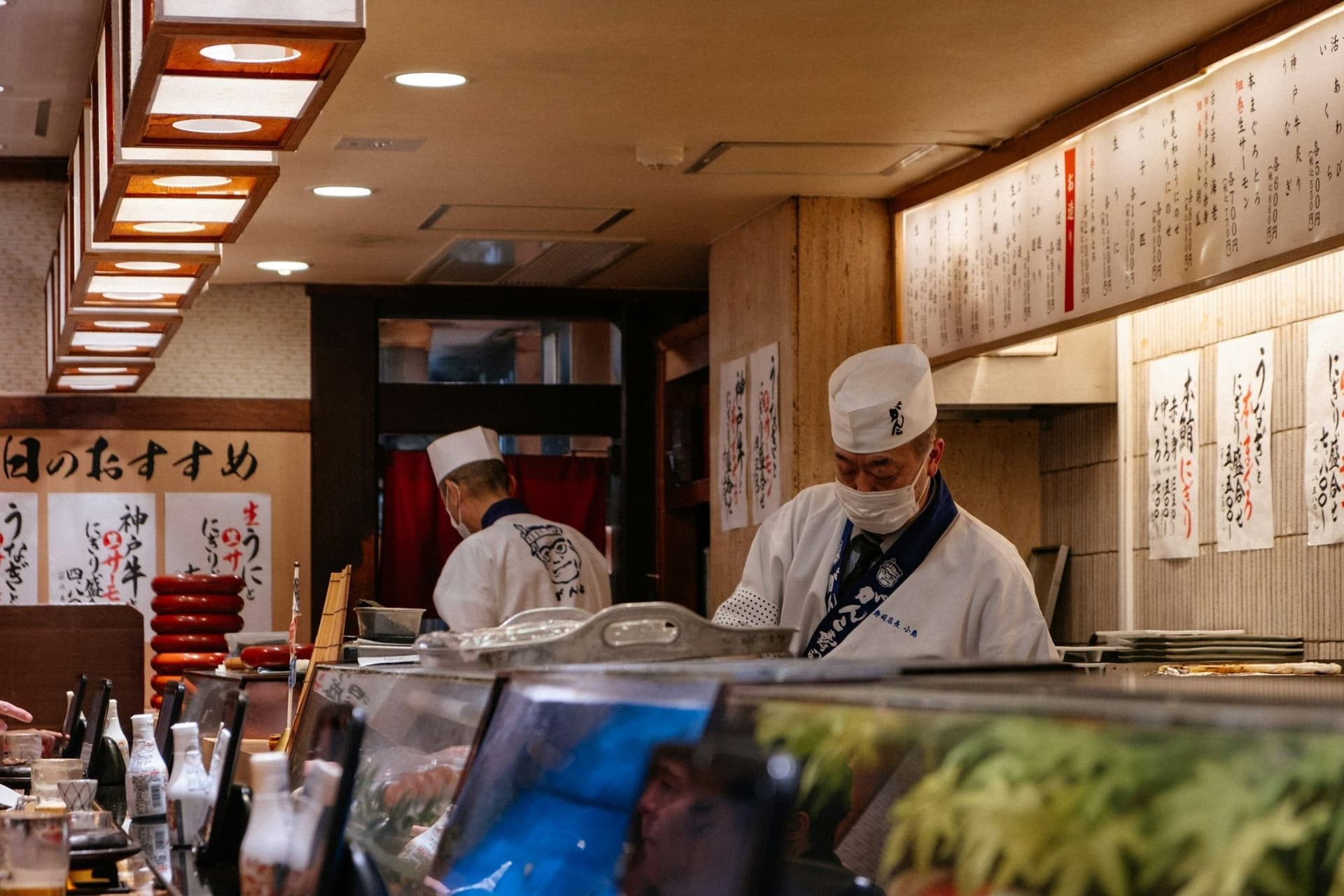
Beyond hiking, the itinerary includes meaningful cultural moments such as time in an Ainu village, a hands-on sushi-making experience with a local chef, and a visit to a sake park in Asahikawa, offering insight into Hokkaido’s traditions and everyday life.
Itinerary
Brief Itinerary
Meals are indicated as B = Breakfast, L = Lunch, D = Dinner.
Listed hotels are subject to availability and may be replaced with similar alternatives of equal standard.
| Day | Place | casual Inns | Meals | Distance | Activity |
|---|---|---|---|---|---|
| DAY 1 | Kawayu Onsen | Kawayu Onsen | D | 2 km / 1 mi | walking |
| DAY 2 | Kawayu Onsen | Kawayu Onsen | B,L,D | 6 km / 4 mi | hiking |
| DAY 3 | Lake Akan | B,D | 11 km / 7 mi | hiking | |
| DAY 4 | Lake Akan | B,D | 7 km / 4 mi | hiking | |
| DAY 5 | Tokachidake Onsen | Tokachidake Onsen | B,L,D | 3 km / 2 mi | walking |
| DAY 6 | Furano | Furano Hotel (4 Star) | B,D | 10 km / 6 mi | hiking |
| DAY 7 | Asahikawa | B,L,D | 5 km / 3 mi | hiking | |
| DAY 8 | Asahikawa | B | cycling |
Detailed Itinerary

Day 1: Kawayu Onsen
Arrive in eastern Hokkaido at Memanbetsu Airport or Abashiri Train Station, where you will be met by your hiking guide. A private transfer brings you to the scenic Wakoto Peninsula on the shores of Lake Kussharo. This gentle forest walk is designed as a warm-up after travel, offering beautiful caldera lake views and time to relax in a public foot bath.
Continue onward to Kawayu Onsen, known for its volcanic hot springs. Visit the local visitor center to learn about the region’s unique geology before checking in and enjoying your first dinner.

Day 2: Kawayu Onsen
After breakfast, transfer to the Mt. Nishibetsu trailhead for a rewarding hike through alpine vegetation and open landscapes. Despite its moderate height, the mountain offers expansive views, including Lake Mashu, one of the clearest lakes in the world. After lunch, continue to Mt. Io, an active sulfur-rich volcano with steaming vents and vivid yellow rock formations.
A nature walk through Tsutsujigahara follows, showcasing unique acid-loving plants shaped by volcanic activity. Return to Kawayu Onsen to relax after a full day outdoors.
Elevation : 500 m

Day 3: Lake Akan
This morning, transfer to the Kussharo Caldera Trail for a full-day hike through one of Hokkaido’s most striking volcanic landscapes. The trail winds through forests formed by ancient eruptions and offers panoramic views of Lake Kussharo, a massive caldera lake. Along the way, there are opportunities to observe local wildlife and volcanic features such as fumaroles.
After completing the hike, travel by private transfer to Lake Akan. The evening is free to explore this lively onsen town and experience its strong connection to Ainu culture.
Elevation : 400m

Day 4: Lake Akan
Following breakfast, transfer to the Mt. Meakan trailhead to begin a challenging hike on one of the region’s most iconic active volcanoes. The trail starts near an onsen area and steadily climbs through forested slopes before reaching dramatic volcanic terrain near the summit. Named alpine plants unique to this mountain add interest along the way.
After reaching the upper sections, descend through quieter forest paths, offering a contrast to the rugged landscapes above. Return to Lake Akan for a relaxed afternoon and evening, with time to enjoy the hot springs or stroll through town.
Elevation : 1200 m

Day 5: Tokachidake Onsen
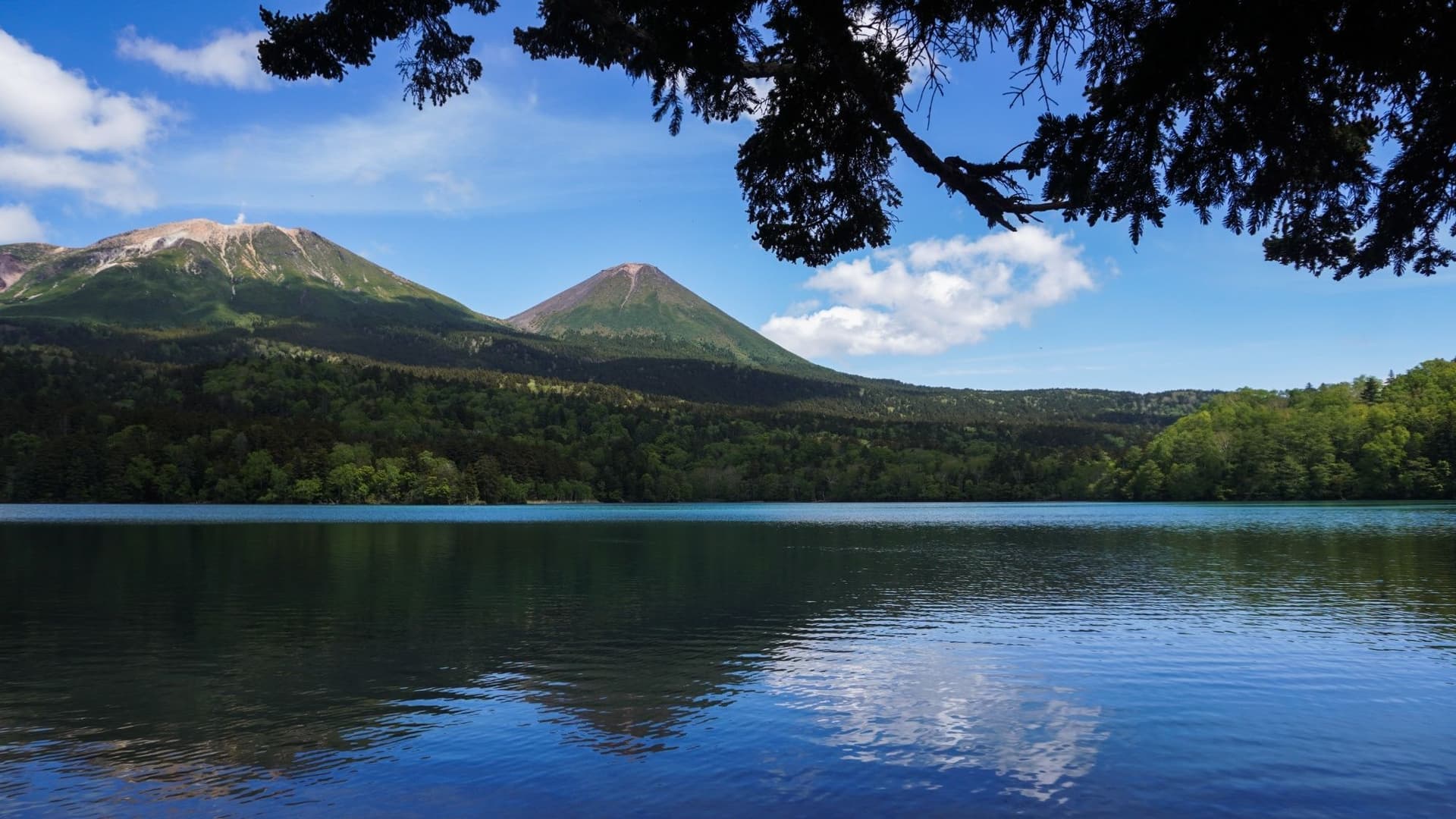
After breakfast, transfer to Lake Onneto for a relaxed walk along the lakeshore and through mixed forest. The lake is famous for changing colors depending on light and weather, with Mt. Meakan often reflected on its surface. Continue to the town of Honbetsu for a hands-on sushi-making experience, where a local sushi master introduces traditional techniques before enjoying lunch together.
In the afternoon, stop at the spacious Montbell shop in Minami Furano, then continue to Tokachidake Onsen for the night.

Day 6: Furano
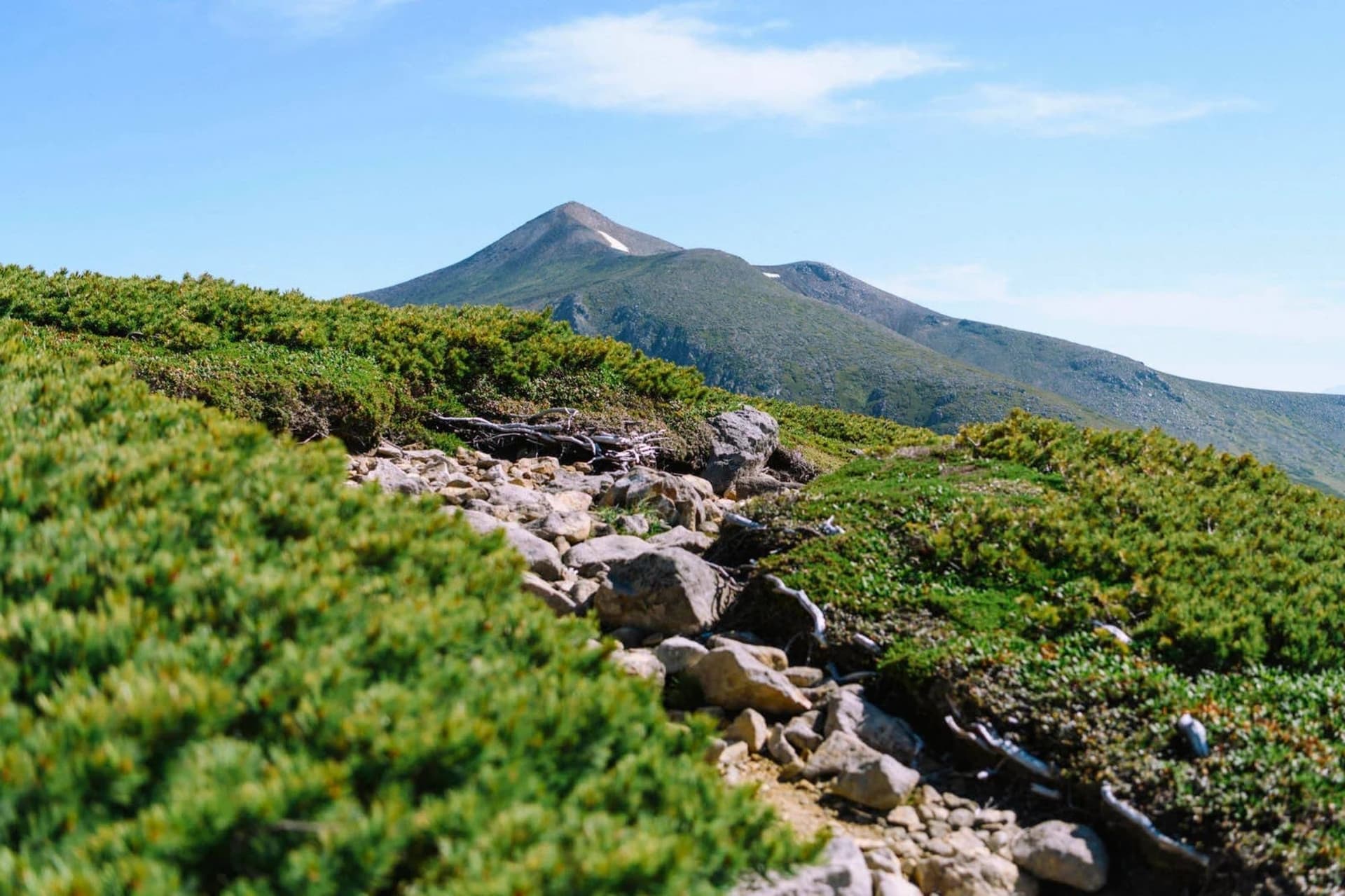
Begin the day with breakfast before setting out for a full-day hike on Mt. Tokachi, one of the main peaks of the Tokachi volcanic mountain range. The route passes through rugged, rocky landscapes shaped by ongoing volcanic activity, with visible fumaroles and wide views across Daisetsuzan National Park.
The hike is physically demanding but deeply rewarding, offering a strong sense of the raw power of Hokkaido’s volcanic terrain. After completing the hike, transfer to Furano, check in, and enjoy a well-earned dinner.
Elevation : 1,140 m

Day 7: Asahikawa
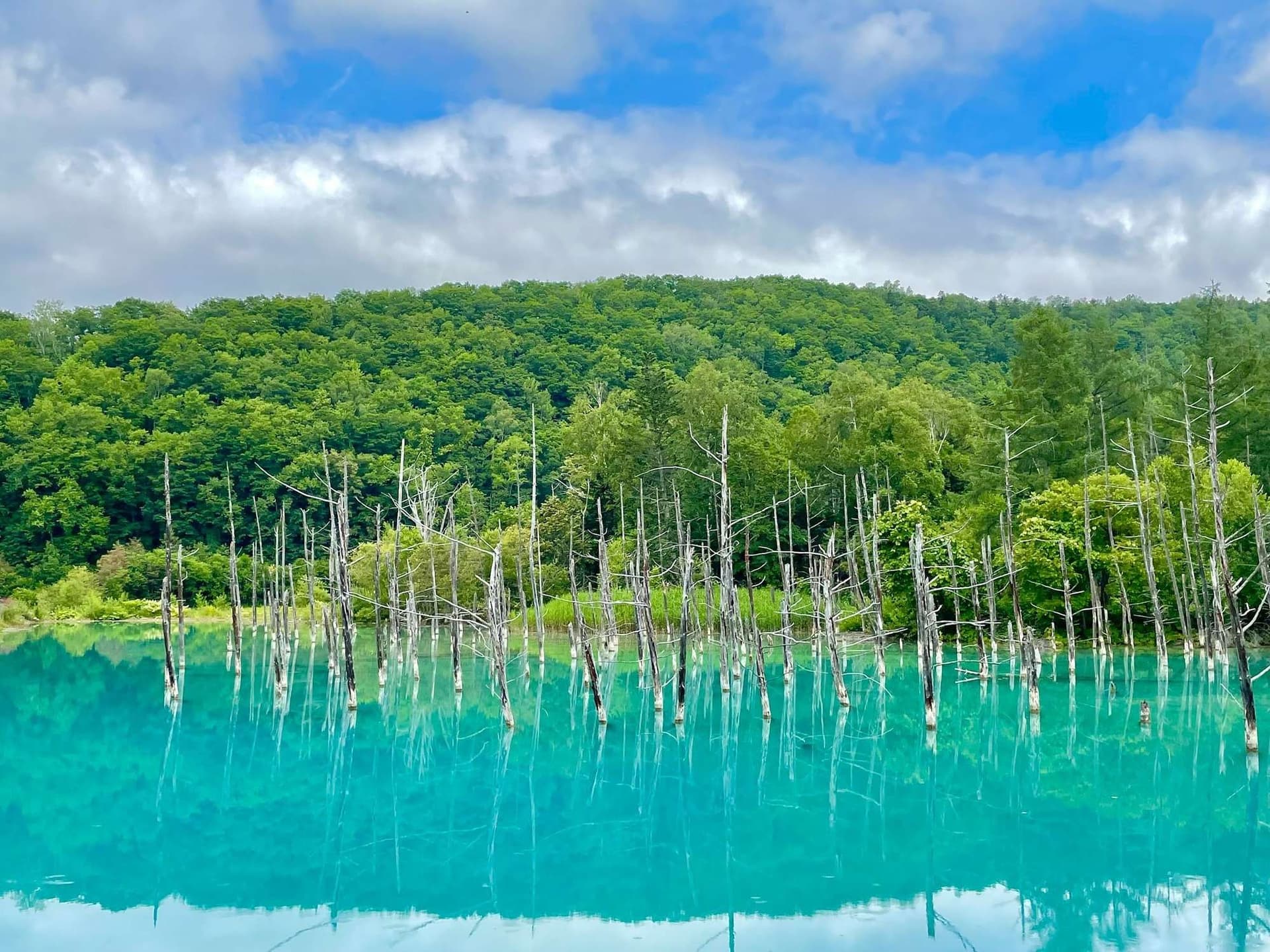
After breakfast, transfer to the Asahidake Ropeway and ride up to the high-altitude trailhead. Today’s hike explores alpine landscapes around Japan’s highest peak Mt. Asahidake, with volcanic steam vents, open tundra, and views of Sugatami Pond reflecting the surrounding mountains. After the hike and lunch, travel to the famous Blue Pond, known for its vivid blue color created by mineral-rich waters.
Continue to Asahikawa in the evening and check in for the final night of the journey.
Elevation : 700m

Day 8: Asahikawa
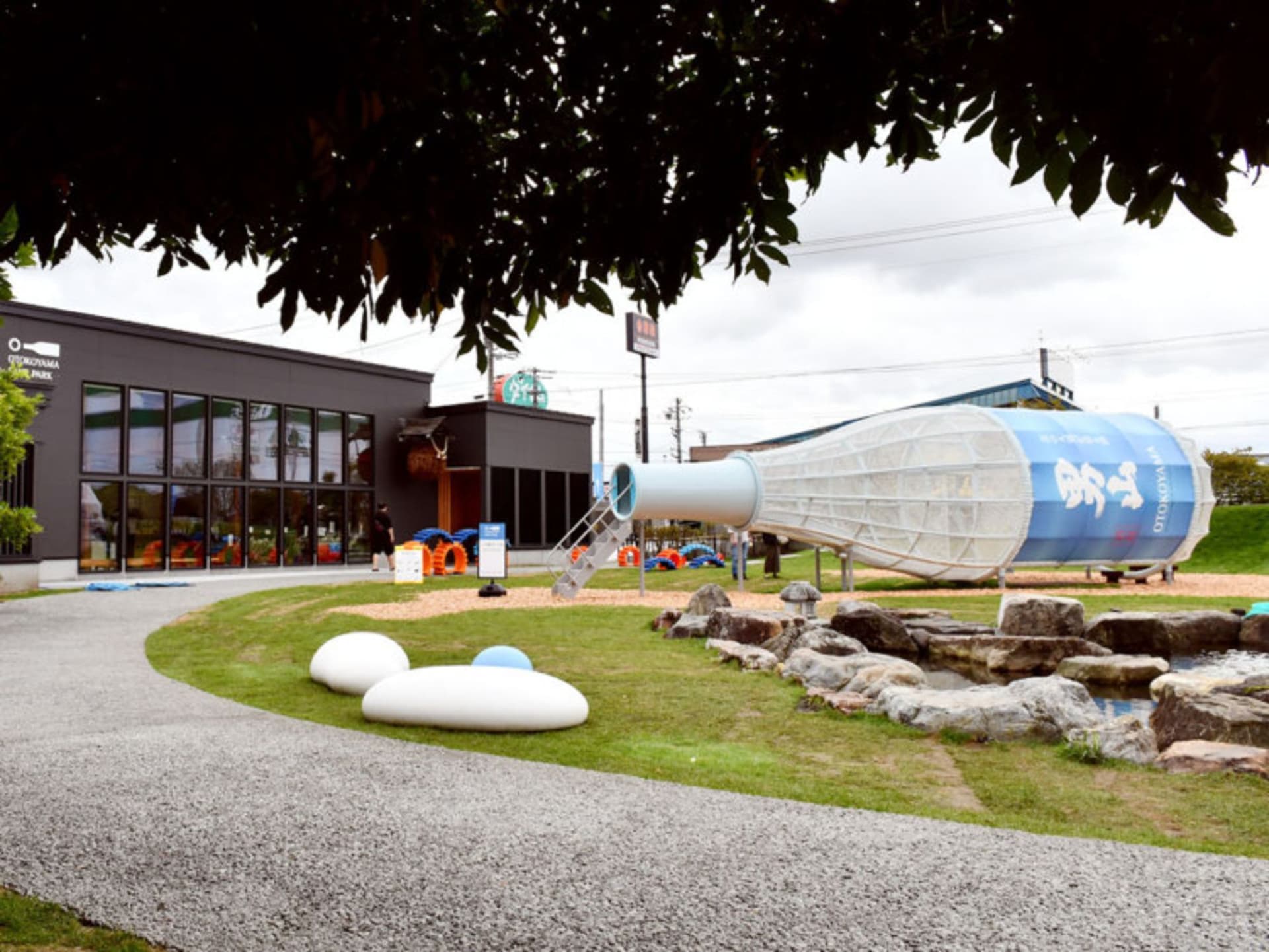
After breakfast, visit Otokoyama Sake Park, where you can learn about the history of sake brewing in the region and enjoy tastings while taking in views of the surrounding mountains. With all hikes completed, this relaxed morning offers a fitting conclusion to the journey. A scheduled transfer then takes you to Asahikawa Airport or Asahikawa Train Station for onward travel and departure.
Ready to plan your adventure? Download a print-ready detailed itinerary.
Map
Accommodation
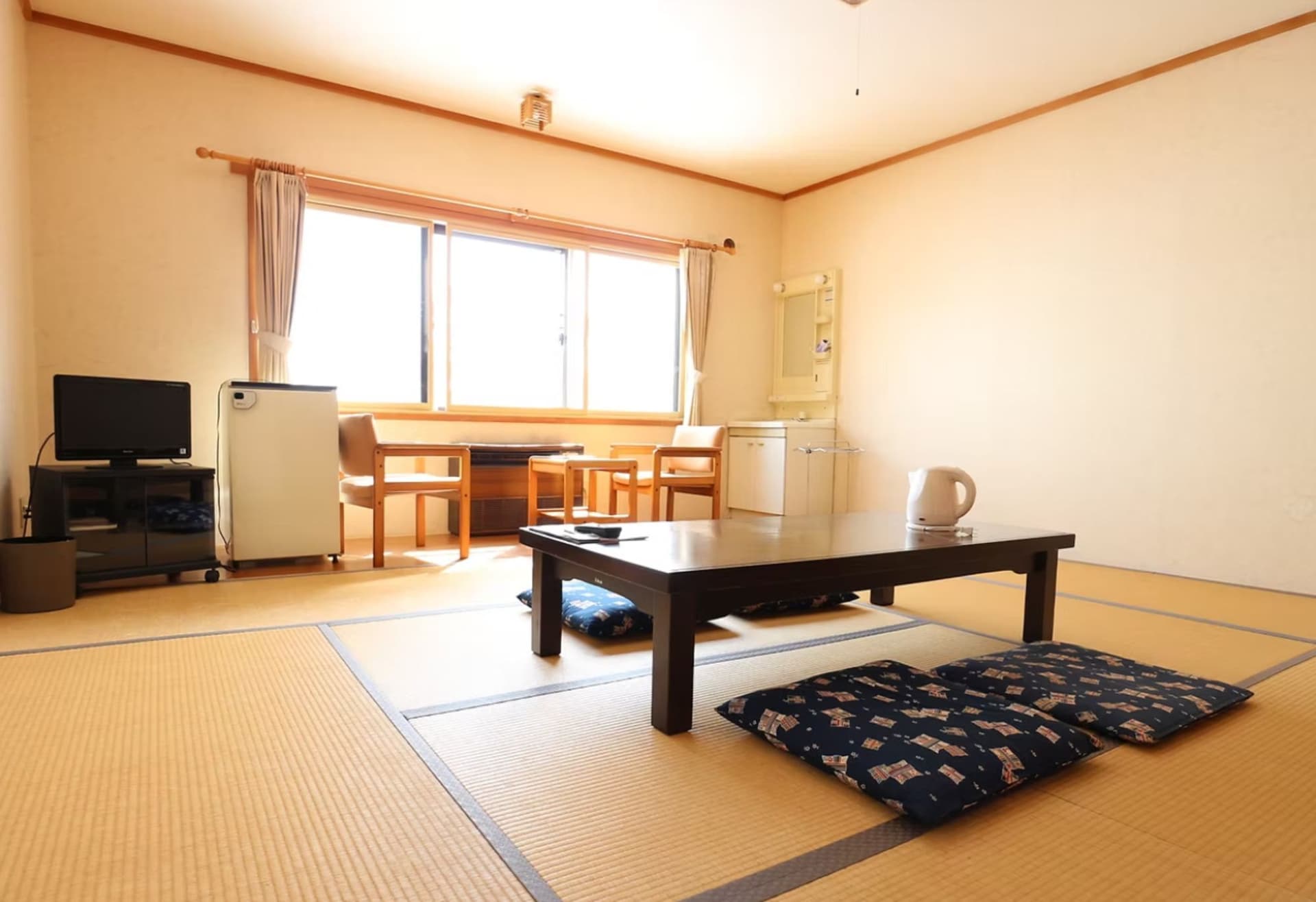
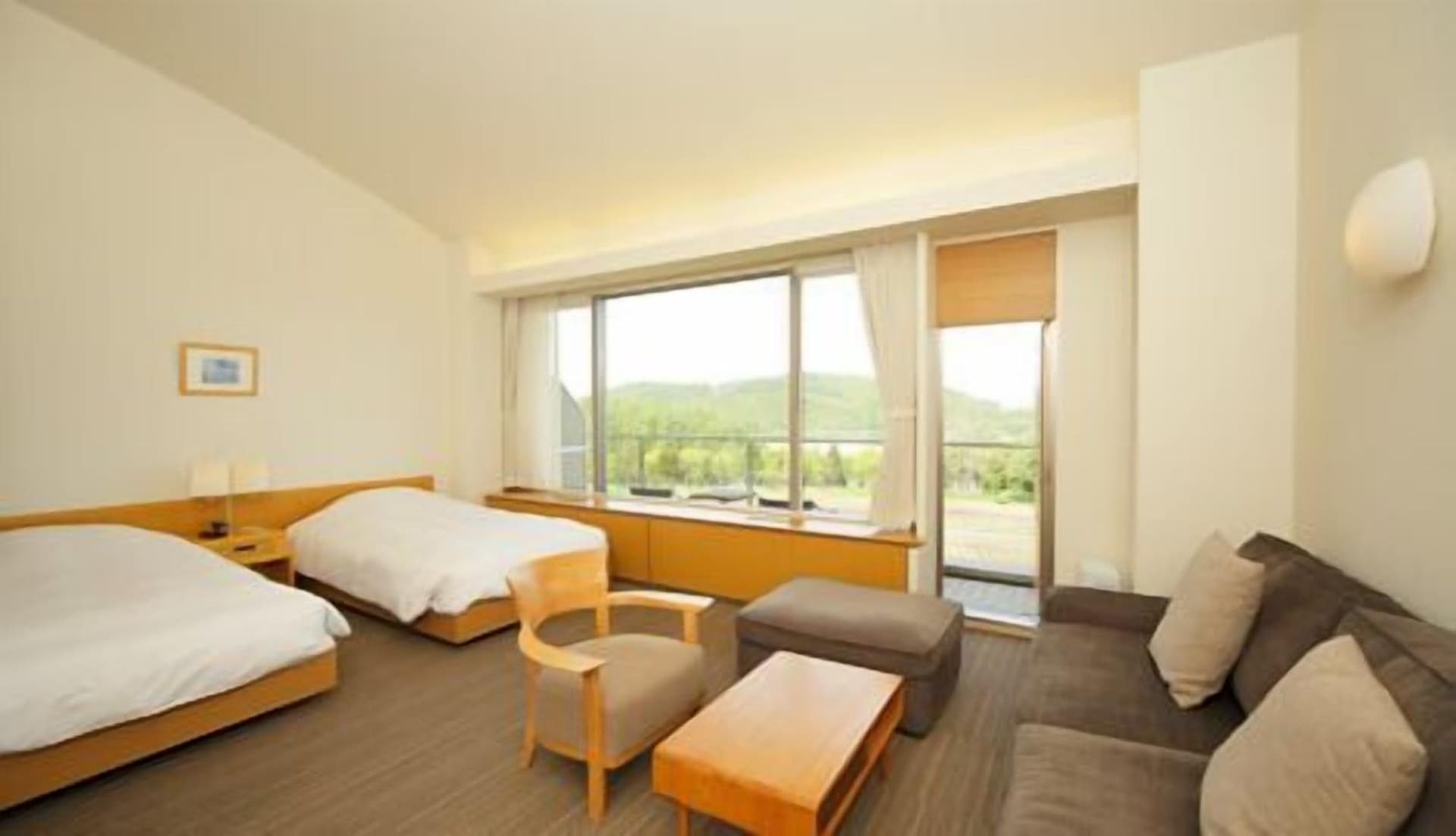
Each hotel has been thoughtfully selected to ensure an exceptional and memorable experience for guests. Should the listed hotel be unavailable, we will ensure an alternative of similar quality.

Kawayu Onsen

Tokachidake Onsen

Furano Hotel (4 Star)
Dates and Prices
Book with Confidence: For scheduled group departures, your 20% deposit is fully refundable until 60 days before departure. Solo travellers booking 120+ days in advance can avoid a mandatory Single Supplement. See terms & conditions.
Single Supplement
From US $510
Couldn't find a trip with convenient dates?
Open your date as a join-in tour or customize further as a private one.
Essential Info
Inclusions
LODGING
All hotels as mentioned in the tour details or similar (subject to availability).
trip leader
Expert Trip Leader(s) who look after your every need and add meaning to your vacation.
shuttle
A Van support follows the group of riders and carries all belongings.
Luggage Transfer
Transportation of luggage from one hotel to another.
Airport pickup
Enjoy a hassle-free group airport pickup to start your journey. Available only on the tour start date.
Airport drop
Enjoy a hassle-free group airport drop to finish your journey. Available only on the tour end date.
meals
Meals as per itinerary. Guests are given the opportunity to dine on their own so that they discover a location independently.
Exclusions
Beverages
Beverages such as alcohol, tea, coffee, juice at a hotel or restaurant.
Gratuity
Gratuities for your guide team are not included in the trip price.
Arrival & Departure Details
Arrival
Your tour begins in eastern Hokkaido. You should plan to arrive at Memanbetsu Airport (MMB), which is the nearest airport to the starting point of the tour. Upon arrival, you will be met and transferred to the first accommodation in Kawayu Onsen. Alternatively, if you are traveling by train, pick-up can also be arranged from Abashiri Train Station.
Arrival transfers on Day 1 are included as per the itinerary, so no independent transport is required once you reach the designated meeting point.
Departure
Your tour ends in central Hokkaido. On the final day, a scheduled group transfer will take you to Asahikawa Airport (AKJ) for your onward flight. Drop-off can also be arranged at Asahikawa Train Station if you are continuing your journey by rail.
Weather
The best weather for hiking in Hokkaido is from June to September, when temperatures are mild and trails are accessible. Daytime temperatures generally range between 15 to 25°C (59 to 77°F), with cooler conditions at higher elevations. June and September are especially good for long hikes, offering stable weather, clear views, and fewer crowds.
July and August are the warmest months, though temperatures remain comfortable compared to much of Japan. Spring and late autumn bring unpredictable weather, while winter conditions make hiking difficult due to snow, ice, and trail closures.
January
Offseason
February
Offseason
March
Offseason
April
Mixed
May
Mixed
June
Best
July
Best
August
Good
September
Best
October
Good
November
Mixed
December
Offseason
Best
Good
Mixed
Offseason
What to Pack
Packing wisely ensures comfort and safety on your hiking adventure. This list covers essential hiking gear, clothing, and travel items to help you handle varied terrain and weather conditions.
Recommended Hiking Clothes & Gear
- Lightweight hiking shoes or boots with good traction.
- Moisture-wicking base layers and breathable hiking shirts.
- Quick-dry hiking pants or shorts.
- Light fleece or down jacket for cooler temperatures.
- Waterproof and windproof shell jacket.
- Sun hat and sunglasses with UV protection.
- Hiking poles (optional but recommended on uneven terrain).
- Small daypack with hydration system or water bottles.
- Headlamp or small flashlight.
- Light gloves and beanie for early mornings or high altitudes.
Clothing
- Layered clothing for temperature changes throughout the day.
- Full-sleeved tops for sun and insect protection.
- Comfortable evening wear for lodges or inns.
- Compact rain jacket for unpredictable weather.
- Extra socks (preferably synthetic or wool).
Other Necessities
- Basic first-aid kit with personal medication.
- Sunscreen, lip balm, and insect repellent.
- Reusable water bottle or hydration bladder.
- Snacks like trail mix, nuts, or energy bars.
- Plug adaptor and power bank for charging devices.
Pro Tips
- Pack light — you’ll appreciate it on uphill climbs.
- Break in your shoes before the trip to avoid blisters.
- Keep rain gear easily accessible in your daypack.
Luggage
Please limit your luggage to one medium-sized suitcase and one daypack. Mark your luggage clearly with your name, address, and phone number.
Visa Information
Before venturing on your adventure, make sure you're equipped with essential travel advice, including security updates, local laws, and crucial passport and visa information. Start by visiting the official government website of your home country for accurate and reliable guidance:
- UK Residents: Stay informed by reviewing the Foreign, Commonwealth & Development Office (FCDO) Travel Advice.
- US Residents: Access vital travel tips and updates through the US Department of State Travel Advice.
- Australian Residents: Plan ahead with the latest updates on the Smart Traveller website.
- Canadian Residents: Find comprehensive travel and visa guidance on the Government of Canada's Travel Advice and Advisories.
- New Zealand Residents: Get practical travel advice on the New Zealand SafeTravel website
- Residents of Other Countries: Check with your government or local consulate for tailored travel advice and requirements.
Note: Passport and visa regulations can change at any time. Stay proactive by checking for the latest updates to ensure a smooth and stress-free journey.
Insurance
Medical insurance that covers medical costs in case of an accident during the trip is mandatory to participate in our tours.
We recommend to purchase adequate travel insurance in order to participate in our tours and protect yourself from unforeseen events. Our experience shows that guests who purchase travel insurance—including coverage for all activities on the itinerary, trip cancellation, interruption, delay, baggage damage, loss or theft, personal accident, death and repatriation costs, medical and emergency expenses (including Covid-19), and personal liability—travel with greater peace of mind.
Is proof of medical insurance required?
Yes. You must provide your insurer's name, policy number, and emergency contact via our reservation form. This is mandatory. If you cannot provide proof, you’ll need to purchase insurance before traveling with us.
Can I use my credit card insurance?
Yes, as long as it meets our requirements and provides adequate coverage. Ensure you have an emergency contact number and policy number available.
When should I buy travel insurance?
Purchase travel insurance as soon as you've paid in full or booked your flights.
Does Art of Bicycle Trips sell travel insurance?
We do not sell travel insurance directly, as we believe our customers should have the freedom to choose a policy that best suits their needs. However, we recommend Insured Nomads as a great starting point.
Frequently Asked Questions
A guided bike tour includes a professional local guide who rides with you throughout the trip. The guide handles navigation, manages daily logistics, ensures safety, and shares cultural insights. In addition to the guide, you also have a support vehicle that transfers luggage, provides water/snacks, and offers on-route assistance or a lift whenever needed. You simply follow the guide and enjoy a fully supported experience.
Your guides are local cycling experts, fluent in English, with deep knowledge of the region’s history, culture, and food.
On our guided tours, we ensure you begin your ride feeling comfortable and well-supported. Your guide and local team play an active role in getting your bike properly set up.
Before Your Tour
When you book, we ask for your height. This allows our local partners to select the correct frame size and prepare the bike in advance so it’s close to your ideal fit when you arrive.
At the Start of the Tour
You’ll receive a full in-person bike fitting with your guide or local representative. This typically includes:
- Adjusting saddle height
- Moving the saddle fore–aft (small adjustments to move the saddle forward or back for better balance and comfort)
- Fine-tuning handlebar height and reach (where adjustable)
- Confirming pedal preference — flat pedals are provided by default. If you bring your own clip-in pedals, our guide will help install and adjust them
- A short test ride to check comfort
Your guide will ensure everything feels right before the tour begins.
During the Tour
Throughout the trip, your guide will make additional adjustments whenever needed. This is especially helpful if you discover new comfort preferences after a few hours of riding.
What to Expect
Our guided tour bike fitting is hands-on, comfort-focused, and practical, ensuring you ride safely and enjoyably each day. It’s not a detailed workshop-level fit, but it covers all essential adjustments for multi-day touring.
Our support vehicle is always close by to make your ride worry-free. It carries your luggage, water, snacks, and spare parts, and is there if you need a quick lift or just want to rest for a while. You’ll see it at regular intervals along the route and during meal or refreshment stops. The vehicle is also used for scheduled transfers and to ensure safety and comfort along the route.
For guided tours, we do not provide GPX files separately, as navigation is handled by your guide. On certain occasions, if you prefer more independence, we may offer app-based navigation access with the daily routes loaded. However, please understand that this may not always be possible and depends on the specific tour setup.
Airport transfers are not included unless specifically mentioned in your trip inclusions.
For airport pickup, we recommend booking directly from the airport upon arrival — most airports have reliable taxi, shuttle, or app-based options.
For airport drop, please book a transfer through your last hotel — they can easily arrange it for you.
We focus on delivering exceptional experiences during your tour. For logistical simplicity and flexibility, we do not handle pre- or post-tour hotel bookings. However, we’re happy to share a list of recommended hotels near the starting and ending points of your trip so you can plan your stay independently.
The fitness level required for each trip is indicated by the "level" of the tour, which in turn is mentioned on each tour page right next to the price and the trip duration.
Easy: The terrain is mostly flat with a few gentle climbs.
Moderate: The terrain is either mostly flat or consists of rolling hills with a few challenging climbs. There could also be a few days with longer riding distances of up to 75 kms (45 miles)
Difficult: The terrain is mostly hilly with strong elevation gains and/or has long days on the bike. Such trips are recommended for intermediate to advanced cyclists.
Please note that we usually bike around 4-5 hours per day irrespective of the level of the trip.
Our tours in Japan feature a mix of traditional Japanese inns (ryokans) and Western-style hotels. Room assignments are subject to availability and may vary from place to place.
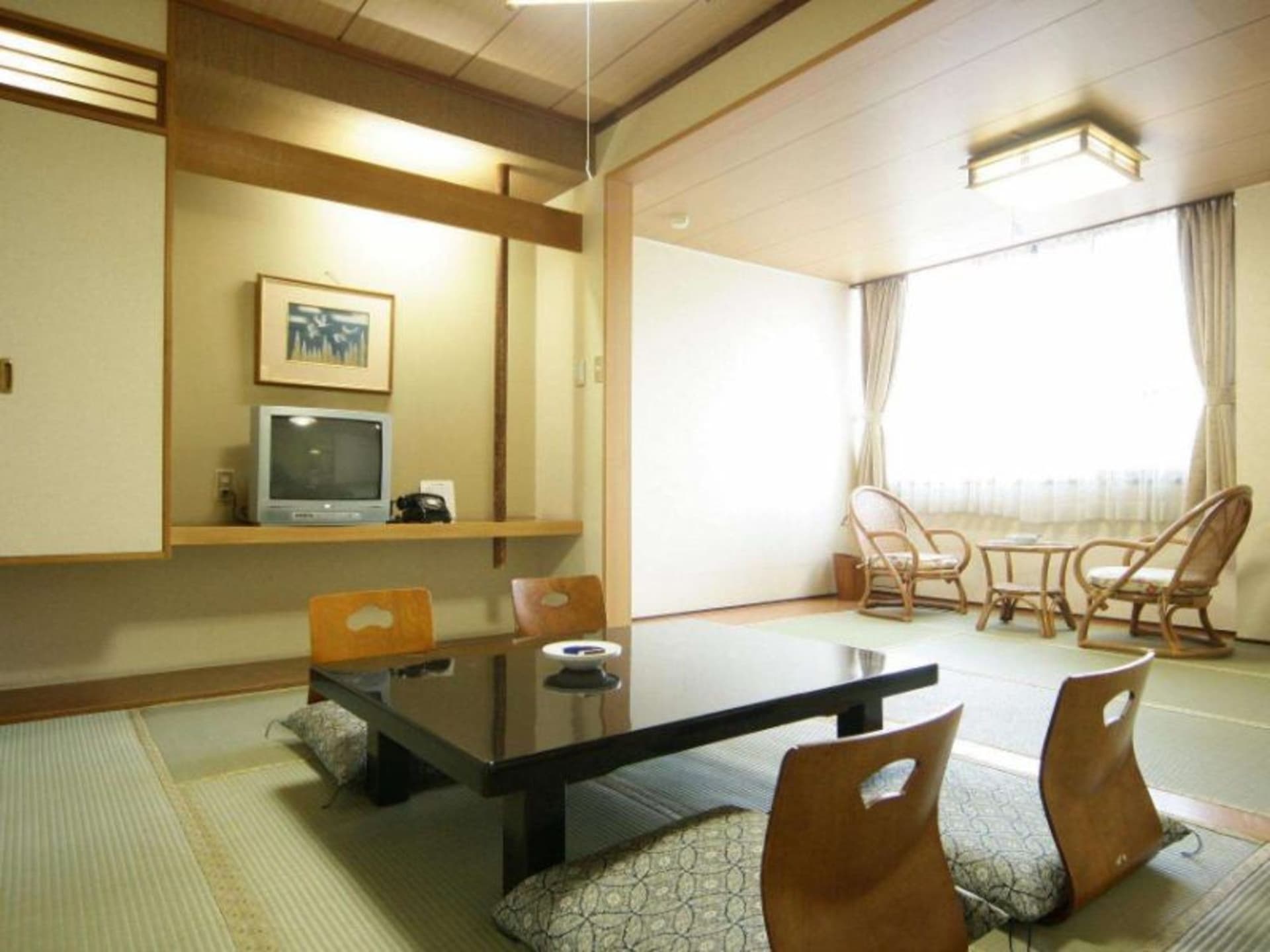
Japan’s cultural heritage is beautifully reflected in its onsen (natural hot springs) and ryokans. Staying in a ryokan offers an immersive experience, with tatami-mat rooms, traditional décor, and access to communal or private hot spring baths. Onsens are an important part of Japanese culture, valued for relaxation, healing, and their historical significance.
Please note that:
- Ryokan rooms often do not have en suite showers or baths. Even in upscale properties, many rooms include only a toilet, with guests expected to use the communal onsen bathing facilities.
- Double beds are limited in many Japanese hotels. When double rooms are requested, we may only be able to secure twin rooms depending on availability.
Ryokans and onsens add a unique and memorable cultural dimension to your trip, offering an authentic and restorative Japanese experience.
Yes, please communicate your dietary preferences to your trip leader and they'll ensure that the food you eat is as per your requirements.
Yes — we do our best to support all dietary requirements. However, please note that vegan and gluten-free options can be limited in certain regions of Japan, especially in smaller towns. We will make every effort to cater to your needs, but we strongly recommend bringing a few essential vegan or gluten-free staples as a backup.
At the start of your trip, please inform your guide of your dietary preferences. They will be happy to help you identify suitable meals and assist in sourcing appropriate supplies from local grocery stores in larger towns whenever possible.
Most of this trip is on double-lane paved tarmac roads with very less traffic.
We've designed this itinerary such that most of the cycling happens on quieter countryside roads far from busy traffic. The shuttle transfers on this tour have been strategically planned to bypass busy vehicular traffic.
While your tour price covers most common expenses, a few meals not included in the itinerary may require additional spending. As a general guideline, you can budget approximately US $25 per person per day for these extra expenditures.
Tips are not included in your tour price.
As a general rule, you may tip US$ 15-25 per person per day.
This figure is for the entire crew including the trip leader, the driver, and other support staff.
However, you are not obligated to tip, and you can always tip less or more than the above amount depending on the level of service you received on tour.
It is usually the norm to tip the tour guide, who then distributes the amount among the entire crew. However, you can also tip each individual member of the crew if you so desire.
In case you want to tip the staff at a hotel such as porters, you may pay them US $2-3 per day.
You can exchange currency at the currency exchange kiosks in Japanese airports, or you can use your credit card at ATMs at convenience stores such as 7/11 in major Japanese cities to withdraw JPY. Many Japanese commercial establishments still prefer cash, so its good to have some local currency with you when cycling in Japan.
Yes, you may wear riding shorts while riding your bike. When not cycling, it would be advisable to wear comfortable full-length pants. We recommend keeping a pair of comfortable pants handy in you support van.
When visiting temples and monuments, visitors should wear full-length, loose-fitting pants. Holy places of certain religions may also require covering your head. Your guide will inform of the dress etiquette required for visiting specific religious places.
The meeting time on Day 1 is mentioned in your travel planner shared with you. You can arrive either on the morning of Day 1 depending on the meeting time, or book a pre-tour night to arrive a day earlier.
We don't have anything planned for the last day, so you are free to depart at your discretion.
Reviews from our friends
You may also like

Guided Bhutan's Himalayan Heritage Trail Hiking and Walking Tour
13 Daysfrom$4,695/person

Guided Michinoku Coastal Trail Hiking and Walking Tour
8 daysfrom$3,995/person

Guided Temples and Trails of Shikoku Hiking and Walking Tour
11 Daysfrom$6,995/person