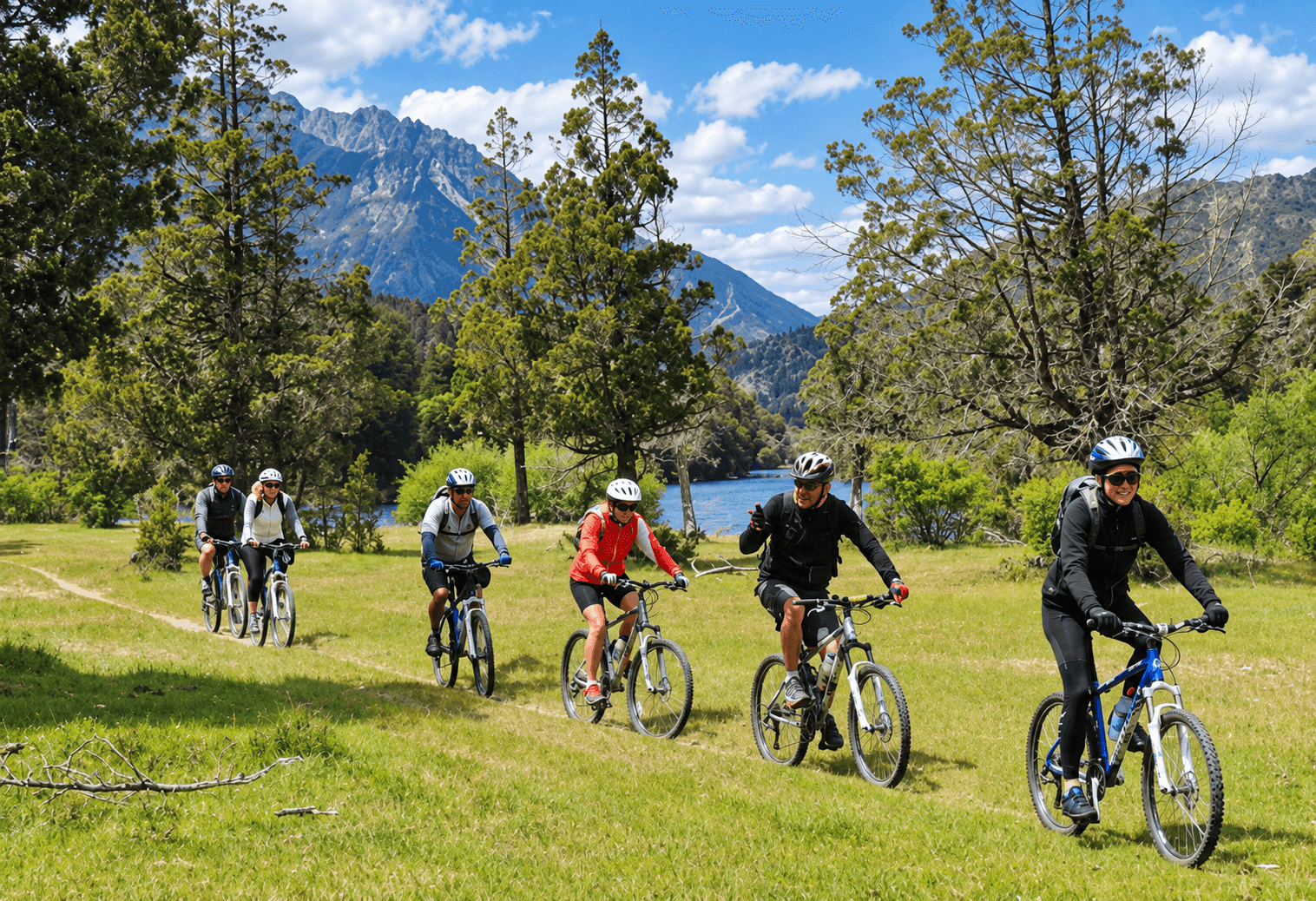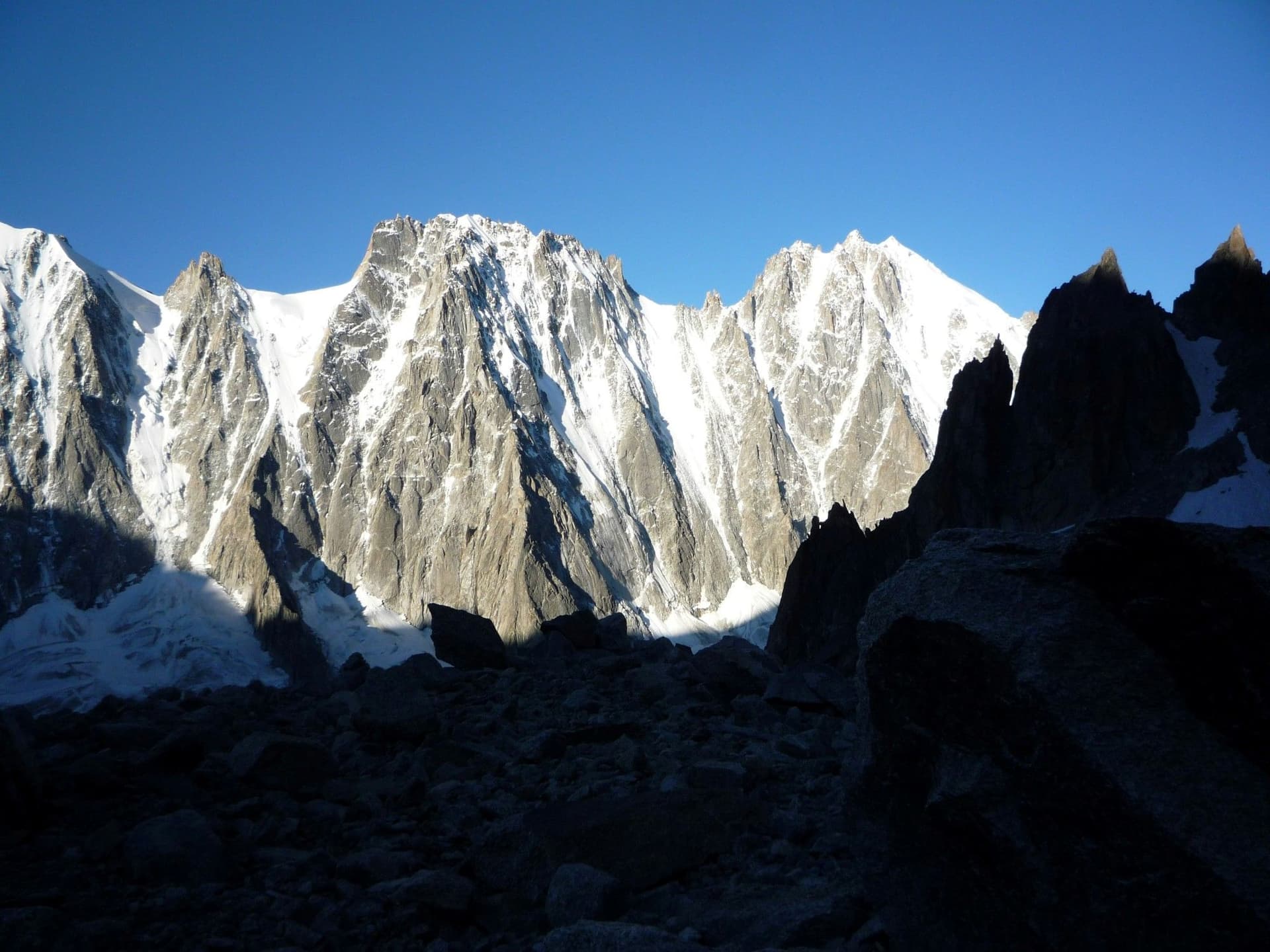
Argentina is the eighth largest country in the world by land area, covering 2.78 million square kilometers (1.07 million square miles). It spans 23 provinces, shares its longest border with Chile along the spine of the Andes, and contains some of the most climatically diverse terrain on the continent. The country's population of approximately 46 million is heavily concentrated in Buenos Aires and a handful of other urban centers, which means that large swaths of the interior and south remain genuinely remote. For cyclists, that remoteness is both the attraction and the primary logistical challenge.
The cultural identity of Argentina does not center on cycling in the way that Belgium's does, or as a civic infrastructure system the way Japan's cycling culture operates. Cycling Argentina is instead shaped by the country's gaucho heritage: the tradition of covering vast distances on horseback across open pampas and mountain plateaus, which has evolved into a form of long-distance endurance travel that now finds its expression on two wheels. Long-haul cyclists traversing Ruta 40 are treated with the same quiet respect given to pilgrims and long-distance travelers throughout South American culture. Locals at remote roadhouses will offer a meal, a place to pitch a tent, and advice about road conditions ahead without being asked.
Argentina cycling gained a specific cultural reference point in 1952 when a 23-year-old medical student named Ernesto Guevara set off northward through Patagonia on a motorcycle with his friend Alberto Granado. The journey, documented in Guevara's Motorcycle Diaries, traced a route through much of what is now the core of Argentina's cycle touring circuit. The landscape Guevara described: the steppe, the wind, the hospitality of poor families in remote areas, and the political awakening that came with seeing the continent at close range, remains strikingly recognizable to cyclists today. Argentina cycling carries that weight of encounter.
Explore our amazing bike tours in Argentina now !
The provinces of Salta, Jujuy, Tucuman, and Catamarca form the cycling Argentina northwest, a region of extraordinary color and altitude. Riders here move between canyon systems cut by ancient rivers, high-altitude deserts called punas, and the salt flats of the Atacama fringe. Elevations range from around 1,000 m (3,280 ft) in the valley floors to over 4,000 m (13,123 ft) on the high passes, with Abra del Acay on Ruta 40 reaching 5,000 m (16,404 ft), the route's highest point. Road surfaces vary from sealed provincial highways to unsealed ripio gravel. The canyon road through Quebrada de Humahuaca, a UNESCO World Heritage Site, is sealed and well-maintained. The Calchaqui Valley roads connecting Cafayate to Cachi are largely sealed with gravel sections. Fitness requirements are significant given the altitude, and acclimatization of several days in Salta or Jujuy is advisable before attempting any high-altitude passes.
The Mendoza region offers the most accessible cycling Argentina experience for riders who want Andean scenery without extreme altitude or technical terrain. The city of Mendoza sits at 750 m (2,460 ft), and the surrounding wine regions of Lujan de Cuyo, Maipu, and Valle de Uco lie between 900 m (2,953 ft) and 1,200 m (3,937 ft). Roads through the vineyards are sealed, relatively flat, and designed for low-speed travel, making them ideal for any fitness level. Moving west toward the Andes, the terrain steepens quickly. The road through the Uspallata Valley and up to the Chilean border at Paso Los Libertadores climbs to 3,200 m (10,499 ft) and offers views of Aconcagua, the highest peak in the Americas at 6,961 m (22,838 ft). The cycling in this region rewards both the casual wine-country rider and the serious climber looking for Andean passes.
The Argentine Lakes District, centered on Bariloche and San Martin de los Andes in Neuquen and Rio Negro provinces, is the most internationally recognized cycling Argentina region. The landscape here is defined by glacier-carved lakes, dense forests of coihue beech and alerce cypress, and volcanic peaks. Nahuel Huapi Lake, at 531 sq km (205 sq mi), is the visual anchor of the region. Road surfaces range from fully sealed to dirt and gravel, with the famous Seven Lakes Road (Ruta de los Siete Lagos) offering approximately 110 kms (68 mi) of mixed surface through some of the most varied lake and forest scenery in South America. Elevations are modest compared to the northwest, rarely exceeding 1,200 m (3,937 ft), making this the most suitable cycling Argentina region for riders without high-altitude experience.
South of Bariloche, cycling Argentina enters its most demanding and most legendary phase. The Patagonian steppe is a semi-arid plateau swept by westerly winds that can sustain 60 to 80 km/h (37 to 50 mph) gusts for days at a time. Services are sparse: between El Bolson and El Calafate, a distance of roughly 1,400 kms (870 mi), the number of towns with reliable food and accommodation can be counted on two hands. The payoff is a landscape of startling spatial generosity: the sky is enormous, the distances are real, and the encounters with Andean condors, guanacos, and the granite towers of Los Glaciares National Park carry a weight that more trafficked destinations cannot match. Ruta 40 through this region is a mix of sealed and gravel road depending on the section; the notorious ripio sections between Perito Moreno and El Chalten are increasingly paved but some gravel remains.
No route in South America carries the mythology of Ruta 40. At 5,224 kms (3,246 mi), it is the longest road in Argentina and one of the longest in the world, running parallel to the Andes from Cabo Virgenes near Rio Gallegos in Patagonia all the way to La Quiaca on the Bolivian border in Jujuy. Construction began in 1935. The road crosses 11 provinces, 27 Andean passes, and 20 national parks. Its highest point reaches 5,000 m (16,404 ft) at Abra del Acay; its lowest is 39 m (128 ft) above sea level near the Patagonian coast. Cycling the full length takes most riders six to ten weeks depending on pace and the sections chosen.
Distance: approximately 480 kms (298 mi) | Terrain: High-altitude desert and canyon | Duration: 6 to 8 days | Difficulty: Hard The northern end of Ruta 40 begins at La Quiaca on the Bolivian border at 3,462 m (11,358 ft) and descends through the altiplano into Salta at 1,187 m (3,894 ft). The road passes through Humahuaca, a colonial town in the Quebrada de Humahuaca canyon whose multicolored geological walls shift from ochre to rust to violet across the day. The town of Tilcara lies 23 kms (14 mi) south of Humahuaca and offers the best services in the canyon: accommodation, food, and bike repair infrastructure. The descent from high plateau to subtropical valley floor through Jujuy province is one of the most dramatic elevation transitions on the entire route, dropping over 2,000 m (6,562 ft) in a relatively short distance.
Distance: approximately 200 kms (124 mi) | Terrain: Canyon road, sealed | Duration: 2 to 3 days | Difficulty: Moderate This is among the most visually concentrated sections of Ruta 40 and the wider Argentina cycling circuit. The road from Salta south to Cafayate follows Ruta 68 through the Quebrada de las Conchas, a canyon system where the rock has been carved into formations named for their shapes: the Garganta del Diablo (Devil's Throat), the Ventana (Window), the Fraile (Friar), and the Anfiteatro (Amphitheater). The walls are banded in shades of red, ochre, pink, and gray from different geological epochs. Cafayate at the southern end is Argentina's second major wine region, producing the aromatic white Torrontes grape at altitudes between 1,500 m (4,921 ft) and 2,200 m (7,218 ft). The cycling through the vineyards around town is relaxed and flat.
Distance: approximately 1,100 kms (683 mi) | Terrain: Mixed sealed and ripio | Duration: 14 to 18 days | Difficulty: Hard This central section is the longest continuous stretch of Ruta 40 cycling and takes riders through Mendoza's wine country, across the dry steppe of Neuquen province, and down into the forested lake country around Bariloche. The section from Malargue south through Chos Malal to Zapala is remote and demanding, with long gaps between services and prevailing westerly winds. Near the village of Piedra del Aguila, the road crosses a dam on the Rio Limay where Andean condors are regularly observed riding thermals. From Zapala south, the scenery gradually shifts from steppe to the first forests of the lake district. Riders reaching Bariloche from this direction have typically covered 2,500 to 3,000 kms (1,553 to 1,864 mi) of Ruta 40 from the northern sections.
Distance: approximately 1,400 kms (870 mi) | Terrain: Mostly sealed with gravel sections | Duration: 18 to 25 days | Difficulty: Very Hard The southern Patagonian section of Ruta 40 is the most demanding and the most mythologized. From Bariloche, the road passes through El Bolson and Esquel before crossing into the vast, near-empty steppe beyond. The town of Perito Moreno (not to be confused with the glacier 600 kms/373 mi to the south) serves as a crucial supply point roughly halfway through. The Cueva de las Manos, a cave containing 9,000-year-old hand stencil paintings, lies 44 kms (27 mi) off the highway near Bajo Caracoles and is one of the most significant detours on the route. From Los Glaciares National Park, a sealed side road leads to El Chalten and its views of Cerro Fitz Roy (3,405 m/11,171 ft). El Calafate sits at the southern edge of the cycling zone, with the Perito Moreno Glacier a 78 km (48 mi) detour. Westerly winds on this section are the route's defining challenge: most cyclists travel northward or learn to plan stages around the prevailing wind direction.
Distance: 110 kms (68 mi) | Terrain: Mixed sealed and gravel | Duration: 2 to 3 days | Difficulty: Moderate The Seven Lakes Road runs from Villa La Angostura north to San Martin de los Andes, passing alongside Lago Nahuel Huapi, Lago Espejo, Lago Correntoso, Lago Villarino, Lago Falkner, Lago Hermoso, and Lago Machonica. The route lies within Lanin National Park for much of its length and passes through Mapuche indigenous communities whose history in the region predates Spanish colonization. The road surface includes both sealed sections and a central gravel stretch that requires a mountain or gravel bike. The route is typically cycled from south to north to take advantage of the gradient on the gravel section. Services including basic accommodation and food are available at Villa Traful and Confluencia. The cycling here rewards those who take their time: the light on the lake surfaces in early morning is extraordinary, and the araucaria forests on the approach to San Martin are unlike anything else in the region.
Distance: 160 kms (99 mi) round trip from Jujuy | Terrain: Sealed canyon road | Duration: 3 to 4 days | Difficulty: Moderate to Hard The Quebrada de Humahuaca is a 155 km (96 mi) canyon in Jujuy province, listed as a UNESCO World Heritage Site in 2003 for its pre-Columbian archaeological remains and centuries of human habitation. Cycling Argentina's northwest in this canyon means riding between walls that change color as the sun moves: pale yellow at dawn, rust and terracotta at midday, deep violet in the evening. Key stops include Tilcara with its reconstructed pre-Inca Pucara fortress, Humahuaca with its monumental Independencia monument, and Iruya, a remote village 60 kms (37 mi) off the main canyon on an unsealed road that climbs over a 3,800 m (12,467 ft) pass. Altitude affects riders significantly above 3,000 m (9,843 ft), and the first two or three days in the region should be treated as acclimatization time.
Distance: 60 to 90 kms (37 to 56 mi) depending on route | Terrain: Sealed flat roads through vineyards | Duration: 1 to 2 days | Difficulty: Easy The cycling in Mendoza's wine districts of Maipu and Lujan de Cuyo is among the most accessible in Argentina. The flat, tree-lined roads through the vineyards are well-suited to leisure pace riding, and the distances between estates are short enough to allow multiple stops in a single day. Cyclists can move between vineyards producing Malbec, Cabernet Sauvignon, and Torrontes, with the Andes forming a continuous western backdrop. A more demanding version of the route extends south into Valle de Uco, where altitudes rise to 1,200 m (3,937 ft) and the vineyards are set against closer and more dramatic mountain views. The cycling through Valle de Uco covers approximately 60 kms (37 mi) of sealed road with rolling terrain and limited traffic.
Distance: 295 kms (183 mi) | Terrain: Mixed sealed and unsealed | Duration: 4 to 5 days | Difficulty: Hard This route descends from the colonial city of Salta through the Calchaqui Valley wine region around Cafayate and continues south and east to Tucuman, dropping from Andean altitude into subtropical valleys. The section from Salta to Cafayate passes through the Quebrada de las Conchas as described in the Ruta 40 stages. Beyond Cafayate, the road winds through indigenous communities in the valley towns of Molinos, Cachi, and Payogasta before rejoining sealed roads toward Tucuman. The descent from Cachi southeast toward Rosario de la Frontera is one of the most sustained descents in the region, dropping approximately 2,500 m (8,202 ft) over 60 kms (37 mi). The cycling on this route combines wine country, canyon riding, and subtropical forest in a single itinerary.
Distance: Variable; typical Argentine section 400 to 600 kms (249 to 373 mi) | Terrain: Gravel and dirt | Duration: 7 to 12 days | Difficulty: Very Hard The Carretera Austral is primarily a Chilean route, but its northern approaches and several key crossing points bring it into regular contact with Argentine Patagonia. Cyclists typically begin in Bariloche or Puerto Montt and cross the Andes multiple times using lake ferry crossings and mountain passes. The Argentine entry points at Paso Roballos, Paso Las Pampas, and Villa O'Higgins all connect to Ruta 40 on the eastern side. This cross-border circuit is most appropriate for riders with extensive bikepacking experience, given the distance between services, the prevalence of mud and river crossings, and the extreme weather variability in this latitude range.
The northwest is the most culturally layered cycling Argentina region. Salta city, at 1,187 m (3,894 ft), is the main gateway and a functioning colonial city with a lively food and music culture that provides an excellent base for rides into the surrounding canyons and valleys. The cycling out of Salta includes the Quebrada de las Conchas to Cafayate (roughly 200 kms/124 mi), the high-altitude road to Cachi via the Cuesta del Obispo (a 50 km/31 mi ascent to 3,350 m/10,991 ft), and the full Calchaqui Valley circuit. Jujuy, 65 kms (40 mi) north of Salta, is the better base for the Quebrada de Humahuaca canyon. The northwest rewards cyclists who move slowly: the Andean communities along these routes, including Tilcara, Humahuaca, Purmamarca, and Cachi, have a depth of pre-Columbian and colonial history that repays time spent on foot as well as in the saddle. Suitable for: intermediate to advanced cyclists willing to manage altitude, with a preference for cultural and geological landscapes over raw speed.
Mendoza is Argentina's cycling wine capital. The city is well-connected to Buenos Aires by a 1,000 km (621 mi) highway and direct flights, and the surrounding wine districts are an easy 20 to 40 km (12 to 25 mi) ride from the city center. The cycling here suits riders who want to combine good roads, low altitude, and excellent food and wine infrastructure with the option of more demanding Andean riding on days with more energy. The western approaches toward Potrerillos, Uspallata, and eventually Paso Los Libertadores offer increasing difficulty for those who want it. Mendoza is also the northern anchor for serious Ruta 40 undertakings heading south. The city has a growing urban cycling culture, and the network of bodegas (wineries) open to cyclists is extensive. Suitable for: all fitness levels, from leisure riders exploring vineyards to serious climbers targeting Andean passes.
San Carlos de Bariloche, on the southern shore of Nahuel Huapi Lake, is Argentina's most developed cycling hub in terms of bike infrastructure, trail networks, and tour infrastructure. The city has an established mountain biking community alongside the cycle touring scene. The Seven Lakes Road north to San Martin de los Andes is the signature multi-day route. Shorter day rides from Bariloche include the circuit around Lago Gutierrez and Lago Mascardi (60 kms/37 mi with 1,500 m/4,921 ft of ascent), the road to Cerro Tronador (60 kms/37 mi each way on a sealed road ending at a hanging glacier), and the Circuito Chico around the western lakeshore (50 kms/31 mi, mostly sealed). The city also serves as the northern jumping-off point for the long southern Patagonia traverse on Ruta 40. Suitable for: all cycling styles, from mountain bikers on technical trails to tourers setting off on multi-week Patagonian adventures.
El Chalten is the trekking capital of Argentine Patagonia, but the road cycling in and around the park is exceptional. The sealed road from Ruta 40 into El Chalten (28 kms/17 mi) delivers views of Cerro Fitz Roy (3,405 m/11,171 ft) and Cerro Torre (3,128 m/10,262 ft), two of the most recognized granite formations in the world. The road across the floodplain on the approach is often contested by strong westerly winds. The cycling around El Calafate to the south, where most visitors access the Perito Moreno Glacier, involves 78 kms (48 mi) of sealed road to the glacier viewpoint. For serious cyclists, the remote riding on Ruta 40 between El Chalten and Perito Moreno town (approximately 340 kms/211 mi) represents the most isolated sustained section of the route. Suitable for: intermediate to advanced cyclists with self-sufficiency skills; unsuitable for those unprepared for multi-day gaps in services.
Cafayate in Salta province is the smaller, higher-altitude answer to Mendoza for cycling Argentina wine country. The vineyards here sit at 1,600 to 2,200 m (5,249 to 7,218 ft), making them among the highest wine-producing areas in the world. The Torrontes grape, a fragrant white varietal unique to northwest Argentina, thrives in this altitude and dry heat. The cycling through the Cafayate valley is flat and relaxed, with vineyard roads connecting estates across a relatively compact area. The approach from the north via Quebrada de las Conchas is one of the most beautiful canyon descents in South America. Cyclists can combine vineyard riding with the canyon road for a two to three day circuit that is difficult to match anywhere in the country. Suitable for: all fitness levels for the valley riding; moderate fitness required for the canyon approach.
Most Argentina cycling itineraries focus on the Andes and the lakes, but Peninsula Valdes on the Atlantic coast of Patagonia offers a genuinely different kind of cycling: flat coastal roads through steppe and saltflat, with the primary attraction being wildlife rather than mountains. The peninsula, a UNESCO World Heritage Site, is home to southern right whales (June to December), Magellanic penguins, elephant seals, sea lions, and orca that hunt sea lions in the surf. The cycling from Puerto Madryn to the peninsula and around its shores covers approximately 200 to 300 kms (124 to 186 mi) of sealed and unsealed road. There are no significant climbs. The attraction is entirely the open space, the wildlife, and the quality of light on the Atlantic coast. Suitable for: all fitness levels with an interest in wildlife and open-road cycling; not suitable for those seeking elevation or technical terrain.
The northwest has a defined wet and dry season. The rainy season runs from November through March, when afternoon thunderstorms and flash floods can make unsealed roads impassable and turn canyon roads dangerous. The dry season from April through November is the clear window for cycling Argentina's northwest. April through June brings mild temperatures of 15 to 22 degrees C (59 to 72 degrees F) in the valleys, cooler nights at altitude, and post-harvest color in the Cafayate vineyards. September and October see wildflowers in the quebrada (canyon) valleys and the best visibility on the high passes before summer heat builds. July and August are the coldest months in the high-altitude sections, with nights below freezing above 3,000 m (9,843 ft), but days are clear and the canyon walls catch the low winter sun at particularly dramatic angles. The harvest festival in Cafayate (Fiesta de la Vendimia) takes place in late February or early March, attracting wine tourists but also coinciding with the end of the monsoon period: the roads begin to dry out during this period but can still be unpredictable.
Mendoza cycling follows a Mediterranean rhythm: hot, dry summers from December through February (temperatures reaching 35 degrees C/95 degrees F in January), mild springs and autumns, and cool but rideable winters. The harvest (vendimia) runs through March, when the vineyards are at maximum color and the bodegas are pressed and open for visits. March through May is the most atmospheric time for cycling Argentina's wine country: the air is clear, the temperatures sit between 18 and 25 degrees C (64 and 77 degrees F), and the crowds from summer are gone. September through November brings spring green to the vineyards and is the second optimal window. The National Harvest Festival (Fiesta Nacional de la Vendimia) in early March is a week of parades, music, and wine celebration in Mendoza city, and worth planning around for the cultural experience, though accommodation fills up and prices rise.
The Lakes District around Bariloche has a mountain climate heavily influenced by Atlantic moisture sweeping in from the west. November through March is the Southern Hemisphere summer, with temperatures between 15 and 28 degrees C (59 and 82 degrees F) and the longest daylight hours: up to 16 hours in December and January, which matters considerably on multi-day cycling routes. January and February are the busiest months for Argentine domestic tourism, and accommodation on the Seven Lakes Road and in popular towns fills early. December and March offer the best balance of good weather, manageable crowds, and reasonable prices. The shoulder months of November and April are increasingly popular for cycling Argentina's lakes region: November brings the first Andean wildflowers and fall in April covers the forests in deep copper and amber before snowfall closes the higher passes. Winter cycling in the Lakes District is possible but cold, with snow on higher routes from June through September.
Southern Patagonia has a narrow cycling window. The period from November through March represents the only genuinely viable time for the remote sections of Ruta 40 south of Bariloche. Summer temperatures range from 10 to 20 degrees C (50 to 68 degrees F), but the defining feature of Patagonian cycling is not heat or cold: it is wind. The westerly winds are strongest in December through February, often gusting above 80 km/h (50 mph) for multiple days at a time. Many experienced cyclists time their southern Patagonia rides for November and March specifically to avoid the peak wind months of high summer. The trade-off is shorter days and slightly greater chance of rain. January brings the best infrastructure conditions: most roadhouses and basic services are open, fuel is available, and other cyclists on the route create an informal community of mutual support. Going northward on Ruta 40 south of Bariloche is the conventional wisdom, as it puts the predominant westerly wind at a cross-wind rather than headwind angle.
The Andean condor (Vultur gryphus) is the largest flying bird in the world by combined wingspan and weight, with a wingspan reaching 3.3 m (10.8 ft). Cycling Argentina's Andean routes brings regular condor encounters, particularly in the northwest provinces and in Mendoza near the high passes. Condors ride thermals created by the heated canyon walls of the Quebrada de las Conchas and along the Mendoza River valley. Riders approaching the Cuesta del Obispo between Salta and Cachi often see four to six birds circling the pass simultaneously. In Patagonia, the area around Piedra del Aguila on Ruta 40 is a consistent condor sighting location, as is the approach to El Chalten from the east. Morning hours when thermals are building offer the most reliable views.
The guanaco (Lama guanicoe), a wild ancestor of the domestic llama, is the most commonly encountered large mammal on cycling Argentina's Patagonian routes. Herds of 10 to 50 animals are a regular feature of Ruta 40 through Santa Cruz province, where the steppe supports large populations. Guanacos are distinctively copper-colored with white undersides and dark gray faces. They move away from approaching cyclists but do not panic at distance, making them easier to observe and photograph than many large mammals. In the northwest, vicunas (Vicugna vicugna), a smaller and wilder relative with a more refined golden-brown coat, are seen above 3,500 m (11,483 ft) on the Bolivian altiplano approaches of Jujuy province.
Cycling Argentina's Atlantic coast routes, particularly on Peninsula Valdes in Chubut province, offer wildlife encounters with no Andean equivalent. The Magellanic penguin colony at Punta Tombo, 180 kms (112 mi) south of Puerto Madryn, is one of the largest penguin colonies on the South American continent, with up to one million birds present between September and March. Southern right whales arrive in Peninsula Valdes from June through December to breed in the protected bay. Orca behavior at Punta Norte, where pods beach themselves temporarily to capture sea lions, occurs in the austral autumn from March through April. Elephant seals at Punta Delgada and Punta Cantor haul out through much of the year. None of these encounters requires any specialized equipment beyond the willingness to spend time on the Atlantic coastal roads.
The araucaria or monkey puzzle tree (Araucaria araucana), the sacred tree of the Mapuche people, grows throughout the Neuquen province and into the Lanin National Park area north of Bariloche. These ancient conifers can live 1,000 years and reach 40 m (131 ft) in height, forming open parkland forests on volcanic soils at 900 to 1,700 m (2,953 to 5,577 ft). Cycling through the araucaria zone on the approaches to Lanin Volcano (3,776 m/12,388 ft) near Junin de los Andes is visually distinctive: the silhouettes of the trees against open sky give the landscape a prehistoric quality. In the high-altitude wetlands (bofedales) of the northwest near the Bolivian border, polylepis woodlands and ichu grass meadows support Andean flamingos at salt lakes including Laguna de Pozuelos. The deep red and orange beech forests (lenga) of the southern Andes turn in March and April before leaf-fall, making autumn the most visually dramatic season for cycling Argentina's lake country.
Dive into our curated Argentina cycling adventures today!
Argentina's relationship with cycling is shaped less by racing tradition than by the culture of the long journey across difficult terrain. Belgium has its Flandrien ethos rooted in cobblestoned suffering; Argentina has something older and less codified: the tradition of crossing the continent by whatever means are available, with the understanding that the journey itself is the point. The country's cycling identity draws from gaucho culture, from the literary tradition of Patagonian travel writing, and from a particular Argentine sensibility that treats self-reliance in remote places as a form of honor.
The Vuelta a San Juan, a professional road cycling stage race held in January or February in San Juan province, is Argentina's highest-level domestic cycling event and has UCI 2.1 classification. It regularly attracts international teams and has featured riders such as Alejandro Valverde, Peter Sagan, and Egan Bernal. The race runs through the Andean foothills north of Mendoza with stages finishing in the mountains. For cycling Argentina enthusiasts visiting during this window, the race stages provide a concentrated viewing experience of high-level road cycling against a dramatic Andean backdrop. San Juan city is 180 kms (112 mi) north of Mendoza on Ruta 40.
The gaucho identity, centered on horsemanship, endurance, and a specific code of hospitality toward travelers, translates directly into how cyclists are received on remote Patagonian routes. Estancias (ranches) and roadhouses (puestos) that see fewer than ten vehicles in a day will routinely offer a hot meal and a corner of the floor to solo cyclists without expectation of payment. This is not organized charity but an extension of the ancient Andean principle of ayni (reciprocal exchange) and the gaucho tradition of receiving strangers at the gate. Cyclists on remote sections of Ruta 40 operate within this social contract: accepted as a particular kind of traveler, not as a tourist.
Buenos Aires's cycling culture is a different register entirely. The city has invested heavily in ciclovias (dedicated cycle lanes) since the mid-2000s, and the network now covers over 200 kms (124 mi) of designated lanes through the city's barrios. The Reserva Ecologica Costanera Sur, a reclaimed ecological reserve on the Rio de la Plata waterfront, provides a car-free cycling circuit within cycling distance of the city center. Sunday mornings in Palermo see the major boulevards closed to vehicles and given over to cyclists, joggers, and families. Buenos Aires cycling is urban and social in character, oriented toward the city's parks and waterfront rather than the Andean adventure that defines the rest of the country.
Get started with your Cycling adventure now!
Asado is not simply a cooking method: it is the organizing social occasion of Argentine life, and cyclists who time their arrivals at towns and estancias around the Sunday asado will find that everything else in Argentina makes a certain cultural sense afterward. The grill (parrilla) is set over hardwood embers, never direct flame, and the cooking is slow, typically two to three hours from fire-lighting to the first plate. The sequence is fixed: provoleta (a disc of provolone-style cheese grilled until the edges caramelize) and chorizo sausage come first; then ribs, flank steak (vacio), sweetbreads (mollejas), and blood sausage (morcilla). Chimichurri, made from parsley, garlic, oregano, red wine vinegar, and olive oil, is the only condiment permitted on a serious asado. For cyclists, the caloric density of an Argentine asado provides recovery nutrition in a form that no energy gel or protein shake can approximate. Arriving at a town on a Sunday evening with 150 kms (93 mi) in the legs and finding an asado in progress is among the defining experiences of cycling Argentina.
Empanadas are the ideal cycling food of Argentina: portable, dense with protein and fat, and available in virtually every town along Ruta 40 and the northwest circuits. The pastry case is made from lard-enriched wheat dough, baked or fried, and the fillings vary dramatically by region. Salta province empanadas are made with beef, hard-boiled egg, spring onion, cumin, and paprika, and are among the most highly regarded in the country. Tucuman empanadas are smaller, spicier, and fried rather than baked. Jujuy fills them with llama meat in some traditional recipes. Mendoza produces both beef empanadas and a version with ham and cheese. The northwest variety of corn empanada (humita en chala) wraps fresh corn paste and cheese in a corn husk and steams it, offering a different texture and a clean, sweet flavor. Any cyclists building a daily food strategy for remote sections of Ruta 40 will eat empanadas for breakfast, lunch, and road snacks with no sense of repetition.
Locro is the canonical cold-weather food of northwest Argentina, a thick stew of white corn (mote), white beans, pumpkin, potatoes, chorizo, pork, and morcilla that has been eaten in the Andean highlands since pre-Columbian times. The stew simmers for three to four hours until the corn breaks down into a porridge-like base and the fat from the sausages emulsifies into the broth. It is eaten on Argentina's national holidays (May 25 and July 9) and throughout the winter months in the northwest. For cyclists arriving cold from a high-altitude pass into Tilcara or Humahuaca in July or August, a bowl of locro functions as both sustenance and a concentrated form of welcome. The dish is not commonly found in Buenos Aires restaurants or in Patagonia; it belongs specifically to the Andean northwest and the cultural geography of that region.
Argentina is the world's fifth largest wine producer, and Malbec, a grape transplanted from Cahors in France in the mid-19th century, has found in the Mendoza altitude and dry heat its most celebrated expression. Argentine Malbec at 800 to 1,000 m (2,625 to 3,281 ft) in Lujan de Cuyo produces wines of deep color, plum and dark cherry fruit, and a roundness that has made them internationally recognizable. At the higher altitudes of Valle de Uco (1,000 to 1,500 m/3,281 to 4,921 ft), the wines become more precise and structured, with added acidity from the greater temperature variation. Cafayate's Torrontes, grown at 1,600 to 2,200 m (5,249 to 7,218 ft) in Salta province, is the most distinctive white varietal in the country: aromatic with jasmine, peach, and rose petal, and crisp rather than heavy on the palate. Cyclists moving between Mendoza and Cafayate are cycling through two of South America's most significant wine regions within a single itinerary.
Mate (pronounced mah-teh) is the social drink of Argentina and one of the central rituals of daily life. The dried and ground leaves of the yerba mate plant (Ilex paraguariensis) are packed into a gourd (also called a mate), covered with hot water just below boiling (75 to 80 degrees C/167 to 176 degrees F), and drunk through a metal straw (bombilla) that filters the leaves. The gourd is passed among a group and each person drinks it to empty before it is refilled. Mate contains caffeine and theophylline, making it an effective pre-ride stimulant, and the ritual of preparation and sharing means that accepting mate from a local at a roadside stop is a specific social act, not just hydration. Cyclists on Ruta 40 carrying a mate kit are immediately identified as serious travelers by locals. The slightly bitter, herbaceous flavor is an acquired taste, but one that becomes integral to the experience of cycling Argentina over time. A good thermos of hot water is as essential as the mate itself.
In Patagonia, the asado continues but the proteins shift. Patagonian lamb (cordero patagonico) is the premier meat of the far south: animals raised on the open steppe browse on native grasses and herbs that give the meat a delicate gaminess absent from grain-finished lamb. The traditional preparation is asado al palo, in which the whole lamb is butterflied and splayed over a cross-shaped metal stake in front of an open fire, rotating slowly over two to three hours. This preparation is common at estancias and at restaurants in El Calafate and Bariloche. The rivers and lakes of Patagonia also support introduced populations of brown trout and rainbow trout that were stocked in the early 20th century by European and North American fishing enthusiasts. Freshly grilled lake trout is available in almost every restaurant in the Lakes District and is among the best casual meals that cycling Argentina in the south can provide.
The physical demands of cycling Argentina vary enormously by region. The Mendoza wine country routes require nothing more than basic road fitness and the ability to handle 50 to 80 kms (31 to 50 mi) per day on flat terrain. The Patagonian sections of Ruta 40 are a different proposition: riders attempting the southern traverse should arrive with a base of sustained endurance riding, the ability to manage days of 80 to 120 kms (50 to 75 mi) with significant wind resistance, and the psychological preparation for isolation and unchanging landscape over extended periods. High-altitude riding in the northwest requires acclimatization; symptoms of altitude sickness including headache, nausea, and fatigue typically appear above 3,000 m (9,843 ft). Most physicians recommend spending two to three days at moderate altitude (2,000 to 2,500 m/6,562 to 8,202 ft) before attempting passes above 4,000 m (13,123 ft). Any rider who experiences significant altitude sickness symptoms should descend immediately and rest before continuing.
The wide variety of road surfaces on Argentina cycling routes means that a single bike type cannot cover every terrain. For riders focusing on the wine country of Mendoza or the northwest canyon roads, a road bike with 28 to 32 mm tires is adequate on the sealed sections, though the unsealed connections require wider clearance. For Ruta 40 through Patagonia and the southern steppe, a touring or gravel bike with 38 to 50 mm tires is the minimum recommendation: the ripio gravel sections, which can extend for 100 kms (62 mi) or more in some parts, will damage narrower tires and compromise handling in crosswinds. Mountain bikes are appropriate for the Seven Lakes Road and any of the technical trail circuits around Bariloche.
Bikepacking setups with frame bags and handlebar rolls are more popular than traditional panniers among modern Ruta 40 cyclists, as lower center of gravity improves handling on loose surfaces and in crosswinds. Whatever bike is chosen, hydraulic disc brakes are strongly recommended for the sustained descents from Andean passes, where rim brakes overheat.
Cycling Argentina across multiple regions requires layering systems rather than single outfits: temperatures can vary by 20 degrees C (36 degrees F) between a valley floor and a mountain pass on the same day, and Patagonian mornings in December can feel like cold autumn in Europe. The essential non-cycling items include a good windshell for Patagonia, sun protection for the high-altitude northwest (UV intensity at 3,000 m/9,843 ft is significantly greater than at sea level), and a reliable offline maps solution. The apps Maps.me and Komoot both carry detailed coverage of Argentina cycling routes including gravel roads and service point information. Carrying three to four days of emergency food on remote Ruta 40 sections is standard practice, as is a robust pump, patch kit, and at least two spare tubes. Satellite communication devices such as the Garmin inReach are worth serious consideration for solo riders on remote Patagonian sections, where mobile phone coverage is unreliable and the nearest assistance may be a day's ride away.
Buenos Aires's Ministro Pistarini International Airport (EZE), also known as Ezeiza, is the main international gateway, with direct flights from Europe (London, Madrid, Frankfurt, Paris, Rome), North America (New York, Miami, Los Angeles, Toronto), and numerous Latin American cities. Flying time from London is approximately 14 hours; from New York, 11 hours. Domestic connections to Mendoza, Salta, Bariloche, and El Calafate are operated by Aerolineas Argentinas and Flybondi. Flying a bicycle within Argentina is straightforward with the standard boxed bike surcharge; booking in advance is recommended in high season. Mendoza is also reachable by bus from Santiago, Chile, in 7 hours via the Paso Los Libertadores border crossing.
Argentina has an extensive intercity bus network, and long-distance buses in Argentina are typically double-decker coaches with reclining cama (bed) seats. Bikes are generally accepted in the luggage hold when boxed or wrapped, though policies vary by company and route. The buses connecting Buenos Aires to Mendoza (14 hours), Salta (21 hours), and Bariloche (22 hours) are reliable and comfortable alternatives to flying. Within Patagonia, buses are significantly less frequent and cover fewer routes; cyclists relying on buses for sectional transport of the Ruta 40 should research specific routes in advance. Shared taxis (remises) are available in most towns and can transport a bike in the trunk for short sectional transfers.
Argentine traffic law requires cyclists to ride with the flow of traffic, use lights at night, and yield to pedestrians at crossings. The main practical safety considerations are different by region. In Buenos Aires, traffic is dense and assertive; the protected ciclovia network is the recommended route for urban cycling. On national highways including Ruta 40, traffic density outside Mendoza and Salta is low but truck and bus speeds are high. The standard advice is to ride on the unpaved shoulder of the highway where available, which also provides better sightlines. In rural Patagonia, the principal danger is not vehicles but weather: riding in high wind near cliff edges or over exposed bridges requires care. Helmets are legally required for cyclists on public roads throughout Argentina.
Citizens of the United States, Canada, European Union member states, the United Kingdom, and Australia do not require a visa to enter Argentina for stays up to 90 days. Citizens of these countries receive an entry stamp at the border and may apply for an extension of 90 days through the Argentine immigration authority (Direccion Nacional de Migraciones) before the initial period expires. Travelers arriving from Bolivia or Brazil should check vaccination requirements, as some land border crossings have required yellow fever vaccination certificates. Passport validity requirements are a minimum of six months beyond the planned departure date.
Argentina uses the Argentine peso (ARS). The country has experienced persistent inflation and a significant gap between the official exchange rate and the informal market rate (known as the blue dollar or dolar blue) in recent years. Travelers should research current exchange conditions before departure, as the practical cost of cycling Argentina in foreign currency can be significantly different from what official rates suggest. Credit cards are accepted in cities and major towns but unreliable in remote areas: carry sufficient cash before leaving any major service point on remote routes. ATM withdrawals from Argentine banks are available in most cities and larger towns. Basic daily costs for cycling Argentina on a budget (camping or hostel accommodation, cooking some meals) range from approximately 30 to 60 US dollars per day; mid-range accommodation and restaurant meals add considerably to this.
Spanish is the official language of Argentina. Argentine Spanish has a distinctive accent and vocabulary that differs from European Spanish and from the Spanish of neighboring countries: the pronoun vos replaces tu for second person singular, and the accent has a melodic, Italian-influenced rhythm reflecting the country's large Italian immigrant population. English proficiency in cycling destinations varies considerably: major tourist towns such as Bariloche, Mendoza city, Buenos Aires, and Salta have good English proficiency in the tourism sector; remote Patagonian roadhouses and northwest Andean villages typically do not. A working knowledge of Spanish is strongly recommended for cyclists planning routes outside major tourist centers, and particularly for navigating the logistics of remote Ruta 40 sections where instructions from locals and road condition updates are essential.
Mobile connectivity in Argentina follows the population distribution: Buenos Aires, Mendoza, Salta, and Bariloche have 4G coverage. Along Ruta 40 in Patagonia and the remote northwest, coverage is patchy to nonexistent for hundreds of kilometers at a time. Argentine SIM cards (Claro, Personal, and Movistar are the main carriers) can be purchased at airports and city stores and offer reasonable data rates. The most important digital preparation for cycling Argentina is downloading offline maps before leaving mobile coverage: Maps.me and OsmAnd both carry comprehensive coverage of Argentine cycling routes including gravel roads. Komoot is popular among the international cycling community for route planning and has good Argentina coverage.
Argentina operates on UTC-3 throughout the year. Unlike most countries in the Southern Hemisphere, Argentina has not observed daylight saving time since 2009. In practice this means that in December and January, daylight in Buenos Aires extends to approximately 8:00 PM; in Bariloche, which is at a similar latitude to London, daylight extends to around 10:00 PM. This is a significant practical advantage for long-distance cycling in the southern summer. Conversely, winter days in Patagonia are short: in June and July, daylight in Bariloche lasts approximately 10 hours. The northwest of Argentina, being closer to the equator at 22 to 25 degrees south latitude, has more even day lengths year-round, with summer days of around 13 hours and winter days of approximately 11 hours.
The high-altitude sections of cycling Argentina require specific health precautions. Acute mountain sickness (AMS) occurs when the body fails to acclimatize to reduced oxygen levels at altitude, typically above 2,500 m (8,202 ft). Symptoms include headache, fatigue, dizziness, nausea, and sleep disturbance. The standard prevention protocol is to ascend gradually (no more than 300 to 500 m/984 to 1,640 ft of additional sleeping altitude per day above 3,000 m/9,843 ft), stay well-hydrated, and avoid alcohol and strenuous exercise in the first 24 to 48 hours at new altitude. The medication acetazolamide (Diamox) can help prevent AMS when begun 24 hours before ascent and is available on prescription in most countries. The northwest Argentine towns of Tilcara (2,461 m/8,074 ft), Humahuaca (2,940 m/9,646 ft), and Purmamarca (2,192 m/7,192 ft) are appropriate acclimatization stops before attempting passes above 4,000 m (13,123 ft).
Accommodation options for cycling Argentina span a wider range than most South American destinations, reflecting the country's developed domestic tourism infrastructure alongside its growing profile for international adventure tourism. The type of accommodation available changes significantly by region and by distance from population centers.
In Buenos Aires, Mendoza, Salta, and Bariloche, the options include international standard hotels, boutique guesthouses, and well-equipped hostels with secure bike storage. Bariloche has a particularly developed hostel network catering to the outdoor sports community, with gear storage, drying rooms, and staff who can advise on route conditions. Mendoza's wine country offers the estancia hotel experience, where working ranches have converted portions of their accommodation for guests and provide horse riding, wine tasting, and asado evenings alongside cycling access to the surrounding vineyards. Several Mendoza bodegas operate luxury on-site hotels that make ideal cycling bases for the wine country circuit.
On remote sections of Ruta 40 through Patagonia, the accommodation reality is fundamentally different. Roadhouses (puestos) at irregular intervals offer basic dormitory accommodation, hot food, and fuel. Some estancias open their accommodations to touring cyclists on request. Wild camping is legal on public land throughout Argentina and is standard practice on the remote Patagonian sections where there is simply no alternative. Cyclists should carry a tent, sleeping bag rated to at least -5 degrees C (23 degrees F) for Patagonia, and cooking equipment for the sections between services. The Andean northwest has a better distribution of small guesthouses (hospedajes) in canyon towns including Tilcara, Humahuaca, and Cachi, but these range from basic to genuinely comfortable rather than luxurious.
The Lakes District offers a strong network of camping sites (campings) that are well-equipped with bathrooms, fire pits, and sometimes kitchens. These are the most cyclist-friendly accommodation type in the region and are usually located directly on the cycling routes, making day-planning straightforward. The most popular campings on the Seven Lakes Road fill during January and February, and booking in advance during peak season is necessary.
The Motorcycle Diaries by Ernesto Guevara (1995, published posthumously from diaries written in 1952) is the essential literary context for any journey through Argentina by two wheels. Guevara's account of his and Alberto Granado's journey from Buenos Aires through Patagonia and up the Andes covers terrain that maps almost exactly onto the current Argentina cycling circuit, and his descriptions of the steppe, the Andean communities, and the hospitality of poor Argentines retain a vivid accuracy. In Patagonia by Bruce Chatwin (1977) is the other indispensable travel text for southern Argentina. Chatwin's eccentric, digressive account of his journey through the far south touches on the Welsh settlers of Chubut, the outlaw Butch Cassidy at Cholila (on Ruta 40), and the mythology of the Patagonian giant, all places that cycling Argentina's south will physically connect a reader with. Both books reward reading before departure and re-reading on rest days in the field.
The Motorcycle Diaries (2004), directed by Walter Salles with Gael Garcia Bernal as Guevara, covers the foundational Argentina cycling narrative in a form that is both visually faithful to the landscape and emotionally effective as a road journey film. The opening Patagonian sequences along coastal and steppe roads are directly relevant to the southern Ruta 40 experience. Patagonia, la llamada del fin del mundo (2016), a Spanish-language documentary by adventure cyclists Ricard Caelles and Geraldine Fasnacht, follows a cycle touring traverse of the Carretera Austral and southern Ruta 40 with excellent drone cinematography of the windswept steppe and glacier landscapes.
The Vuelta a San Juan takes place in late January or early February in San Juan province, north of Mendoza. Cycling Argentina's wine country during race week means encountering the professional peloton on the same roads, with race motorcycles, team cars, and crowds at mountain finish lines. The stages in the Andean foothills offer spectator access on the open road. The Festival Nacional de la Vendimia (National Harvest Festival) in Mendoza takes place in early March: the city celebrates the wine harvest with a week of music, parades, and outdoor events centered on the outdoor amphitheater in the main park. Cyclists arriving in Mendoza in late February or early March will find the vineyards at maximum activity and the city in its most festive state. For natural phenomena, the autumn colors in the Lakes District in late March and April, particularly the lenga beech forests on the slopes above Nahuel Huapi Lake turning copper and deep red, are among the most photogenic cycling conditions in the country.
Get started with your cycling adventure now!
Argentina rewards cyclists who arrive with patience, curiosity, and a willingness to let the scale of the country recalibrate their expectations. The routes described in this guide cover a country of nearly 3,700 kms (2,300 mi) of continuous terrain, from the subtropical northwest to the sub-Antarctic south. No single trip can cover it all, and that is precisely what makes cycling Argentina a destination to return to.
Whether you are drawn to the Malbec vineyard lanes of Mendoza, the canyon roads of the northwest, the wind-driven freedom of Patagonian Ruta 40, or the araucaria forests of the Seven Lakes circuit, the cycling here operates at a scale and a cultural depth that few destinations match. The food is genuinely excellent, the hospitality at remote roadhouses is real, and the landscape regularly produces moments that are difficult to account for until you have experienced them directly from the saddle.
At the Art of Bicycle Trips, we work with experienced cyclists who know these routes in depth and can help design a fully supported, custom-built itinerary matched to your timeframe, fitness level, and the specific Argentina cycling regions that appeal most. If you are considering a Ruta 40 traverse, a Mendoza wine country week, or a complete northwest circuit, reach out to our team at artofbicycletrips.com. We will help you build an Argentina cycling journey that goes beyond the surface.
Dive into our curated Argentina cycling adventures today!
Create a private trip or join a small-group departure.